Ambon Island
Ambon Island, Indonesia
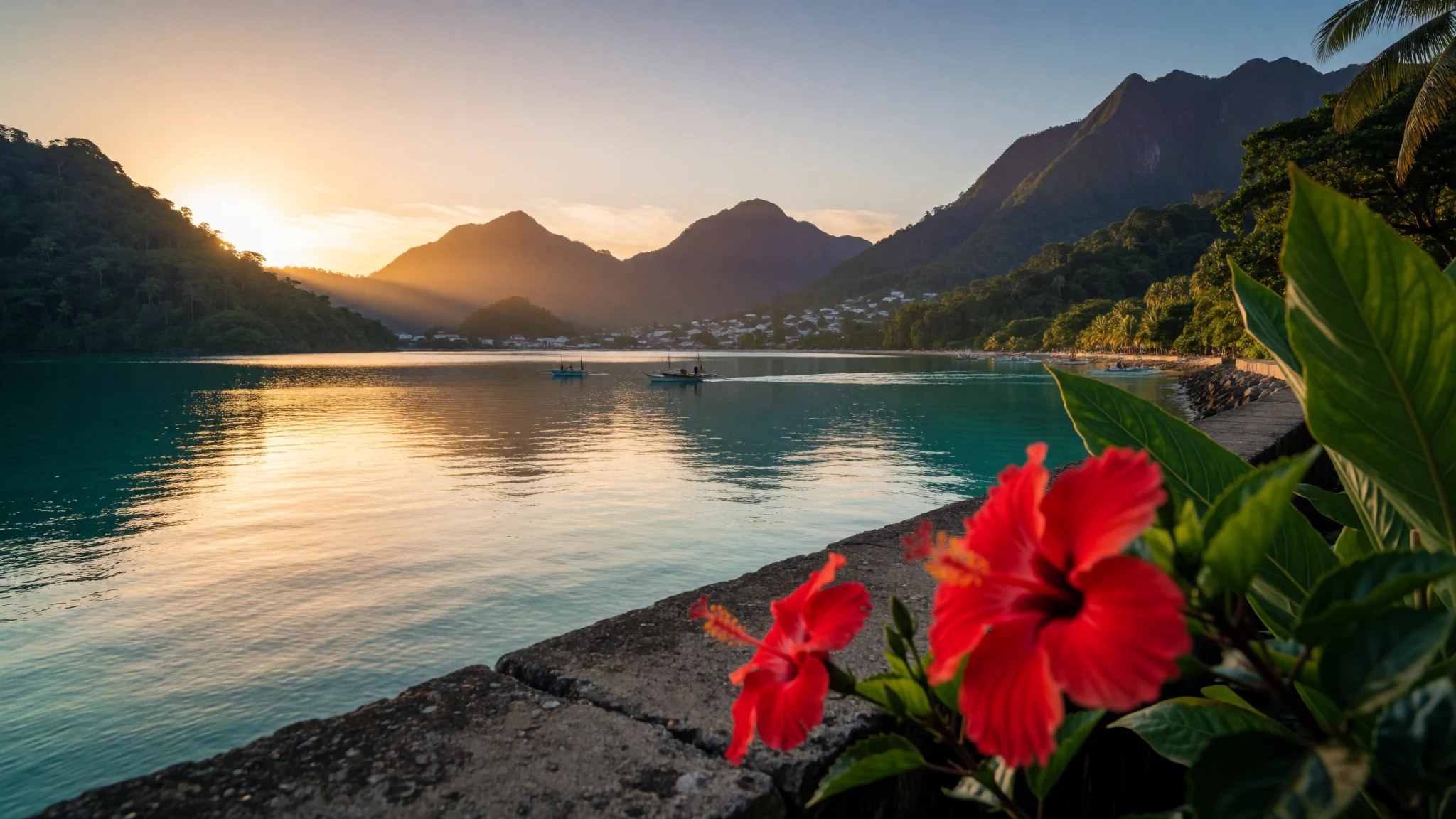
Ambon Island is a green, spice-scented corner of Maluku with easy reefs, layered history, and music in every village.
The place
Ambon Island lies in the Maluku Islands of eastern Indonesia, a hilly, green stretch of land almost cut in two by a long bay. Ambon city, the capital of Maluku province, curves around the inner shore of that bay, with steep slopes behind the waterfront and roads that fill with minibuses called angkot from early morning. The airport sits on the opposite side of the water, so arrival begins with a drive or a crossing before the city appears.
Outside the city the island is a string of coastal villages, each with a church spire or a mosque dome, a jetty and a few wooden boats. Clove and nutmeg trees grow in village gardens, coconut palms lean over pale and dark sand, and reef starts close to many beaches, which makes snorkelling easy without a boat. Inland the hills are forested and the roads climb and twist, so distances that look short on a map take longer than expected.
Ambon is not a polished resort destination. Guesthouses and eateries are simple, English is patchy outside the main town, and cash matters. The reward is an island where daily life is visible: fish landed at dawn, schoolchildren in neat uniforms, choirs rehearsing in the evening. Heat and humidity are constant, and the rainy season in the middle of the year can turn roads muddy and seas rough. Ambon also works as a base for boats to the neighbouring Lease Islands of Haruku, Saparua and Nusa Laut.
Its story
Ambon Island owes its place in history to cloves. Before steamships and refrigeration, the Maluku Islands were among the few places where cloves and nutmeg grew, and traders from Java, China, India and the Arab world sailed here for them long before Europeans arrived. Island communities, organised around villages and their chiefs, took part in that trade and shaped it.
Portuguese ships came looking for a share and built a base on the coast. The Dutch East India Company, known as the VOC, pushed them out and made Ambon the centre of its clove business, raising a fort above the harbour that became the core of the town. The company tried to control supply by restricting where cloves could be grown and punishing villagers who broke the rules. That system bred resentment, which surfaced in several uprisings. The best remembered leader, Pattimura, is now a national hero, and his name is on the university, the airport and a statue in the city.
After Indonesian independence, Ambon was a mixed Christian and Muslim city. In the years around the turn of the millennium it suffered a painful period of communal violence that displaced many families. Recovery has been gradual, helped by reconciliation work between neighbouring villages. Today the island feels calm, though older residents remember those years clearly, and the subject is best left for locals to raise.
What to see
- Fort Victoria — Ambon city waterfront
Fort Victoria stands near the waterfront in Ambon city, a Dutch-built stronghold from the company era. Parts of the site may be closed to visitors, so treat it as a look from outside. The sea wall and the streets around it show how the colonial town was laid out around the harbour.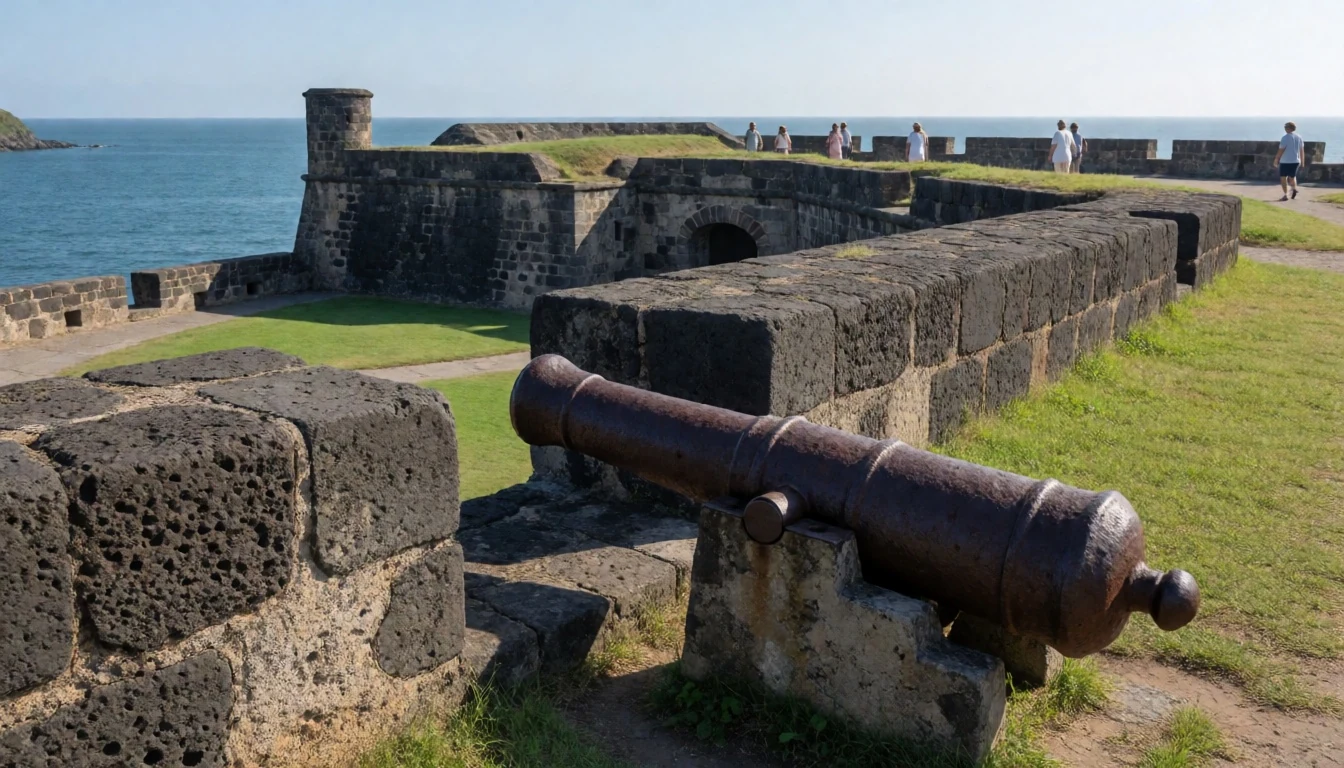
- Siwalima Museum — Hills south of Ambon city
The Siwalima Museum, in the hills south of the city, is a good place to understand Maluku before heading to the villages. Its collections cover textiles, carved wood, ceramics, weapons and objects from the spice trade. Opening days shift, so ask locally or check ahead, and the grounds look out over the bay.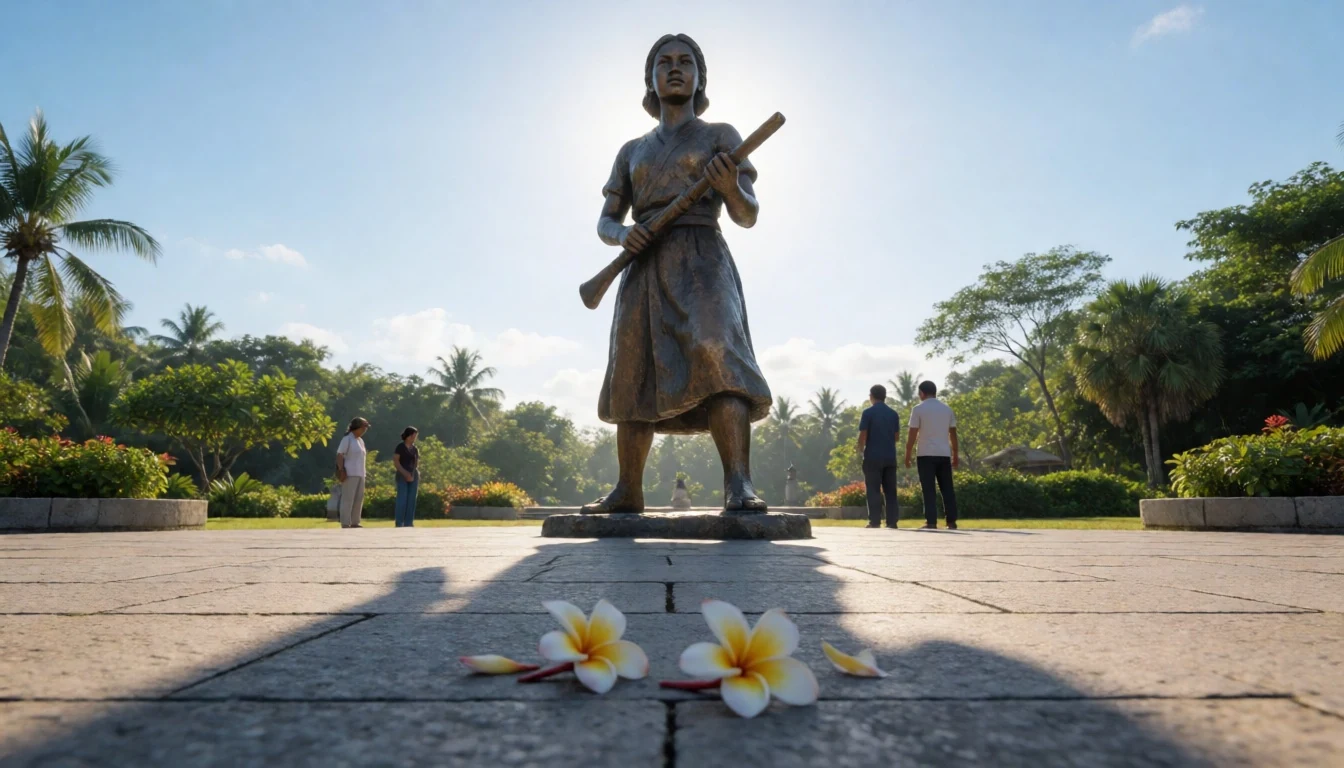
- Hila and Fort Amsterdam — Hila village, north coast
Hila is a coastal village on the north side of the island, home to a Dutch fort and an old wooden church. It makes an easy half-day by road, with stops at roadside stalls and small beaches on the way. Visit in the morning, before the afternoon heat and rain clouds build.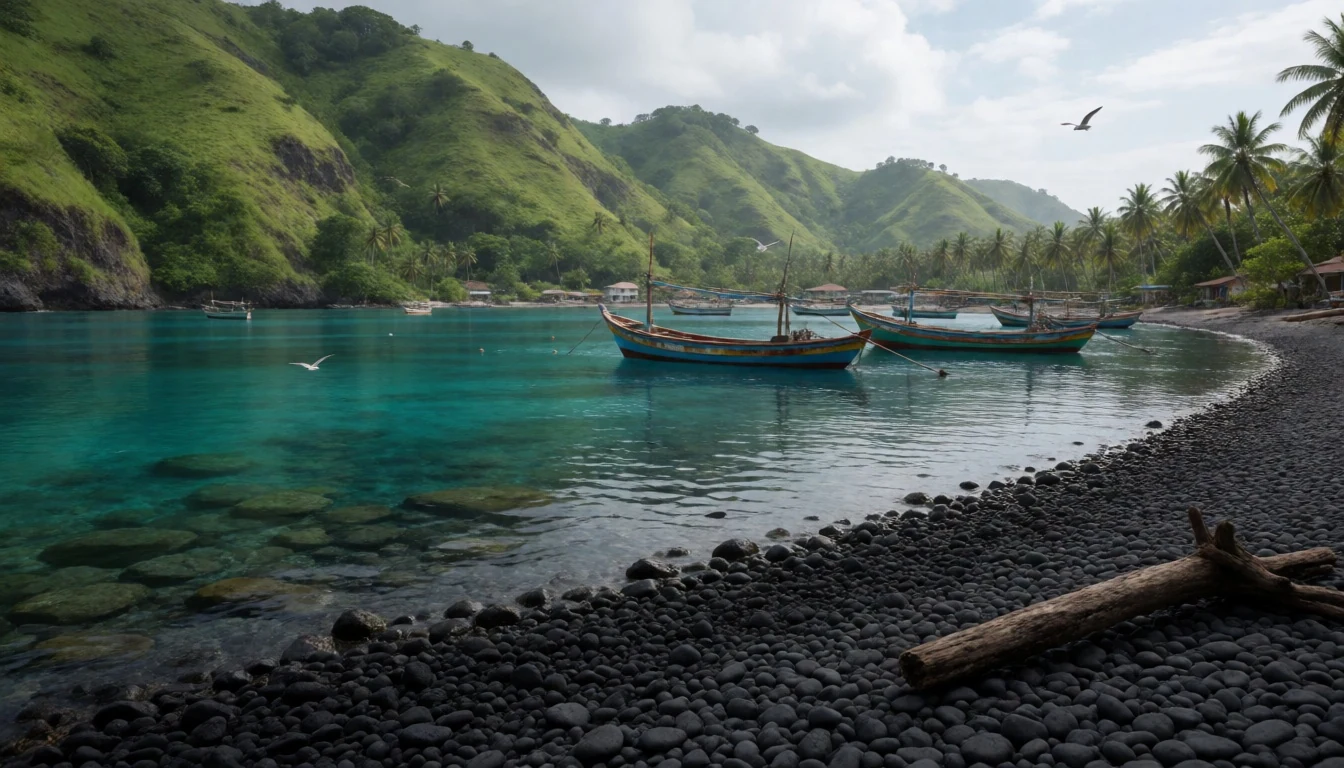
- Natsepa beach — East of Ambon city
Natsepa is the beach most Ambon residents head to on a weekend, with calm shallows, shade trees and a row of stalls selling fruit rujak. It gets busy on Sundays and holidays, and the water is better for paddling than serious swimming. Go on a weekday morning for a quieter visit.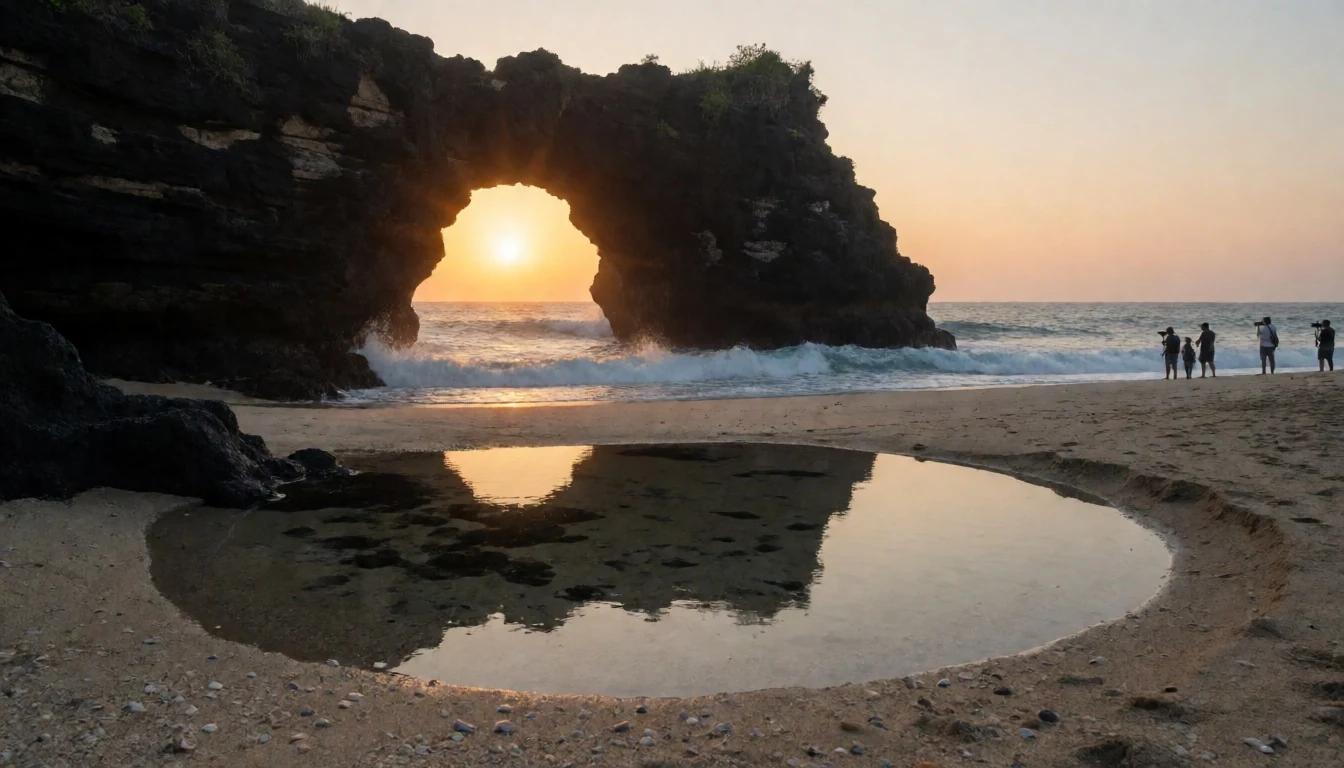
- Liang beach — North-east coast
Liang, on the north-east coast, has a long stretch of pale sand and clear water, and is the usual choice for snorkelling and a day by the sea. Basic food stalls and boards for hire sit along the shore. Bring a mask if you own one, and wear reef shoes where the bottom turns rocky.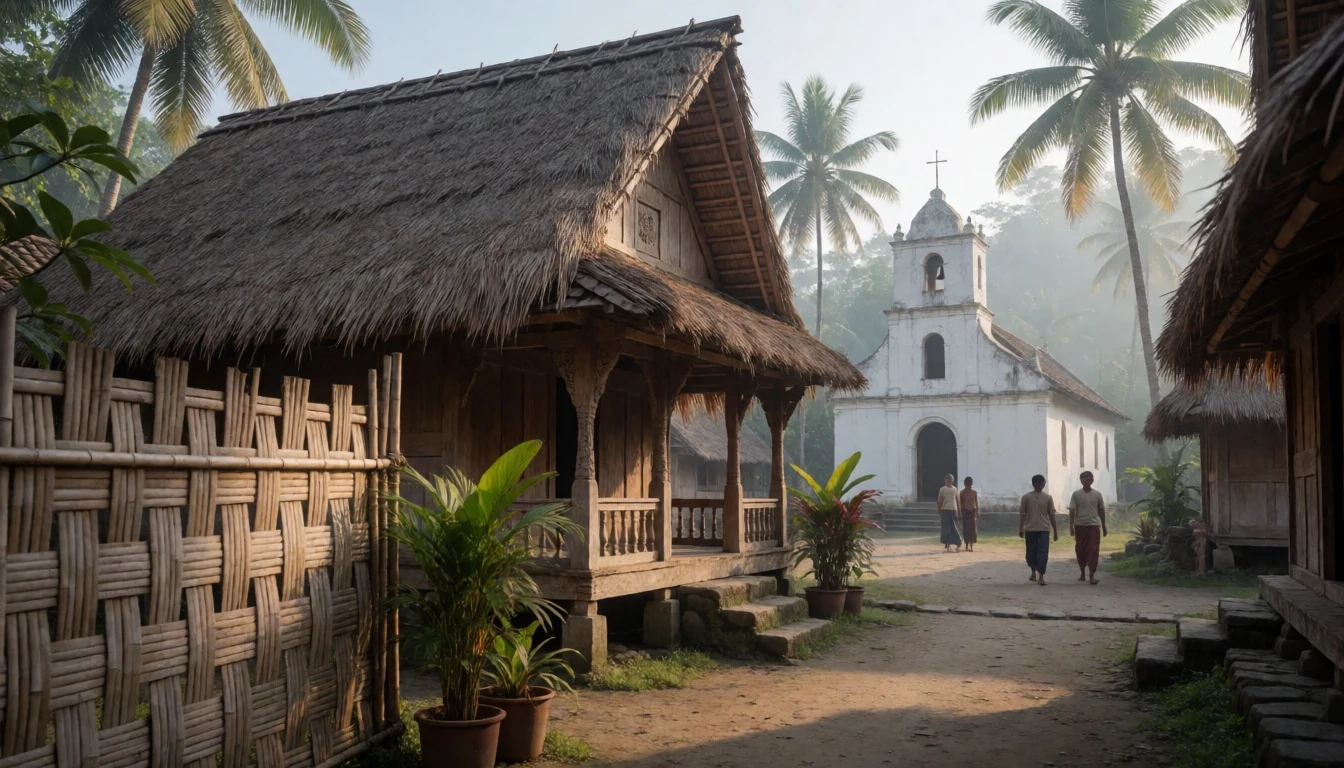
Culture
Ambon Island is home to Christian and Muslim communities, often in neighbouring villages, and this shapes the rhythm of the week: Friday midday prayers in mosque villages, full churches and choirs on Sunday. Many villages are linked by pela, traditional pacts of brotherhood between a Christian and a Muslim community, and by gandong, a wider idea of kinship across the islands. These bonds are called on to share labour, to rebuild a church or mosque and to settle disputes.
Music is everywhere. Church choirs sing in harmony, guitars and ukuleles turn up at any gathering, and Ambonese songs are known well beyond the island. Traditional ensembles use tifa drums and totobuang, a row of tuned gongs. A few days on the island will almost certainly include a rehearsal drifting out of a hall.
Hospitality is real. Guests are offered tea, coffee or sweet snacks, and refusing outright can seem cold, while accepting a little and saying thanks works well. Betel nut is chewed in some villages. The conflict years left sensitivities, so religion and politics are best discussed only when locals raise them first. Ask before photographing people in villages, and cover shoulders and knees when entering a church or mosque.
What to wear
Traditional dress on Ambon Island blends Maluku customs with Dutch-era influence. For ceremonies, church festivals and welcome dances, women often wear a kebaya or loose blouse with a wrapped skirt of woven or batik cloth, while men wear baju cele, a shirt in bold stripes, with dark trousers. Black and white are common for formal church occasions, and sarongs are everyday wear in many homes.
Day to day, people dress for heat and humidity: T-shirts, cotton trousers or jeans, sandals, and school or office uniforms that are neat even in the rain. In Muslim villages many women wear headscarves, and Fridays and Sundays bring out crisp shirts, long dresses and best shoes. Beachwear stays on the beach.
Visitors should pack light, quick-drying cotton, one proper rain jacket, and long trousers or a long skirt for towns, churches and mosques, with shoulders covered. Sandals that slip off easily suit homes and places of worship. Reef shoes protect against sea urchins and sharp coral on rocky shores, and a hat and sun protection matter on the water. Away from the main beaches, put a T-shirt or sarong over swimwear.
What to eat
- Papeda with ikan kuah kuning — Local eateries around Ambon city
Papeda is a glossy, sticky porridge made from sago, eaten with a turmeric-yellow fish soup sharpened with lime and herbs. It is Maluku's signature meal and an acquired texture. Look for it in simple eateries in Ambon city, especially at lunchtime.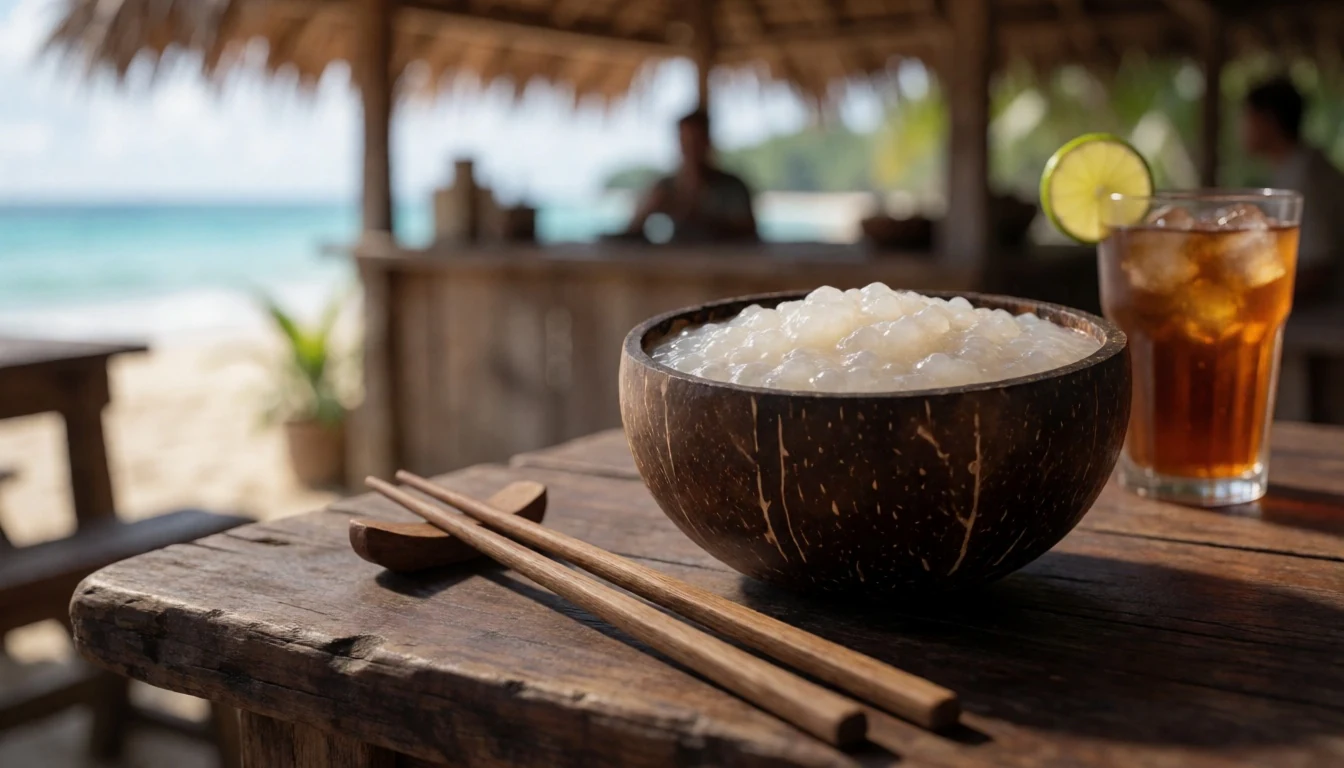
- Ikan bakar with colo-colo — Seaside grill stalls and waterfront eateries
Fresh fish grilled over coals and served with colo-colo, a raw sambal of chilli, shallot, lime and sometimes tomato or basil. Choose the fish at the counter, then eat with rice and boiled vegetables. Grill stalls fill up at dusk.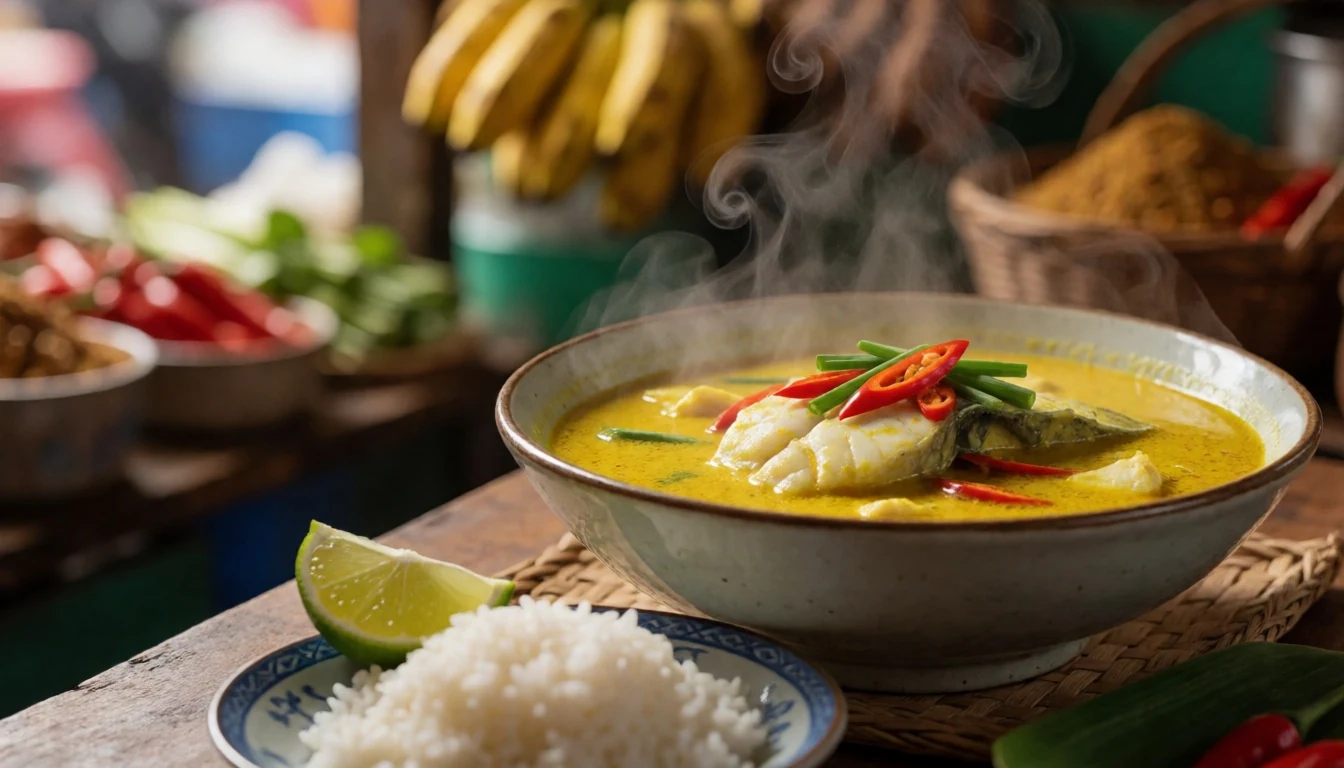
- Kohu-kohu — Market food stalls and family eateries
A salad of finely chopped raw or lightly cooked fish, mixed with grated coconut, bean sprouts, long beans, chilli and lime. It is bright, crunchy and sour, a good counterpoint to heavier dishes. Ask where the fish came from and when. - Rujak Natsepa — Stalls along Natsepa beach
Slices of unripe fruit such as mango and pineapple, dunked in a dark sauce of palm sugar, chilli and ground peanuts. Sweet, hot and sour in one bite, it is the classic snack for a beach afternoon. - Ikan asar — Fish markets and fishing villages
Fish smoked over a fire until firm and deeply flavoured, often tuna or skipjack. It is sold whole or in pieces and eaten with rice and sambal, or carried home as a salty snack. Look for it where fishing boats land their catch.
Plan it
Best time. October to December, when the weather is generally drier and the sea calmer for snorkelling and island boats. The middle of the year is the rainy season, with heavy showers and rougher seas, and the island is hot and humid in every month.
How long. 3–4
Getting there. Fly to Pattimura Airport (AMQ), with connections from major Indonesian cities such as Jakarta and Makassar. The airport is across the bay from Ambon city, so the last leg is a road trip by taxi or ride-hailing app; confirm the route and timing on arrival. Ferries link the island to the Lease Islands and other parts of Maluku.
Budget. low
Tips
- Carry cash in small notes, as cards and cash machines are patchy outside Ambon city
- Book flights and any boat trips early in busy periods such as national and religious holidays
- Start village and beach days in the morning, before afternoon heat and rain
- Take your own water bottle and refill from sealed or filtered water only
- Check ferry and speedboat schedules locally, as weather can change them at short notice
Etiquette
- Cover shoulders and knees at churches, mosques and in villages away from the beach
- Ask before photographing people, especially at religious services
- Accept offered tea or snacks politely, and avoid raising religion or politics first
Nearby
Sources
- Wikidata — Ambon Island (CC0)
- Wikipedia — Ambon Island (CC BY-SA 4.0)
- Wikivoyage — Ambon (CC BY-SA 4.0)