Amed Beach
Amed Beach, Indonesia
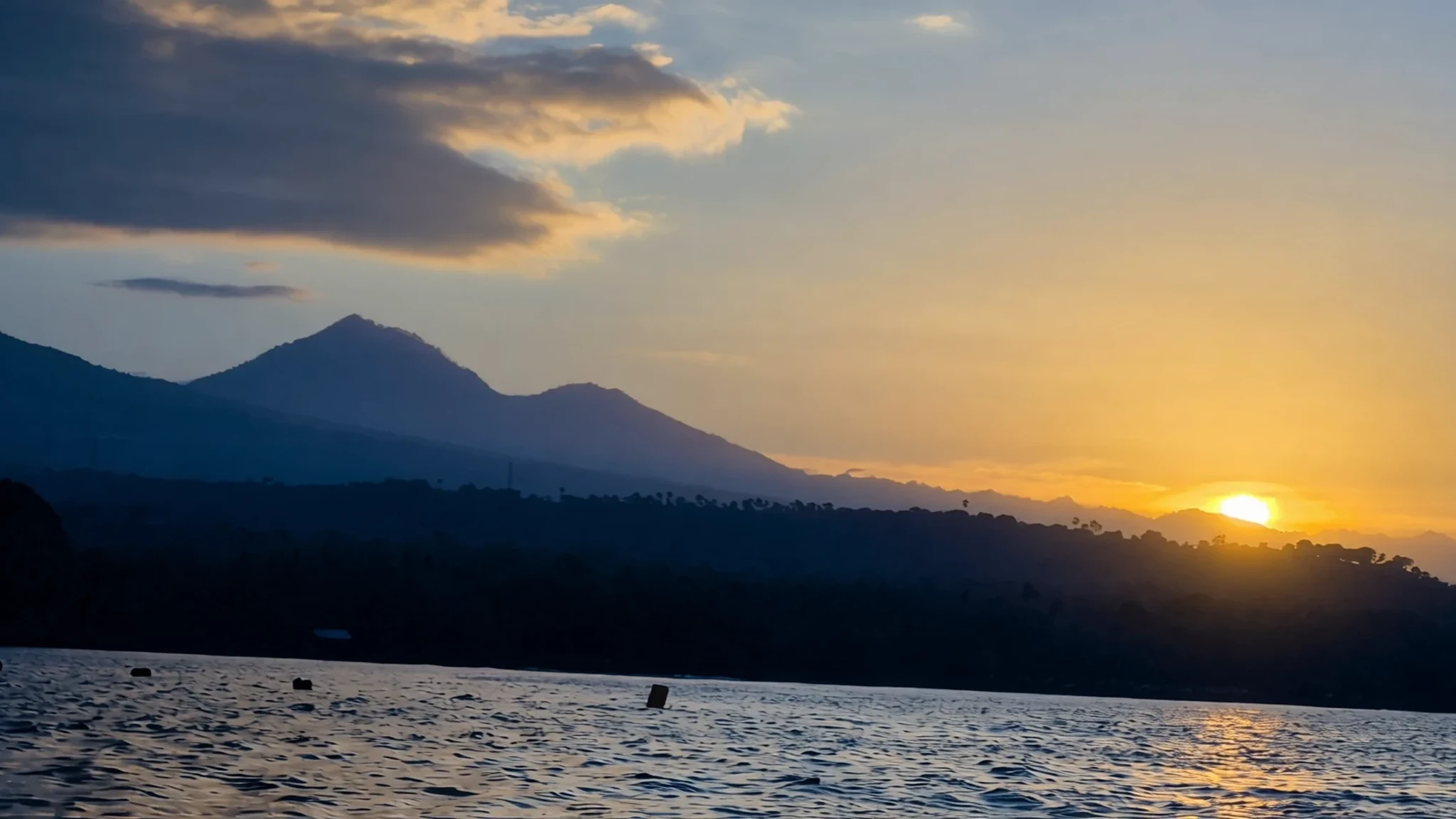
Amed Beach is a quiet, dark-sand stretch of east Bali where fishing boats, coral reefs and a volcano share one slow coastline.
The place
Amed Beach sits on the dry, sun-baked northeast coast of Bali, in the Karangasem regency. It is less a single beach than a string of small bays and villages, strung along a winding coastal road, with Mount Agung rising inland and the sea running flat and clear below. The sand is dark grey and pebbly, a reminder that this is volcanic country. Narrow wooden outrigger boats called jukung are pulled up along the shore, painted in bright colours, and they go out before sunrise to fish. The pace here is far slower than in the busy southern resorts of Bali. Days follow a simple rhythm: swim or snorkel early while the water is calm, retreat from the midday heat, then drift to a roadside eatery for dinner. Accommodation is mostly small guesthouses, family-run homestays and dive lodges rather than big resorts, and the road has little street lighting after dark. The Wikidata record for this place is a villa, one of many small stays along the strip, but the name is generally used for the whole coast. Rain is lighter here than in the green, wet heart of the island, and the landscape is drier, scrubbier and browner for it. Swimming is gentle in most bays, though the dark stones can be hot underfoot by midday and tricky to walk on without sandals. Phone signal and cash machines are patchy, so it pays to plan ahead.
Its story
Amed Beach has long been a working coast rather than a holiday one. For generations its villages lived from the sea: fishermen went out in jukung after tuna and smaller reef fish, while families made salt by letting seawater dry in shallow beds and hollowed palm-trunk troughs on the dark sand. That salt was sold inland and is still made by a few households today, mostly as a craft that visitors can watch. The land itself shaped the people's fortunes. Mount Agung, the great volcano that dominates the horizon, is sacred to Balinese Hindus, and a twentieth-century eruption forced many villagers off their fields and left a dry, rocky landscape with poor soil for farming. The sea became the dependable resource. Dive instructors and travellers began arriving later, drawn by the coral and the fish close to shore, and the fishing families gradually opened homestays, warungs and dive shops beside their boats. Tourism here has grown in a piecemeal way, one family at a time, rather than through large developments, which is why the coast still feels low-key. The nearby wreck of a cargo ship from the Second World War, now a reef covered in coral, helped put the region on the diving map. Tourism now sits alongside fishing and salt-making instead of replacing them, though the balance shifts with each new guesthouse.
What to see
- Jemeluk Bay — Amed, Karangasem
Jemeluk Bay is the most convenient place to start. The water drops away quickly to a coral garden that snorkellers can reach from the shore, and a small group of freedivers train here in the calm of the morning. Aim to arrive early, before the day's wind ruffles the surface and the boats begin to move.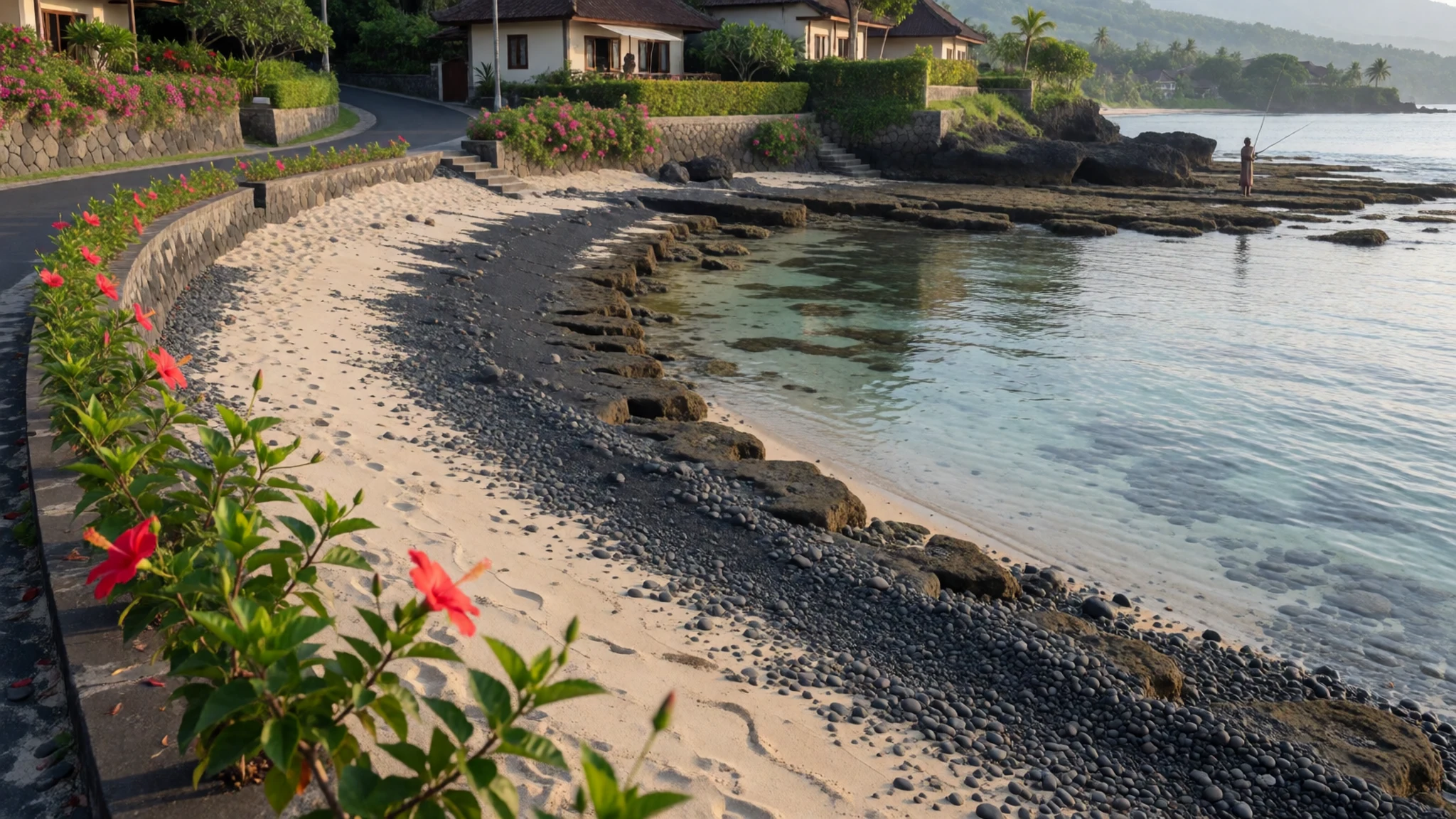
- Lipah Beach and its wreck — Lipah, Amed
Lipah Beach is a quieter bay with a small Japanese-era wreck lying just off the shore, easy enough for confident snorkellers. The beach is pebbly, shaded in places, and has a few simple eateries. Visibility is best on calm mornings, so go early and bring reef-safe sun protection.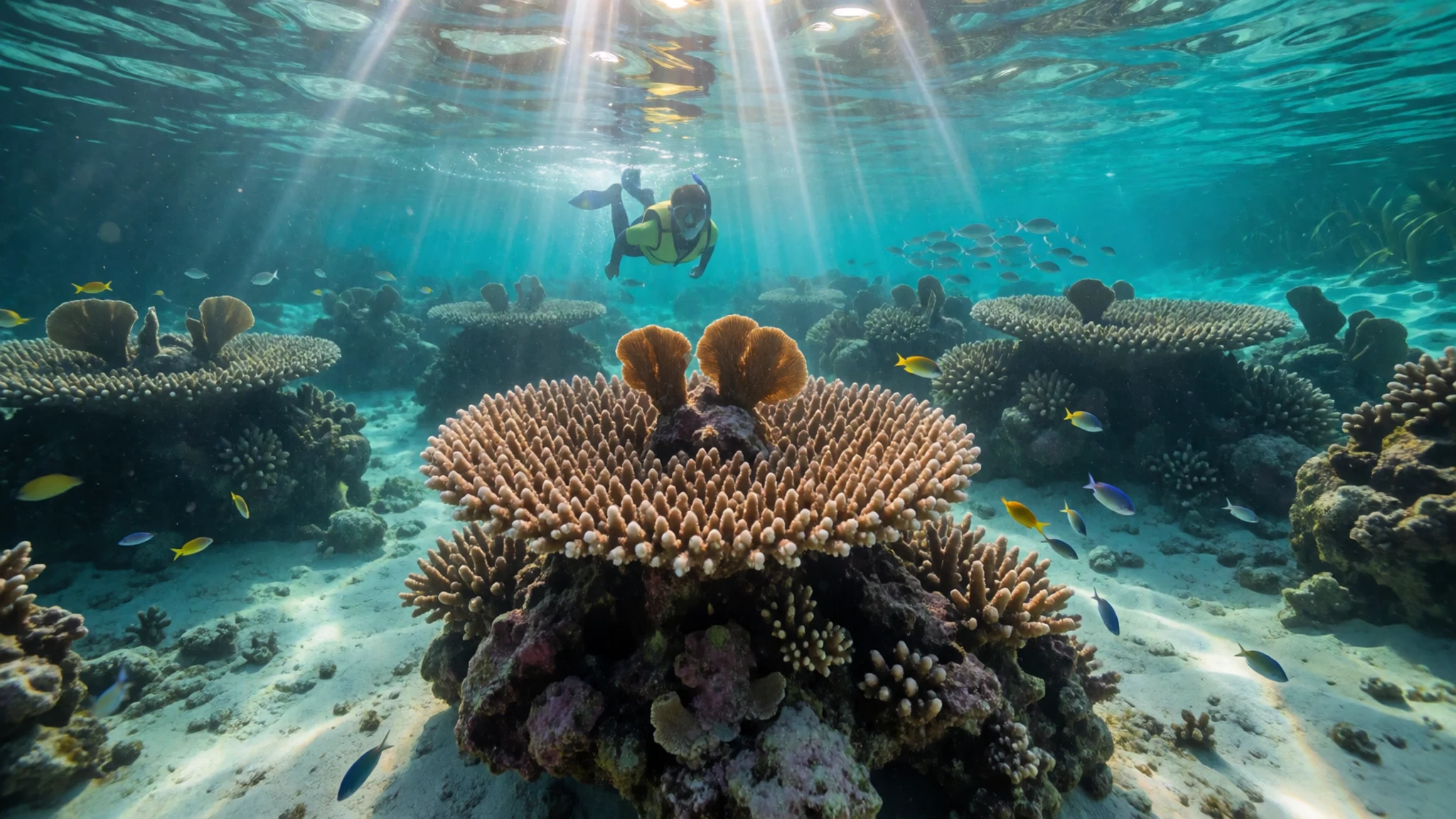
- Traditional salt-making huts — Coast road near Amed
Along parts of the coast, families still dry sea salt in shallow sand beds and palm-trunk troughs. The work happens in the dry season, under strong sun, and visitors are usually welcome to watch and buy a small bag. It is a short, rewarding stop that shows how people here lived before diving arrived.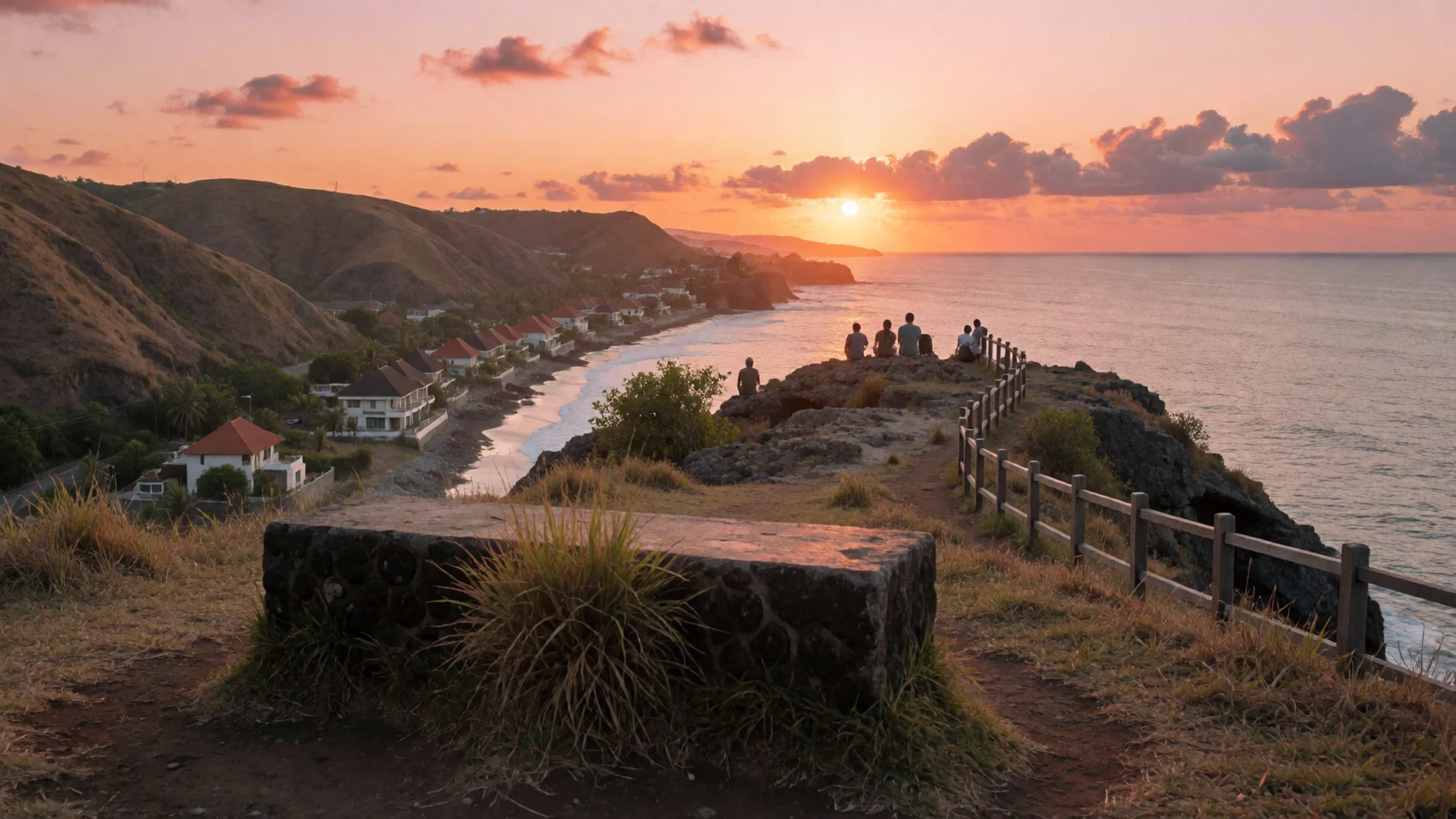
- Tulamben shipwreck — Tulamben, Karangasem
A short drive north, Tulamben is known for a large wartime cargo ship lying close to the shore. It is reachable from the beach, and the coral and fish life on the wreck draw divers and snorkellers throughout the year. Go early, because day-trip groups arrive from the south by mid-morning. - Pura Lempuyang — Karangasem hills
Pura Lempuyang is a hillside temple complex inland from the coast, famous for a split gateway that frames Mount Agung. Queues for the photograph can be long, and the climb to the higher temples is steep. Treat it as a working Hindu site, not just a viewpoint, and check the official arrangements before you set out.
Culture
Amed Beach lies in Karangasem, one of the more traditional corners of Bali, where daily life is shaped by Balinese Hinduism and by the presence of Mount Agung, which locals regard as the island's holiest peak. Small offerings called canang sari, woven palm-leaf trays of flowers and incense, are set out each morning on doorsteps, on boats and at shrines, and the smell of incense is part of the coast's background. Temple ceremonies fill the calendar, and processions in white and yellow sometimes fill the coast road, slowing traffic for a few minutes. Fishermen often bless their jukung before heading out, since the sea is treated with respect as well as used for work. The community is close-knit, and many guesthouses are family homes in all but name, so a polite greeting goes a long way. Photography is mostly relaxed, but ceremonies are not performances, and priests and worshippers should not be crowded. Salt-makers and fishermen will often chat if asked, and a small purchase is the usual way to say thanks. Mornings are the best time to see the working side of the coast, before the heat builds and the boats return. Do not step over or on the canang sari offerings on the ground, and cover your shoulders and knees, with a sarong and sash where lent, before entering any temple.
What to wear
Amed Beach follows Balinese dress traditions, which centre on the kain, a length of cloth wrapped as a sarong, usually cotton, and sometimes patterned with batik or woven ikat. Women wear a kebaya, a fitted lace or cotton blouse, with a sash called a selendang, and men wear a kain with an udeng headcloth and a white or coloured shirt. These are worn for temple festivals, ceremonies and weddings, often in white, yellow or bright colours. Rarer is endek, a woven textile from Karangasem and nearby districts with an ikat-dyed pattern, which is sold in local shops. In daily life, people on the coast wear simple clothes suited to heat: cotton shirts, shorts or trousers, flip-flops, and a cap or scarf for sun while fishing. Dive shop staff are often in rash vests and board shorts. A visitor should dress for hot, dry weather in light, quick-drying cotton or linen, with a hat, sunglasses and reef-safe sun protection. Wear beachwear on the shore but cover up in villages, restaurants and especially at temples, where shoulders and knees should be covered and a sarong is expected. Sturdy water shoes help on the pebbly, hot sand and rocky entries, and a light layer is useful for the breeze on night boat rides.
What to eat
- Ikan bakar — Beachfront eateries along the coast road
Grilled fresh fish, often tuna or snapper landed that morning, served with rice, sambal and a squeeze of lime. It is the dish that best fits this coast. Look for small beachfront eateries where the catch is on display and the grill is over coconut husk.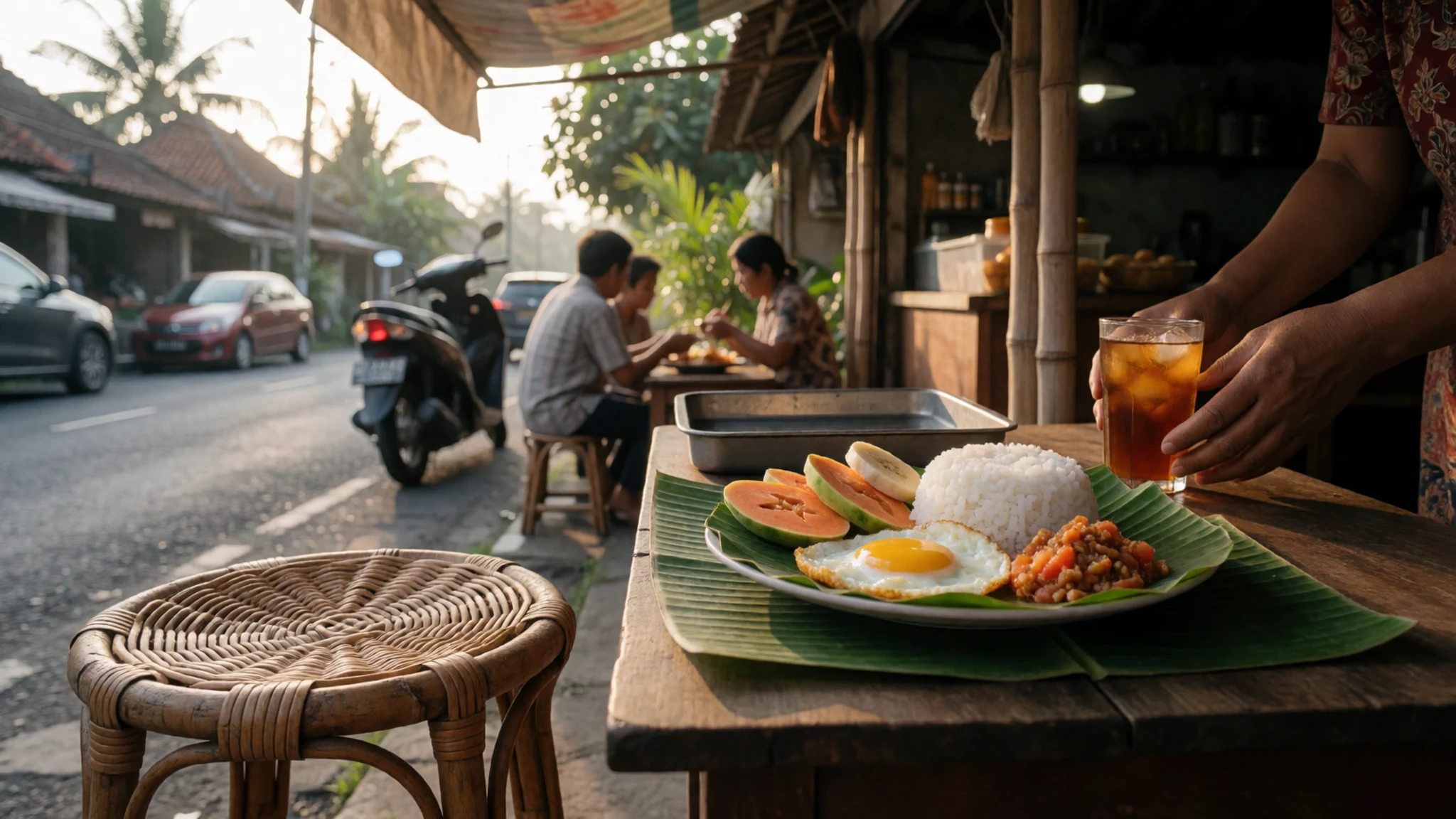
- Sate lilit — Warungs and evening stalls near the main bays
Minced fish or meat mixed with grated coconut and spices, pressed onto lemongrass sticks and grilled. It is smoky and lightly sweet, and a good snack with rice. Fish versions are common here, so ask for ikan if you want the local style.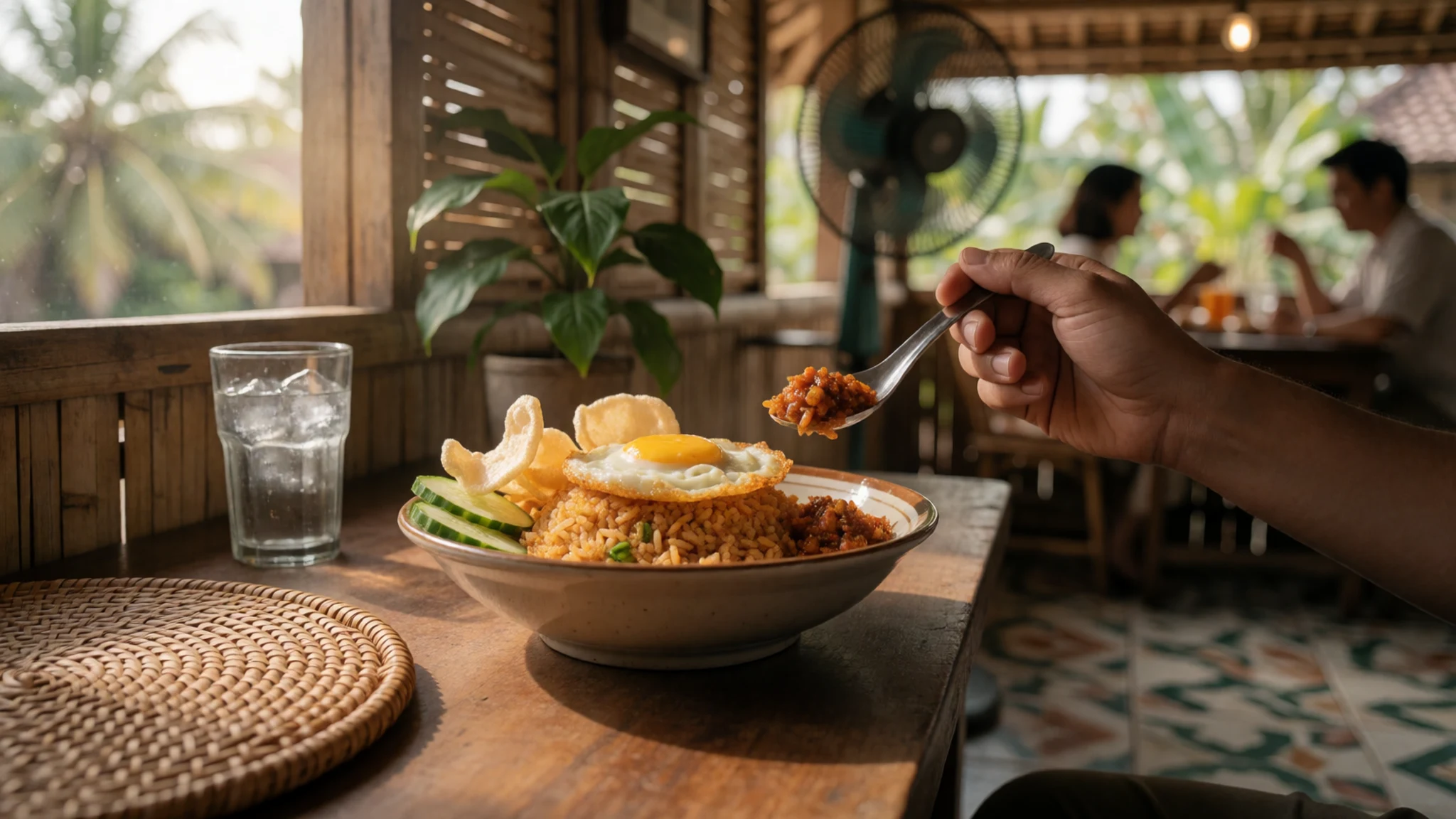
- Nasi campur — Family-run warungs and morning stalls
A plate of rice with small portions of vegetables, tempe, egg, chicken or fish, and sambal, assembled to order. It is a cheap, reliable meal and suits travellers who want to try several flavours at once. The mix changes by cook and day. - Lawar — Ceremonial feasts and local warungs
A traditional Balinese salad of finely chopped vegetables, grated coconut and spices, sometimes with minced meat or blood, and often served at ceremonies. Vegetarian versions exist and are milder. Ask what is in it before ordering, as recipes vary widely. - Fresh coconut and fruit — Roadside fruit stalls and guesthouse breakfasts
Cold young coconut, split open at the stall, is the standard answer to the heat. Local mango, papaya, bananas and pineapple are often served with breakfast. Pisang goreng, fried banana, is a common afternoon snack.
Plan it
Best time. May–June and September–October fall in the drier months, with calmer seas and good visibility for snorkelling and diving. July and August are also dry but busier; the wet season brings heavy showers and rougher water, and the heat is strong all year.
How long. 2–3
Getting there. Fly to Ngurah Rai International Airport near Denpasar, then take a pre-arranged car or taxi along the east coast to Amed; the drive takes a long morning or afternoon, so avoid arriving after dark. Public transport is limited, so many visitors arrange a driver or hire a scooter if experienced.
Budget. mid
Tips
- Book accommodation ahead in July, August and school-holiday periods
- Carry cash, as cash machines and card facilities can be limited
- Snorkel and dive early, when the sea is calm and day-trippers have not arrived
- Bring water shoes for the pebbly, hot sand and use reef-safe sun protection
- Arrange a driver for the transfer and for trips to Lempuyang and Tulamben
Etiquette
- Cover shoulders and knees at temples and wear a sarong and sash
- Do not step on offerings left on the ground
- Do not touch or stand on coral, and take litter away with you
Nearby
Sources
- Wikidata Q110976591 (CC0)
- Wikipedia — Amed (CC BY-SA 4.0)
- Wikivoyage — Amed (CC BY-SA 4.0)