Bintan Island
Bintan Island, Indonesia
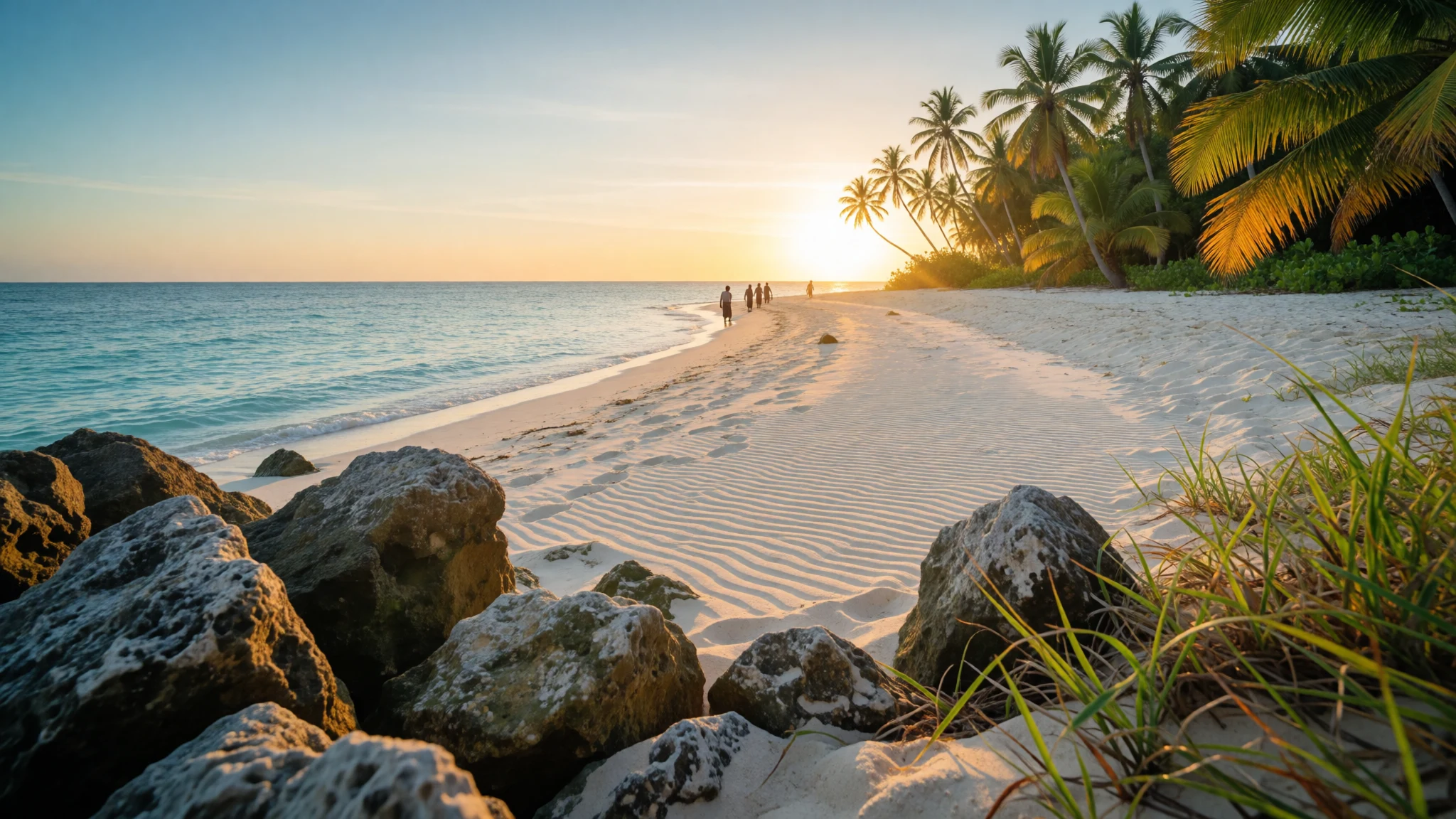
Bintan Island gives a short ferry hop from Singapore to long Malay-coast beaches, an old sultanate island, and cheap, fresh seafood.
The place
Bintan Island sits in Indonesia's Riau Islands Province, about 40 kilometres from Singapore, and that closeness shapes much of daily life and visiting habits. The name covers both the island and the regency that governs most of it. Tanjung Pinang, the main town, is administered as its own city, so a map of Bintan can look slightly confusing at first. The regency spreads across 273 islands, including far-flung groups such as the Tambelan and Badas islands, which lie out towards West Kalimantan. Its recorded population is 142,382, and the land is low, with a reference elevation of 21 metres, so this is a place of coastal plains, plantations and mangrove edges rather than mountains. Two quite different faces sit side by side. In the north, the Bintan Resorts area holds beach and golf resorts that draw mostly Singaporean weekenders, who arrive by ferry and often never leave the compound. Along the east coast, Trikora Beach runs as a line of pale sand and coconut palms facing green-blue water, with small villages and simple seafood eateries behind it. Tanjung Pinang and the nearby town of Kijang are where ordinary Bintan lives, with markets, ferry piers, mosques and Malay cultural life. Most visitors pick one face. Resort stays give sand and comfort but little history; a base in Tanjung Pinang gives history and food but needs a drive for a proper swim. Combining both works best with a hired car and driver. The island keeps Western Indonesia Time, which runs behind Singapore's clock.
Its story
Bintan's modern borders are the result of several quick rounds of redrawing. The regency once covered almost the whole archipelago that is now the Riau Islands Province, including Karimun, Natuna and the city of Batam, all of which were separated in 1999. Tanjung Pinang followed in 2001 as a city in its own right, and in 2002 the island chain was regathered as a province carved out of mainland Riau. Lingga was split off as a further regency in 2003, leaving Bintan roughly as it is administered today. Older layers lie beneath the paperwork. The Riau sultanate left its mark on Penyengat Island, a short boat ride from Tanjung Pinang, where royal tombs, palace remains and the Masjid Raya Sultan Riau still stand. Locals say the mosque's mortar was bound with egg white, a tale repeated with varying degrees of belief. Sultan Haji, who is buried there, is remembered as the author of the first Malay grammar, which ties the island to the history of the Malay language itself. Artefacts from the animist period are also part of what visitors are shown. The sea shapes tradition too. Kolek, the small sailing canoe of the Malay islands, is raced in a regatta series that opens on Indonesian independence day, 17 August, moves from island to island, and finishes at Tanjung Pinang in October.
What to see
- Penyengat Island — Off Tanjung Pinang
A small island reached by short boat from Tanjung Pinang, once a seat of the Riau sultanate. Royal graves, ruined palace walls and old settlement lanes can be covered on foot or by a local becak-style motorised rickshaw in a half day. Go early, as midday sun on the island is fierce.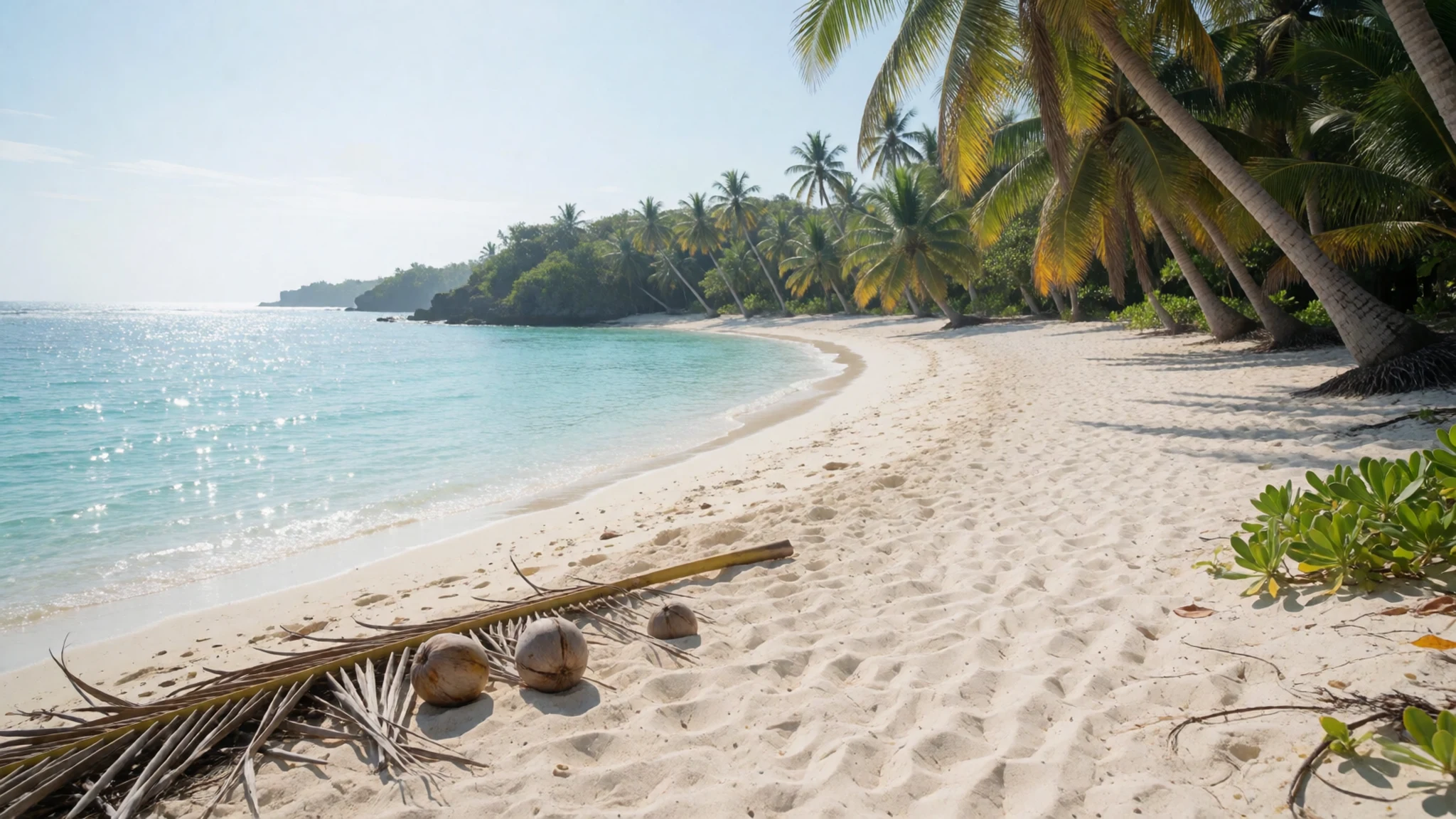
- Masjid Raya Sultan Riau — Penyengat Island
The yellow mosque on Penyengat is still used for worship, and its colour makes it easy to spot from the water. Local tradition says egg white went into the mortar. Step inside only outside prayer times, dress modestly, and ask a caretaker before taking photographs of the interior.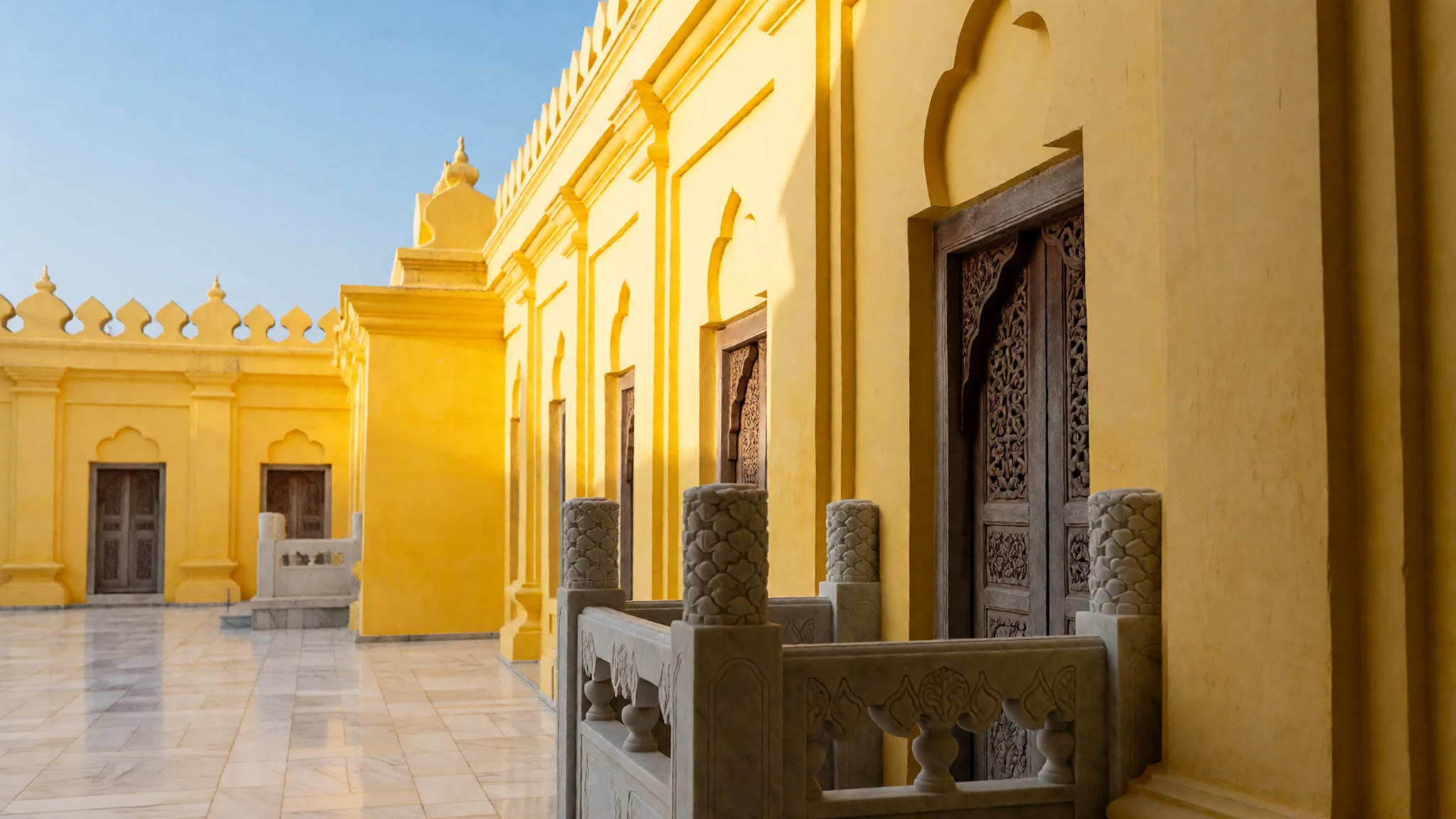
- Trikora Beach — East coast
A run of beaches along the east coast, with pale sand, coconut palms and green-blue water. Small seafood eateries and village homes sit just behind the shore. Sea conditions change with the monsoon, so ask locals about currents before swimming, and bring your own shade.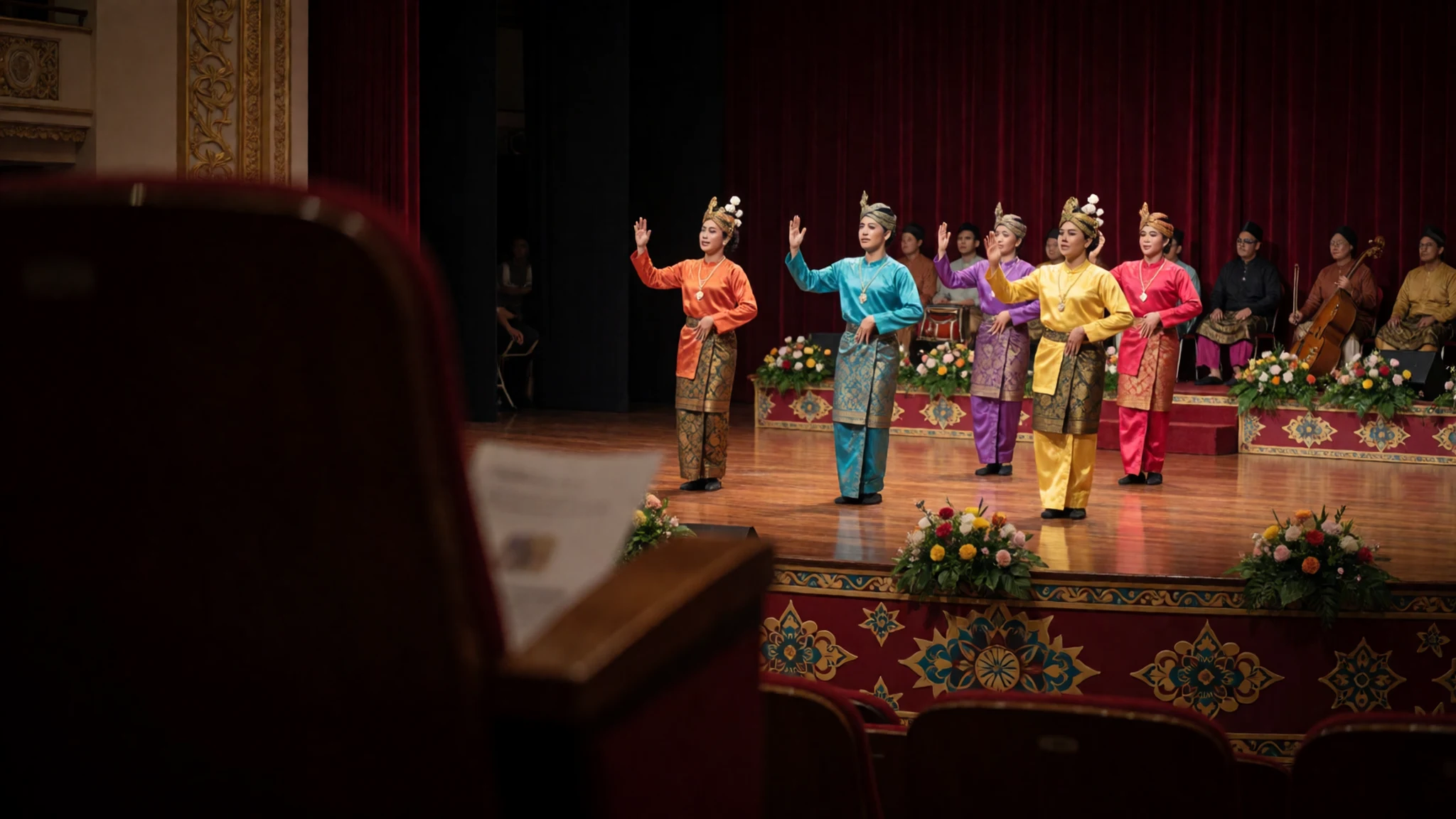
- Bintan Resorts — North coast
The managed resort zone on the northern coast, built mostly with Singaporean short-stay guests in mind. Expect beach hotels, golf courses and tidy roads, with shuttle transfers from the ferry terminal. It suits families wanting an easy break, though it feels removed from the island's towns.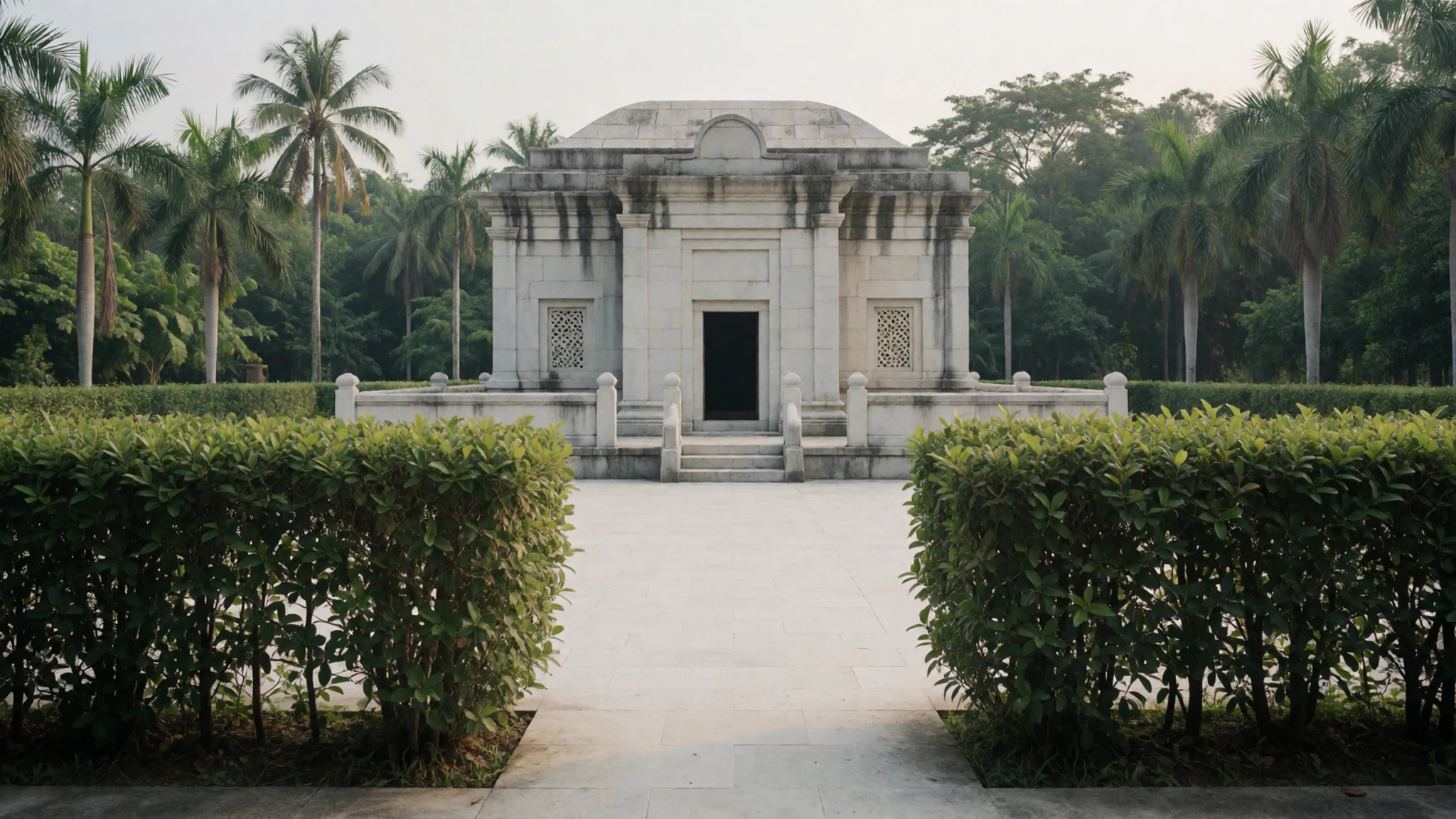
- Tanjung Pinang cultural centre — Tanjung Pinang
The town has a centre for Malay music and dance, with regular festivals and performances. Schedules change, so check with the tourism office or the regency's official site before planning around a show. It is a good rainy-afternoon option and a way to meet the local Malay arts scene.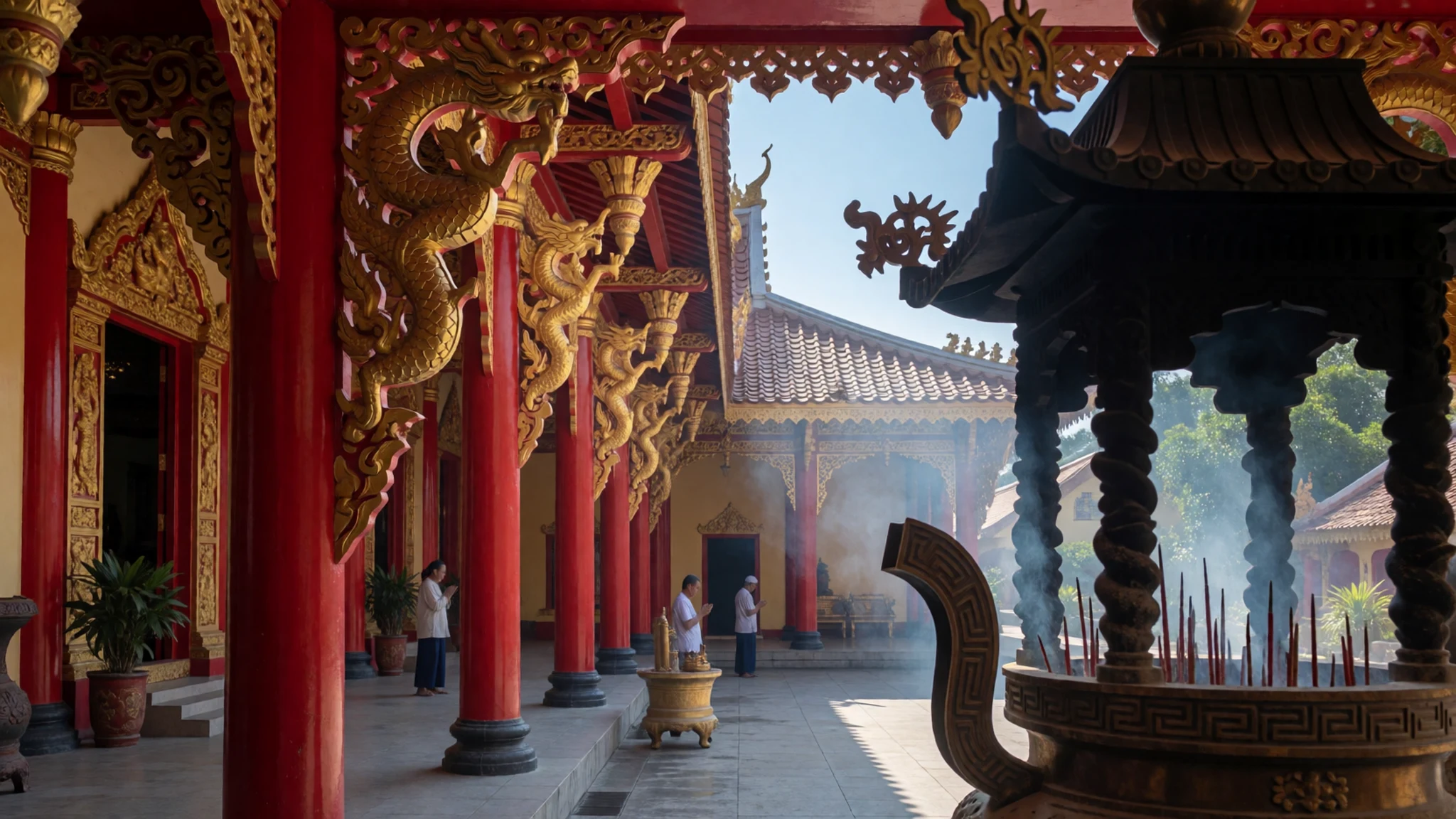
- Kolek regatta, Tanjung Pinang — Tanjung Pinang waterfront
The final race of the annual kolek series is held at Tanjung Pinang in October. These narrow wooden canoes carry a single sail and are raced hard by crews from neighbouring islands. Dates move each year, so confirm locally before travelling, and expect crowds along the waterfront.
Culture
Bintan Island is mainly Malay in heritage, and its identity rests on the old Riau sultanate, Islamic scholarship and a seafaring life. The Malay language was studied and written about here, and local pride in that legacy shows in mosque architecture, royal graves and the care given to the island of Penyengat. Tanjung Pinang also has Buddhist temples, a reminder that Chinese communities have been part of the trading ports for generations. Malay music and dance are taught and performed at the town's cultural centre, and festivals bring out costume, drums and sung verse. Sea traditions are alive as well: villagers race kolek canoes in a regatta series that ends each year at Tanjung Pinang. Everyday rhythms follow the call to prayer, with shops and offices slowing around Friday midday. Evenings are social rather than loud, with people gathering at street stalls, coffee shops and the waterfront. Nightlife of the bar-and-club kind is thin on Bintan itself, and the resort zone in the north caters to a different crowd from the towns. Hospitality is warm, but local life is conservative outside the resorts, so the usual courtesies go a long way. Ask before photographing people, particularly women and children, and when visiting a mosque on Penyengat, cover shoulders and knees, remove your shoes at the entrance, and stay out of the prayer hall during worship.
What to wear
Traditional Malay dress on Bintan centres on the baju kurung for women, a long loose tunic worn over a skirt, and the baju Melayu for men, a collarless shirt with matching trousers, often finished with a sarong wrapped at the waist. Songket, a silk or cotton cloth with gold or silver thread woven into the pattern, is kept for weddings, festivals and royal-style occasions, and batik fills in for more everyday formal wear. Men may add a folded headcloth for ceremonies. Day to day, people dress for the heat: cotton shirts, light trousers, long skirts and, for many women, a headscarf. Young people in Tanjung Pinang wear much what they would in any Indonesian town, jeans and T-shirts included. Resorts on the northern coast are relaxed, and swimwear is normal there, but it reads differently in villages and the town. A visitor should pack light, breathable cotton or linen, a hat and sunglasses, and a thin rain layer, because showers are common. For mosques, carry a scarf or shawl and wear clothing that covers shoulders and knees. Sandals are fine for beaches and town, but add reef shoes for rocky shores, and bring something grippier for jetties and wet boat steps, which are slippery.
What to eat
- Gonggong — Tanjung Pinang waterfront seafood eateries
A sea snail boiled in its shell and eaten with a spicy dipping sauce, strongly tied to the Riau Islands. It is chewy and briny, and best eaten fresh. Look for it at seafood places on the Tanjung Pinang waterfront.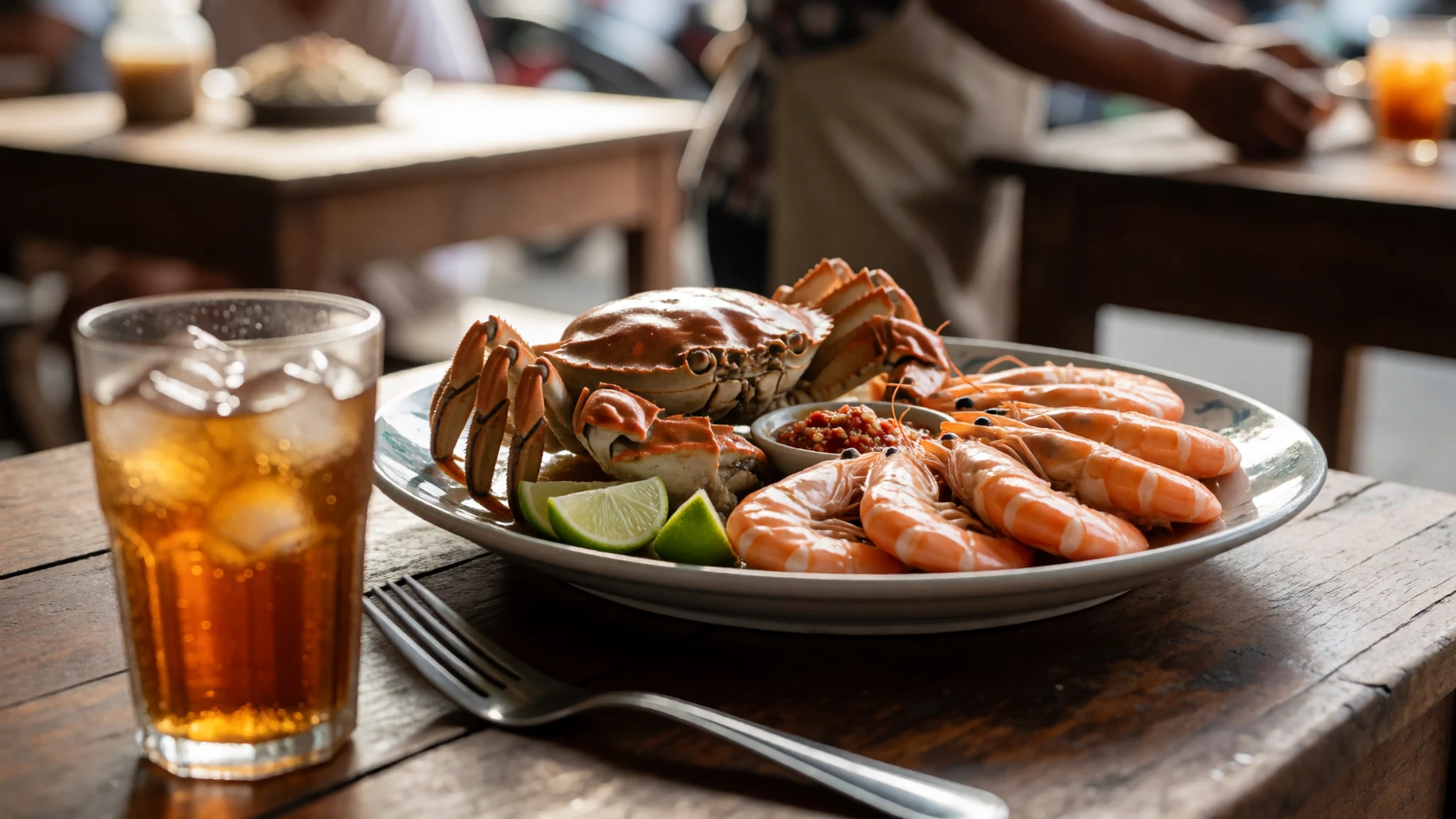
- Grilled fish with sambal — Simple beachside eateries along Trikora
Whole fish, caught that day, is grilled over coals and served with chilli paste, rice and a squeeze of lime. It is simple and filling, and usually cheaper than seafood on the Singapore side of the water.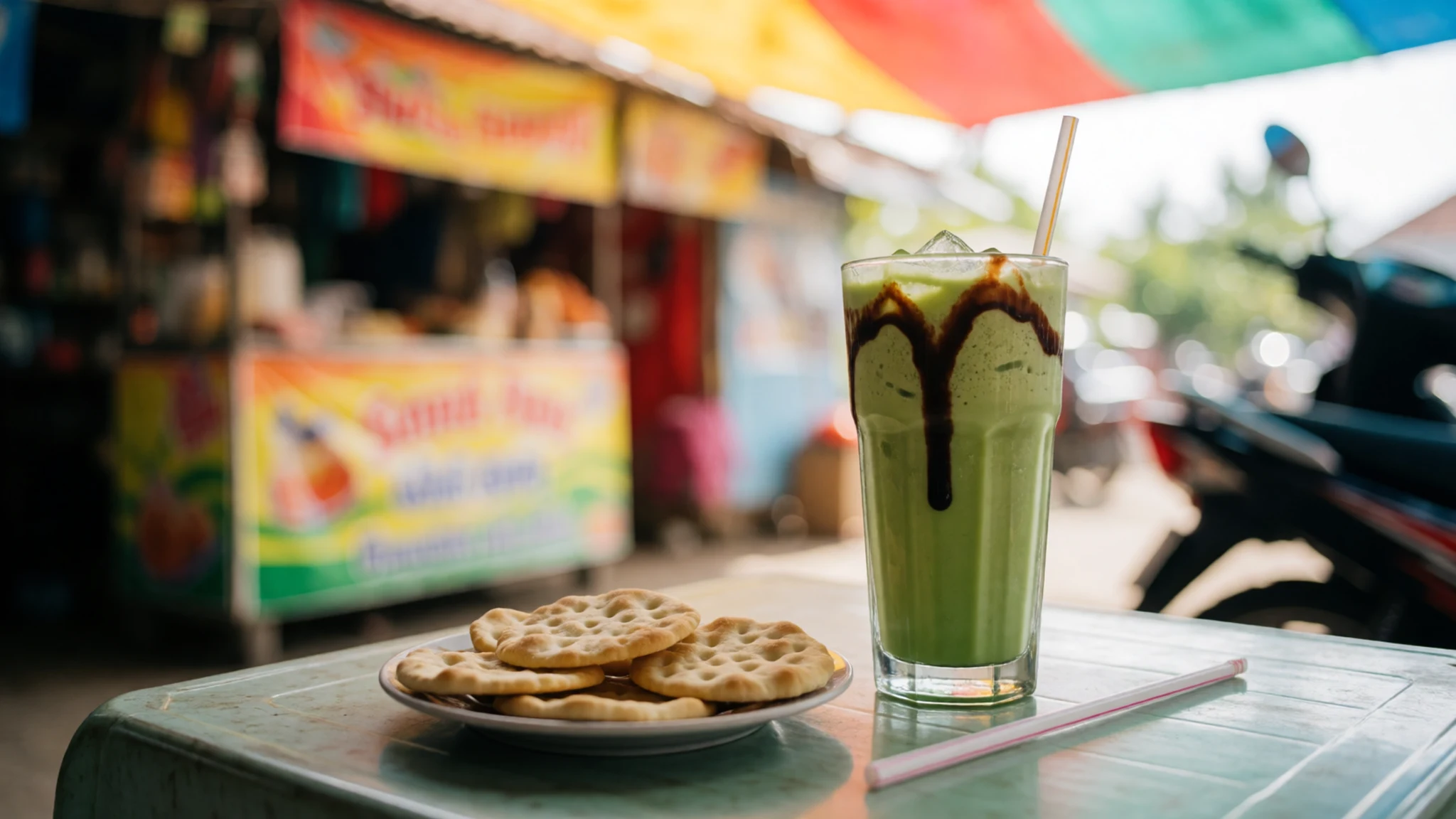
- Mie lendir — Street stalls and small eateries in Tanjung Pinang
A bowl of noodles in a thick, savoury, slightly sweet sauce, topped with crackers, egg and chilli. It is a favourite local breakfast and lunch, and sold by street vendors and small shops. - Otak-otak — Market stalls and roadside grills
Fish paste mixed with spices, wrapped in leaf and grilled until slightly smoky. It comes as a snack to be eaten by hand, often with a dipping sauce. A good thing to pick up while waiting for a ferry. - Avocado juice and local coffee — Coffee shops across Tanjung Pinang
Indonesia's coffee and tea culture is strong here, and a thick avocado juice, often with chocolate syrup, is a local favourite on hot afternoons. Order it at any neighbourhood coffee shop, where people sit for hours to talk.
Plan it
Best time. March to August is a sensible window, as it is generally the drier part of the year. The island sits just north of the equator, so showers can arrive in any month, and the wetter monsoon months at year's end bring rougher seas that can disrupt boats to outer islands.
How long. 2–3
Getting there. The simplest route is to fly into Singapore and take a ferry to Bintan, either to the resort area in the north or to Tanjung Pinang. Ferries also run from Johor Bahru. The island's own small airport, Raja Haji Fisabilillah (TNJ), is in Kijang, a short drive from Tanjung Pinang, and handles domestic routes such as Jakarta. Batam's Hang Nadim Airport (BTH) is larger and also linked to Bintan by ferry. Check visa rules before travel.
Budget. mid
Tips
- Book ferry tickets and resort transfers ahead on weekends and public holidays, when Singaporean visitors fill boats.
- Hire a car with a driver to link Tanjung Pinang, Trikora and the northern resorts, as public transport between them is limited.
- Visit Penyengat early in the morning to avoid the heat, and carry water.
- Carry some cash in rupiah for market stalls, small eateries and boat fares, since not every place takes cards.
- Check the regency's official site, bintankab.go.id, for festival dates and cultural events before you fix your plans.
Etiquette
- Dress modestly and take off shoes before entering mosques.
- Ask before photographing people, especially women and children.
- Keep public affection and swimwear to the beach and resort areas.
Nearby
Sources
- Wikidata Q10097 (CC0)
- Wikipedia: Bintan Regency (rev 1379527525) (CC BY-SA 4.0)
- Wikivoyage: Riau Islands (rev 5176528) (CC BY-SA 4.0)
- Photo: Coconut Tree and The Blue-Green Sea, Pantai Trikora, by Andrian Vernandes (CC BY-SA 4.0)
- Photo: Locator of Bintan Regency, by OktaRama2010 (CC BY 3.0)
- Photo: village @ Bintan, Indonesia, by jaysonh (CC BY 3.0)


