Mexicali
Mexicali, Mexico
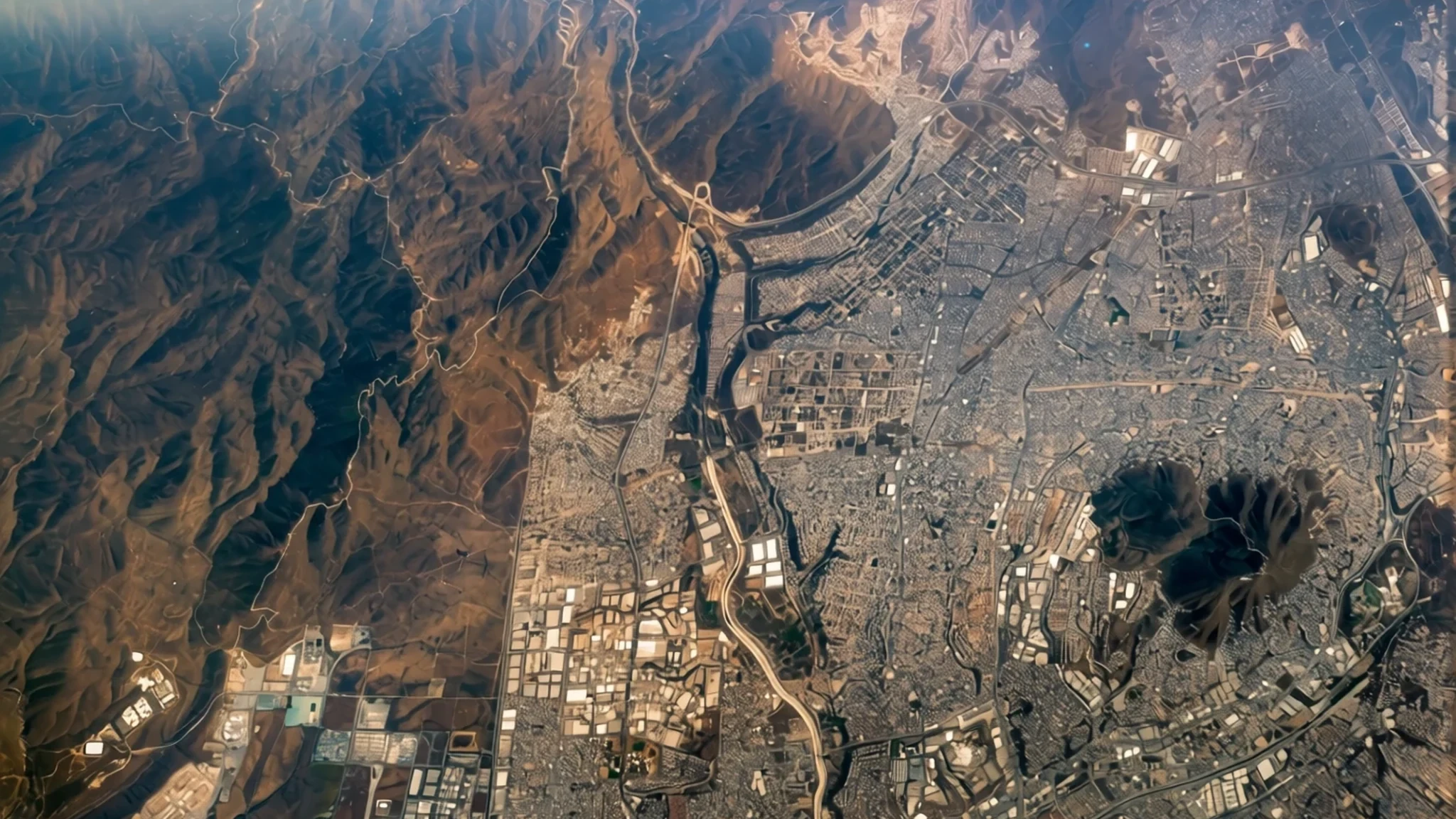
Mexicali is a border capital of farmland, factories and Chinese-Mexican cooking, honest about its heat and rewarding for those who come for the food.
The place
Mexicali is the capital of Baja California, sitting right on the border with the United States, directly opposite Calexico in California. It lies at only 8 metres above sea level, on a flat delta plain where desert meets irrigated fields. About 854,000 people live in the city, and the combined urban area across the border is a good deal larger, so daily life here is tied closely to the other side: work, shopping, family and trade all cross the line.
The city dates from 1901, born when farming in the region took off. Its surroundings, the Mexicali Valley, grow dozens of crops, and the fields come right up to the edge of town. Through the twentieth century, assembly plants known as maquiladoras multiplied, and manufacturing now shapes the economy as much as agriculture does.
As a destination it is not a postcard city. There are no grand old quarters or beaches. What it offers is a working Mexican border capital with parks, museums, theatres, a lively food scene and a proud local identity. Summers are fiercely hot, so the city suits a short, well-timed stop, often combined with a drive south to San Felipe or west towards Tijuana. Visitors who like places that feel lived in rather than staged tend to warm to it.
Its story
The land around Mexicali was home to the Cocopah people long before any city existed, and a small protected corner of the Colorado River delta is still theirs, where many work on farming ejidos or fish. Spanish expeditions reached the area by way of a harsh desert route nicknamed the Devil's Road, and missionaries followed. A Jesuit attempt to found a mission near present-day Fort Yuma ended after a revolt by the Yuma in 1781.
After that, Spanish interest in this north-eastern corner of the peninsula faded. The delta looked flooded, wild and impossible to settle. Mexican authorities reopened the old Sonora Road in the 1820s and restored calmer relations with the Yuma.
The turning point came in the mid-nineteenth century, when a geologist employed by the Southern Pacific Railroad surveyed the delta. He found that deep layers of river silt made superb farmland, something the Yuman peoples had understood for centuries. That knowledge, plus irrigation and cross-border capital, led to the founding of the town in 1901. Cotton and other crops drew workers from many places, including a notable community of Chinese migrants, whose legacy still shapes the city's kitchens. Factories arrived later and pulled the city into its present shape.
What to see
- Cathedral of Our Lady of Guadalupe — Centro Cívico and historic centre
The city's oldest cathedral stands near the historic centre, close to the old Chinese restaurants and the border. It is a calm place to step out of the heat, and a useful starting point for a walk through the downtown streets and nearby plazas.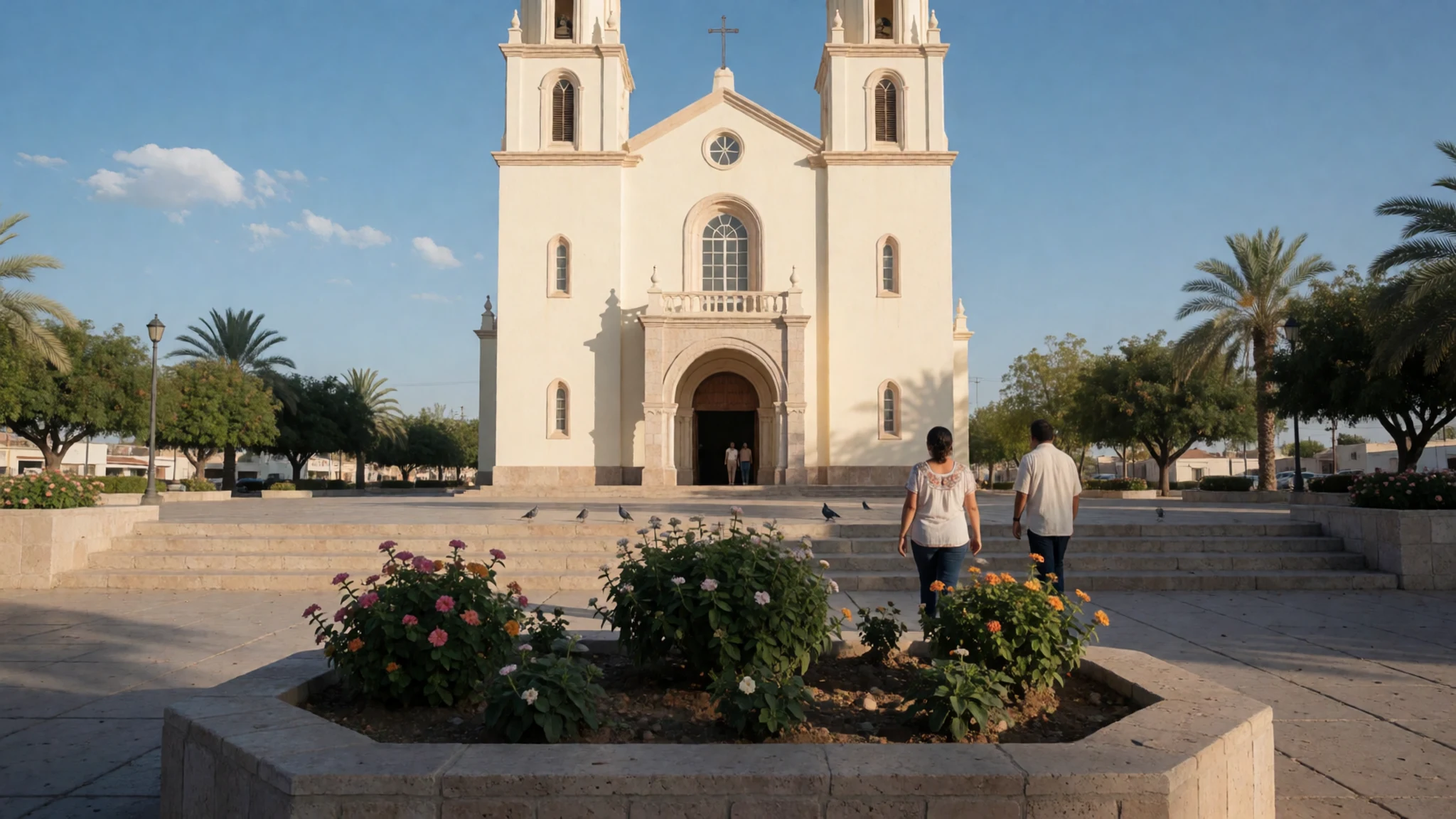
- Museo Sol del Niño — Near Parque Vicente Guerrero
An interactive science, technology, arts and environment centre that works for adults as much as children. Hands-on exhibits make it a sensible refuge on a very hot afternoon, and families from both sides of the border visit regularly, so weekends can be busy.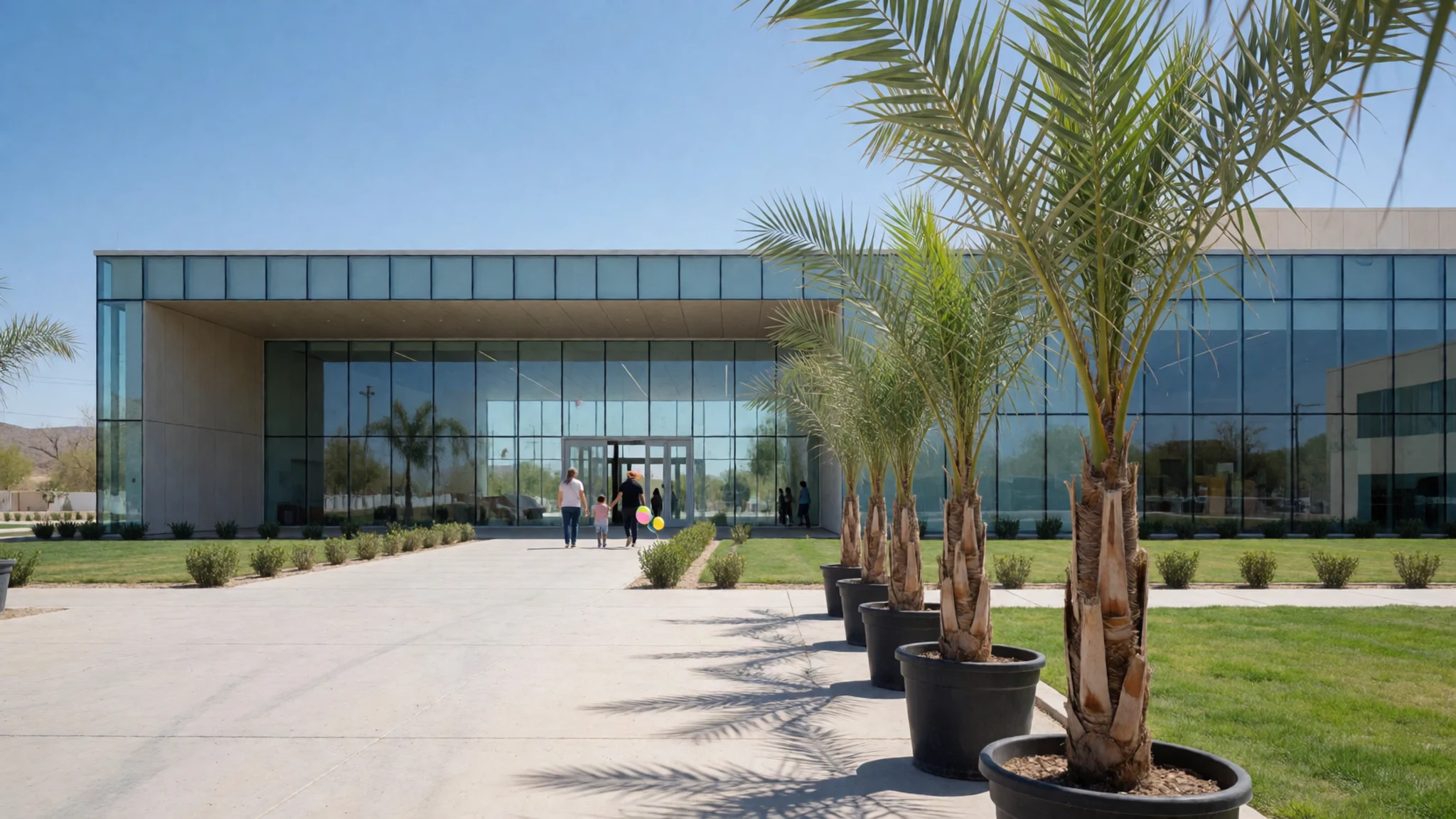
- Bosque y Zoológico de la Ciudad — South of the centre
The city's largest park, with shaded paths and a zoo inside. It is where many local families spend cooler evenings and weekends. Go early in the day or toward dusk, because the middle of the day is punishing for walking in summer.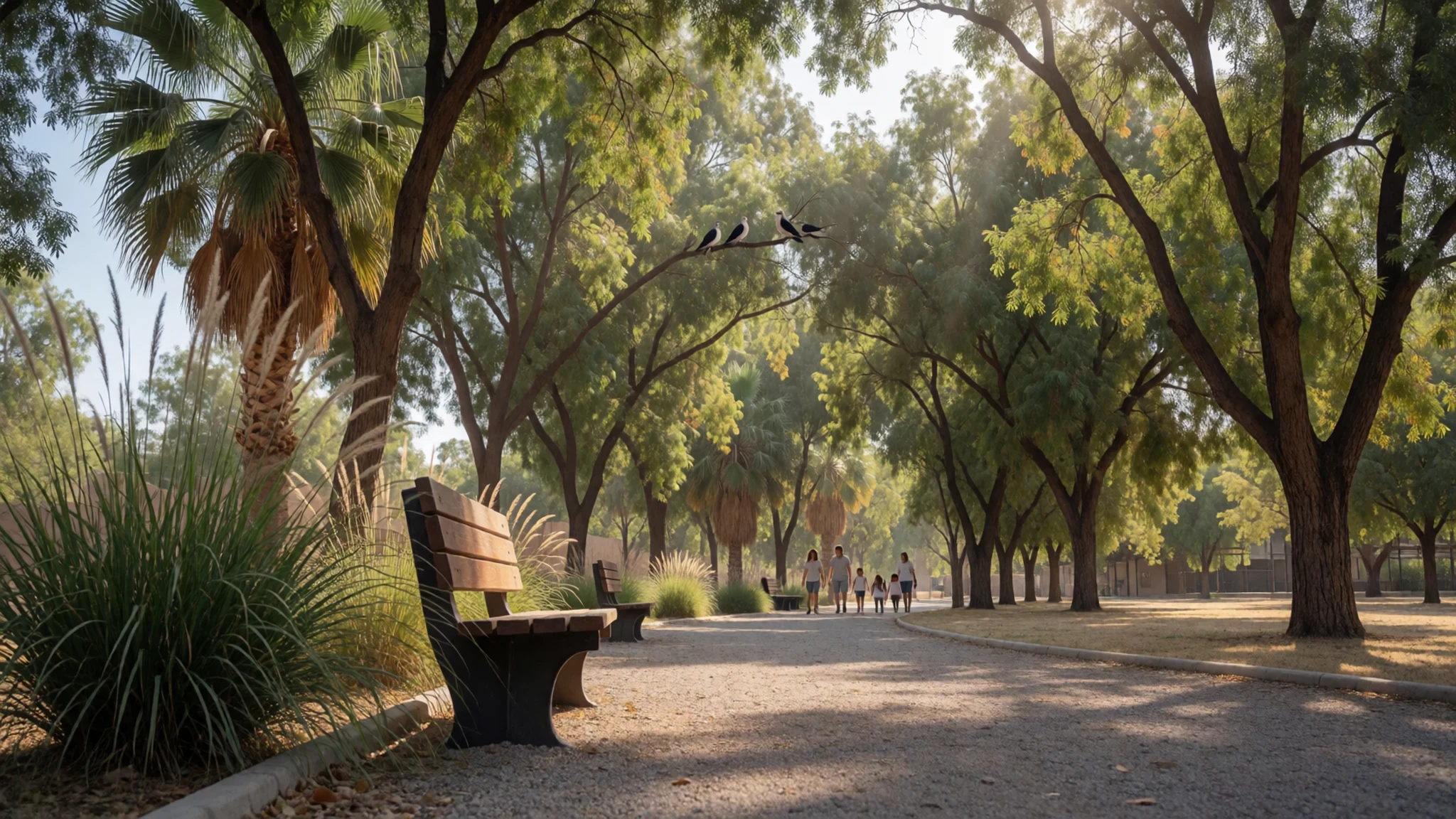
- Parque Vicente Guerrero — Central Mexicali
The second-largest park in the city, built around a lake. It gives a good feel for ordinary Mexicali leisure: joggers, picnicking families and children on bicycles. Pair it with the nearby science museum for an easy half-day close to the centre.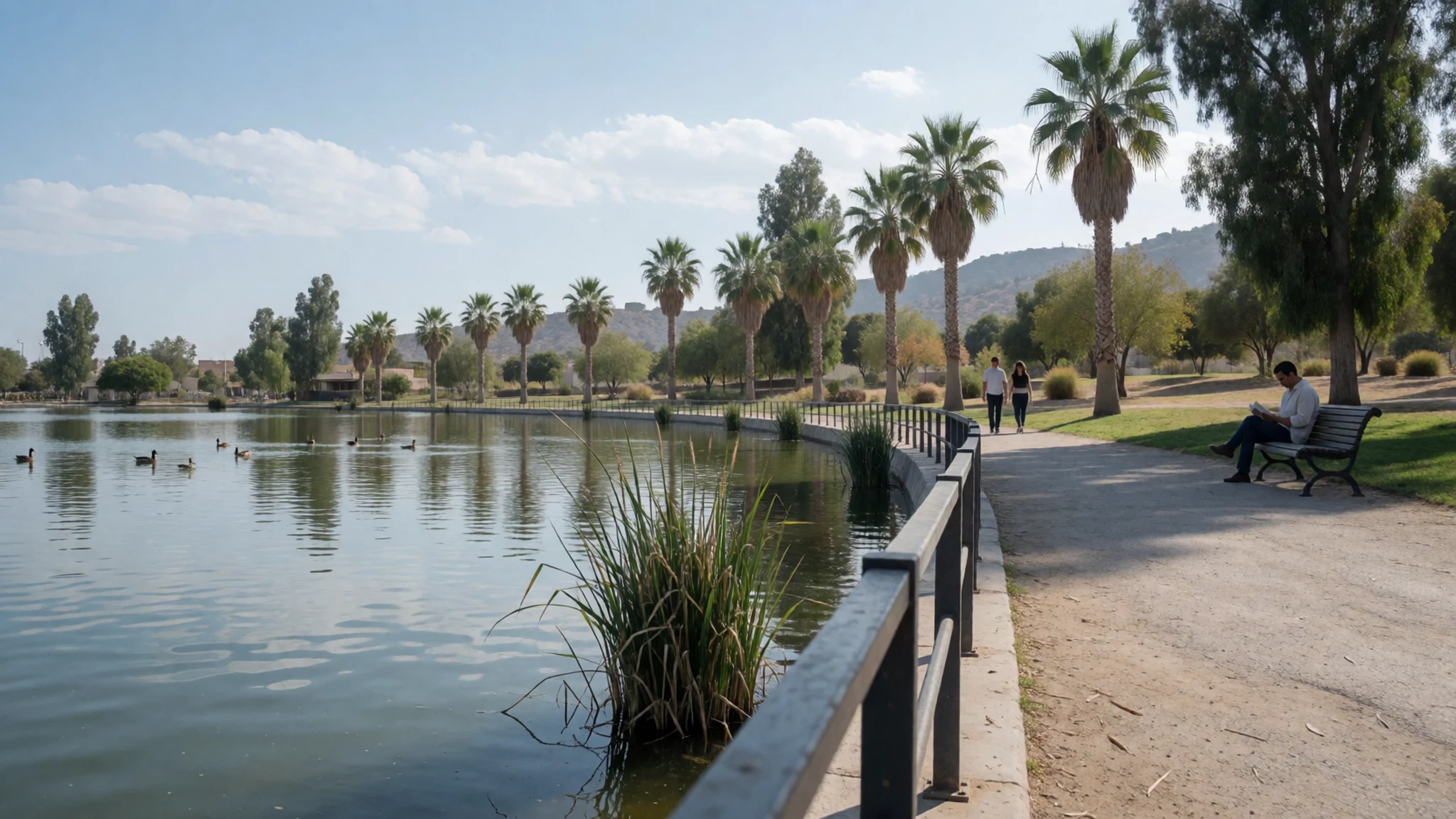
- Teatro del Estado — Central Mexicali
The state theatre hosts concerts, dance and stage productions through the year. Checking the programme before arriving is worthwhile, since an evening performance is a pleasant way to see the city's cultural side after the day's heat has eased. Look at the official tourism site for listings.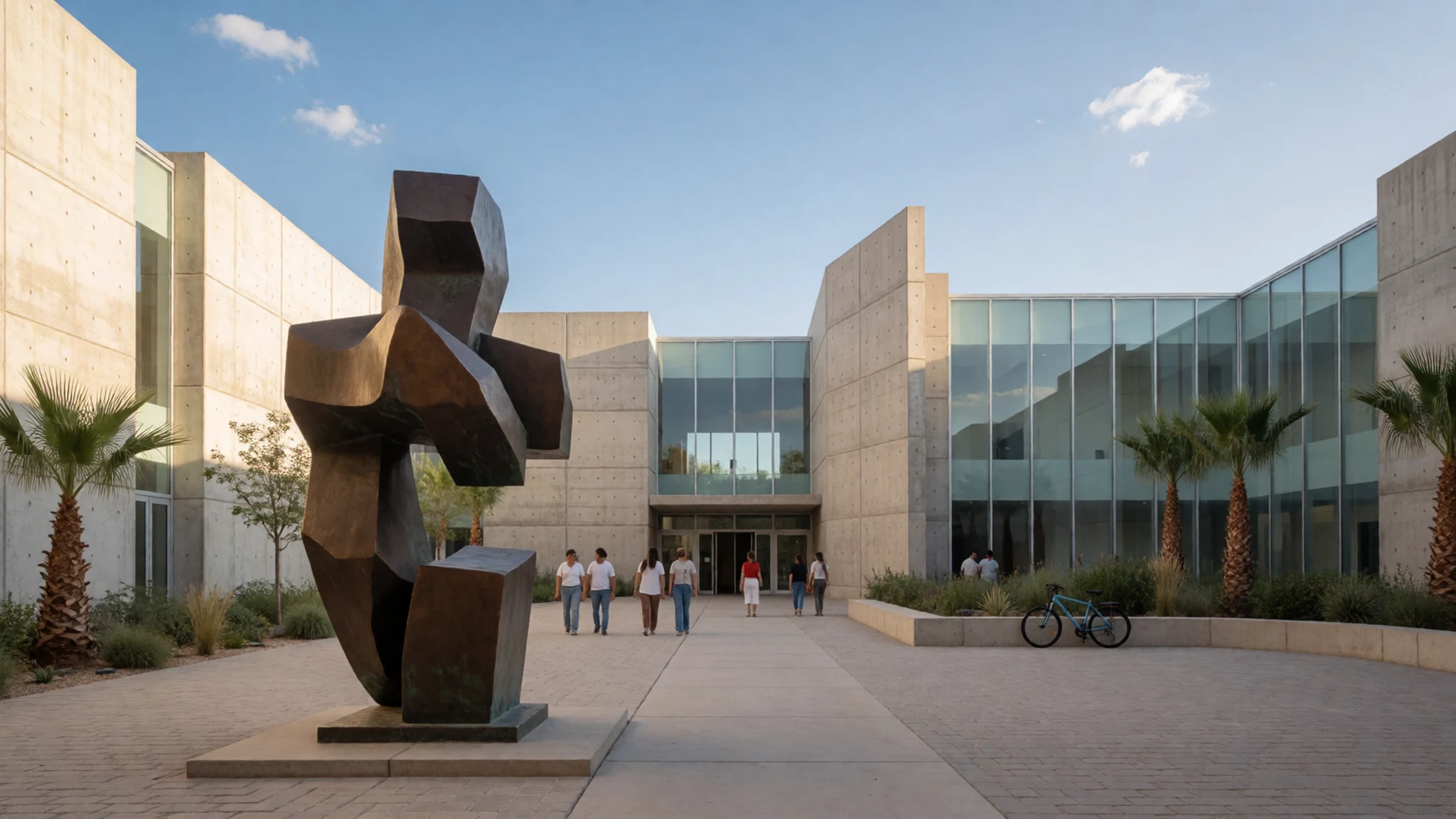
- UABC campus and museum — University area, east of centre
The University of Baja California has a museum with changing exhibitions, set within a campus whose main administration building is a recognisable local landmark. It shows the city's student and professional side, and is a quieter stop than the downtown sights, with usually few other visitors.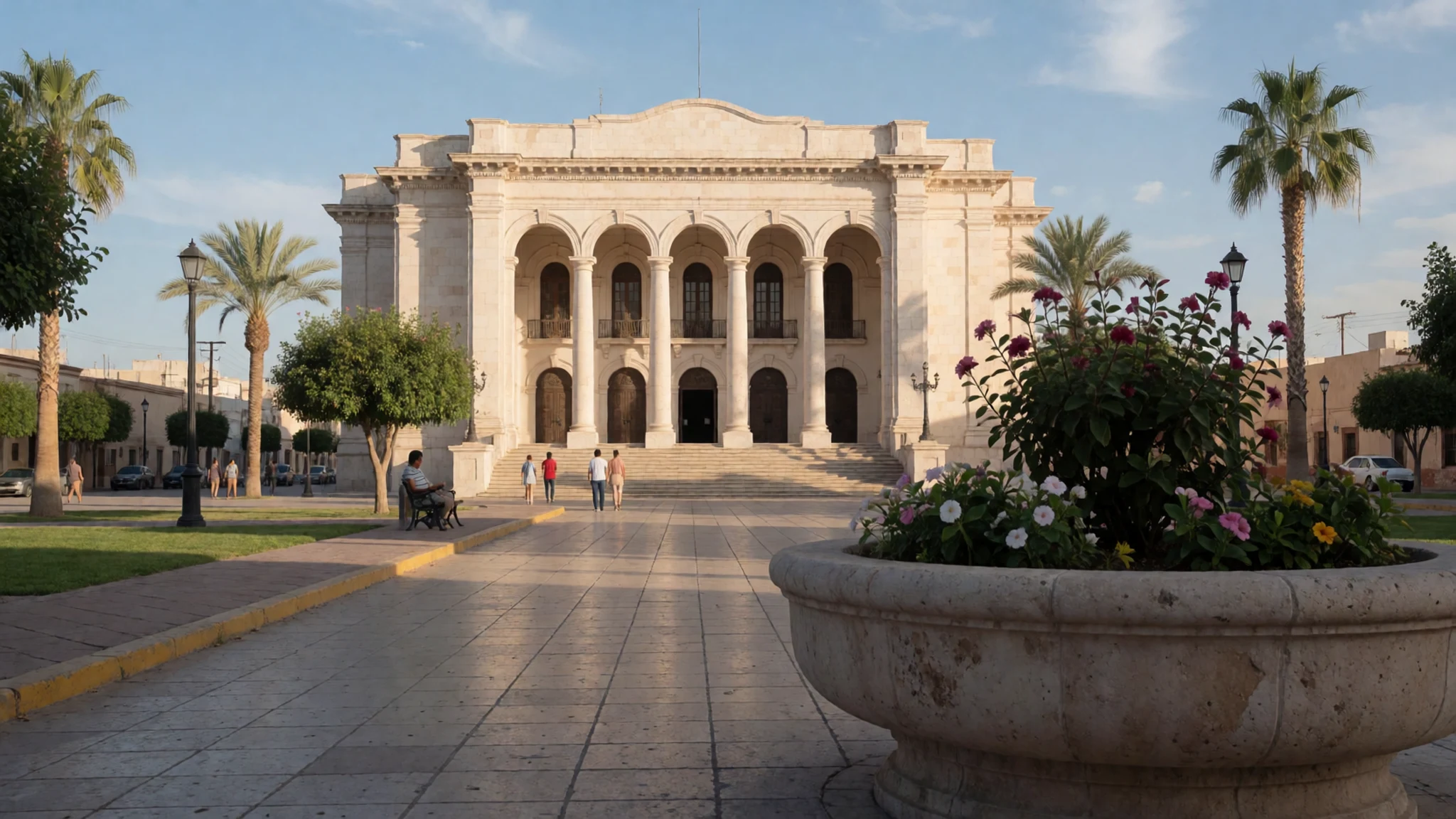
Culture
People from Mexicali are called Mexicalenses, but most call themselves Cachanillas, after a local plant that the Cucapah used to build shelters. The word carries real pride. A ranchero song, "Puro Cachanilla", first recorded in 1963 by Caín Corpus, works almost as a local anthem, and it is worth listening for at celebrations and on the radio.
The city is among the most ethnically mixed in Mexico, with roots in Indigenous, European, African, East Asian and Middle Eastern communities. The Chinese-Mexican heritage is the most visible, in restaurants, family names and the old downtown streets that grew around them. Border life adds another layer: Spanish and English mix easily, many families have relatives in California, and weekend shopping trips across the line are routine.
The arts scene is modest but real. The state theatre, the Casa de la Cultura and several art centres run exhibitions, workshops and concerts, and the university adds its own programmes. Evenings matter more than afternoons, because the heat pushes social life late into the day, with families out in parks and restaurants well after sunset.
When you are invited into a home or meet someone's family, greet each person individually with a handshake and a polite "buenas tardes" before launching into conversation.
What to wear
Mexicali has no single traditional costume of its own. The region's heritage is a blend, and the clothing most associated with northern Mexico is ranchero dress: cotton or denim shirts, leather belts and boots, and straw or felt hats, sometimes worn with embroidered details at fiestas, rodeos and music events. Regional dress from elsewhere in Mexico, such as embroidered cotton blouses and woven shawls, turns up at folkloric performances and school celebrations rather than in daily life.
In everyday life, people dress for the heat. Light cotton shirts, shorts or knee-length skirts, sandals and caps are normal, with office workers in lighter business clothes and air conditioning doing the rest. Jeans and boots are common in cooler months. Football shirts and casual sportswear are everywhere, reflecting the city's close ties to the United States.
A visitor should dress for serious heat in summer: loose, breathable cotton or linen, a wide-brimmed hat, sunglasses and high-factor sun cream. Comfortable closed shoes suit pavements that get very hot, and a light layer helps against fierce air conditioning indoors. Winter evenings can be cool, so a jacket is useful. For the cathedral, cover shoulders and avoid very short shorts. Elsewhere in the city, ordinary smart-casual clothes are fine.
What to eat
- Cantonese-style Chinese-Mexican dishes — Old downtown streets near the cathedral, in family-run Chinese restaurants
The city's signature cooking, shaped by generations of Chinese migrants. Expect stir-fries, fried rice, chow mein and similar dishes adapted to local tastes, often served in generous portions at long-running family restaurants.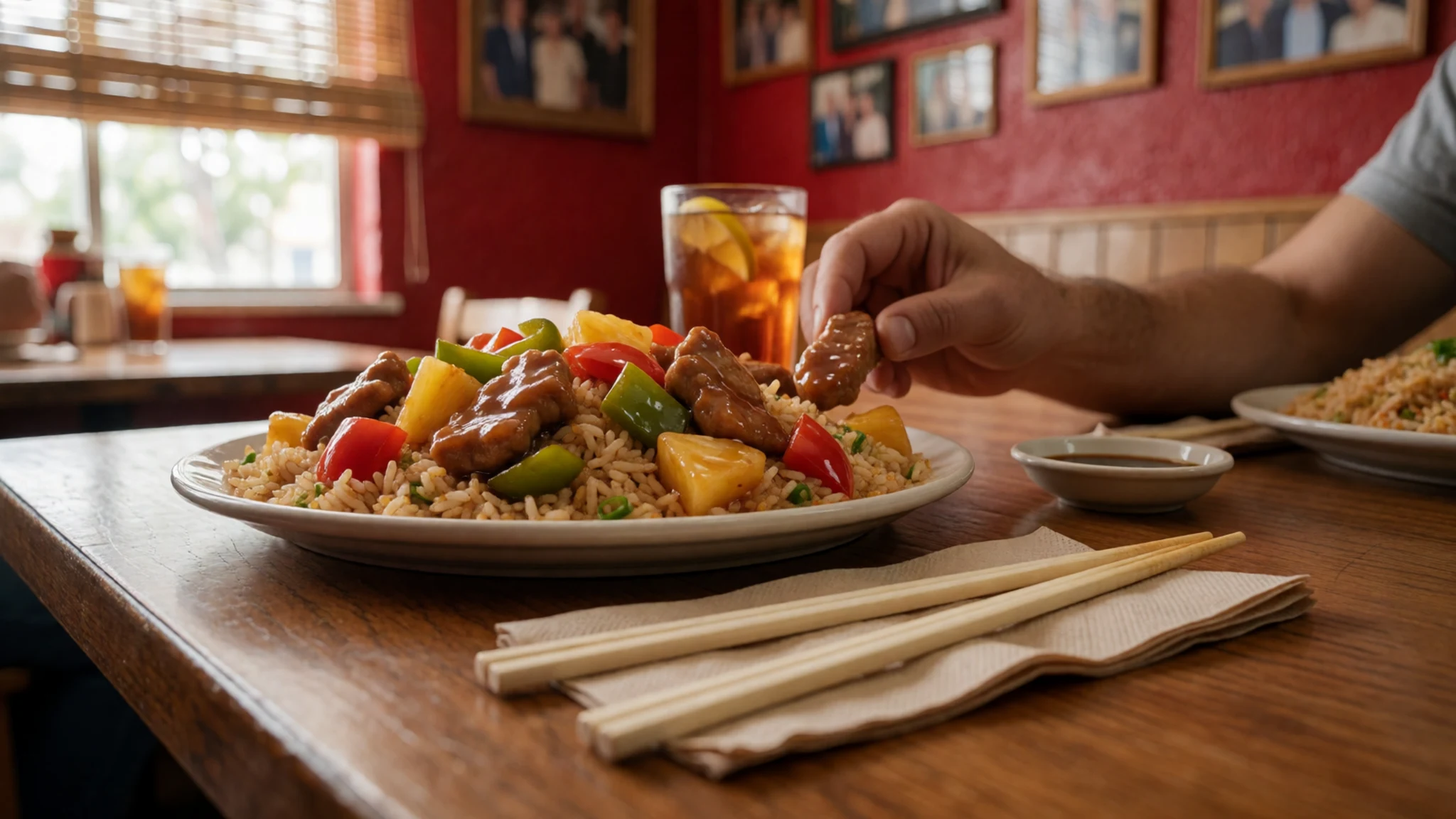
- Carne asada — Taquerías and family restaurants across the city
Grilled marinated beef, sliced and served with tortillas, salsa, beans and grilled onions. It is a northern Mexican staple and as traditional here as the Chinese food, often eaten at weekend gatherings.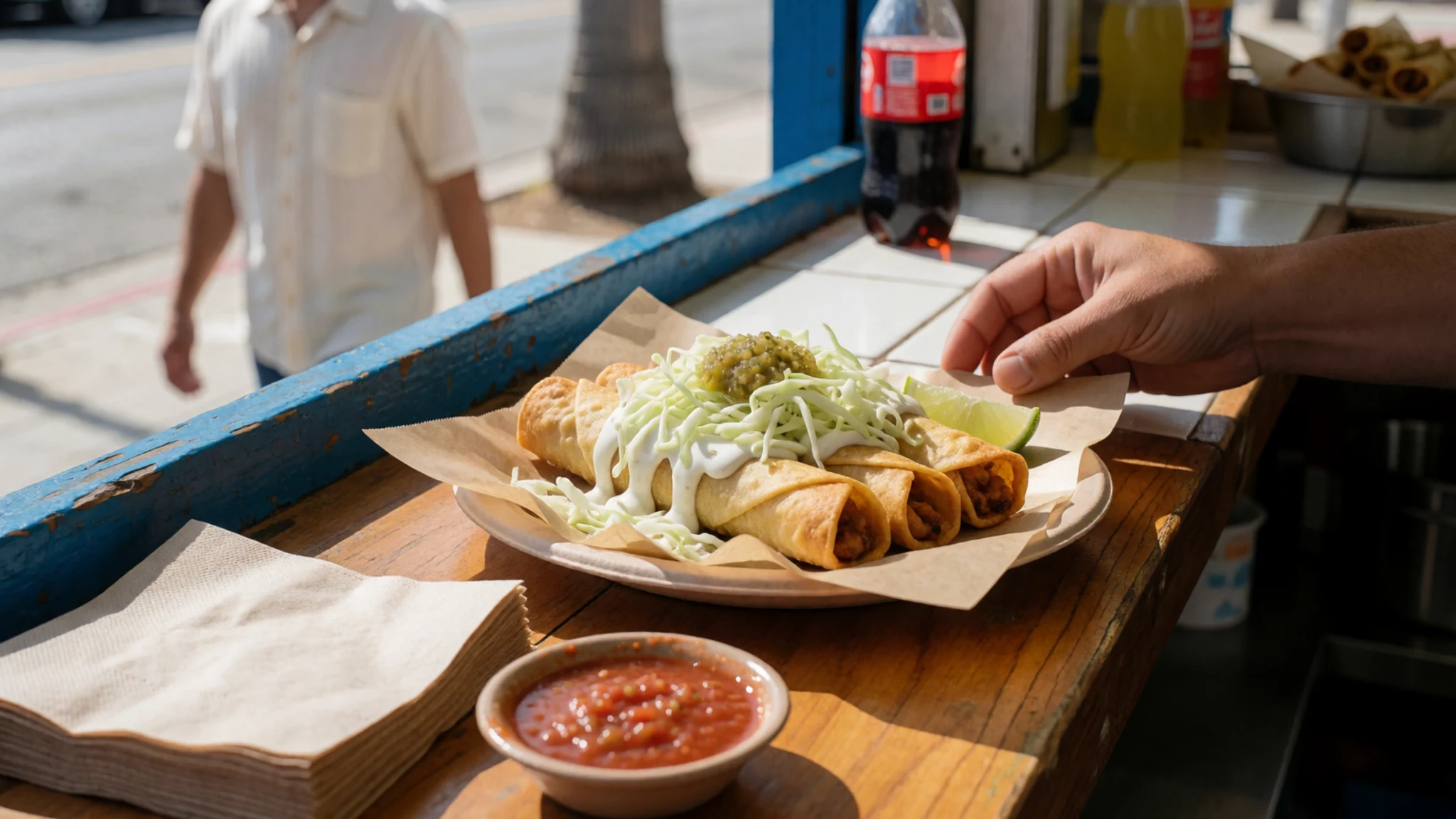
- Tacos — Taquerías around the central district
Small corn or flour tortillas with grilled meat, onion, coriander and salsa. Several taquería chains and independents cluster downtown, and they are best eaten standing or at simple tables, with fresh limes and chilli sauces alongside. - Flautas — Traditional lunch counters in the downtown area
Rolled, deep-fried tortillas filled with shredded meat, usually topped with lettuce, cream, cheese and salsa. They make a filling, inexpensive lunch and are served in many of the traditional eateries near the centre. - Tortas — Small tortería counters around the central district
Soft bread rolls stuffed with meat, beans, avocado, tomato and chilli. They are the practical lunch of workers and students, easy to eat on the move, and found in small shops that cluster around the centre.
Plan it
Best time. November to March, when days are mild and sunny. Summers are extremely hot, so June to September is best avoided unless you stay mostly in air conditioning.
How long. 1–2
Getting there. Mexicali has its own airport, with domestic flights; many visitors also fly into San Diego and drive east. From the United States, drive or walk across from Calexico, which has two border crossings. Tijuana and Tecate are linked by road, with the Rumorosa Grade a slow, hazardous stretch.
Budget. low
Tips
- Buy Mexican motor insurance before driving across the border
- Expect long waits returning to the US in the evening and on holiday weekends
- Plan outdoor sightseeing for early morning or evening in the hot months
- Carry water everywhere and drink plenty
- Carry some pesos in cash for small eateries
Etiquette
- Greet people politely before asking for help or service
- Cover shoulders and avoid very short shorts when entering the cathedral
- Ask before photographing people
Nearby
Sources
- Wikidata Q199440 (CC0)
- Wikipedia: Mexicali (rev 1380329181) (CC BY-SA 4.0)
- Wikivoyage: Mexicali (rev 5411081) (CC BY-SA 4.0)
- Montage of Mexicali images — el.mariano, Hlecuanda, El bart089, Usfirstgov (CC BY 3.0)
- Rectoria UABC — Armenta isai (CC BY-SA 2.0)
- Punta Este Corporativo aerial — Rosa Montelongo (CC BY-SA 4.0)
- Bosque de la ciudad Mexicali — DavidEst24 (CC BY-SA 4.0)
- Cervecería Mexicali, 1920's (Public domain)
- Mexicali, 1943 (Public domain)
- Cervecería Mexicali — Omar Bárcena (CC BY 2.5)
- Punta Este Mexicali — Sirbrajam (CC BY-SA 4.0)


