Marajó
Marajó, Brazil
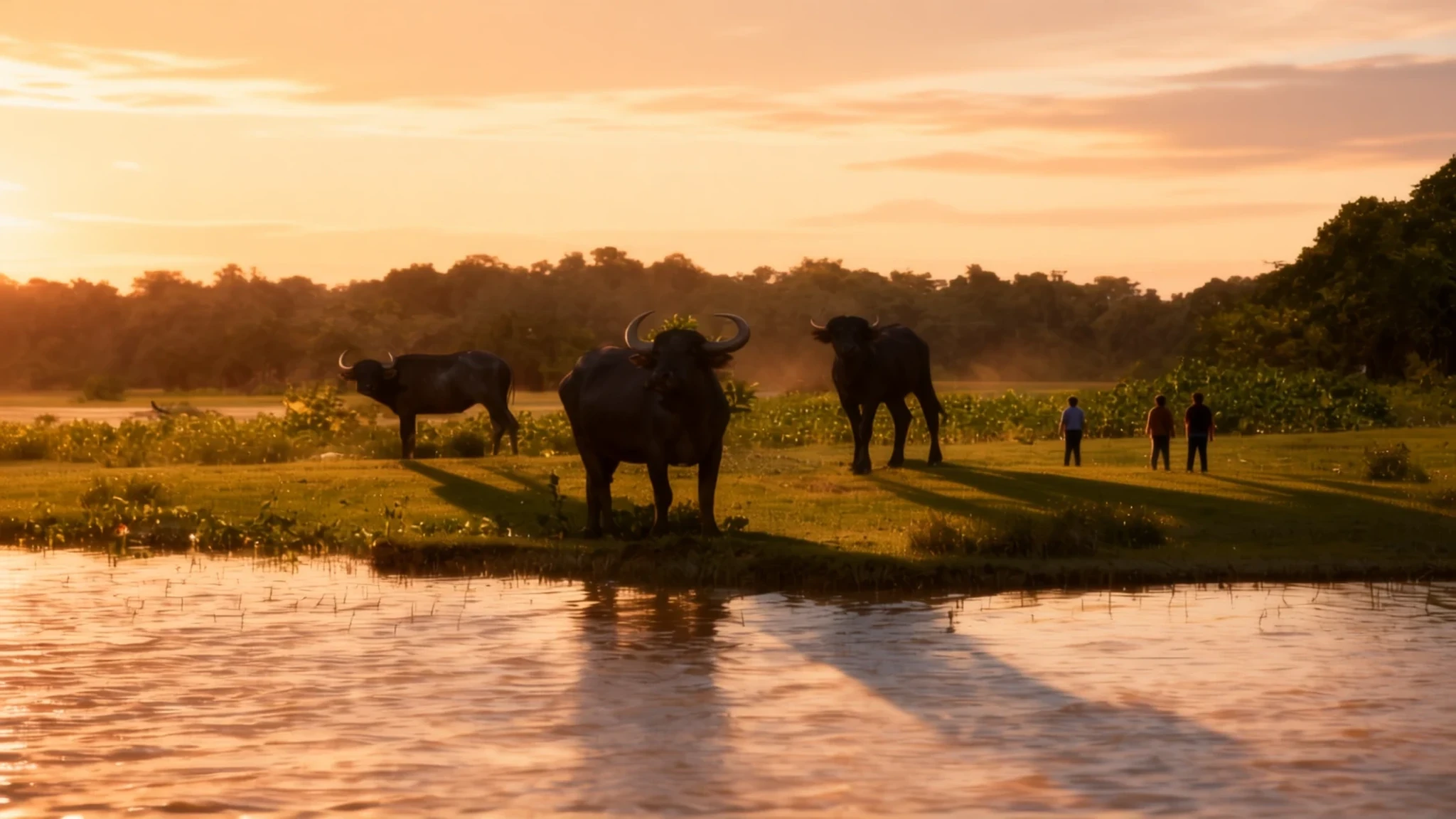
Marajó is a river-delta island with free-roaming water buffalo, quiet Atlantic beaches and the remains of a lost Amazonian civilisation.
The place
Marajó sits at the mouth of the Amazon in the state of Pará, just south of the Equator. It is an island of about 40,100 square kilometres, roughly the size of Switzerland, and the largest in a whole archipelago. The facts block gives a population of 419,744 and an elevation of only 19 metres, which tells you most of what the landscape feels like: flat, wet and wide open.
Water defines it. Marajó Bay lies to the east, the Pará River to the south, and a maze of narrow channels called furos to the west. To the north the island meets the Atlantic. Land here changes with the seasons, as rains turn grassland into shallow lakes and then the water draws back again.
The animal most visitors remember is the water buffalo. Herds graze the pastures, wade through floodplain and sometimes stand on roadsides. Buffalo meat, buffalo-milk cheese and even buffalo patrols by the local police are part of everyday island life. Birdlife is rich on the wetlands and mangroves.
The island is also known for the pororoca, a tidal bore that sometimes forms when high tides push against river currents. Towns such as Soure and Salvaterra are the usual bases, with simple guesthouses, bicycles and motorbike taxis. This is a slow, humid place rather than a sightseeing checklist, and it rewards people who like open skies and unhurried days.
Its story
Long before Portuguese ships arrived, Marajó was home to the Marajoara culture, which lasted from about 400 BC into the sixteenth century AD. Archaeologists have worked on the island since the nineteenth century and now divide the pre-colonial centuries into phases, from the Ananatuba, beginning around 1100 BC, to the Aruã, which ended not long before European contact.
What kind of society it was has been argued over for decades. In the mid-twentieth century the archaeologist Betty Meggers proposed that settlers from the Andes founded it and that poor soils slowly doomed it. That view later became linked with environmental determinism. Anna Curtenius Roosevelt, who dug the island again in the 1980s, rejected it. She argued that the culture grew up within the Amazon itself, farmed intensively and built large earthworks.
Roosevelt's estimate was that the population at its height could have passed 100,000 people. Whatever the true figure, the Marajoara left behind striking painted and incised ceramics, including burial urns, which now sit in museums in Brazil and abroad. Their mounds still shape the island's low horizon.
The later story is one of cattle and buffalo ranching, river trade with Belém and small towns grown around ports. Today the island is a place where the deep past, ranching and river life sit side by side, and where much archaeology is still being understood.
What to see
- Pesqueiro Beach — Soure
A broad Atlantic beach near Soure, reached by road across open pasture. The water is muddy-brown from river sediment rather than clear, and the tide shifts a long way. Simple beach shacks serve fish. It is best for walking and watching birds at low tide.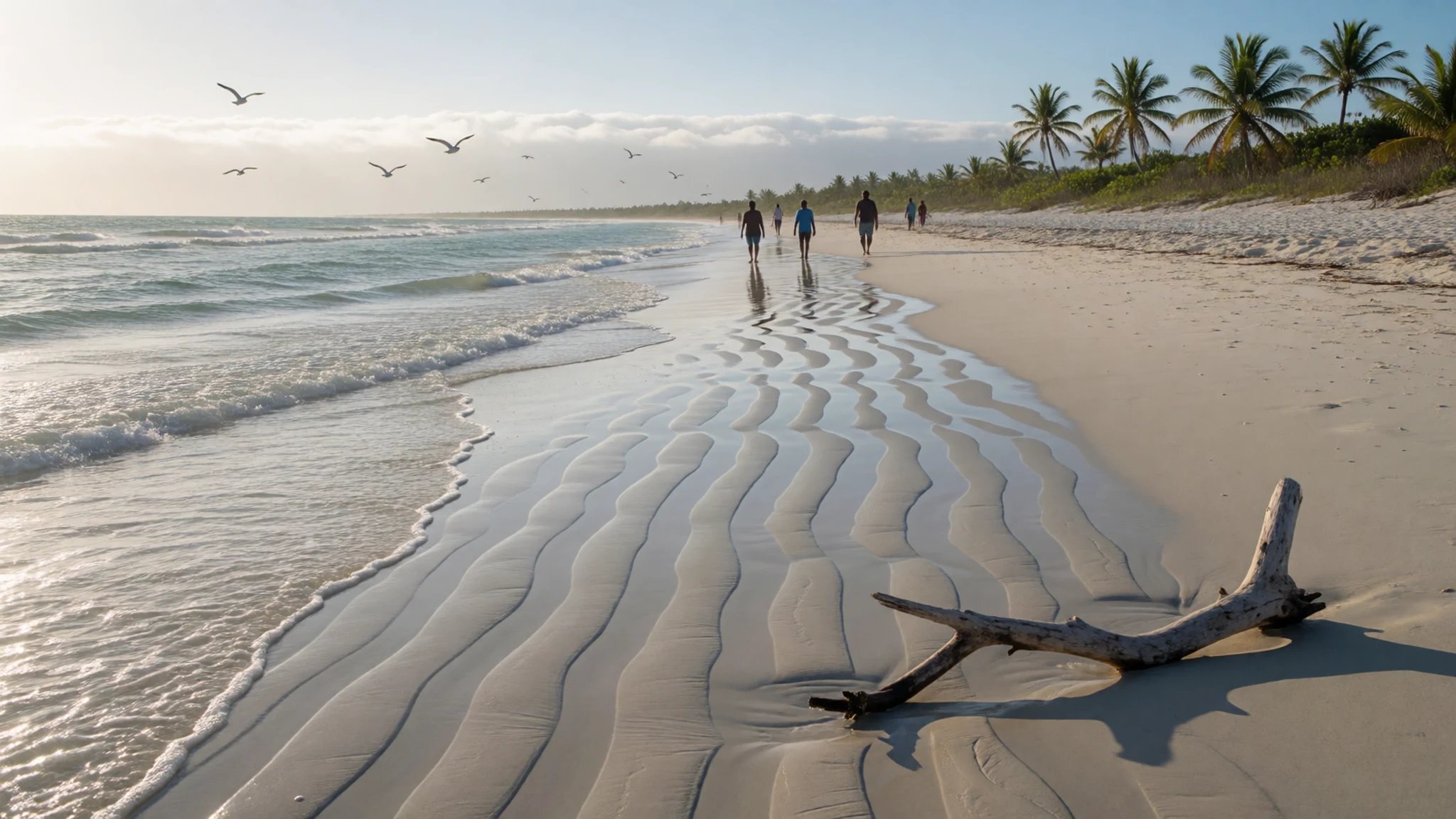
- Araruna Beach — Soure
Another beach on the Soure side of the island, quieter than the town itself. Expect wind, wide sand and few facilities, so bring water and shade. Local guides can arrange a trip by motorbike taxi or car, and conditions depend heavily on the tide.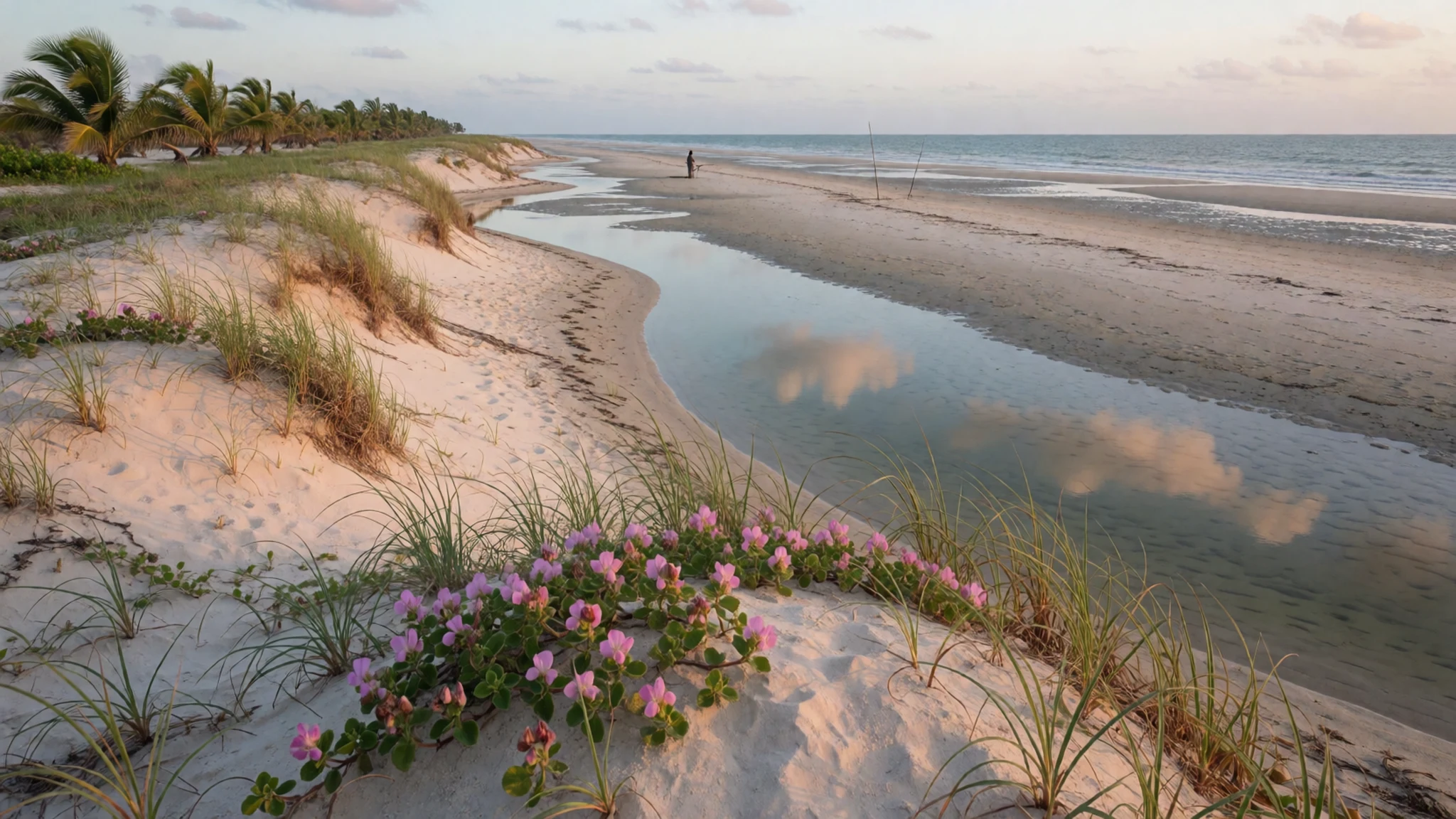
- Joanes Beach — Near Salvaterra
About 15 km from Salvaterra, Joanes has ruins from colonial times near the shore. The village is small and relaxed, a good place to see how the island's Portuguese past lies half-forgotten among palms and sand.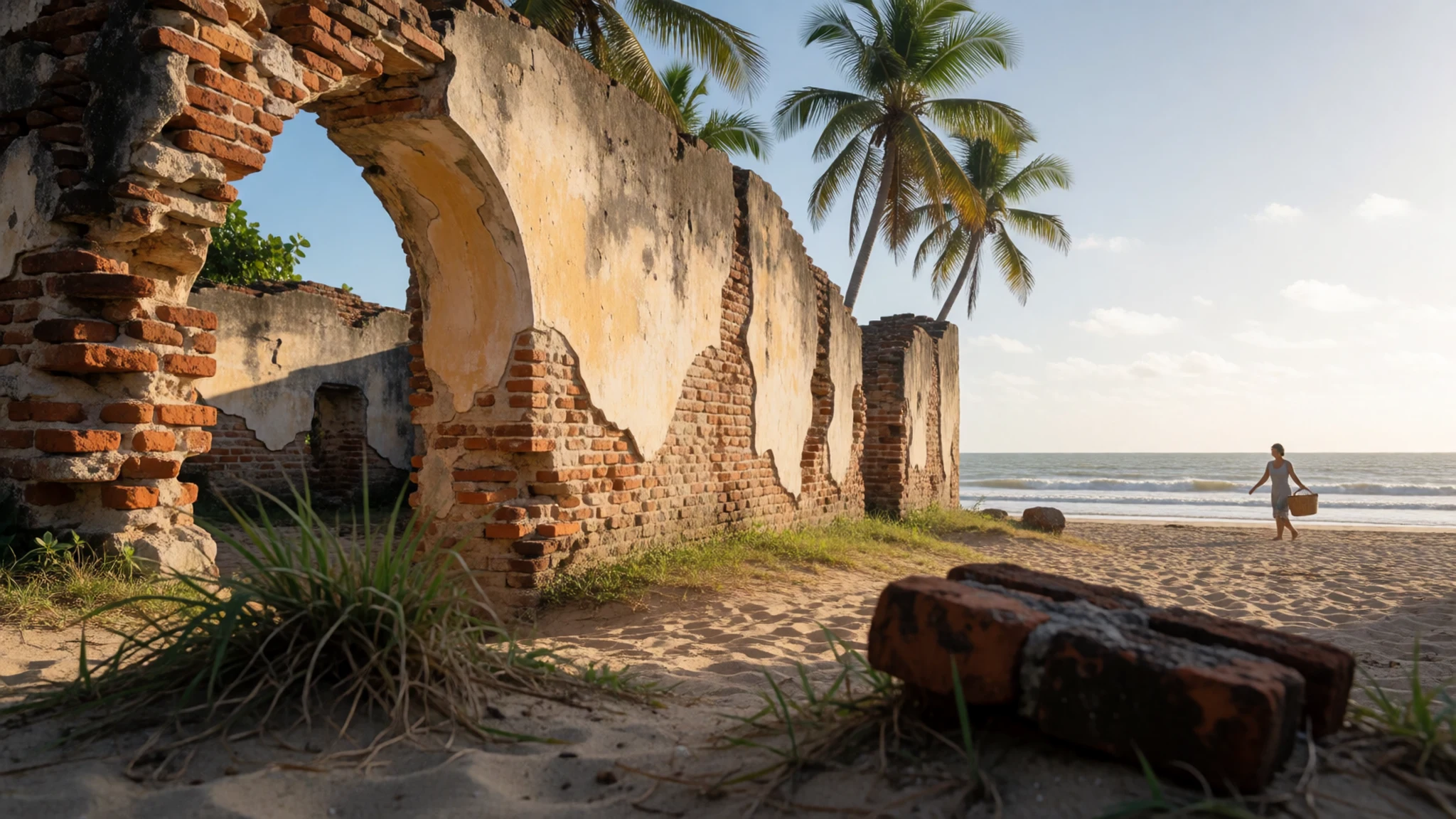
- Praia Grande — Salvaterra
The beach at Salvaterra, handy for an easy afternoon after the ferry crossing. Like others on Marajó, it changes with the tides and rains, and the water is silty. Locals gather here at weekends, so it is lively then and calm on weekdays.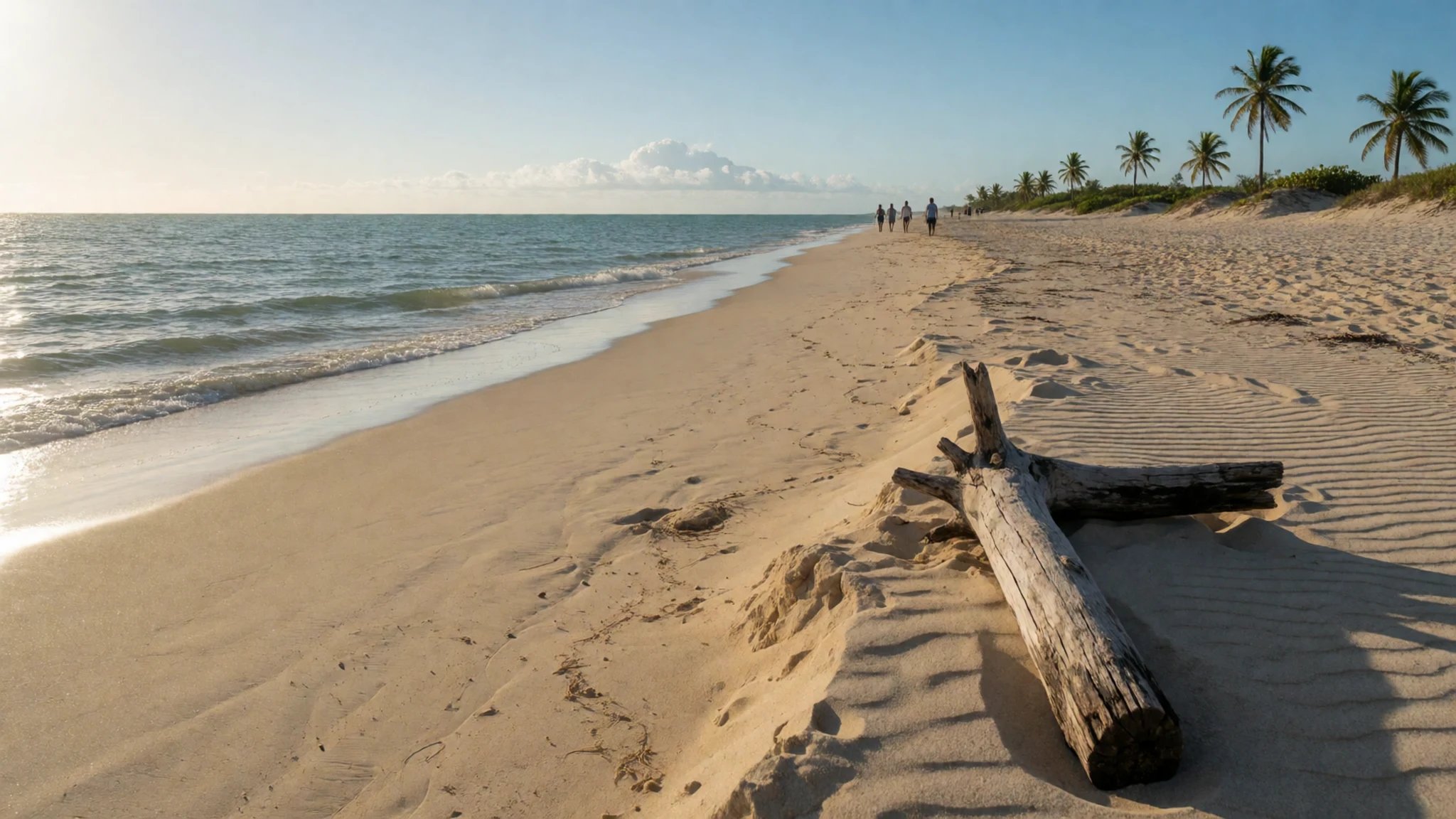
- Mexiana Island — North of Marajó
A neighbouring island lying on the Equator, privately held and home to a resort. It is reached by a long boat journey from Belém or a short flight. It suits visitors who want remote wetlands and are happy to arrange everything in advance.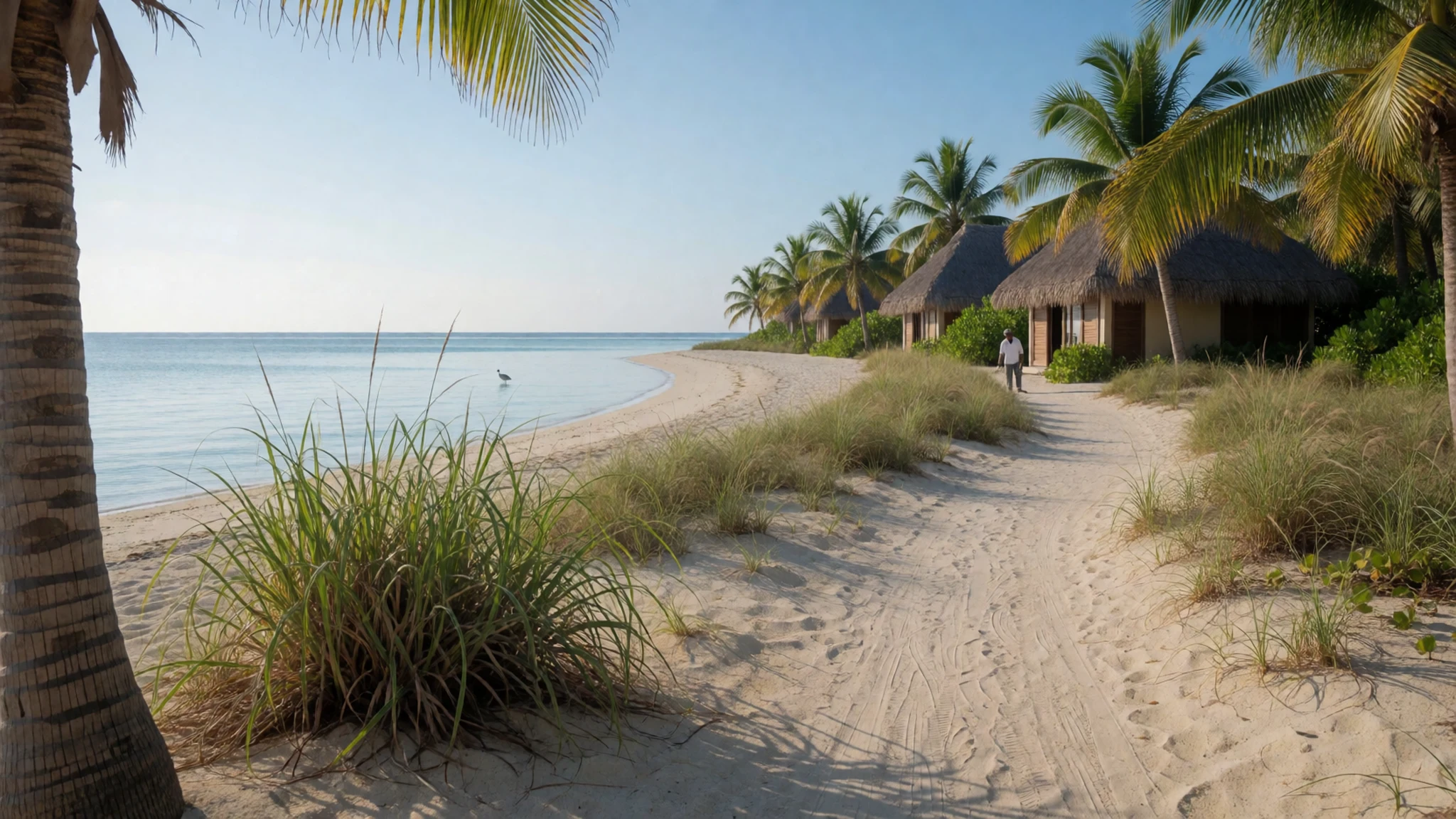
Culture
Marajó's culture blends river, ranch and Indigenous heritage. The Marajoara ceramic tradition, with its geometric patterns and fine incised designs, is still a point of local pride, and modern potters in the island's towns make pieces inspired by the ancient forms. Museums in Belém and Rio de Janeiro hold the best-known originals.
Cattle and buffalo ranching shapes the rhythm of life. Many families work on fazendas, large ranches where riders move herds across flooded pasture. Buffalo appear in food, in festivals and even in local transport, and people talk about them with affection.
River life matters just as much. Boats are the buses of the delta, and neighbours often know one another through the pier. Evenings are social, with music on the radio, football and conversation outdoors once the heat drops. Catholic feast days and regional festivals bring processions and dancing to the towns.
Portuguese is the language, spoken with a Pará accent, and a few words go a long way. People are generally warm toward visitors who greet them first and move at the island's pace.
Ask before photographing people, their homes or their animals, and never enter a ranch or a private fazenda without an invitation or a guide.
What to wear
Marajó has no single formal costume of the kind worn at national festivals elsewhere. The older Indigenous tradition is better known through the ceramics, whose painted and incised patterns still inspire local crafts and jewellery. Modern artisans make pieces in clay, seeds and plant fibre, and patterns from the ancient pots appear on printed cotton and souvenirs.
Everyday dress is practical and tropical. People wear light cotton shirts, shorts or skirts, flip-flops and sandals. Ranch workers add wide-brimmed hats, long trousers and rubber boots for muddy pasture. On feast days and for church, people dress a little more smartly but still lightly, because of the heat and humidity.
Visitors should plan for sun, rain and insects. Pack loose, quick-drying clothes in light colours, a hat, sunglasses and strong sun cream. Long sleeves and trousers help with mosquitoes in the evening and on mangrove trips. Bring sandals for towns and beaches, and closed shoes or light boots if you intend to ride or walk on the pastures. A light rain jacket is useful in the wetter months. Swimwear is normal on the beaches, but cover up when walking through town or entering a church.
What to eat
- Tucunaré — Riverside eateries in Soure and Salvaterra
A freshwater river fish, usually grilled or fried whole, with firm white flesh. Locals often season it with local roots and herbs, following Indigenous cooking traditions. It appears at simple riverside eateries across the island.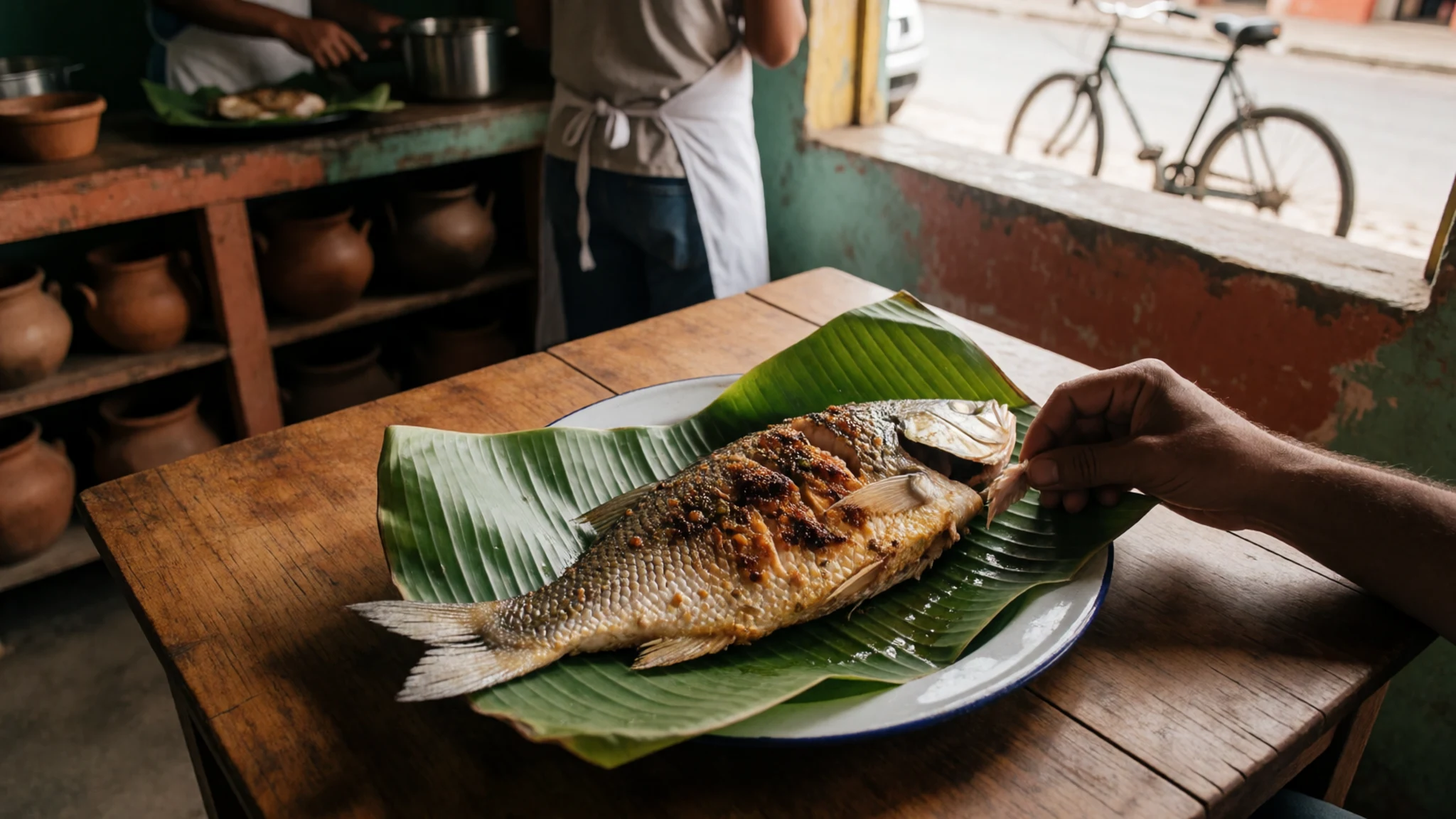
- Pirarucu — Town restaurants and market stalls in Soure
A large Amazon fish with thick, mild flesh, served grilled, dried or in stews. It pairs well with manioc flour and rice. Ask about whether it comes from sustainable sources.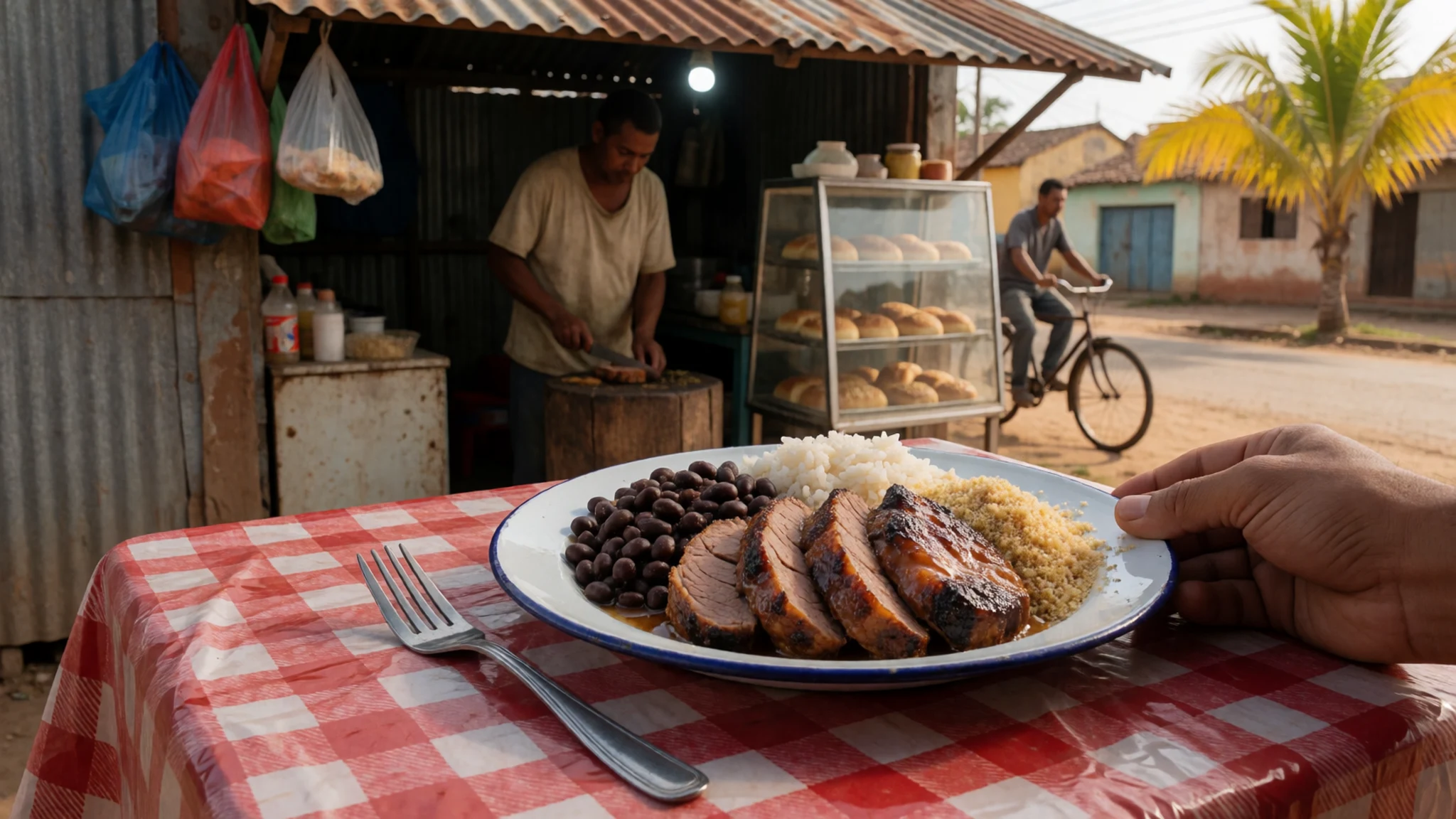
- Buffalo meat — Local restaurants and ranch lunches
Marajó's signature meat, served as steaks, in stews or as dried strips. It is leaner than beef and tastes rich. The island's buffalo cheese is also worth trying with breakfast. - Tacacá — Street stalls in the evening in the main towns
A classic Pará street dish: a hot broth made from tucupi, with jambu leaves that tingle on the tongue, dried shrimp and gum-like tapioca. It is eaten from a bowl, often in the evening. - Piracuí cake — Bakeries and market stalls
A savoury cake or fritter made with piracuí, a dried and ground fish flour common in the Amazon. It is salty, filling and usually eaten as a snack with manioc flour.
Plan it
Best time. The drier months, roughly July to November, are easier for beaches, roads and wildlife. The rainy season brings flooded pastures, heavy showers and more insects, though it is also green and full of birds. It is hot and humid all year.
How long. 3–4
Getting there. Fly to Belém, then take a ferry or a fast boat from the port to Soure; the ferry takes a few hours and speedboats are quicker. Small air taxis also fly from Belém. Check current sailings and prices with the operators, as they change.
Budget. mid
Tips
- Book the Belém crossing early at weekends and in holiday periods
- Carry cash, as cards are not accepted everywhere on the island
- Bring mosquito repellent and drink bottled or filtered water
- Hire a local guide for ranch and mangrove visits
- Check tide times before heading to the beaches
Etiquette
- Greet people politely before asking for help or directions
- Ask before photographing people, homes or animals
- Do not enter ranches or private land without permission
Nearby
Sources
- Wikidata Q193264 (CC0)
- Wikipedia: Marajó (rev 1383202827) (CC BY-SA 4.0)
- Wikivoyage: Ilha do Marajó (rev 5270252) (CC BY-SA 4.0)
- Photo: Marajó Island, Brazil (CC BY 2.5)
- Photo: Mouths of Amazon GeoCover 1990 (Public domain)
- Photo: Wasserbüffel (Public domain)
- Photo: Sheet SA-22, International Map of the World (Public domain)
- Photo: Burial urn, Marajoara culture (CC0 1.0)
- Photo: Marajoara ceramics (CC BY-SA 4.0)
- Photo: Entardecer no rio Parauaú (CC BY 2.5)
- Photo: Ilha de Marajó - Mangues (CC BY-SA 4.0)


