Mar del Plata
Mar del Plata, Argentina
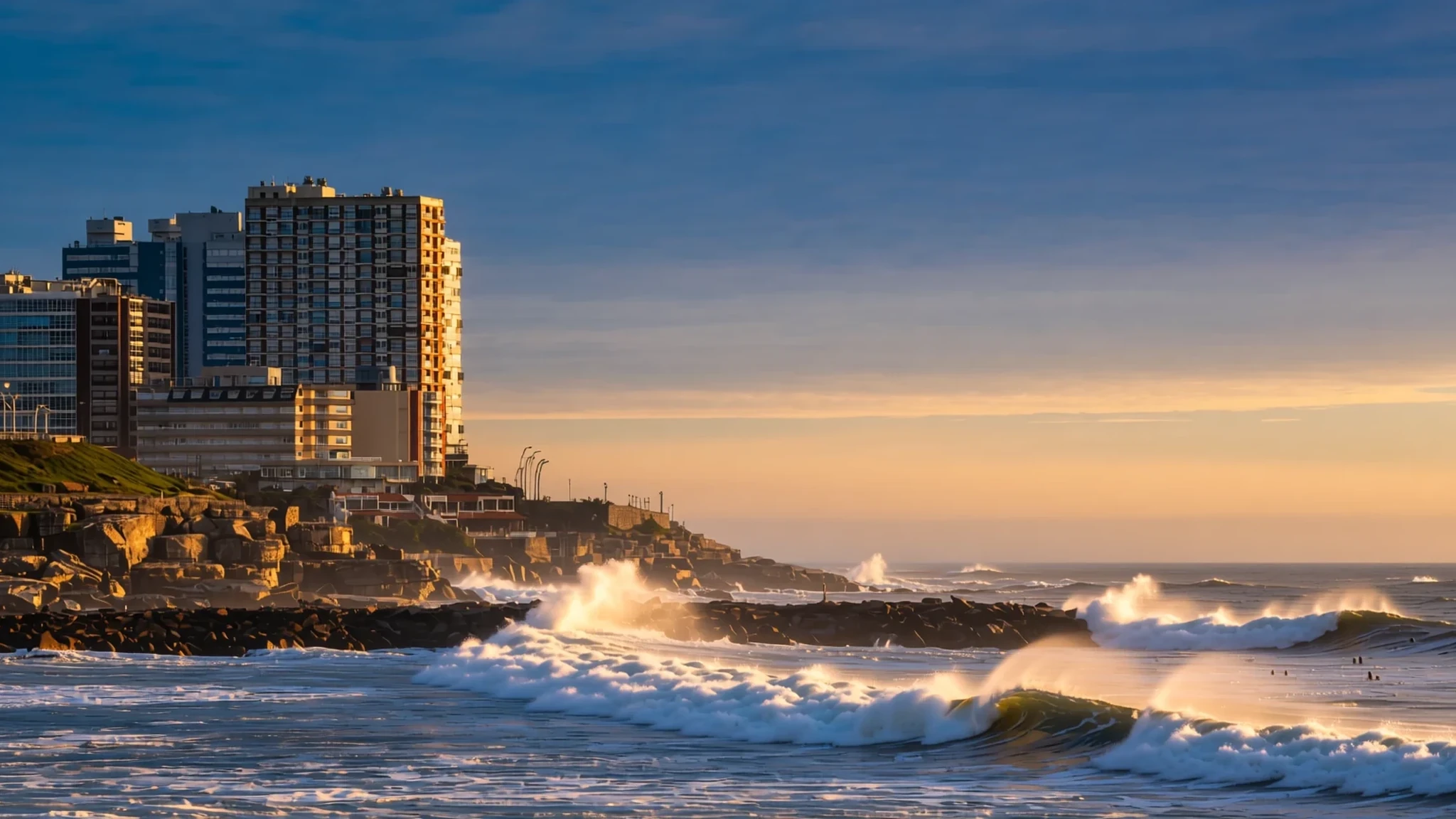
Mar del Plata is Argentina's big Atlantic beach city, with a working fishing port, seafood, theatre and cool sea air.
The place
Mar del Plata sits on the Atlantic coast of Buenos Aires Province, in the Pampas, and is the seat of the General Pueyrredón district. With about 593,000 people on the facts record, it is a proper city rather than a seaside village, and it works all year: a fishing port, cruise terminal, naval submarine base, textile and construction trades, and conference business all run alongside the beaches. The name is a shortening of 'sea of the Río de la Plata basin'.
The coastline runs for many kilometres, and the busiest sands are those downtown and to the south, near the casino and the old promenade. The centre is compact enough to walk: the seafront avenue, a pedestrian street near the casino, and Güemes Street, the modern shopping and nightlife strip. The city sits only about 38 m above sea level, so everything feels open to the wind.
Seasons matter more than anything. December to March is the high season, with crowded beaches, full theatres and hot days, though the sea wind can turn evenings cool. Autumn and spring are mild and damp, and winter is cold, humid and quiet, when the city belongs to locals and the port. Mar del Plata calls itself 'the happy city', and in January it earns the name.
Its story
Before Europeans arrived, the coast here was home to the Günuna Kena, nomadic people also called northern Tehuelche, who after the 11th century were increasingly shaped by Mapuche culture. Spanish settlement passed them by for a long time because they lived far from the main colonial centres.
European sailors did notice the shore. Magellan, sailing for Spain, was the first European to sight Punta Mogotes on his way to the strait that now carries his name. Francis Drake later surveyed the cape and its sea lion colonies, and Juan de Garay came overland a few years after that.
One episode stands out for British readers. During the War of Jenkins' Ear, eight survivors of HMS Wager, part of Anson's expedition and led by midshipman Isaac Morris, endured a ten-month ordeal on this coast before the Tehuelche captured them. They were handed on to the Spanish, held for a time, and eventually sent home to London.
The modern city dates from 1874, and its growth into a resort came afterwards, as the sea and the railway brought holidaymakers from the capital. Old photographs of the Bristol beach promenade show that seaside habit already well established in the early twentieth century. The city later hosted major sporting events, including the 1978 World Cup matches, the Pan American Games and a Davis Cup final.
What to see
- Casino and Hotel Provincial — Central seafront
The casino and hotel complex dominates the central seafront and is the city's best-known landmark. Even if gambling holds no interest, the plazas around it and the promenade make a good first walk, with the beach on one side and the old downtown on the other.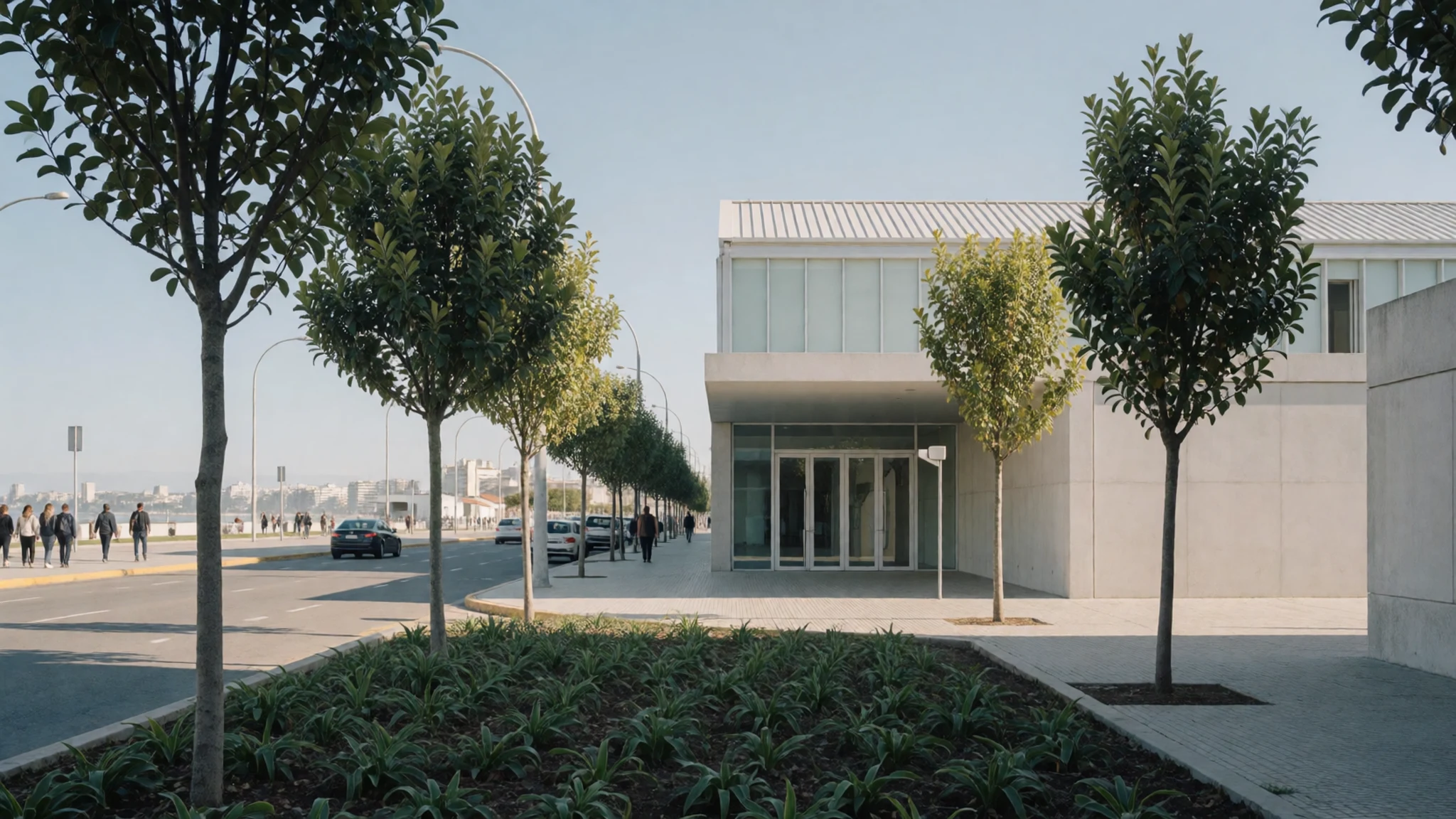
- Villa Ortiz Basualdo (Museo Castagnino) — Cliffside, near the Torreón area
This former private villa now houses the municipal art museum, named after the painter Juan Carlos Castagnino. It shows how wealthy families lived here when the city was becoming a resort, and the building is as much the draw as the paintings inside.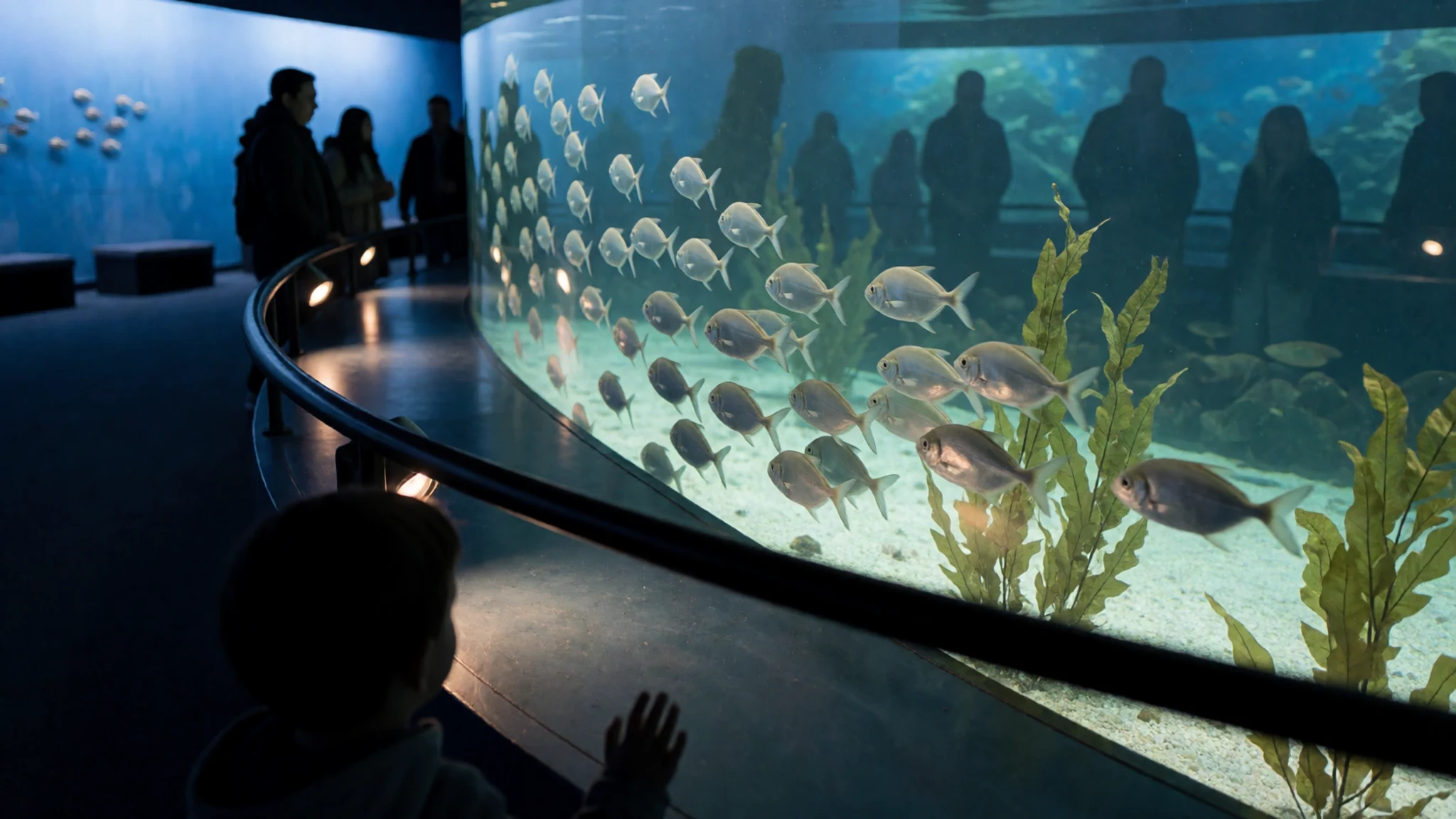
- Port and fishing fleet — Puerto
The working harbour is where the city's fishing industry is visible: boats, sheds, cranes, and sea lions that sometimes loll on the jetty. It is also the best area for a seafood lunch. Go in daylight, wear shoes that can get wet, and expect smells.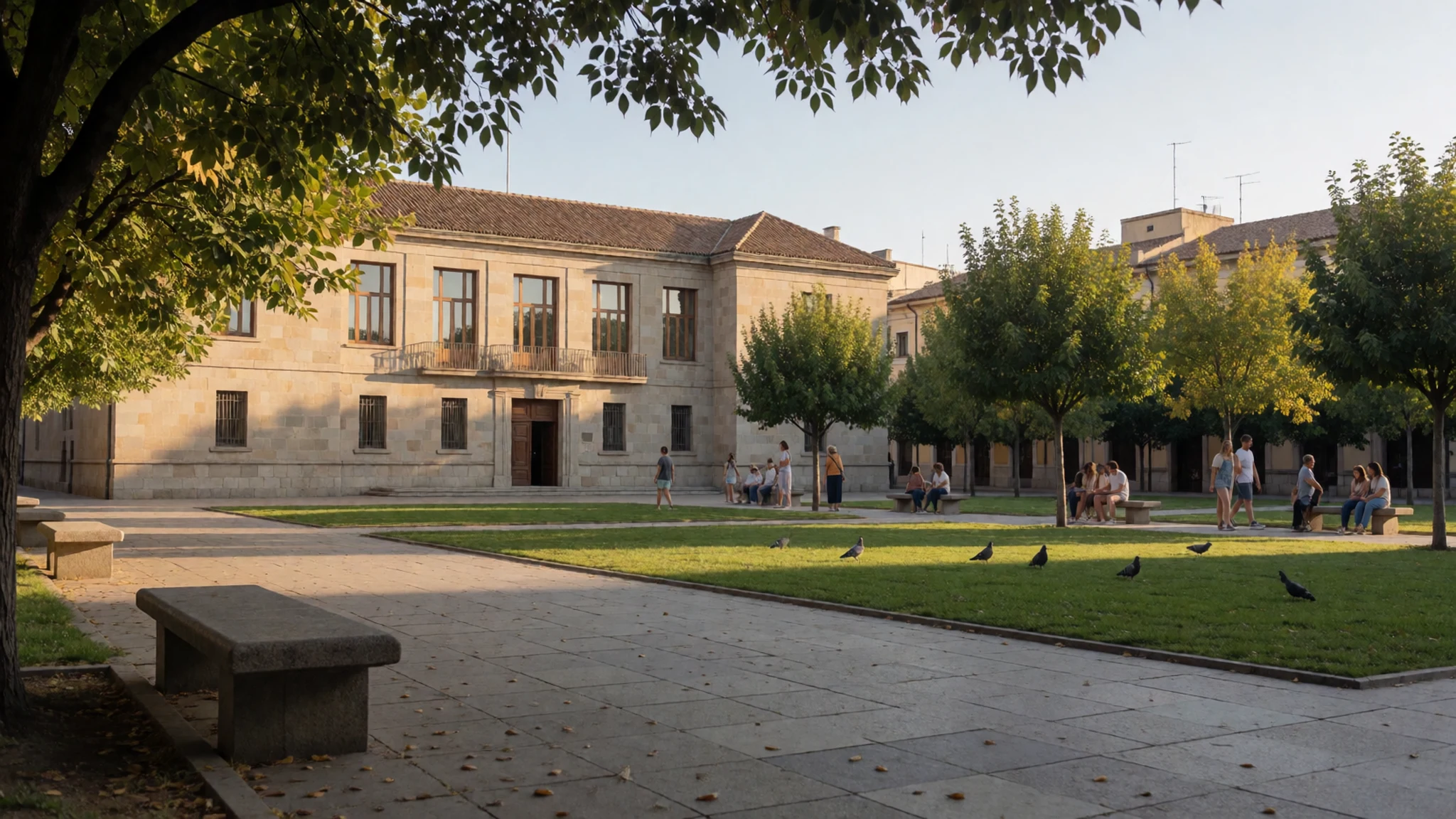
- Museo MAR — Av Félix U. Camet, near the Bosque Peralta Ramos area
Museo MAR is the contemporary art museum, set a little back from the coast on the Félix U. Camet avenue. Opening days and hours differ between weekdays and weekends, and Wednesday has been a closing day, so check the museum's own site before setting out.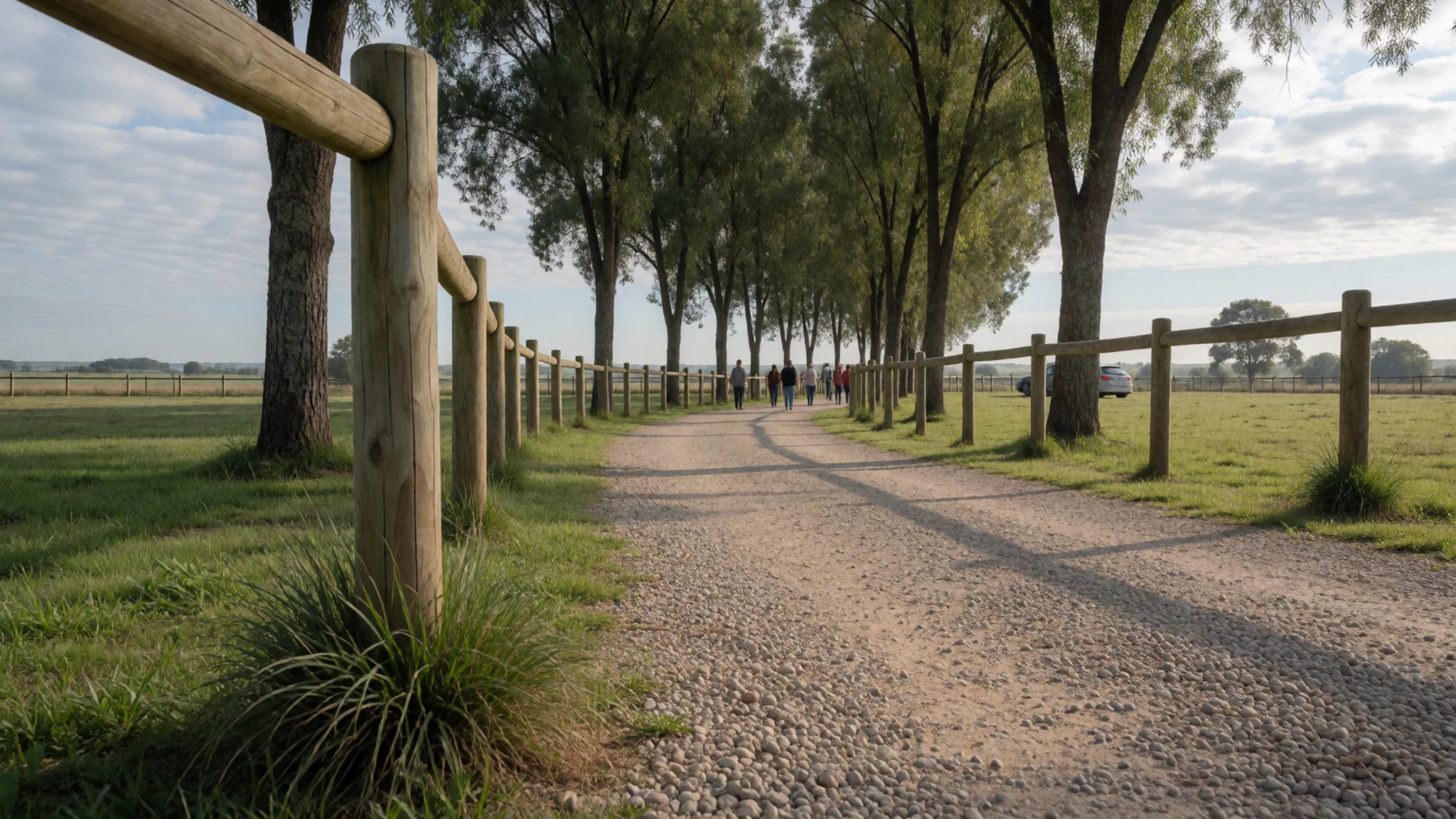
- Aquarium and the Punta Mogotes coast — Southern coast, Punta Mogotes
The aquarium sits on the southern coast, on Avenida Martínez de Hoz, and is an easy family outing combined with a day at the southern beaches. Those southern sands are among the more popular for visitors, so go early in summer, and check opening details with the operator.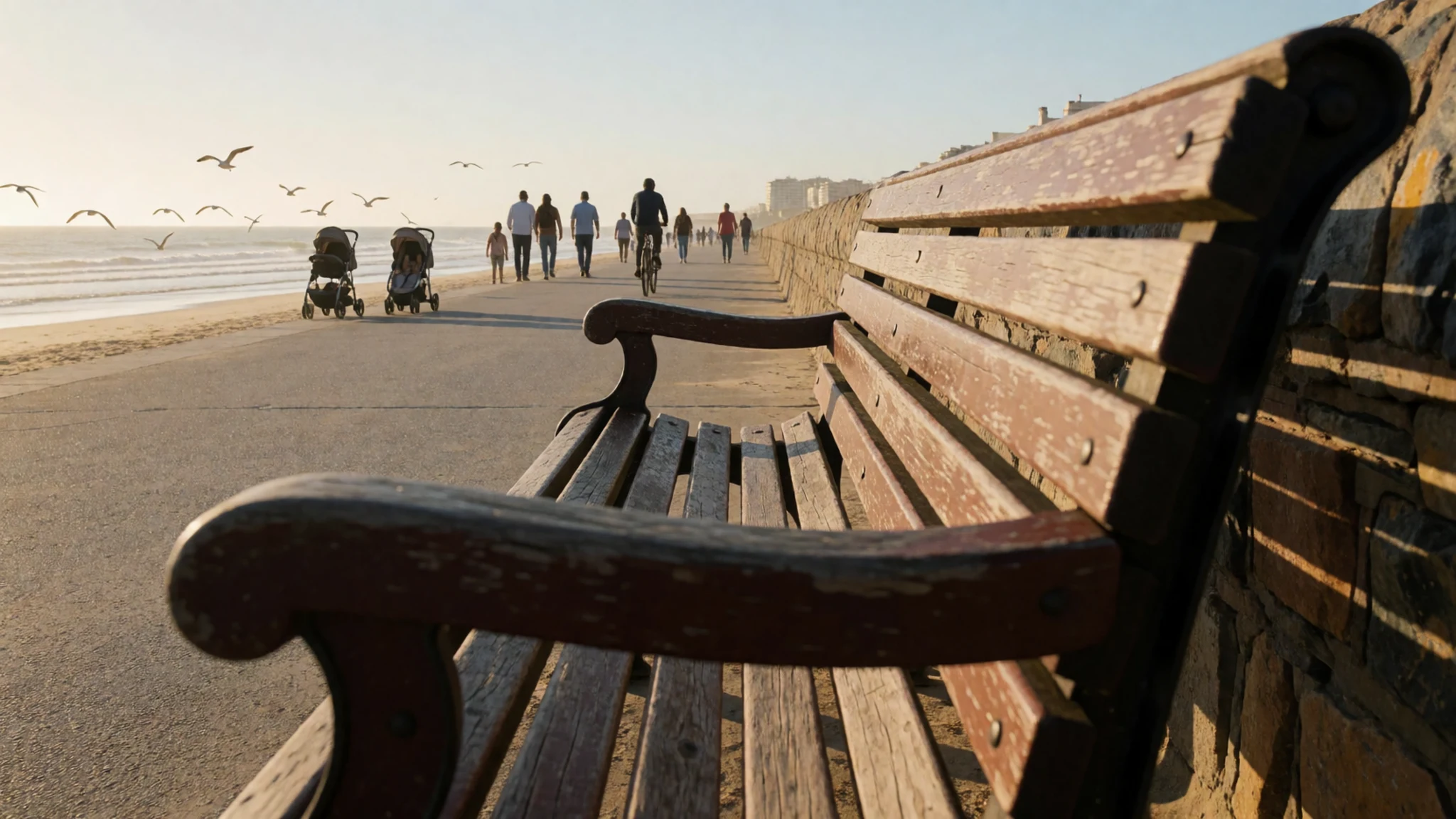
- Former Mar del Plata Sud station — Near the town centre
The old railway station recalls how holidaymakers first reached the resort. It later served as the bus terminal until 2009, and the building is a good example of the railway-era architecture that shaped the city's growth. It rewards a short stop on a walk through town.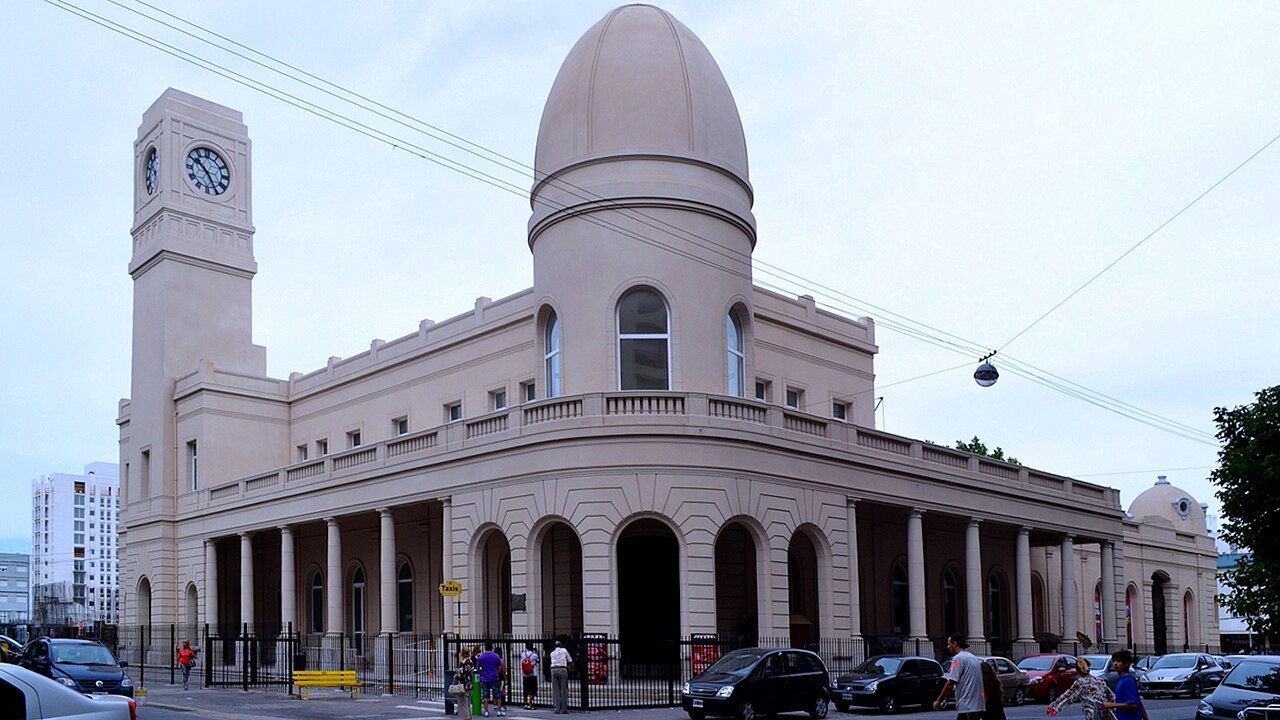
Culture
Mar del Plata's culture is a mix of beach-resort leisure and city institutions. It is Argentina's most popular conference destination after Buenos Aires, and in summer the theatres stage well over fifty plays, so evenings often revolve around the stage, dinner and a late stroll along the seafront. Argentine habits apply: dinner starts late, meals are social and long, and mate, the shared herbal infusion, is carried everywhere, including on the beach.
The city also has a notable interreligious circuit. Catholic sites include the cathedral, the Schoenstatt Sanctuary, a statue of Christ on the south jetty, a replica of the Lourdes Grotto, and the chapels of Stella Maris and Santa Cecilia. There is also a Russian Orthodox church dedicated to Tsar Nicholas II and his family, and a Sunni mosque that welcomes visitors. This variety reflects the waves of migrants who settled here, notably Italians and Basques, whose influence still shows in the restaurants and clubs.
Winter and summer feel like different cities: the first is local and quiet, the second loud, crowded and festive.
When you visit a church, chapel or mosque, dress modestly, keep your voice low, and ask before photographing worshippers or services.
What to wear
Mar del Plata has no single regional costume of its own. The older dress traditions of the wider Pampas belong to the gaucho: the bombacha, a loose pleated trouser, a wide leather belt, a poncho in wool, and a flat-brimmed hat. They appear mainly at rural festivals and country shows, not in the streets of the resort.
Day to day, locals dress practically for a changeable climate. In summer that means swimwear, light cotton, sandals and a windbreaker or sweatshirt for evenings, when the wind drops the temperature. In the cooler months people wear coats, scarves and wool, and the winter damp makes layers important. Evening dress in town is smart casual; the casino, theatres and better restaurants are a place to put on a clean shirt or dress rather than beachwear.
Visitors should pack for all weather even in midsummer. Bring a light waterproof, a warm layer, a hat and sunscreen, since the sun is strong on open sand. Comfortable walking shoes suit the promenade and pavements, and shoes you do not mind wetting suit the port. Cover shoulders and knees for churches and the mosque, and put a shirt on away from the beach.
What to eat
- Mariscos (shellfish) — Restaurants and eateries around the port
The port is known for seafood, and mussels, prawns and other shellfish come straight off the boats. Order them simply, grilled or in a light sauce, and let the freshness do the work.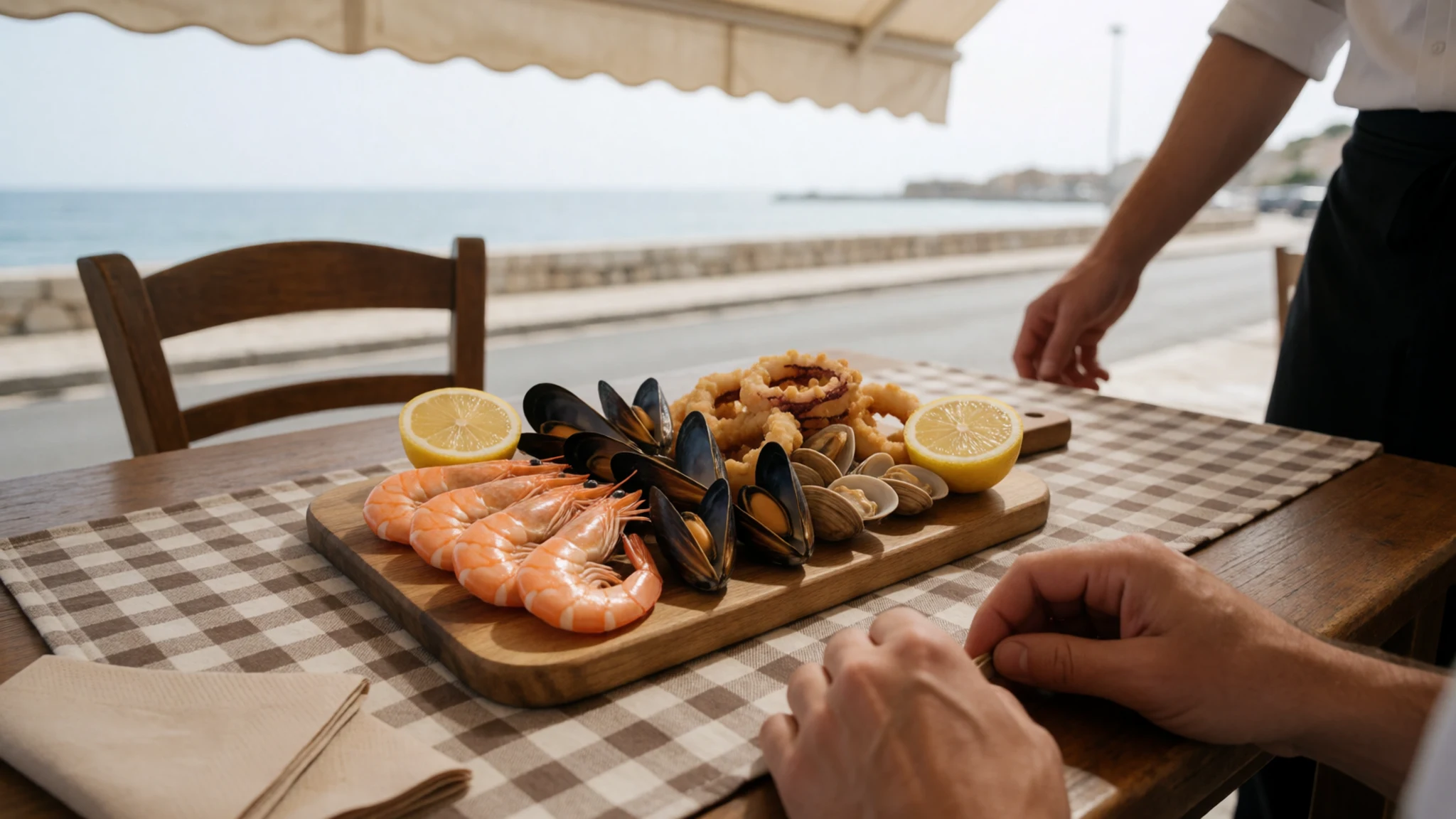
- Rabas — Port-side eateries and beach cafés
Rabas are fried squid rings, a staple of Argentine seaside menus. They arrive crisp, with lemon, and work as a shared starter with a cold drink while watching the harbour.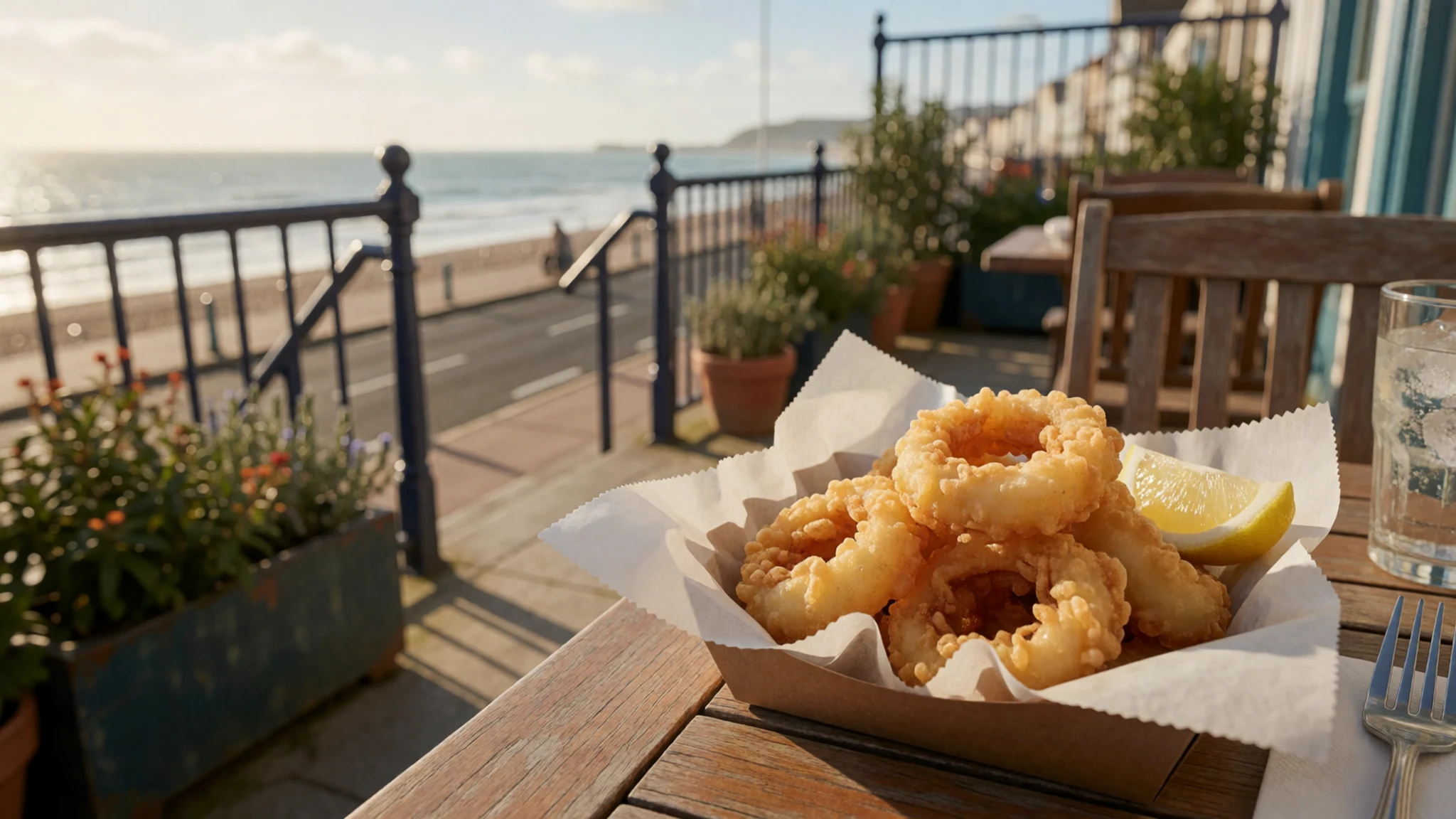
- Pescado fresco (fresh fish) — Fish restaurants near the harbour
Local fish, often grilled whole or as a fillet with chips or salad, is the straightforward way to eat well here. Ask what came in that morning and choose accordingly. - Parrilla (grilled meat) — Parrillas in the centre and along Güemes Street
Even on the coast, Argentine grilled beef is everywhere. A parrilla serves cuts cooked over charcoal with salad and chips, a good option for anyone who has had enough seafood. - Alfajores — Havanna shops and cafés throughout the centre
Alfajores are two soft biscuits sandwiching dulce de leche, sometimes coated in chocolate. They are found across Argentina, and are best with a milky coffee. Havanna shops around the city are the favourite for many people.
Plan it
Best time. December to March for beach weather: summer averages are mild, many days are warm to hot, and nights can be cool. January and February are the busiest, so March is calmer. Winter is cold and damp.
How long. 2–3
Getting there. Mar del Plata has its own airport with domestic flights, mainly from Buenos Aires. Long-distance coaches also run from Buenos Aires to the central bus terminal, and the last leg into the centre is a short taxi or local bus ride.
Budget. mid
Tips
- Book rooms well ahead for January and February, when the city is at its fullest
- Carry a windproof layer, since evenings cool quickly even in summer
- Visit the port in the morning, when the boats and sea lions are most active
- Carry some cash for small stalls, though cards are widely accepted in town
Etiquette
- Greet shop and restaurant staff with a polite 'hola' or 'buenas tardes'
- Expect late dinners and do not rush meals
- Take your litter from the beach and keep clear of lifeguard flags
Nearby
Sources
- Wikidata Q52607 (CC0)
- Wikipedia: Mar del Plata (rev 1382875222) (CC BY-SA 4.0)
- Wikivoyage: Mar del Plata (rev 5246113) (CC BY-SA 4.0)
- Photo: MDQMontage.jpg (Quilmeño89) (CC BY-SA 4.0)
- Photo: Hotel Provincial y Casino, Plaza Seca (Eduardo N. Fortes) (CC BY 3.0)
- Photo: Torre Tanque de Obras Sanitarias (Eduardo N. Fortes) (CC BY 3.0)
- Photo: Museo Castagnino (Aleposta) (Public domain)
- Photo: Hotel Provincial y Casino 2 (Leandro Kibisz) (CC BY 3.0)
- Photo: Mar del Plata Sud station (Juan Enrique Gilardi) (CC BY-SA 2.0)
- Photo: Chalet del Club de Golf (Dario Alpern) (CC BY-SA 4.0)
- Photo: Rambla de playa Bristol c. 1920 (Public domain)


