Maliana
Maliana, Timor-Leste
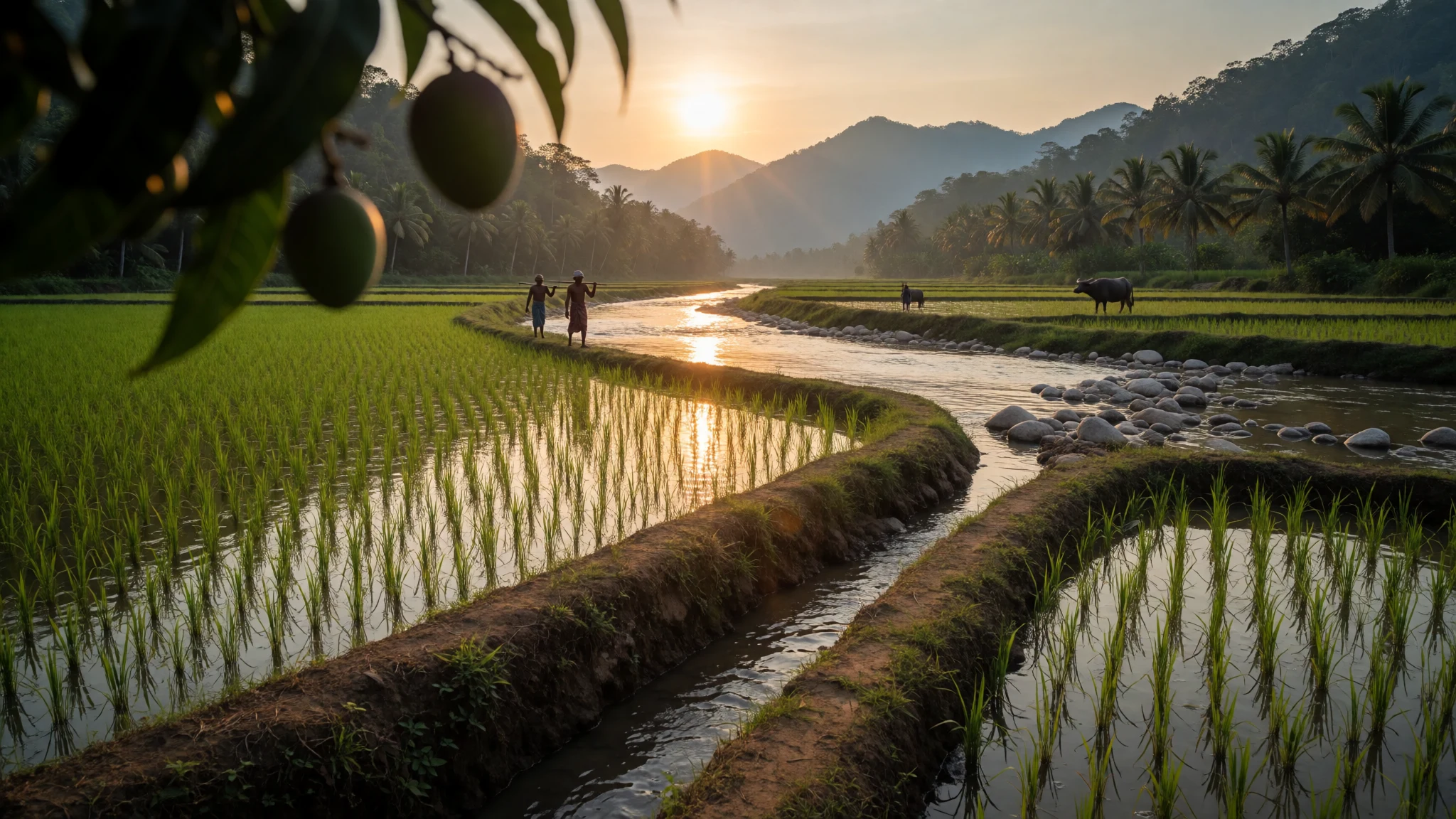
Maliana is a working rice town in western Timor-Leste, good for slow road trips, village markets and the highlands behind it.
The place
Maliana is the district capital of Bobonaro, in western Timor-Leste, a short drive from the Indonesian border. It sits about 402 metres above sea level and has roughly 15,800 people, so it feels like a busy market town more than a city. The land around it explains the place. Rice is the main crop, with maize grown alongside, and most households depend on farming. Rivers running down from the hills feed irrigated paddies around the town, giving the lowland a flat, green, open look against the mountains behind. The urban area is divided into seven villages: Lahomea, Holsa, Ritabou, Odomau, Raifun, Tapo-Memo and Saburai. Tetum is understood by nearly everyone, while Bunak and Kemak are the older local languages. Maliana is also the seat of a Catholic diocese, so churches and church-run schools are part of ordinary life. A visitor should expect scale to be modest: a main street, a market, a handful of plain eateries and very little built for tourism. That is part of the appeal for anyone curious about how rural Timor-Leste lives and eats. It also works as a base for the western highlands and the border road. Days in the dry season are hot, and evenings at this height are cooler than on the coast.
Its story
Maliana's story is told through rice, schooling and its position near the frontier. Under Portuguese rule the town had a Catholic mission school, the Collegio Infante Sagres, which was regarded as one of the better schools of its day. Many of the educated Timorese who later took part in public life passed through it, and that helps explain why the town carries more weight than its size suggests. During the Indonesian occupation, Maliana became a rice-growing centre. Its harvests fed other districts of Timor-Leste, and grain was also sent across the border to the Indonesian western half of the island. Paddy farming was already common, but this period fixed the town's reputation as a granary, and rice has remained the staple most Timorese prefer. When the United Nations administered the territory on its way to independence, people from Maliana worked closely with Australian soldiers based in the area, and their help is still remembered as valuable to that mission. Today the town is the administrative centre of its district and subdistrict. There are few monuments to point at. The history shows instead in the school buildings, the irrigation channels, the churches and the roads that lead to the frontier, and it is best understood by talking to people who have lived here a long time.
What to see
- The main-street market — Town centre, main street
Maliana's market runs along the main street and is worth a slow walk rather than a shopping trip. Stalls sell mostly fruit, vegetables and household goods, so it is more a window onto daily life than a craft bazaar. Go in the morning, when produce is freshest and the street is busiest.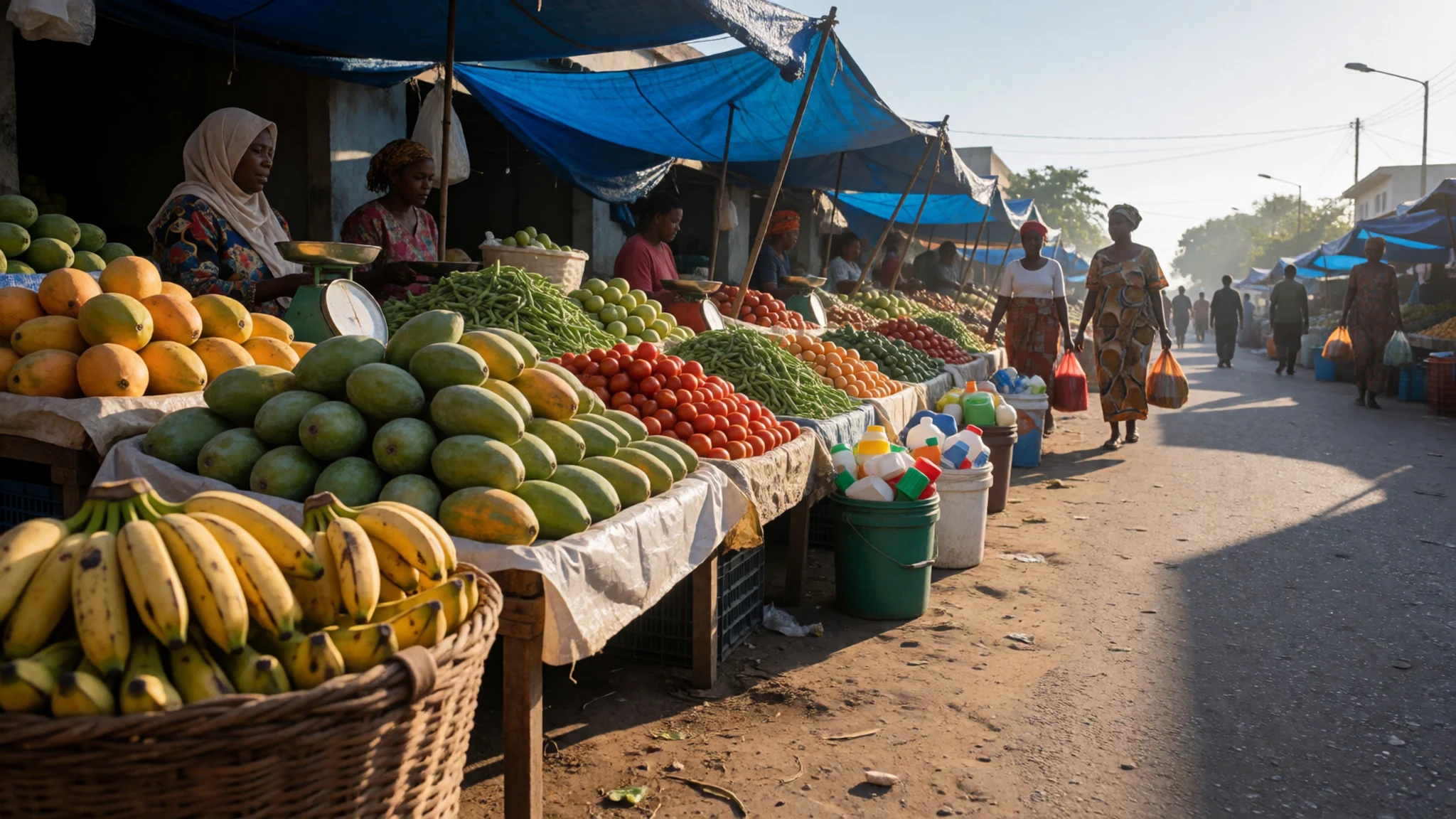
- Rice paddies and river channels — Fields around the seven villages
The irrigated paddies around Maliana are the real landscape of the town. Water comes down from several rivers, and farmers work the fields by hand and with buffalo. Walk or drive the lanes on the edge of town, ask before stepping onto bunds, and look for harvest activity in the dry months.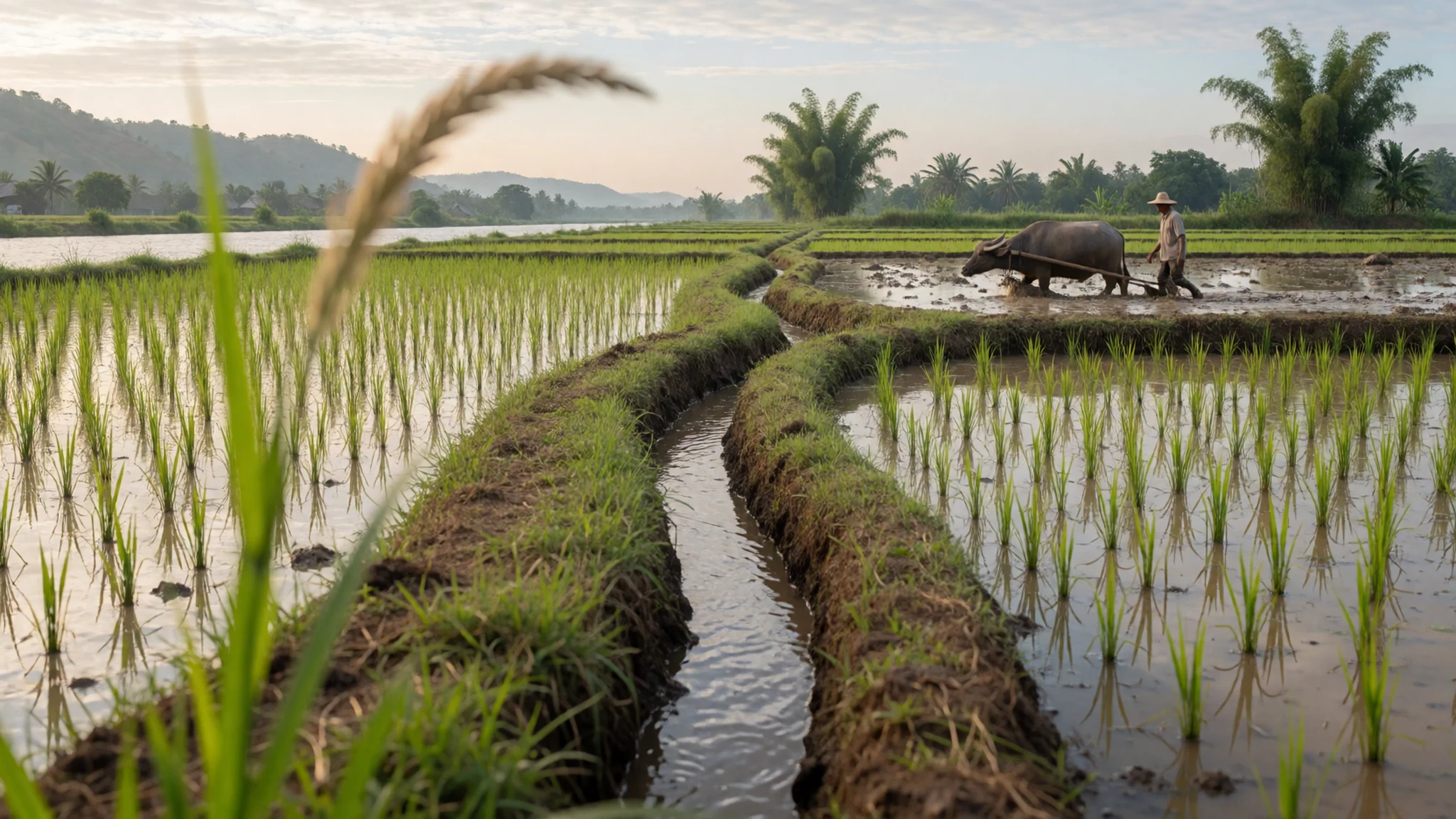
- Marobo Hot Springs — Mountains south of Maliana, Bobonaro district
Marobo lies in the mountains south of Maliana, about an hour and a half away by road. The route climbs onto a windswept ridge with long views, then turns steep and rocky near the village. Take a sturdy vehicle, check local advice on road conditions, and allow a full day.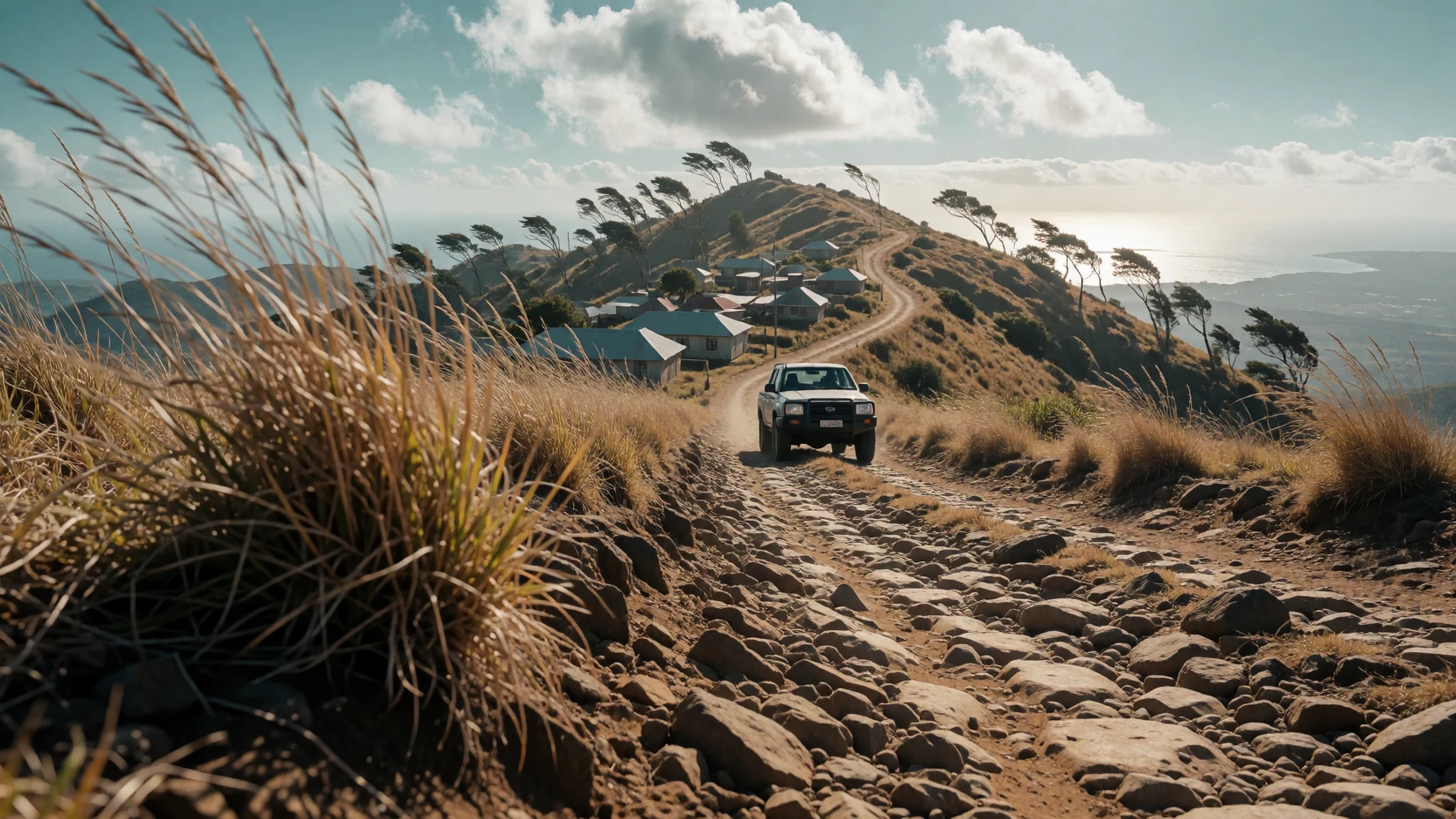
- Balibo — Balibo, on the western coastal route
Balibo is a hillside village on the road between Maliana and the coast. A house here holds an exhibition about the Australian journalists who were killed, and a ruined fort stands nearby. It is a sober stop, and worth combining with the longer coastal drive to or from Dili.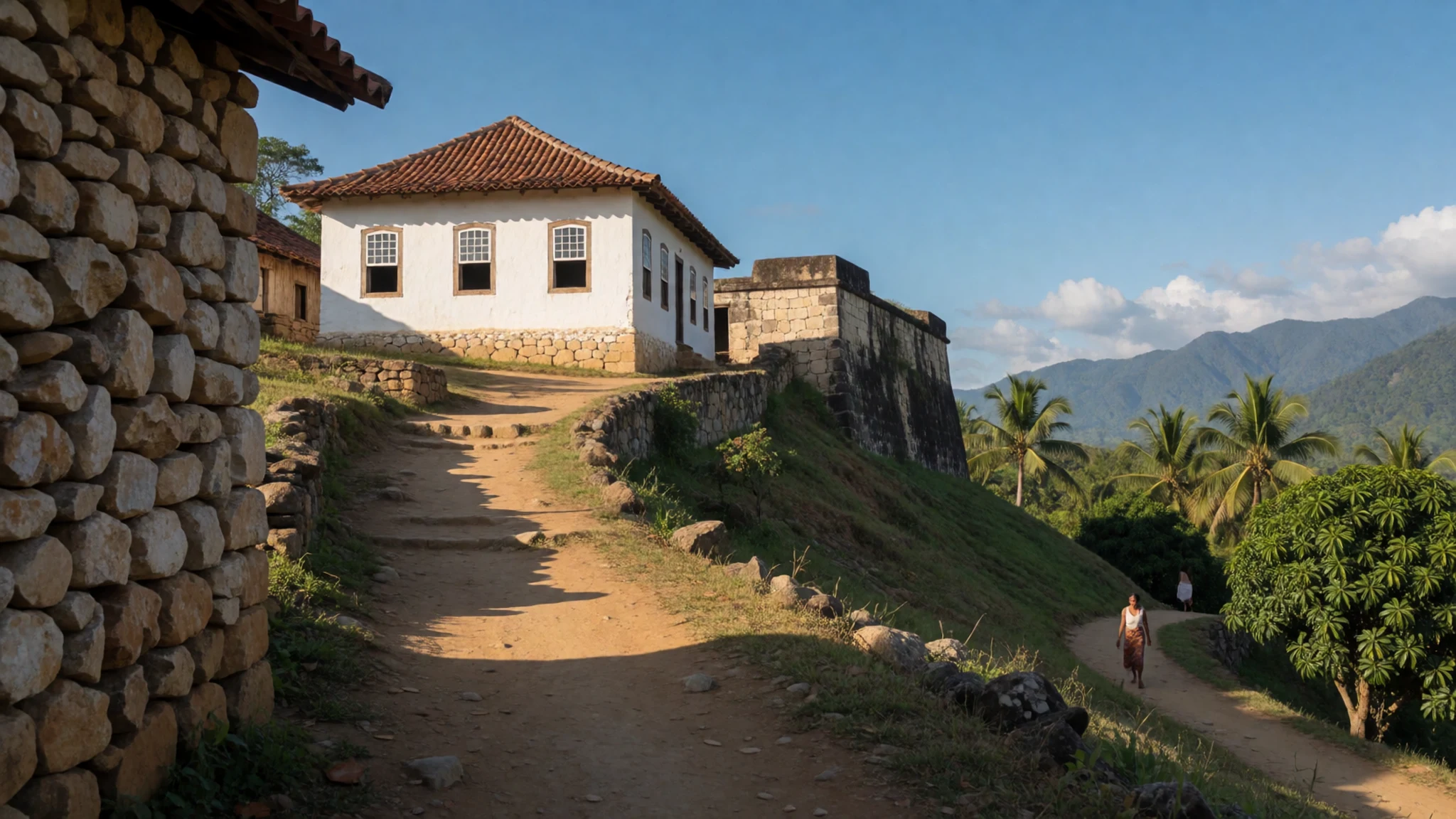
- Maubara fort — Maubara, on the coast road between Dili and Maliana
Maubara has an old fort beside the sea, on the historic road that links Dili with the western border. It makes an easy break on the long journey, with space to stretch your legs and look at the water. Treat it as a roadside stop rather than a destination in itself.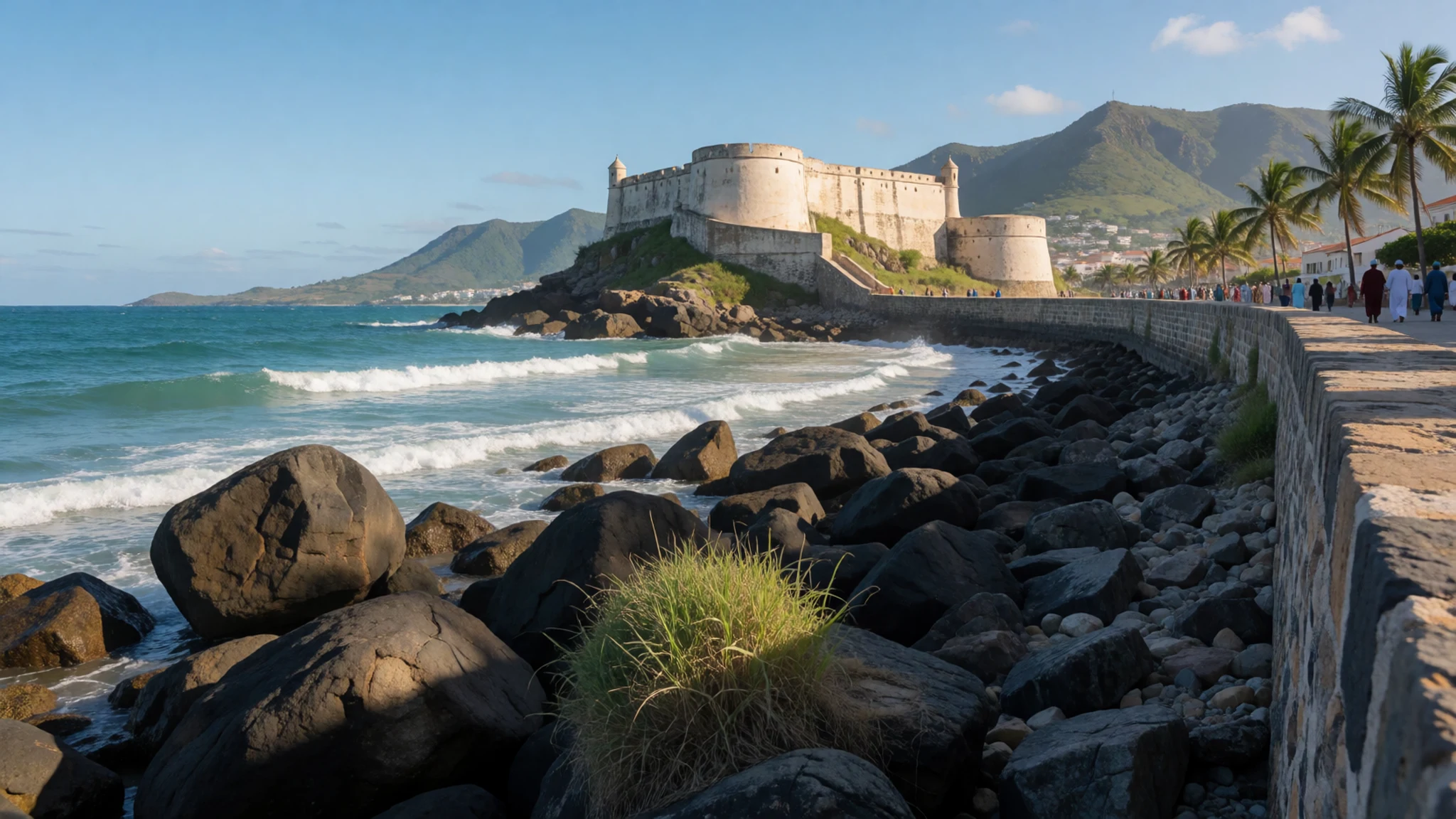
Culture
Maliana is a Catholic town, and the church shapes the calendar more than any other institution. Sunday mass, feast days and funerals bring families together, and people dress with care for them. Tetum is the shared language, with Bunak and Kemak spoken at home by many families, and a few words of greeting in any of them are appreciated. The rhythm of the year follows the rice. Planting and harvest decide when people are free to travel, celebrate or host guests, and a town that looks sleepy at midday may be emptying into the fields at dawn. Education is a point of pride, tied to the old mission school and the many people who studied there. Politics is also visible: election seasons bring flags, trucks and noisy rallies onto the streets, and local loyalties run strong. Hospitality is real but unhurried. Expect to be offered coffee or a meal if you stay with a family, and expect conversations to start slowly. English is not widely spoken here, so Tetum or Indonesian helps, as does patience and a smile. Visitors who come with curiosity, rather than a checklist, tend to get the most from the town. Ask permission before photographing people, particularly inside a church, at the market and at political gatherings, and cover your shoulders and knees when entering a church.
What to wear
Maliana's traditional dress centres on tais, the handwoven cloth made across Timor-Leste. Tais is woven on a backstrap loom, usually in cotton, with patterns that vary by region and family, and it is wrapped as a skirt or sarong, draped as a shawl or worn as a sash. It appears at weddings, funerals, church celebrations and official ceremonies, and it is also given as a gift. Ask the weaver or seller about the origin of any piece you are shown. Day to day, people in town wear what suits heat and farm work: T-shirts, shirts, long skirts or trousers, flip-flops or sandals, and rubber boots in the paddies. Football shirts are popular with young people. On Sundays, church clothes are neat and noticeably smarter. Visitors should pack light, breathable fabrics, long trousers or skirts and a shirt with sleeves, which suits both the sun and local modesty. Bring a hat and sunscreen for the dry season, and a thin rain layer for wetter months. Cover shoulders and knees for church. Footwear matters: closed, grippy shoes or sandals with a strap handle the broken roads, market mud and the rocky track towards Marobo far better than flat sandals. At hot springs, wear modest swimwear or a sarong rather than anything brief.
What to eat
- Beef rendang — Small eateries along the main street
A slow-cooked, spiced beef dish that reflects the Indonesian influence on the town's cooking. It is served with rice and often turns up among the dishes on display at simple eateries. Order it when you see it ready, since the pots empty by the afternoon.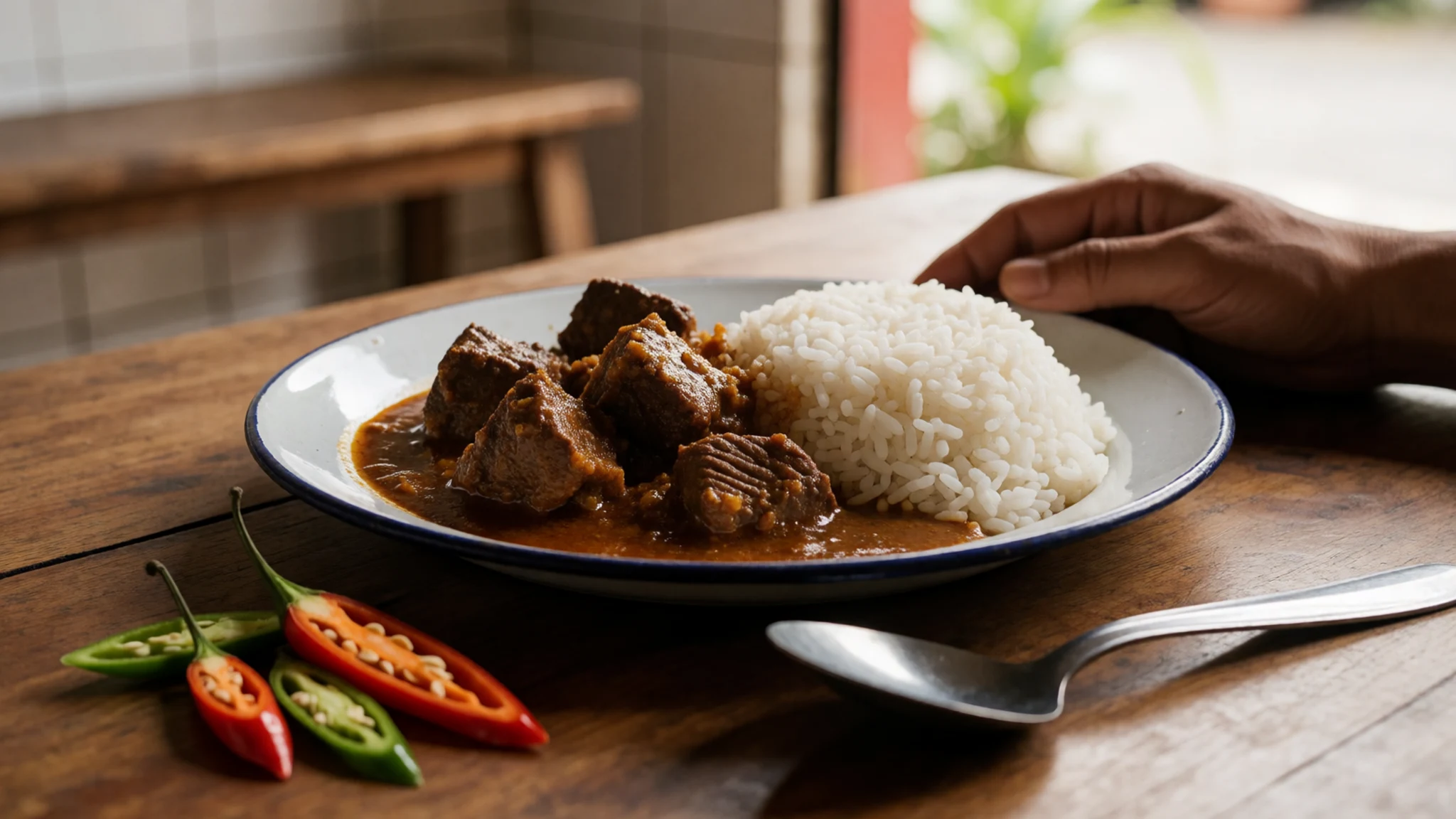
- Liver dish — Plain restaurants near the market
Liver cooked in a savoury sauce is a local favourite and a common part of the plate at everyday restaurants. It is rich and strongly flavoured, usually eaten with a mound of plain rice. A good choice for anyone who likes offal.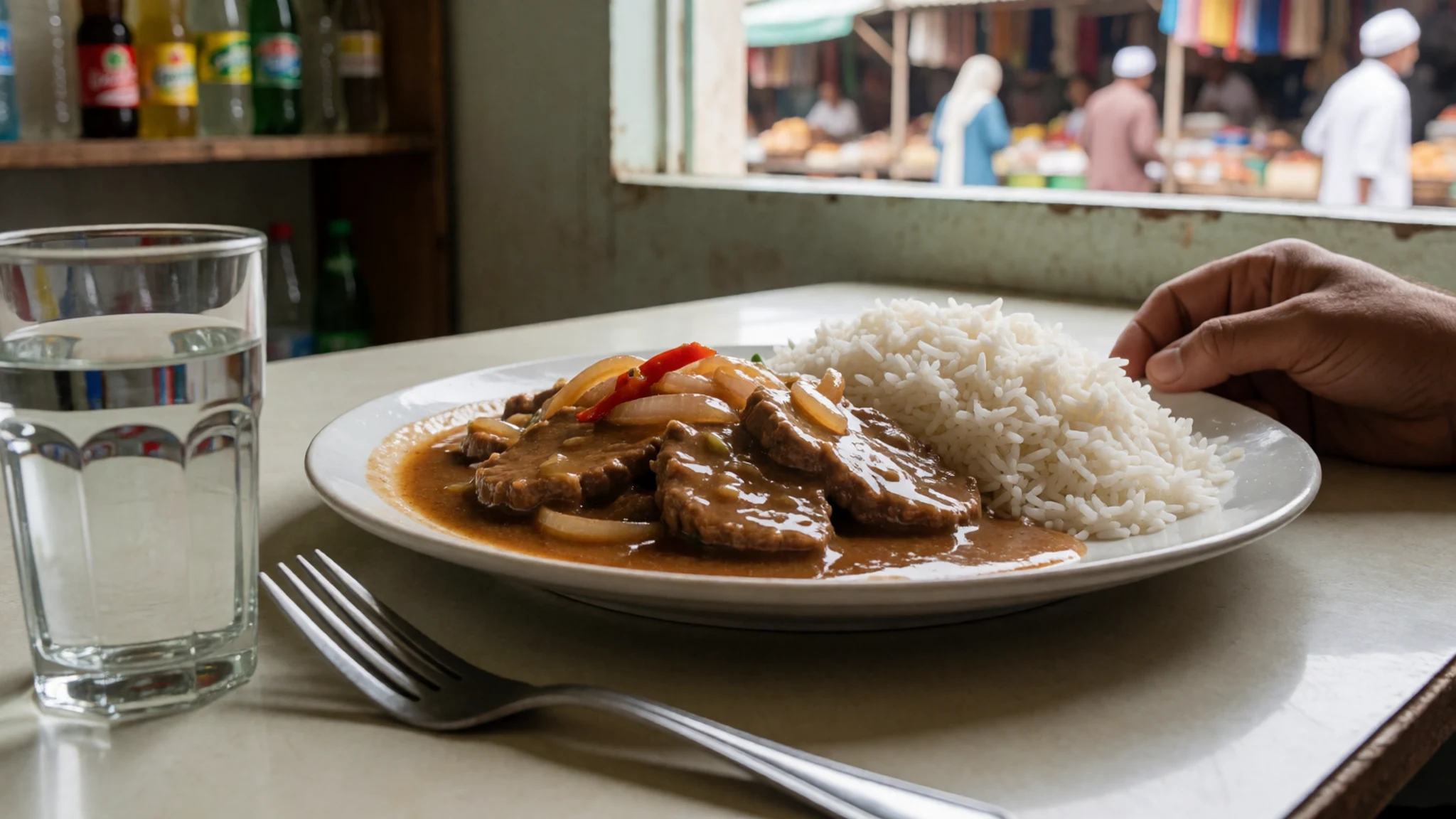
- Watery curry or stew — Counter-service restaurants on the main street
Many eateries keep a thin, warming curry or stew on the counter, with meat or vegetables in a light broth. It is eaten over rice and makes an easy, cheap lunch. Point at what looks good, since menus are rarely written down. - Rice with vegetables — Eateries and home kitchens throughout town
Rice is the heart of the meal in Maliana, grown in the surrounding paddies. It is served with cooked leafy or mixed vegetables, often alongside meat or fish. Maize is also grown locally and appears in home cooking, so ask what the family eats. - Market fruit and shallots — The morning market on the main street
The market sells fruit, vegetables and household goods, and braided shallots are a typical sight on stalls. Buy whatever is in season, peel or wash it yourself, and carry it for a picnic on the road to Marobo or Balibo.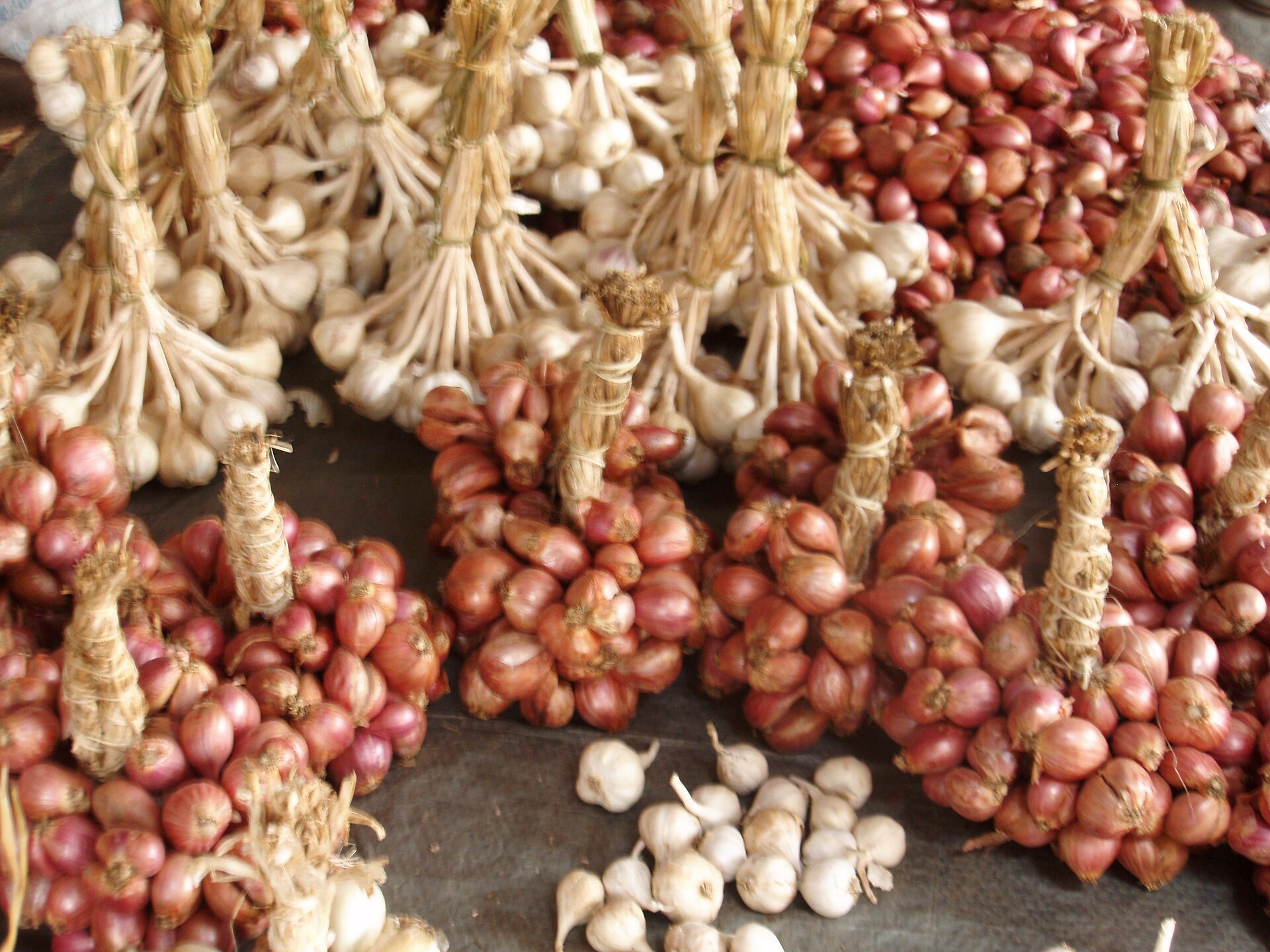
Plan it
Best time. The dry season, roughly May to September, is the easiest time, with better roads for the mountain trips and clearer views from the ridge. The rains turn tracks to mud, and the road to Marobo can be hard going, so allow extra time if you travel then.
How long. 2–3
Getting there. Fly to Dili, the capital, then go by road. The main route west takes about three and a half hours via the Tibar junction, Liquiça, Maubara, Batugade and Balibo. A longer, scenic mountain alternative goes through Gleno and Ermera and takes about eight hours. Buses and shared minibuses run to Maliana from Dili.
Budget. low
Tips
- Carry enough cash, since cards are rarely accepted outside the capital
- Start long drives early, as the mountain roads are slow and daylight is limited
- Check road conditions locally before heading to Marobo, especially after rain
- Bring water, sun protection and any medicines you need, as shops are basic
- Plan stops at Maubara and Balibo so the drive from Dili becomes part of the trip
Etiquette
- Greet people politely and ask before taking photographs of them
- Cover shoulders and knees when entering a church
- Accept offers of coffee or food graciously, even if you only take a little
Nearby
Sources
- Wikidata Q1020338 (CC0)
- Wikipedia: Maliana (rev 1378771958) (CC BY-SA 4.0)
- Wikivoyage: Maliana (rev 5091780) (CC BY-SA 4.0)
- Photo: merkadu Maliana vila, Palácio das Cinzas (Public domain)
- Photo: The subdistrict of Maliana, J. Patrick Fischer (CC BY 3.0)
- Photo: KHUNTO supporters in Maliana, José Fernando Real (CC BY-SA 4.0)
- Photo: PD campaign event, José Fernando Real (CC BY-SA 4.0)
- Photo: UPF base in Maliana, SAS Timor-Leste (Public domain)
- Photo: Transportes Terrestres Bobonaro (Maliana) (Public domain)
- Photo: Escola Pre-Secundaria II Maliana, Agência Desenvolvimento Nacional (Public domain)
- Photo: Braided shallots, Ellen Forsyth (CC BY-SA 2.0)


