Malekula
Malekula, Vanuatu
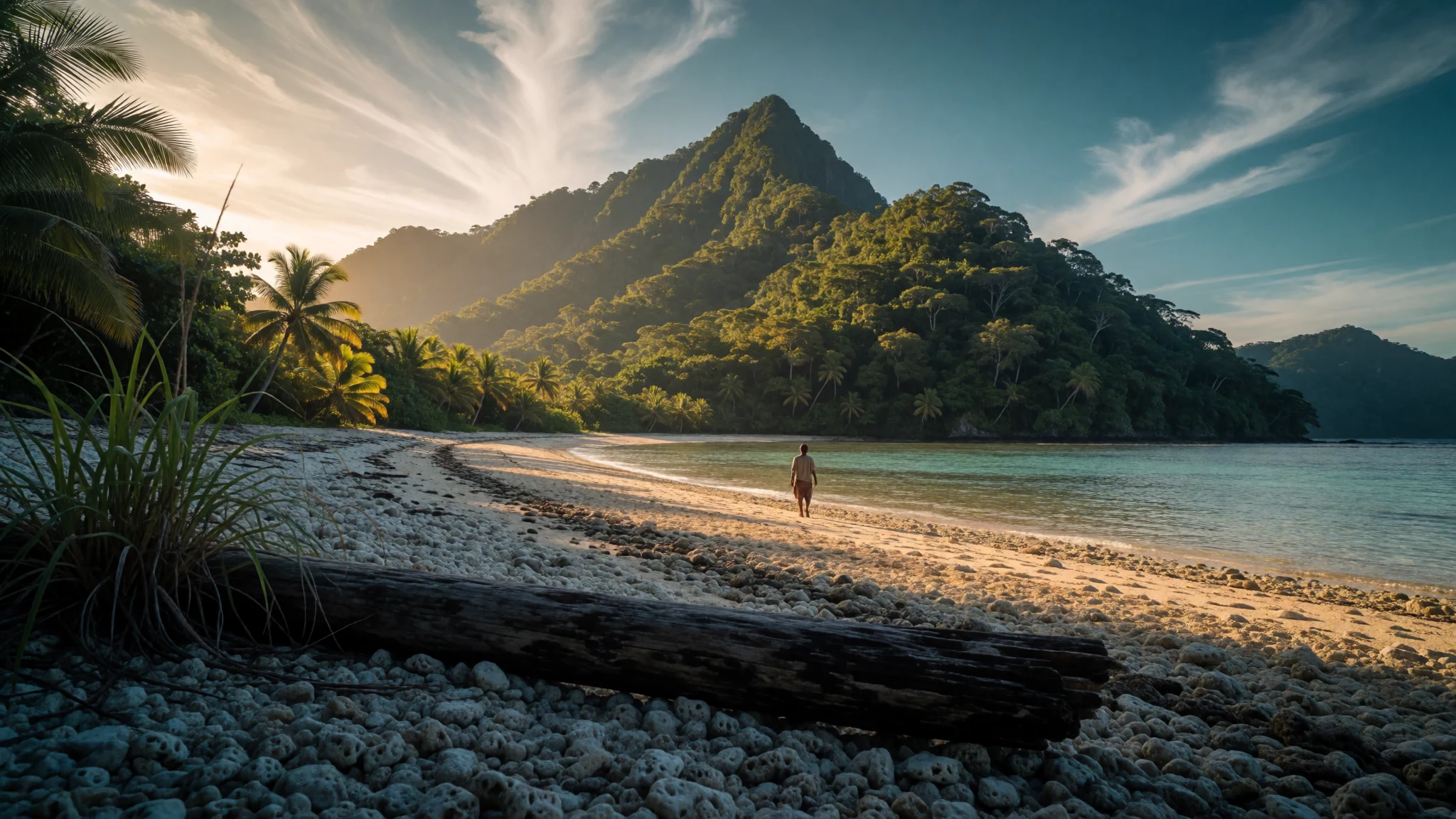
Malekula is a quiet Vanuatu island where village hosts still keep dance, rank ceremonies and custom alive, and visits move at the pace of boats and small planes.
The place
Malekula is a long, forested island in Malampa province, Vanuatu, in the South Pacific, and it ranks second in size among the country's islands. About 20,000 people live here, mostly in coastal villages and a scatter of hamlets in the hills. Lakatoro, on the north-eastern shore, is the provincial capital and the biggest settlement, so it is where the island's bank, shops and administrative offices cluster. The nearest airstrip sits on neighbouring Norsup, which is why most journeys begin in this corner. Off the same coast lie the Small Islands, including Vao, Rano, Wala, Atchin and Uripiv, which are inhabited and reached by boat. Tomman and Akhamb lie off the south, and the Maskelyne group sits to the south-east. Santo and Malo face the island across the Bougainville Strait. The interior climbs to 879 m at Mt Liambele, and much of the land is steep, wooded and thinly settled. Roads are limited, and distances that look short on a map can take half a day. Facilities outside Lakatoro are simple: family-run bungalows, home-cooked meals and boats arranged through a host. The draw is less a list of sights than a living culture, with its own languages, dances, graded societies and the body of custom islanders call kastom. The island rewards slow travel, advance arrangements and local guides.
Its story
Malekula has been home to Ni-Vanuatu communities for many centuries, and most of its history is carried on the island itself, in ceremony, carving and spoken memory rather than in written records. Outsiders arrived late. Spanish sailors under Pedro Fernández de Quirós sighted the island in 1606, and Captain James Cook called in 1774 on his second Pacific voyage. A few years earlier, in 1768, the French navigator Louis Antoine de Bougainville had given his name to the strait between Malekula and Santo. Over the following years British and French interests both took hold across the archipelago, and the uneasy shared rule that resulted was known in English as the New Hebrides. Malekula also drew scholars and artists. In 1914 and 1915 the British anthropologist John Layard lived on the island, taking notes, recording songs on phonograph cylinders and making more than 400 photographs. Copies of his glass plates went to the Museum of Archaeology and Anthropology in Cambridge, where they remain a rare visual record of village life of that period. Later, the German painter Ingo Kühl joined a cultural centre expedition to ceremonies on the island, and the work he made there was exhibited in Port Vila and in Berlin. Museum collections hold masks and carvings from Malekula, but those are outside views. The island's own account is kept by the people who still stage rank-taking rituals, perform the dances and teach them to their children.
What to see
- Small Nambas communities, Rano and Vao — Small Islands, north-east coast
Off Malekula's north-east coast, the small islands of Rano and Vao host organised cultural visits. Villagers perform dances, prepare food and show crafts, explaining the customs behind them. These are run by the communities themselves, so contact a local host or guide in advance and treat the visit as an invitation.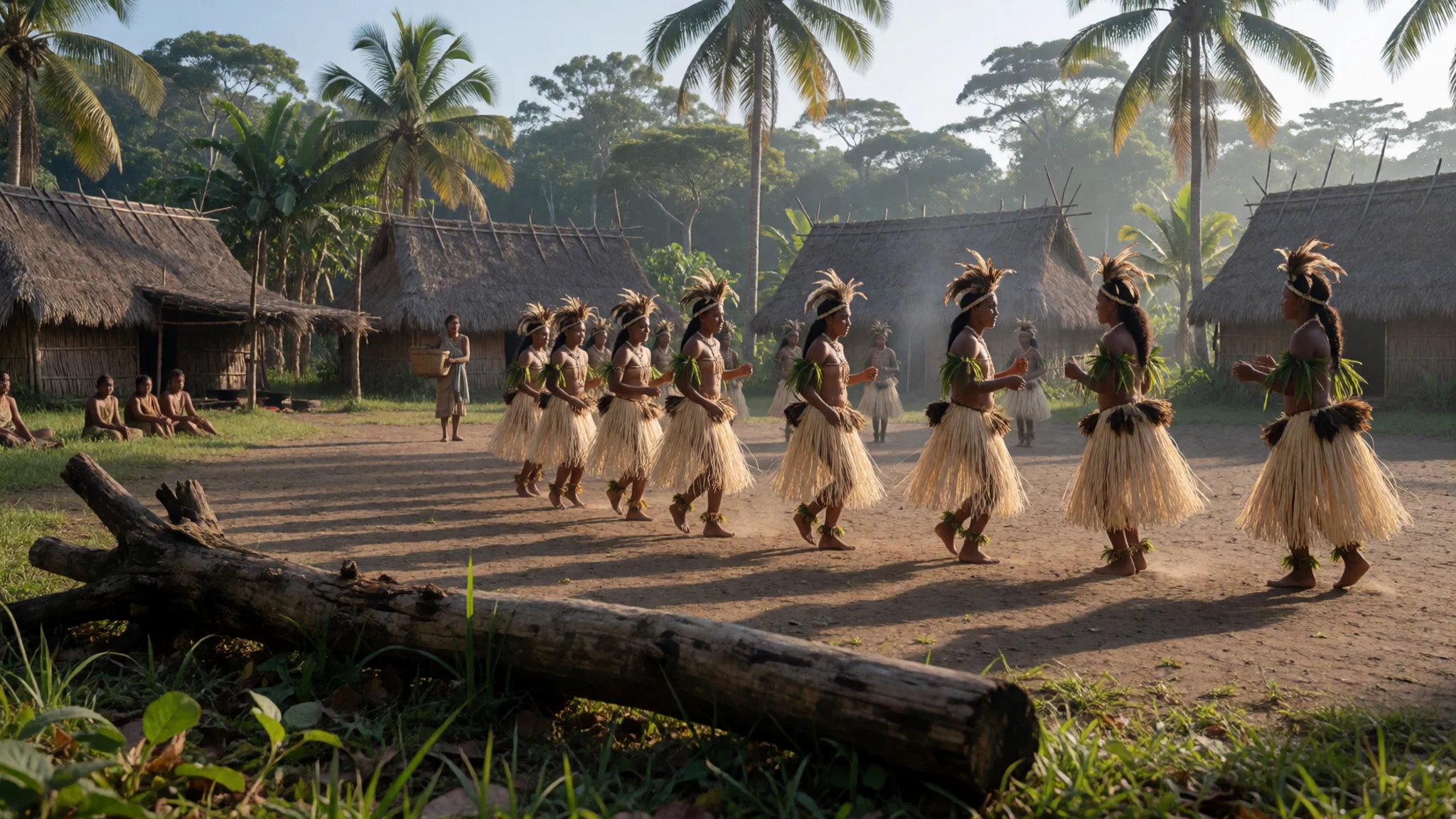
- Big Nambas country — North-west Malekula
The north-west of Malekula keeps strong traditions and some very remote villages. Malekula's Big Nambas communities are best approached through a local guide who knows the people and the paths, not as a loop of open-access attractions. Expect rough tracks, slow travel and a visit shaped by what hosts are happy to share.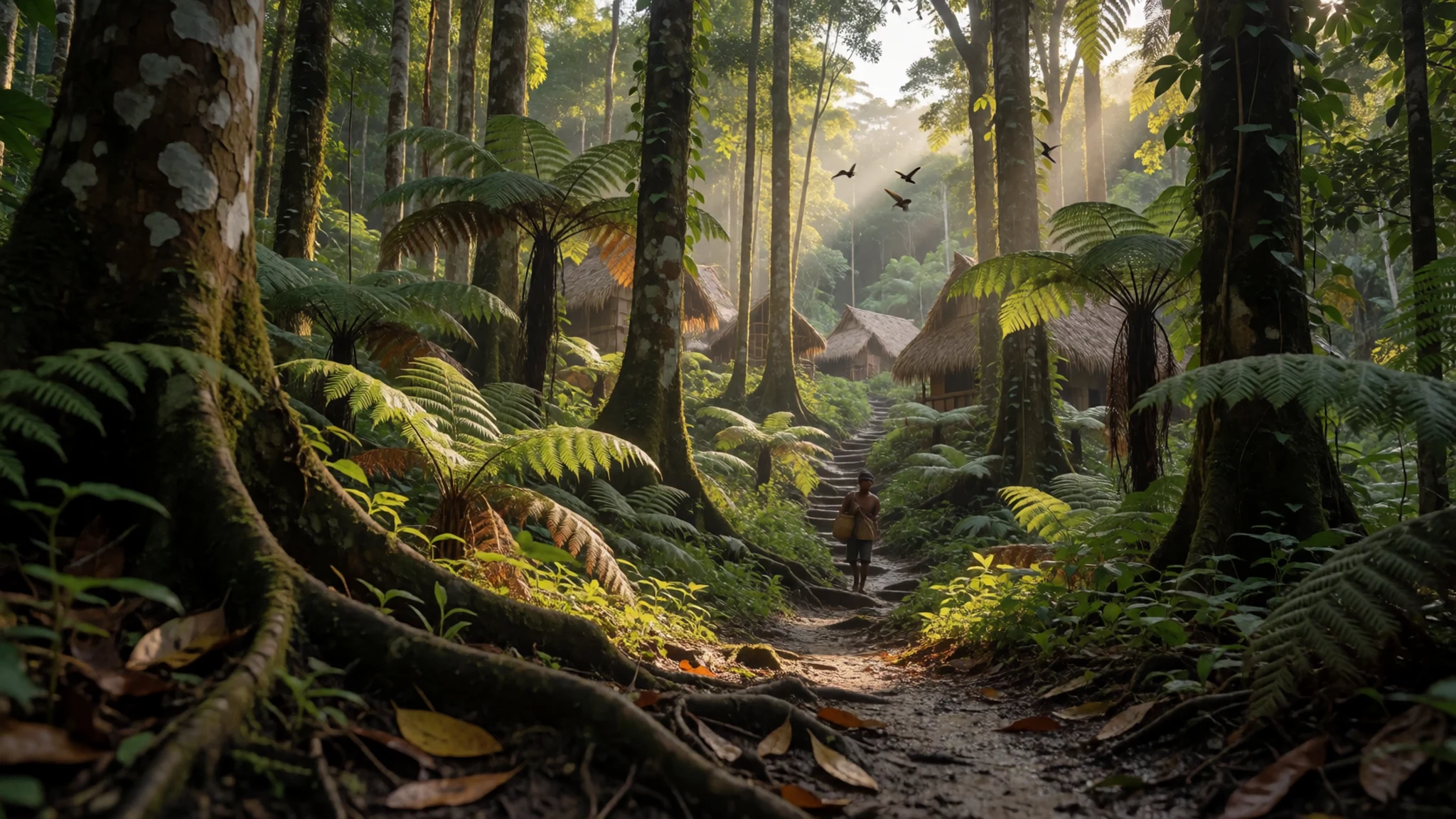
- Pialo Spirit Cave — Near Tenmaru, north-west Malekula
In the north-west of Malekula, close to the village of Tenmaru, a cave known as Pialo holds hand marks on its walls and a colony of bats. A local guide leads the way and passes on the stories tied to the place. Treat it as a sacred site, not a casual stop.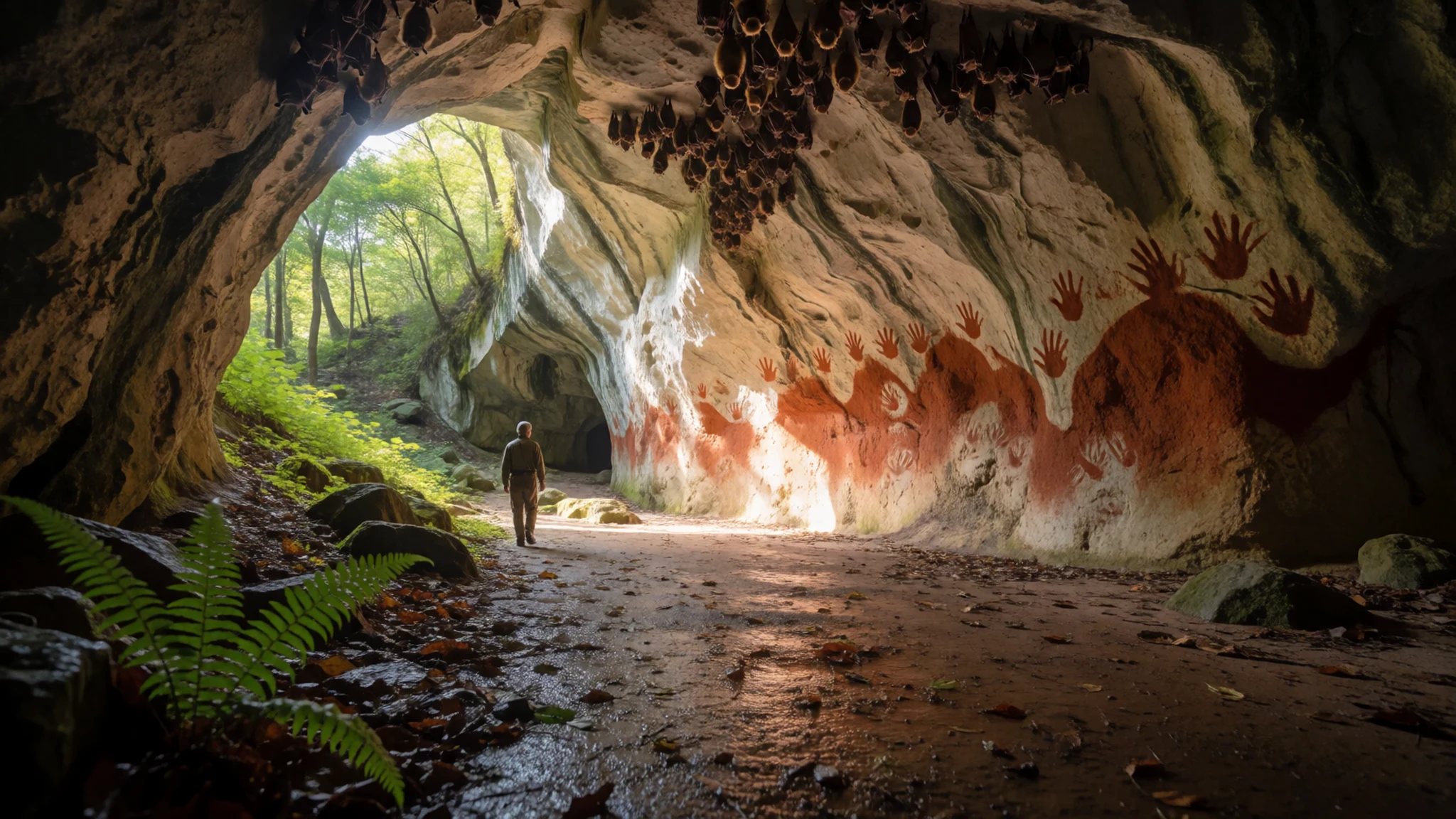
- Maskelyne Islands — South-east of Malekula
Malekula's south-east is fringed by the Maskelyne Islands, including Sakao and Uluveo. Access is by boat from the mainland coast, with the Lamap airstrip as the usual gateway, so plans depend on weather, sea conditions and a host with a boat. Ask locally before committing, since services are few.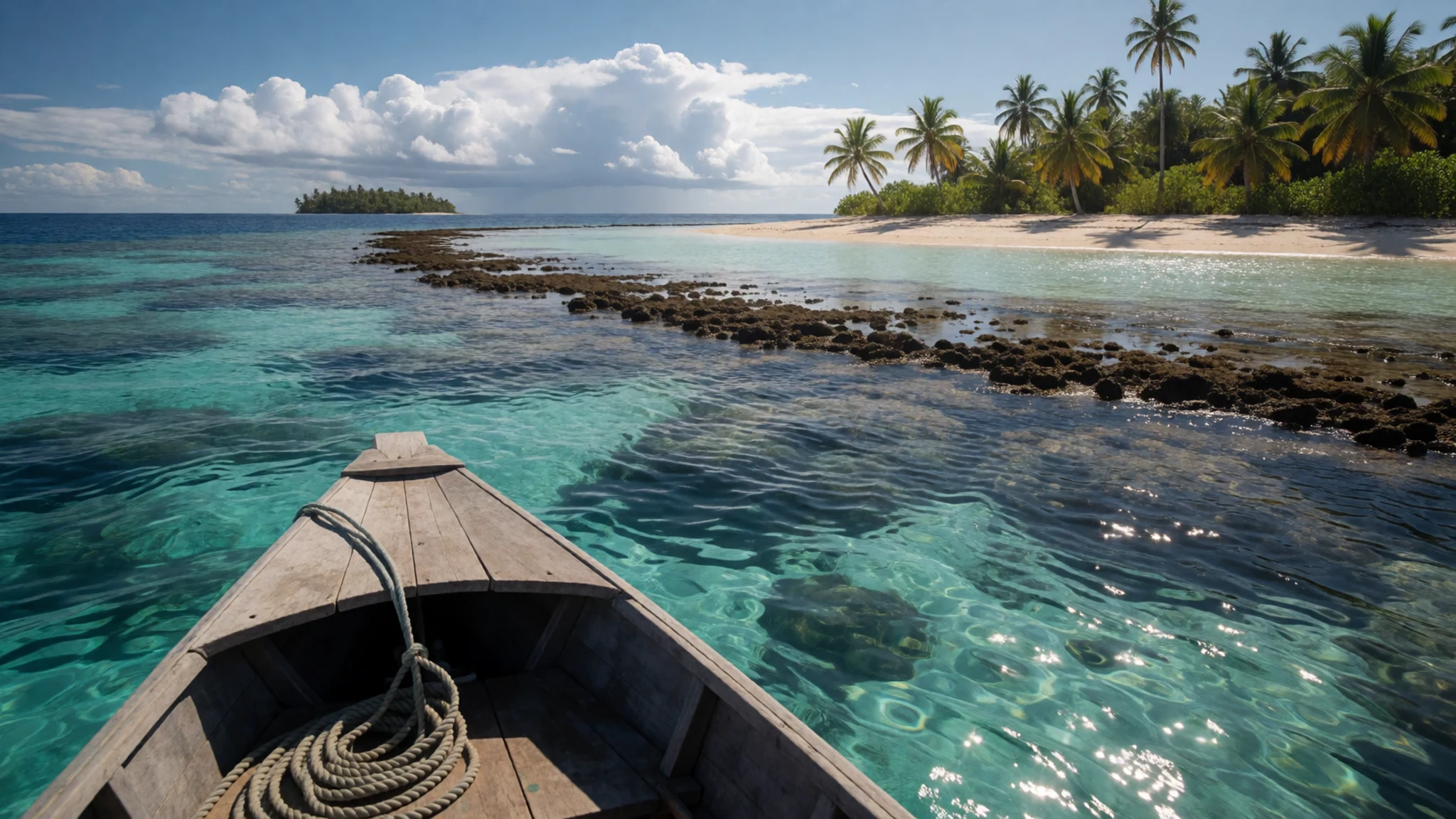
- Lakatoro and Norsup — North-east coast
Lakatoro is the practical hub of Malekula: the provincial capital, with a bank, small shops and a market, and Norsup's airstrip a short hop away. It is not a sightseeing town, but it is the place to change plans, buy supplies, withdraw cash and find a boat or a guide.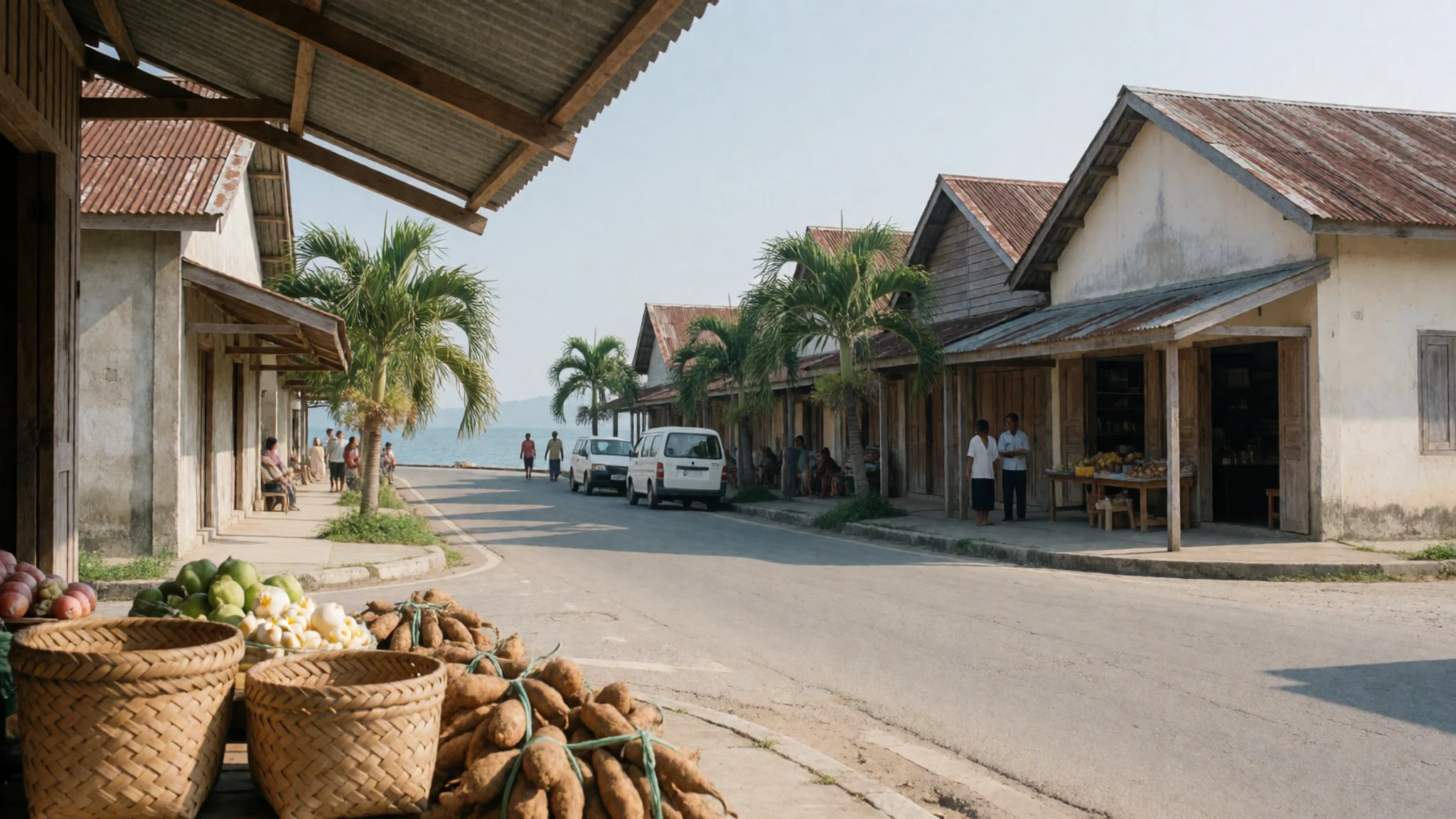
- Mt Liambele — Interior of Malekula
Mt Liambele, at 879 m, is the high point of Malekula and the crown of a rugged, forested interior. It is not a conventional trekking destination. Anyone curious about the uplands should ask a village host about routes, land rights and permission, and go only with someone local.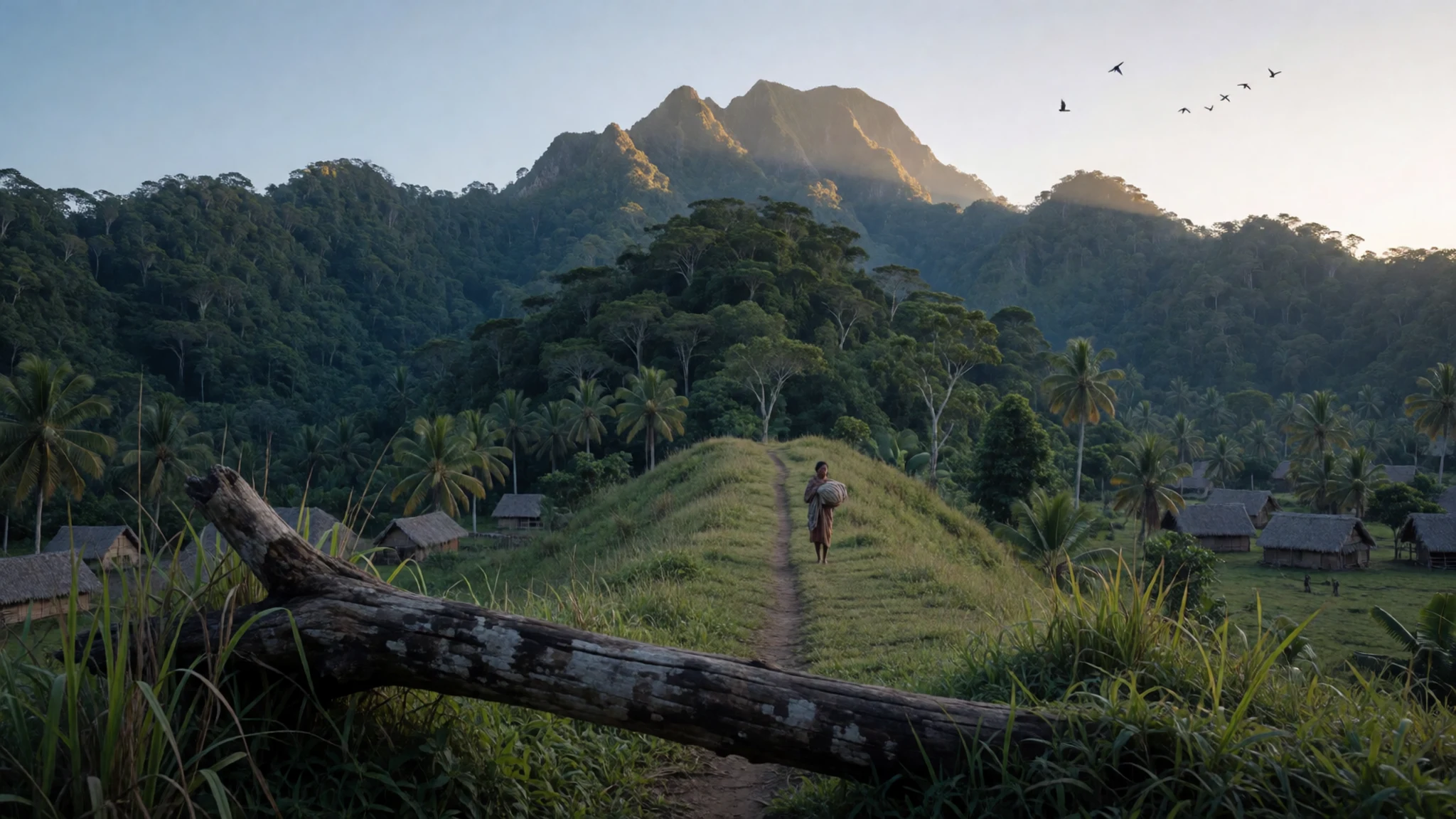
Culture
Malekula is one of the places in Vanuatu where kastom, the body of inherited custom, still shapes ceremonial and daily life. Communities are often grouped under the names Small Nambas and Big Nambas, after the traditional wrapper worn by men, and each area has its own dances, stories and rules about who may see or do what. Rank is a central idea. Men traditionally moved up through graded societies by staging ceremonies, and the masks and carved figures in museums abroad come from that world. Many islanders speak a local language at home, Bislama in the market and English or French at school, so a few greetings in Bislama go a long way. Church life is also strong. Sundays are quiet in most villages, and Christianity and kastom tend to sit side by side rather than in conflict. Cultural visits, such as dance performances on the Small Islands, are arranged by the communities themselves, usually through a local guide, and the fee goes to the village. Some places, such as caves, ceremonial grounds and certain paths, are tabu, meaning restricted, and a host will say which. Ask your host before photographing people, ceremonial grounds or carvings, and never enter a village or a tabu place unless you have been invited.
What to wear
Malekula's traditional dress varies by community and is now mostly worn for ceremony and dance. Men wear a wrapper made from plant fibre or woven pandanus, the nambas that gave the Small and Big Nambas their names, along with feathers, shell and boar-tusk ornaments, body paint and decorated mats. Women traditionally wear skirts of dried or pounded plant fibre, with beads and woven bands. Rank and occasion decide what is worn, and some items belong to particular families. Day to day, people dress simply for heat and humidity. Women often wear the loose, long-sleeved cotton island dress with bright prints that missionaries introduced and that is now thoroughly local, while men wear shorts or trousers, T-shirts and cotton shirts. Many go barefoot or in flip-flops around the village, and church clothes on Sundays are neat and modest. Visitors should pack light, quick-drying clothes that cover shoulders and knees, since that is the local norm outside the beach. Swimwear belongs at the shore only. Bring sturdy sandals or trail shoes for muddy paths, reef shoes for coral shallows, a wide-brimmed hat, and a light rain jacket, because showers arrive suddenly. Keep clothes in a waterproof bag for boat trips, where spray is routine.
What to eat
- Laplap — Village feasts and bungalows, arranged in advance
Vanuatu's national dish: grated yam, taro, manioc or banana mixed with coconut milk, wrapped in leaves and cooked in an earth oven. It is dense, mild and filling, often served with fish or chicken. It takes hours, so it is usually cooked for a gathering.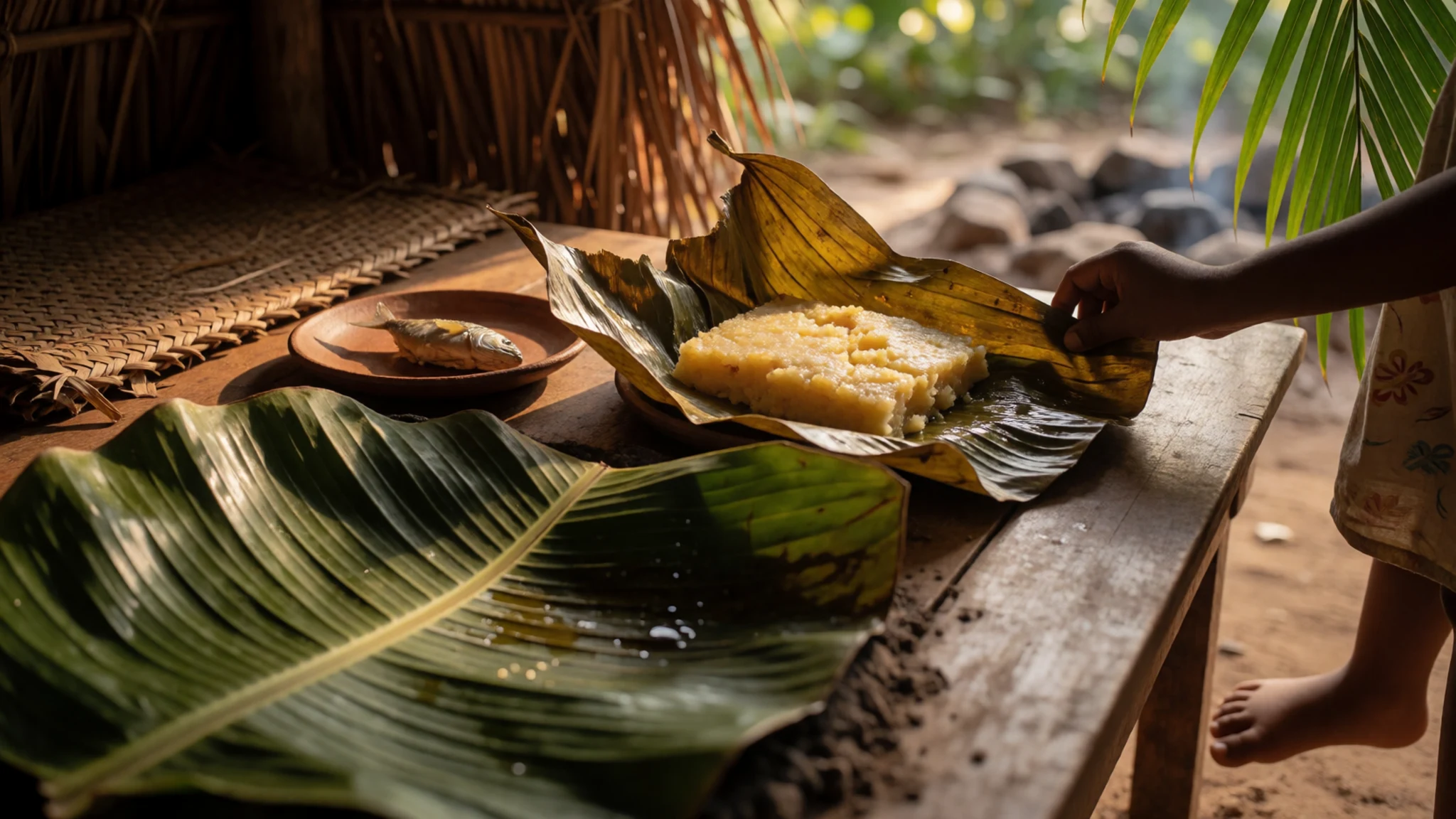
- Island cabbage — Village kitchens and bungalow dinners
The soft green leaves of a local plant, cooked down in coconut milk until tender. It is a common side dish and tastes gentler than ordinary cabbage, closer to spinach. It often appears next to root crops at family meals.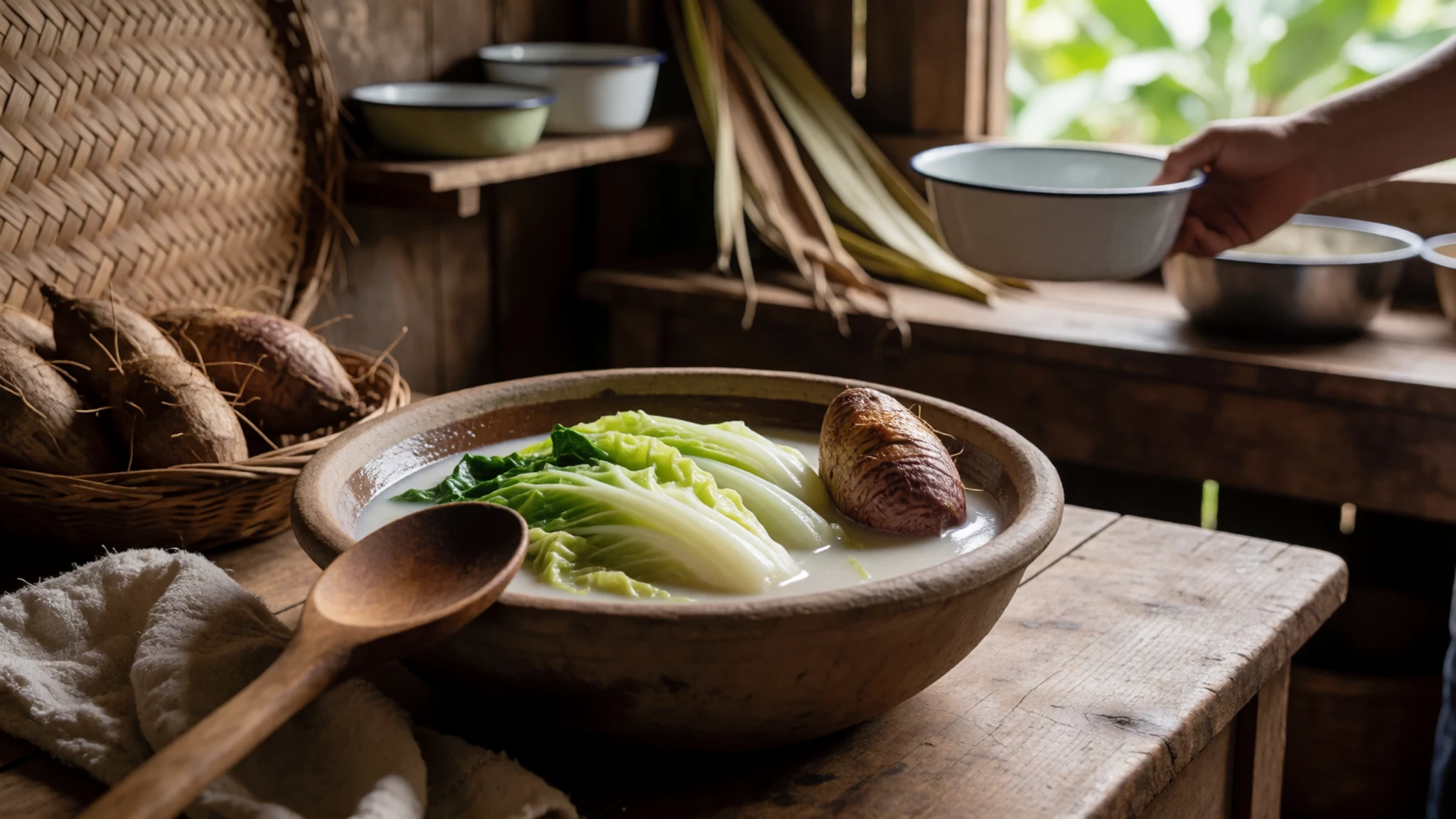
- Fresh fish and shellfish — Coastal villages and the Small Islands, ordered ahead
Reef fish, shellfish and sometimes crab are grilled, boiled or cooked in coconut milk, depending on the catch. Quantities depend on the day's fishing, so ask your host what came in. This is among the freshest food on the island. - Roasted root crops — Home meals in any village
Yam, taro and manioc form the backbone of village meals. They are roasted on a fire or steamed in an earth oven, then eaten with greens, meat or fish. Plain and filling, they suit a day spent walking or travelling by boat. - Tropical fruit and coconut — Lakatoro market and village roadside stalls
Bananas, pawpaw and fresh coconuts are cheap, abundant and easy to find. Coconut water is a sensible drink in the heat. Expect fruit with breakfast, and ask a host whether anything has just been picked.
Plan it
Best time. May to October is the cooler, drier part of the year, with less rain and lower humidity for walking and boat trips. November to April is hotter, wetter and more humid, and falls in the Pacific cyclone season, so flights and sea crossings can be disrupted.
How long. 4–6
Getting there. Air Vanuatu runs domestic flights from Port Vila, and on some routes from Luganville, to Norsup Airport, the main gateway for Lakatoro and northern and central Malekula. Lamap Airport serves the south and the route towards the Maskelyne Islands. Schedules are sparse and change, so check Air Vanuatu before booking. The last leg is by road or small boat.
Budget. mid
Tips
- Confirm flights close to departure and leave slack, since schedules are thin and change.
- Arrange bungalow stays and meals in advance, because remote hosts rarely have spare food for unexpected guests.
- Carry enough cash from Lakatoro, as banking and card payments are limited outside it.
- Book cultural visits through local hosts or guides, and agree what is included beforehand.
- Bring a torch, a water bottle and a waterproof bag for boat transfers.
Etiquette
- Ask before photographing people, ceremonial grounds or carvings.
- Go into villages only with a host or guide, and respect tabu places.
- Dress modestly outside the beach and keep Sundays quiet.
Nearby
Sources
- Wikidata Q618594 (CC0)
- Wikipedia, Malekula (rev 1379684570) (CC BY-SA 4.0)
- Wikivoyage, Malampa (rev 5366051) (CC BY-SA 4.0)
- Island of Vanuatu - Malakula.PNG, edited by M.Minderhoud, via Wikimedia Commons (Public domain)
- Pacific canoe prow, Didier Descouens, via Wikimedia Commons (CC BY-SA 4.0)
- Mask ceremony of passing grades, Didier Descouens, via Wikimedia Commons (CC BY-SA 4.0)
- A customer waits to be served at the National Bank of Vanuatu, Department of Foreign Affairs and Trade, via Wikimedia Commons (CC BY 2.5)
- A dancer as part of a small nambas kastom village tour (1), Department of Foreign Affairs and Trade, via Wikimedia Commons (CC BY 2.5)
- A dancer as part of a small nambas kastom village tour (2), Department of Foreign Affairs and Trade, via Wikimedia Commons (CC BY 2.5)
- A dancer as part of a small nambas kastom village tour (3), Department of Foreign Affairs and Trade, via Wikimedia Commons (CC BY 2.5)
- A dancer enters the clearing as part of a kastom village tour, Department of Foreign Affairs and Trade, via Wikimedia Commons (CC BY 2.5)


