Champagne Beach
Champagne Beach, Vanuatu
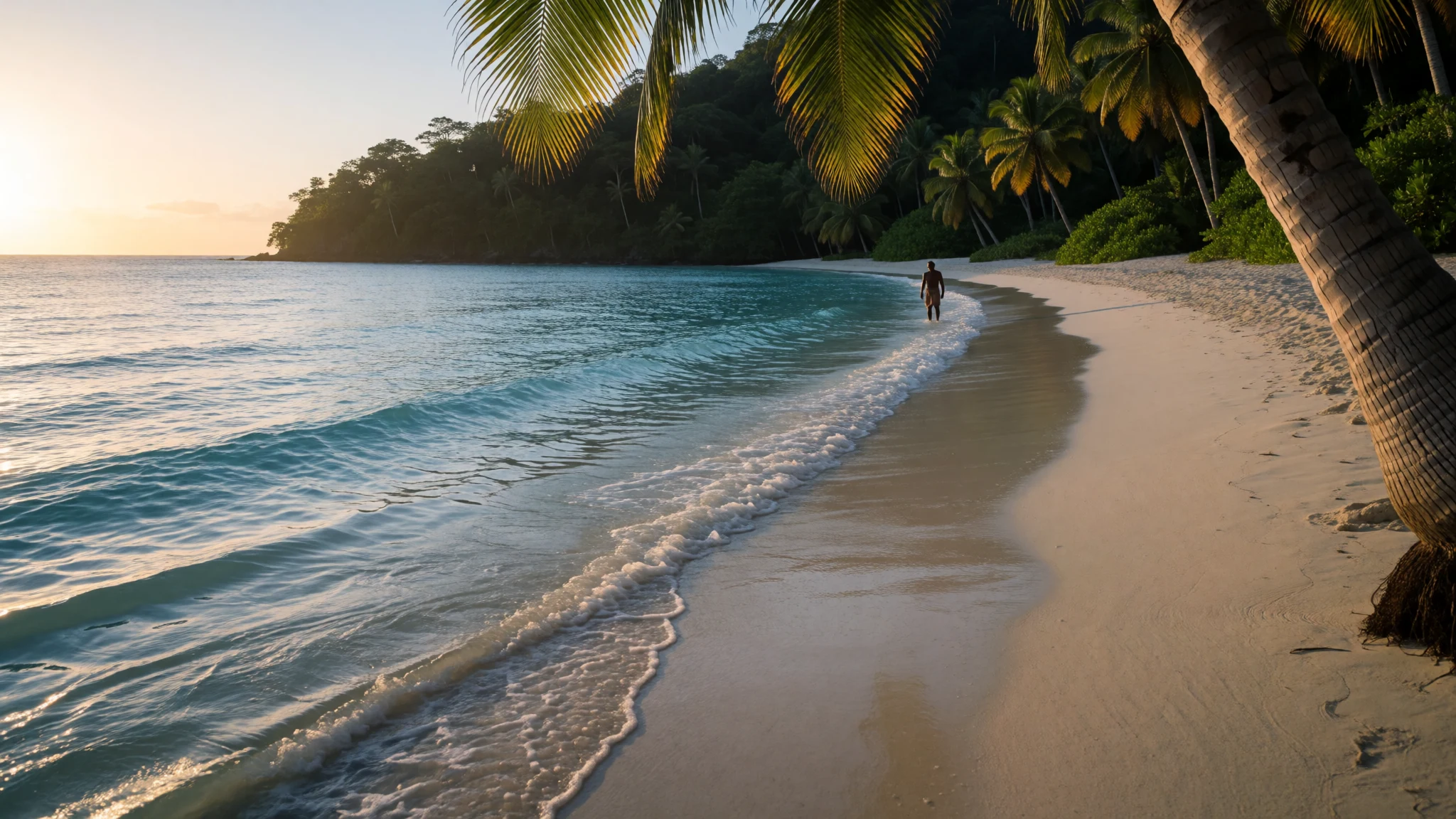
Champagne Beach is a pale, gently curved bay on Espiritu Santo where the water is clear enough to snorkel straight from the sand.
The place
Champagne Beach sits on the north-east coast of Espiritu Santo, the largest island in Vanuatu's northern chain, close to the village of Hog Harbour. The bay is a soft arc of fine pale sand, and the water off it stays shallow and clear for a good way out. That clarity is why it is known for snorkelling: fish and coral can be seen from just beyond the waterline, with no boat needed. Behind the sand, coconut palms and thick green bush close in, and the sound is mostly surf and wind in the leaves. Most days are quiet, but the beach changes completely when a cruise ship is in. Boats bring visitors from Australia, and the shoreline fills with day-trippers, stalls and music for a few hours before emptying again. The ground belongs to local custom owners, not to a resort, so access and any entry charge are arranged on the spot with the community. The name is usually explained by the bay's outline, which is said to resemble a champagne flute. Santo is a long way from the capital, Port Vila, and the beach feels like it: simple facilities, village life next door, and weather that decides the plan. Mornings are usually the calmest and the clearest for swimming.
Its story
Champagne Beach has no grand monument or famous battle attached to it, and its story is mostly that of the land and the people who look after it. The beach lies on customary land, which in Vanuatu means ownership passes through families and village chiefs rather than through deeds held by a company. For the people of the Hog Harbour area, the shore is a place for fishing, gathering and gardening long before it was a stop on anyone's itinerary. Outsiders arrived in waves. Traders and missionaries came first, then a colonial arrangement run jointly by Britain and France, which left Vanuatu with English, French and the local creole, Bislama, all in everyday use. Espiritu Santo later became a major Allied base during the Pacific war, and the wrecks and relics around Luganville in the south still draw divers. The beach itself stayed a village shore. Its tourism began slowly, with small groups wandering up the coast, and then grew with the cruise trade from Australia. That growth brought income to a part of the country with few other cash opportunities, and it also brought arguments familiar from other island destinations: who shares in the money, how many visitors the shore can take, and how to protect the reef. Those questions are still being worked out locally, which is worth bearing in mind when paying an entry fee or buying from a stall.
What to see
- The main beach and its shallows — Champagne Beach, north-east Santo
The sweep of sand at Champagne Beach is the whole reason for the trip. Walk the length of the bay at low activity hours, then wade in and watch how slowly the seabed drops away. Early morning gives the best light on the water and the fewest footprints.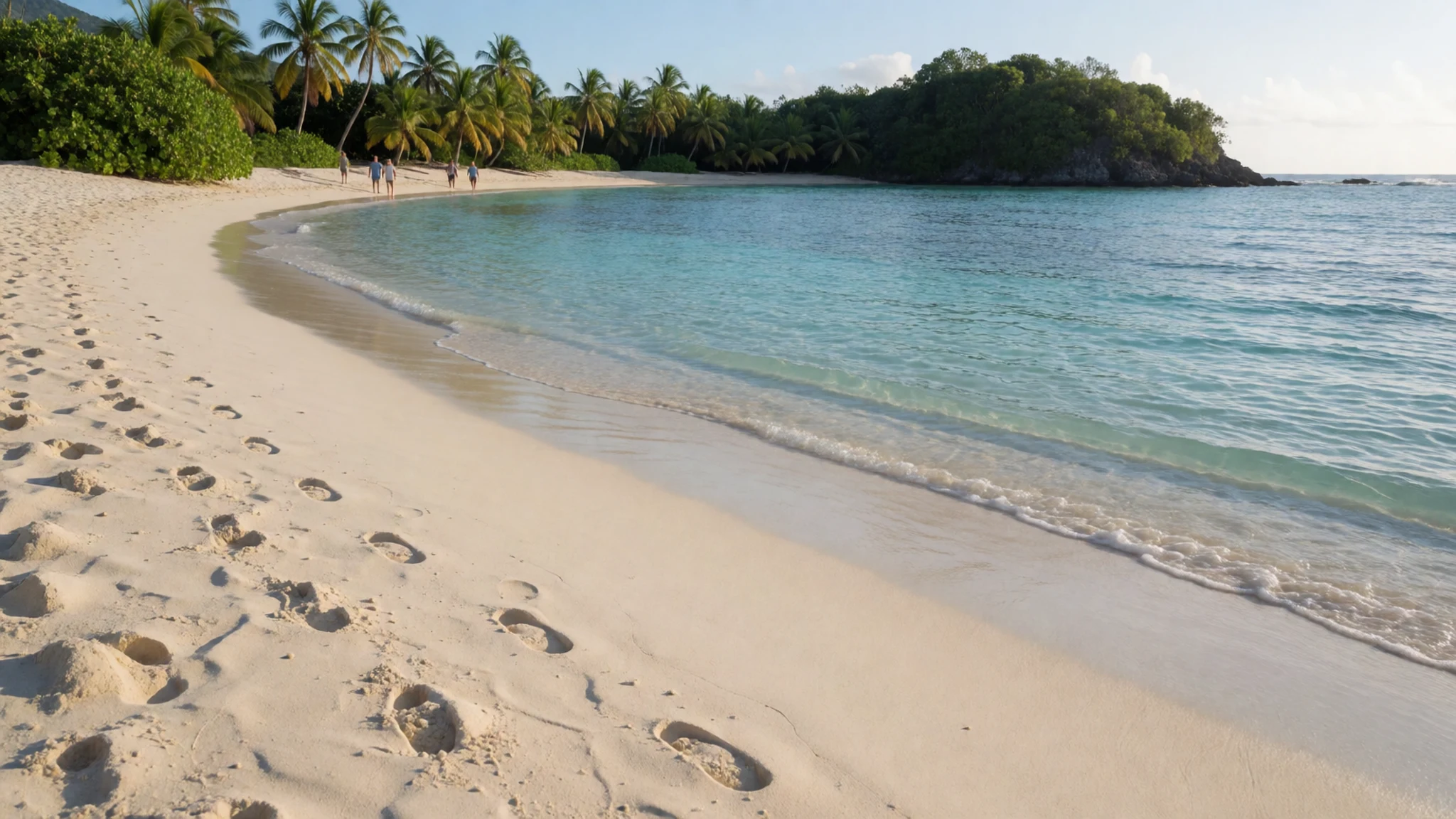
- Snorkelling off the shore — Just offshore from the beach
Snorkelling here needs little more than a mask and a calm day. Fish gather around the coral patches beyond the sand, and the water stays clear when the sea is flat. Bring your own gear if possible, check currents with locals first, and keep fins well away from live coral.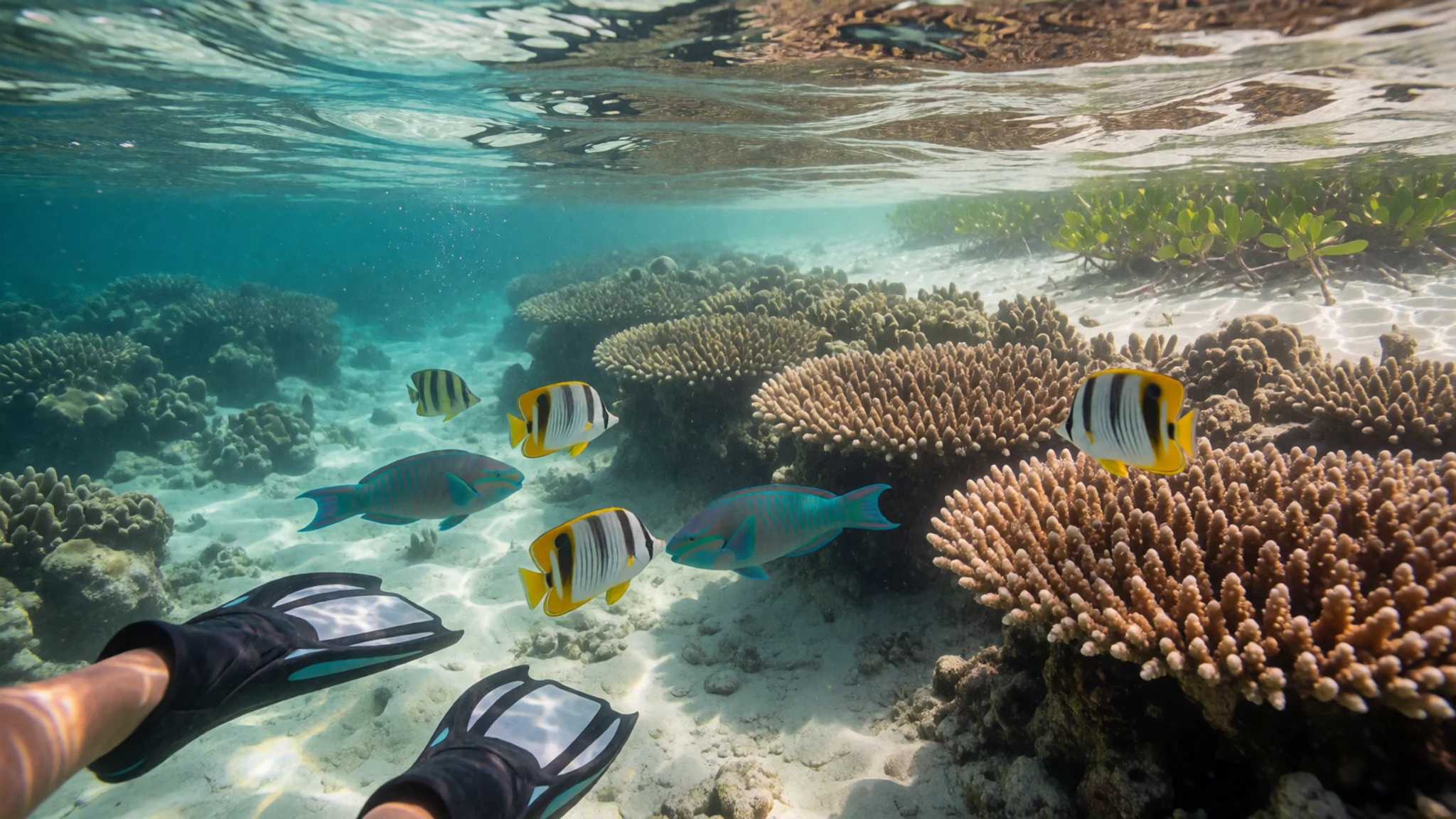
- Hog Harbour village — Hog Harbour, near the beach
Hog Harbour is the nearest community and the best way to see Santo beyond the sand. Gardens, church halls, small stalls and children's games line the paths. Ask before wandering through, buy something from a stall, and accept that life here runs on island time.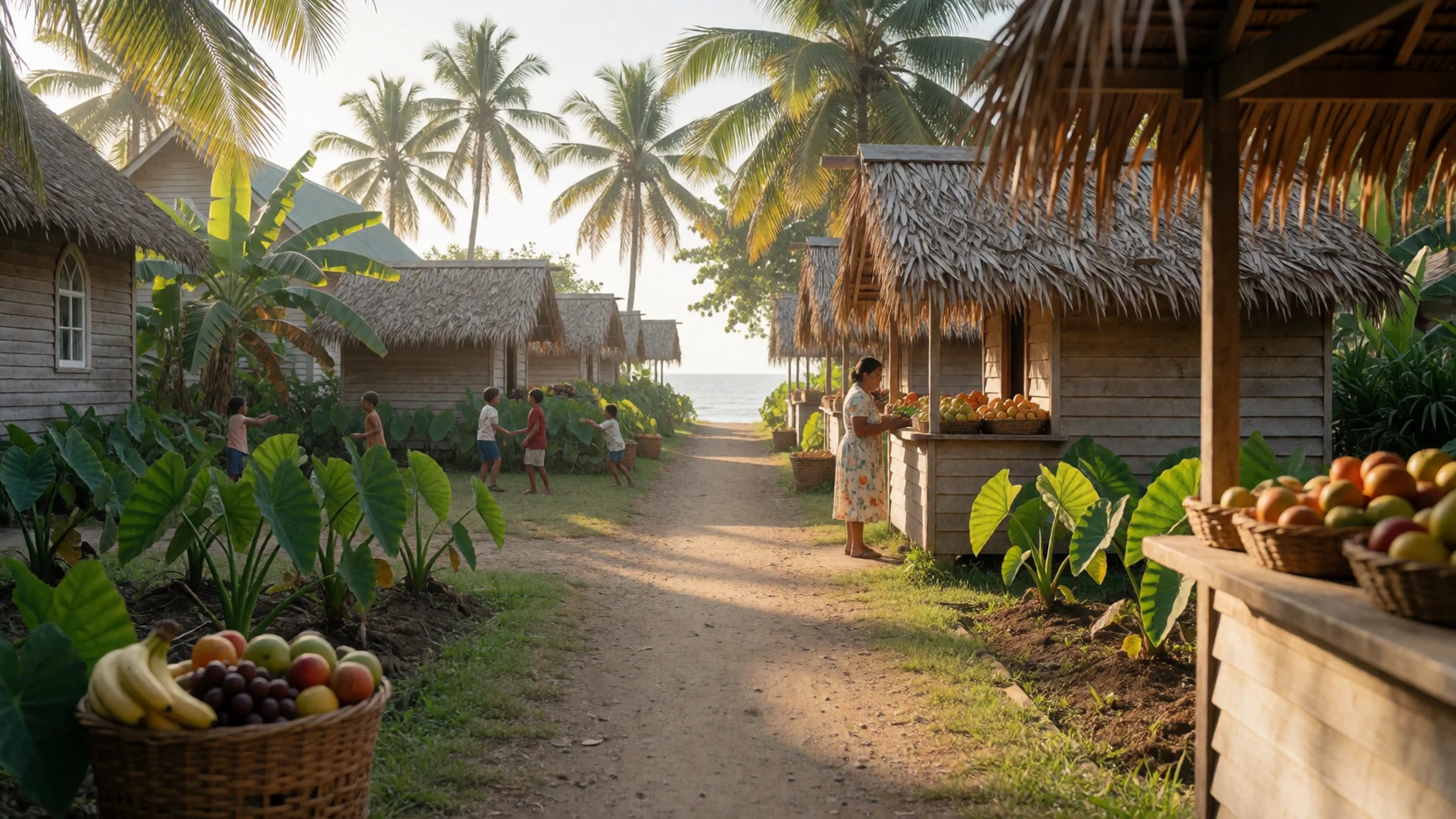
- Port Olry and the north-east coast road — North-east Santo
The coast road north of the beach passes villages, coconut plantations and small bays. Port Olry is a quiet settlement with a sheltered shore and a short jetty. It makes an easy half-day add-on, best done with a local driver who knows which stretches are passable after rain.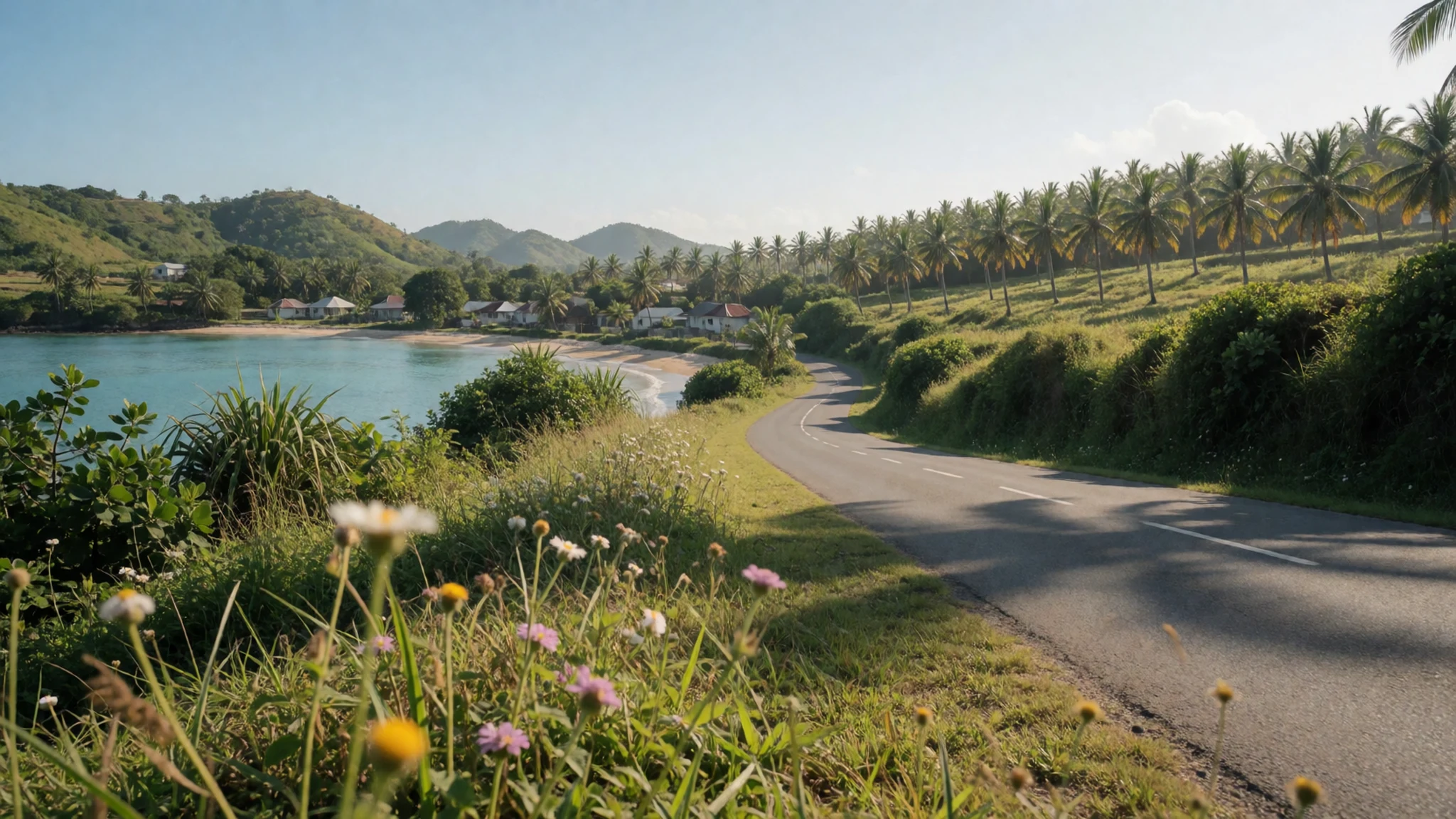
- The blue holes of east Santo — East Santo, inland from the coast
Inland from the east coast, deep freshwater pools known as blue holes sit among rainforest, their water tinted bright turquoise by the limestone. Matevulu is the name most often given. Swimming is popular, but access and fees are set by local landowners, so arrange the visit through a guide or your accommodation.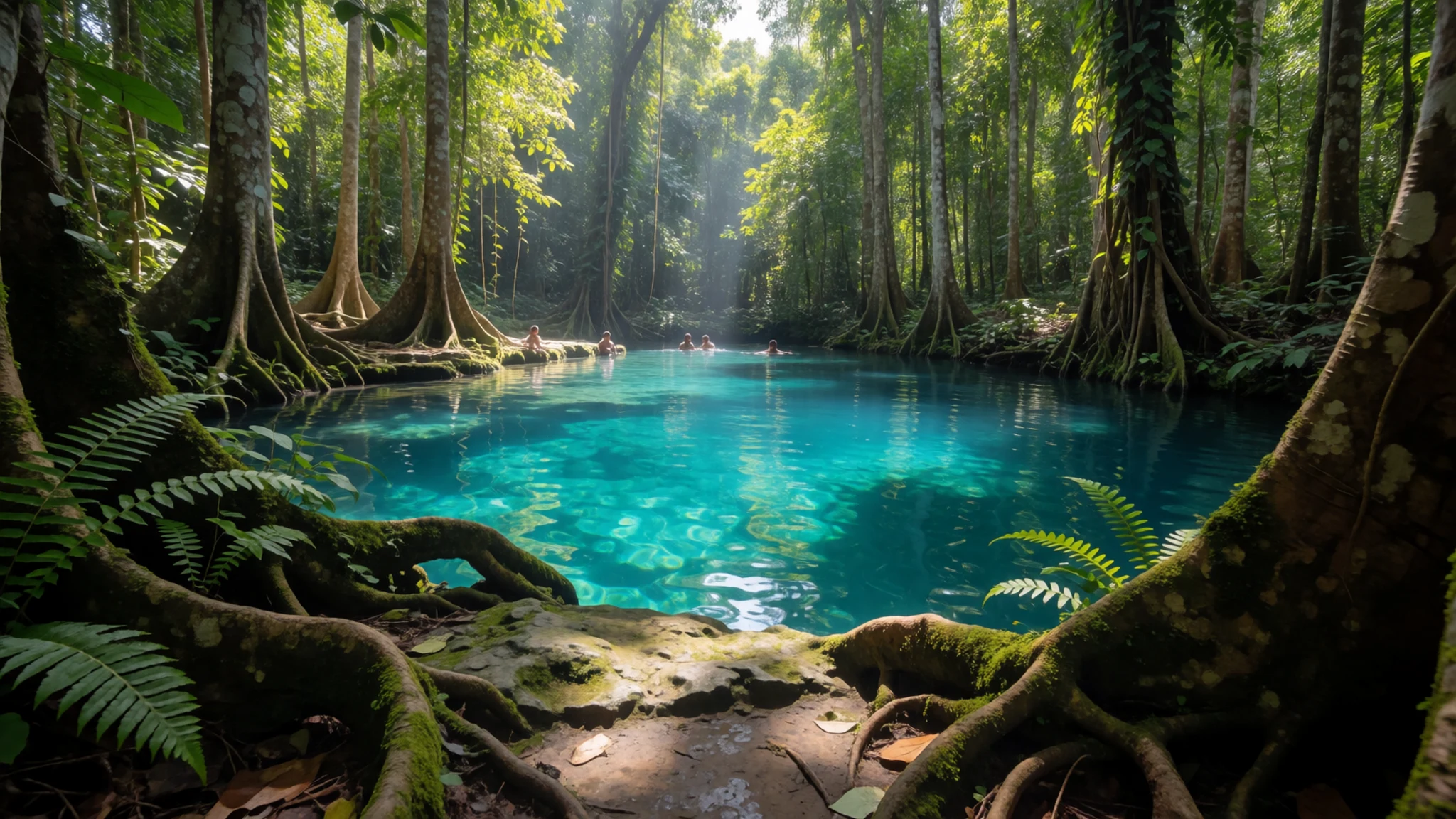
Culture
Champagne Beach lies within a society where kastom, the body of customary law and practice, still shapes daily life. Land, fishing areas and even paths are owned by families, and chiefs settle disputes in village meetings rather than courts. Community life is organised around gardens, churches and the nakamal, the men's meeting ground where kava, a mildly numbing root drink, is shared at dusk. Christianity is widespread and Sunday is treated seriously: many villages are quiet, shops close, and some activities are discouraged. Bislama, a creole that mixes English, French and local words, is the common language between islands, while dozens of local languages are spoken at home. Greetings matter, and a friendly hello on a village path is expected. Hospitality is generous but not casual: meals, gifts and favours carry obligations in both directions, so small contributions such as buying produce or paying the entry fee are understood as respect rather than a transaction. Tourism income is valued, and so is control over how visitors behave. Rules about the reef, fires, drones or particular parts of the shore are usually set by the custom owners, and they can change from season to season. Ask a local what applies today rather than assuming. Always ask permission before photographing people or entering a garden or village, and follow any instruction from the beach's custom owners.
What to wear
Champagne Beach and the villages around Hog Harbour mix older island dress with practical modern clothing. Traditional dress in Vanuatu varies by island. Woven pandanus mats and skirts, plant-fibre skirts and barkcloth are used in ceremonies and dances, often decorated with feathers, shells and painted designs. Men's ceremonial dress on some northern islands is far more minimal than visitors might expect, and it is worn for specific events, not daily life. The women's long, loose cotton 'island dress', with its yoke and gathered skirt, grew from missionary influence and is still common, especially at church on Sundays when people dress in their best. Everyday wear today is simple: shorts or lightweight trousers, T-shirts, rubber sandals, and wraps or sarongs worn against sun and rain. Cruise days see a more resort-style crowd on the sand, but the village around it is more conservative. A visitor should wear quick-drying swimwear on the beach and carry a cover-up, such as a sarong or loose shirt, for walking into Hog Harbour or visiting a church. Women in particular are more comfortable with shoulders and knees covered away from the shore. Bring reef shoes for rocky patches and a rash vest for sun, plus a hat and a light rain jacket for sudden tropical showers.
What to eat
- Lap lap — village stalls and community meals around Hog Harbour
Lap lap is the national dish: grated yam, taro or manioc pressed into a pudding, topped with coconut cream and sometimes fish or pork, then wrapped in leaves and baked in an earth oven. Look for it at village stalls and community feasts around Hog Harbour.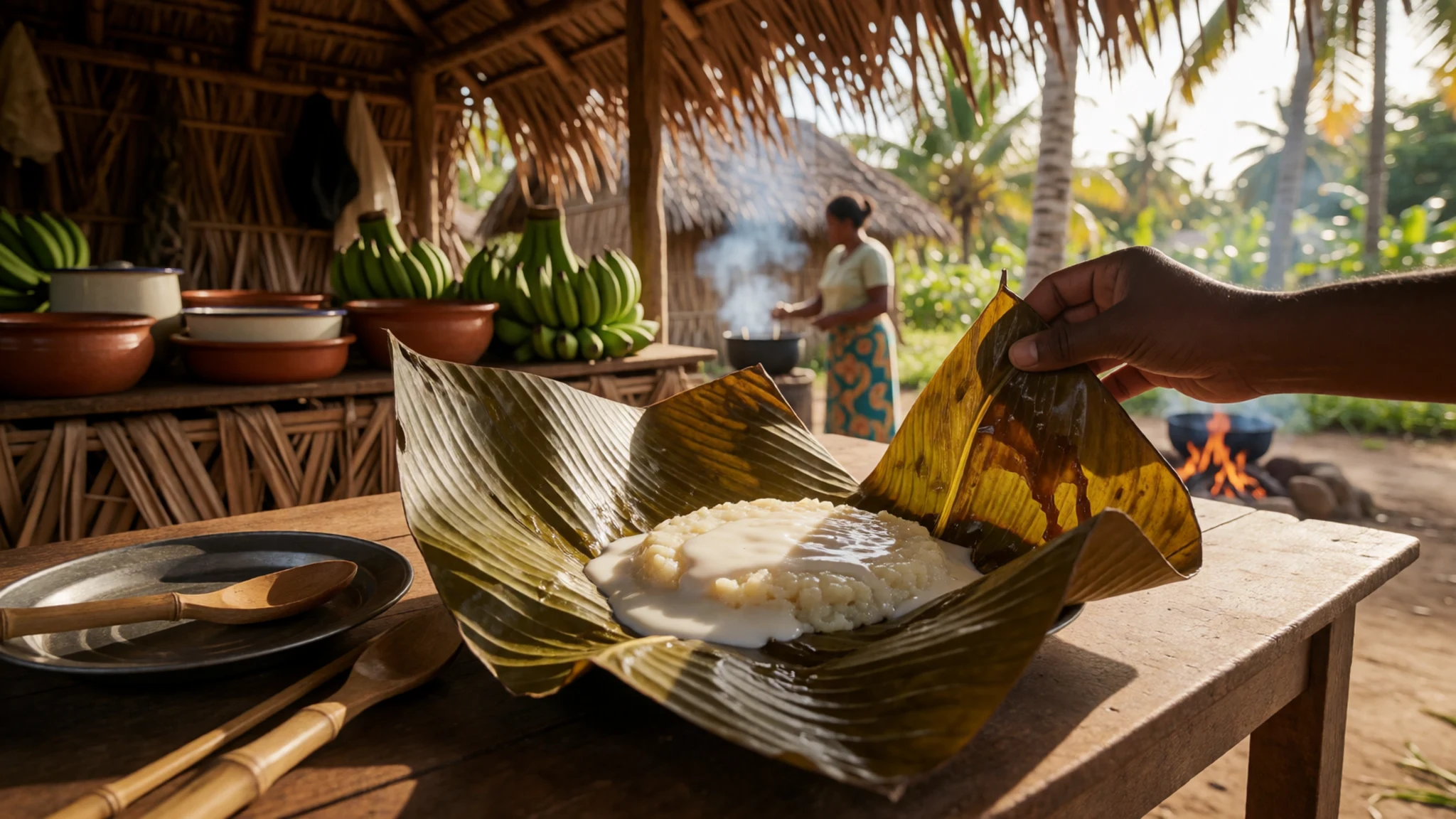
- Grilled reef fish with coconut — beachside cookhouses and small eateries near the bay
Fresh fish is usually grilled whole over open coals and served with rice, boiled root vegetables or a coconut-cream sauce. The fish depends on the morning's catch, so ask what came in. Eat it where the cooking is done on site, not far from the shore.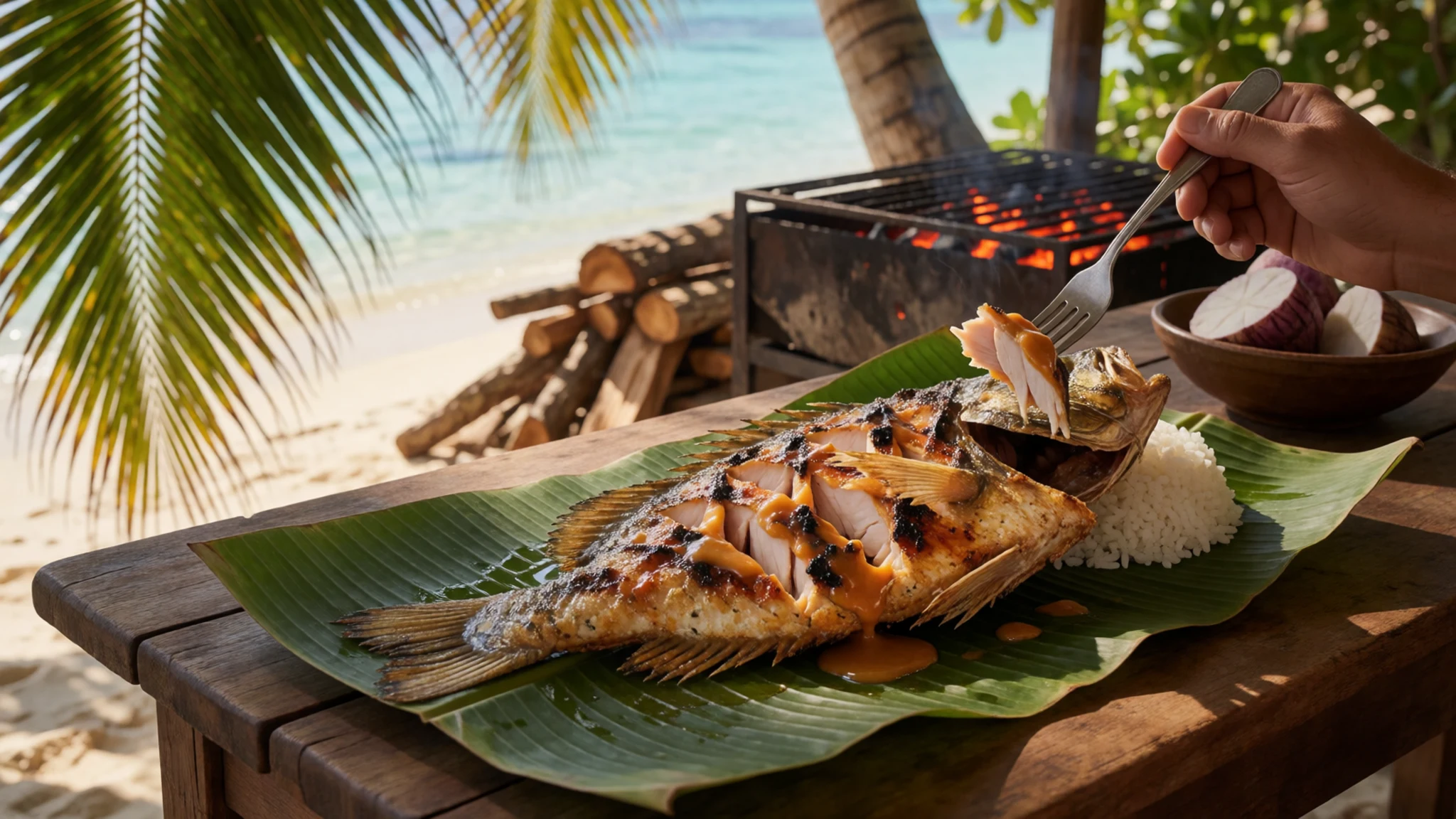
- Island cabbage — family kitchens, village meals and local markets
Island cabbage, called aibika, is a leafy green cooked in coconut milk until soft and silky. It is a common side dish with fish, lap lap or rice, and a good reminder that much Santo cooking comes straight from local gardens. - Santo beef — restaurants and eateries in Luganville and on the road north
Espiritu Santo is known in Vanuatu for cattle raised under coconut palms, and the beef often appears as a grilled steak or in stews. It is a heartier option after a day of swimming, and it shows the island's plantation history on the plate. - Fresh coconut and tropical fruit — roadside and beach stalls near Champagne Beach
Drinking coconut water straight from the nut is the simplest refreshment on this coast. Vendors also sell papaya, bananas, pomelo and other fruit in season. Choose pieces cut in front of you, and keep small notes handy since stalls rarely have change.
Plan it
Best time. May to October is the drier, cooler part of the year, with calmer seas and clearer water for snorkelling. November to April is hotter, wetter and more humid, and it is the cyclone season, so check forecasts and keep travel plans flexible. Cruise-ship days make the beach busy at any time of year.
How long. 2–3
Getting there. Fly to Port Vila, then take a domestic flight to Santo-Pekoa airport near Luganville. From Luganville, the east coast road runs north to Hog Harbour and the beach; a hired driver or an arranged transfer is the easiest way, especially after rain.
Budget. mid
Tips
- Ask your accommodation or a local guide which days cruise ships are in port and plan to arrive early or on a quiet day
- Carry small cash notes for the entry arrangement, stalls and drivers, as cards are rarely accepted outside Luganville
- Bring reef-safe sunscreen, a rash vest, your own mask and plenty of drinking water
- Check road conditions and ferry or flight changes locally, since weather can disrupt schedules
- Book accommodation and transfers ahead in the busier dry months; check official tourism sources for current information
Etiquette
- Ask permission before photographing people, gardens or villages
- Cover up with a sarong or loose shirt when leaving the beach for the village, and dress modestly on Sundays
- Pay any entry or activity fee to the custom owners and follow their rules on the reef and shoreline
Nearby
Sources
- Wikidata Q247706 (CC0)
- Wikipedia, Champagne Beach (Vanuatu), rev 1380552748 (CC BY-SA 4.0)
- Wikivoyage, Vanuatu travel guide (CC BY-SA 4.0)
- Photo: Champagne Beach, North Santo, by Jae Lee, via Wikimedia Commons (Public domain)
