Ambrym
Ambrym, Vanuatu
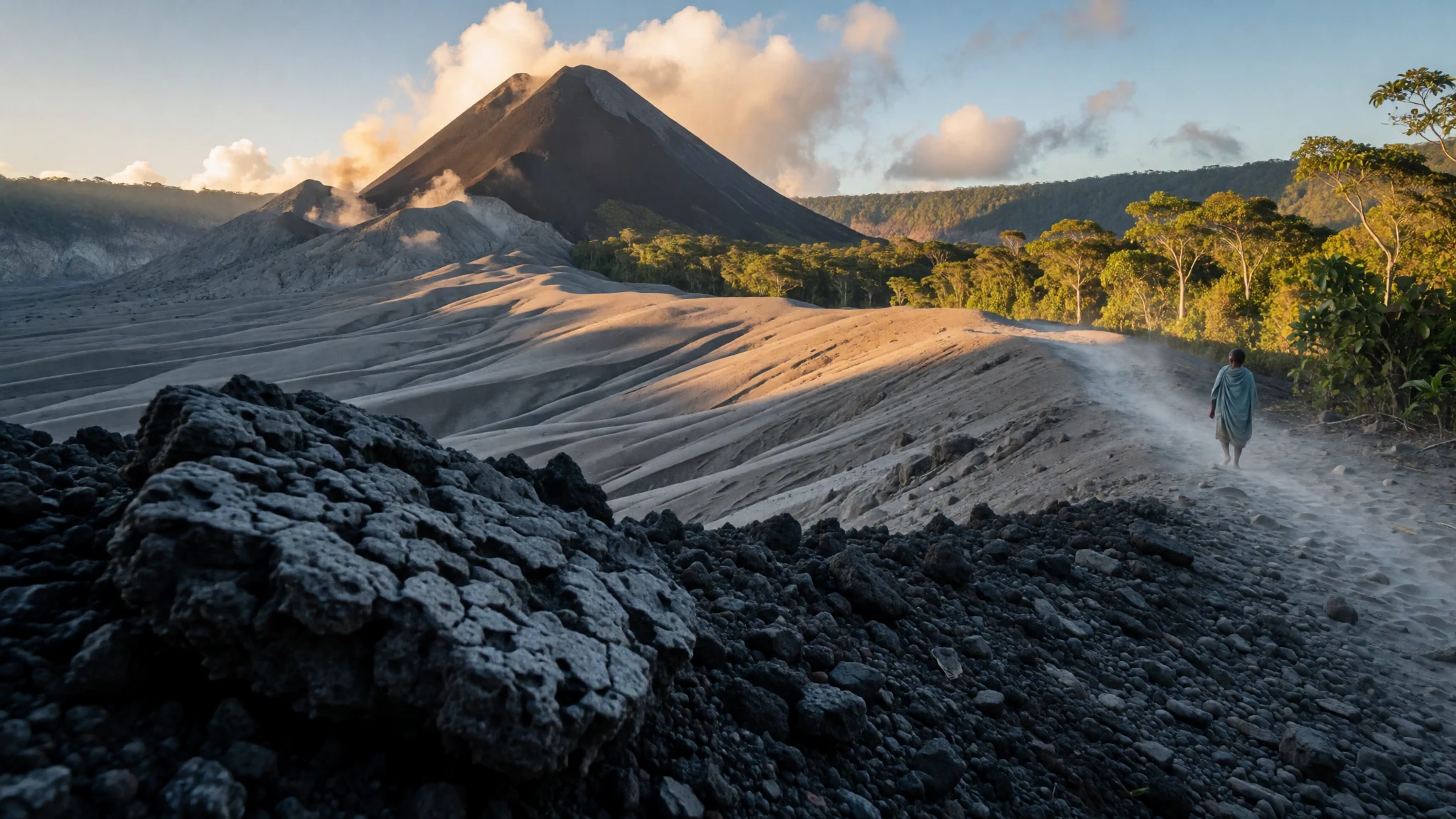
Ambrym is a Vanuatu island where a glowing volcano, a black ash desert and a living carving tradition share one remote shore.
The place
Ambrym is a volcanic island in Malampa Province, near the middle of the Vanuatu archipelago, with a population of 7,385. The island is roughly triangular and about 50 km across. Its centre is a wide caldera of bare ash and rock that looks more like desert than the tropics, and from it rise the craters of Marum and Benbow, where lava lakes have glowed. The highest point stands at 1,334 m. Beyond the caldera the landscape flips. Dense jungle covers the slopes, with gardens and villages along the coast and beside the tracks. The western forest has been named an Important Bird Area by BirdLife International, so birdwatchers come for the Vanuatu megapode, several fruit doves and a string of small honeyeaters. Beaches tend towards black volcanic sand rather than white coral. Ambrym sits far from the resort strip around Port Vila. Of the visitors who reach Vanuatu, only a tiny fraction travel beyond the capital area, and that shows here: accommodation is simple, usually village guesthouses or homestays, and getting about means walking, shared pick-up trucks where roads exist, and small boats. Heat and humidity are constant, and the ash plain offers no shade, which is why volcano walks are normally done early or late in the day. It is a place for people who enjoy effort and uncertainty more than comfort.
Its story
Ambrym has long been known across Vanuatu for two things: its volcanoes and its craftsmanship. Villagers carve tall figures and log drums from tree trunks, and early museum photographs describe the sacred grounds where such figures stood as places of the gods. Carving, dance and ritual here are tied to kastom, the body of customs and taboos that still shapes daily life across the islands. Some of that knowledge is held within particular societies and is not shared freely with outsiders, and elsewhere in Vanuatu the island has a reputation for powerful traditional knowledge. Christianity arrived with missionaries more than a century ago and is strong today, so church on Sunday and kastom now sit side by side, sometimes comfortably and sometimes with tension. The volcano is the other thread. Eruptions have repeatedly reshaped the caldera, and in a recent eruption the lava lakes drained and many residents were evacuated to other islands. Some returned, and the craters have kept changing, which means any account of what the lakes look like is only a snapshot. People here have lived with ash fall, damaged gardens and sudden evacuations for generations, and their relationship with the mountain is practical rather than romantic. Outside visitors are few, so stories are still told in person, in the village, in no hurry.
What to see
- Marum crater — Central caldera
Marum is the crater most visitors aim for, reached on a walk of several hours across the ash plain with a local guide. It has held a lava lake, seen as an orange glow at dusk. Its state changes with eruptions, so ask your guide and village about current conditions and official alert levels before committing to a night trip.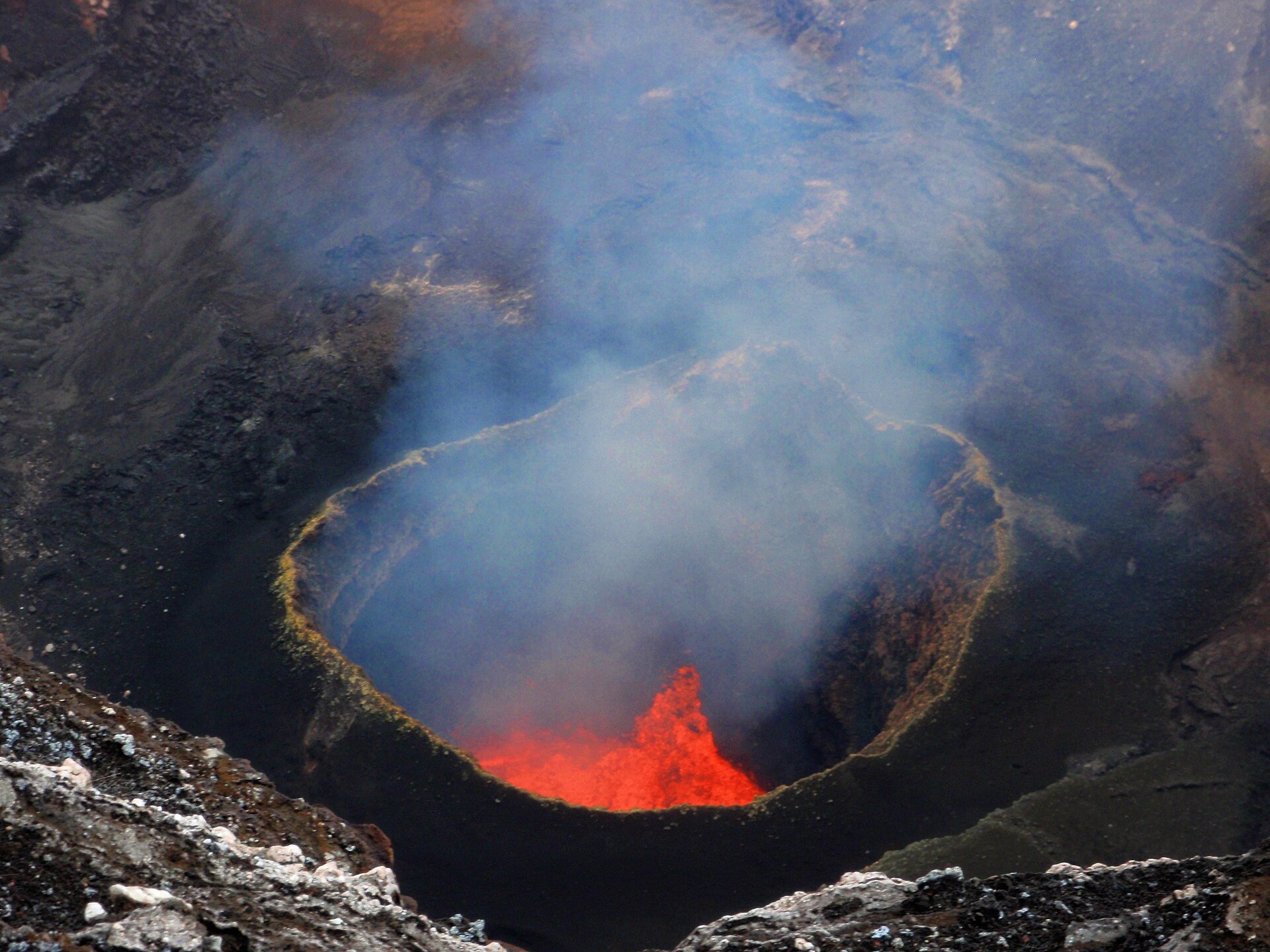
- The ash plain — Central caldera
The central caldera is a grey and black expanse of ash and rock, with almost no shade or water. Crossing it feels closer to a desert trek than a tropical hike. Go early, carry plenty of water, wear a hat, and keep to the guide's route, because wind and low cloud can erase landmarks quickly.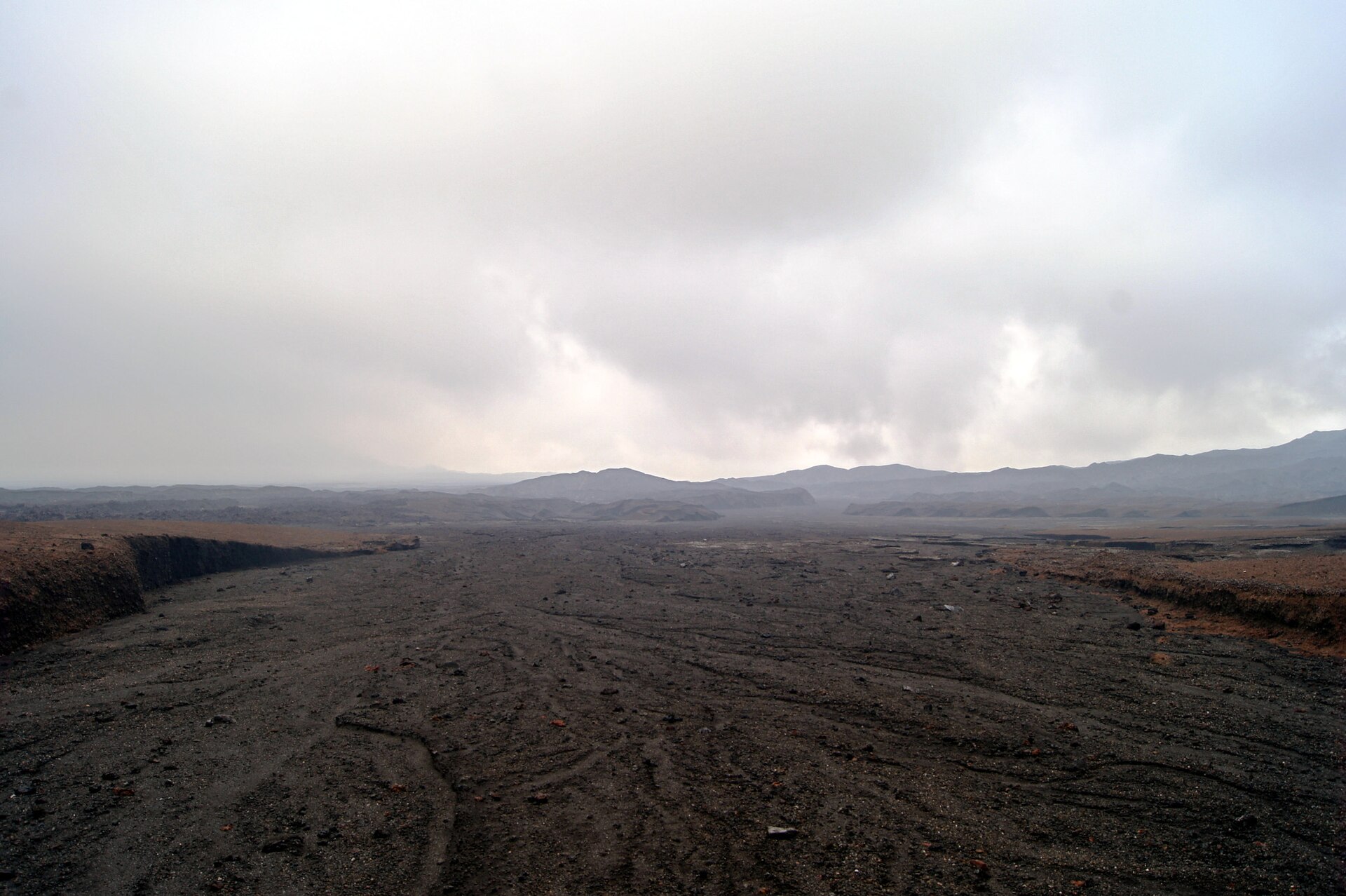
- Benbow volcano — Central caldera
Benbow is the second main crater, seen across the ash plain as a dark, steaming cone. Views of it are striking in clear weather, and the contrast between its black slopes and the green forest around the caldera rim is a scene photographers wait for. Cloud often hides it by midday.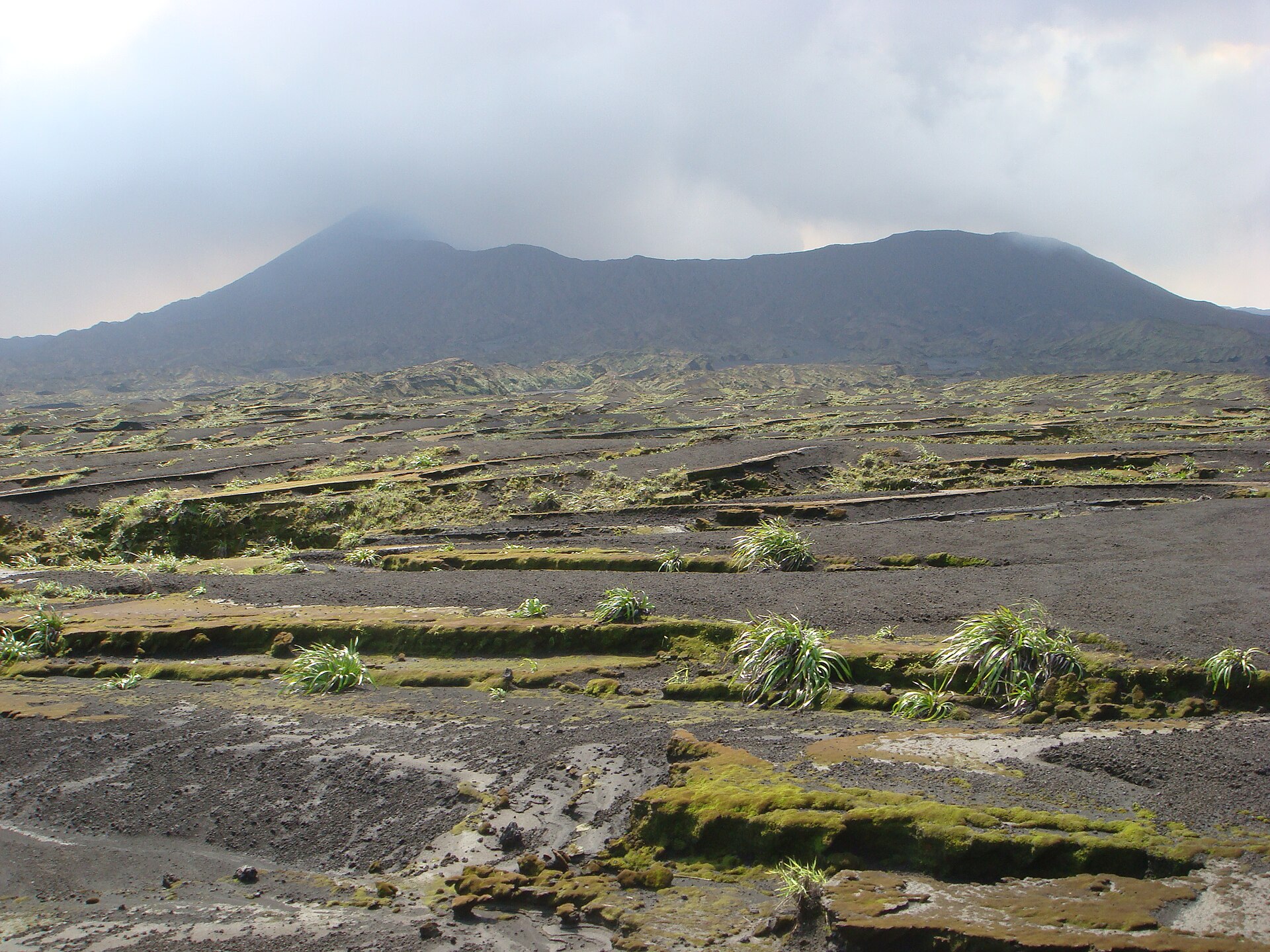
- Carvers' villages — Village communities around the coast
Ambrym's woodcarvers make tall figures and slit drums, and some villages welcome visitors to see work in progress. Ask your host to introduce you rather than turning up unannounced, and treat any sacred or restricted ground as off limits unless invited. Buying a small carving directly from the maker is a fair way to say thanks.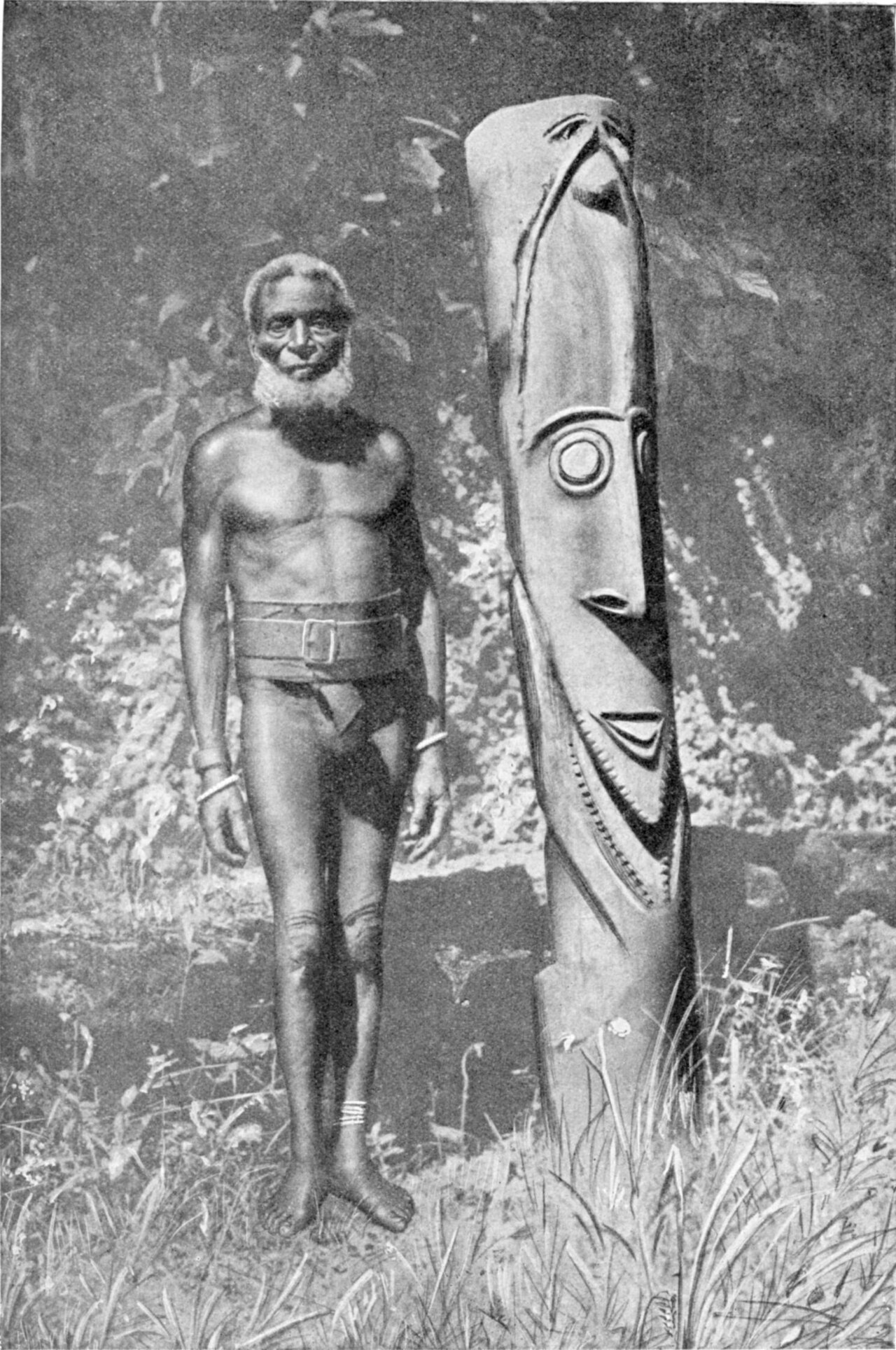
- Western forest — West coast
The forested west is the part to explore for birds. Walk quiet tracks at dawn with a village guide and listen for megapodes scratching in the leaf litter and fruit doves calling from the canopy. Gardens and forest run together here, so ask permission before leaving the path and pay the guide fairly.
Culture
Village life on Ambrym is organised around kastom, the set of traditions and taboos that govern land, ceremony, gender roles and who may see or do what. Visitors are guests of a particular village and its chief, and the first step is usually a conversation: who you are, why you came, how long you will stay. Ceremonies, dances and carving knowledge belong to families and societies, and permission to watch is not permission to film. Christianity is strong, and Sunday revolves around church; guests are often invited to attend, and a respectful yes is welcome, though declining politely is also fine. Over 100 years of missionary influence has shaped ideas of respectable dress, so modesty matters. Daily life moves at the pace of gardens, weather and boats, and arrivals and departures can slip by hours or even a day. Kava drinking is part of social life across Vanuatu, and any invitation comes with its own manners, so follow what your host does. Payment for guiding, a bed or carvings is best agreed up front and in a friendly spirit. Small gifts for the village, such as school supplies, go down better than sweets. Ask your host before photographing people, ceremonial objects or sacred ground, and accept a no without argument.
What to wear
Traditional dress on Ambrym, as elsewhere in Vanuatu, draws on materials from the garden and forest: woven pandanus mats, plaited fibre skirts and belts, bark-cloth wraps and grass skirts, with feathers, shells and painted designs added for ceremony. Men's ritual dress can be minimal and is tied to rank and kastom, so it belongs to particular occasions and is not a costume for visitors. In everyday life people wear practical clothes: T-shirts, shorts, cotton dresses, and the loose, brightly printed island dress that missionaries introduced and women still wear widely. Women usually cover shoulders and knees, and men rarely go bare-chested in villages. Footwear is often sandals or bare feet. Visitors should dress for heat, ash and uncertain tracks. Pack light cotton shirts and long shorts or loose trousers that dry quickly, plus a lightweight waterproof jacket and a warm layer for cool nights and higher ground. Women should wear tops that cover the shoulders and a skirt or trousers that cover the knees in villages and at church; beachwear belongs on the beach only. For volcano walks, closed shoes with a grippy sole, a hat, sunglasses and a scarf to keep ash out of the mouth are more useful than anything fashionable.
What to eat
- Lap lap — Village feasts and homestay kitchens
Vanuatu's national dish: grated yam, manioc or taro pressed into a banana leaf with island cabbage, sometimes topped with chicken or pork, then cooked in an earth oven. Dense, mild and very filling, it is the centrepiece of any village feast. - Root crops (yam, taro, kumala) — Homestay meals and garden-side village kitchens
Tubers are the backbone of island meals: boiled, roasted on coals or mashed. Kumala is the sweet potato, and the differences between yam, taro and manioc are worth noticing. They arrive with greens and whatever protein the day has brought. - Island cabbage — Village kitchens and local markets
A leafy green cooked down with coconut cream, often served alongside lap lap or tubers. It tastes mild and slightly earthy, and in villages it may be picked a few minutes before it reaches the pot. A good vegetarian staple. - Fresh fish and seafood — Coastal villages, when the boats come in
Reef and deep-sea fish are grilled over a fire or simmered in coconut milk, with the odd tin of tuna as backup when boats stay in. Eat what the village has caught that day and ask what is in season. - Tropical fruit and coconut — Roadside stalls, gardens and village markets
Bananas, papaya, pomelo and green coconuts are everywhere and make a safe, cheap snack on hot walks. Pork appears on feast days and special occasions rather than every day, so a roast is a sign of a welcome.
Plan it
Best time. May to October is the cooler, drier season, with easier walking and clearer crater views; November to April is hotter, wetter and cyclone-prone, so flights and boats can be disrupted.
How long. 4–5
Getting there. Fly into Port Vila (VLI), with connections from Brisbane (about 2½ hours), Sydney, Nadi, Honiara and Nouméa; Luganville (SON) on Espiritu Santo is the other international airport. From there take a small domestic flight to one of Ambrym's airstrips or a boat from a nearby island; schedules change, so confirm with the domestic carrier and your host. The last leg is usually by truck or boat.
Budget. mid
Tips
- Arrange guides and accommodation through a village contact before you arrive, as there are few formal bookings
- Check the current volcano alert level and conditions on the crater with local officials and your guide before any walk
- Carry cash in small notes, as cards and cash machines are rare outside Port Vila
- Bring more water than seems sensible, plus sun protection and a dust mask or scarf for the ash plain
- Allow slack days in your plan, because domestic flights and boats are weather-dependent
Etiquette
- Introduce yourself to the chief or host village before walking to the crater or photographing anything
- Dress modestly in villages and at church, with shoulders and knees covered
- Ask before photographing people, carvings or ceremonial places
Nearby
Sources
- Wikidata Q459948 (CC0)
- Wikipedia: Ambrym (rev 1368599920) (CC BY-SA 4.0)
- Wikivoyage: Vanuatu (rev 5331132) (CC BY-SA 4.0)
- Geophile71, Lava lake in Marum Crater (CC0 1.0)
- M.Minderhoud, Island of Vanuatu - Ambrym (Public domain)
- American Field Museum, Chicago, Ambrym woodcarver (CC BY-SA 2.0)
- Mickael Foucaux, Ambrym Vanuatu (179716709) (CC BY 3.0)
- Mickael Foucaux, Ambrym Vanuatu (179721047) (CC BY 3.0)
- Mickael Foucaux, Ambrym Vanuatu (179722763) (CC BY 3.0)
- Earth Science and Remote Sensing Unit, NASA JSC, View of Vanuatu (ISS006-E-7753) (Public domain)
- T.BOYER, Benbow view from Ambrym's ash plain (CC BY 3.0)


