Mactan
Mactan, Philippines
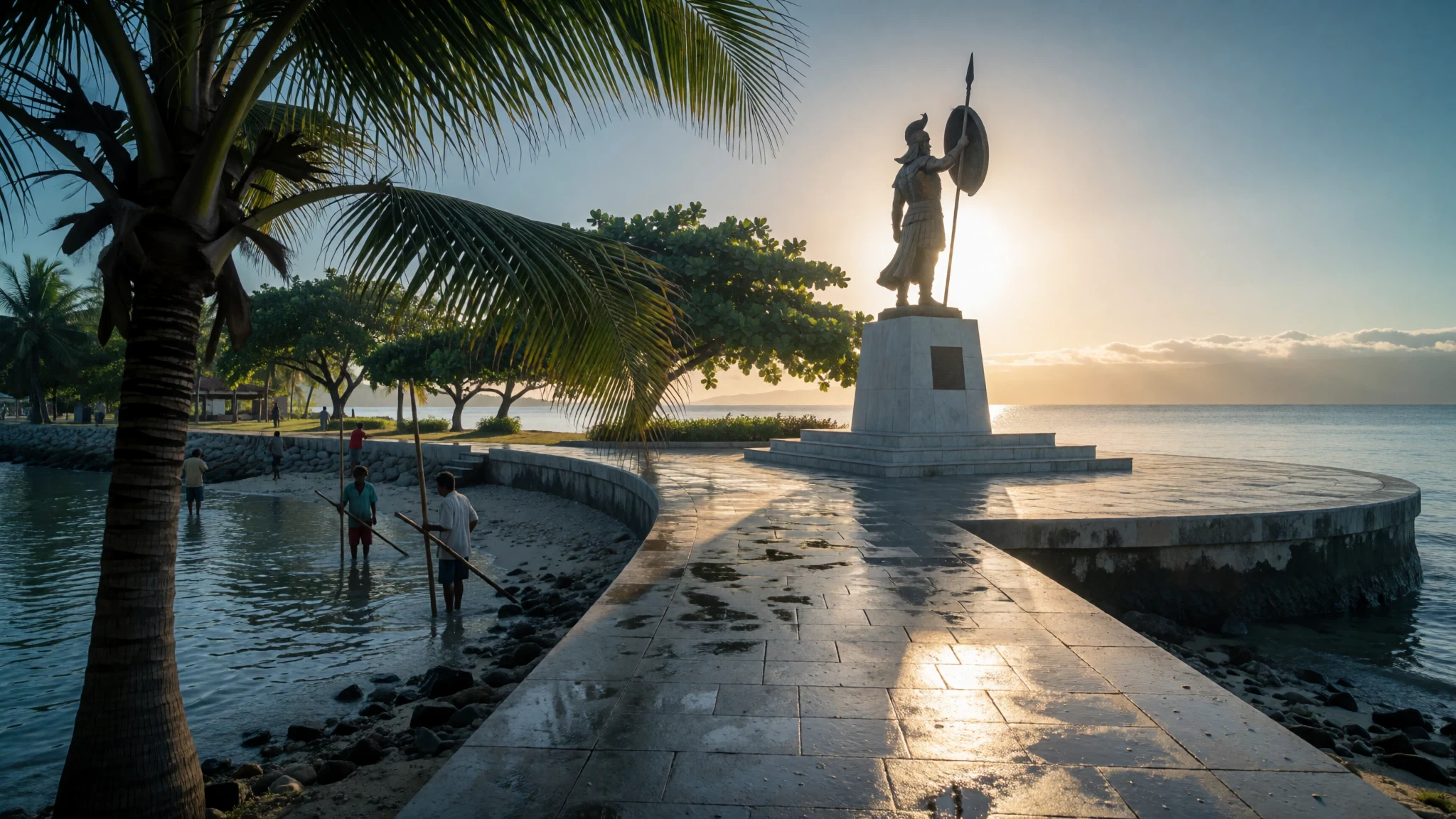
Mactan gives Cebu its airport, its dive reefs and its resort beaches, plus the shoreline where Magellan met his death.
The place
Mactan is a flat, crowded coral island in the central Philippines, lying a short distance east of Cebu Island. About 467,824 people live here according to the facts block, on land only a few metres above the sea; the elevation recorded is 6 m. Administratively it belongs to Cebu province and is split between Lapu-Lapu City and the municipality of Cordova. A narrow strip of water, the Mactan Channel, separates it from the mainland, and three road bridges cross it, including the newer Cebu–Cordova Link Expressway. That is why the island feels like part of Metro Cebu rather than a getaway across the sea.
Most visitors arrive without noticing, because Mactan–Cebu International Airport sits here. It is a major domestic hub for the southern Philippines and has many international connections. Around it are fishing harbours, factories, busy town streets and a long run of beach resorts, mostly on the eastern shore, with pool areas, spas and restaurants. Prices at these resorts are high by Philippine standards, though gentler than comparable places in many other countries.
The sea is the real draw. Reefs off the island hold anemones with resident crabs, pufferfish and drifting jellyfish, and divers and snorkellers book boat trips from the resort jetties. Heat and humidity are constant, traffic can be heavy, and the best-known beaches are often private frontage, so expect to pay for access. As a base it works well for a short beach stay with easy onward ferries and flights.
Its story
Mactan was a busy trading settlement long before Spain arrived in the 16th century. Its chiefs were allied with the Lakanate of Lawan, a kingdom in Samar, and one chronicle describes a ruler there rowed out to a Spanish ship by oarsmen wearing gold collars, himself adorned with chains and earrings. The picture is of a wealthy, well-connected coast rather than a remote outpost.
The event that made the island famous came in 1521. Ferdinand Magellan, the Portuguese navigator sailing for Spain, became drawn into rivalries between local rulers and was killed in battle by warriors of Datu Lapu-Lapu, the chief of Mactan. Filipinos remember Lapu-Lapu as the man who turned back a foreign force, and the city on the island carries his name. Not everyone agrees on the location, though: oral tradition places the fight on Poro Island to the northeast, and recent archaeological work there is said to support that account. Mactan's shrine therefore stands as a commemoration, and the exact ground remains a matter for historians.
Colonial rule came later. Augustinian friars founded the town of Opon in the 1730s, and in the twentieth century it was converted by national law into the city of Lapu-Lapu, ending its life as a small municipality. The old name has largely vanished from daily use, but the story of a local chief defeating a European captain still shapes how the island sees itself.
What to see
- Mactan Shrine — Lapu-Lapu City
Mactan Shrine in Lapu-Lapu City honours the chief who led the defence of the island in 1521, the fight in which Magellan died. A monument to the explorer stands nearby. Go early, as the open square gets hot, and read the plaques with the debate over the battle's true site in mind.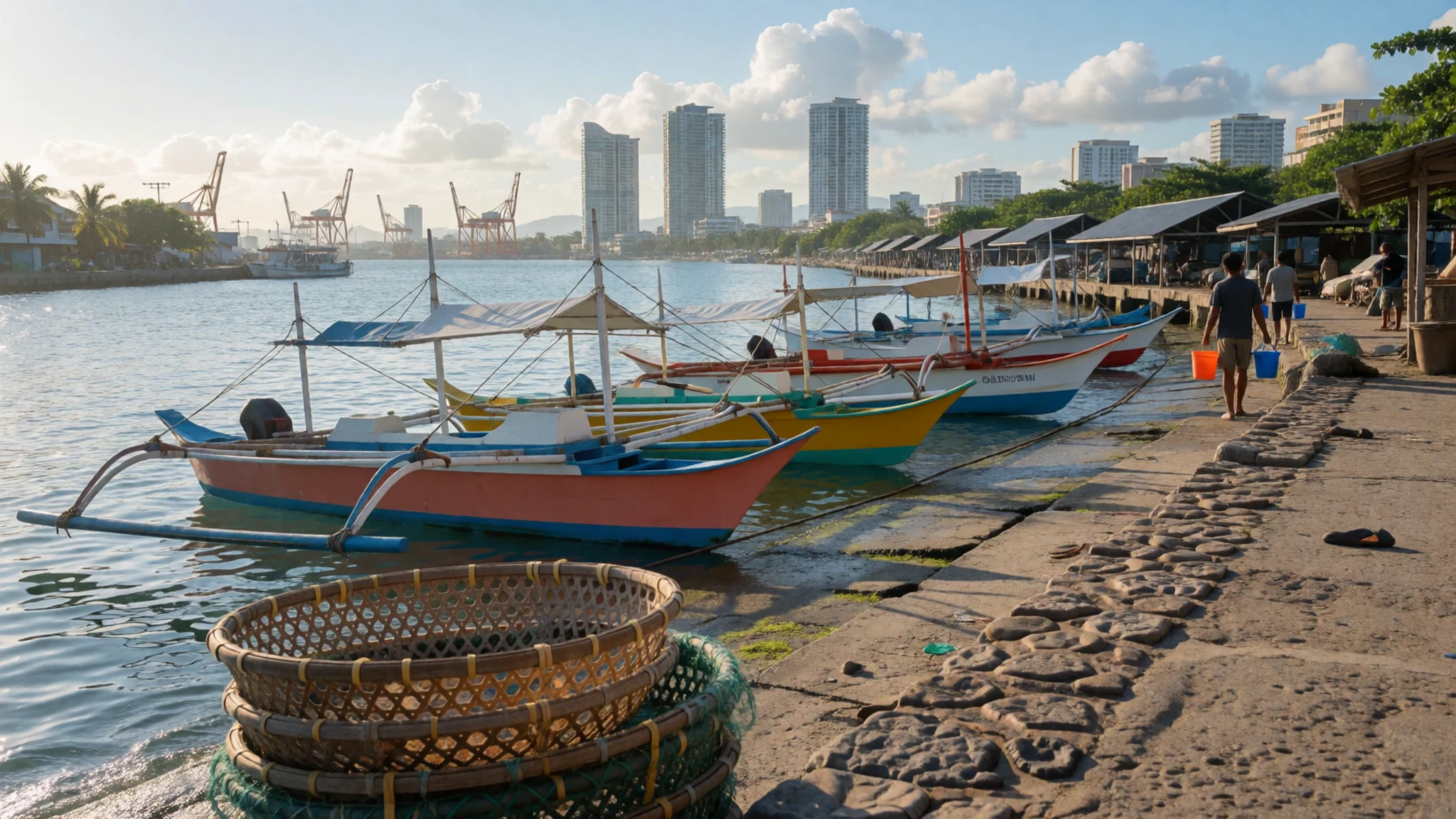
- Mactan harbour — Mactan Channel
Mactan's working harbour, close to Cebu City, shows the island's daily life better than any resort. Small boats, ferries and cargo move through the channel, and the waterfront has simple eateries and fish sellers. It is a practical, unpolished place and worth an hour of watching.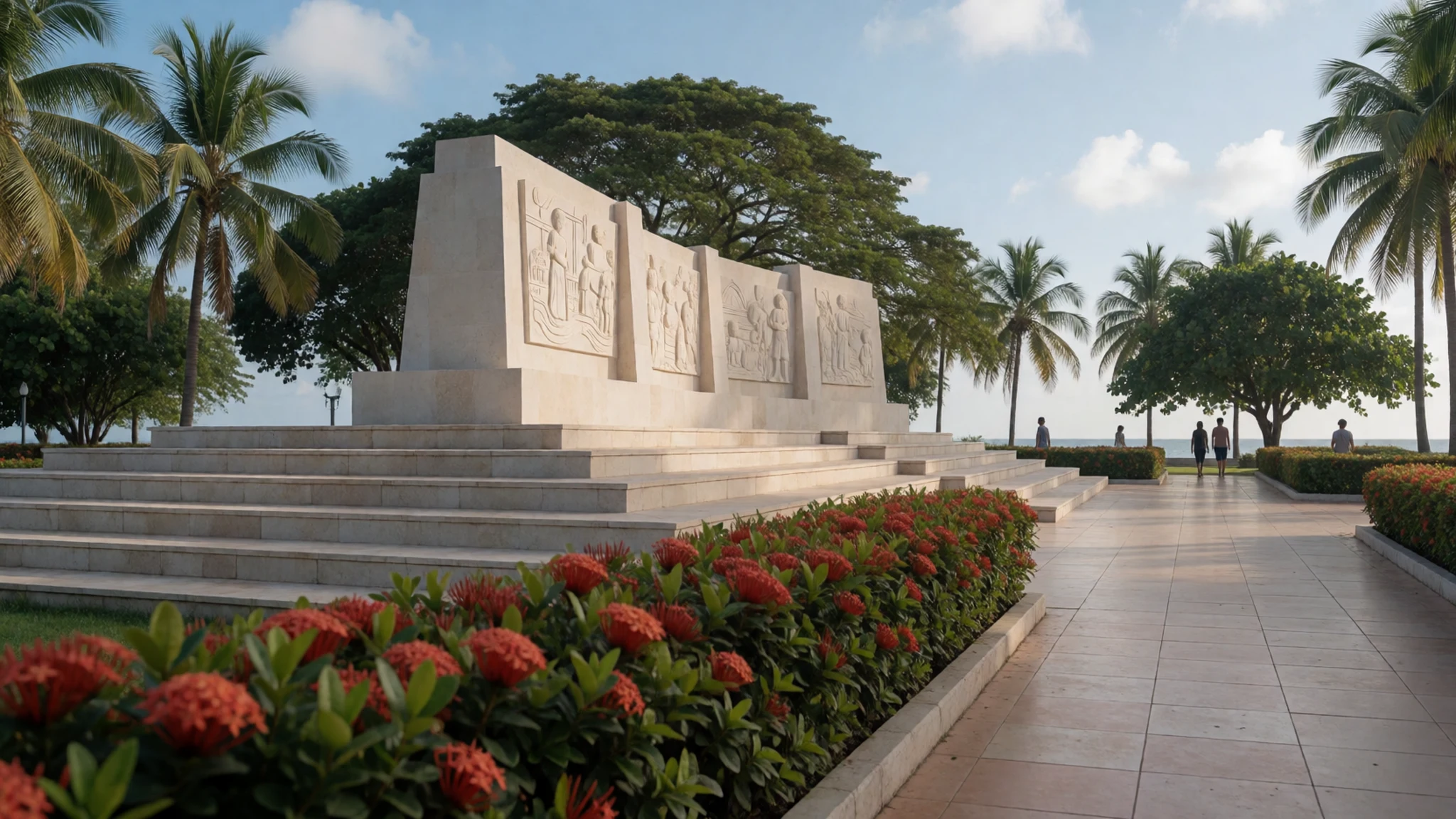
- Resort beaches — East coast
The eastern shore of Mactan carries most of the island's resort beaches, with pools, spas and calm shallow water. Sand is often groomed and frontage is private, so day visitors may need to pay or book. The sun is fierce at noon; mornings and late afternoons are far more comfortable.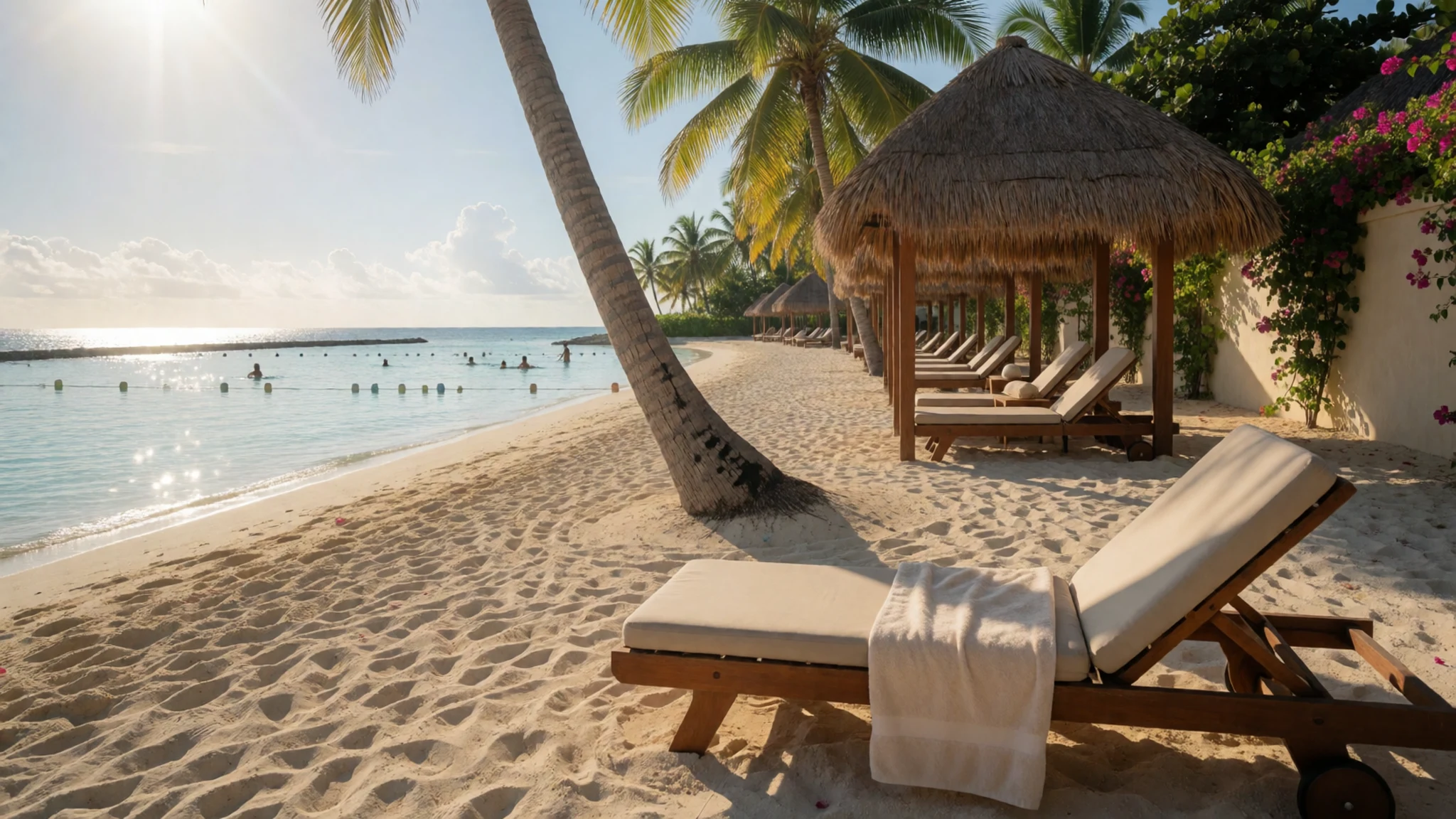
- Reefs and diving — Offshore reefs
Mactan's reefs hold crabs living in sea anemones, pufferfish and jellyfish, and diving or snorkelling is a major reason to stay. Dive shops on the island run boat trips, and conditions depend on season and tides. Ask operators about currents and choose a guide with a good safety record.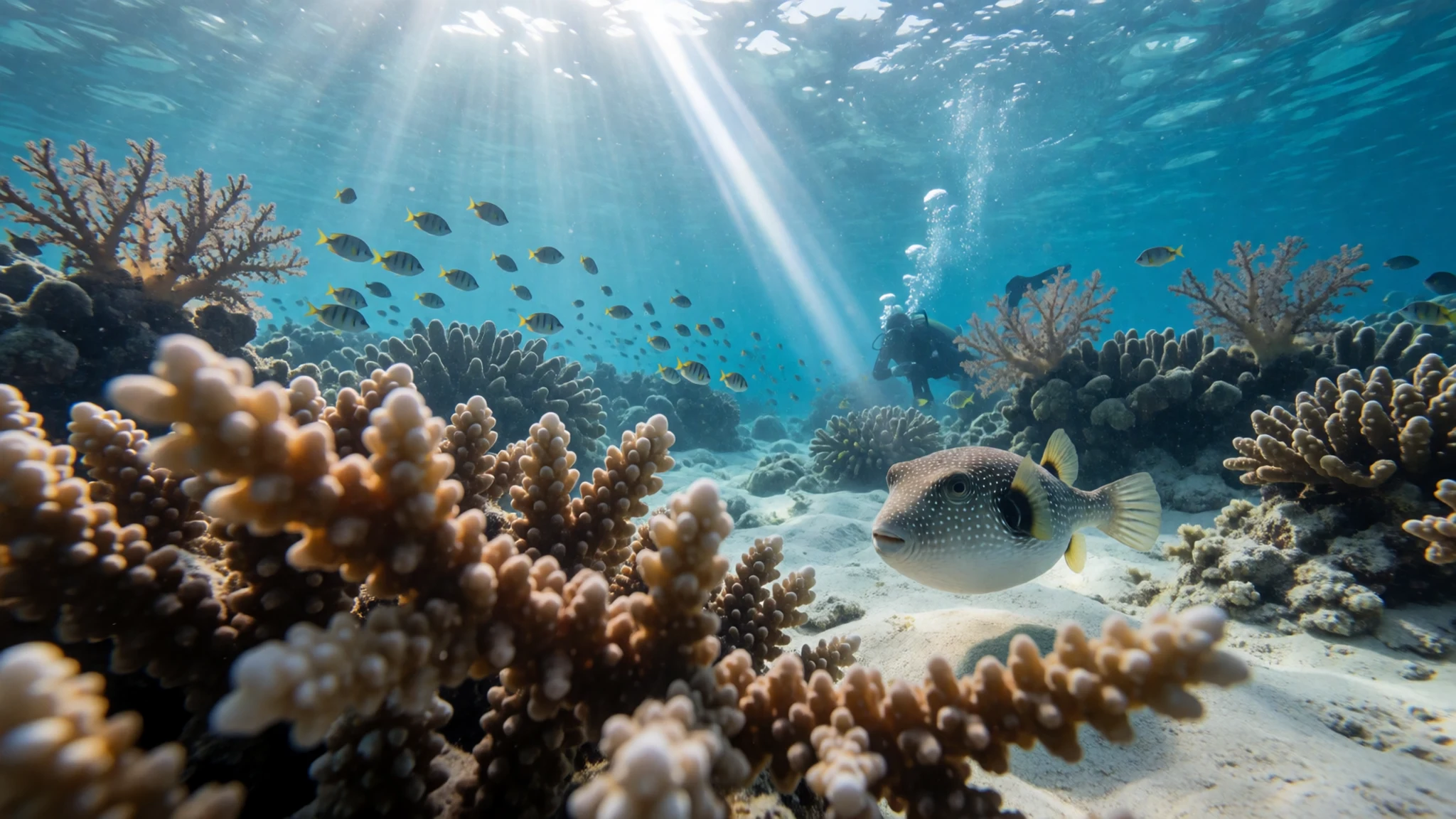
- Magellan's Cross, Cebu City — Cebu City, near the basilica
Across the channel in central Cebu City, a cross commemorates the one Magellan is said to have given to Raja Humabon in 1521. It stands in a small pavilion beside the Basilica Minore del Santo Niño, so the two can be seen together in one short, easy walk.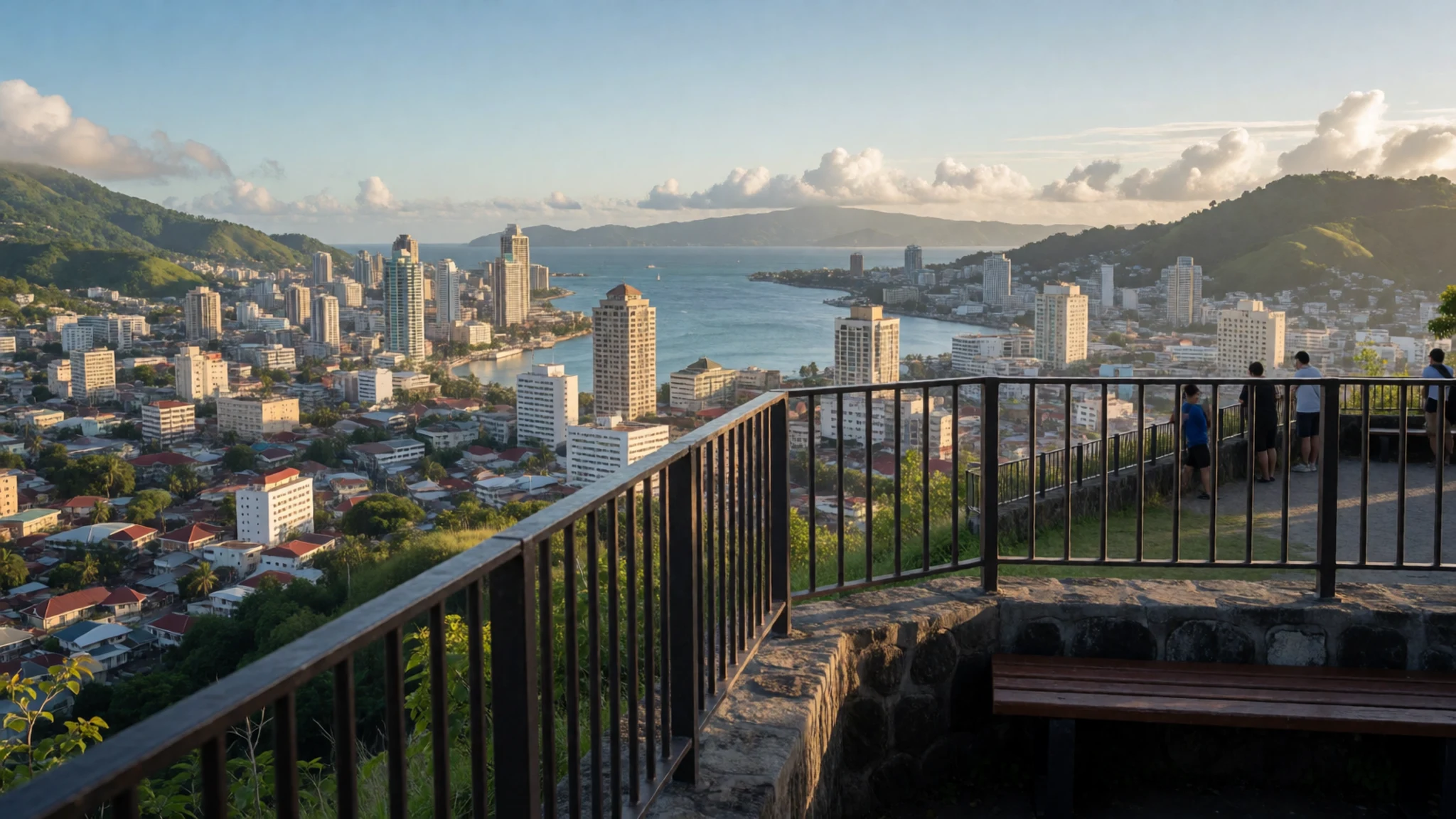
- Fort San Pedro, Cebu City — Cebu City, port area
Fort San Pedro is a small Spanish fort near Pier 1 in Cebu City, usually described as the earliest and smallest of its kind in the country. It is quick to walk round and gives a sense of the colonial port. Check the official listing for opening details before going.
Culture
Mactan sits inside Cebuano country, and people here are proud of a language and identity that are distinct from the rest of the Philippines. Cebuanos have a reputation for being relaxed and easy-going, warmer in manner than the capital's stereotype, and visitors usually find conversation easy. Local pride is real, though: jokes about Cebuano culture, or flattering comparisons with Manila, are not welcome.
Catholicism shapes public life, a legacy of the Spanish period that began with the arrival of Magellan in 1521. Churches are active places of worship rather than museums, and processions and festivals for the Santo Niño, the child Jesus figure, are central to Cebu's calendar. On Mactan itself, Lapu-Lapu is treated as a national hero, and the shrine is a place of civic pride as well as a tourist stop.
Daily life is social and food-centred. Meals are shared, hospitality is generous, and a smile goes a long way when asking directions or bargaining politely. English is widely spoken, which helps visitors, though a few words of Cebuano are noticed and appreciated.
When entering a church, cover your shoulders and knees, keep your voice low, and ask before photographing worshippers during Mass.
What to wear
Mactan, like the rest of Cebu, has no single everyday traditional costume that most people wear. The national formal dress is the barong Tagalog, an embroidered shirt worn untucked, traditionally made from piña (pineapple fibre) or similar fine cloth, and the women's equivalent is the terno with its raised butterfly sleeves. These appear at weddings, official occasions and festivals, while woven fabrics from other Philippine regions are sold as gifts.
Day to day, people on the island dress for heat and humidity: T-shirts, shorts or light trousers, and rubber sandals. Office and airport workers wear neat uniforms, and resort staff are smartly turned out. Fiesta days bring colourful costumes and dance outfits, especially around Santo Niño celebrations.
Visitors should pack light, breathable cotton or linen, a hat, sunglasses and high-factor sun protection. Swimwear is normal on resort beaches, but cover up with a shirt or sarong when walking through towns, markets and harbour areas. For churches and the Mactan Shrine, bring something to cover shoulders and knees. Sandals are fine on most days, but sturdy water shoes help on rocky shores and coral, and a light rain jacket is useful in wetter months.
What to eat
- Lechon — Roadside stalls in Talisay, Carcar and Lilo-an
Roast pig is the Cebuano celebration dish, crisp-skinned and well seasoned. Lechon makers in Talisay, Carcar and Lilo-an are often recommended, and boneless versions are sold in malls around Mandaue. It is usually eaten at fiestas and family gatherings.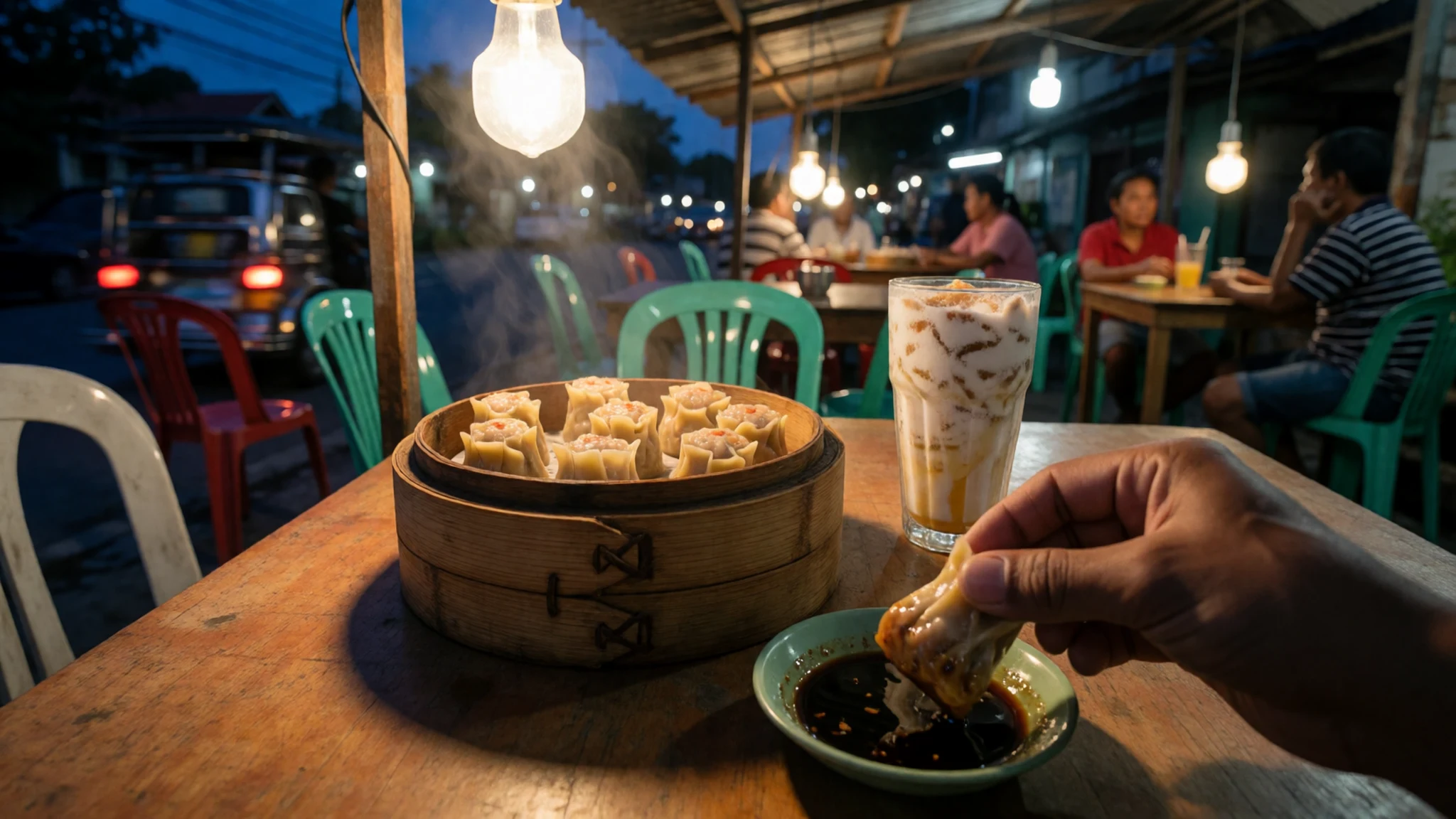
- Siomai — Late-night roadside eateries in Labangon, Cebu City
Steamed Chinese-style dumplings, sold cheaply across Cebu with a dipping sauce. The late-night roadside tables in Tisa, Labangon, are well loved locally. Pair them with a cold drink and expect plastic chairs and a relaxed crowd.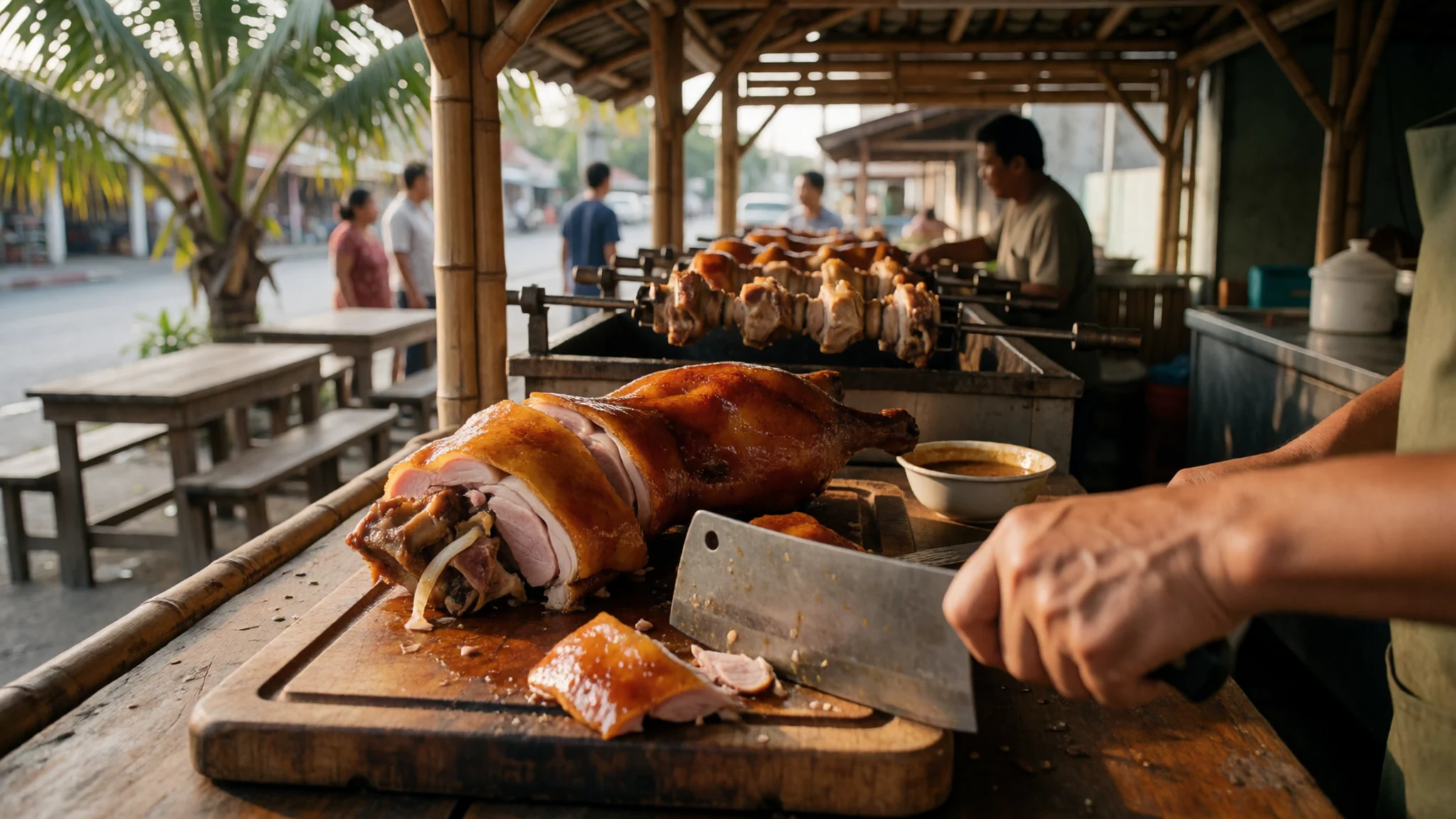
- Halo-halo — Roadside eateries and cafés across Metro Cebu
A Filipino dessert of shaved ice, sweet beans, fruit, jelly and milk, mixed up before eating. It cools you quickly on a hot afternoon, and the late-night siomai places in Labangon are known for serving it too. - Grilled fish and seafood — Harbour-side eateries in Lapu-Lapu City
Island fishing harbours supply fresh catch, which is grilled or cooked in sour broths and served with rice. Choose a busy place where fish is sold on display, and ask how the day's catch is priced before ordering. - San Miguel beer — Bars and eateries across the island
The local lagers are San Miguel, San Miguel Light and Red Horse, a stronger brew from the same maker. They are served cold with grilled food at evening eateries. Imported beers are mostly found in tourist areas and cost noticeably more.
Plan it
Best time. January to May is the drier, more settled season for beaches and diving, with March to May getting hotter and more humid. The wet months bring heavier rain and a risk of typhoons, so check forecasts if travelling late in the year.
How long. 2–4
Getting there. Mactan–Cebu International Airport is on the island itself, with many domestic flights and some international ones. A taxi to Cebu City takes about half an hour. Ferries link Cebu City port to other Visayan islands.
Budget. mid
Tips
- Book resorts and dive trips early for holiday weeks
- Carry cash for small eateries, jeepneys and markets
- Drink bottled water and use strong sun protection
- Watch for pickpockets around Cebu City port and its markets
- Allow extra time for traffic on the bridges to Cebu City
Etiquette
- Cover shoulders and knees in churches
- Avoid joking about Cebuano culture or comparing it with Manila
- Ask before photographing people
Nearby
Sources
- Wikidata Q685318 (CC0)
- Wikipedia: Mactan (rev 1378761188) (CC BY-SA 4.0)
- Wikivoyage: Cebu Province (rev 4949772) (CC BY-SA 4.0)
- Photo: Mactan harbour (Public domain)
- Photo: Magellan Monument in 2026 (CC BY-SA 4.0)
- Photo: Tropical area, Mactan (Public domain)
- Photo: Crab in a sea anemone (CC BY 2.5)
- Photo: Mactan beach (CC BY 3.0)
- Photo: Arothron stellatus (CC BY 2.5)
- Photo: Cephea cephea jellyfish (CC BY 2.5)
- Photo: Jeepney in Mactan Cebu (CC BY-SA 4.0)


