Lothal
Lothal, India
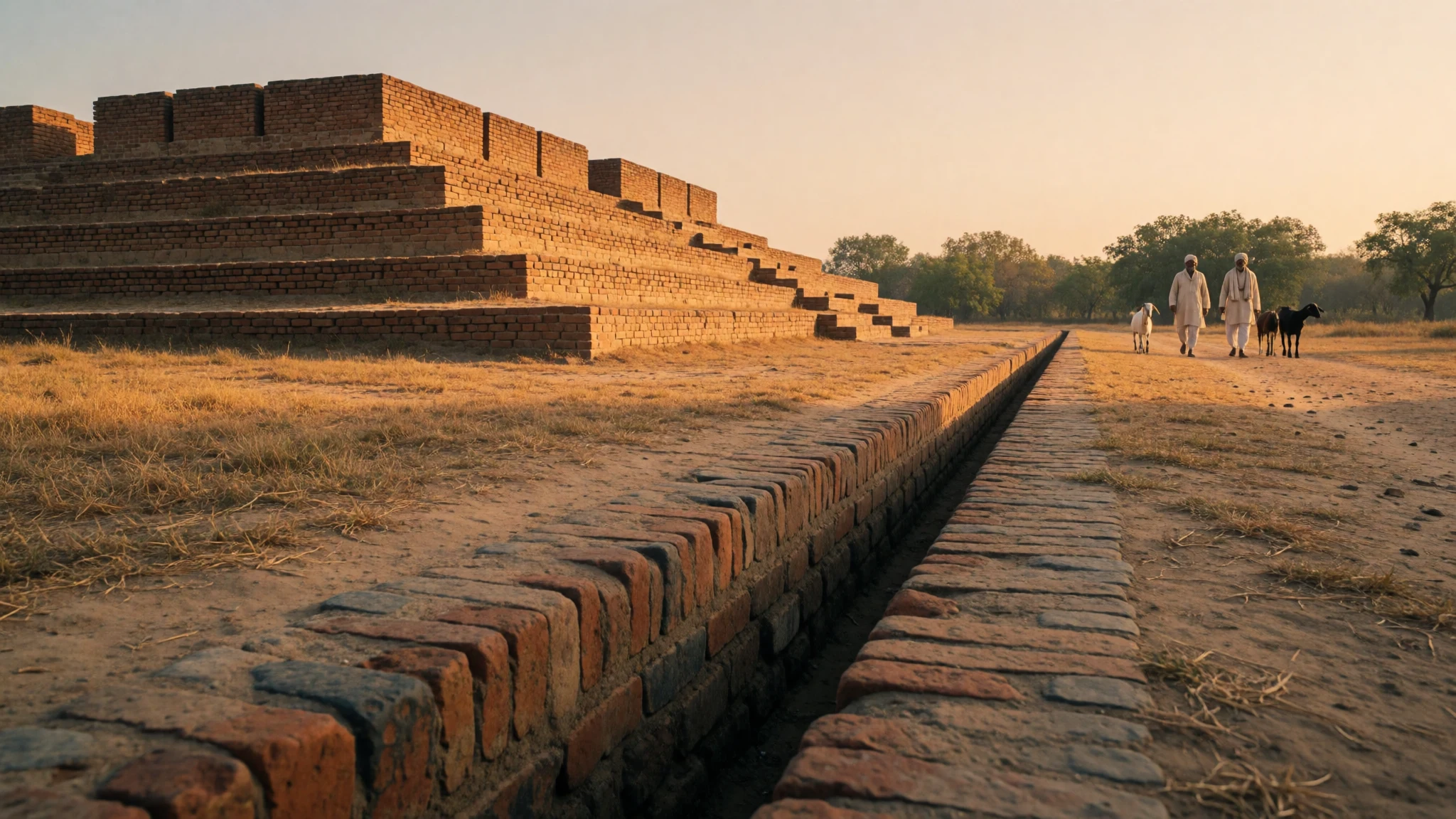
Walk the brick lanes, drains and dock of a Harappan trading port in Gujarat, where Indian maritime trade began long before recorded history.
The place
Lothal lies in the Bhal region of Gujarat, a flat, dry stretch of farmland between the Gulf of Khambhat and the city of Ahmedabad. It was one of the southernmost towns of the Indus Valley Civilisation, and the facts date its founding to about 2400 BCE. What remains today is a low, open-air excavation: knee-high walls of fired and sun-dried brick, lanes, drains, wells and a large rectangular basin that archaeologists read as a dock.
The site is quiet and wide. There is little shade, so the experience is mostly about walking slowly and reading the layout. The town was split into a raised upper part, where rulers lived, and a lower town with a main north–south street, shops, workshops and houses on either side. A museum stands next to the ruins, and a larger maritime heritage complex is under construction nearby.
The setting asks for imagination. The river that once fed the dock has long since shifted, and the sea is no longer close. Fields, scrub and village roads surround the mounds. Visitors tend to come as day trips from Ahmedabad, often with school groups or history enthusiasts, and the crowds are thin compared with India's famous monuments. Expect a plain landscape, clear information boards from the Archaeological Survey of India, and the odd peacock or monkey. It rewards people who like how ordinary things, such as drains and bead workshops, reveal how a city worked.
Its story
Before Harappan settlers arrived, Lothal was a small village beside a river that gave access from the Gulf of Khambhat to the mainland. The local people already worked copper, made beads from semi-precious stones and fired fine red pottery. Harappan traders were drawn by the sheltered harbour, the cotton and rice country and the bead-making skills, since beads from here were in demand far to the west.
A flood destroyed the early village, and the newcomers used the moment to rebuild on a plan modelled on the great Indus cities. Mud-brick platforms raised the houses above flood level. The town was divided into an acropolis and a lower town, with kiln-fired brick drains, bathing platforms and a well in the upper quarter, and a warehouse with a ramp leading down to the basin on the eastern side.
The port linked the region to trade routes across the Arabian Sea towards Mesopotamia and Persia. Its story then went quiet for millennia. The mound was identified in the mid twentieth century, and the Archaeological Survey of India excavated it through the later part of that decade. Since then scholars have debated whether the basin was truly a dock or a water tank, but the town's trading role, its workshops and its careful drainage are not in doubt. Lothal is a case study in how a small port town handled floods, commerce and daily life.
What to see
- Lower Town and main street — Lothal Archaeological Site
The lower town was the commercial heart, with a north–south arterial street flanked by shops and craftsmen's premises and homes on either side. Standing on the line of the street, it is easy to picture the bustle. Brick foundations show room sizes and doorways clearly.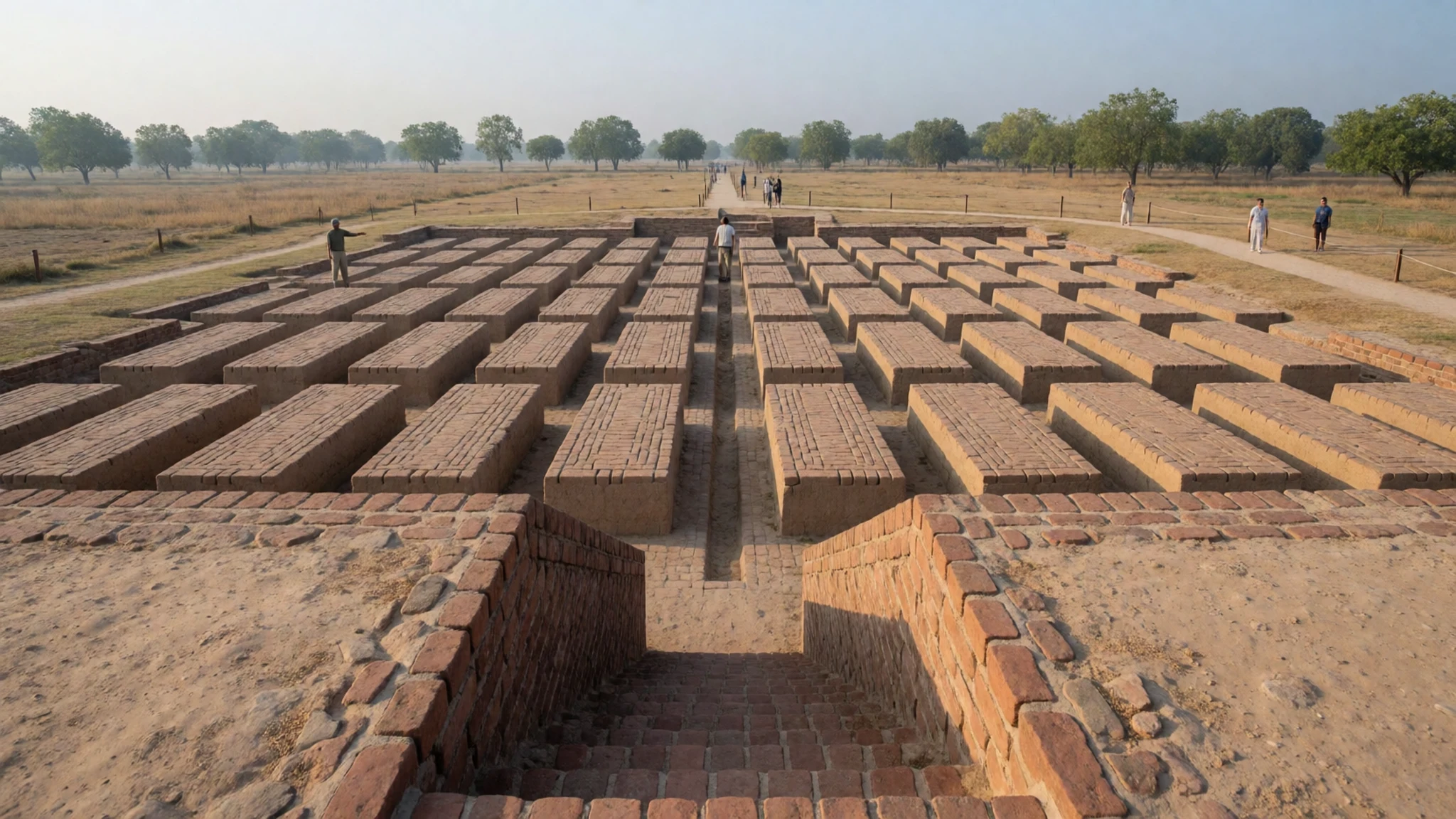
- The dock basin — Eastern side of the site
The large rectangular basin on the eastern edge is the feature that made Lothal famous. Its brick walls and the warehouse ramp suggest ships were loaded here. Whether it was a dock or a reservoir is still debated, but it is impressive either way and best viewed from the rim.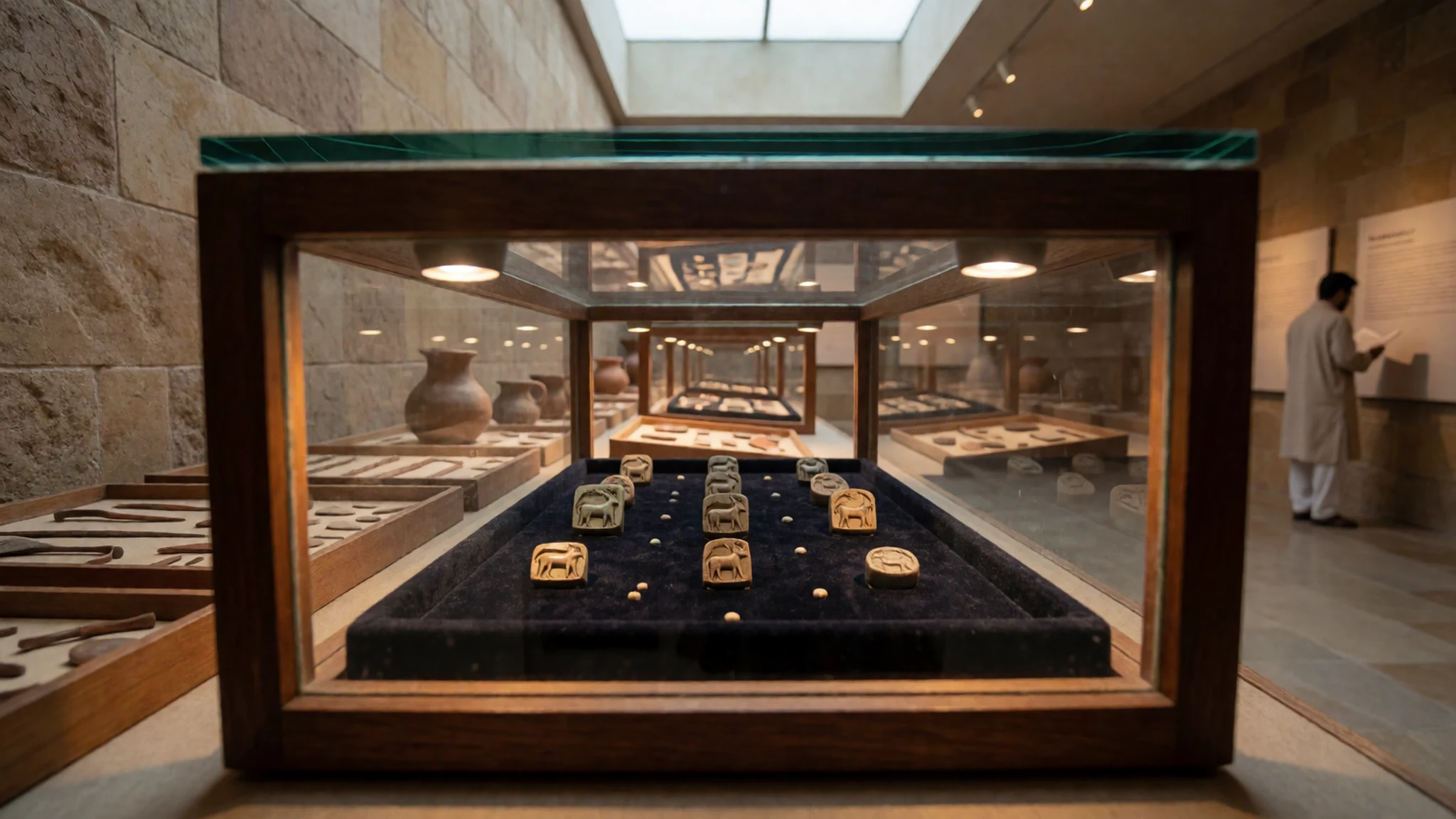
- Drains and bathing platforms — Acropolis, Lothal site
The upper town shows paved bathing floors connected to drains of kiln-fired brick, with surface and underground channels. Walking beside them shows how seriously the planners took water and sanitation. The well nearby supplied drinking water for the rulers' quarter.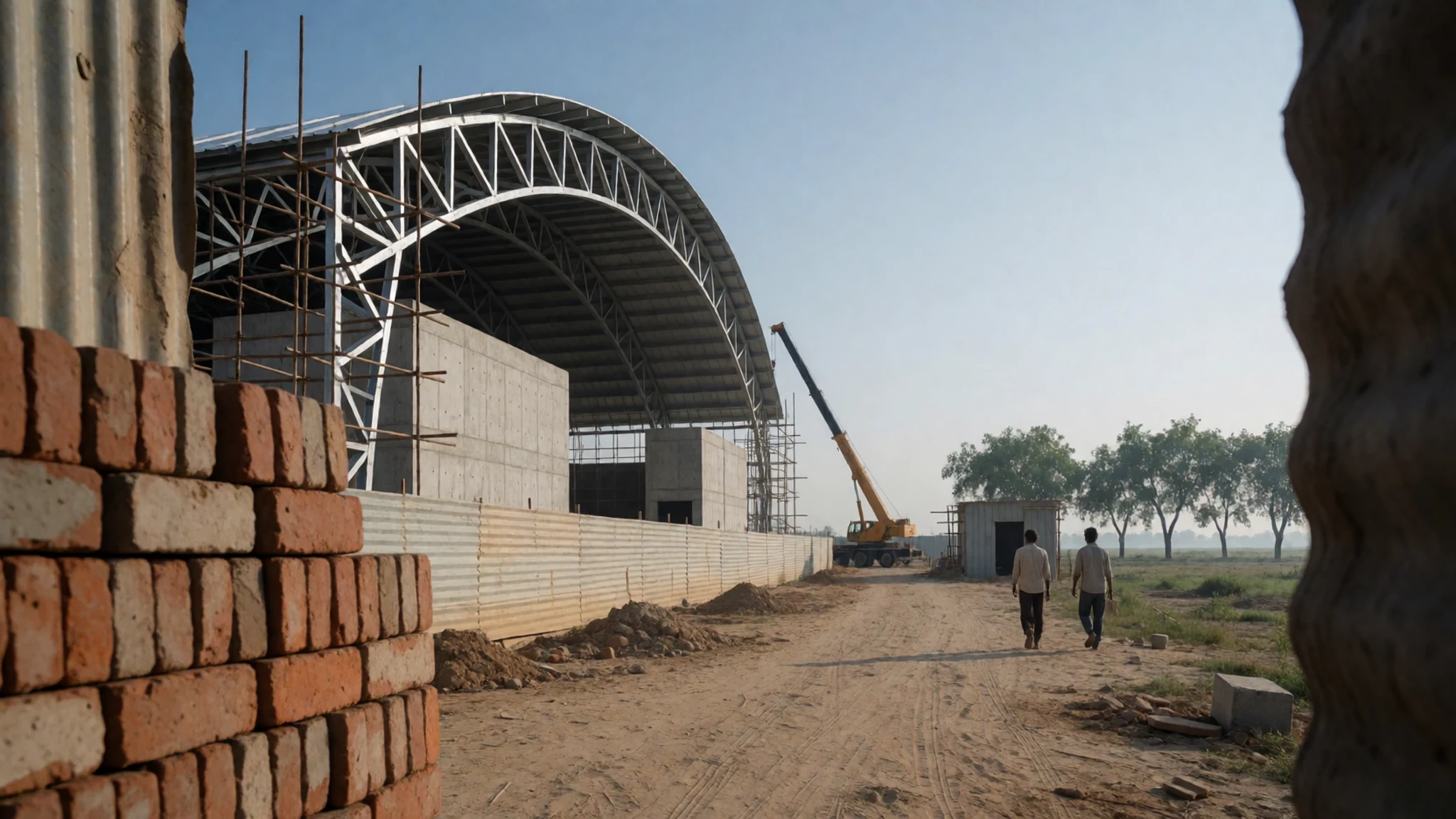
- Bead workshop and pot furnace — Lothal site
Lothal's beads travelled far, and the remains of workshop areas and a pot furnace show where craftspeople shaped stone and fired clay. The furnace is a small structure, easy to miss, so look for it on the signposted route and read the nearby plaque.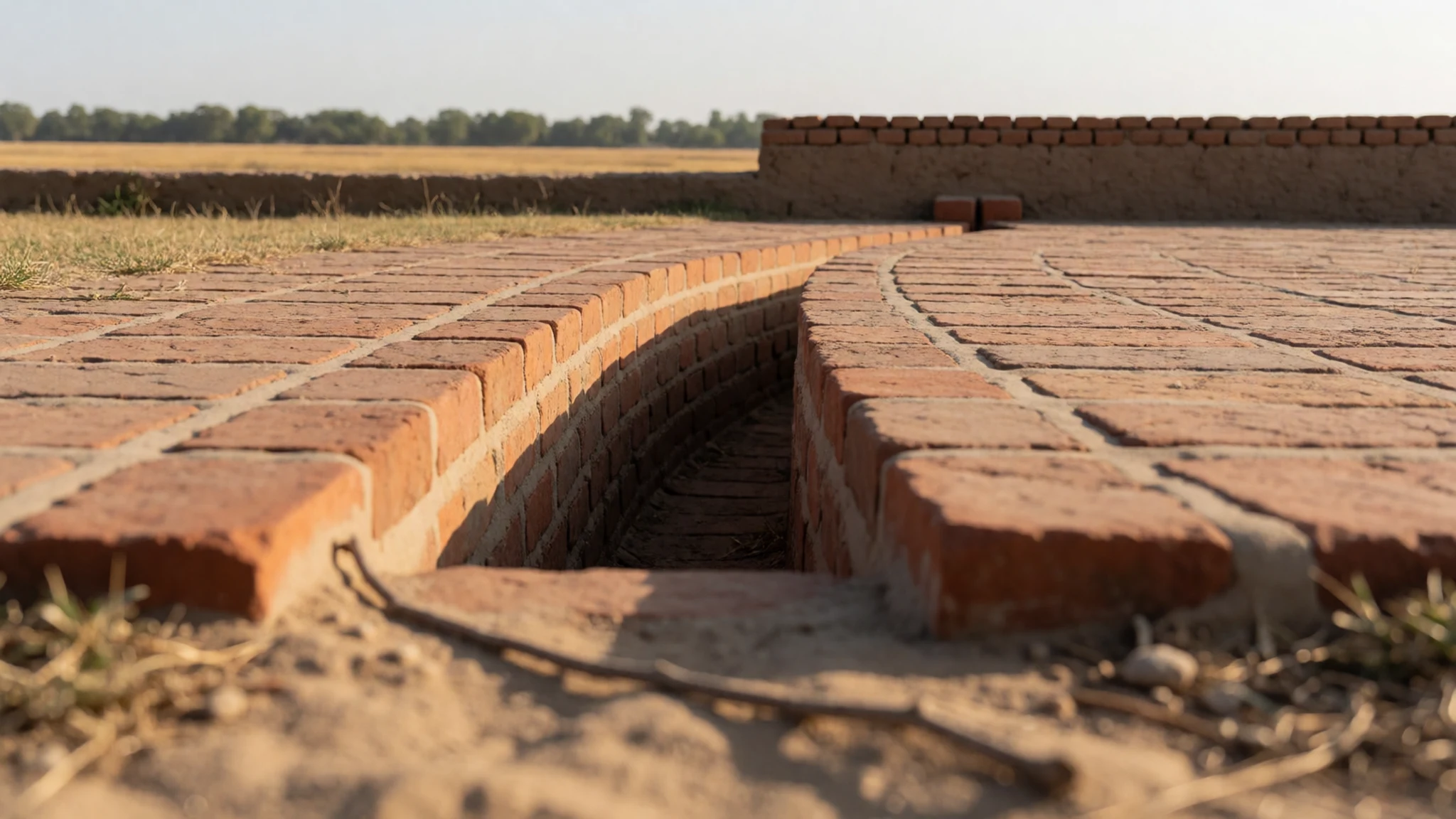
- Lothal Museum — Next to the ruins
The ASI museum beside the ruins displays seals carved with animal motifs and Harappan script, tiny beads, copper tools and other finds. It adds meaning to the bare walls outside, so go in before or after the walk. Check opening days on the official ASI pages.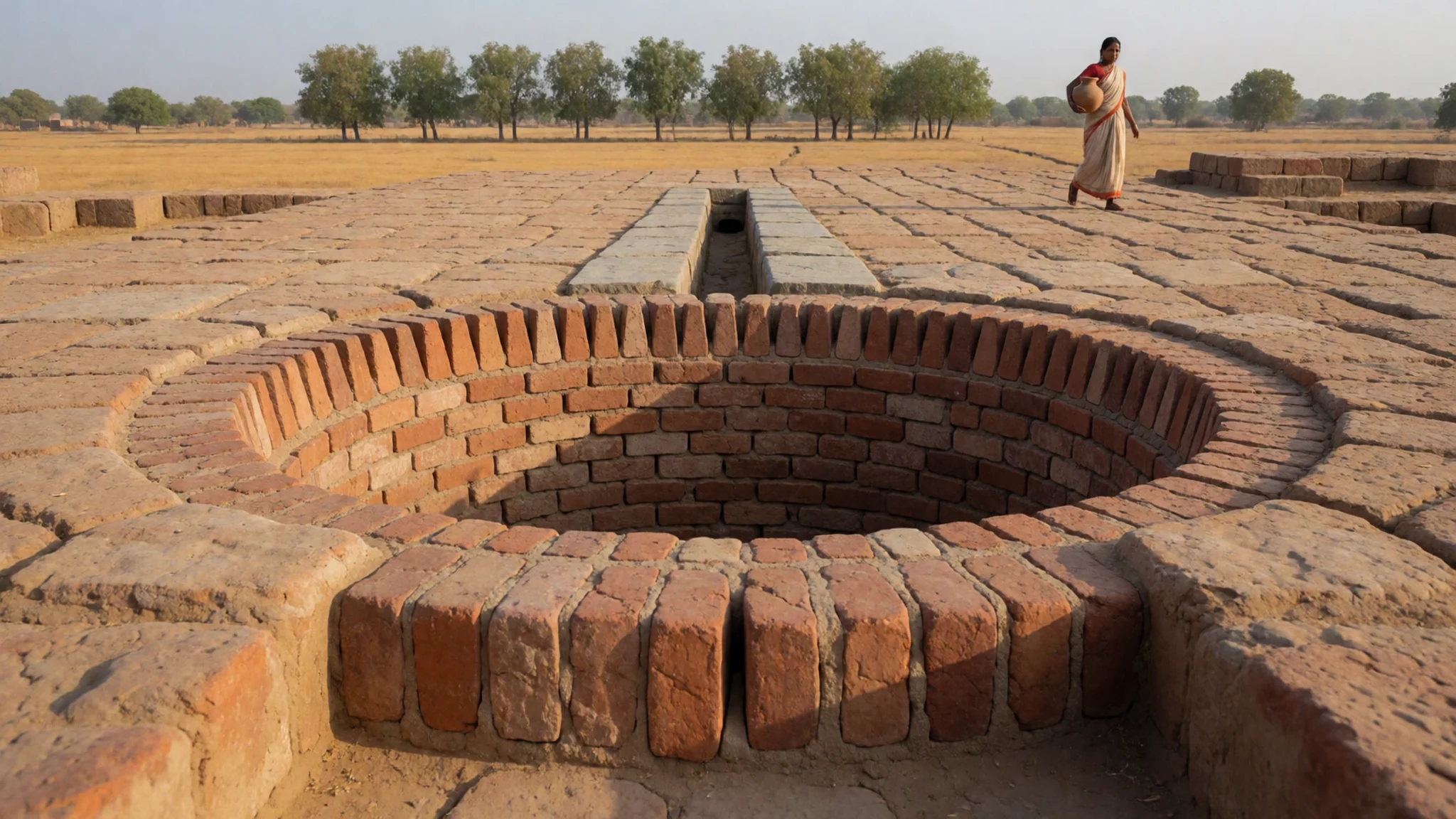
Culture
Lothal's culture is read from objects, not texts, so much remains speculative. Excavators found fire-altars, both private and public, and a horned figure on seals is thought by some to be a fire deity. Gold pendants, ash, terracotta and bovine remains hint at ritual sacrifice with links to early Vedic practice. Animal worship is also evidenced. Unlike other Harappan cities, there is no clear sign of a mother goddess here, which scholars take as evidence of varied religious traditions across the civilisation.
Still, a sea goddess may have been honoured at the port, and local villagers today worship a sea goddess called Vanuvati Sikotarimata, which suggests a thread running from the ancient harbour to the present. Burial evidence is thin: only 17 graves were found for an estimated population of 15,000, so cremation was probably also practised.
The living culture around the site is that of rural Gujarat: farming villages, shrines at the roadside and a gentle, hospitable pace. Visitors who stop in nearby villages will find people curious about why anyone comes to look at old bricks. A little Gujarati or Hindi goes a long way, and a smile goes further.
Stay on the marked paths and do not climb on or lean against the ancient brick walls, which are fragile and protected.
What to wear
Lothal's ancient people left no clothing, but excavations point to cotton growing in the area, and spindle whorls and bead ornaments suggest woven cotton and plenty of jewellery. Beads of semi-precious stone and gold pendants were evidently worn, and the town's bead industry supplied far-off markets. Traditional dress is therefore best imagined as simple cotton wraps with generous ornament.
In the villages of Gujarat today, many women wear sarees or the colourful chaniya choli, often with embroidery and mirror work, while men wear cotton shirts with trousers or dhoti-style wraps, and some older men still wear a turban. Bandhani tie-dye and block-printed cotton are regional textiles, and rural Gujarat is known for embroidery traditions. In Ahmedabad, jeans, kurtas and ordinary western clothes are common.
For a visit, dress for sun and dust rather than ceremony. The site is open and shadeless, so wear light, loose cotton in long sleeves and trousers or a long skirt, a hat or scarf, and sunglasses. Sturdy closed shoes or sandals with grip suit the uneven brick and dirt paths. Modest dress, with shoulders and knees covered, is courteous in the villages and keeps off the sun. Carry a light layer for winter mornings, which can be cool.
What to eat
- Gujarati thali — Ahmedabad eateries, towns on the road to Lothal
A set meal of dal, kadhi, vegetables, rotis, rice and a sweet, served in unlimited portions at simple vegetarian eateries. Look in Ahmedabad before setting out, or in the larger town on the road to the site.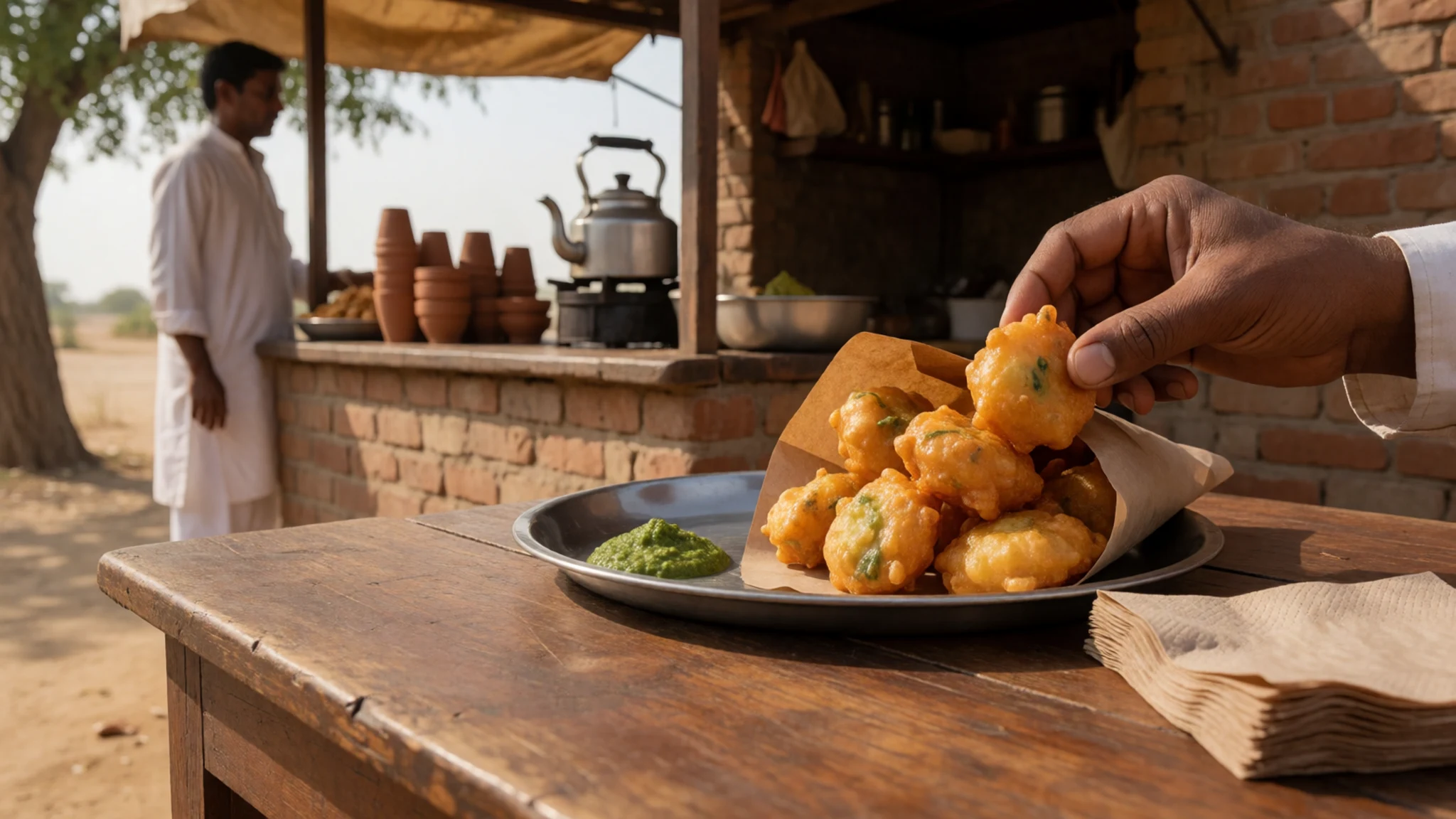
- Dhokla — Snack shops and farsan stores in Ahmedabad
Soft, steamed fermented gram-flour cake, lightly sour and often eaten at breakfast with green chutney. It is easy to buy fresh from sweet and snack shops and keeps well for a day trip.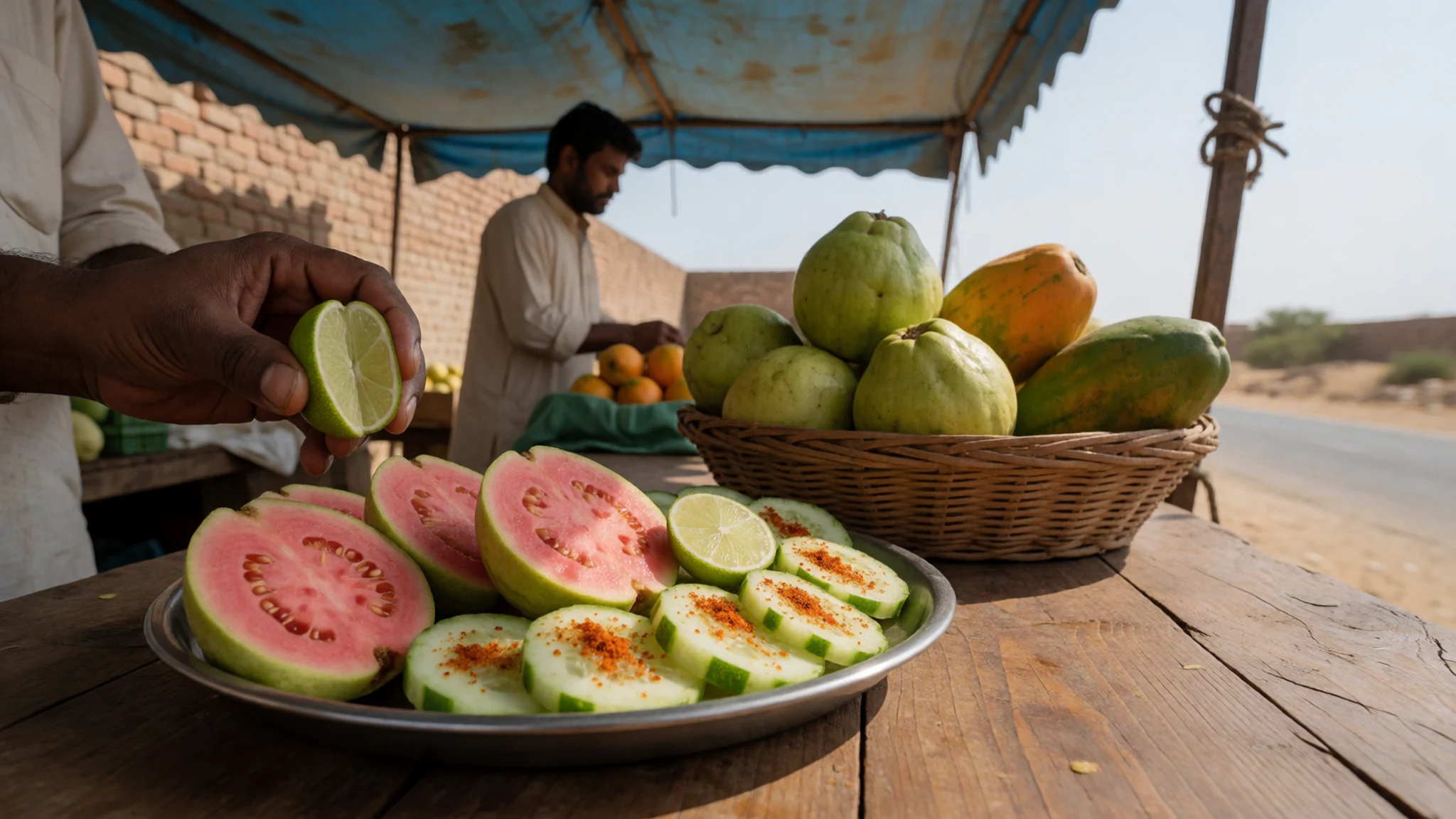
- Thepla — Sweet shops and home-style kitchens in Ahmedabad
Spiced flatbread made with fenugreek and wheat flour, a favourite travel food in Gujarat. It stays good for hours, so it suits a packed lunch for a site with few places to eat.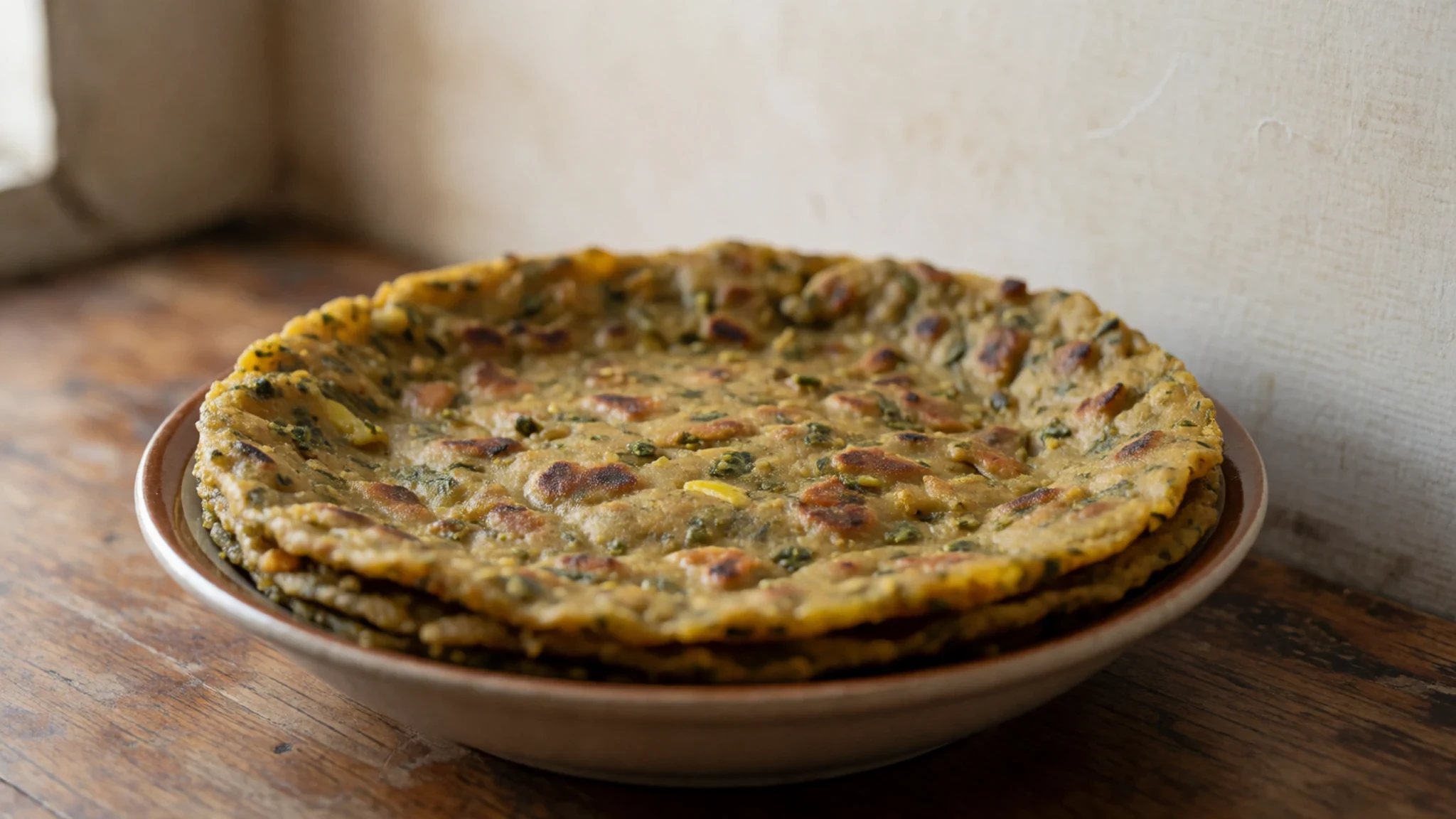
- Fafda and jalebi — Street stalls and snack shops in Ahmedabad
Crisp gram-flour strips eaten with a sweet, syrupy jalebi, a classic Gujarati morning snack. Found at street-side stalls, particularly on weekend mornings.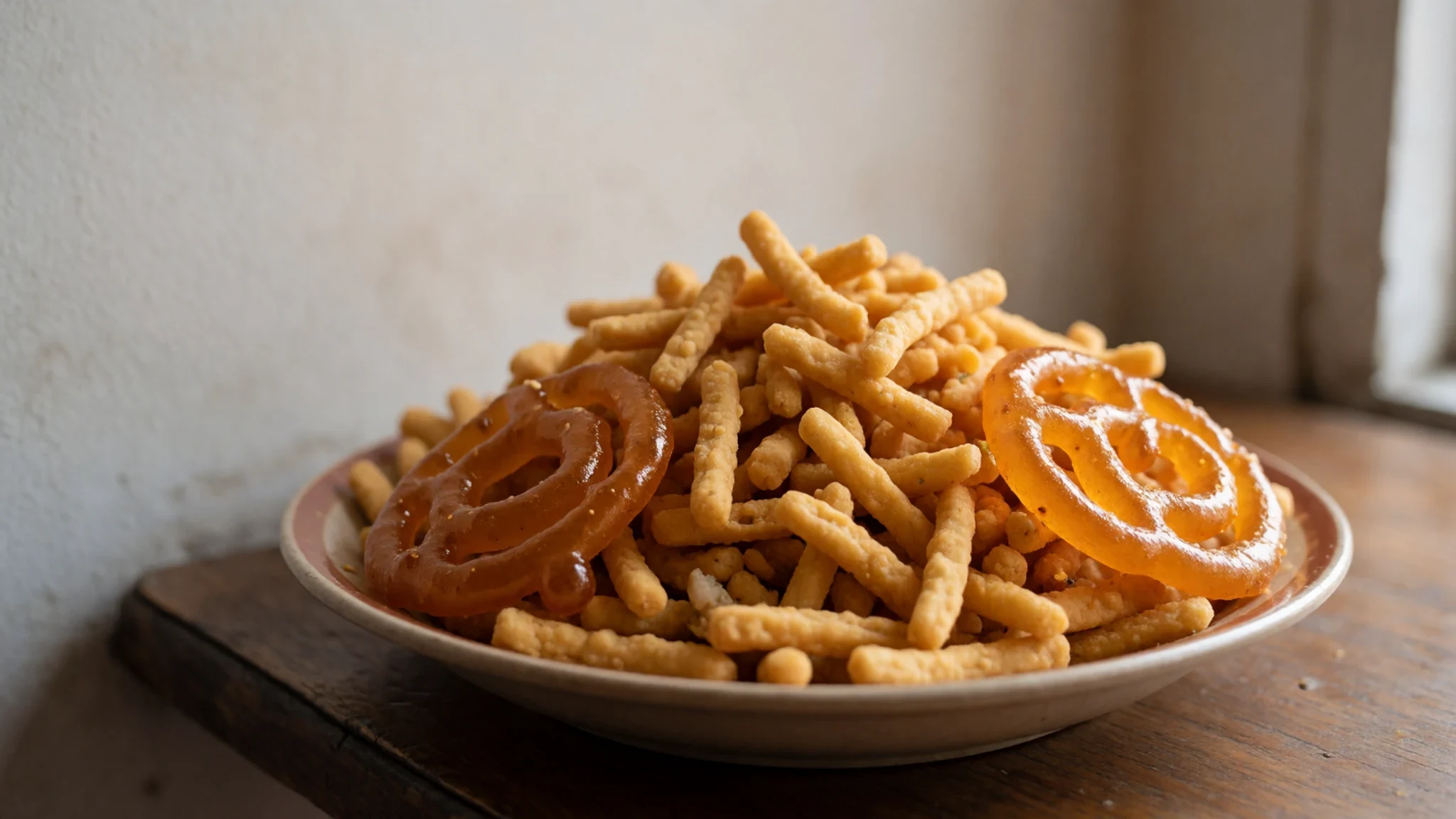
- Masala chai — Roadside tea stalls near Lothal and Dholka
Sweet milky tea with ginger or cardamom, sold from roadside tea stalls across the Bhal countryside. A welcome stop in the dry heat, and usually the only refreshment available close to the site.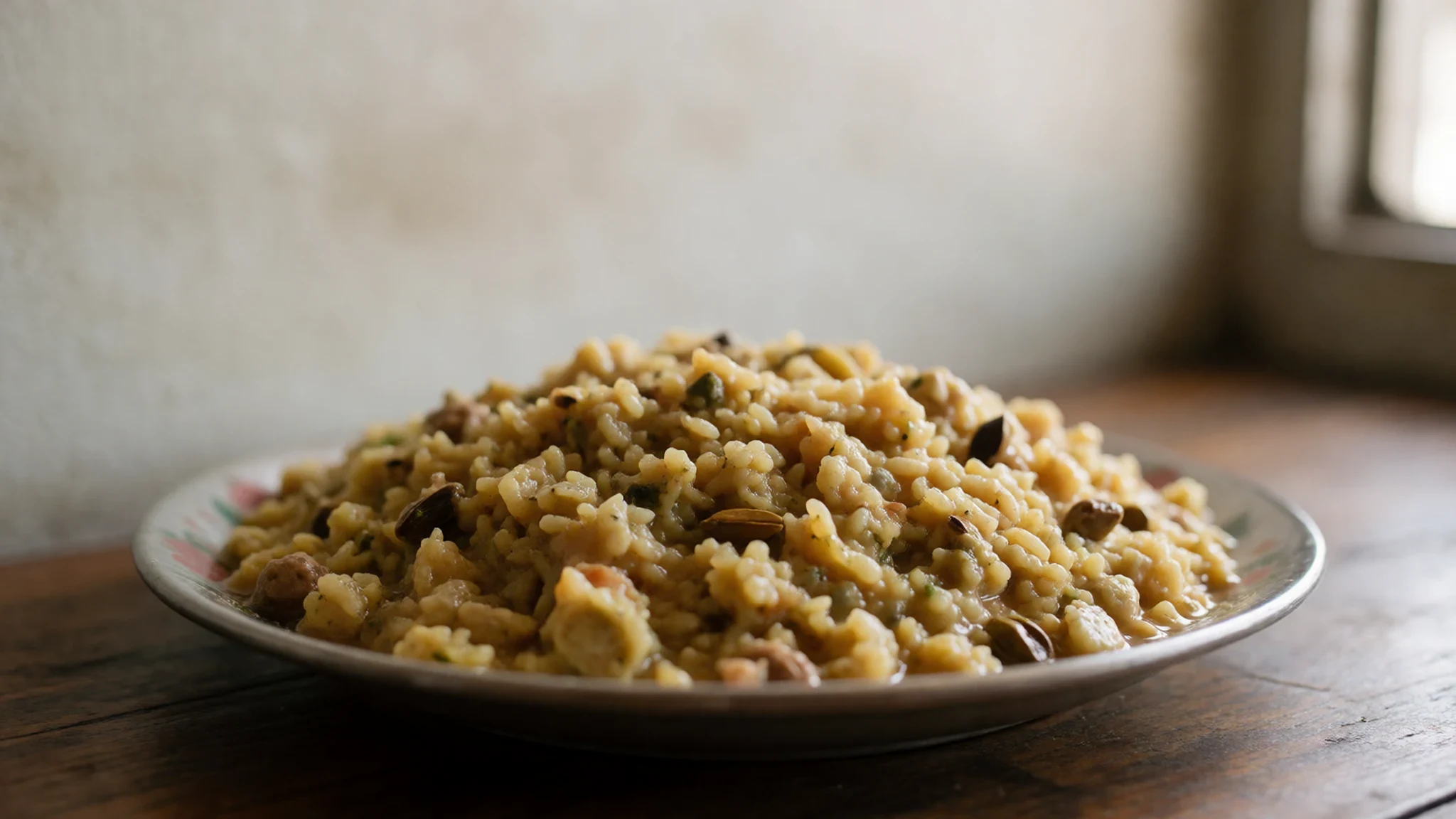
Plan it
Best time. November to February, when days are mild and dry. March onwards gets hot and the exposed site has almost no shade; the monsoon months bring humidity and muddy paths.
How long. 1
Getting there. Ahmedabad is the nearest large city, with an international airport and main rail station, and Lothal is reached by road from there, via Dholka. A taxi or hired car is the simplest option; there is also a station on the Ahmedabad–Bhavnagar line, but a local transfer is still needed for the last stretch.
Budget. low
Tips
- Go early in the morning for cooler light and fewer visitors
- Carry your own snacks and plenty of drinking water, as food near the site is very limited
- Bring sun protection: hat, sunscreen and sunglasses
- Hire a car for the day from Ahmedabad, as public transport on the last leg is limited
- Check opening days and entry details on the official ASI website before leaving
Etiquette
- Stay on marked paths and do not climb on the brick walls
- Ask before photographing villagers
- Take rubbish away with you
Nearby
Sources
- Wikidata Q9443 (CC0)
- Wikipedia: Lothal (rev 1379908195) (CC BY-SA 4.0)
- Wikivoyage: Lothal (rev 5363685) (CC BY-SA 4.0)
- Photo 01, Rashmi.parab (CC BY 3.0)
- Photo 02, Abhilashdvbk (CC BY 3.0)
- Photo 03, Prof Ranga Sai (CC BY-SA 4.0)
- Photo 04, Avantiputra7 (CC BY 3.0)
- Photo 05, Radhi.pandit (CC BY 3.0)
- Photo 06, Prof Ranga Sai (CC BY-SA 4.0)
- Photo 07, Bernard Gagnon (CC BY 3.0)
- Photo 08, Bernard Gagnon (CC BY-SA 2.0)


