Lizard Island
Lizard Island, Australia
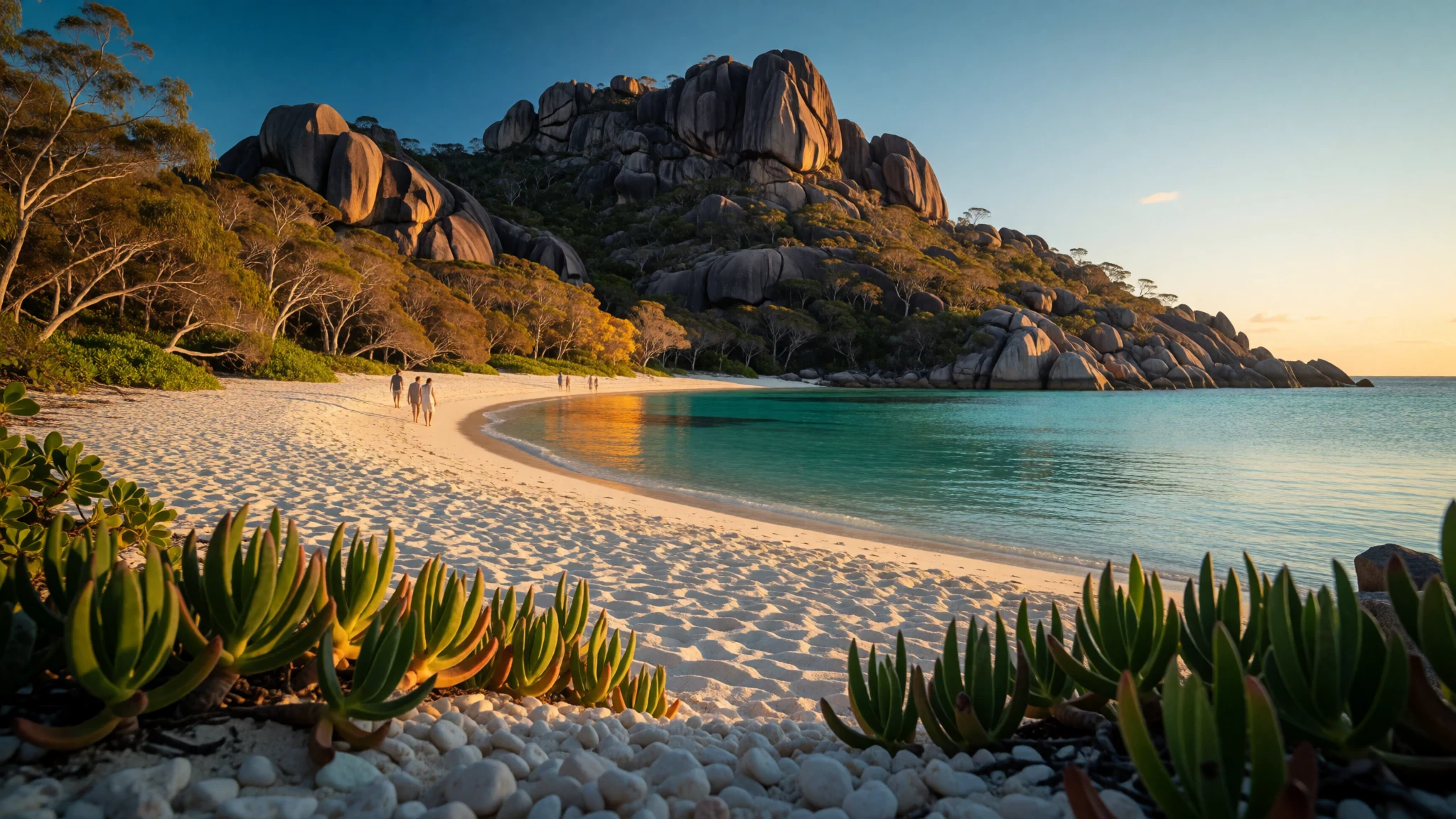
Lizard Island is a granite island in the northern Great Barrier Reef, with white beaches, a hill walk and reef on the doorstep.
The place
Lizard Island lies off the Queensland coast, far north of Cairns, in a stretch of the Great Barrier Reef where open water separates the mainland from the outer reef. It is a high granite island rather than a flat coral cay, so the scenery includes hills, dry scrub, rocky headlands and sheltered white-sand bays. A national park covers the land, and a marine research station sits on one side. Visitors are few, since arriving means a flight or a long boat trip, and beds are limited.
The island belongs to a small group. South Island and Palfrey Island lie close by, a short boat ride away, and fringing reef runs along several shores, so snorkelling can begin from the sand. The name is earned: large monitor lizards, known locally as goannas, patrol the beaches and walking tracks without much fear of people. Sea eagles circle the headlands and seabirds nest in the scrub.
The mood is remote rather than glamorous. Days follow the tide and the weather, there are no roads to speak of, and mobile coverage is patchy. That suits anyone wanting reef, a hill walk and quiet; it does not suit those who need a town, nightlife or a bargain. Costs run high because almost everything arrives by air or sea, and the hot, wet months bring storms and stinging jellyfish.
Its story
Lizard Island takes its name from the large monitor lizards that Captain James Cook noted when the Endeavour sailed up this coast. Cook was hunting for a way out through the reef, which had already put his ship in serious danger further south. He climbed a hill on the island to look for a gap in the barrier, and the viewpoint is still called Cook's Look. From the top he spotted a passage to open sea, and the Endeavour escaped the maze of shoals.
Long before that, the island was part of Aboriginal Country. Its name in the local language is Jiigurru, and it lies within the traditional lands of the Dingaal people, for whom it carries ceremonial significance.
A harsher chapter followed in the late nineteenth century. Mary Watson lived here with her baby son while her husband was away fishing for sea cucumbers, a trade that supplied Asian markets. The household came under attack, and she left in a large iron cooking tank with her son and a Chinese worker. They drifted to a small island to the north, where all three died of thirst. Her diary was found with them and made the story widely known in Australia.
Today the island is better known for science and quiet holidays. A marine research station, founded decades ago, studies reef fish, corals and the effects of warming seas, and the resort and campground share the national park.
What to see
- Cook's Look — Central hill above Watsons Bay
Cook's Look is the island's signature hill walk, a steady climb from Watsons Bay to the spot where Captain Cook searched for a passage through the reef. The views run across the island, its bays and the outer reef beyond. Go early, carry plenty of water and wear proper shoes, because the path is exposed and the rock gets hot.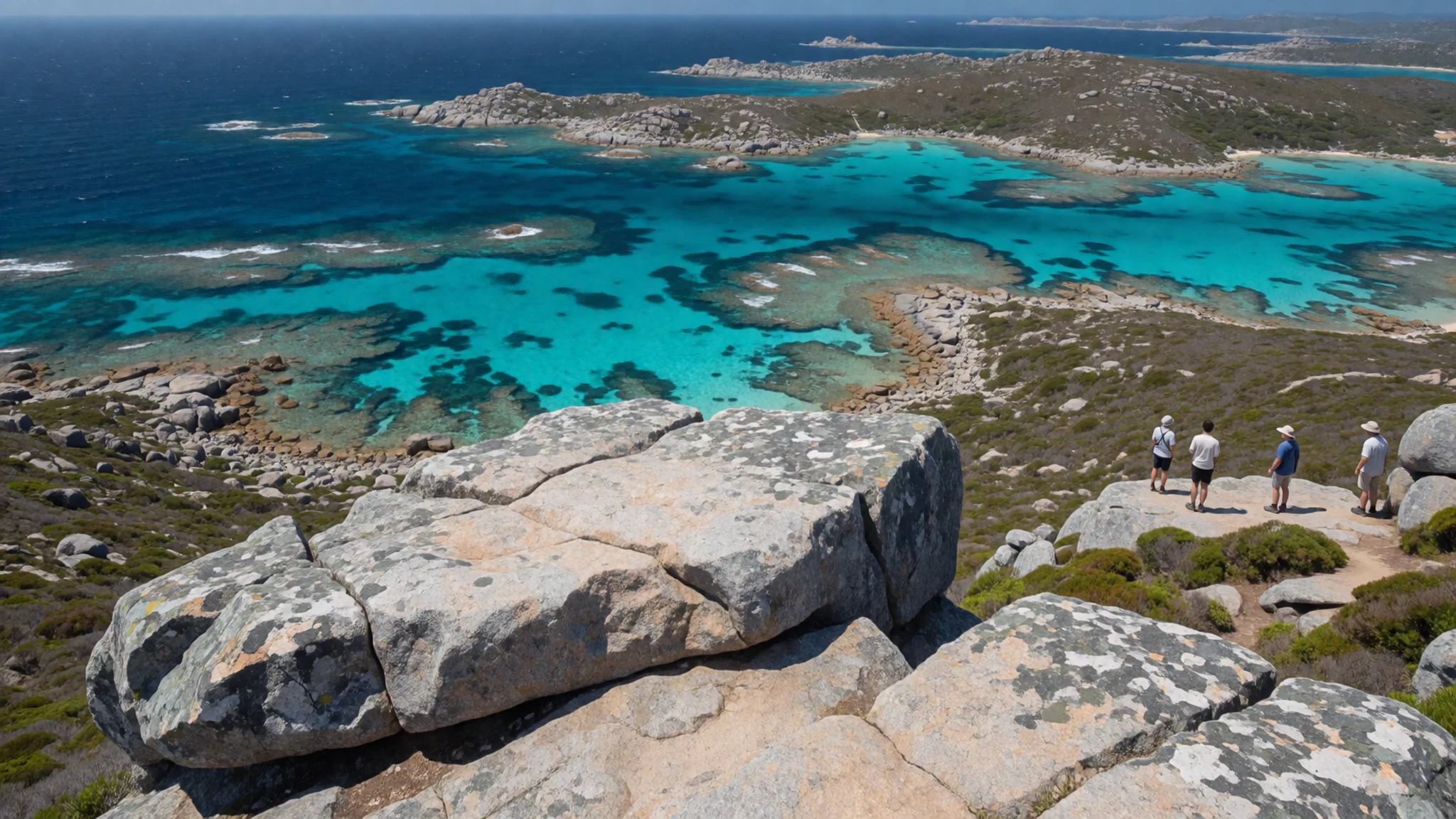
- Watsons Bay — Western shore
Watsons Bay on the western shore is where Mary Watson's household once lived, and a few stone remains of the settlement can be found near the beach. It is a quiet place for reflection, with a sheltered beach and shade from nearby trees. The story belongs to the island's history, and the site is best visited with respect rather than a quick photograph.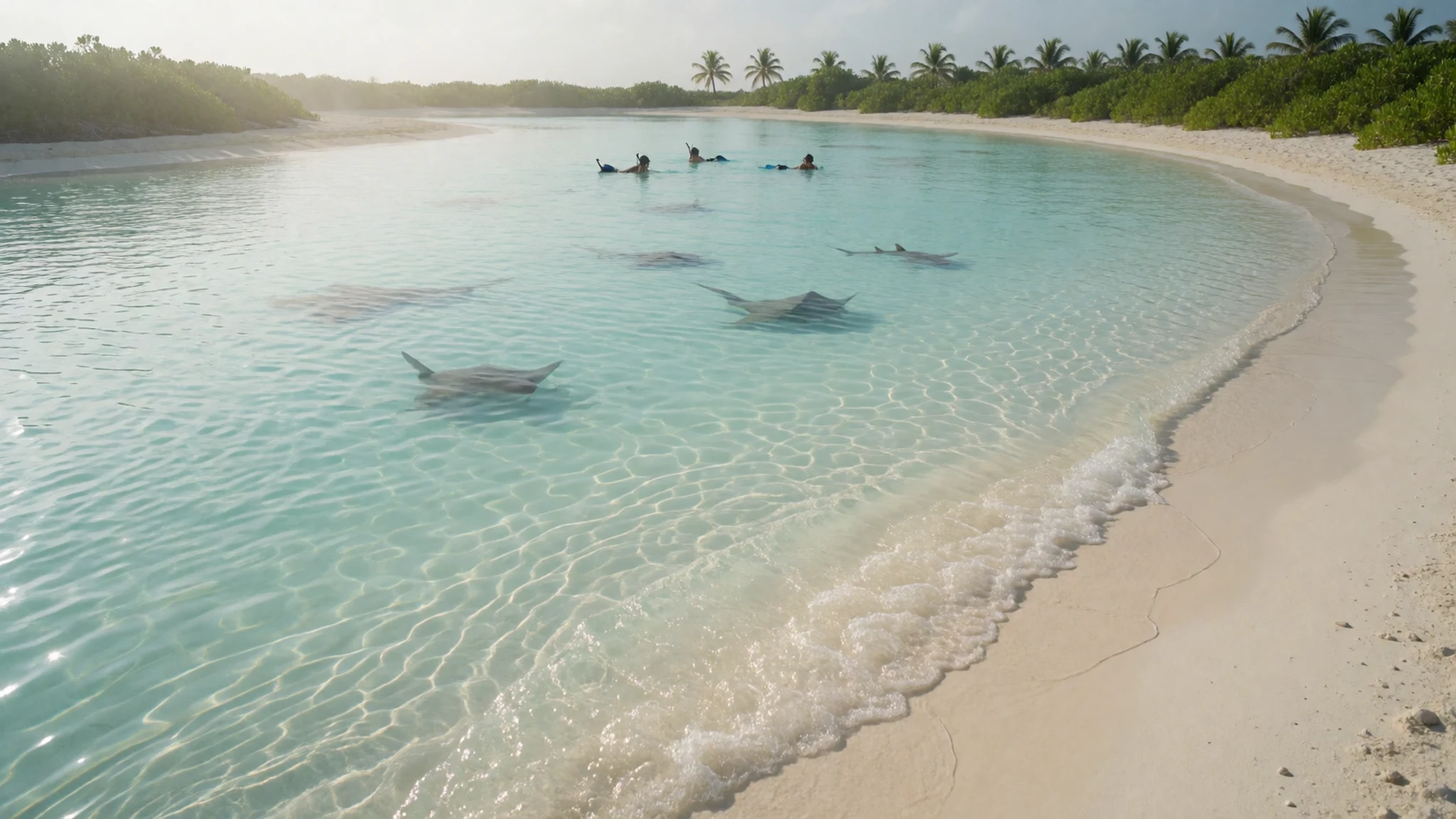
- Snorkelling the fringing reef — Sheltered bays on the island's reef edge
Fringing reef lies off several Lizard Island beaches, and snorkelling here is easy in calm conditions. Expect branching and plate corals, parrotfish, angelfish and small damselfish darting between heads of coral, and the occasional turtle. Tides and wind change visibility, so ask staff or rangers which side is sheltered that day, and wear a rash vest against sun and stingers.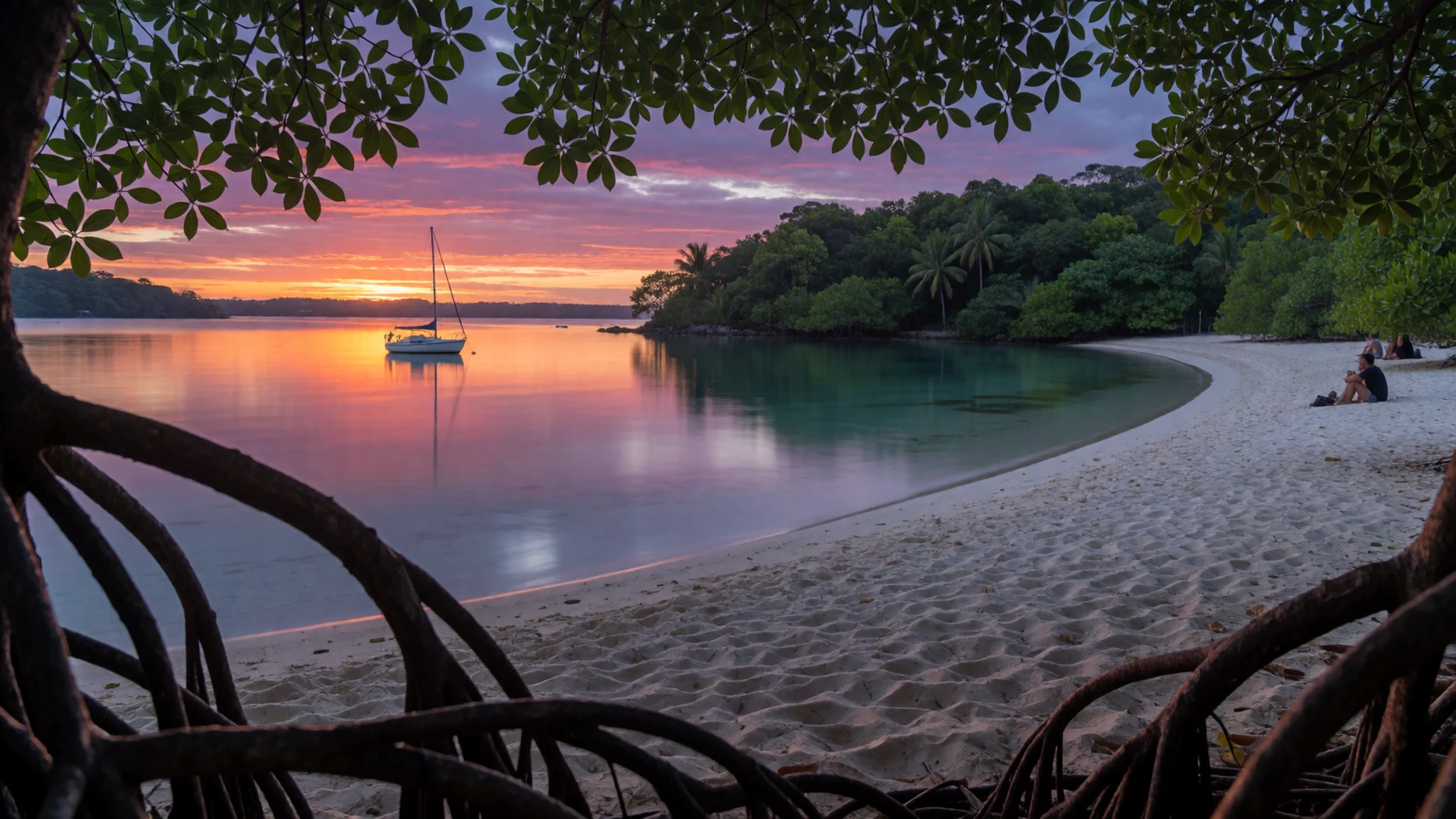
- Lizard Island Research Station — Southern side, near Anchor Bay
The Lizard Island Research Station is a working laboratory on the island's southern side, and it is not a visitor attraction, but its presence shapes the island. Scientists here study reef fish, corals and bleaching, drawing on the clear water and fringing reef. Visitors can read about the work online or ask rangers; do not wander on to the grounds without permission.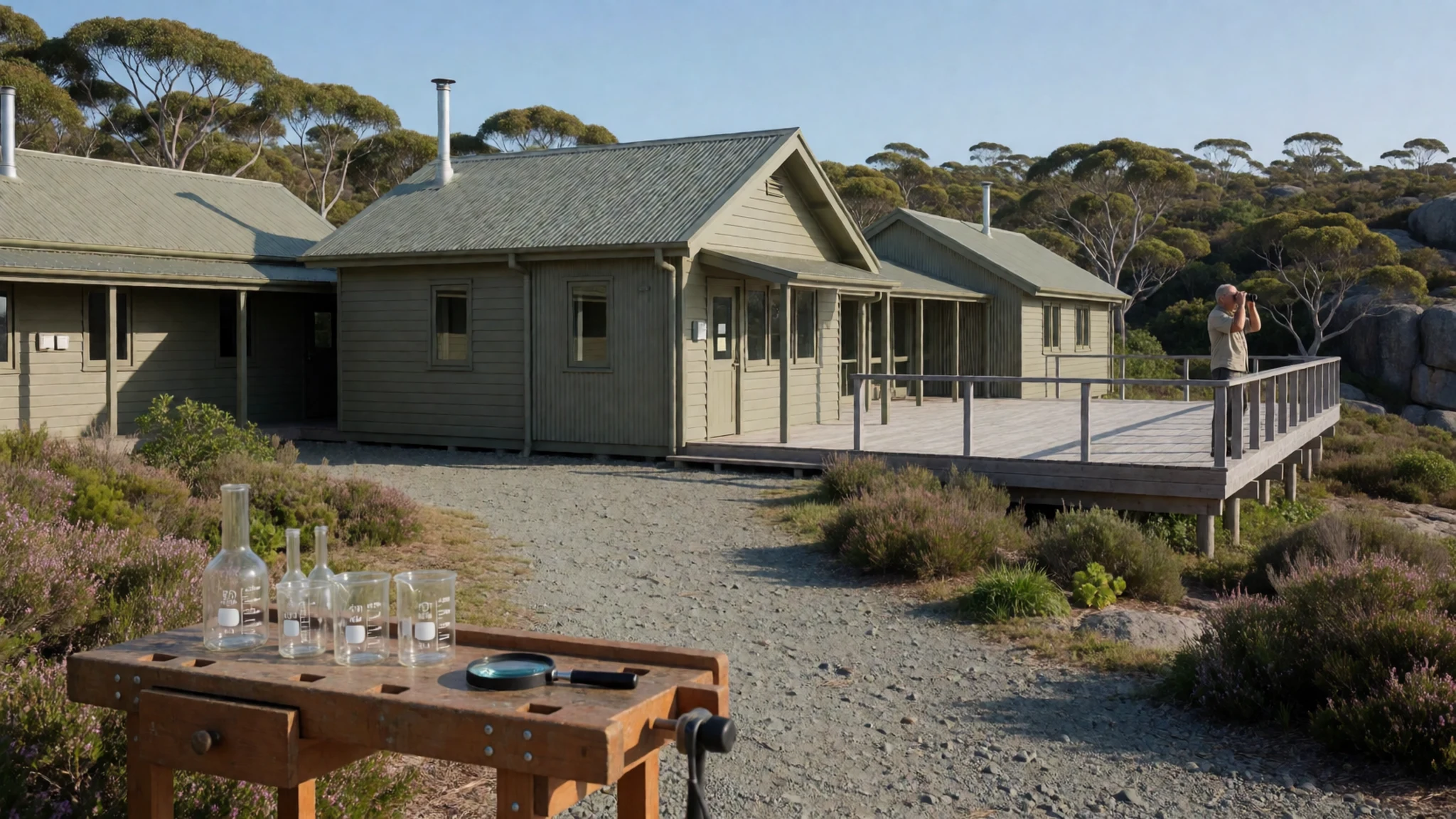
- The island's beaches — Around the island's coast
Lizard Island has a string of white-sand beaches, from the resort beach with Prince Charles Island in view to quieter bays reached by short walks or a boat trip. Coconut Beach suits swimming and picnics, while others see almost no footprints. Take shade, water and a hat, as little natural cover exists on some stretches.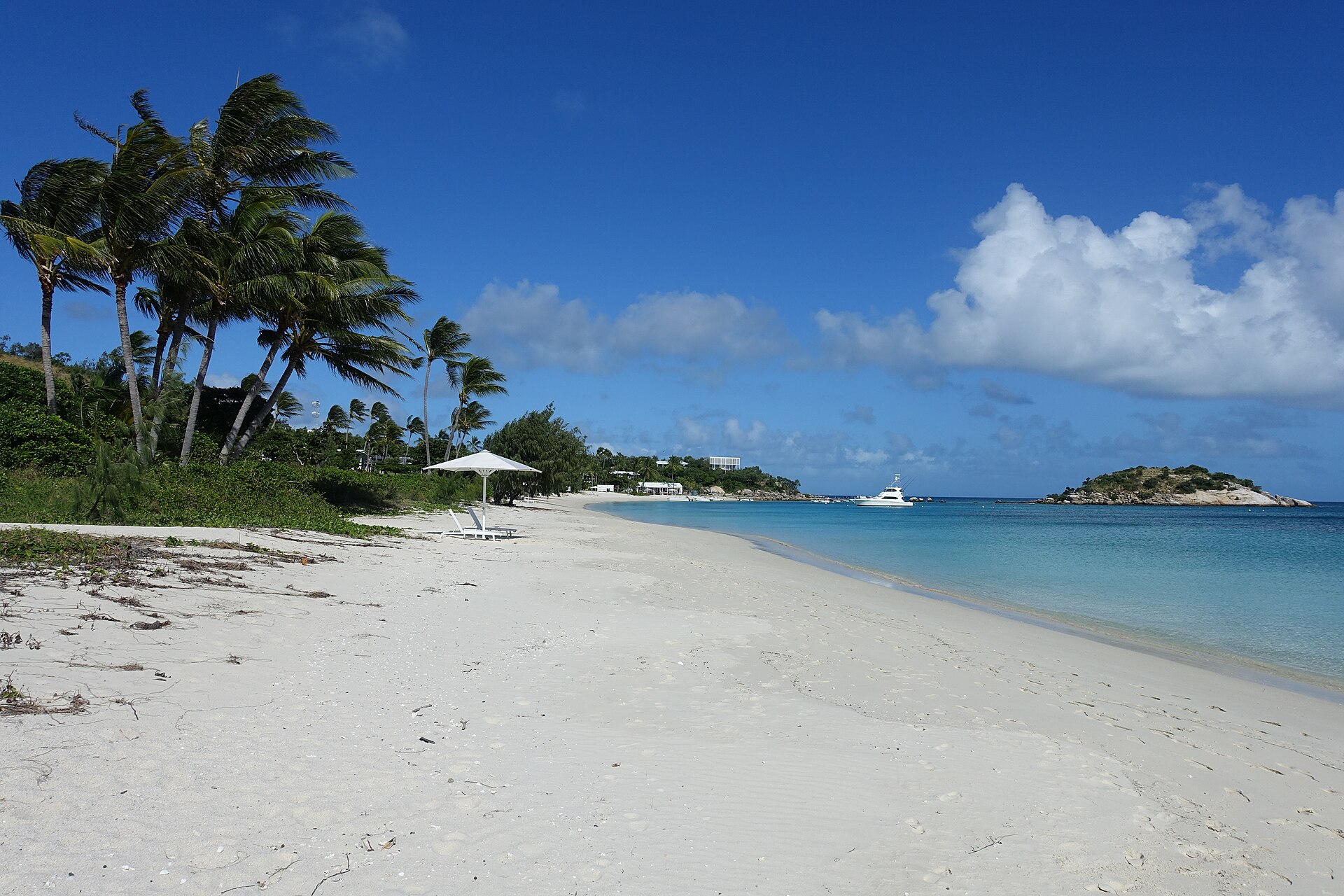
Culture
Lizard Island carries layers of culture that are easy to miss on a short stay. The first is Aboriginal: the island is Jiigurru in the local language and part of the Country of the Dingaal people. Visitors will mostly meet its stories through signs, rangers and the resort, and it helps to treat the place as living Country rather than scenery.
The second layer is maritime. Cook's passage, the sea-cucumber fishermen and the Mary Watson story all belong to a long history of ships working the northern reef, and coastal Queensland still depends on boats, fishing and tourism. Cooktown, the nearest mainland town, keeps much of that history in its museum and streets.
The third layer is scientific. Researchers have worked here for decades, so field biologists, with their early starts, tidy boats and careful notes on fish and coral, are part of island life. Australian outdoor manners apply: friendly, relaxed and direct, with a strong ethic of leaving no trace and looking out for others around water.
Keep to marked tracks, take all rubbish off the island, and never feed goannas or touch coral or turtles.
What to wear
Lizard Island has no single costume to point to, and visitors should not expect to see traditional dress in daily life. For the Dingaal and other Aboriginal peoples of Cape York, ceremonial dress historically drew on plant fibres, shell, feathers, ochre and body painting, and it belongs to ceremony and community rather than tourism. What people wear now is a tropical Queensland uniform: board shorts, sundresses, singlets, cotton shirts, rash vests, broad-brimmed hats and flip-flops, which Australians call thongs. Staff, rangers and researchers favour quick-dry shirts and sturdy sandals, and nobody dresses up in the evening, even at the resort.
A visitor's wardrobe should be built around sun, salt and heat. Pack light, loose cotton or linen, a long-sleeved sun shirt, a wide-brimmed hat with a chin strap, polarised sunglasses and reef-safe sunscreen. A rash vest or full stinger suit is worth bringing for snorkelling, especially in the hot, wet months when stinging jellyfish are around. Wear closed shoes with grip, such as trail trainers, for the walk to Cook's Look, where loose granite and hot sun make flimsy sandals a poor idea, and bring reef shoes for rocky shores. A light windproof layer helps on boat trips. No dress code applies at the island's historic sites, though modest, sensible clothing suits them.
What to eat
- Coral trout — Resort dining room; waterfront eateries in Cooktown and Cairns
Coral trout, grilled or pan-fried, features on many menus in far north Queensland. Its firm white flesh suits lime and a simple salad. Look for it in the resort dining room or at waterfront eateries in Cooktown and Cairns. - Barramundi — Pub-style eateries and harbourside takeaways in Cooktown; Cairns menus
Barramundi, a fish of rivers and estuaries across northern Australia, is usually served as a crisp-skinned fillet with chips and salad. Its flavour is milder than reef fish. Find it at pub-style eateries and harbourside takeaways in Cooktown, and on most Cairns menus. - Tropical fruit — Cairns fruit markets and roadside stalls
Tropical fruit such as mango, papaya, lychee, passionfruit and custard apple, in season, grows across far north Queensland and appears at breakfast, in smoothies and as picnic fruit. Buy it at Cairns fruit markets and roadside stalls before heading out, since the island has no shops of its own. - Prawns — Fish markets and seafood counters in Cairns; waterfront eateries in Cooktown
Prawns, usually cooked simply and served chilled with lemon, bread and butter, are a staple of Queensland seafood platters. Look for them at fish markets and seafood counters in Cairns, or on a shared platter at a waterfront eatery in Cooktown. - Meat pie — Bakeries in Cooktown and Cairns
A meat pie with tomato sauce is a classic Australian travelling snack, and bakeries in Cooktown and Cairns sell them hot. They pack well for the journey to the airstrip or marina.
Plan it
Best time. June to October is the drier, calmer season, with comfortable days and fewer stinging jellyfish, which makes it the easiest time for snorkelling and the Cook's Look walk. The hot, wet months from about November to April bring humidity, storms, cyclone risk and stinger season.
How long. 3–4
Getting there. Fly to Cairns, then take a light-aircraft flight over the reef to the Lizard Island airstrip; Cooktown is the nearest mainland town and some boat charters run from there. Check the operators' official sites for current services.
Budget. high
Tips
- Book flights and accommodation well ahead, as seats and beds on the island are limited
- Bring what you need, including sunscreen, medication, snacks and a card, as there are no shops
- Walk to Cook's Look early to avoid the heat, and carry plenty of water
- Ask staff or rangers about stingers and sea conditions before swimming in the hot, wet months
- Expect patchy mobile coverage and download maps and bookings before you leave
Etiquette
- Keep to marked tracks and take all rubbish with you
- Do not touch coral or turtles, and do not feed the goannas
- Respect Aboriginal Country and heritage sites, and follow signs and ranger advice
Nearby
Sources
- Wikidata: Lizard Island (CC0)
- Wikipedia: Lizard Island (CC BY-SA 4.0)
- Wikivoyage: Lizard Island (CC BY-SA 4.0)
- Wikimedia Commons: Lizard Island, Luka Peternel, 2018 (CC BY-SA 4.0)
- Wikimedia Commons: Angelfish and reef, Lizard Island (CC BY 2.5)
- Wikimedia Commons: Headspot Eviota, Lizard Island (CC BY 3.0)
Wildlife
- Monitor lizard (animal)
Monitor lizards are the big, sturdy lizards of the Varanus family, found across Africa, Asia and Oceania, and they gave Lizard Island its very name. The man who named it saw so many of them hurrying through the scrub that the label stuck. Look for them in the island's scrub. To watch well, keep a respectful distance, move slowly and speak softly, and ideally walk with a guide who knows them. Never feed them; wild lizards should stay wild.