Liwu River
Liwu River, Taiwan
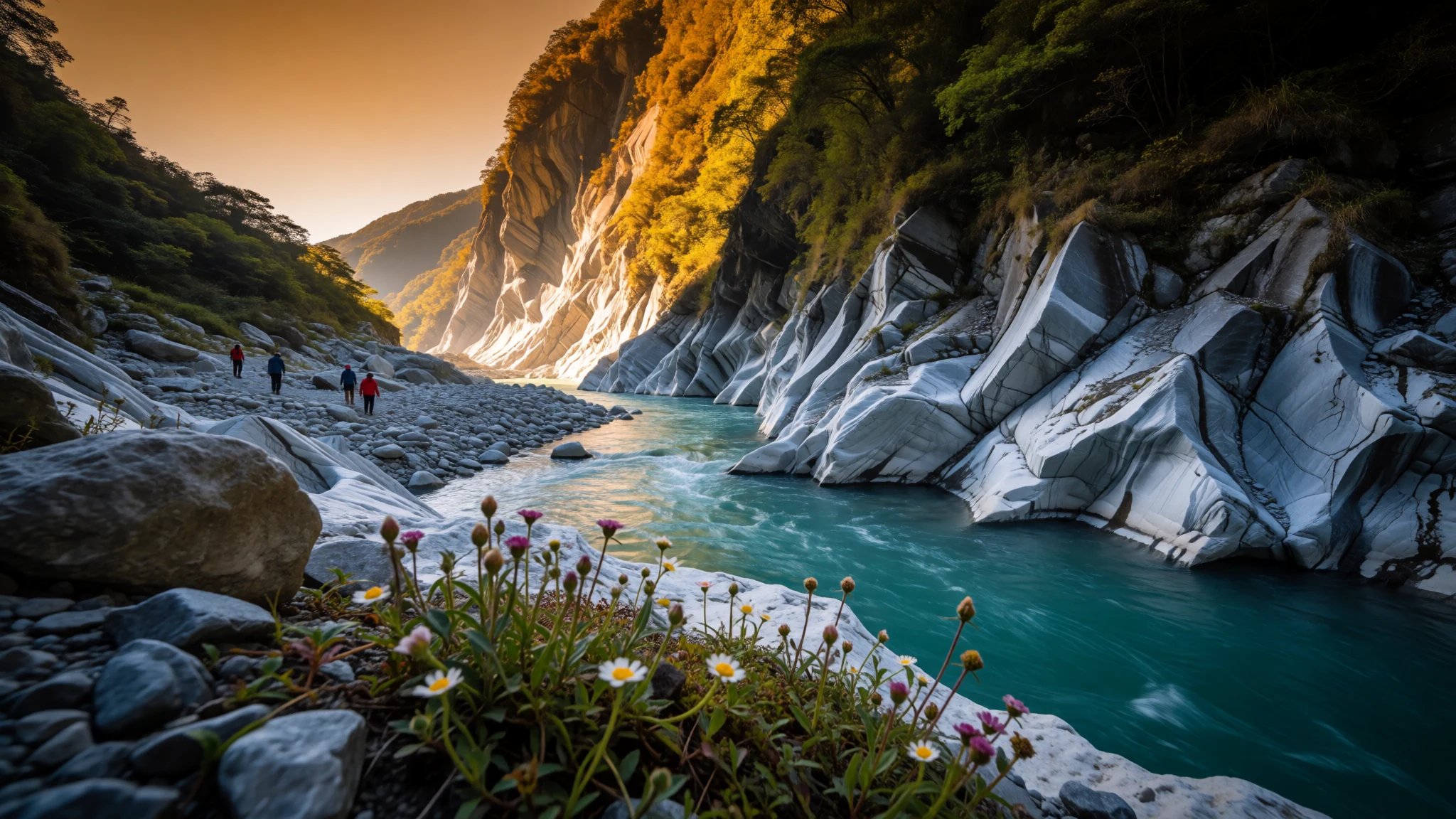
Liwu River carved Taroko's deep gorges on Taiwan's east coast, and following it from the Pacific estuary upstream makes the landscape easy to read.
The place
The Liwu River (立霧溪, Lìwùxī) runs entirely within Xiulin Township in Hualien County, on Taiwan's east coast, and it is the force behind the deep gorges of Taroko National Park. Nearly everything people come here for is its handiwork: the narrow, sheer-sided canyon, the pale boulders strewn along the bed, the pools that turn milky green after rain, and the broad gravelly delta where the water finally meets the Pacific. Upstream the valley is steep, forested and often wrapped in cloud. Downstream it opens into a wide floodplain with bridges, a railway line and a quiet coast. This is a working river, not a postcard. After typhoon rain it runs brown and violent, rockfalls close stretches of road, and trails can shut with little warning. In dry weeks it shrinks into braided channels between enormous stones, which shows how much rock it moves in a bad season. Visiting means following the water: starting at the estuary, taking a bus or driving up the gorge road, stopping at short walks cut into the cliff, and climbing towards the high terraces where the air is cooler. The scale is manageable enough for a single long day, but the landscape rewards slower travel, and two or three days give the weather room to change its mind. Hualien city, on the coast, is the usual base for exploring the valley.
Its story
The Liwu River valley has been lived in for a long time. The first settlers probably came about 1,300 years ago from the Shisanhang Culture of northern Taiwan, and fourteen ruins found near the river mouth are the evidence. These people smelted metal, made iron tools and also mined gold. That gold caught the attention of Spanish and Dutch forces in the colonial era, who recorded the river as Tackili and the surrounding country as Turoboan. A Spaniard, Domingo Aguilar, noted a tribe called the Parrougearon (also known as Mek-qaolin) living upstream, with three more groups, the Pabanangh, Dadangh and Torrobouan, near the delta. The Dutch sent several expeditions looking for gold but found little worth the effort. The next great movement came about 300 years ago, when a group of Taroko people left what is now Nantou County, crossed the Central Mountain Range and settled in the Liwu valley, pushed out by overcrowding at home. Their influence gradually reached the Pacific coast. That expansion ended with the Truku War against the Japanese, after which many of them were forced down onto the plains. The Japanese also built a path through the country to ease access, as part of their programme for governing the indigenous communities. Much of the human history here is a story of people crossing mountains for gold, land or control, with the river as the corridor.
What to see
- Liwu River estuary — Xiulin Township coast, near the river mouth
Where the river meets the Pacific, the gorge gives way to a wide, open delta of grey gravel and shallow braided channels. It is a good place to see the scale of material the river carries down from the mountains, and the light at sunrise is soft. Wind can be strong, so bring a layer.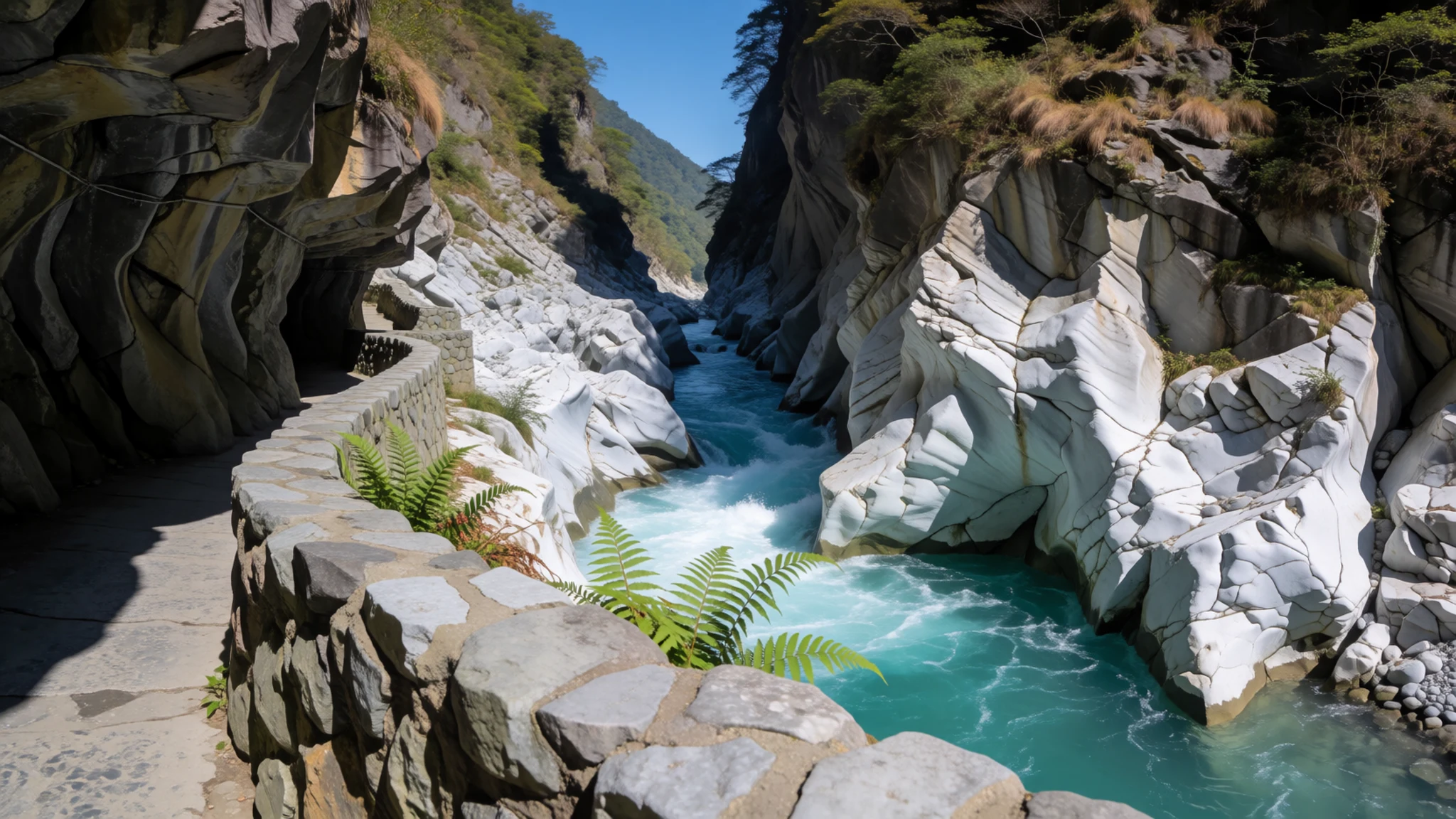
- Taroko Gate Bridge — Lower Liwu valley, near the park entrance
This bridge crosses the lower Liwu where the valley begins to narrow, and it works as a gentle introduction to the park. The view upstream shows the river bed, the first steep ridges and the road that leads into the gorge. It is easy to reach and makes a calm first stop.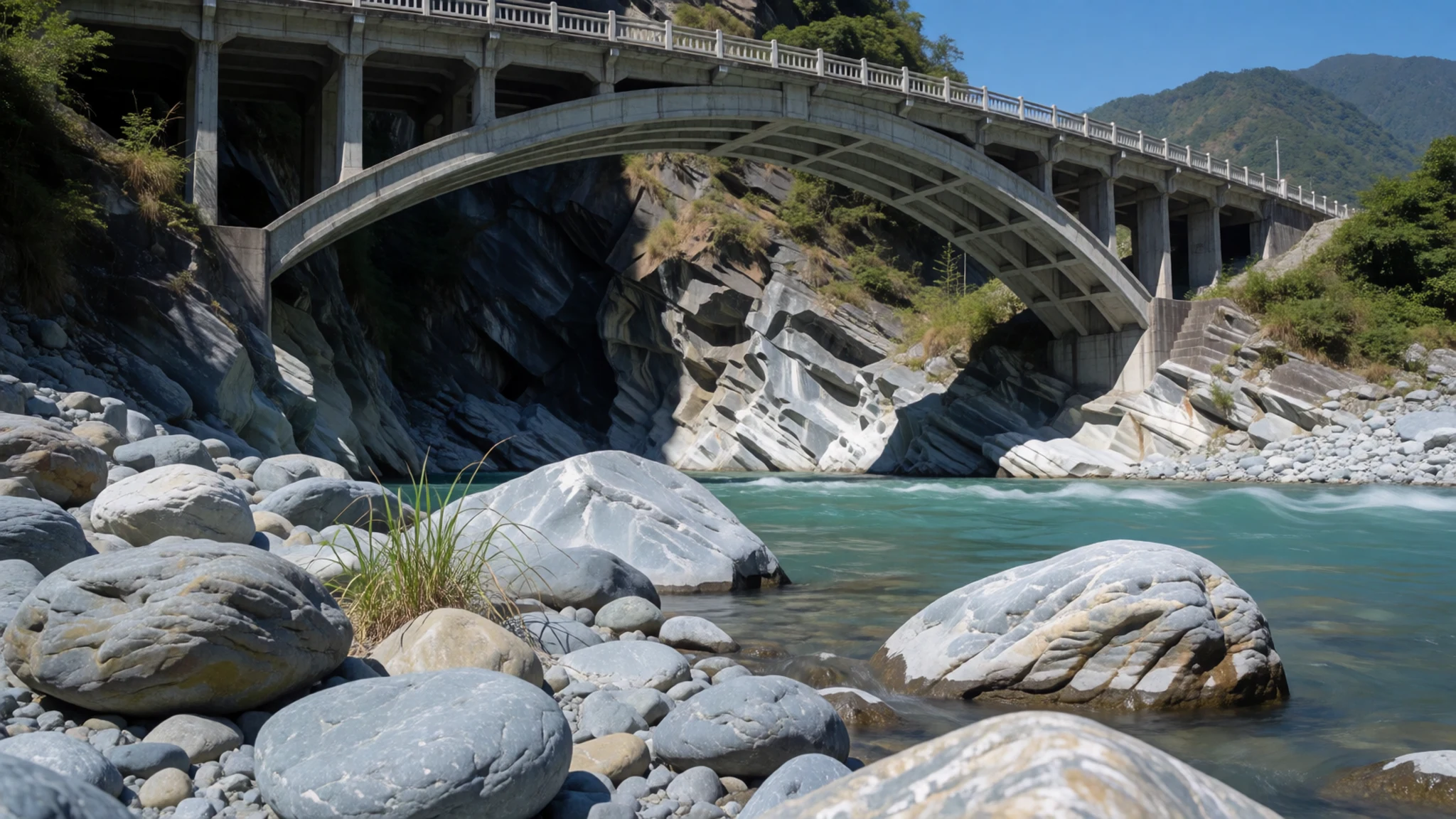
- The boulder-filled gorge — Taroko Gorge, upper Liwu valley
Higher up, the river squeezes between cliffs and the bed is littered with huge rounded stones washed down in floods. Short walkways cut into the rock let visitors look straight down at the water. Check for rockfall closures before setting out, and follow any instruction to wear a helmet.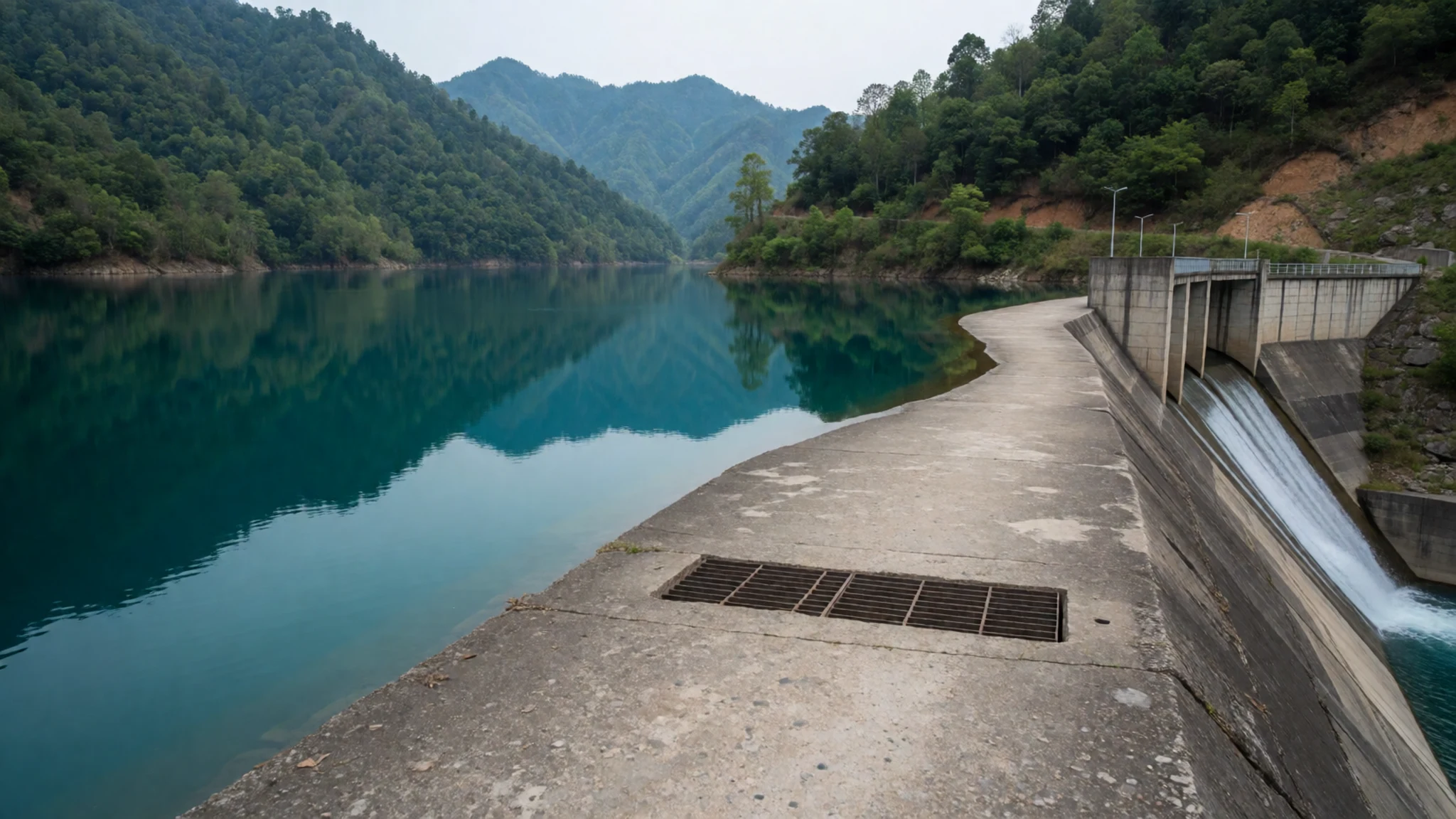
- Xipan Dam reservoir — Inside Taroko National Park
A small dam on the Liwu inside the national park holds back a calm stretch of water, a contrast with the roaring river below. It is mainly of interest for how it shows the river being used as well as admired. Access and viewing conditions can change, so ask at the visitor centre.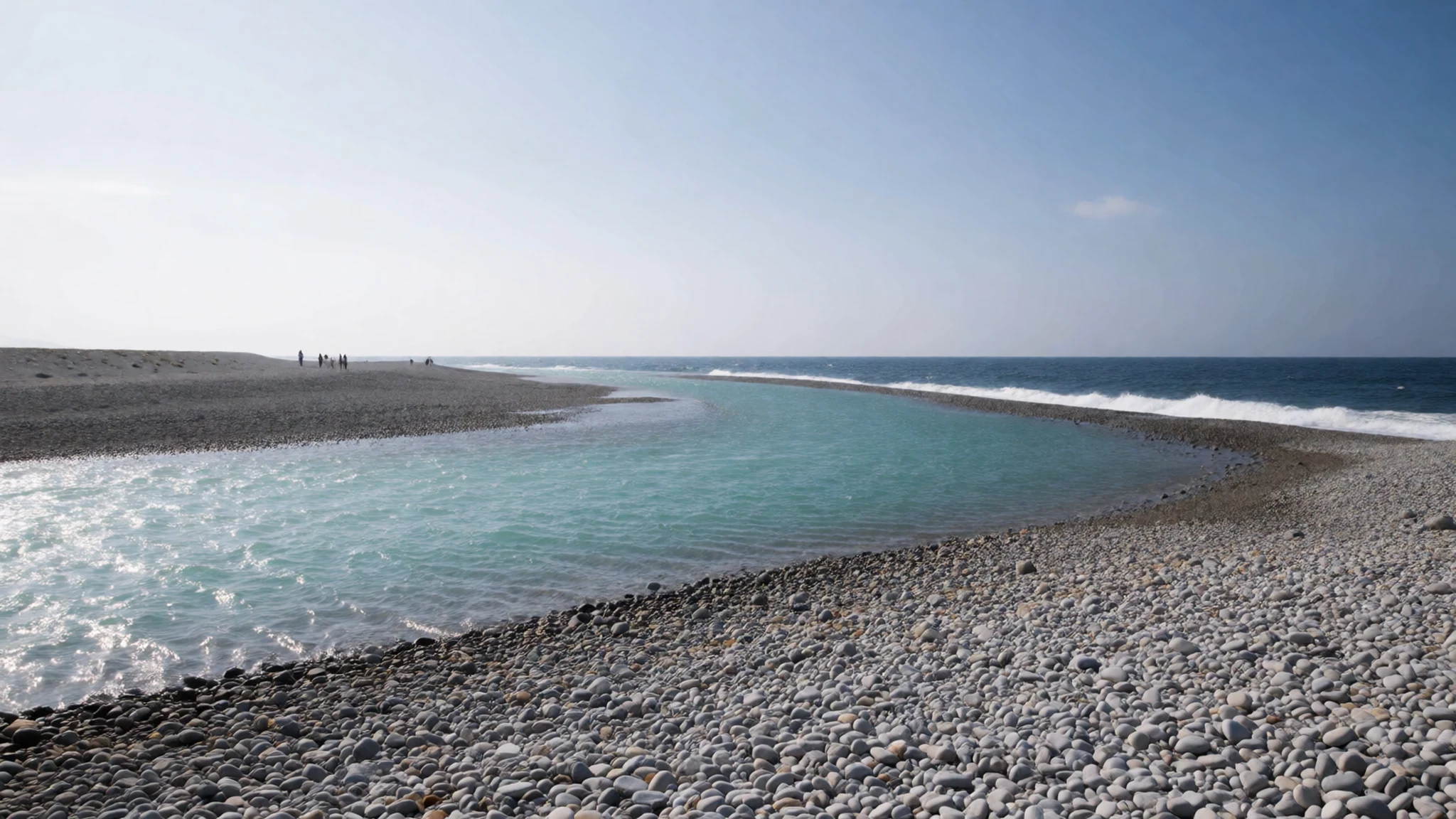
- Tiansiang terraces — Tiansiang, upper valley
Tiansiang is a small mountain tourism settlement above the Dasha River valley, a tributary area of the Liwu catchment. From the pagoda viewpoint the terraces and the valley below spread out in layers. It is cooler than the coast, which is a relief on hot days.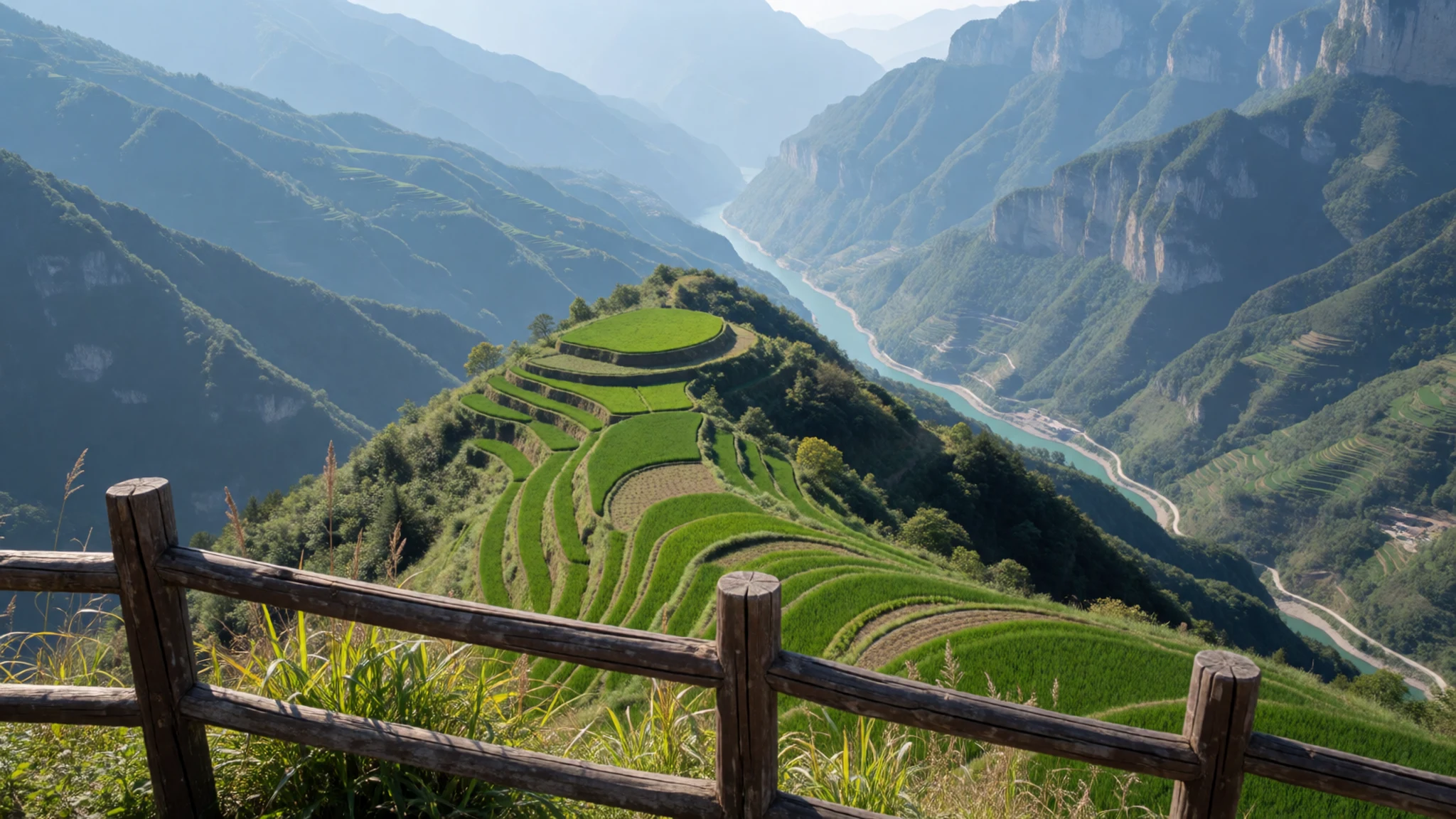
Culture
The culture of the Liwu River valley is closely tied to the Taroko people, who came across the Central Mountain Range into this valley and made it their home. The river and the gorge are not only scenery but a homeland, and many place names and family histories in the area go back to this community. Weaving, hunting traditions and a strong sense of community law and obligation have long been part of Taroko life, and these are still taught and celebrated in the villages around the park. The Truku War and the period of Japanese control left a mark on memory, and many families have stories of relocation to the plains. Today indigenous guides, craft makers and cooks are an important part of how visitors experience the valley, and choosing to spend money with them helps keep that knowledge in the community. Other residents of Hualien County, including Hakka, Hoklo and later arrivals from across Taiwan, share the area, so everyday life is mixed. Temples and small shrines dot the roadsides and cliff faces, some commemorating those who built the roads through the gorge. Visitors will find that most people are relaxed and welcoming, but it is polite to treat village spaces as homes rather than attractions. Always ask before photographing people, their homes or their craft work, and respect any sign asking visitors to keep out of a private or ceremonial area.
What to wear
In the Liwu River valley, traditional Taroko dress is best known for woven cloth, made on backstrap looms in natural fibres such as ramie, often in bold geometric patterns of red, white and black. Garments and woven bands are most often worn today at festivals, ceremonies and cultural performances, and finished pieces are sold by local craftspeople. Day to day, people in Hualien County dress as elsewhere in Taiwan: light cotton and synthetic clothes, sun hats and visors in summer, rain jackets and fleeces when the mountains turn cool and wet. Many locals riding scooters carry a waterproof layer at all times. Visitors should dress for a mountain gorge near the sea. Quick-drying trousers or shorts, a light long-sleeved top against sun and scrapes, and a packable waterproof are all sensible. Shoes need good grip, because paths can be wet and polished by many feet; trainers with a firm tread are fine for the short walks, while longer trails call for proper walking shoes. Sun protection matters in the lower valley, and a warm layer helps higher up. Modesty rules are relaxed, but small shrines and village events call for covered shoulders and knees as a courtesy. Check whether a helmet is lent or required before entering a trail with rockfall risk.
What to eat
- Hualien wonton soup — Small soup eateries around Hualien city centre
A light broth with thin-skinned pork wontons, eaten as a simple breakfast or snack. It is a local staple in Hualien city and a good fuel before a day in the gorge. Portions are modest, so many people add a side dish.
- Hualien mochi — Shops and stalls near Hualien railway station
Chewy rice-flour sweets filled with peanut, sesame or red bean and often dusted with powder. They travel well and are popular as gifts. Eat them fresh if possible, since they harden within a day or two.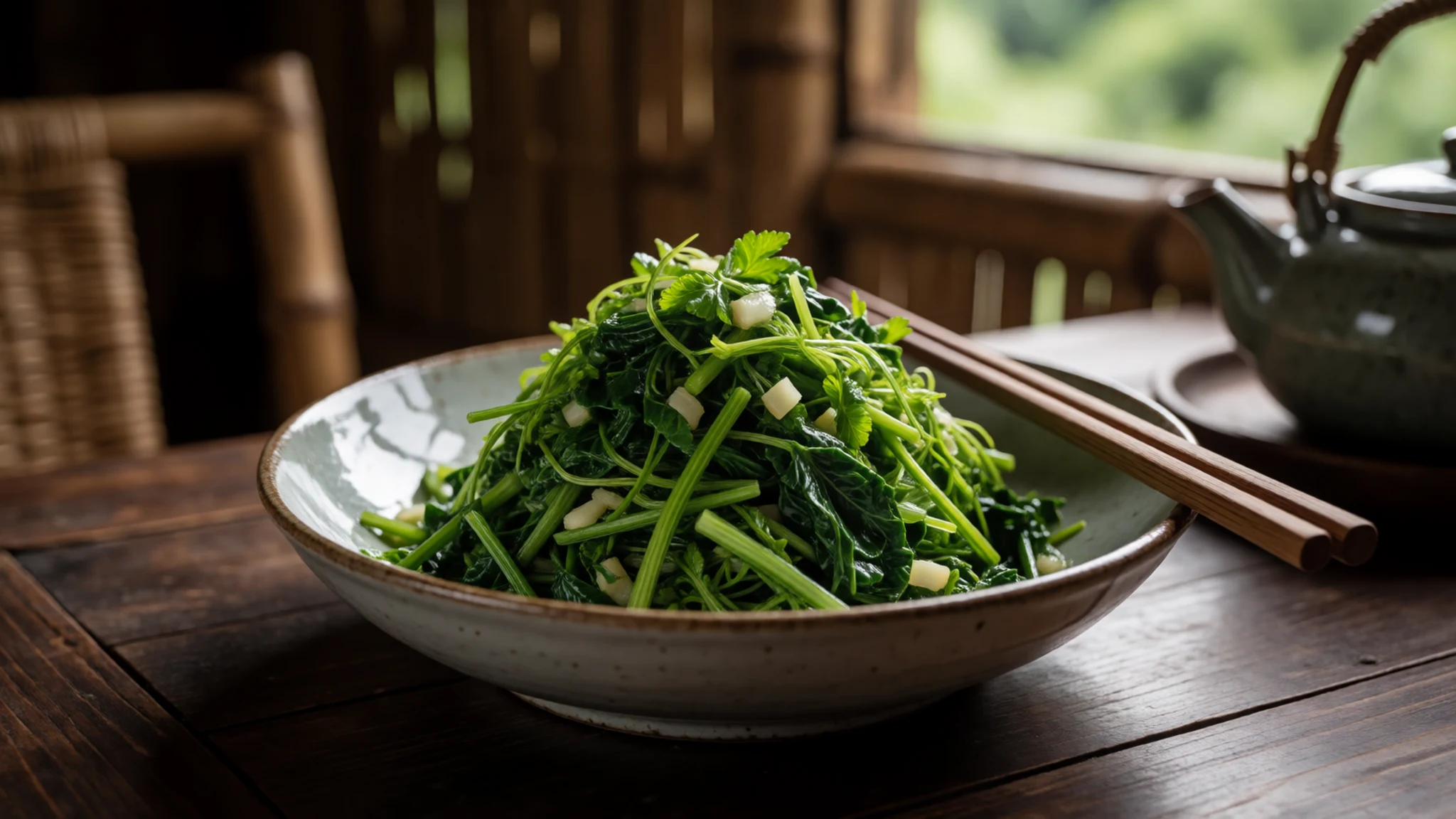
- Bamboo-tube rice — Roadside stalls and indigenous-run eateries near Taroko
Sticky rice cooked in a length of bamboo, which gives it a light, grassy fragrance. It is a traditional indigenous way of preparing a portable meal and is sold at roadside stalls near the park, often with grilled meat on the side. - Stir-fried wild greens — Indigenous-run restaurants in the villages near the park
Mountain and river-bank vegetables, fried quickly with garlic and a little salt, are a common part of indigenous meals in the area. Flavours are fresh and slightly bitter. Ask what is in season. - Millet wine — Village festivals and indigenous-run eateries
A cloudy, mildly sweet drink made from millet, long part of Taroko celebrations and hospitality. It is often served in small cups at festivals and in some village eateries. It is stronger than it tastes, so go slowly, especially before any mountain road journey.
Plan it
Best time. March–April and October–November, when the weather is usually mild and the gorge is pleasant to walk. Summer is hot and humid with afternoon storms, and typhoon rain can bring landslides and closed roads, so check conditions before travelling.
How long. 2–3
Getting there. Fly to Taipei, then take a fast train down the east coast to Hualien or Xincheng station. From there use a taxi, tour bus or rented scooter or car for the last leg up the gorge road. Taroko-bound buses and taxis can also be arranged in Hualien city.
Budget. mid
Tips
- Check the national park website for trail and road closures before each day, as rockfall and weather can change plans quickly
- Start early to find quieter trails and softer light, especially at the gorge, which gets busy with tour groups later in the morning
- Carry cash for small stalls and village eateries, since card payments are not always accepted
- Bring water, rain gear and a sun hat, and wear shoes with good grip
- If you plan to walk longer trails, ask whether a permit is needed and book it in good time
Etiquette
- Ask before photographing people, homes or craft work, especially in indigenous villages
- Stay on marked paths and obey closure signs, which are there for rockfall safety
- Take all rubbish with you and keep noise low near shrines and quiet viewpoints
Nearby
Sources
- Wikidata Q11598263 (CC0)
- Wikipedia — Liwu River (rev 1367595841) (CC BY-SA 4.0)
- Wikivoyage — Taroko National Park (CC BY-SA 4.0)
- Photo: 立霧溪 Liwu River (lienyuan lee) (CC BY 3.0)
- Photo: Looking over Tiansiang (Yiken) (CC BY 3.0)
- Photo: View of the Taroko Gate Bridge (Dquai) (CC BY-SA 4.0)
- Photo: Hsipan Dam Reservoir (David 75610) (CC BY 3.0)
- Photo: 立霧溪 Liwu River (lienyuan lee) (CC BY 3.0)
- Photo: Taroko Gorge (Jeff Knezovich) (CC BY-SA 2.0)
- Photo: Estuary of the Liwu River (Taiwankengo) (CC BY-SA 4.0)
- Photo: Estuary of the Liwu River (Taiwankengo) (CC BY-SA 4.0)


