Little Thatch Island
Little Thatch Island, United Kingdom
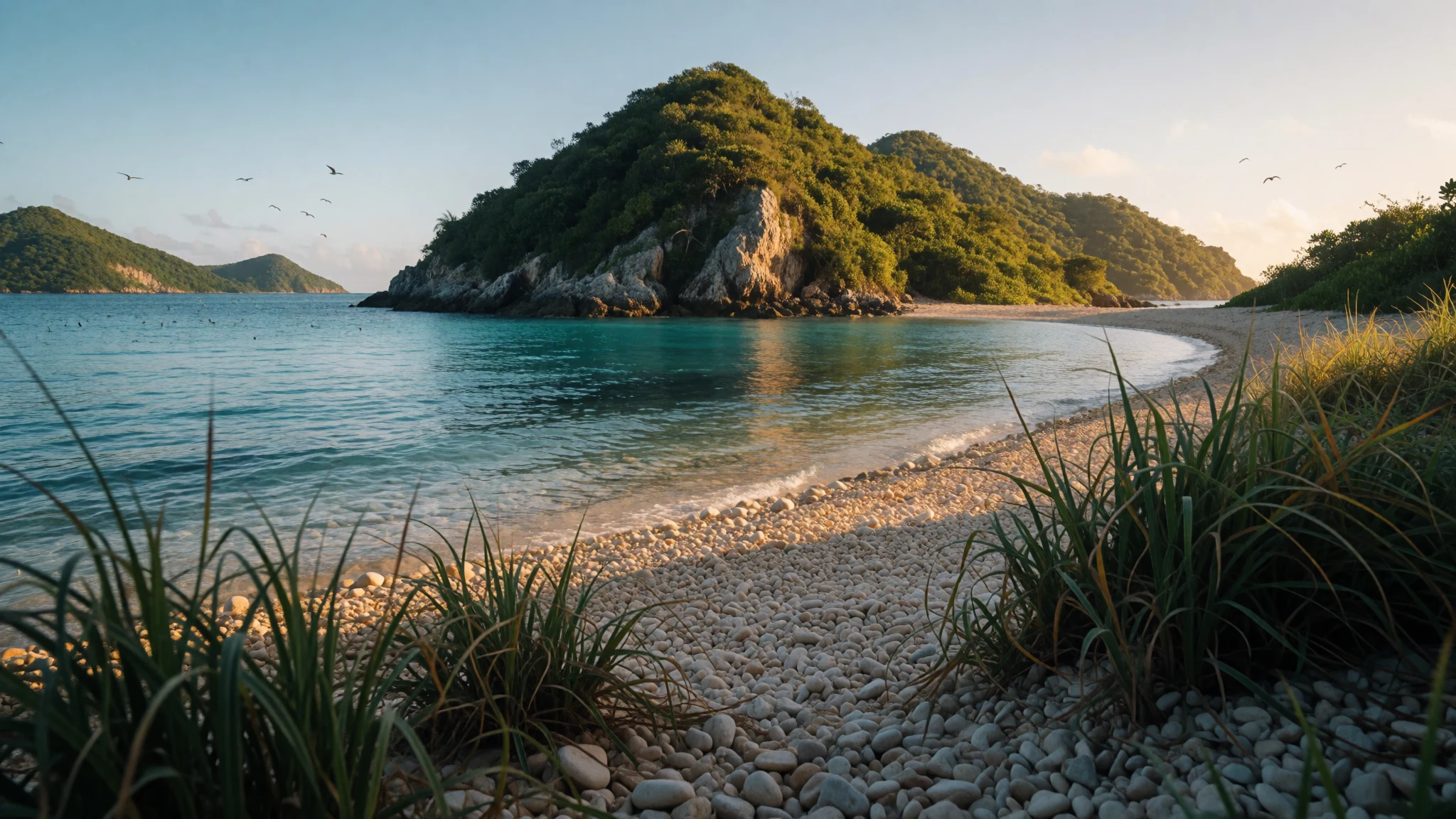
Little Thatch Island is a small private Caribbean island, best seen from a boat, with pirate-flavoured history and calm blue channels around it.
The place
Little Thatch Island is a small, privately owned island in the British Virgin Islands, in the eastern Caribbean. It lies just off the western tip of Tortola, separated from it by a narrow strip of water, and the American island of Saint John sits close by to the south-west. So the island belongs to a busy cluster of channels, cays and anchorages rather than an isolated outpost. The land rises to about 77 metres, enough for a low, scrubby ridge with views across the surrounding sea. A resort has been built on it, and that is the main thing to understand: this is not a public beach or a national park, and landing is a matter for the owners, not for casual day-trippers. The island belongs to the owners of the outdoor-products company OtterBox, who bought it from the couple who held it before. Wildlife is modest and easy to miss. The best-documented resident is the big-scaled least gecko, a tiny lizard of leaf litter and dry scrub. For most travellers Little Thatch is something to look at rather than visit: a green profile glimpsed from a ferry, a sailing boat or the Tortola shore, among neighbouring islands that are far easier to step onto. There is no waterfall or lake here; the interest is the sea around it, and the way a small private island sits so close to a working harbour.
Its story
Little Thatch Island has a short written history, and much of its character comes from a name and a change of ownership. The name is usually linked to Edward Teach, the pirate known as Blackbeard. That link is a good story rather than a settled fact, because historians find scant proof that he ever worked these particular waters. It is best treated as local colour. What is better documented is how the island reached its present form. It was held privately by John and Jill Maynard, who developed a small resort on it. It then passed to Curt and Nancy Richardson, the owners of OtterBox, who now hold the property. That sequence helps explain why an island so near a busy harbour feels quiet: private ownership is a large part of the reason it has stayed uncrowded. The wider setting is the north-eastern Caribbean, where small cays like this one are now valued by sailors, charter crews and resort guests. Little Thatch sits at that meeting point of boats, money and legend. Its pirate name is a reminder of how strongly the region's identity is tied to buccaneer tales, even where the archive is thin. Anyone reading about the island should expect the legend to be bigger than the evidence, and the present-day story to be mostly about land, boats and ownership.
What to see
- Little Thatch from the water — The channel off western Tortola
The clearest view of Little Thatch Island is from the sea, where its low, green ridge rises to about 77 metres above the water. Ferries, charter boats and the Tortola shoreline all give a look. Binoculars help, because the resort is discreet and mostly hidden among scrub and trees.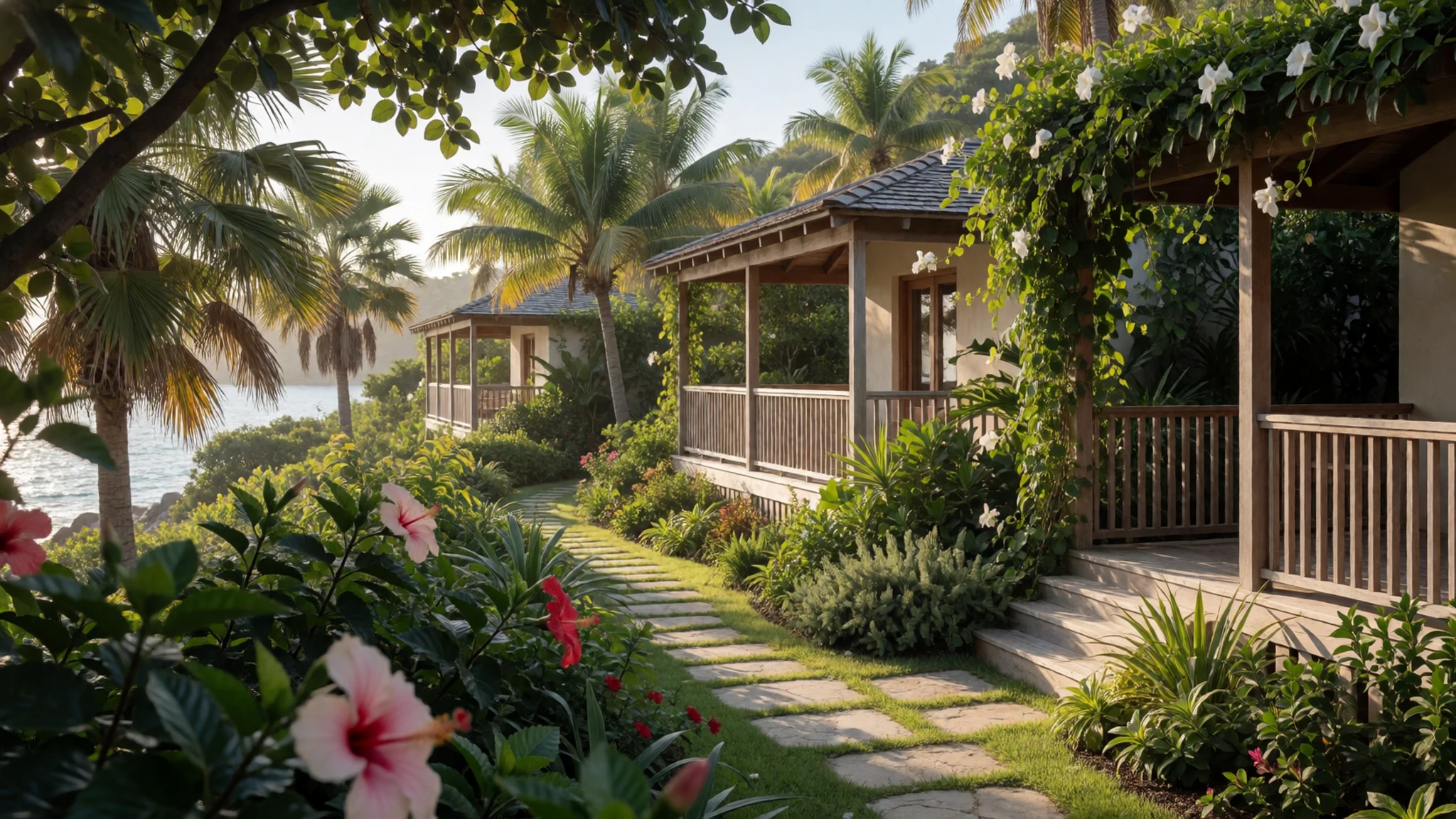
- Soper's Hole, Tortola — West End, Tortola
Soper's Hole is the harbour at the western tip of Tortola, directly across the narrow channel from Little Thatch. It is a working port with ferries, customs, small shops and cafés, and a natural place to pause before heading out. Go early for calmer water and softer light, and check the ferry operators' own sites.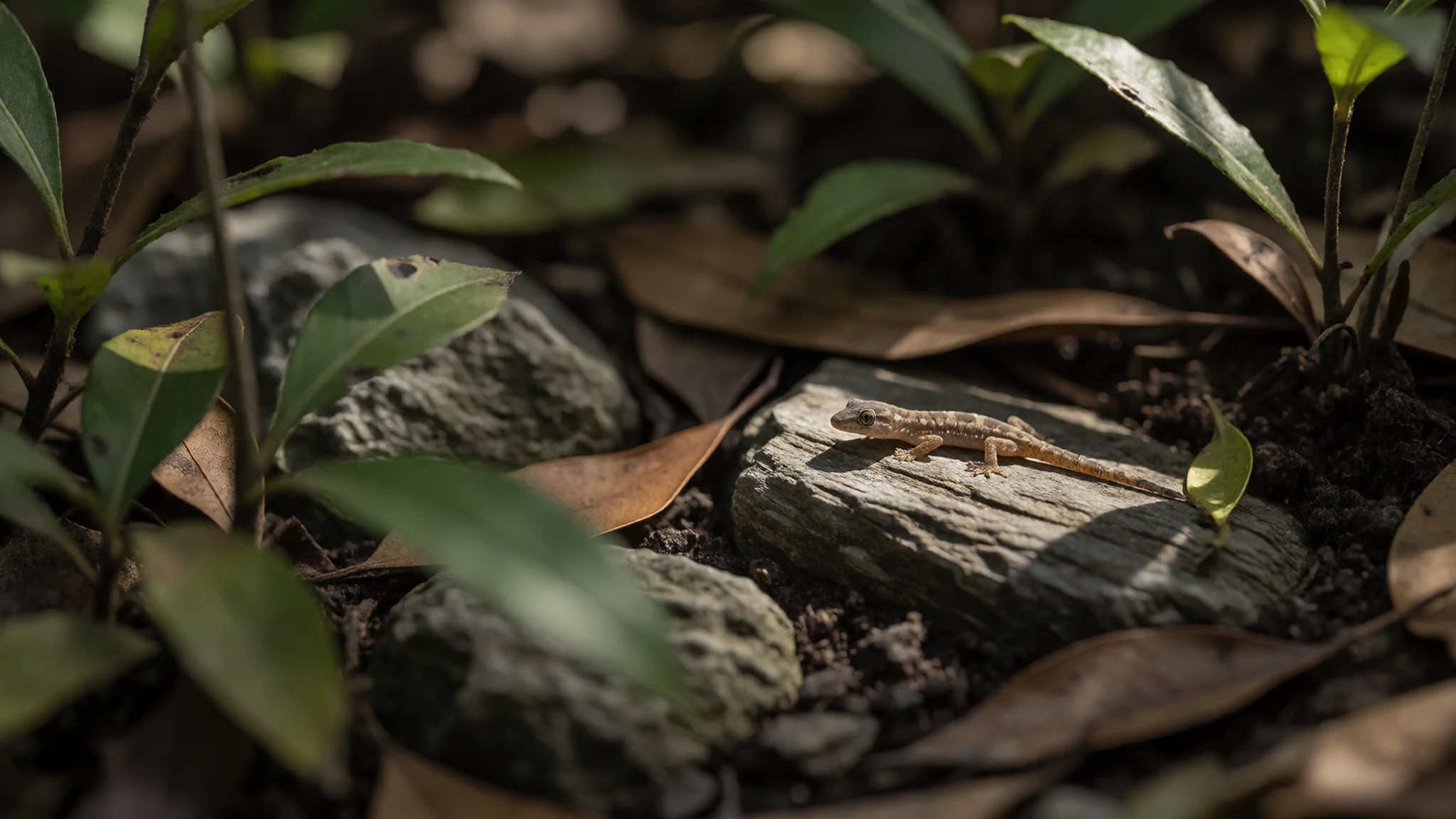
- Great Thatch and Frenchman's Cay — Western Tortola waters
Great Thatch Island, the larger neighbour, and the small shore around Frenchman's Cay frame the same stretch of water. They are best appreciated from a boat, as green headlands and quiet coves. Sailing crews use the area as a sheltered passage, so expect plenty of masts on clear winter afternoons.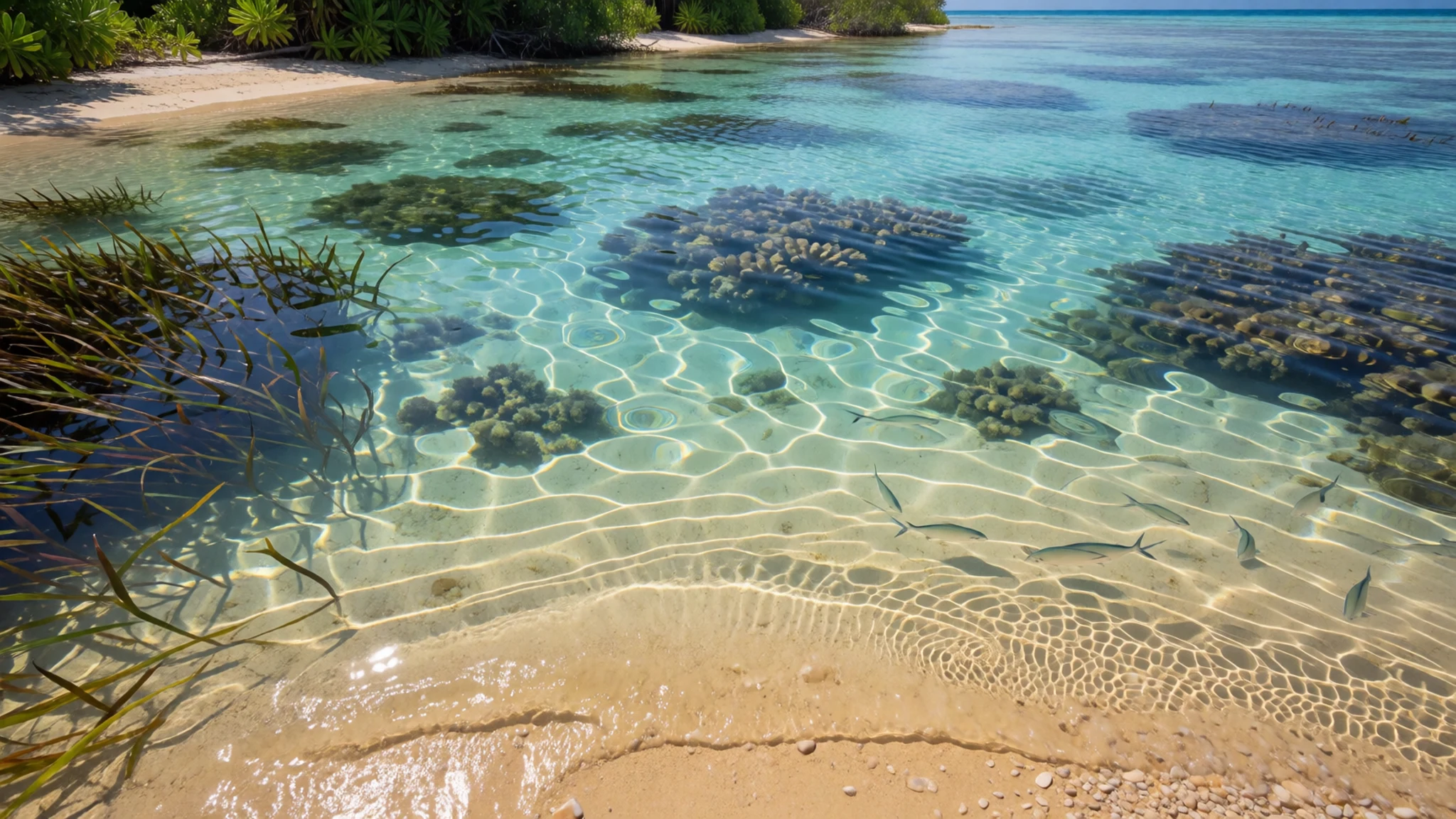
- Jost Van Dyke — North-west of Tortola
A short sail to the north-west lies Jost Van Dyke, a small island known for its beach bars and relaxed anchorages. It is far easier to visit than Little Thatch and gives a feel for the social side of sailing here. Weekends and holiday periods are busier, so go midweek for more space.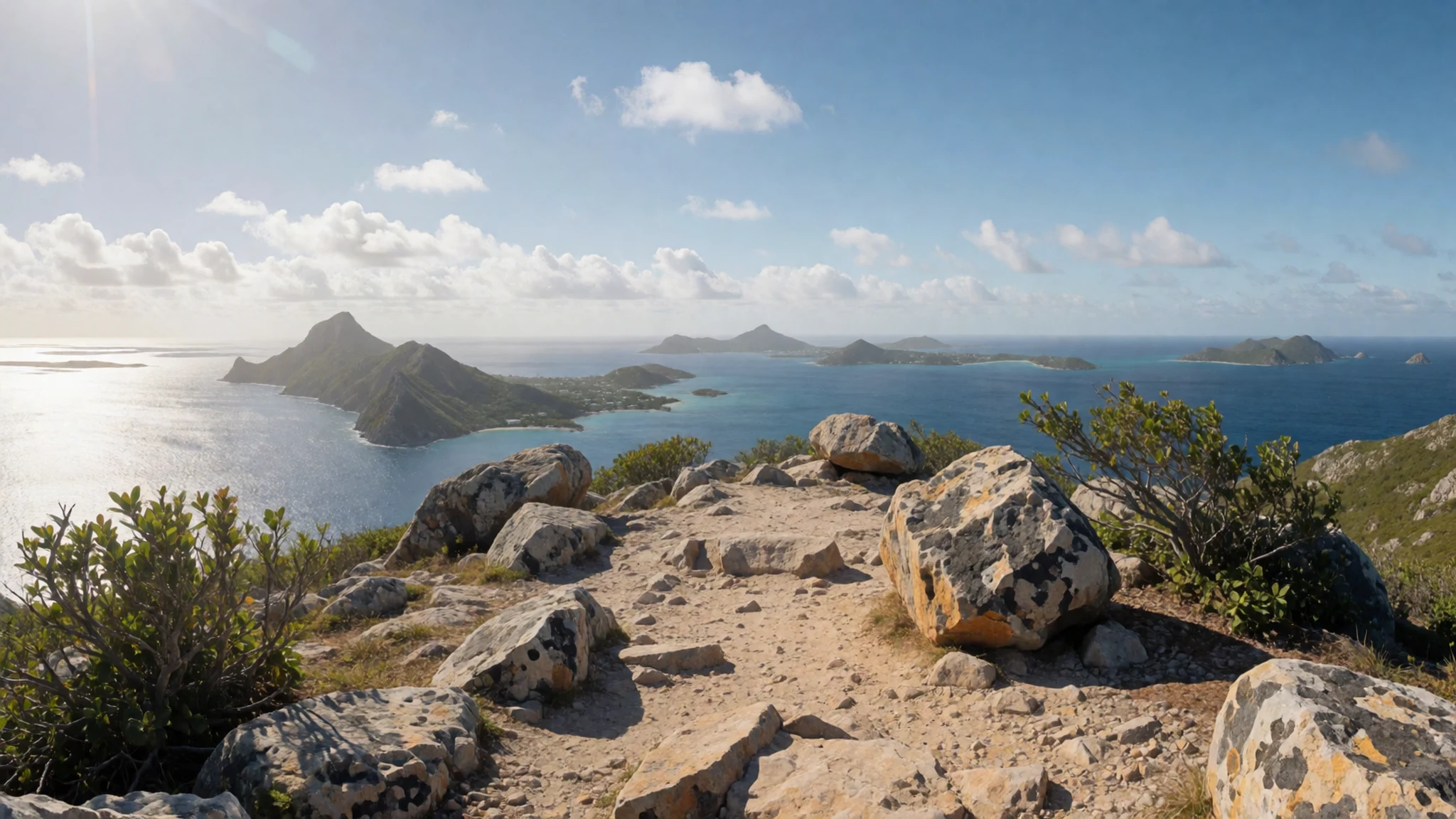
- Saint John, US Virgin Islands — South-west across the channel
Saint John lies across the water to the south-west, in a different territory with its own border formalities. It is known for its beaches and walking trails, and makes a good contrast with the quieter British side. Anyone crossing needs a passport and should check the entry rules for their nationality well ahead.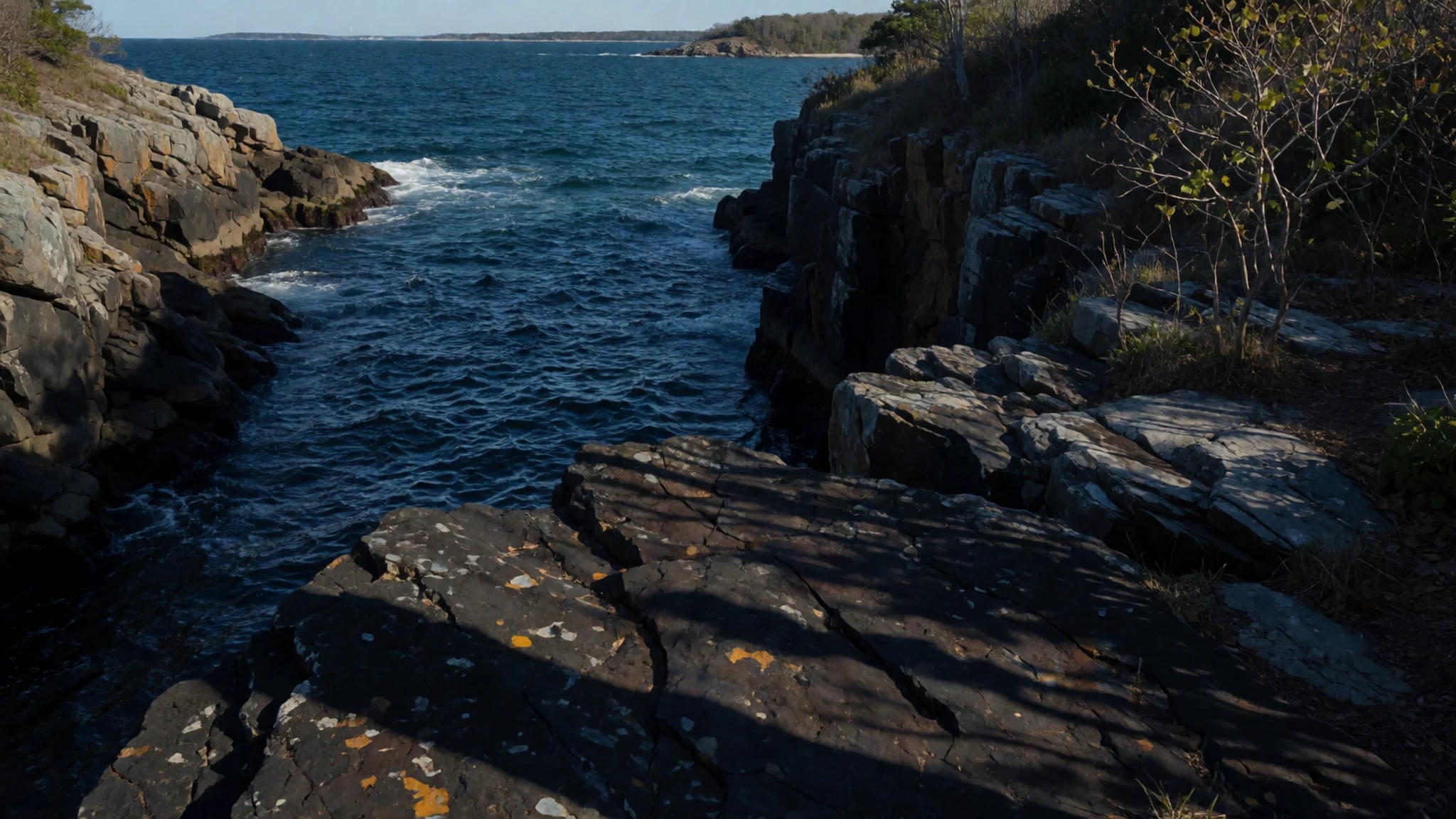
Culture
Little Thatch Island sits within the culture of the British Virgin Islands, where British institutions and West Indian daily life have blended for generations. English is the everyday language, traffic keeps to the left, and the working rhythm follows the sea: sailing, fishing, boat repair and the charter trade shape much of the local economy. Churches matter in village life on Tortola, and Sundays are quieter than the rest of the week. Music runs through celebrations, from reggae and soca to the older fungi bands, which play a washboard, a gourd and a triangle alongside other homemade instruments. The island itself has little public cultural life, because it is private and run as a resort, so the best way to understand it is through the neighbouring communities at the west end of Tortola. A greeting is expected before any request, and a polite good morning or good afternoon goes a long way. Pirate imagery fills shops and bar names, but it is mostly theatre for visitors rather than history. Do not land on Little Thatch or tie a boat to its shore without the resort's permission, since it is private property.
What to wear
Little Thatch Island has no dress code of its own, so the clothing story belongs to the wider British Virgin Islands and the Caribbean. Traditional dress for festivals draws on madras, a bright checked cotton, made into skirts, headwraps and shirts, and on the quadrille costume, a full cotton dress worn for heritage dances. These are seen on festival days and at cultural events rather than every day. Everyday wear now is practical and light: linen or cotton shirts, shorts, sundresses, swimwear and sandals, with boat shoes among sailing crews and sun hats or caps almost everywhere. Smarter resort evenings call for a collared shirt or a simple dress rather than a suit. A visitor should pack for strong sun and salt water: light long sleeves, a wide-brimmed hat, polarised sunglasses and reef-safe sunscreen. Soft-soled deck shoes protect boat surfaces and grip wet decks, while sandals with a strap suit rocky landings. In villages, churches and restaurants, cover swimwear with a shirt or wrap, since walking through a town in a bikini or bare-chested is considered disrespectful. A light waterproof layer helps on ferries, where spray can soak a seat, and in wetter months short heavy showers pass quickly.
What to eat
- Fish and fungi — Local eateries in Road Town and the west end of Tortola
The British Virgin Islands' signature plate pairs fish, often in a savoury tomato and onion sauce, with fungi, a firm cornmeal and okra mash. It is simple, filling and best eaten at a local eatery rather than a resort dining room.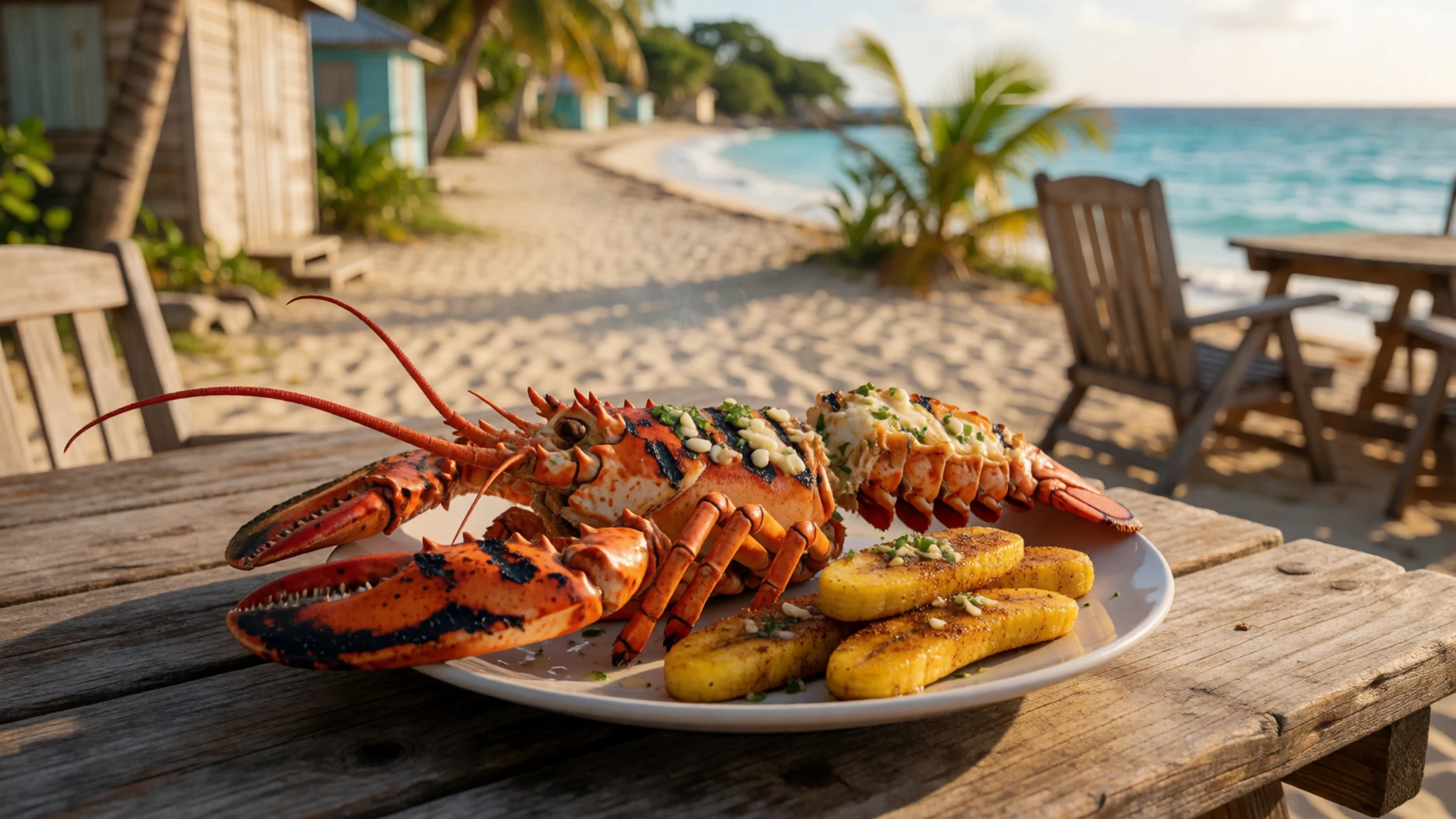
- Conch fritters — Beach bars and harbourside cafés around Soper's Hole and Jost Van Dyke
Conch is chopped and folded into a seasoned batter, then fried until crisp outside and chewy within. They are usually served with a spicy dipping sauce and make a good starter or beach snack.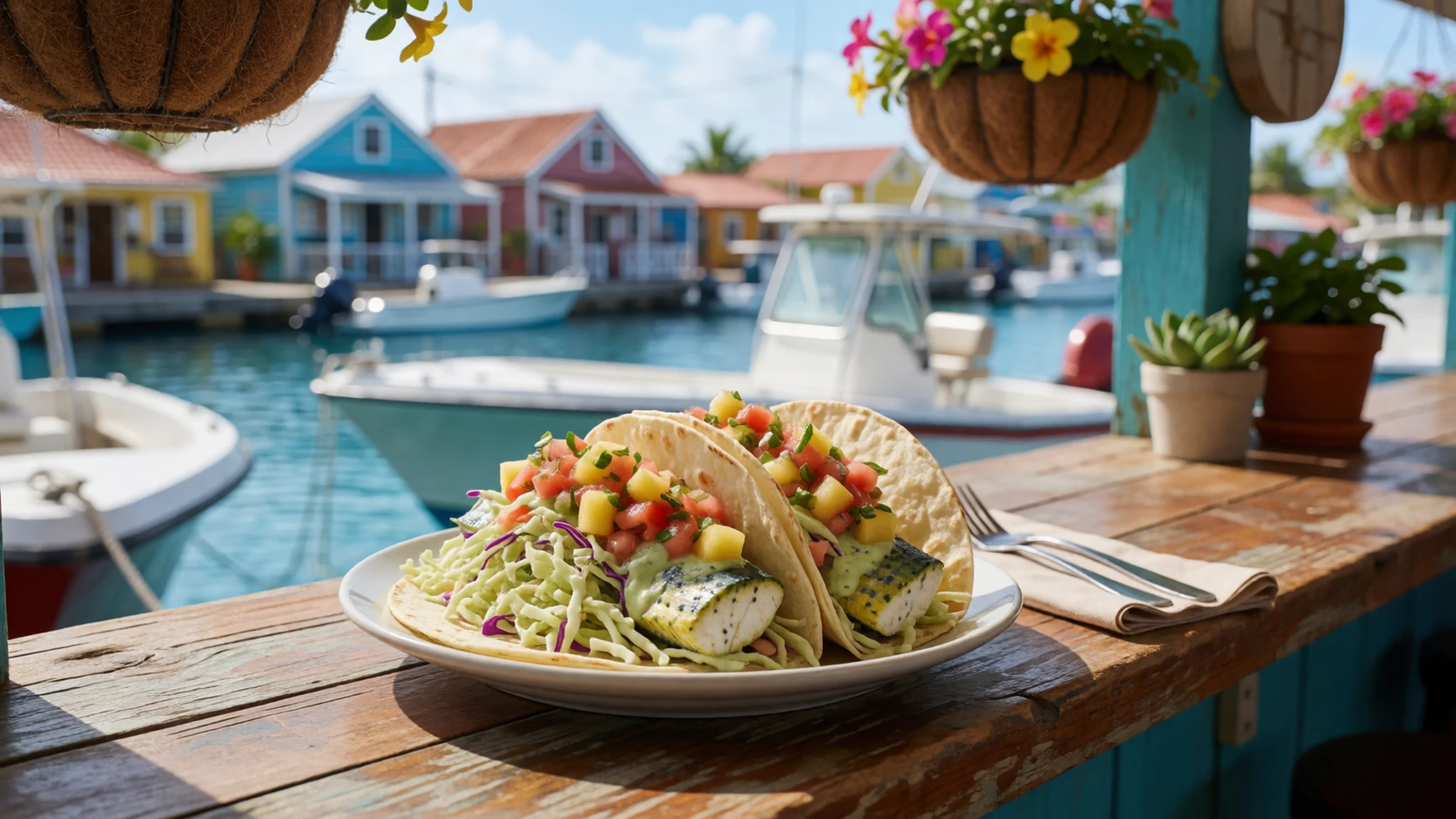
- Johnny cakes — Bakeries and roadside stalls on Tortola
These small fried or baked breads are crisp outside and soft inside, eaten for breakfast or alongside saltfish and stews. Look for them hot, ideally on the day they are made. - Roti — Small takeaway counters and lunch spots in Tortola's towns
A soft flatbread wrapped around curried chicken, goat or vegetables and potato. It reflects the Indian influence on Caribbean cooking and is a filling lunch that travels well on a boat. - Grilled spiny lobster — Waterside restaurants and beach grills on Tortola and neighbouring islands
Local lobster is grilled with butter and herbs and is usually a seasonal treat. Ask about the season and where it was caught, as supply varies and small restaurants may sell out.
Plan it
Best time. December to April is the drier, breezier season with comfortable sea temperatures and the best sailing. June to November is hurricane season, with more rain, humidity and a risk of storms, so check forecasts and travel insurance terms closely.
How long. 1–2
Getting there. Fly to Terrance B. Lettsome International Airport on Beef Island, Tortola, then take a taxi to the west end of the island. Ferries also link Saint Thomas and Saint John in the US Virgin Islands with Soper's Hole. The last leg to Little Thatch is by boat and only by arrangement with the resort; check the official operators' sites for current services.
Budget. high
Tips
- Book the resort or any boat transfer well ahead, since access is private and limited
- Carry your passport, as crossing between the British and US islands involves immigration checks
- Bring cash as well as cards for small bars, taxis and market stalls
- Use reef-safe sunscreen and carry drinking water on boats, where shade is scarce
- Check the weather and hurricane forecasts before travelling between June and November
Etiquette
- Ask permission before landing on or anchoring close to private shores
- Greet people before asking for help or service
- Cover swimwear in towns, shops and restaurants
Nearby
Sources
- Wikidata Q6652196 (CC0)
- Wikipedia: Little Thatch (rev 1364583490) (CC BY-SA 4.0)
- Wikivoyage: British Virgin Islands (CC BY-SA 4.0)
- Photo: Karibik - Brit. Jungferninseln - Great Thatch Island – Little Tatch Island, by giggel, via Wikimedia Commons (CC BY 3.0)

Wildlife
- Big-scaled least gecko (animal)
The big-scaled least gecko is a small lizard with large scales, easy to remember by its name. On Little Thatch Island it lives beyond the shoreline, in untroubled places that the island keeps safe for it. Ask your guide when it is best to look, as no season or hour is promised here. Watch from a respectful distance, stay quiet and still, and never feed it or handle it, so it can carry on its day in peace.