Larissa
Larissa, Greece
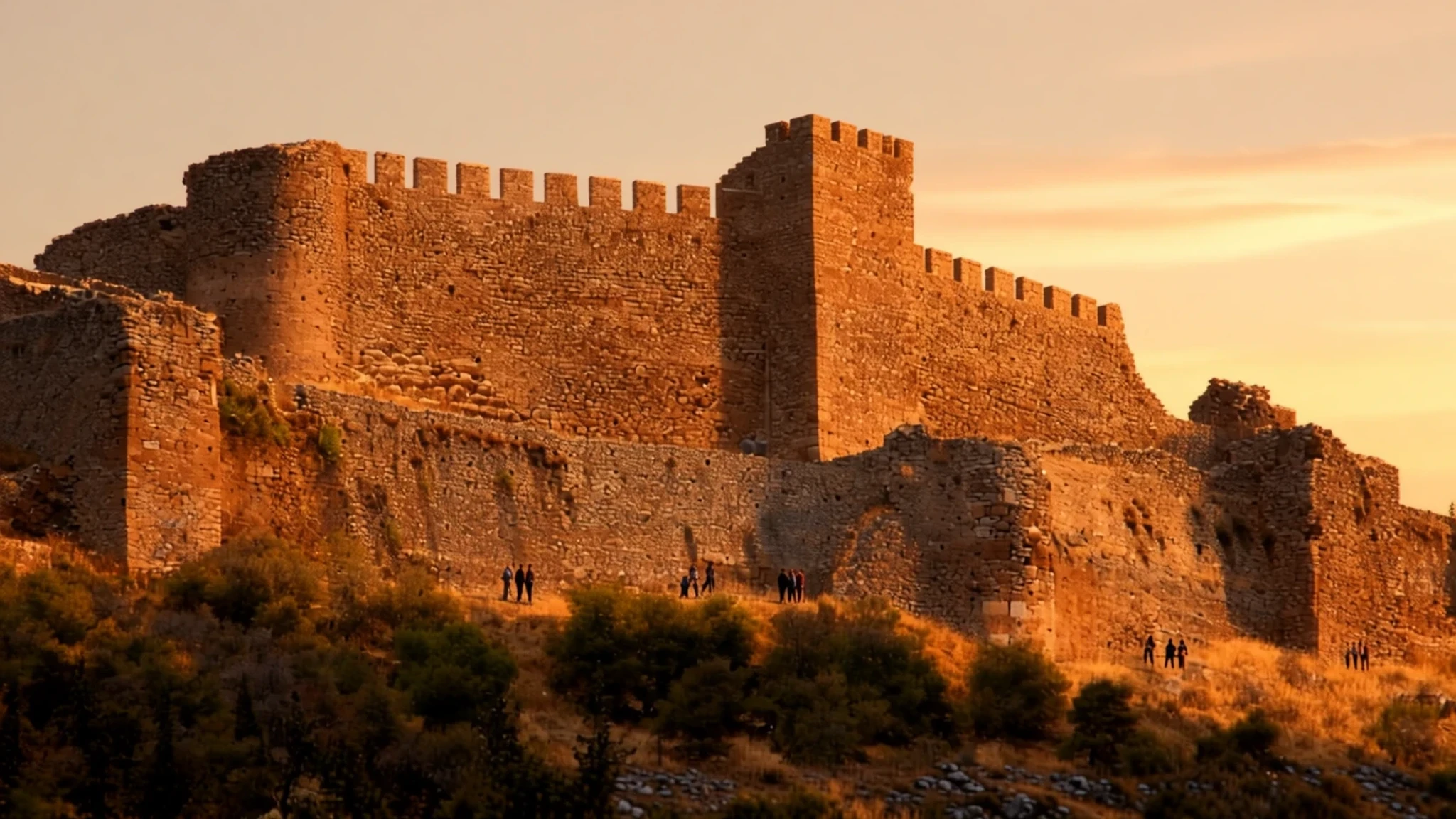
Larissa is a working Thessalian plain city where Greek, Roman, Byzantine and Ottoman layers sit among cafés, with few crowds and honest prices.
The place
Larissa is the capital of Thessaly, the broad farming region of central Greece, and sits at 85 m above sea level on flat ground beside the Pineios river. Its population is about 146,000, which makes it a proper regional city rather than a village with a few ruins. It reads as a place where people live and work first and receive visitors second.
The plain around it is some of the most productive farmland in the country, and the city grew as its trading and service centre. Roads and railway lines link it with Athens to the south, Thessaloniki to the north and the port of Volos to the east, so it works as a crossroads. Many travellers pass through on the way to Meteora, Mount Olympus or the Pelion peninsula without stopping.
That is a pity, because the centre rewards a slow day. The old acropolis hill still holds the ancient theatre, and the streets below mix neoclassical façades, plain concrete blocks and busy café squares. Students from the university keep the evenings lively. The pace is unhurried, and prices tend to sit below those of the islands.
Summers are hot and the plain has little shade, so heat is the main thing to plan around. Spring and early autumn are kinder. The city is not polished for tourism, and that is part of its appeal: signs are sometimes only in Greek, opening hours can be loose, and the best moments tend to be ordinary ones, such as a long coffee on a main square.
Its story
Larissa's name is thought to come from a very old pre-Greek word meaning fortress, and many ancient cities carried it. The Thessalian one is first recorded in connection with the Aleuadai, an aristocratic family that dominated the area. Traces of human settlement here go back to the Palaeolithic, though the region was a fringe of the more advanced cultures to the south.
The plain was fertile and in antiquity famous for its horses, which shaped both the wealth and the self-image of the local nobility. In the Classical period Larissa was a polis, an independent city-state. Late in the fifth century BC it stopped minting the shared coinage used by other Thessalian towns and issued its own. The coins chose local images, among them the nymph Larissa shown in profile, a small statement of civic pride you can still see in museum cases.
Tradition places the deaths of two famous figures here: the physician Hippocrates and the orator-philosopher Gorgias of Leontini. Whether or not the details are exact, the association shows how far the city's reputation travelled.
Later centuries added Roman, Byzantine and Ottoman layers, and each left buildings that survive in some form. Larissa was freed from Ottoman rule in 1881 by the Greek army, the date that closes the story told in its main archaeological museum. The result is a city whose history is not packaged into a single monument but scattered across the centre, often under or beside modern streets.
What to see
- Ancient Theatre of Larissa — Acropolis hill, city centre
Larissa's first ancient theatre was built by the Macedonian king Philip V in the third century BC and rests at the foot of the old acropolis. The acropolis once held a temple of Athena Polias and later a medieval castle. Go early, as the hill offers little shade in summer.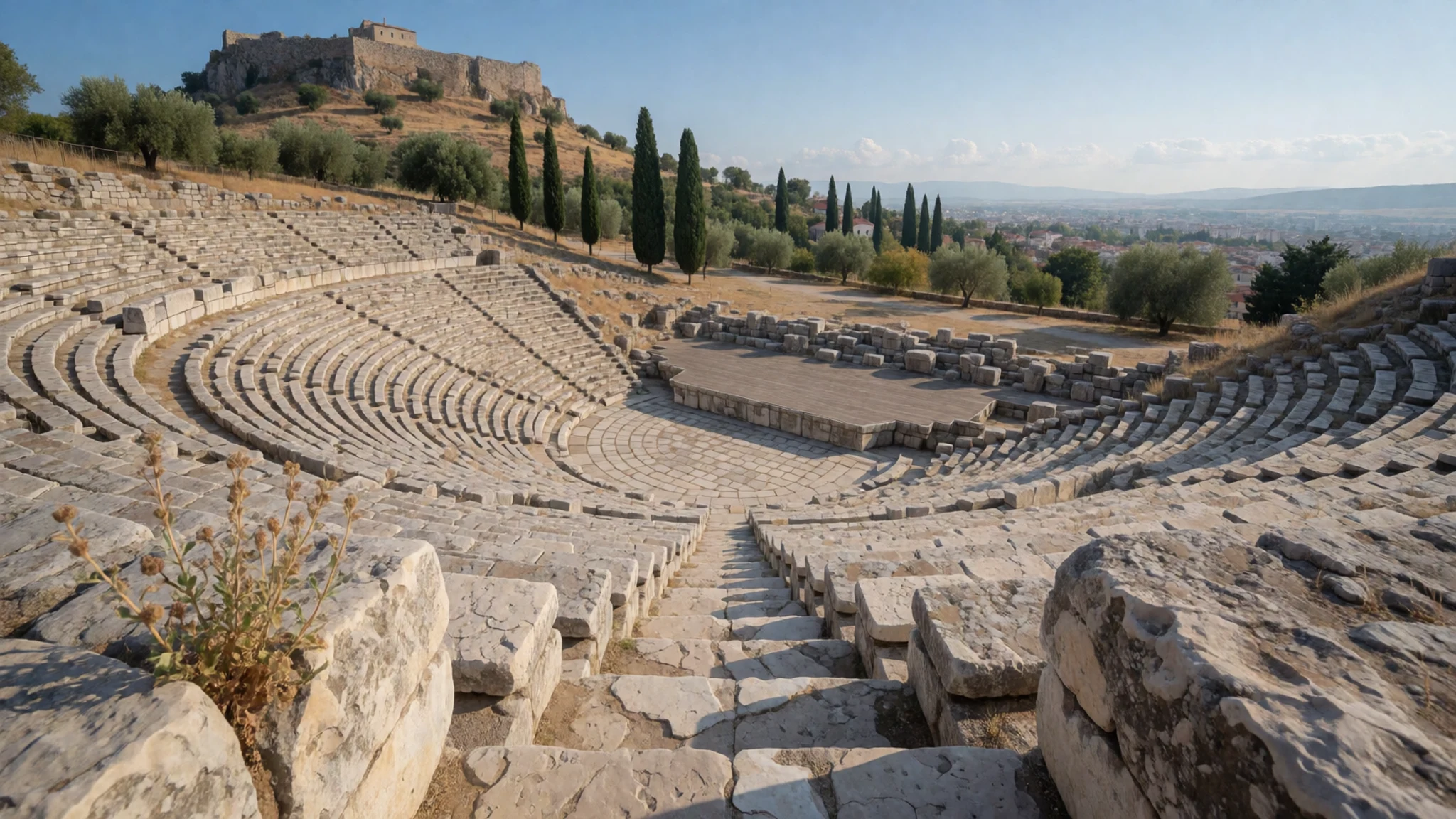
- Second Ancient Theatre — Beside the acropolis hill
This smaller theatre dates from the Roman period. Two rows of seats and part of the stage survive. The site is not open to visitors, but it can be seen from the surrounding streets, so it makes a quick, free stop on the way to the hill.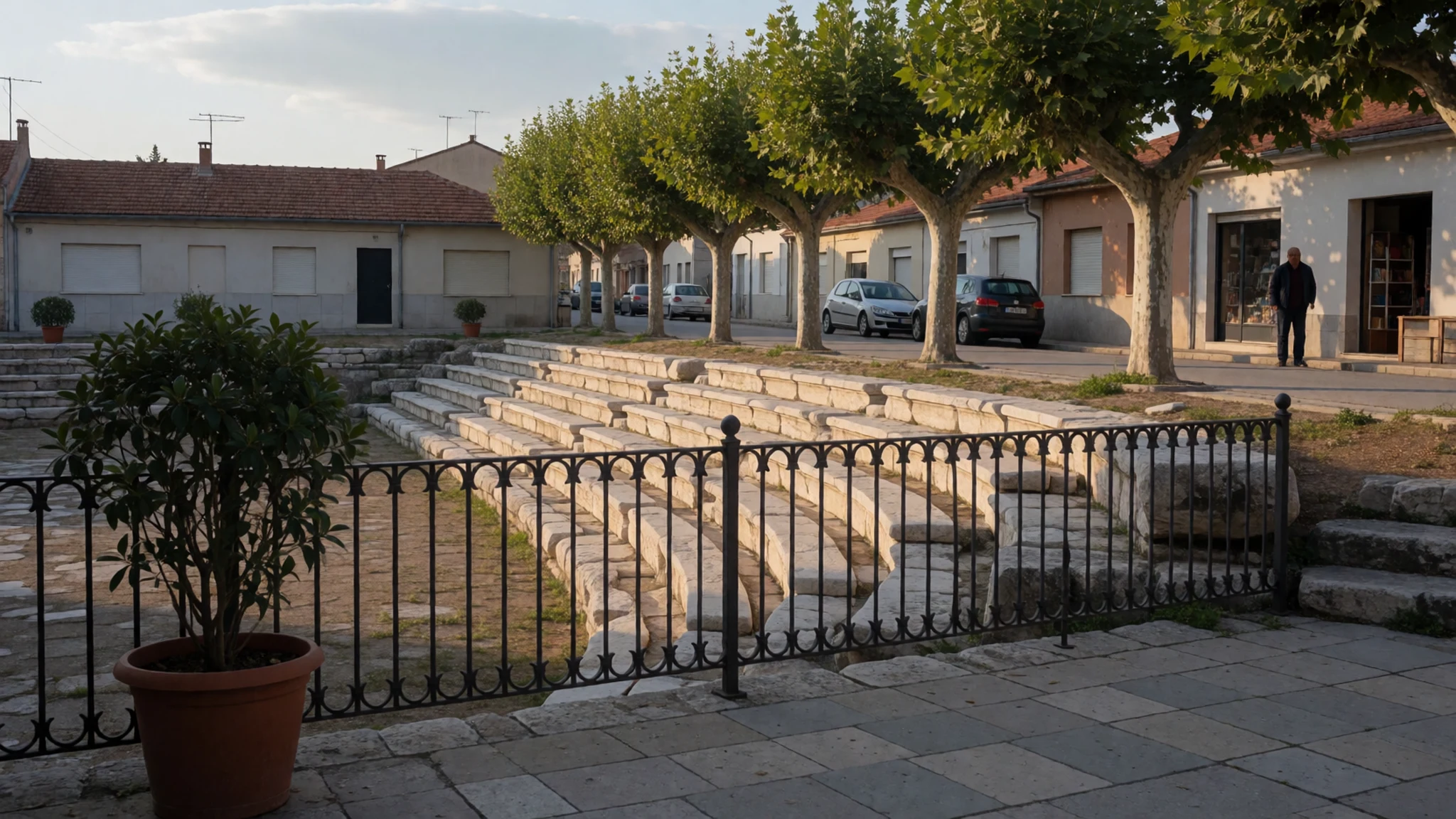
- Diachronic Museum of Larissa — South-west of the centre
The museum covers the region's story from the Palaeolithic to the liberation of Larissa in 1881. Expect finds from the plain, including local coinage with the nymph Larissa. It is a sensible wet-day or midday-heat refuge. Check the official site for opening times.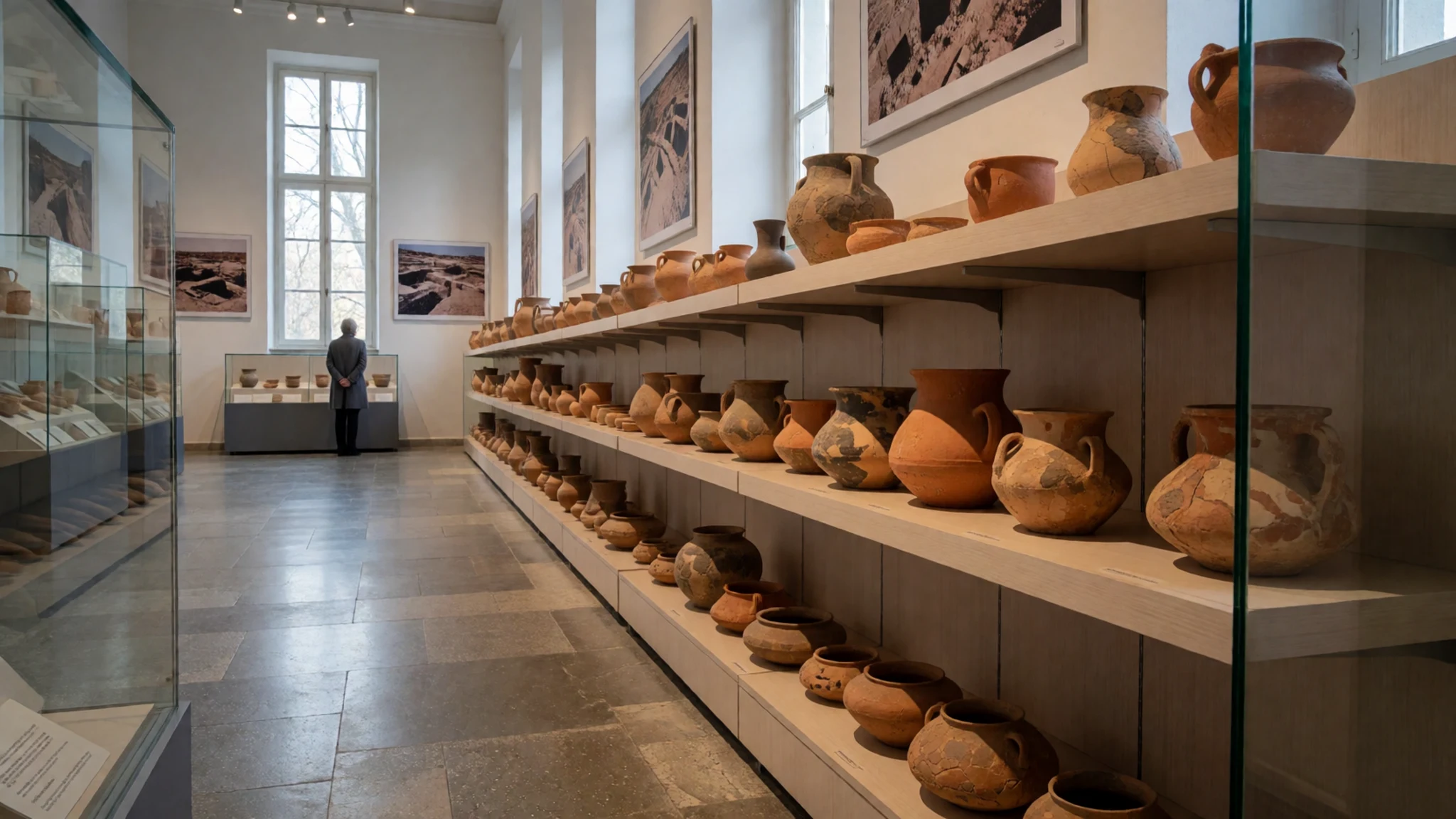
- G. I. Katsigras Municipal Art Gallery — Central Larissa
The gallery holds a collection of modern Greek art from the nineteenth and twentieth centuries. It suits visitors who want to see how Greek painters handled landscape and portraiture after independence. Labels and the museum website may be mainly in Greek, so a translation app helps.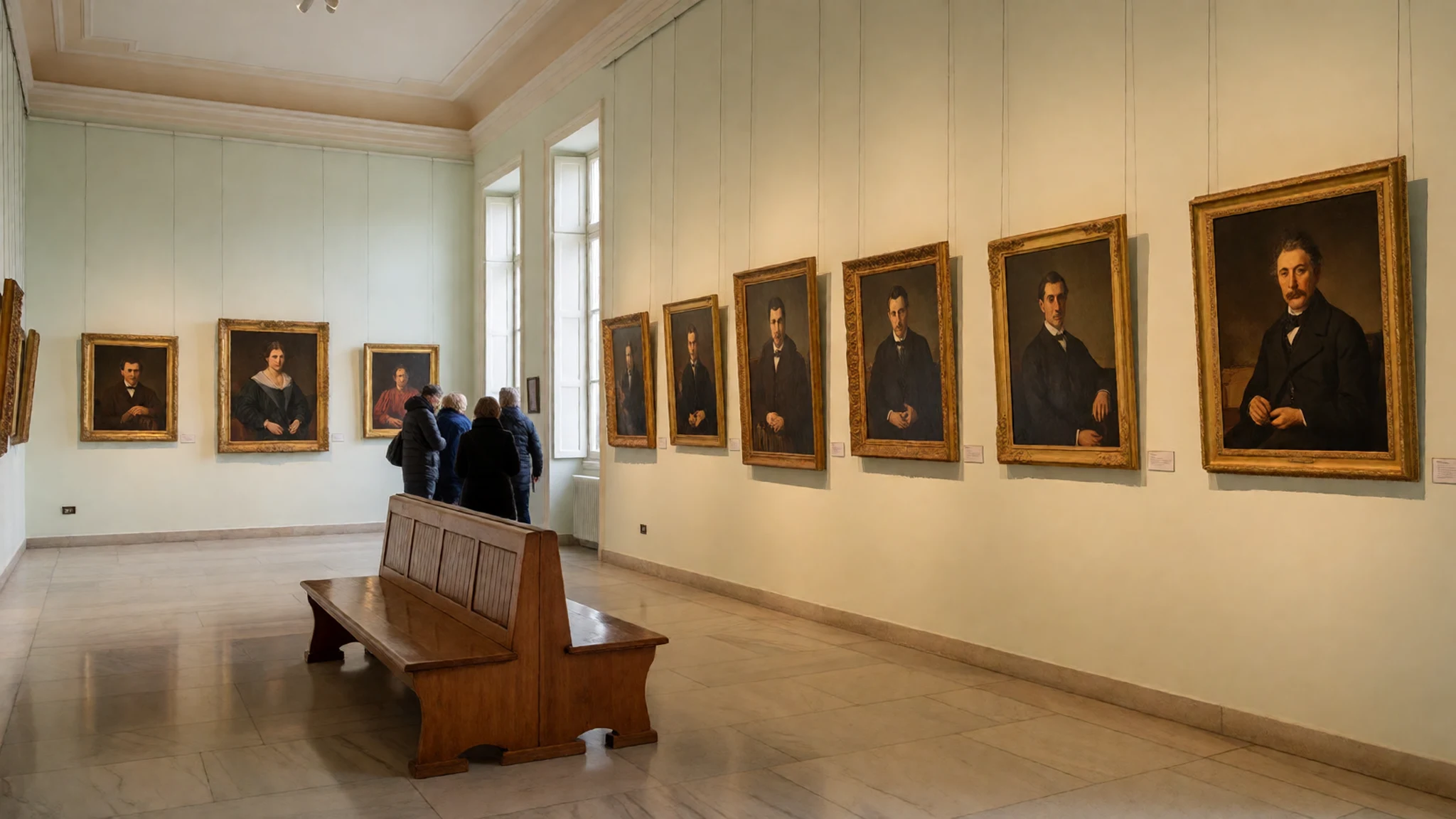
- Folklore Museum of Larissa — North-east of the centre
This museum focuses on local everyday life and traditions of Thessaly. It is a gentler counterpart to the archaeology, showing how people on the plain lived and dressed in more recent times. Confirm opening days locally or on the municipal website before going.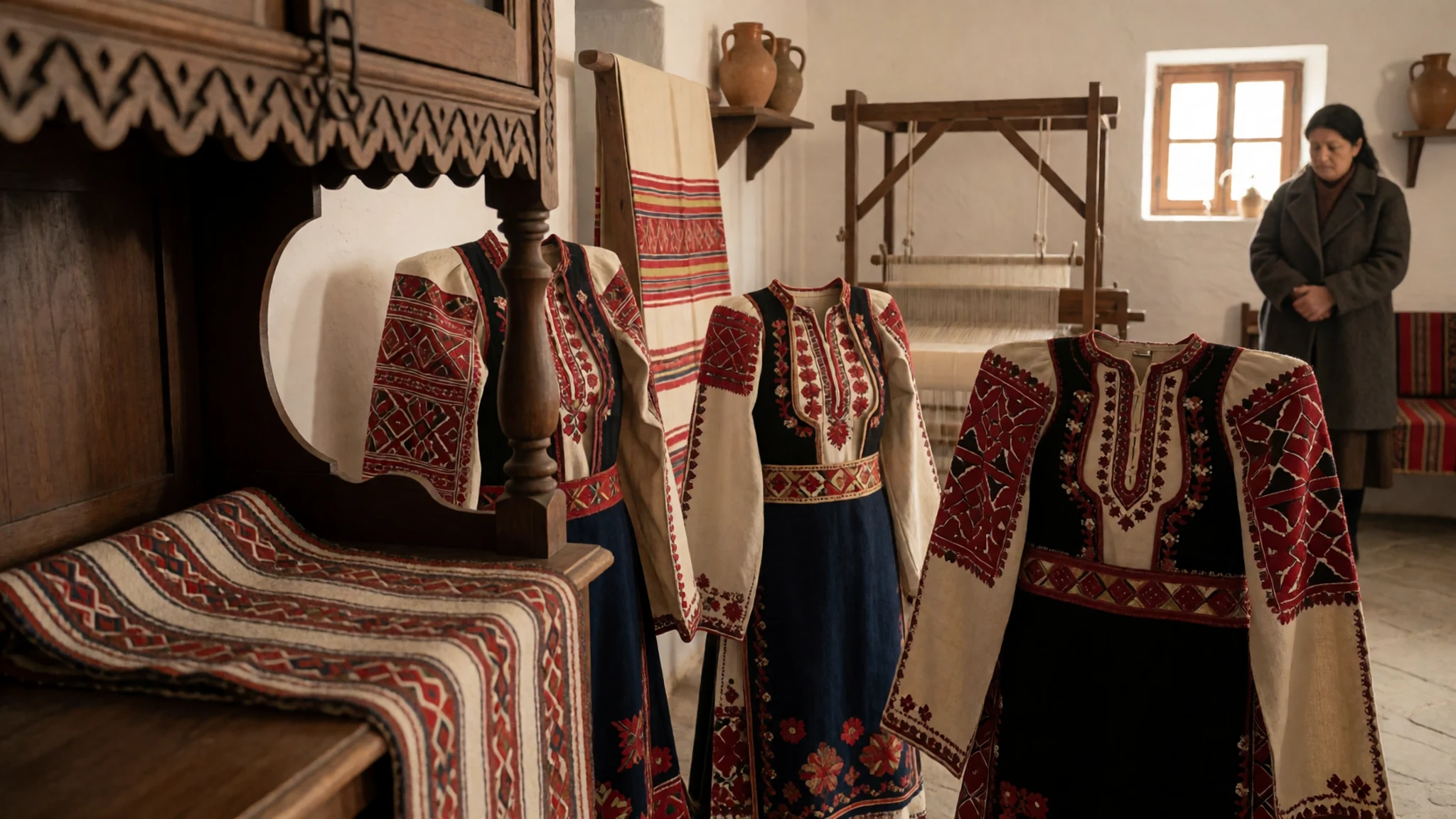
- Early Christian basilica of Saint Achilleios — Acropolis hill
Remains of an early Christian basilica, including its narthex, stand on the acropolis area and show the Byzantine chapter of the city. It is worth pairing with the theatre, since both sit close together and tell different centuries of the same hill.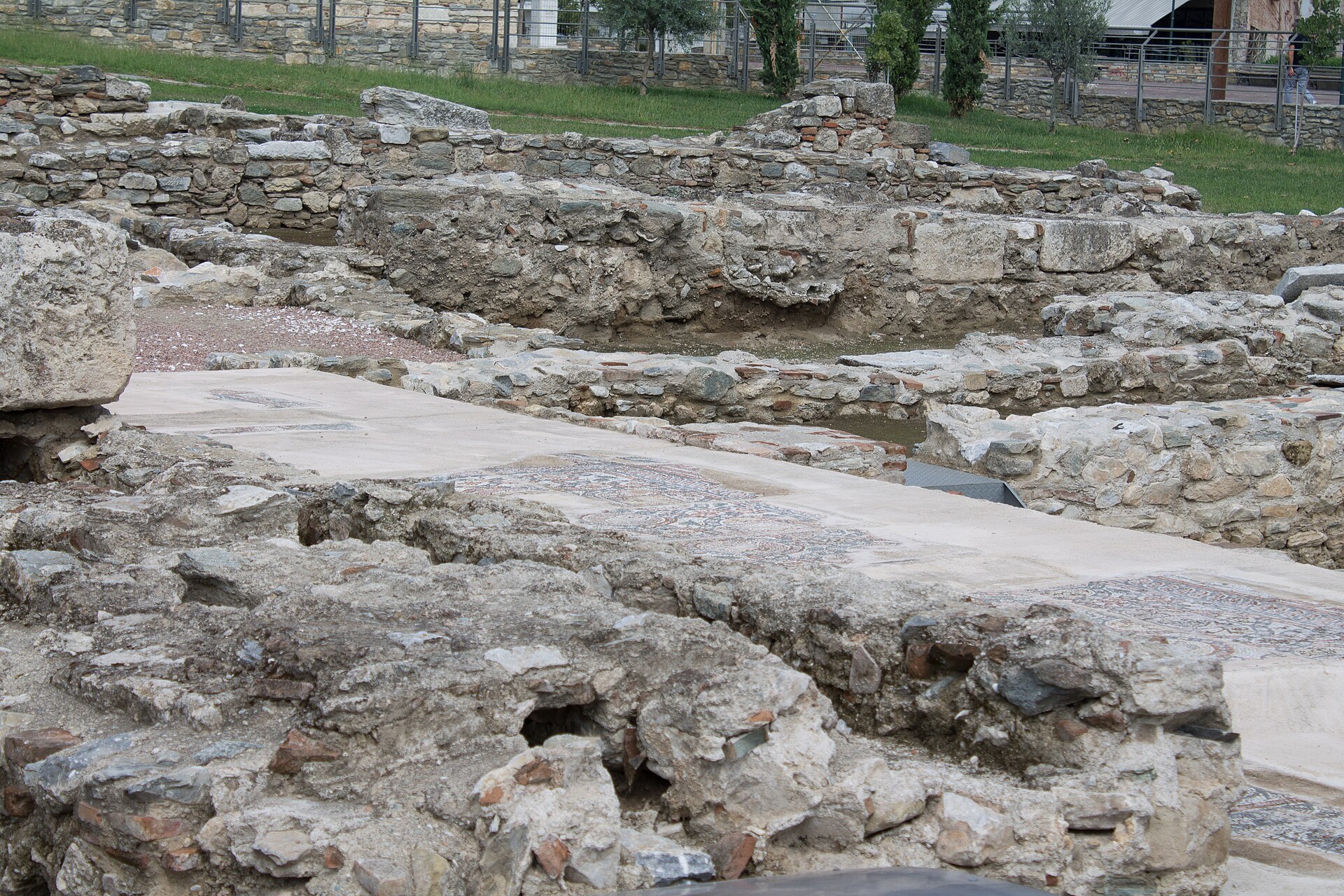
Culture
Larissa's cultural life is more civic than touristic. The city has a municipal conservatory, a municipal theatre known as the Thessalian Theatre, the Hatzigianeio Cultural Centre, and a shadow-puppet theatre called Tiritomba, so performances are mostly aimed at residents. Programmes are usually in Greek, but music and puppetry are easy to follow without much language.
The café is the real institution. People settle for hours over a coffee, and the central squares fill in the late afternoon and evening. Students add a younger, louder layer, and there are venues for live music, mostly rock. Football also matters locally, and match days can change the mood of the centre.
The city's museums show the layered past: archaeology in one, modern Greek painting in another and local folklore in a third. Together they make a useful way to understand a place that has been Greek, Roman, Byzantine and Ottoman in turn.
Hospitality is relaxed but not performative. Greeks tend to be direct and warm, and a few words of Greek, such as kalimera for good morning and efharisto for thank you, are noticed and appreciated. Meals are social and long, and nobody expects you to rush. Dinner often starts late, after nine in the evening, especially in summer.
When visiting churches, including the Byzantine remains, cover your shoulders and knees, and keep your voice low if a service is under way.
What to wear
Larissa has no single famous costume, but the Thessalian plain had its own traditional village dress, usually made from wool, linen and cotton and embroidered by hand. Women's festive outfits featured long dresses with aprons and decorated waistcoats, while men wore fustanella-style or wool trousers with vests and sashes. Such clothing now appears mainly in folklore museums, school parades and dance groups on national holidays, and the Folklore Museum is the best place to see it.
Day to day, people in Larissa dress in the way of most Greek cities: neat casual wear, with jeans, shirts and dresses in town, and a little more effort for the evening café. Students favour sportswear and trainers. In winter the plain can be cold and damp, so coats, scarves and boots are common, and in summer people choose light cotton and linen.
Visitors should plan for heat first. From June to August, wear breathable fabrics, a hat and sunglasses, and carry water, since the acropolis hill has little shade. Comfortable closed shoes or sturdy sandals are best for the uneven stone at the theatre and the old basilica remains. In spring and autumn, bring a light jacket for evenings. For churches, cover shoulders and knees; a light scarf in your bag is enough. Nothing else is formal, and smart casual suits most restaurants and tavernas.
What to eat
- Batzina — Local bakeries and traditional tavernas
A pie from the Thessalian plain, baked in the oven with greens and a cornmeal-style base. It is a home-style dish, so look for it at traditional bakeries and small family tavernas rather than smart restaurants.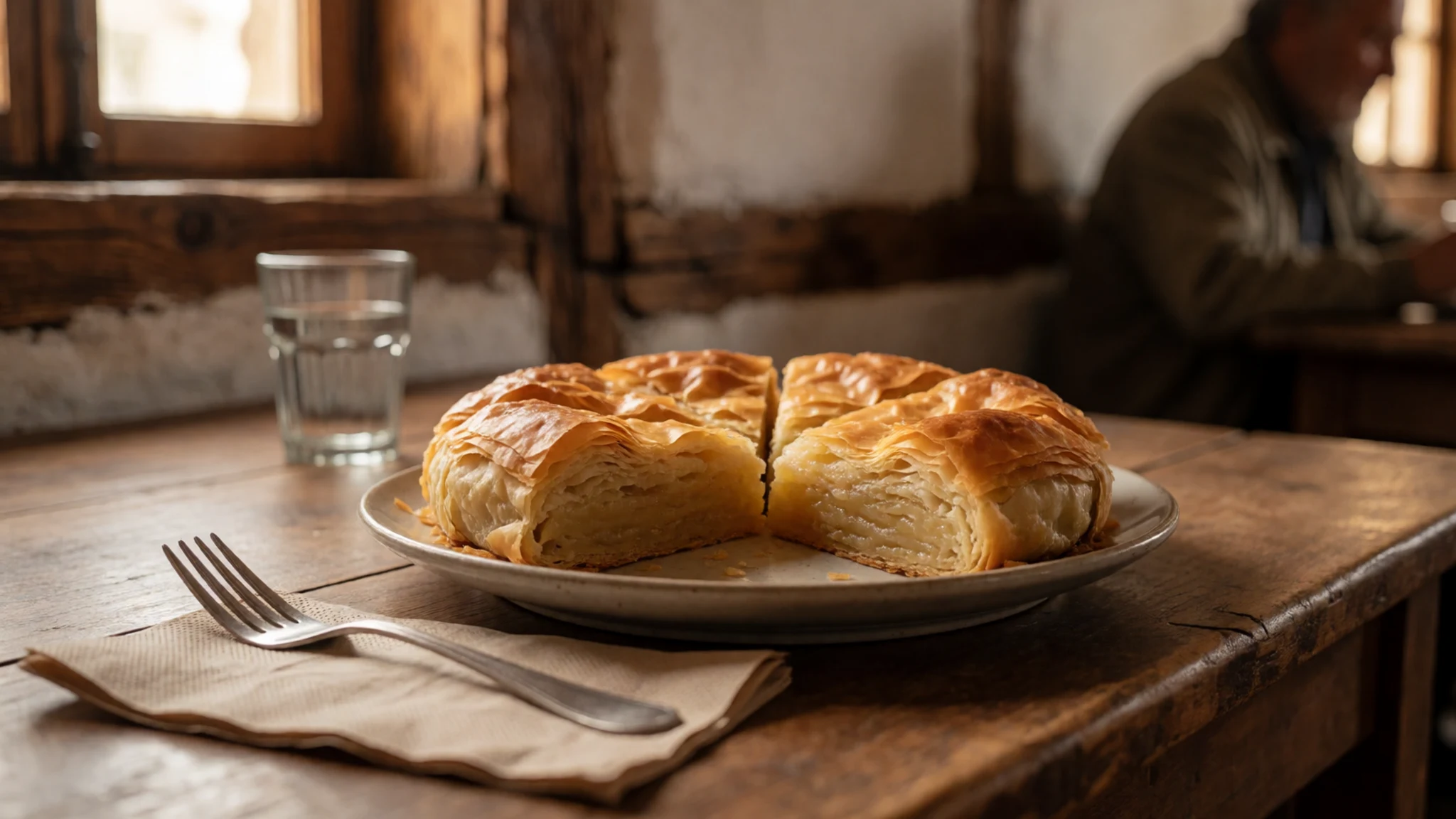
- Plastós pie — Bakeries and pie shops in the centre
Plastós is another local pie, baked in the oven with a rustic, filling character. It is simple farmhouse cooking and good for a cheap lunch. Ask what the baker has that day, as fillings vary with season.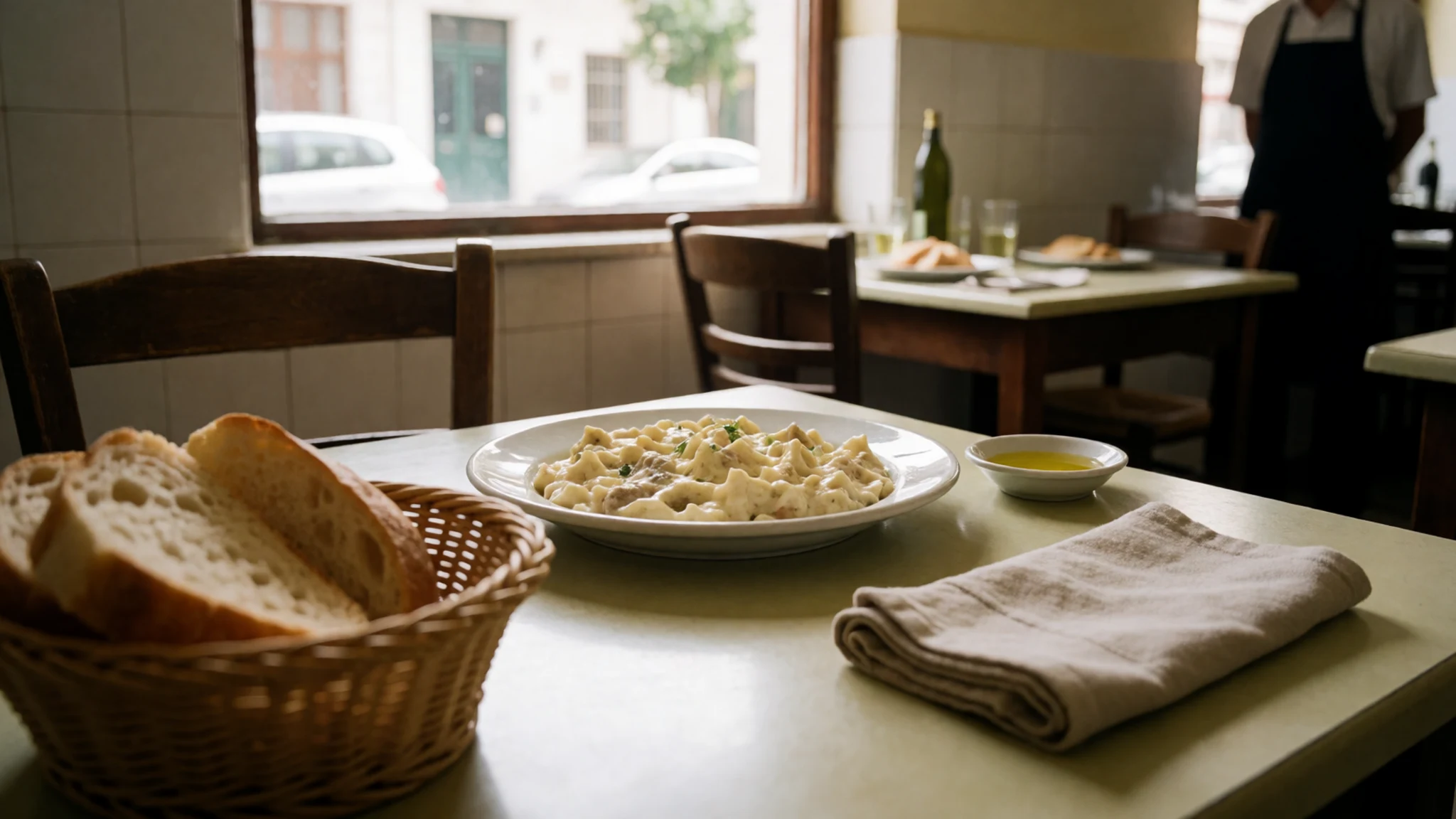
- Lahanópsomo — Traditional tavernas and village-style bakeries
This is cabbage bread, a humble local speciality that uses vegetables from the plain to stretch flour. It is rarely on a menu, so ask at traditional tavernas or bakeries, particularly in colder months when people crave something warm and filling. - Pies from the oven — Bakeries and pie shops around the central squares
Pita here means baked pies with thin pastry: kreatopita with meat, loukanikopita with sausage, melintzanopita with aubergine, tyropita with cheese and spanakopita with spinach. They are an ideal breakfast or snack, eaten warm from the paper bag. - Lamb and moussaka — Tavernas, ask locally for a favourite
One long-running local eatery is known for its lamb and its moussaka, the layered aubergine and mince bake with a creamy topping. A taverna is the right kind of place for this, where mostly meat dishes are served in generous portions and shared among a table. - Grilled meat and halvas — Psistaries and café-patisseries in the centre
Psistaries are grill houses serving mostly meat, salads and chips, with the meat ordered by weight. Finish with halvas, a dense sweet made from semolina or sesame, usually offered with coffee at the end of a meal.
Plan it
Best time. April–June and September–October. Spring and early autumn bring warm, comfortable days on the plain. July and August are very hot with little shade, while winter can be cold and damp.
How long. 1–2
Getting there. The nearest airport with year-round international service is Thessaloniki (SKG), about 2½ hours away. From there, take a KTEL coach or a train. Coaches also run from Athens (Liossion station) and Thessaloniki (Macedonia terminal) many times a day; the last leg is a short taxi or walk to the centre.
Budget. low
Tips
- Visit the acropolis hill and theatre early in the morning, before the heat builds
- Check the official website, https://www.larissa-dimos.gr/, for museum opening times before you go
- Carry some cash for bakeries, small tavernas and coaches
- Use KTEL coaches for day trips around Thessaly, as they are frequent and straightforward
- Carry water in summer, since shade is scarce on the hill
Etiquette
- Cover shoulders and knees in churches and keep your voice low
- Greet staff with kalimera or kalispera before asking for anything
- Order grilled meat by weight and ask the price per kilo first
Nearby
Sources
- Wikidata Q178405 (CC0)
- Wikipedia: Larissa (rev 1383167272) (CC BY-SA 4.0)
- Wikivoyage: Larissa (rev 5408331) (CC BY-SA 4.0)
- Photo 01-larissa-city-montage.jpg (CC BY-SA 2.0)
- Photo 02-larissa-montage-l.png (CC BY 3.0)
- Photo 03-2011-dimos-larisas.png (CC BY 3.0)
- Photo 04-larissa-drachma.jpg (CC BY-SA 2.5)
- Photo 05-1.jpg (CC BY-SA 4.0)
- Photo 06-.jpg (CC BY-SA 4.0)
- Photo 07-8.jpg (CC BY-SA 4.0)
- Photo 08-2.jpg (CC BY-SA 4.0)


