Laleia
Laleia, Timor-Leste
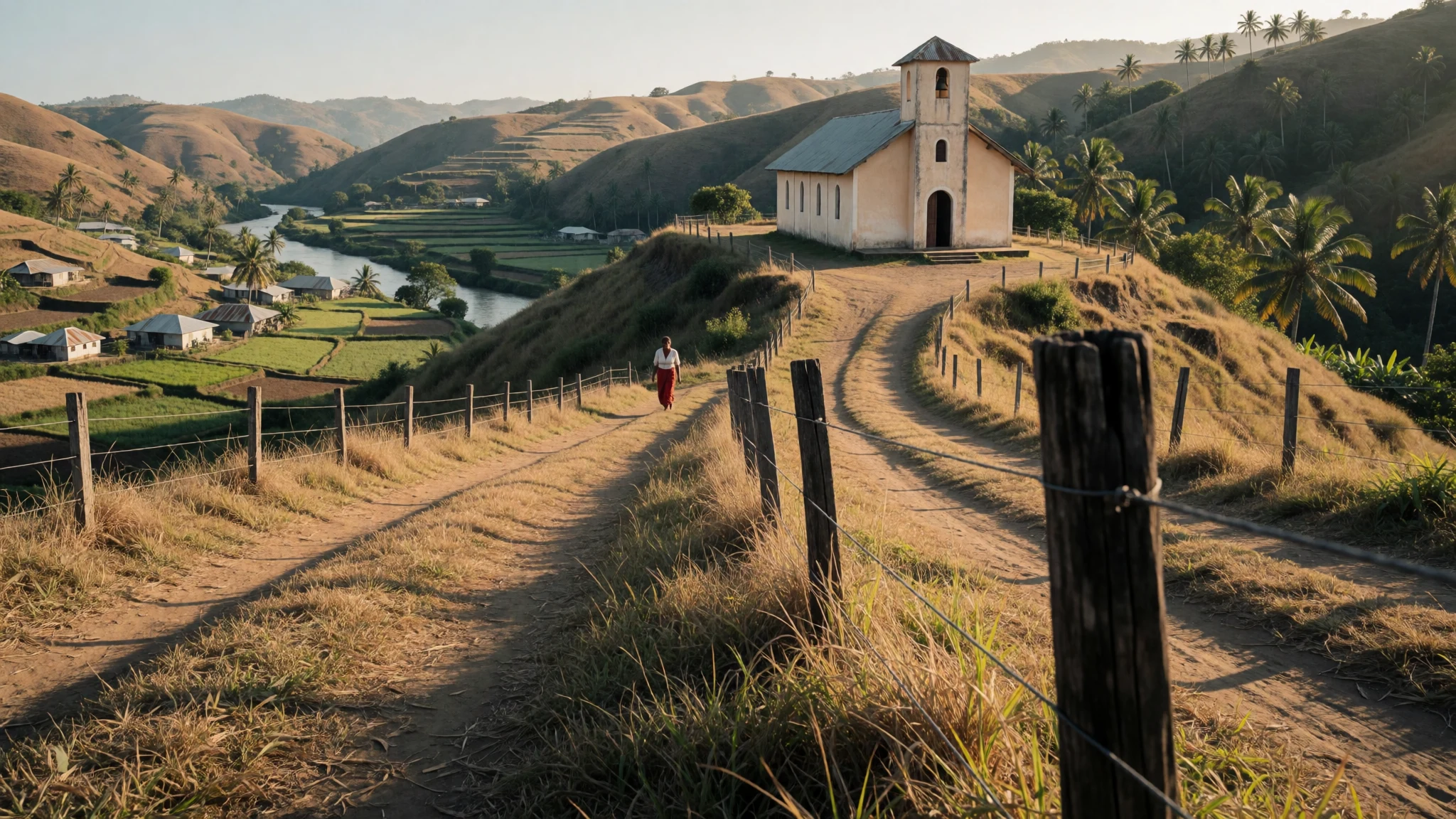
Laleia is a quiet hill-and-river district of Manatuto, for travellers who want everyday rural Timor-Leste and its recent history rather than resorts.
The place
Laleia is an administrative post in Manatuto municipality, Timor-Leste, with its administrative centre at Haturalan. It used to be a subdistrict, and older maps and captions still use that word. The post sits in hill country, and the village core looks down towards the Rio Laleia, which gives the area its farmland and its sense of direction. This is a working rural place, not a resort: a church, a cemetery, rice and maize plots, a cross on a ridge and houses strung along the road. One reference photograph shows an irrigation scheme near Haturalan being launched by the agriculture minister, which says a good deal about the district. Rice is the real business here, and officials turn up for field openings far more often than tourists turn up for sunsets. Anyone coming should expect very little in the way of tourist infrastructure. Dili, the capital, has the wide choice of places to stay, so Laleia works best as a stop on a longer journey through Manatuto and the east, or as a day out for people curious about ordinary life in Timor-Leste. Heat is the constant, and the landscape swings between green after rain and dry brown late in the dry season. There are no big sights to tick off, and it is better to say so plainly. The place rewards slow looking, a few conversations and patience with transport.
Its story
Laleia's recorded history begins in the Portuguese colonial period, when a governor's list counted it among forty-seven kingdoms in the eastern half of Timor. Those small kingdoms were the real political units on the ground, each with its own ruling family, and Laleia was one of them. Portugal had claimed the colony long before and, for much of that time, left people largely to their own devices. That is one reason some older Timorese speak of the era with a certain nostalgia. The colonial order unravelled after the Carnation Revolution in Portugal. Timor-Leste declared independence soon afterwards, but within days Indonesian forces invaded and occupied the country. Rural districts such as Laleia were drawn into the fighting and into campaigns described as pacification, and the cost fell heavily on civilians. Estimates of the dead across the country run to hundreds of thousands, a devastating share of the population. In Laleia's cemetery, a grave honours the fallen FALINTIL fighters of the village, the armed wing of the resistance. The occupation ended only after a United Nations-supervised referendum, in which the people voted for independence. Today Laleia belongs to a sovereign country, and the story shows in small things: a rosary church, a cross on the hill, a grave for local fighters. Visitors who ask about the past will usually be told it with care and without hurry.
What to see
- Church of Our Lady of the Rosary — Laleia village centre
Laleia's church was dedicated to Our Lady of the Rosary in 1933 and stands on high ground in the village. It is a plain, local landmark rather than a grand monument, and it gives a sense of how long Catholicism has shaped community life here. Go outside service times and ask before going in.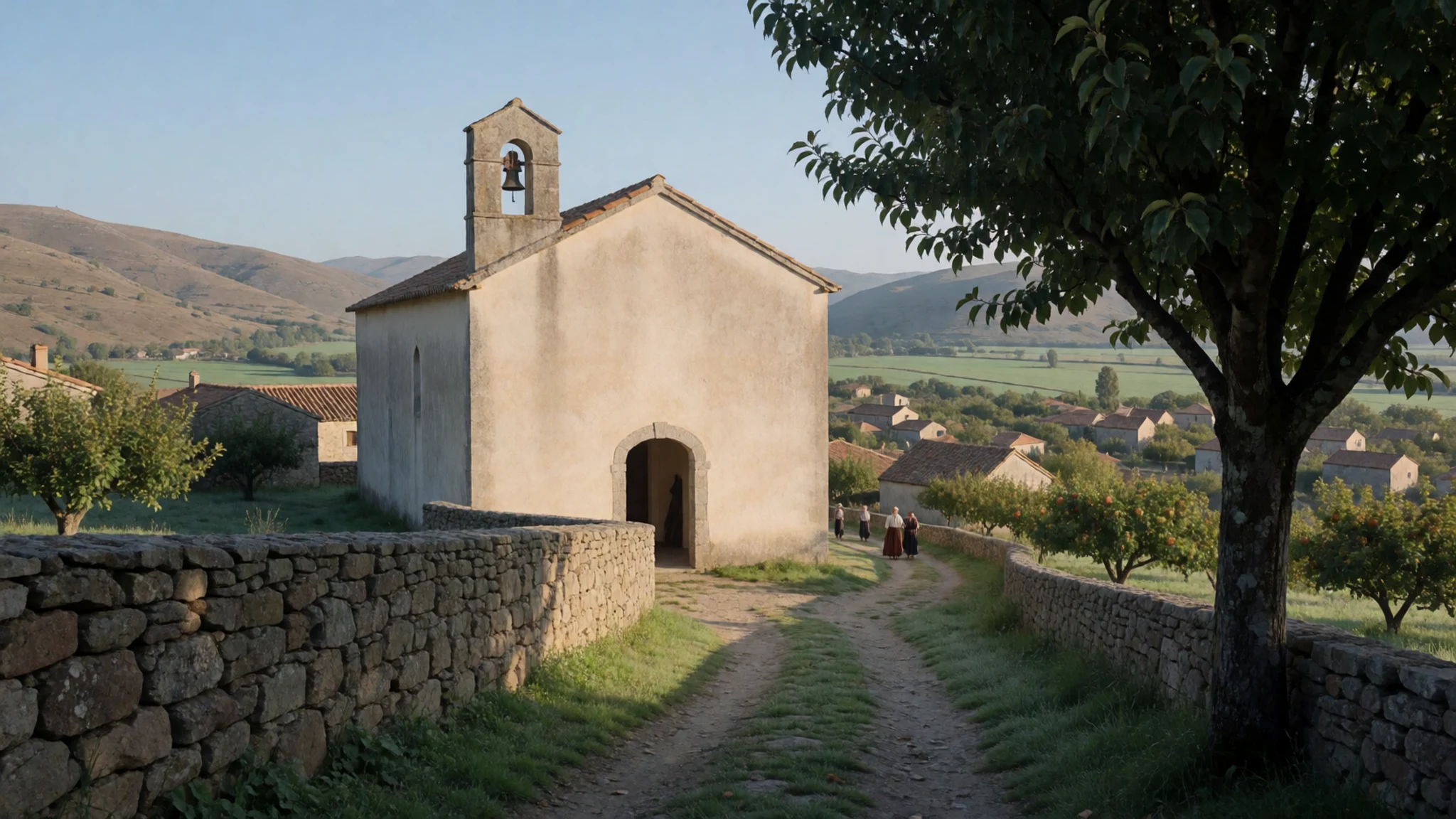
- The hilltop cross — Hills above Laleia
A cross on a hill above Laleia was built in 1971 and can be seen from parts of the district. The walk up is the point: you get a wide view over the roofs, the river valley and the dry hills beyond. Choose a cool part of the day, wear solid shoes and take water.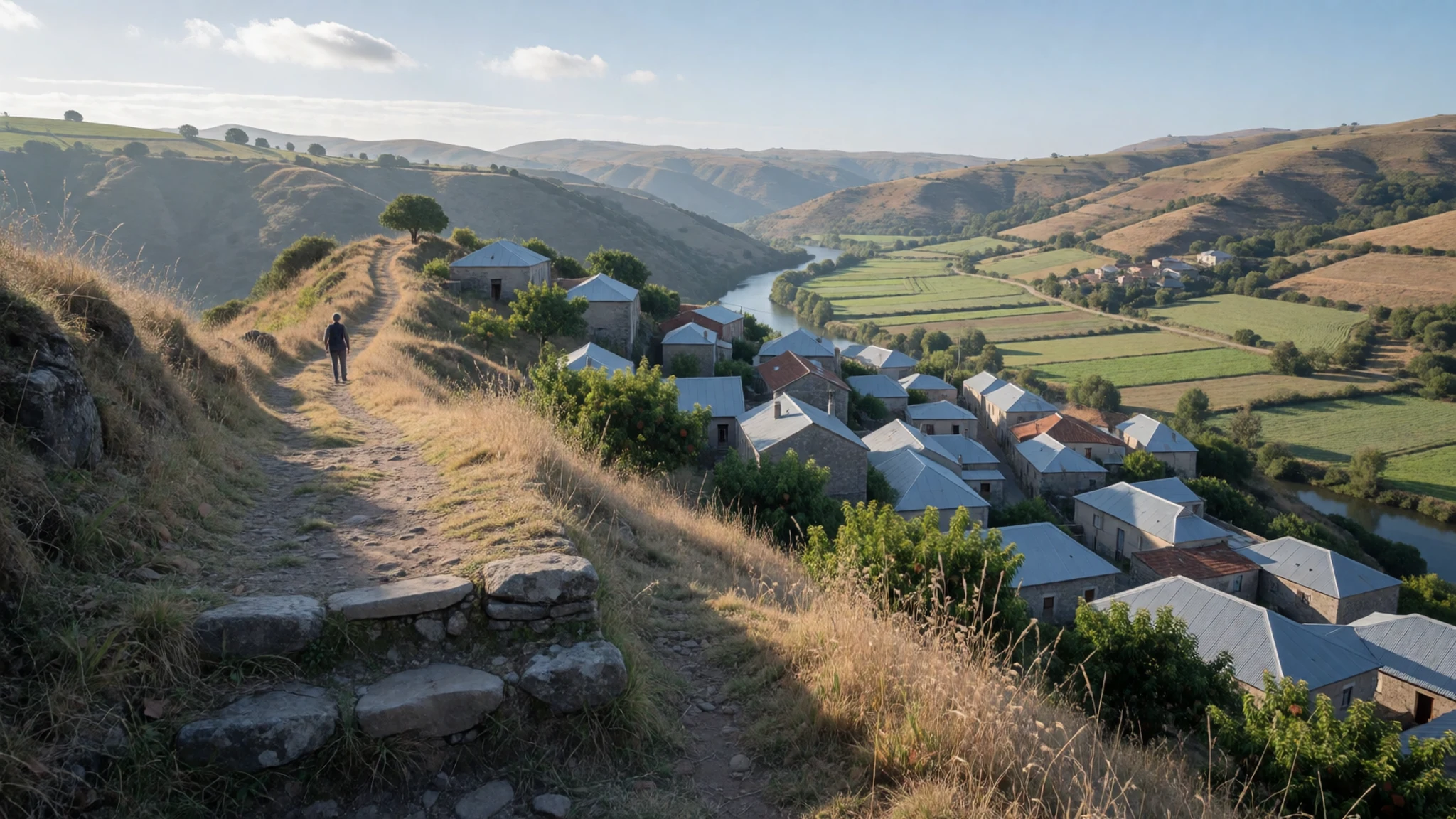
- FALINTIL grave in the village cemetery — Laleia cemetery
Laleia's cemetery holds the last resting place of fallen FALINTIL fighters from the village. It is a quiet memorial, tended by the community rather than staged for visitors. Approach respectfully, keep voices low, and ask someone local before taking photographs. A short conversation with residents often explains more than any sign.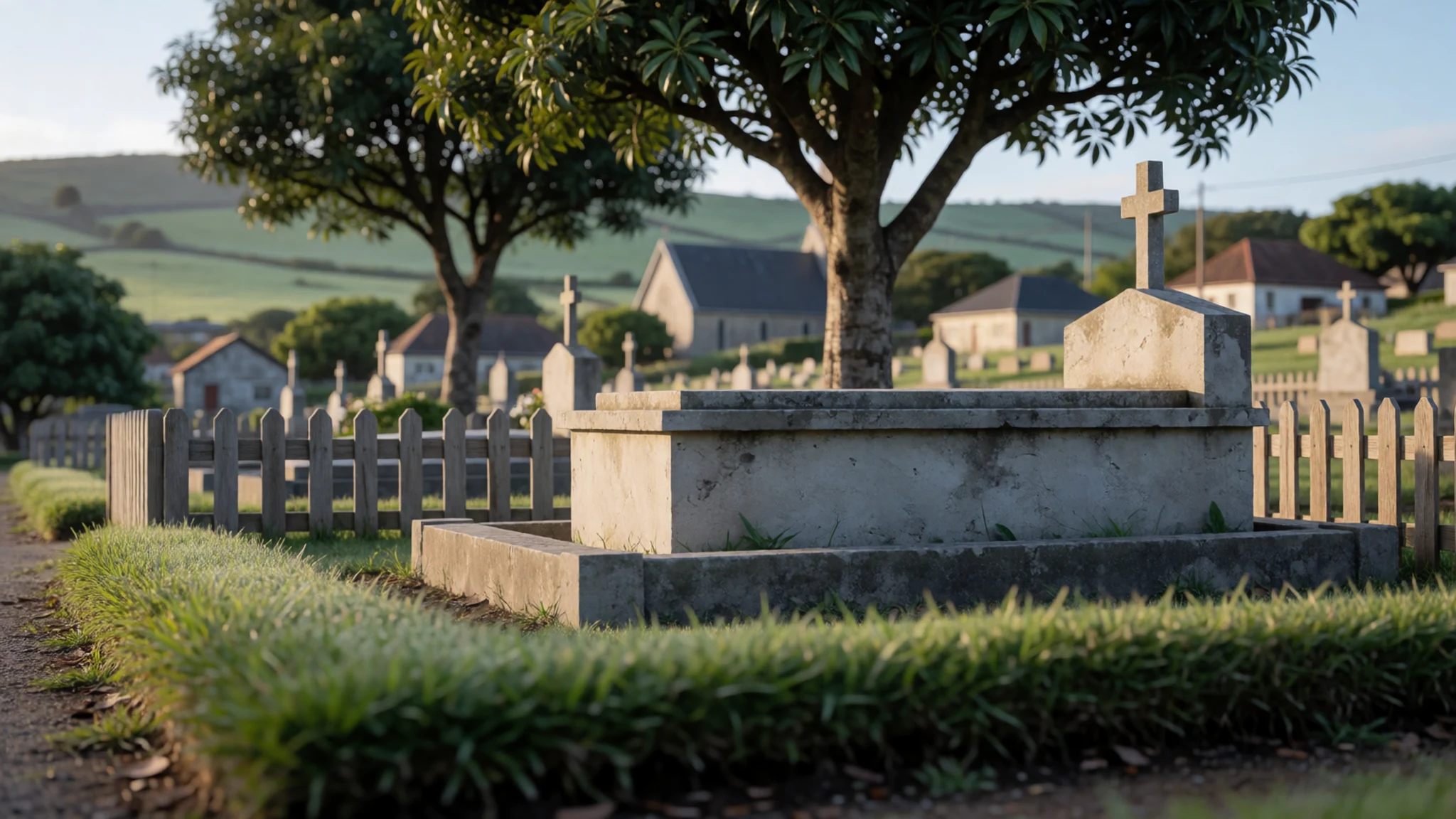
- Rio Laleia viewpoint — Edge of the village centre
From the village core the land falls away to the Rio Laleia, and the view takes in river, fields and hills in one sweep. It is the best place to understand why people settled here. Water levels change sharply between the wet and dry seasons, so the scene looks quite different from one visit to the next.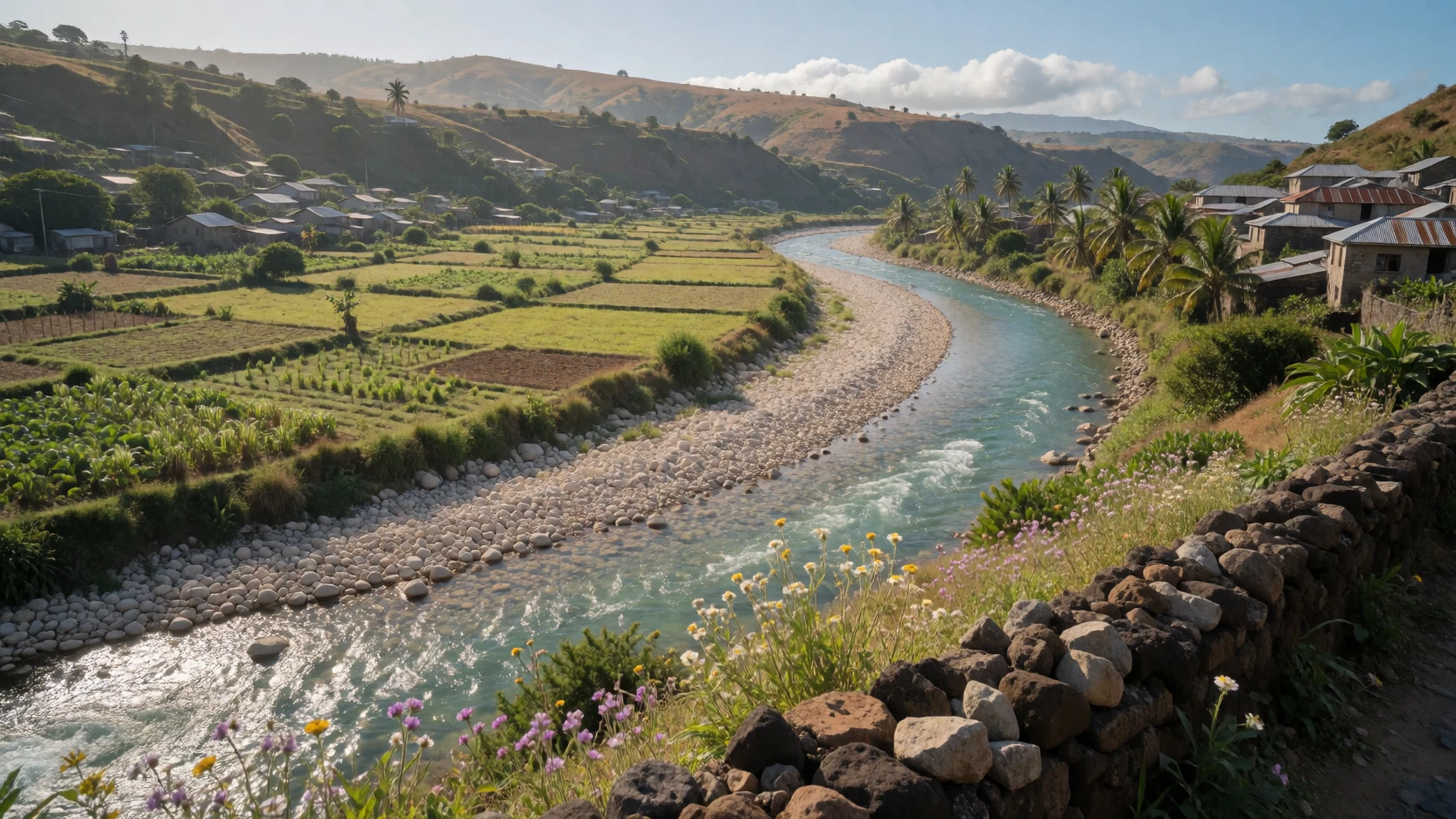
- Haturalan irrigated rice fields — Haturalan
Haturalan, the administrative centre, has an irrigation scheme for rice that was opened by the agriculture ministry in recent years. Seen from the road, the paddies show what keeps the district running. Planting and harvest are busy seasons, so ask permission before walking onto anyone's land.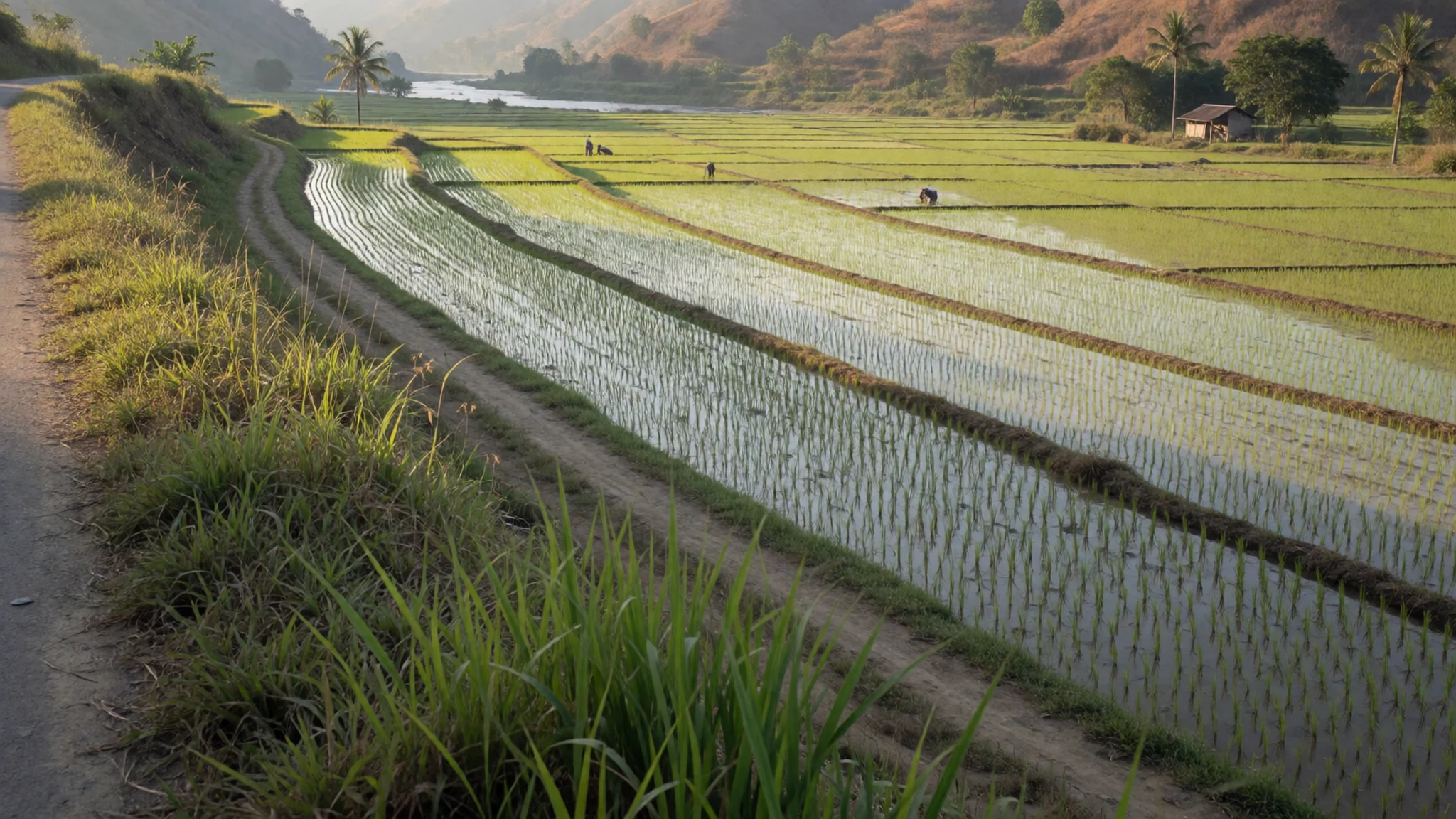
Culture
Laleia is a Catholic, rural community in a country that carries deep memories of occupation, and that shapes everyday manners. The church is the centre of village life, and festivals, funerals and Sunday services set the rhythm of the week. Family and neighbours matter more than strangers' schedules, so plans tend to bend around them. Hospitality is warm but unshowy: a visitor may well be offered coffee or a seat before being asked anything. Languages overlap here. Tetun and Portuguese are the official languages, and people also speak local languages at home, so a few words of Tetun go a long way, as does patience with gestures. Many Timorese are sympathetic towards the Portuguese period and some are openly nostalgic about it, while the Indonesian occupation is a raw subject, since it killed a large share of the population. Speaking warmly of the occupation, or of Timor-Leste belonging to Indonesia, will not be well received, even though the two countries get on well today. If you are not sure a political topic will go down well, leave it alone and let local people lead. Memorials such as the FALINTIL grave are places of mourning rather than attractions. Ask before photographing people, churches in use or memorials, and keep your voice low at the cemetery.
What to wear
Traditional Timorese dress centres on tais, handwoven cloth made from cotton, often dyed with natural colours, in patterns that vary by region and family. Tais is worn as a sarong or wrap, draped over the shoulder, or given as a gift, and it comes out for ceremonies, weddings, funerals, church feast days and welcome rituals rather than for daily wear. Men may wear it over a shirt, and women as a skirt or sash. What people actually wear in Laleia now is practical and modest: T-shirts, football shirts, shorts or trousers for men, and blouses with skirts or wraps for women, with flip-flops or plain shoes. Church clothes are noticeably smarter, and on Sunday you will see pressed shirts and dresses. A visitor should dress for heat and for a conservative community. Pack light, breathable cotton with sleeves that cover the shoulders, and trousers or knee-length skirts, which also suit churches and memorials. Sturdy sandals or walking shoes are best for hill paths and rough roads. A hat, sunscreen and a thin rain layer are useful, because strong sun and sudden showers both come with the territory. Swimwear belongs on a beach, not in a village. If you are offered a tais at a ceremony, accept it with both hands and wear it as shown.
What to eat
- Rice with fried fish — Small roadside eateries and family kitchens
Rice is the staple in Timor-Leste, and fish is the usual partner, often fried and served with chilli and a few vegetables. It is simple, filling food that suits a hot day. Prawns are treated as a delicacy where they are available.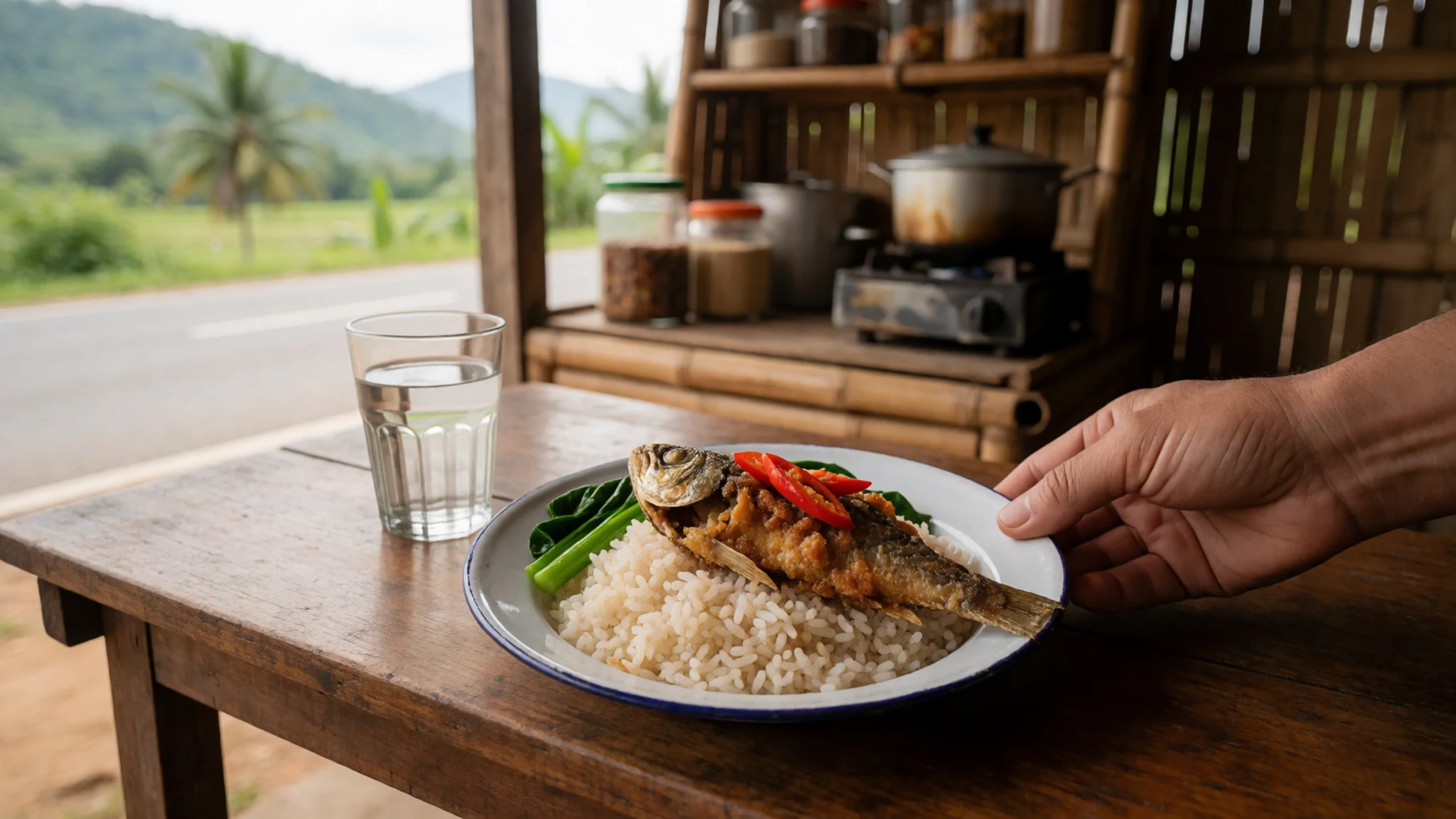
- Chicken curry — Local eateries along the main road and at community gatherings
Chicken curry is a standard dish across the country and a favourite for celebrations. It is usually spiced generously and eaten with rice. Ask what is cooked that day, because home-style eateries often make only one or two things.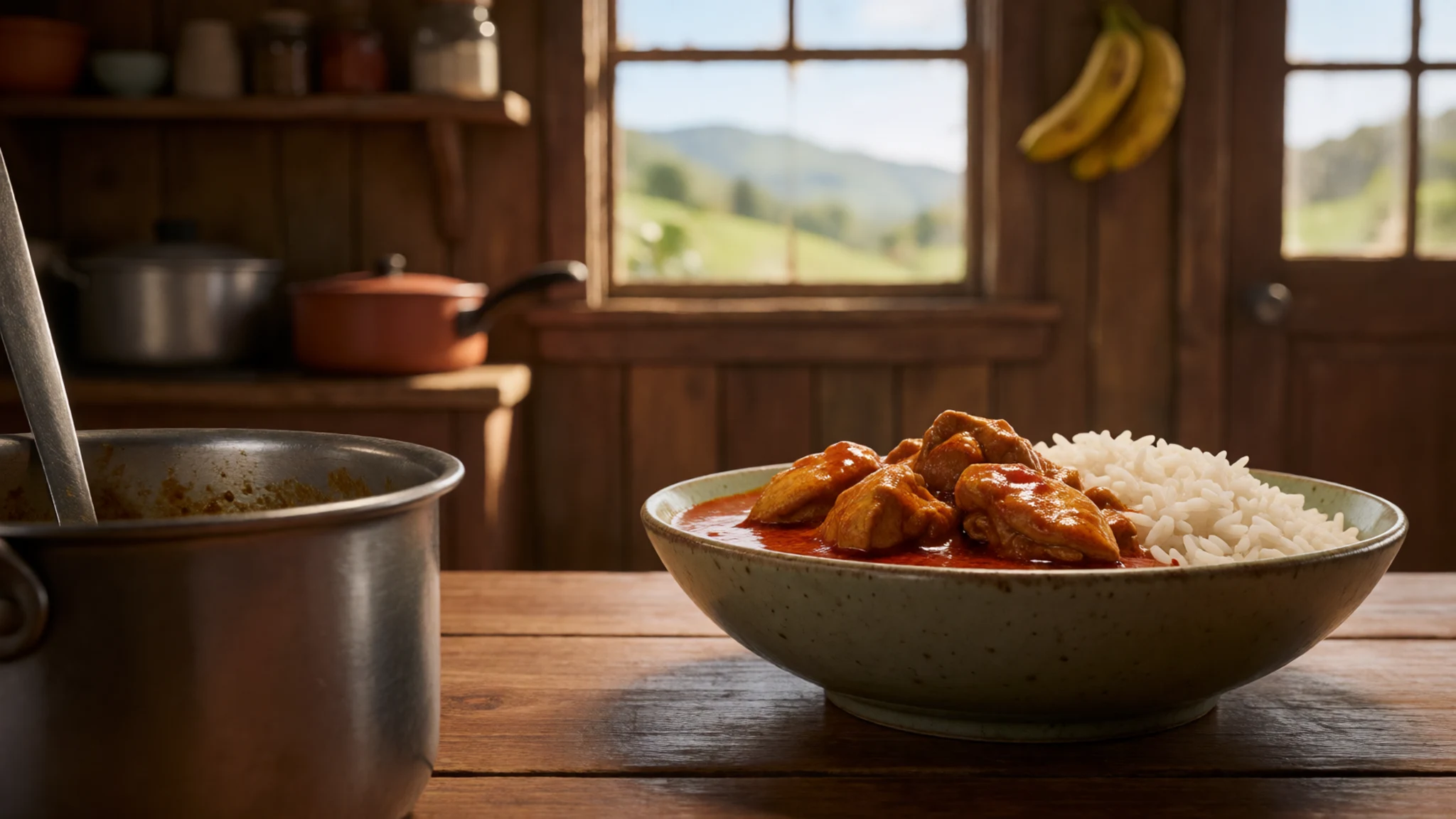
- Cassava, taro and sweet potato — Village markets and family homes
Root crops are widely grown and eaten, boiled or roasted, particularly when rice is short or alongside a stew. They are plain but hearty, and give a good idea of what rural households really eat between harvests. - Fresh tropical fruit — Roadside stalls and village markets
Mangoes, papayas, bananas, watermelons and coconuts are commonly grown here. Buy whatever is in season, eat it fresh, and drink coconut water on hot afternoons. Peel fruit yourself if your stomach is sensitive. - Timorese coffee — Family homes, small kiosks and cafés in Dili
Coffee is grown organically in the country and is served strong, often sweet, in small glasses or cups. It is the ordinary way of welcoming a guest, and drinking it slowly is part of the courtesy.
Plan it
Best time. The dry season, roughly June to October, is the easier time: roads are firmer and walking is more comfortable. Late dry-season afternoons are hot, so start early. Heavy rain in the wet season can make rural roads and river crossings difficult.
How long. 1
Getting there. Fly into Dili airport, then continue by road east along the coast through Manatuto municipality to Laleia. Public transport in rural Timor-Leste is irregular, so many visitors hire a car and driver in Dili. Check current road conditions locally.
Budget. low
Tips
- Base yourself in Dili, which has places to stay at every price level, and treat Laleia as a day trip or a stop on a longer route
- Carry cash, small notes especially, since cards are unlikely to work outside Dili
- Bring water, sun protection and a rain layer, and start early before the heat builds
- Check visa rules on the official government site before travelling, since entry requirements depend on nationality
- Keep phones and bags secure in busy parts of Dili, where snatching from motorbikes does occur
Etiquette
- Ask before photographing people, churches and memorials
- Dress modestly with shoulders and knees covered for church visits
- Avoid raising politics or the occupation unless a local person starts the conversation
Nearby
Sources
- Wikidata Q1801231 (CC0)
- Wikipedia: Laleia (rev 1374527658) (CC BY-SA 4.0)
- Wikivoyage: Timor-Leste (rev 5406324) (CC BY-SA 4.0)
- Photo: Laleia church (Isabel Nolasco) (CC BY-SA 4.0)
- Photo: Haturalan, Laleia, Manatuto (Ministro da Agricultura e Pescas) (Public domain)
- Photo: A cross up in the hill in Laleia (Isabel Nolasco) (CC BY-SA 4.0)
- Photo: FALINTIL Grave, Laleia (Nuno Marques) (CC BY-SA 4.0)
- Photo: Laleia administrative post map (mazysrs, DGE) (Public domain)
- Photo: Basilio Ximenes (Ministerium für Staatsadministration) (Public domain)
- Photo: Laleia landscape (Torbenbrinker) (CC BY-SA 4.0)
- Photo: Annual rainfall, Laleia (Seeds of life) (CC BY 3.0)


