Lake Tota
Lake Tota, Colombia
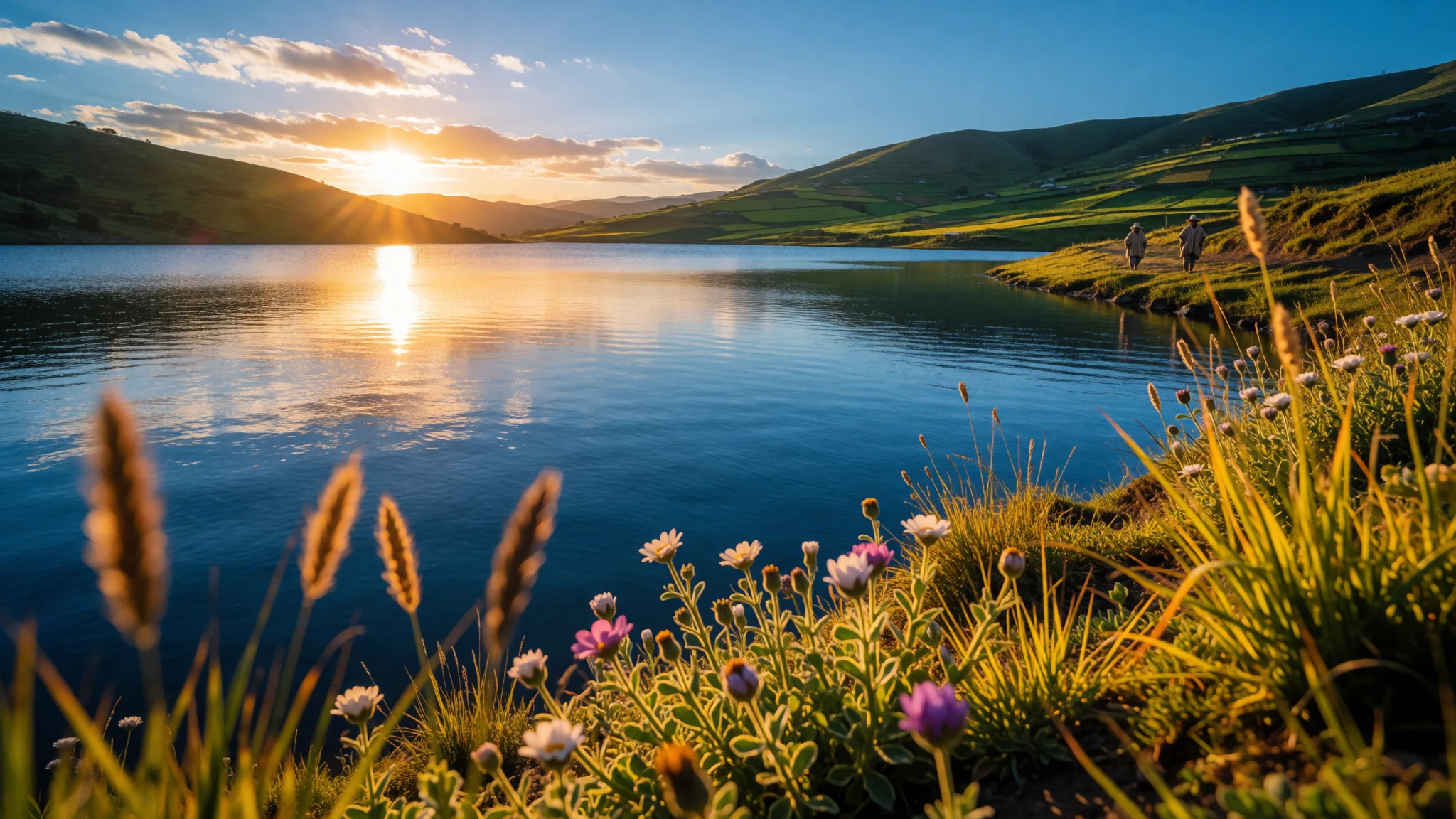
Lake Tota is a high Andean lake in Boyacá where trout, onion fields and Muisca memory share one cool, quiet shoreline.
The place
Lake Tota sits in the eastern Andes of Colombia, in Boyacá department, at 3,015 m above sea level. It is the country's largest natural lake, and its outflow forms the Upia River, which eventually joins the Orinoco basin. In other words, the water here drains towards the eastern plains rather than to the Caribbean or the Pacific. The lake is long and fairly narrow, and the hills around it are cut into a patchwork of small farm plots. Aquitania, on the eastern side, is the main town. Tota, Iza and Cuítiva are smaller villages nearby, each with its own plaza and church. Onions are the local crop, and the fields run right down to the shore in places, which gives the landscape a tidy, stitched look rather than a wild one. The western shore is where Colombian holidaymakers tend to go, so weekends and public holidays there can be busy, while weekdays are noticeably calmer. The water stays cool, around 13 °C on average, which is why few people swim for long and why trout do well in it. Weather is the other thing to plan around. At this altitude the sun is strong, the wind off the water is cold, and cloud can roll in within minutes. Mornings are often the clearest. It is a place for slow walks, long lunches and watching birds, not for ticking off sights at speed.
Its story
Lake Tota mattered long before roads reached Boyacá. For the Muisca, who lived across these highlands, it was a religious centre, and the name itself comes from their Chibcha language. The linguist Mariana Escribano reads the main name as pointing to an astronomical observatory, which fits a lake used for sacred purposes and for watching the sky. Local legends add that the basin was shaped by the hands of ancient ancestors rather than by chance. The modern story is more about change. Rainbow trout were brought in, and the cold water suited them well. They created a wild fishery and later cage farms, and trout became the lake's signature dish. The cost fell on native life. Predation by the introduced fish is blamed for the probable loss of the pez graso, a species thought to live only in Tota. The Colombian grebe, now considered extinct, was last confirmed here. Pressure has come from the land as well. A 2024 study linked the lake's decline partly to nutrients washing in from farming and fish cages, to the shrinking of its surface for fields, and to wastewater from Aquitania. Even so, the reed beds still shelter threatened birds, including the least bittern, the Colombian ruddy duck, the Bogotá rail and Apolinar's wren. Tota today is a working landscape and a fragile one at once, and a visit is more rewarding when both sides are understood.
What to see
- Aquitania — Eastern shore
Aquitania is the lake's main town, on the eastern side. Its plaza and church make a sensible first stop, and the market streets show how much of local life revolves around onions and trout. Eat here, then walk out to the shore road for views across the water.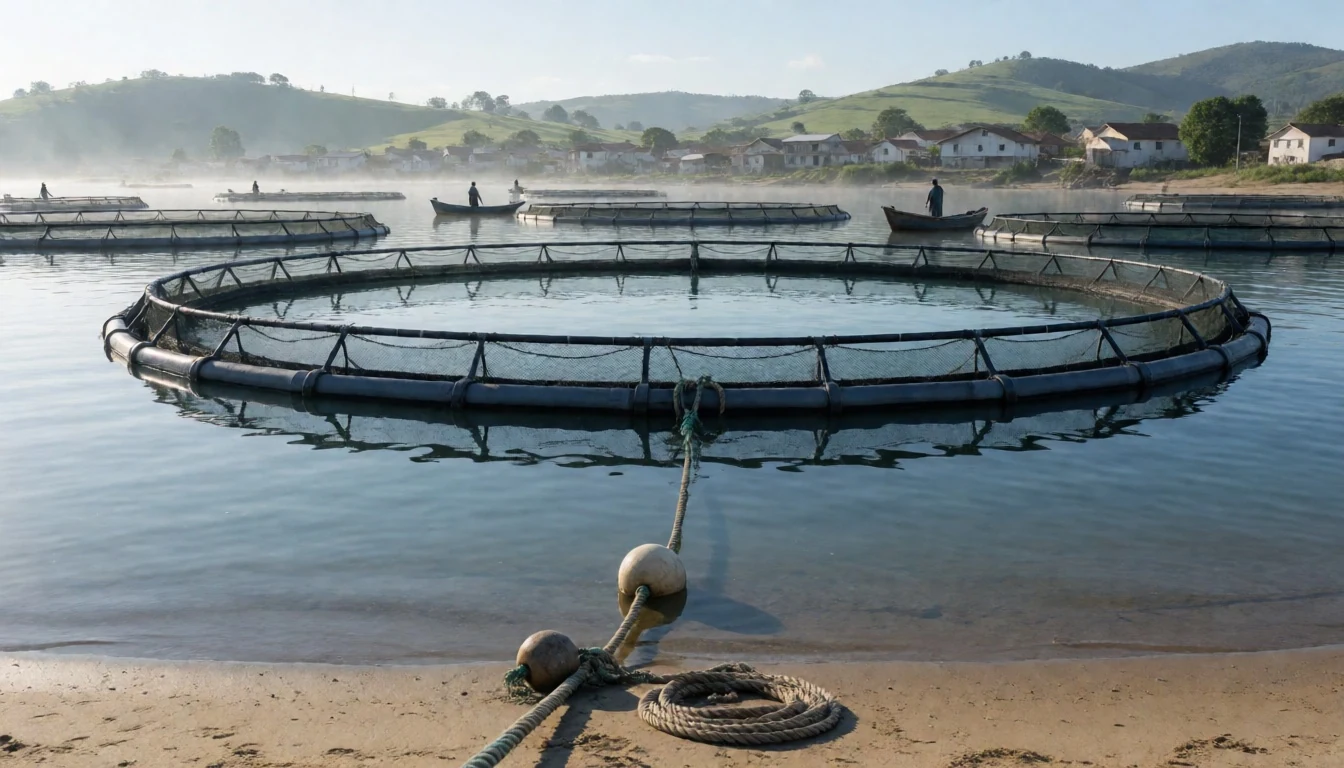
- Playa Blanca — Western shore
Playa Blanca is a pale sandy beach on the western shore, the part of the lake most favoured by Colombian visitors. It is pleasant for a walk and a photograph rather than a swim, since the water is cold. Weekends are lively; weekdays are far quieter.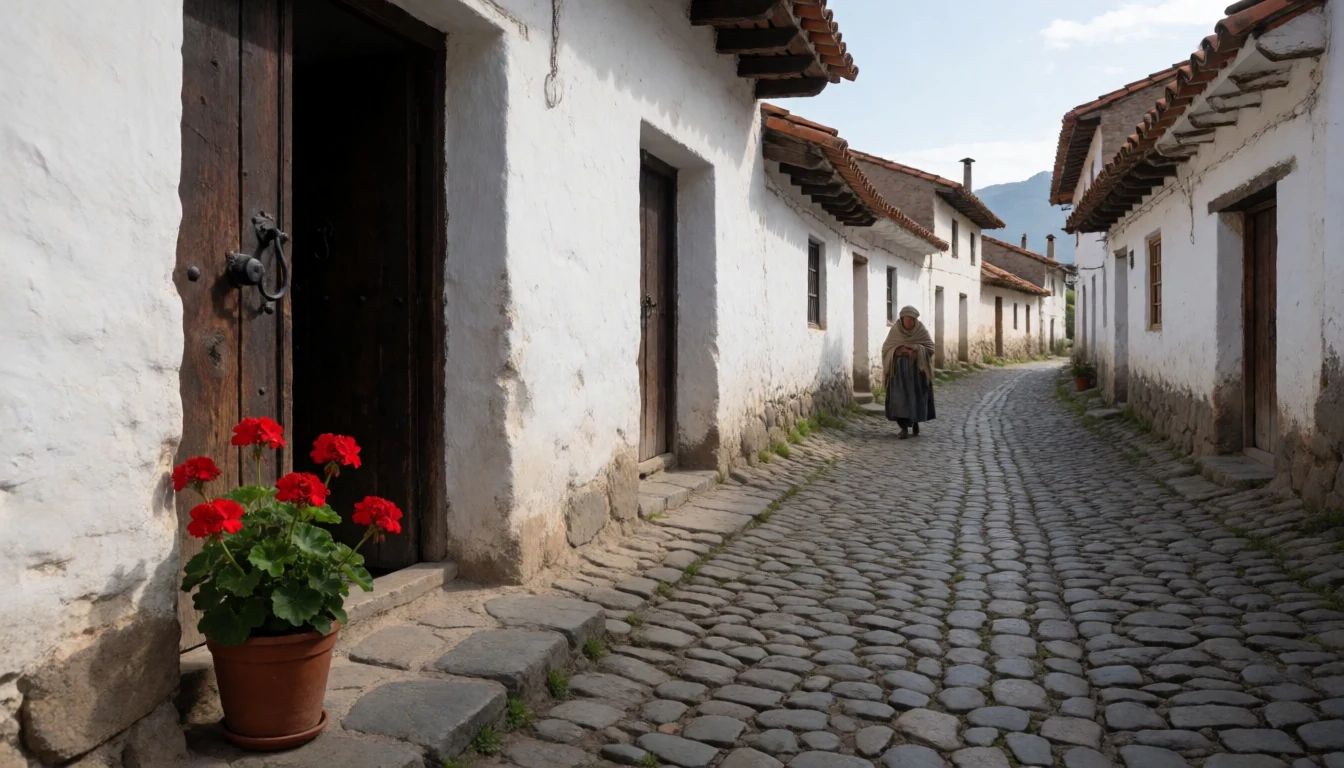
- Reed beds and birdwatching — Lake margins
The marshy margins of Lake Tota shelter threatened birds such as the Bogotá rail, Apolinar's wren and the Colombian ruddy duck. Go early, bring binoculars, stay on tracks and keep voices low. A local guide will know which stretches of shore are worth the time.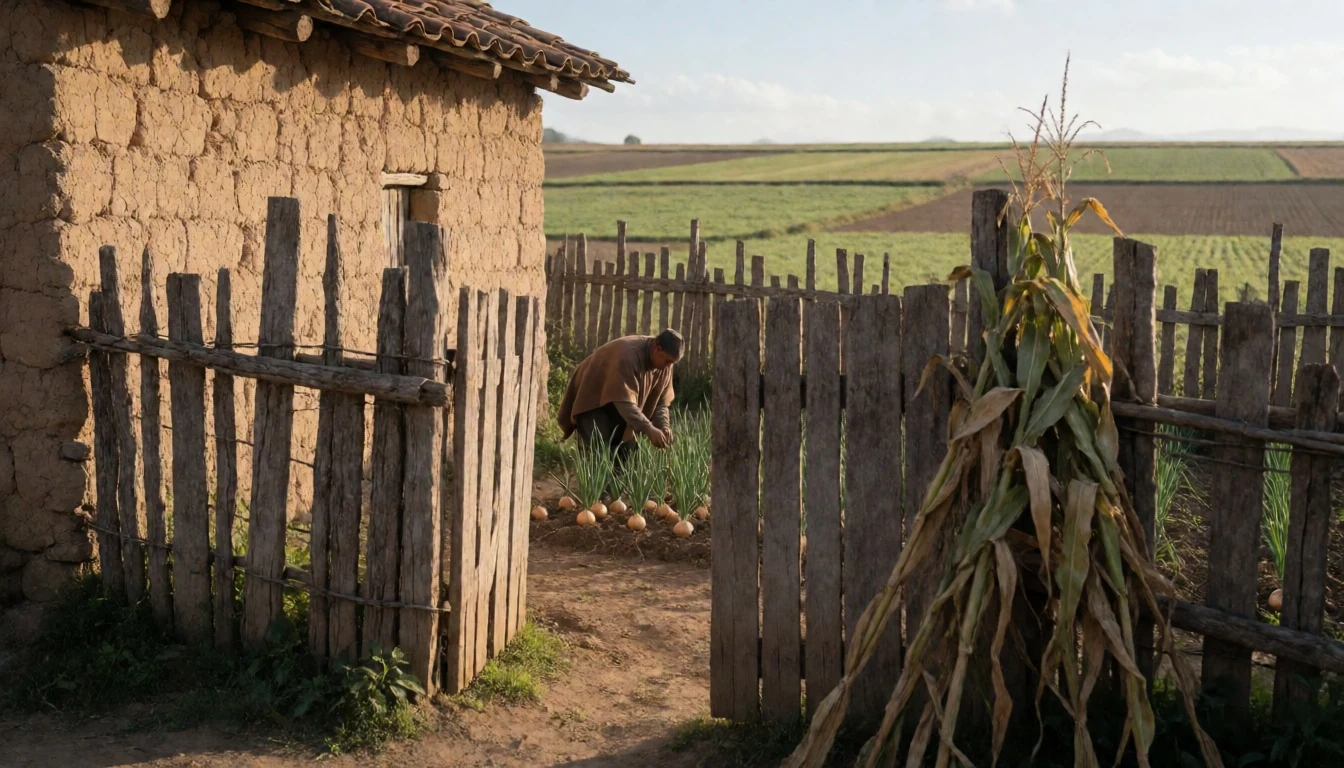
- Iza — North-west of the lake
Iza is a small village just north-west of the lake, built around a tidy plaza and church. It is known for thermal baths in the surrounding countryside and for sweet treats sold near the square. It suits a slow half day, combined with a drive around the northern shore.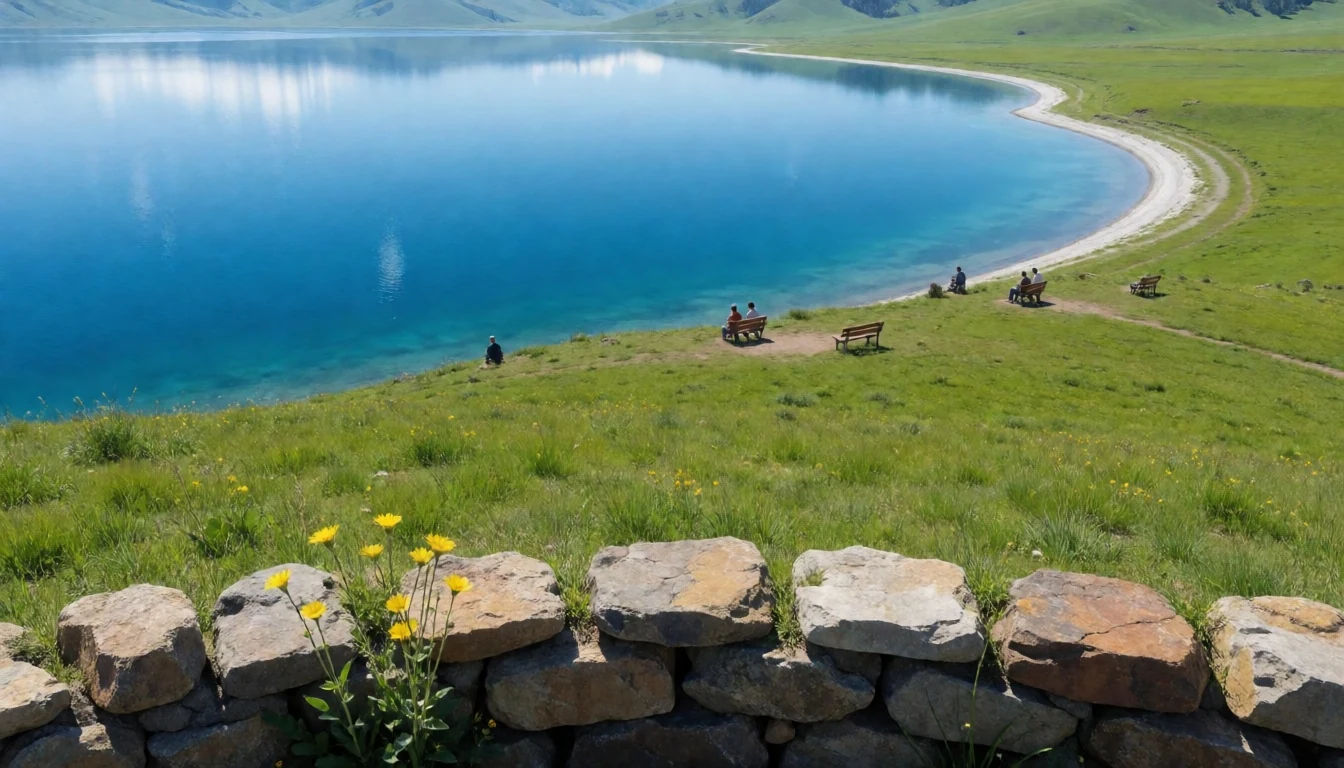
- Onion fields near Cuítiva — Southern shore
Around Cuítiva the slopes are laid out in neat green rows of onions, with the lake showing between them. The roads are narrow and farm traffic has priority, so walk or cycle where possible. Light is best in the morning, before cloud builds over the ridges.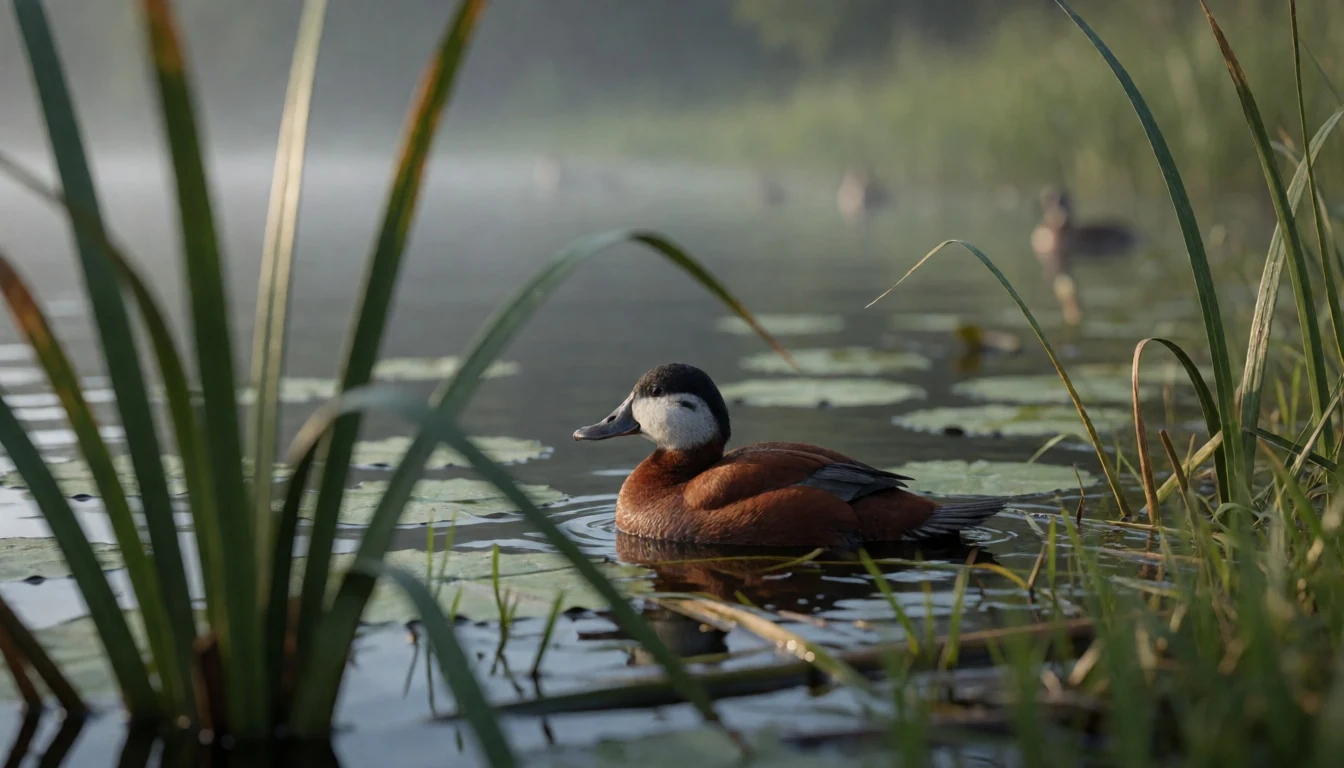
Culture
Lake Tota belongs first to the Muisca story and then to the farming families of Boyacá. The Muisca treated the lake as sacred, and echoes of that remain in the place name and in local legends about its making. Today the culture around the shore is that of the Andean campesino: small plots, early starts, wool against the cold, and an easy, courteous way of speaking to strangers. Onion growing sets the rhythm of the year, and the lake is both a workplace and a source of water, with trout farming adding a second living. Catholic life centres on the village churches and plazas of Aquitania, Tota, Iza and Cuítiva, where saints' days and Sunday services draw people in from the surrounding hills. Markets are social events as much as shopping trips. Colombian families holiday on the western shore, so the atmosphere there is relaxed and a little festive at weekends, with music from cars and stalls. The lake is also under strain from agriculture, fish farming and wastewater, and locals are well aware of it, so conversations about the water can be serious. Listening is better than lecturing. Visitors who greet people with a simple buenos días will find doors and conversations open readily. Ask before photographing farmers or market traders at work, and keep to field edges and paths so that crops and boundaries are left undisturbed.
What to wear
Lake Tota's traditional dress is the clothing of the Boyacá highlands, built around wool. The ruana, a square or rectangular wool cloak with a slit for the head, is the best-known piece, worn over the shoulders against wind and chill. It is often paired with a felt or straw hat and with alpargatas, light rope-soled shoes. Sheep's wool is spun and woven locally across the region, and the ruana is still worn on cold mornings and at festivals and markets. In everyday life, people around the lake mostly wear practical modern clothes: jeans, fleeces, padded jackets, woollen hats and rubber boots for the fields. Farm workers favour waterproofs and wide-brimmed hats against strong sun. In towns on market days, many older men and women still wear a ruana over ordinary clothes. Visitors should dress for altitude rather than for the tropics. At 3,015 m, mornings and evenings are cold, wind off the water bites, and rain can arrive without warning, so layers matter: a thermal base, a fleece, a windproof and waterproof jacket, a hat and gloves. Sun protection is just as important, because the light is intense. Wear sturdy, grippy shoes or boots for muddy lanes and shore paths. Shorts are fine on a walk but less comfortable in the cold. In village churches, cover shoulders and avoid beachwear.
What to eat
- Trucha (grilled or fried trout) — Lakeside eateries on the western and eastern shores
Trout from the lake is the signature dish at Lake Tota. It is usually grilled or fried whole and served with potatoes and a simple salad. Lakeside eateries along the shore roads serve it, and it is worth choosing a busy place on a weekend.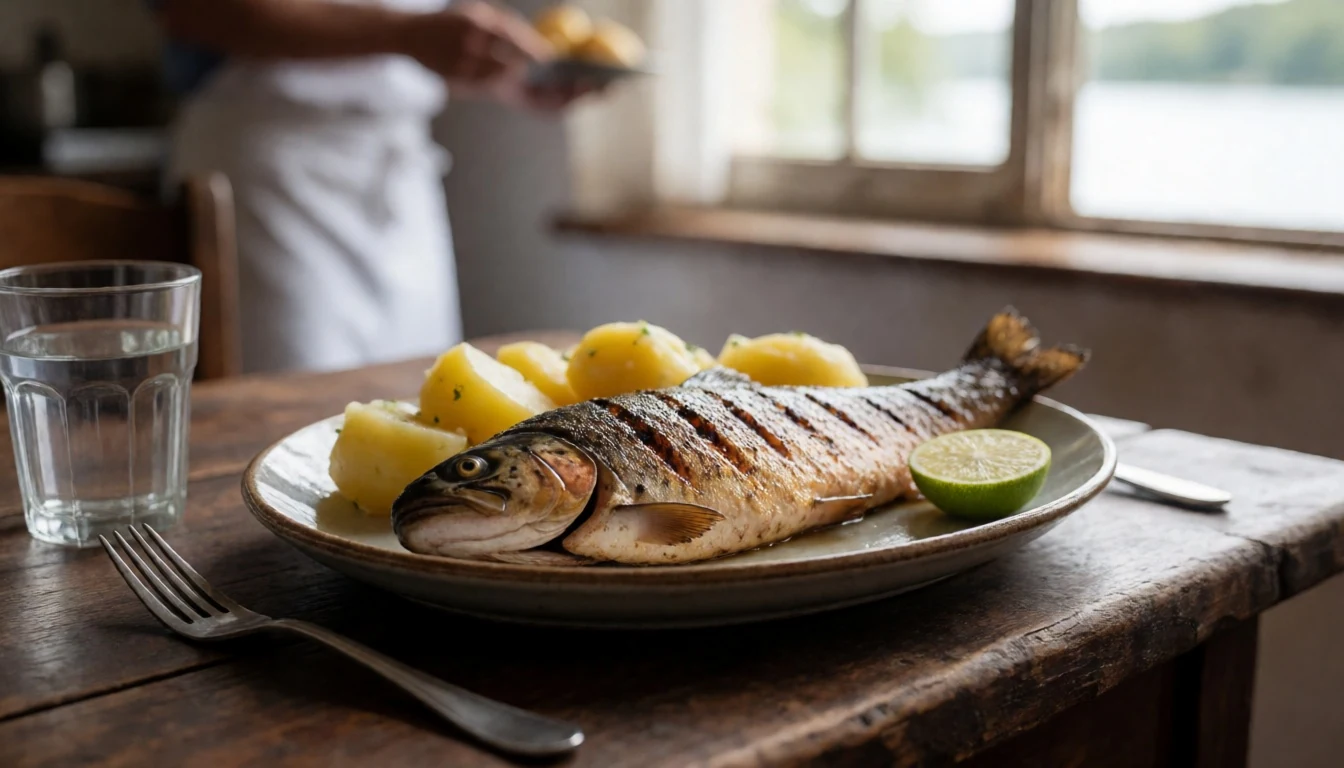
- Cuchuco de trigo — Market-day eateries in Aquitania
Cuchuco is a thick highland soup made with cracked wheat, usually with potatoes, vegetables and often pork. It suits the cold and the altitude, and it is hearty enough to count as a full meal. Look for it on market-day menus.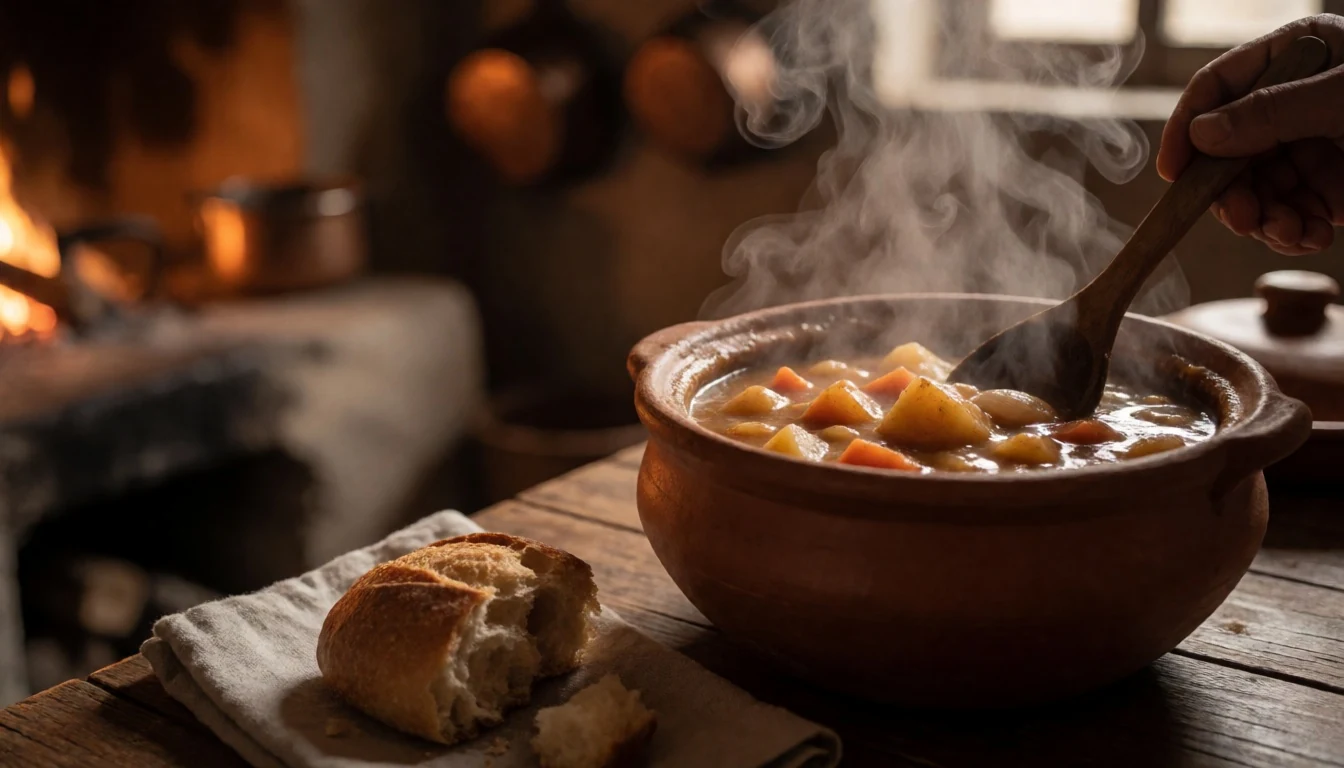
- Papas criollas — Market stalls and home-style eateries in lake villages
Papas criollas are small, yellow-fleshed Andean potatoes, usually boiled or fried whole, with a soft, creamy texture. They arrive alongside trout and in soups, and sometimes as a snack. Farm country around the lake grows plenty of potatoes. - Arepa boyacense — Village bakeries and plaza cafés
This is the Boyacá version of the arepa, made with corn and cheese and often slightly sweet. It is eaten warm for breakfast or with coffee. It differs from the thinner arepas of other regions, so try it here first. - Cebolla larga dishes — Aquitania market and home-style eateries
Long onions, the region's main crop, appear in many local dishes, from soups and stews to sauces served with meat. They are mild and slightly sweet, and cooks here use them generously. Ask what the day's dish includes.
Plan it
Best time. December to March is usually the drier and more settled stretch, which suits walks and clear lake views; outside those months expect more cloud and showers. Nights are cold all year because of the altitude, and weekends and Colombian holidays bring the most visitors.
How long. 1–2
Getting there. Fly to Bogotá, then travel by road via Tunja to Sogamoso, the main regional hub. From Sogamoso, take a local bus or taxi to Aquitania or to the western shore. Check current timetables locally, as services vary.
Budget. low
Tips
- Go on weekdays if possible, because the western shore is busiest at weekends and on public holidays
- Start early, since mornings are often the clearest and calmest
- Carry cash for small village eateries and market stalls, as cards are not always accepted
- Bring layers, a rain jacket and sun protection, because weather changes quickly at this altitude
- Give yourself a day to adjust before hard walking, and drink water regularly
Etiquette
- Greet people with buenos días and ask before photographing farmers or market traders
- Stay on paths and field edges so crops are not trampled
- Keep noise low near the reed beds and avoid disturbing nesting birds
Nearby
Sources
- Wikidata Q1720776 (CC0)
- Wikipedia: Lake Tota (rev 1378819774) (CC BY-SA 4.0)
- Photo: Laguna de Tota.jpg (Public domain)
- Photo: Physical Location map of Colombia (Milenioscuro, Alexrk2) (CC BY 3.0)
- Photo: Tota Lagoon (Dslemusp) (CC BY-SA 4.0)
- Photo: Paraje en el lago de Tota (Petruss) (CC BY 3.0)
- Photo: Tota Lake in Boyacá Departament (Petruss) (CC0 1.0)
- Photo: Laguna de Tota en Boyacá (Frank Ballesteros) (CC BY-SA 2.0)
- Photo: Paisaje vecino Laguna de Tota (Frank Ballesteros) (Public domain)
- Photo: Laguna de Tota, Boyacá (Dantepaisa) (CC BY-SA 4.0)
- Wikivoyage (CC BY-SA 4.0)


Wildlife
- Colombian ruddy duck (animal)
The Colombian ruddy duck is a rare duck, the kind of bird you remember because so few people ever see one. Around Lake Tota it is tied to the water's fringes, which are places where rare birds raise their young. To watch it well, stay back at a good distance, keep your voice low and your movements slow, and go with a local guide who knows the shoreline. Never feed it, and let it carry on undisturbed. - Bogotá rail (animal)
The Bogotá rail is a plump, short-tailed bird with a long bill, found nowhere but Colombia and counted as vulnerable, meaning it is at risk of being lost. At Lake Tota you look for it along the water's edges, where it raises its young. Watch from far back, stay quiet and still, and ask a local guide to help you. Never feed it, and keep away from nesting areas so it can breed in peace. - Colombian ruddy duck (bird)
The Colombian ruddy duck is a rare duck, the kind of bird you remember because so few people ever see one. Around Lake Tota it is tied to the water's fringes, which are places where rare birds raise their young. To watch it well, stay back at a good distance, keep your voice low and your movements slow, and go with a local guide who knows the shoreline. Never feed it, and let it carry on undisturbed. - Bogotá rail (bird)
The Bogotá rail is a plump, short-tailed bird with a long bill, found nowhere but Colombia and counted as vulnerable, meaning it is at risk of being lost. At Lake Tota you look for it along the water's edges, where it raises its young. Watch from far back, stay quiet and still, and ask a local guide to help you. Never feed it, and keep away from nesting areas so it can breed in peace.