Lake Teletskoye
Lake Teletskoye, Russia
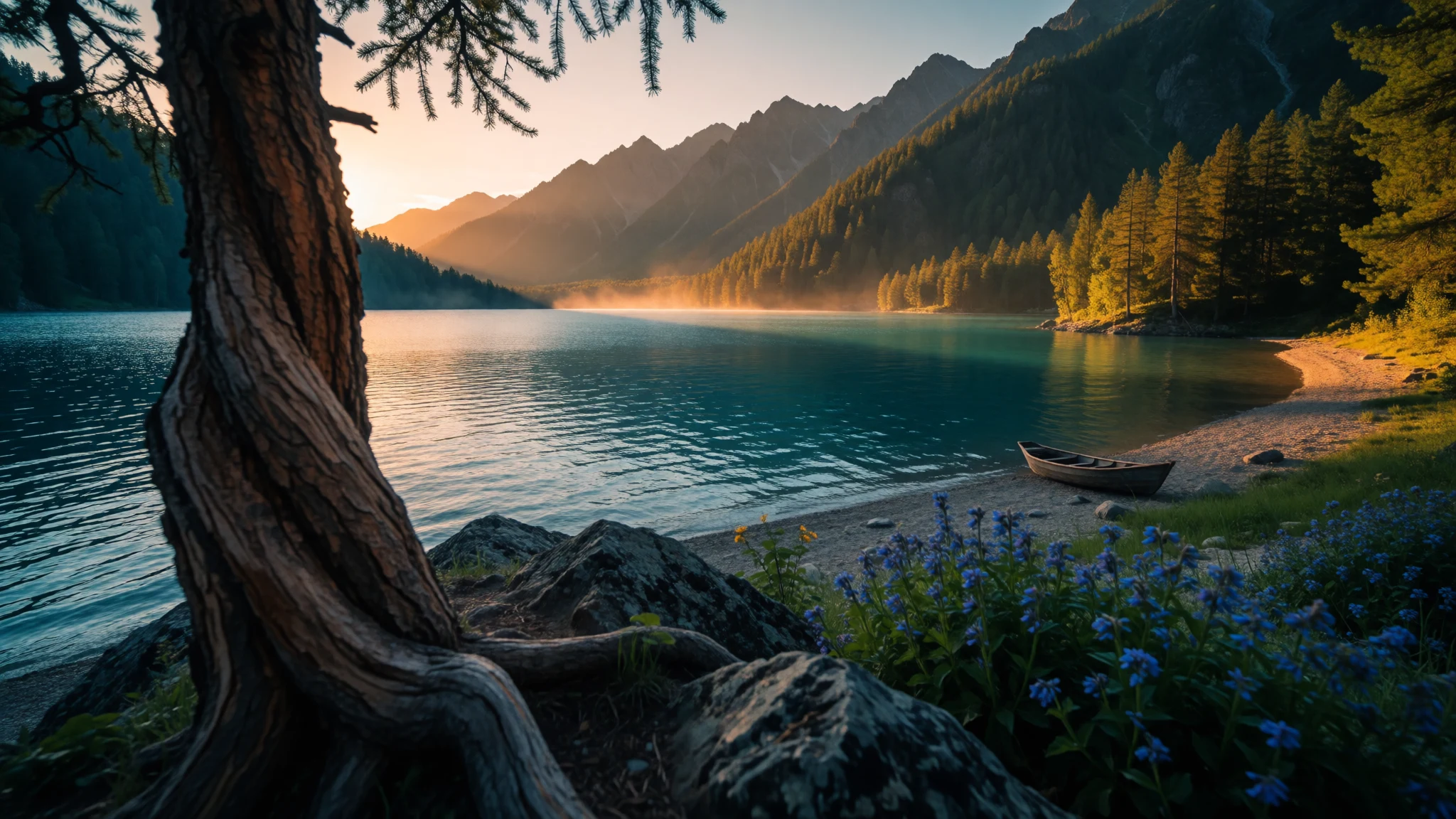
Lake Teletskoye is a long, clear mountain lake in the Altai, reached by boat, where forest and cliff run straight into cold water.
The place
Lake Teletskoye lies in the Altai Republic, in the mountains of southern Siberia. It is long and narrow, filling a steep-sided trough rather than spreading across a wide basin. Mountains fall straight into the water on both flanks, covered in Siberian pine, larch and fir, so the shoreline is mostly cliff, scree and trees, with very few beaches. Many streams and rivers feed the lake, and the Biya drains it at the northern end before later joining the Katun to form the Ob. The water is clear and cold, and swimming is a brief, bracing business even in midsummer. The northern end is the gentler and more settled part. The village of Artybash sits there, with guesthouses, boat landings and small shops. The southern end is wilder and lies inside the Altai nature reserve, reached mainly by boat or on foot. No road runs along the shore, so boats are the real transport, and distances feel longer than the map suggests. Weather changes quickly. Wind can build on the water in an afternoon, cloud can sit on the ridges for days, and rain is never far off, even in a good summer. The lake is also a place where the Altai people have long had names, stories and respect for particular springs, capes and waterfalls. Most visitors come from Siberian cities and elsewhere in Russia, so the tourist scene is domestic, informal and strongly seasonal.
Its story
Lake Teletskoye sits in a trough between mountain ranges, and its long, narrow shape reflects land that was pulled apart and then carved by ice and rivers. For a traveller the practical result is steep walls, very clear water and a shoreline that has stayed lightly built. The Altai people, who live across the republic, call the lake Altyn-Köl, the golden lake, and their stories attach to its capes, springs and falls. The Russian name is usually linked to the Teleut people, who lived in the region. Under the Russian Empire, settlers moved into the Altai valleys, among them Old Believers, who had broken with the Orthodox mainstream and sought remote land for farming, hunting and beekeeping. In the Soviet period much of the southern lake and the mountains around it was set aside as a nature reserve, which is why the south has no roads while the north has the villages. After the Soviet era, domestic tourism grew, first with camps and bases, then with guesthouses and boat trips. The change is visible at Artybash, where building continues along the shore, and there is a running local argument about how much development the lake can take before it loses what people come for. Bears, sable and deer depend on the quiet of the reserve, and the long, trackless shore is a large part of why the lake still feels remote.
What to see
- Artybash and the northern shore — Northern end of the lake
Artybash is the village where most visits to Lake Teletskoye begin. It has guesthouses, a boat landing and small shops, and the shore nearby suits short walks and a first look at the water. It is busy in high summer, so mornings and evenings are calmer.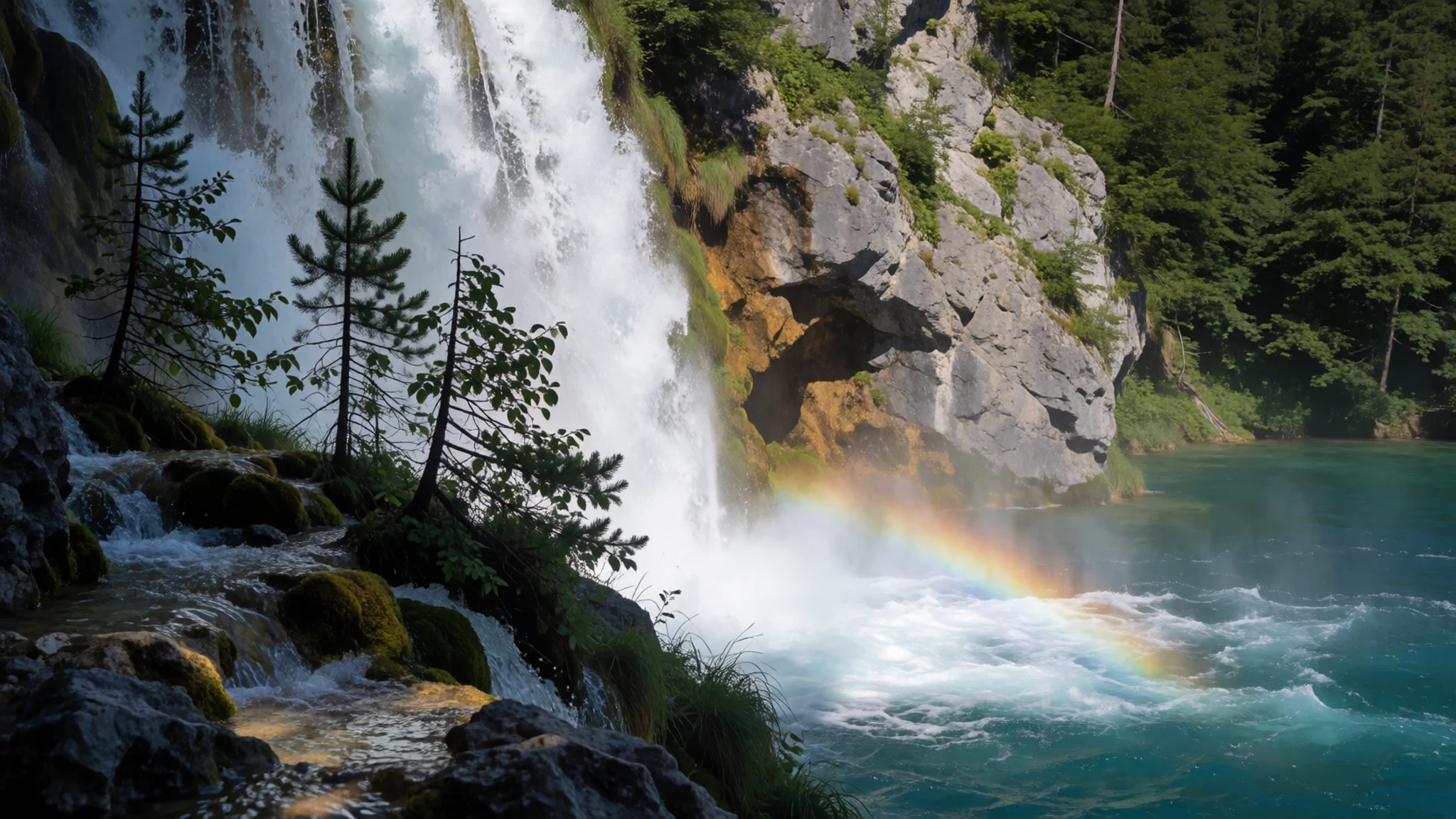
- A boat trip down the lake — Along the whole lake
The best way to understand Lake Teletskoye is from the water. Boats run from the north towards the middle and southern shore, passing cliffs, side valleys and waterfalls that no road reaches. Trips vary in length and operator, so ask locally about the weather, and wear more than seems necessary.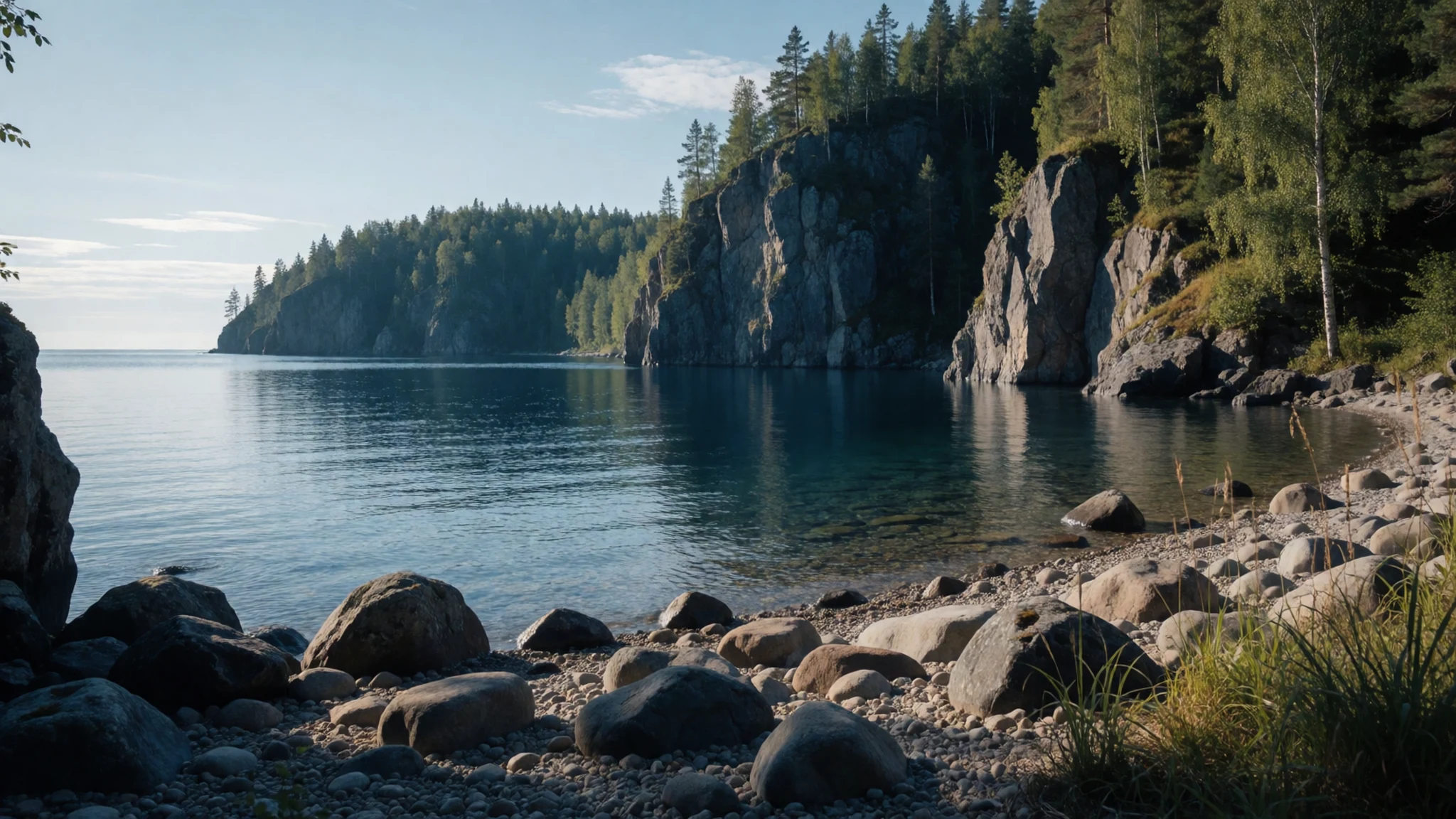
- Korbu waterfall — Eastern shore
Korbu waterfall drops into the lake on the eastern shore and is usually visited by boat, with a short walk from the landing. Water volume depends on the season and recent rain, and the path can be wet and slippery. It is a popular stop on longer boat trips.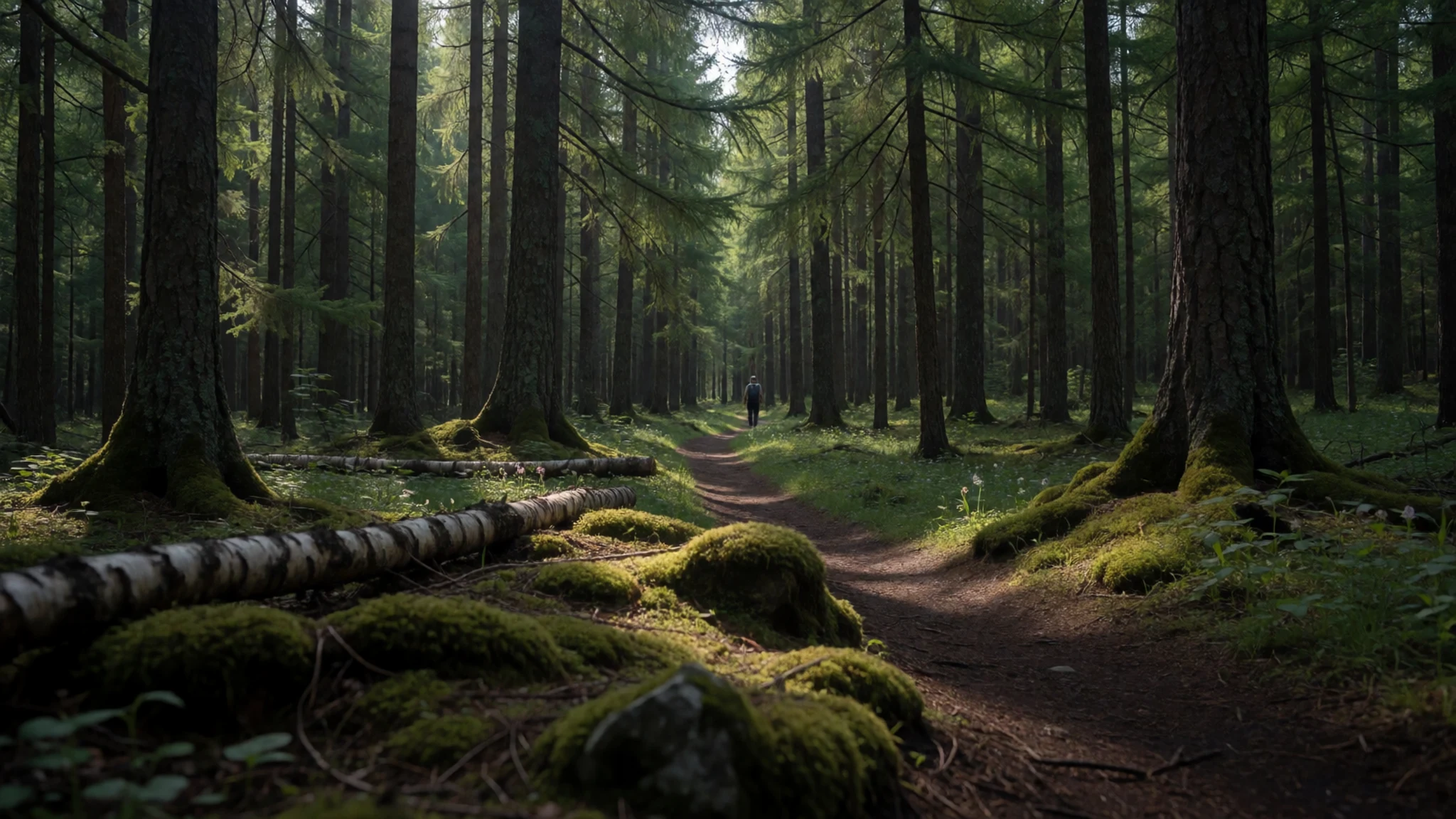
- The northern bays and beaches — Northern and north-eastern shore
North of the middle of the lake, small bays hold pebble and sand beaches that are rare on a shore of cliffs. They are used for picnics, camping and a quick dip, although the water stays cold. Facilities are basic, so carry water and take your rubbish away.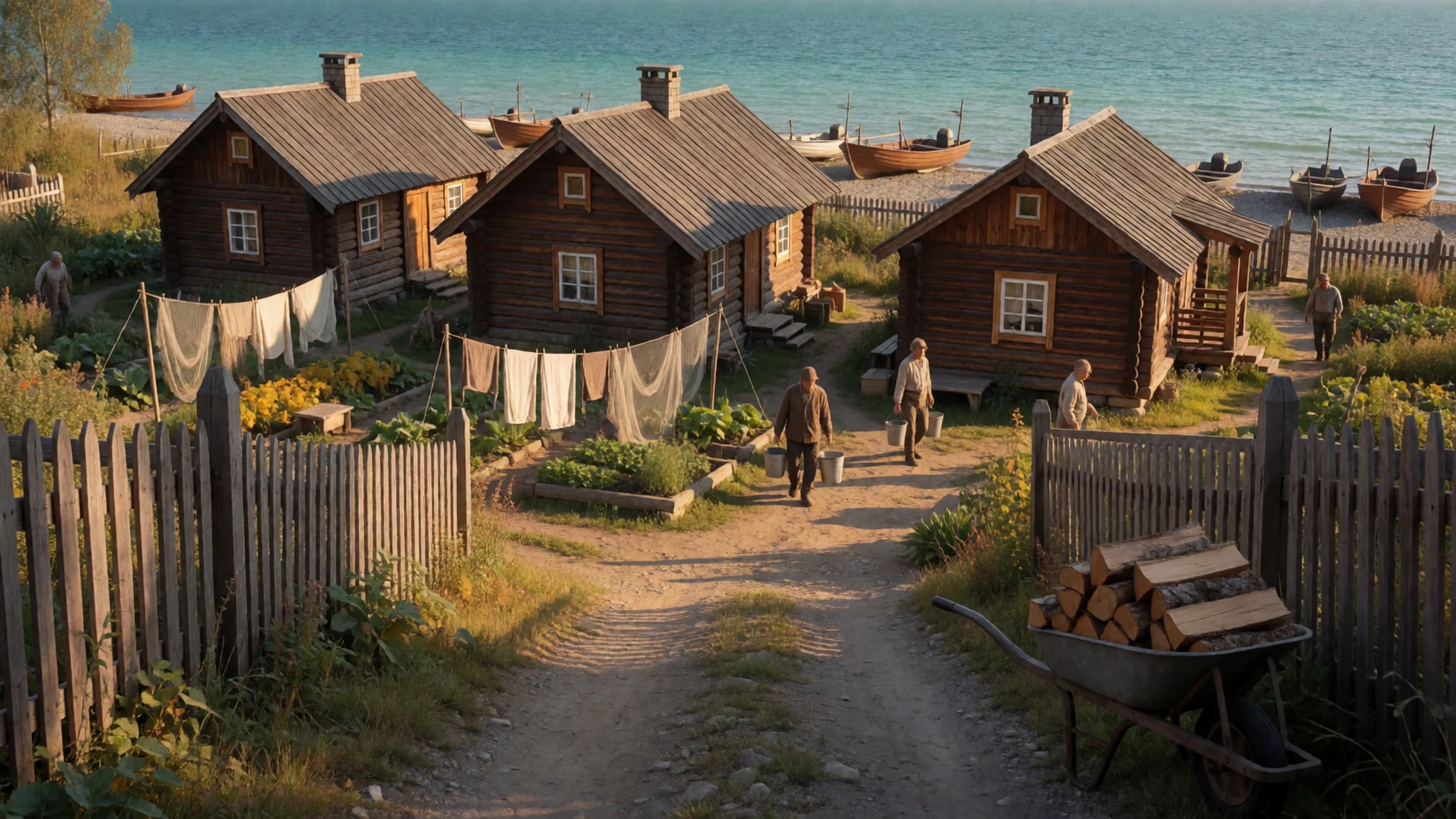
- The southern end and the reserve — Southern end of the lake
The southern end of Lake Teletskoye lies within the Altai nature reserve, where forest meets the river valleys that feed the lake. Access is controlled, with permits and rules that change, so check with the reserve or a licensed local operator before planning. The reward is a quiet, little-built shore.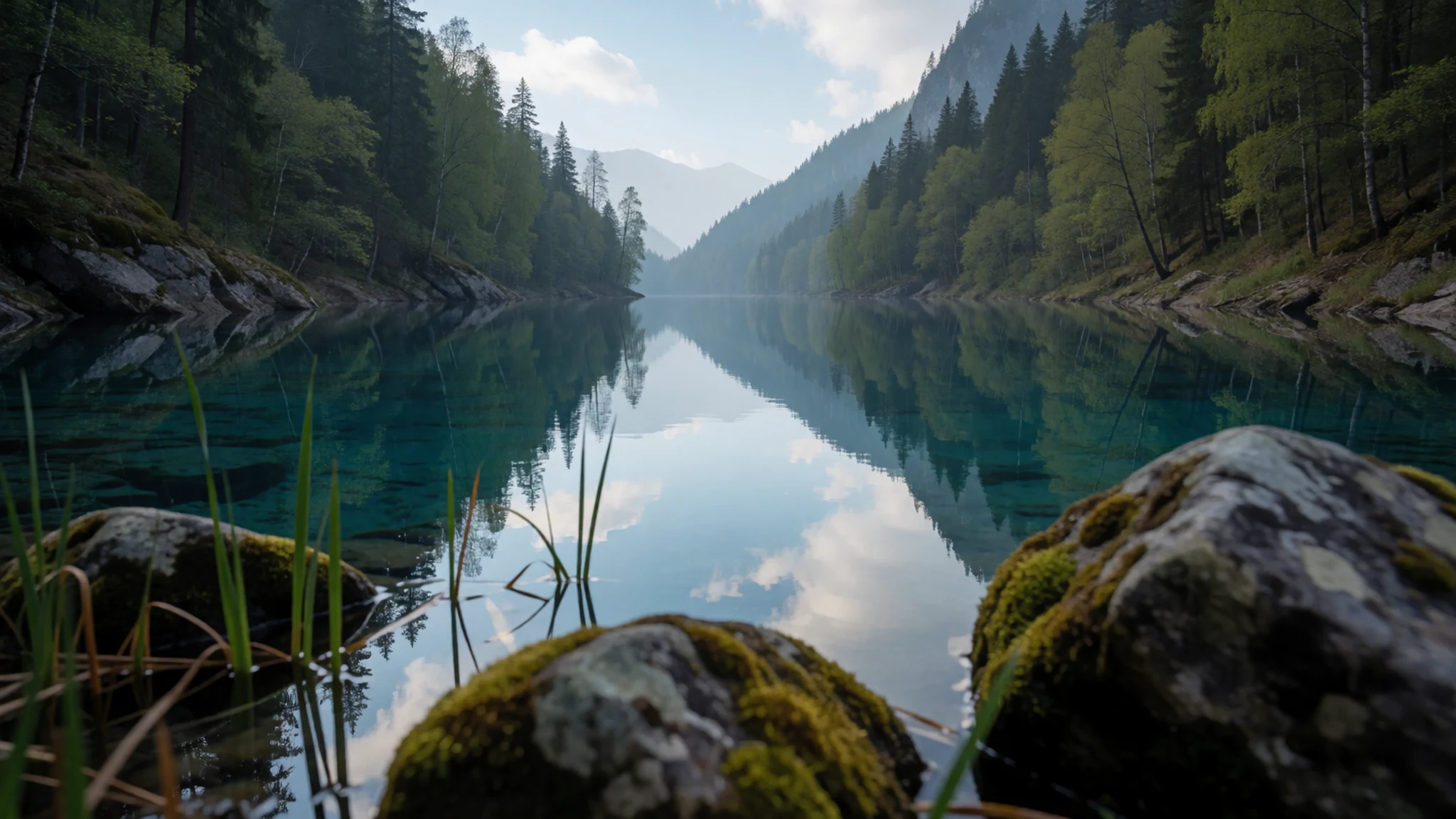
Culture
Lake Teletskoye sits in Altai land, and the culture around it is layered. The Altai people have traditional beliefs tied to mountains, rivers and springs, in which certain places are treated as sacred and visited with offerings. Coloured ribbons tied to trees at passes and springs are a common sign of this, as are small gifts of food or milk left at particular spots. Alongside this are Russian Orthodox traditions, and the heritage of Old Believer families who settled in the mountains. Most people you meet around the lake are Russian-speaking, and Altai language is heard in many villages in the republic. Hospitality is generally warm and simple: tea, bread, honey and a table shared in guesthouses. Boating, fishing, foraging for berries and nuts, and beekeeping have long been part of village life, and many families now also earn from visitors. Summer is crowded with domestic tourists, so local life tends to retreat to quieter side streets and homesteads. Festivals such as the Altai New Year, Chaga-Bayram, bring music, throat singing and traditional dress, though dates depend on the calendar and the community, so ask locally. Visitors from India and the UK are rare, so expect curiosity, and a little Russian goes a long way. Do not touch, move or take ribbons, stones or offerings at sacred springs and trees, and ask before photographing people or their homesteads.
What to wear
Lake Teletskoye is in Altai country, where traditional dress was made for cold, wind and horseback travel. Older styles include long robes and coats of sheepskin, felt and quilted cloth, often edged with fur or bright braid, fur-trimmed hats and soft leather boots. Silk and cotton brought by trade added colour, and embroidery and belts marked the occasion and the wearer. These clothes appear mostly at festivals, such as Chaga-Bayram, at weddings and in performances for visitors, and in museums in the republic's towns. Day to day, people around the lake wear what suits a mountain climate: fleeces, padded jackets, jeans, rubber boots in wet weather and wool hats. Boat crews and guides favour waterproofs and sturdy shoes, and local style is practical rather than formal. Visitors should dress for the weather, not for the photographs. Pack layers, because mornings on the water are cold even in July, a windproof and waterproof jacket, a hat and sunglasses. Wear closed, grippy footwear for wet paths and boat landings, and hiking boots if walking in the hills. Long trousers and long sleeves help against insects and ticks, and it is worth asking a doctor about tick-borne encephalitis vaccination before travelling. Modesty rules are relaxed, but cover shoulders and knees when visiting an Orthodox church or a sacred spring.
What to eat
- Altai honey — Roadside stalls and village markets near Artybash
Honey is a staple of the Altai, from mountain meadows and forest flowers, and is sold in jars and combs. It goes into tea, pancakes and desserts. Buy from roadside stalls and village sellers, and ask which flowers it comes from.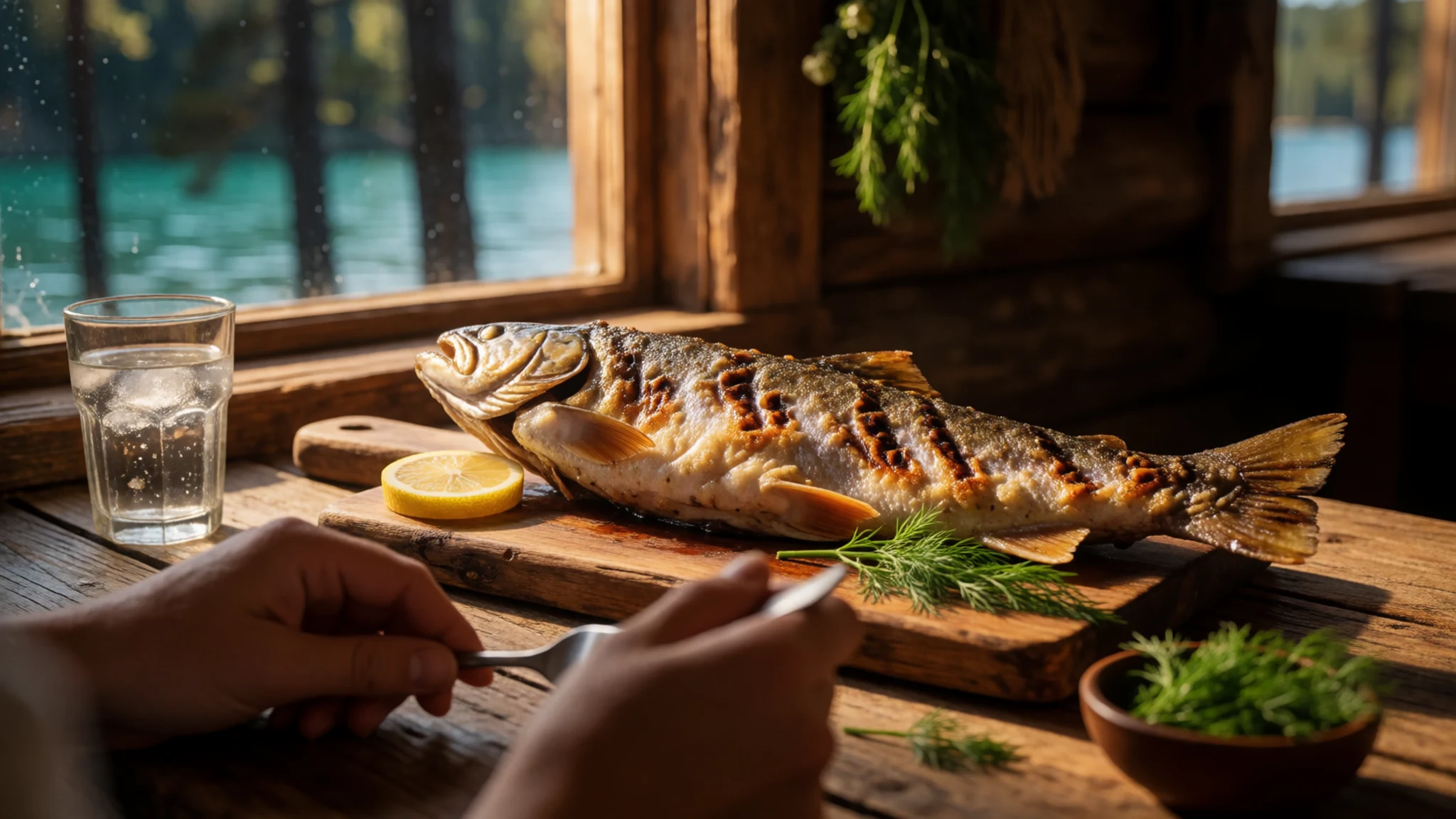
- Smoked and grilled lake fish — Boat landings and stalls on the northern shore
Freshwater fish from the lake and its rivers, often grilled over a fire or smoked, is sold near the landings. It is simple food, eaten with bread, onion and a cup of tea. Ask what species it is and when it was caught.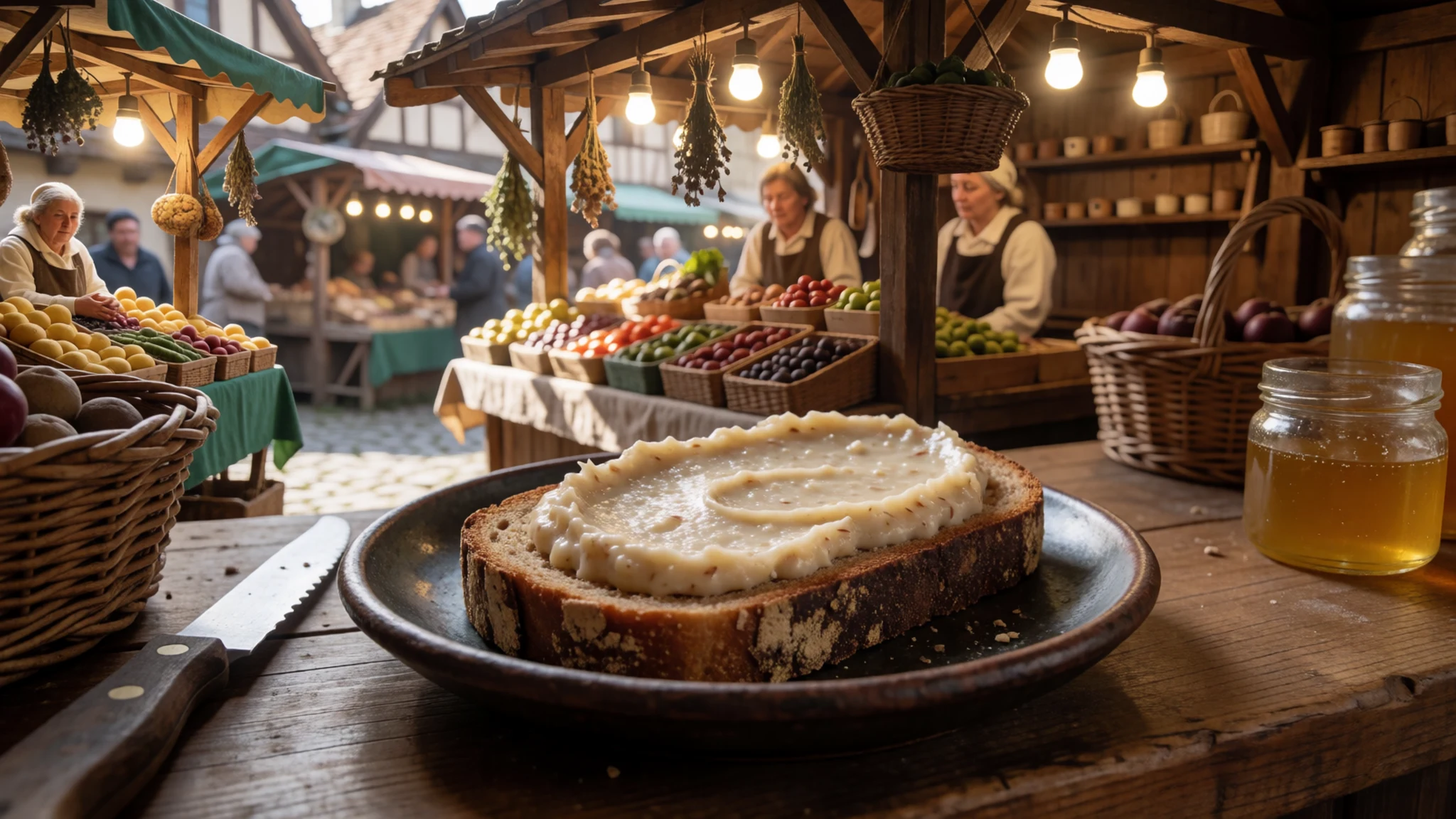
- Pelmeni — Guesthouse kitchens and small eateries in Artybash
Pelmeni are small meat dumplings, boiled and served with sour cream, butter or vinegar. They are the standard warm meal after a cold boat trip. Many guesthouses make them by hand, and vegetarian versions are rare, so ask in advance. - Pine nuts and forest berries — Village markets and stalls along the road to the lake
Siberian pine nuts, wild berries and jam are sold in jars and bags, and they are an easy snack for the trail. Berries such as bilberry and cranberry appear in summer and autumn, and jam turns up with tea. - Herbal tea with jam — Guesthouses and family-run cafés in Artybash
Mountain herbs are gathered and dried for tea, taken with jam, honey or a hot meal. Blends vary by seller, so ask about ingredients if you have allergies. It is a warming end to a day on the water.
Plan it
Best time. June to September. Summer is the main season, with long days and the water at its most inviting, though it stays cold. July and August are warmest and busiest, and rain can arrive at any time. September is quieter, with cooler air and autumn colour in the hills. Winter is long, cold and snowy, and boat services are limited.
How long. 3–4
Getting there. There are no direct flights from India or the UK, and travel to Russia is subject to government advice, visa rules and changing flight links, so check your government's travel advice before planning. Within Russia, fly to Barnaul or to Gorno-Altaysk if a service is running, or take the train to Biysk, then continue by road through Turochak to Artybash at the northern end of the lake. The last leg is by road, and boats cover the rest.
Budget. mid
Tips
- Book guesthouses and boat trips well ahead for July and August, and ask about boat times, because weather can cancel sailings.
- Carry cash for small villages and boat operators, as card machines and mobile signal can be patchy along the lake.
- Start boat trips early, when the water is calmer and the light is better.
- Check permit rules before visiting the southern reserve, and use a licensed local operator.
- Pack layers, rain gear and insect repellent, and ask a doctor about tick protection.
Etiquette
- Leave ribbons, stones and offerings at sacred springs and trees exactly as you found them.
- Take all your rubbish away, and light fires only in places where they are allowed.
- Ask before photographing local people, their homes and their animals.
Nearby
Sources
- Wikidata entry for Lake Teletskoye (CC0)
- Wikipedia: Lake Teletskoye (CC BY-SA 4.0)
- Wikimedia Commons photographs of Lake Teletskoye (CC BY-SA 4.0 / CC BY 3.0 / CC BY 2.5)
- Wikivoyage (CC BY-SA 4.0)