Lake Taihu
Lake Taihu, People's Republic of China
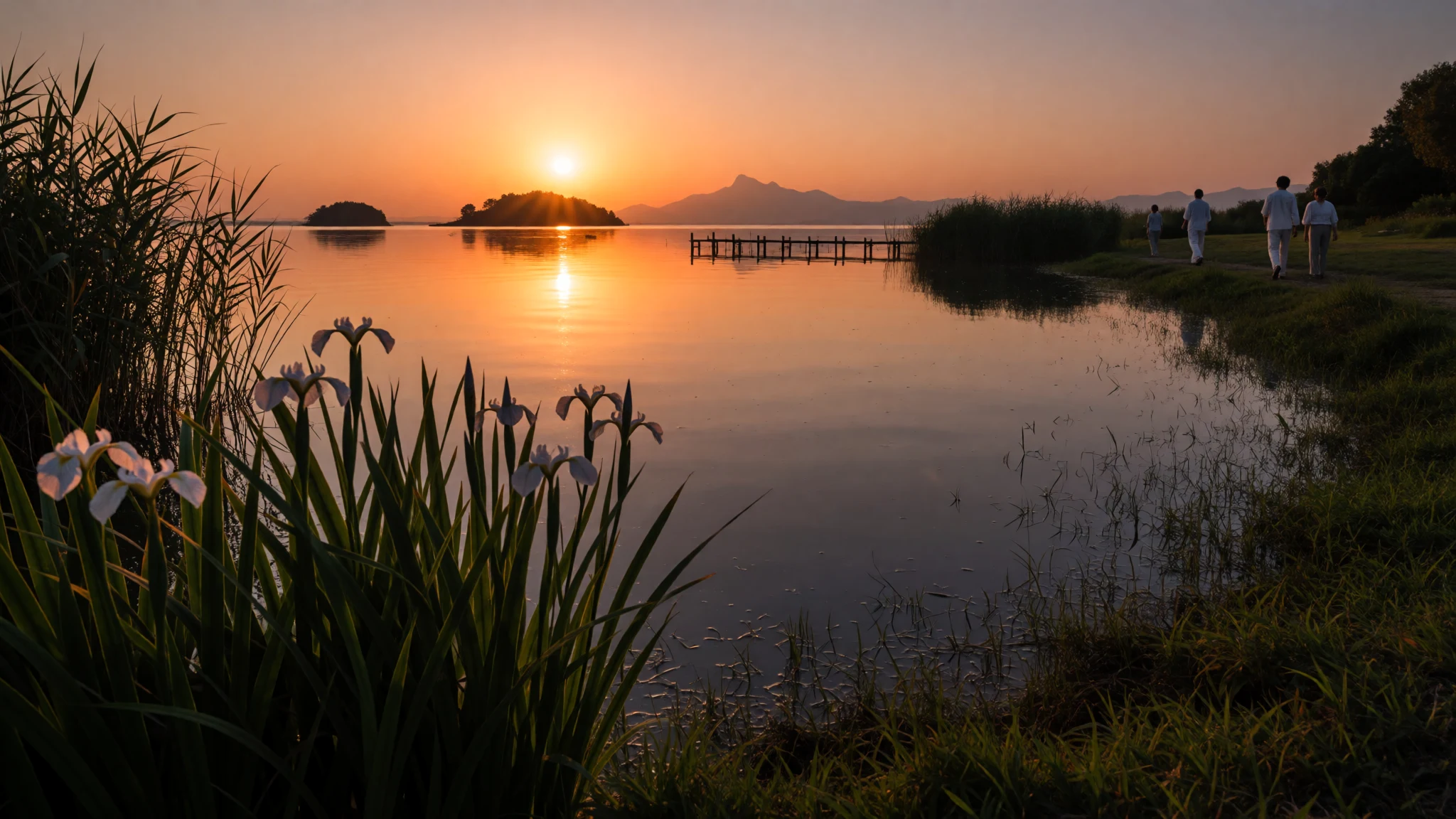
Lake Taihu is a vast, shallow lake in the Yangtze Delta, where canal towns, scholars' gardens, orchard islands and fresh crab sit close together.
The place
Lake Taihu, also called Lake Tai, is a broad, shallow freshwater lake on the Yangtze Delta, shared between Jiangsu province and, along its southern shore, Zhejiang. Its surface sits only about three metres above sea level, and it is shallow enough that it feels more like a flooded plain than a mountain tarn. Islands are scattered across it, some no bigger than a rock, others large enough to hold villages and orchards. The shoreline is a patchwork of reedy inlets and reclaimed flats in some places and wooded hills and rocky headlands in others. The cities of Suzhou, Wuxi, Changzhou and Huzhou form a loose ring around the water. Canals connect the lake to the wider waterways of the delta, including the Grand Canal, and rivers leave it towards Shanghai and the Yangtze. The surrounding land is flat and fertile, which helps explain why farming communities have been dense here for so long. The lake is a protected area and holds China's top tourist-attraction rating. In practice, the best-developed viewpoints are parks on the Wuxi side, with paths, boats and a cable car nearby, while the quieter stretches are the orchard islands and the Zhejiang shore. Haze is common, so the lake often looks like a soft silver band rather than a sharp postcard. Weekends and Chinese public holidays bring crowds to the main parks, and weekday mornings are much calmer. The water looks best in low light, early or late in the day.
Its story
Lake Taihu has shaped life in the lower Yangtze region since prehistoric times. The land around it is flat, wet and fertile, and people settled it early and densely, farming rice, fishing and moving goods by boat. The area is associated with Wu culture, and archaeological sites from that tradition still lie around the shore. Over the centuries the lake became part of a web of waterways, linked to the Grand Canal, which carried grain, silk and travellers between the delta towns. Fish and crabs from the lake fed the surrounding cities, and they still anchor local cooking. The lake's islands had a rougher reputation in the past. The Sanshan group near Wuxi was once a hideout for bandits, and today the same islands are a national park. Wealth from trade and farming also paid for the scholar-official gardens of Suzhou, where rocks hauled from the lake bed were arranged as miniature mountains. That link between water, stone and cultivated landscape is a good way to read the whole region. Wuxi's lakeside parks add a layer from the Three Kingdoms period, recreated as a theme park on the shore. The lake is therefore both a working water body and a place people have been decorating, painting and writing about for a very long time. Today its shores mix fishing villages, tea and fruit slopes, factory towns and carefully managed scenic areas.
What to see
- Yuantouzhu — Wuxi, Jiangsu
Yuantouzhu is a park on a peninsula north of Wuxi, with lake views, shaded walks and boat rides. It is busy all year, mostly with Chinese visitors, and especially in spring when the cherry blossom is out. Go early on a weekday for space and softer light on the water.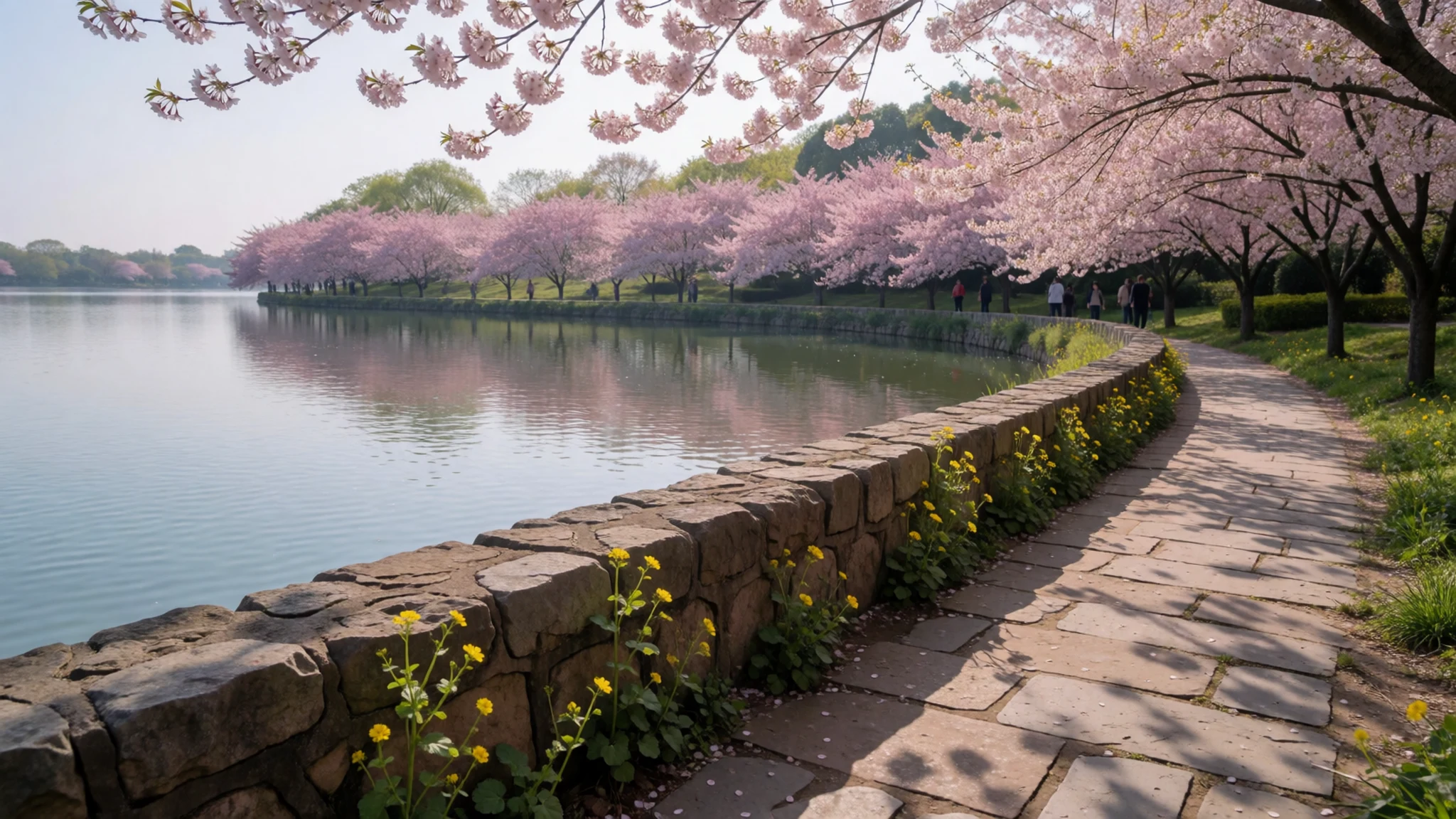
- Sanshan Dao (Three Hills Islands) — Off Wuxi, Jiangsu
Sanshan Dao is a trio of small islands in the lake off Wuxi. They once sheltered bandits and are now a national park reached by boat. The islands make a quiet contrast to the crowded mainland parks, and they look good from the headland viewpoints on a clear day.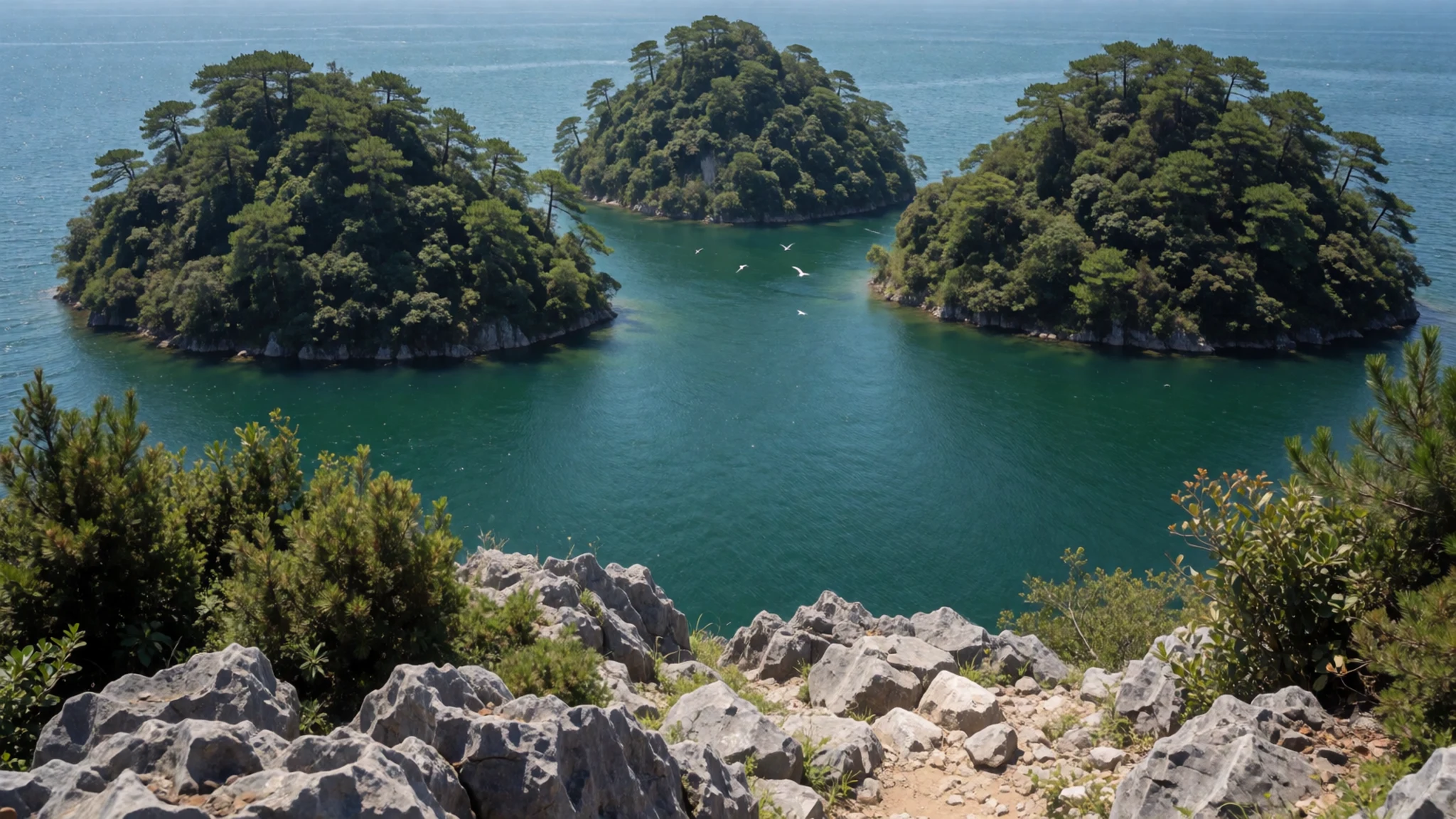
- Xihui Park and Huishan Forest Park — Wuxi, Jiangsu
Xihui Park and Huishan National Forest Park sit side by side in Wuxi and are linked by cable car. Both offer wooded walks and views over the city towards the lake. They suit a half-day when the weather is clear, and they work well alongside a visit to the old town.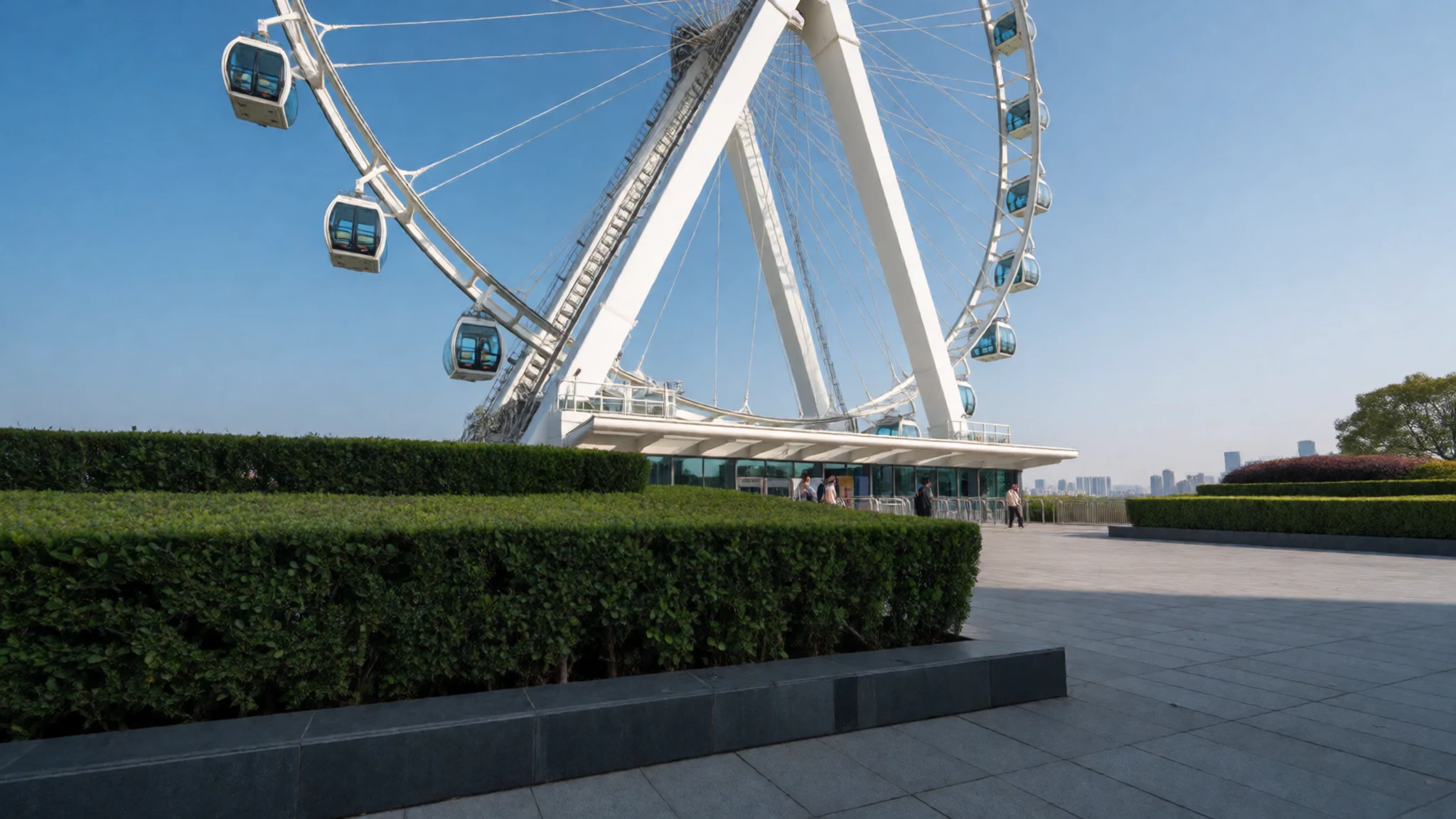
- Star of Lake Tai and the Wuxi shore — Wuxi lakefront, Jiangsu
The Star of Lake Tai is a tall Ferris wheel on the Wuxi side that gives a broad view across the water and the city edge. Nearby, the lakeside Three Kingdoms Park recreates scenes from that era along the shore. Both are touristy but easy, and good for families.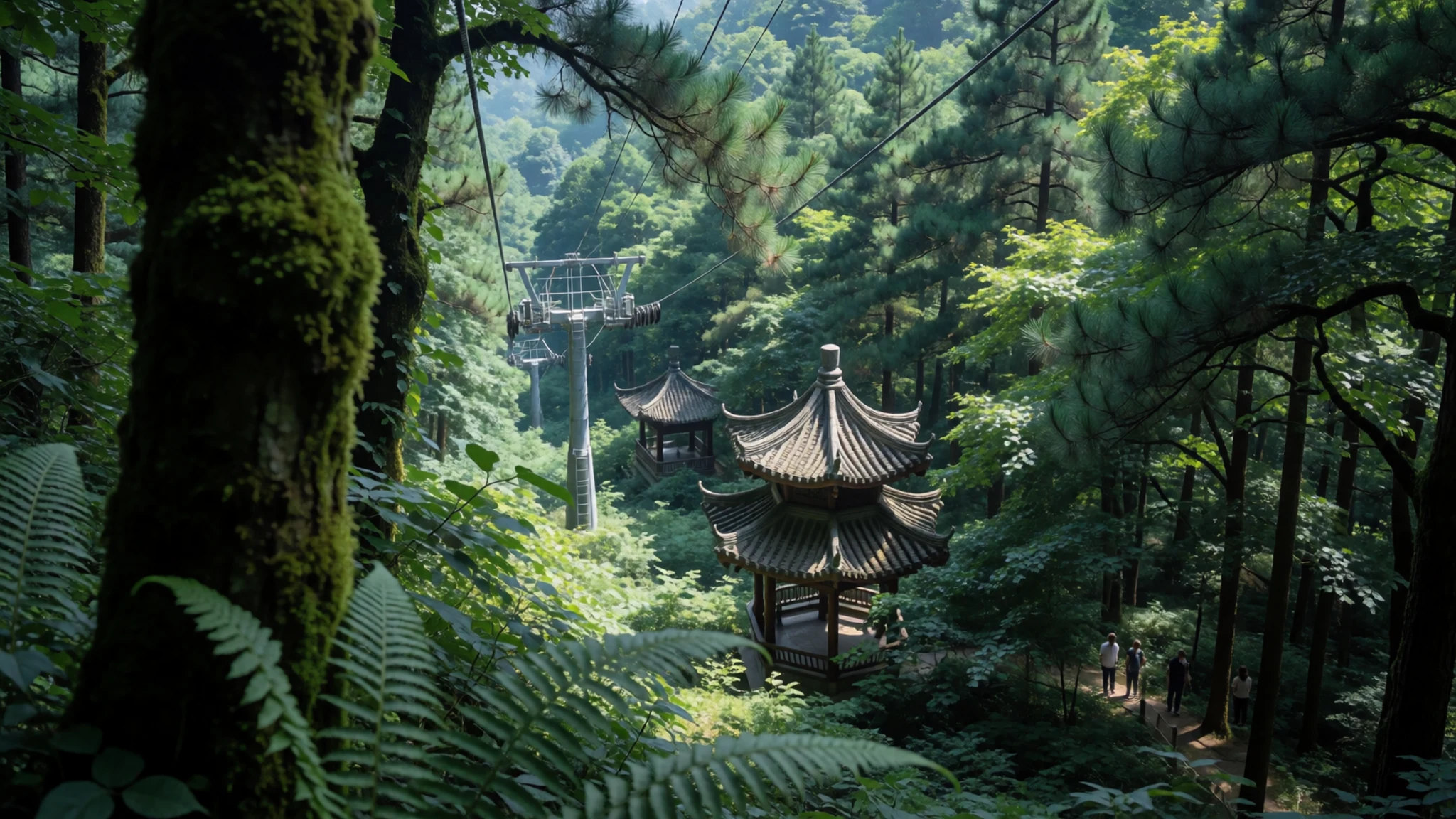
- Dongshan and Xishan — Suzhou shore, Jiangsu
Dongshan and Xishan are the rural, hilly parts of the Suzhou shore, known for orchards, tea slopes and old villages. They are slower and greener than the Wuxi parks, and suit walking or cycling. Spring and autumn are the pleasant seasons, and a car or taxi helps.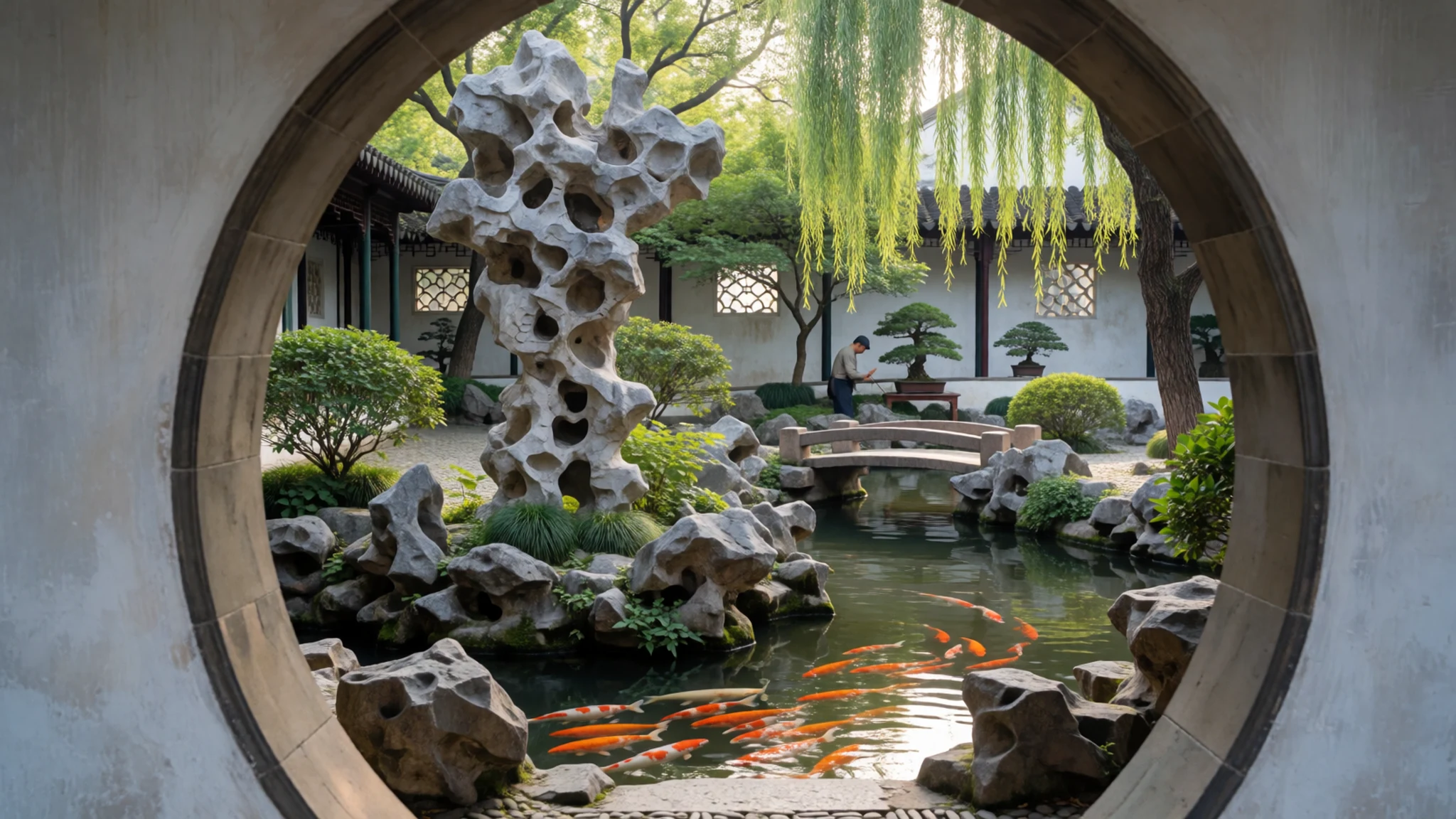
Culture
Lake Taihu sits in the heartland of Jiangnan, the region south of the lower Yangtze, long associated with scholars, painters, silk and refined cooking. Locals tend to treat the lake as a place for gentle outings rather than hard adventure: a boat ride, a tea break, a walk along a causeway, a family meal of fish. Poetry and painting have celebrated these shores for centuries, and the gardens of nearby Suzhou show the same taste for framed views, odd-shaped rocks and water. Visiting parks, you will notice that many Chinese visitors come in tour groups, wave small flags, and photograph in a very organised way, so popular viewpoints have queues for the best spot. Holidays bring huge crowds, and local visitors are used to it. Away from the headline sites, village life revolves around fishing, tea and orchard fruit, with small shops selling dried fish, tea and local snacks. Tea drinking is a social act here: green tea is served in glasses or lidded cups, and refills are routine. Spoken Mandarin is the common language, with the Wu dialects of Suzhou and Wuxi widely heard, and English is limited outside big hotels and major sights, so a translation app helps. In temple or garden spaces, keep your voice low, queue patiently at ticket gates and boat piers, and never photograph local people at close range, especially fishers and elderly villagers, without asking first.
What to wear
Around Lake Taihu, the traditional dress of Jiangnan is the qipao and the silk jacket, tied to the region's long history of silk weaving in Suzhou and Huzhou. Silk brocade, fine cotton and embroidery are the classic materials, and Suzhou is known for delicate embroidery. Traditional clothes are now worn mostly for festivals, weddings, photo shoots and costume events, and some visitors hire hanfu outfits for pictures in gardens and parks. Day to day, local people dress simply and practically: jeans or light trousers, T-shirts, shirts and trainers in warm months, with padded jackets in winter. Fisherfolk and farmers wear waterproof boots, wide-brimmed hats and long sleeves against the sun. Style in Wuxi and Suzhou is neat and understated rather than flashy. For a visitor, the climate matters most. Summers are hot and humid, so bring light, breathable cotton or linen, a hat, sunglasses and sunscreen, plus a compact umbrella for sudden rain. Spring and autumn are mild, but evenings by the water can be cool, so carry a light layer. Winter is damp and cold enough for a proper coat. There are no strict dress codes at the lakeside parks, but if you visit a temple or a religious hall, cover shoulders and knees and avoid very short shorts. Wear comfortable, grippy walking shoes, since paths are often stone steps, wet boards or uneven hillside tracks.
What to eat
- Steamed or braised lake fish — Lakeside restaurants and village eateries around Wuxi and Suzhou
Freshwater fish from the lake is a local staple, usually steamed whole with ginger and spring onion or braised in a light soy sauce. The flavour is clean and delicate. Order it at lakeside restaurants and village eateries, and ask what was caught that day.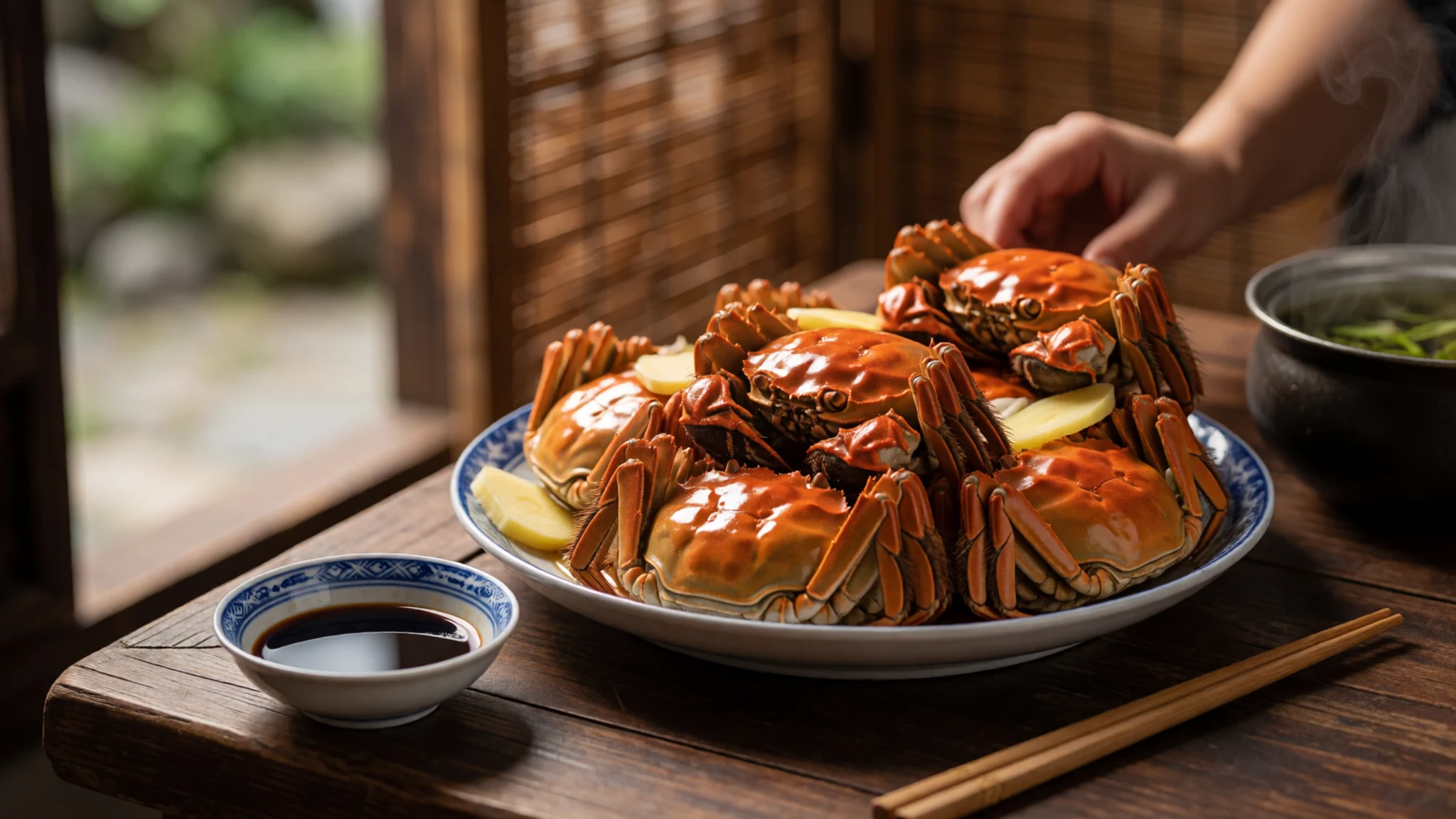
- Lake crab — Crab restaurants and waterside markets, mostly in autumn
Crab is closely tied to the lake and is a seasonal treat, usually served steamed so the sweetness comes through, with ginger-vinegar dip. Autumn is the traditional crab season. Eat it at a specialist crab restaurant or a market-side eatery, and expect to work for it with your fingers.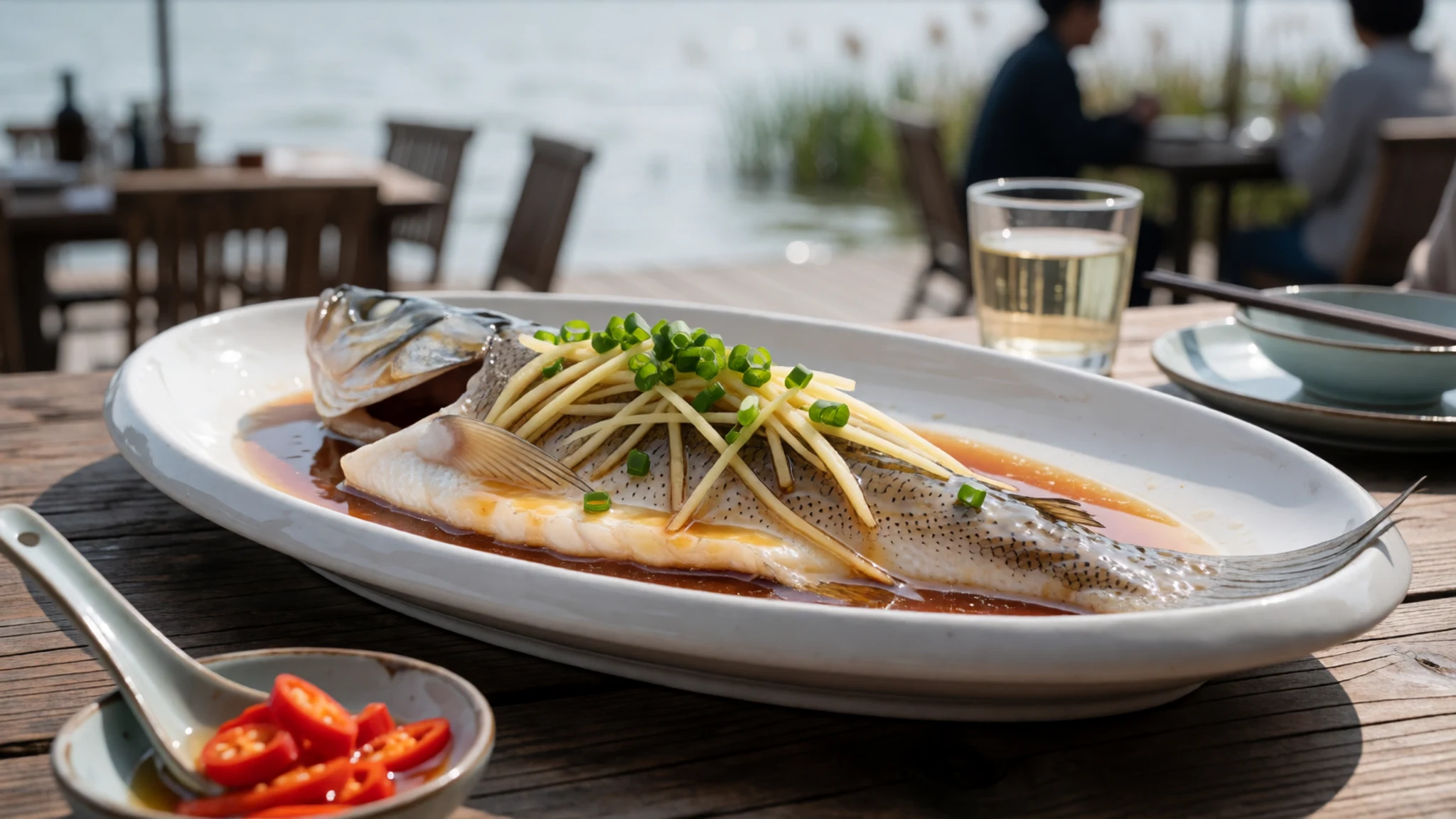
- Wuxi-style sweet braised ribs — Traditional restaurants in Wuxi old town
Wuxi is known for sweeter cooking, and braised pork ribs in a glossy, soy-and-sugar sauce are a good example. They are rich and sticky and often served as a shared dish. Try them in a traditional local restaurant in Wuxi's old town. - Local green tea — Teahouses and tea-selling shops on Dongshan, Xishan and in Suzhou
The lakeside hills produce green tea, which is drunk fresh and often carries a light, sweet, nutty taste. Tea is sold loose in shops and served at teahouses with a view. Tasting a glass while looking across the water is one of the easiest pleasures of the area. - Stir-fried freshwater shrimp — Lakeside restaurants around Suzhou, Wuxi and Huzhou
Small freshwater shrimp are a regional favourite, often stir-fried quickly with tea leaves or lightly seasoned so their natural sweetness stays. They suit a lunch with rice and a plate of greens. Look for them on set menus at lakeside restaurants.
Plan it
Best time. March–April for spring blossom and mild weather (Yuantouzhu is known for cherry blossom), and October–November for clear, cooler days and crab season. Summer is hot, humid and wet, and winter is damp and chilly.
How long. 2–3
Getting there. Fly into Shanghai Pudong or Hongqiao, or into Hangzhou or Nanjing, then take a fast train to Suzhou or Wuxi, both on the Shanghai–Nanjing line. Suzhou is also served by the Beijing–Shanghai high-speed route. Yixing and Huzhou lie on the Nanjing–Hangzhou line on the far side of the lake. From the station, take a taxi, bus or ride-hailing car to the park or shore you want.
Budget. mid
Tips
- Go on a weekday and arrive early, because the main parks fill up on weekends and public holidays.
- Carry some cash as well as a phone wallet, since small stalls and village shops may not accept foreign cards.
- Drink bottled water rather than tap water, and keep an eye on your bags in crowded areas.
- Check the official site or the park's app for opening times and ticketing before you go.
- Plan your base in Suzhou or Wuxi, then use trains, buses or taxis for day trips to the lake.
Etiquette
- Queue patiently at ticket gates and boat piers, and keep voices low in temples and gardens.
- Ask before photographing local people, especially fishers and villagers.
- Do not feed or touch wild birds, and avoid dead birds.
Nearby
Sources
- Wikidata Q140712 (CC0)
- Wikipedia: Taihu (rev 1385478938) (CC BY-SA 4.0)
- Wikivoyage: Lake Tai (rev 5166382) (CC BY-SA 4.0)
- Photo: Lake Tai 1.jpg (Public domain)
- Photo: Location map of Zhejiang, China (CC BY-SA 4.0)
- Photo: A view of Lake Tai (CC BY-SA 4.0)
- Photo: Taihu Lake, Wuxi 20180428 (CC BY-SA 4.0)
- Photo: Lake Tai, Three Kingdoms Park (CC BY-SA 4.0)
- Photo: Yuantouzhu, Lake Tai (CC BY-SA 2.0)
- Photo: Lake Tai 2.jpg (Public domain)
- Photo: Map of Jiangsu and Anhui as the Province of Nanjing (CC BY 2.5)


