Lake Ladoga
Lake Ladoga, Russia
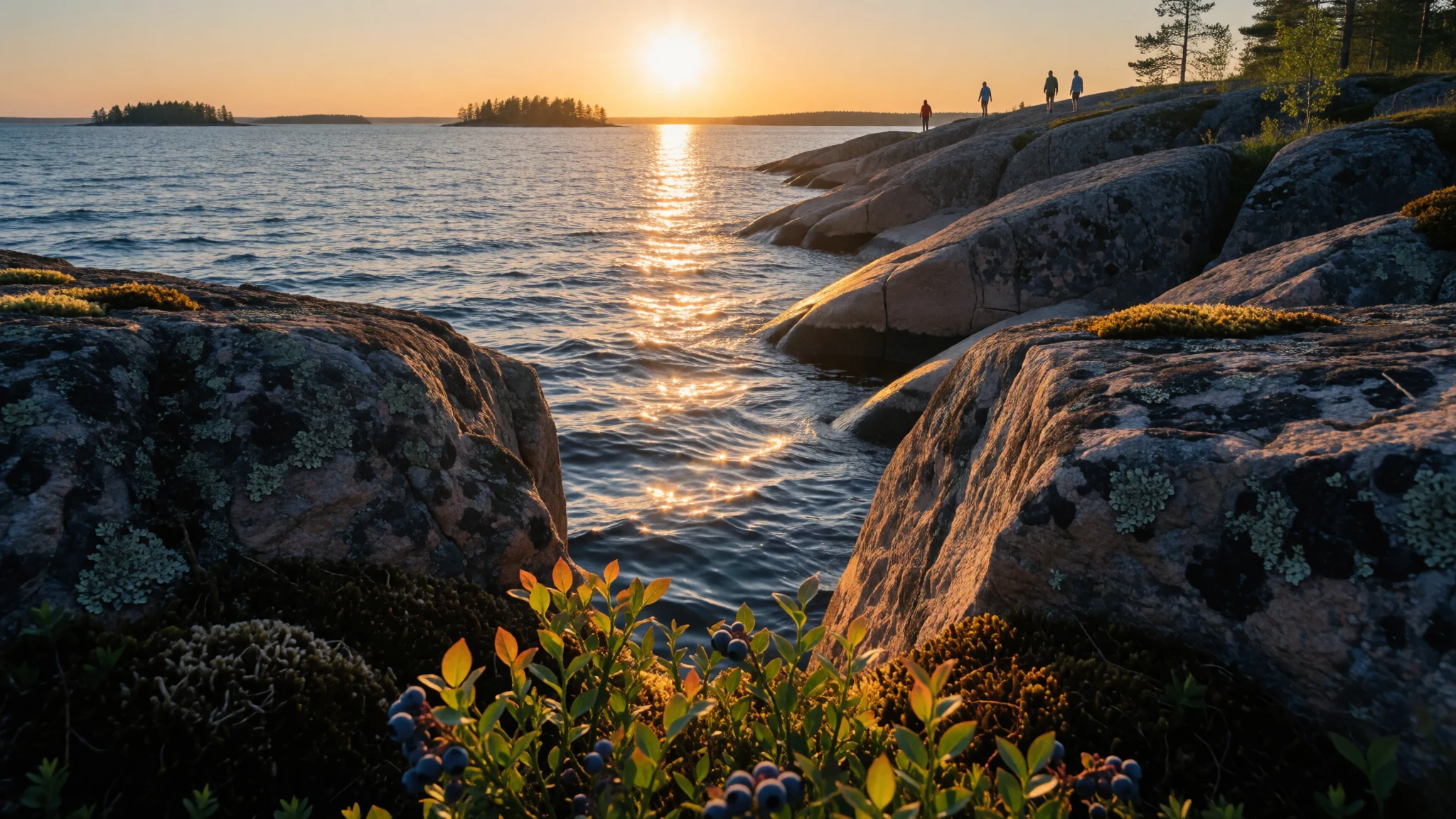
Lake Ladoga is a freshwater sea of pine-ringed islands and island monasteries, close to Saint Petersburg but demanding more preparation than most European lakes.
The place
Lake Ladoga lies in north-western Russia, shared between the Republic of Karelia and Leningrad Oblast, not far from Saint Petersburg. It is the largest lake lying wholly within Europe, and from most shores it behaves like a sea: the far bank is out of sight, the wind raises proper waves, and boatmen treat the weather with respect. The surface covers about 17,891 square kilometres and runs roughly 219 km from north to south. Depth is uneven. The average is around 47 m, but the north-western part drops to about 230 m. The whole lake sits just 5 m above sea level.
The two halves feel like different countries. The north-west is rocky and broken into around 660 islands, with granite, pine and narrow channels; Valaam, Konevets and Kilpola are among them. The south is low, flat and marshy, with wide skies and reedy bays. Water arrives from a vast catchment of about 50,000 lakes and many thousands of rivers, and leaves through the Neva, which carries it across Saint Petersburg to the Gulf of Finland.
Ladoga is also a working waterway. It forms part of the Volga–Baltic route that links the Baltic Sea with the Volga, and a canal along the southern shore lets barges avoid the open water. Most visitors meet the lake as a day or overnight excursion from Saint Petersburg, usually to the southern fortresses or the old trading town of Staraya Ladoga. The northern shore around Sortavala and the island monasteries suit a longer stay. Travel here needs more homework than most of Europe, because border rules, visas and transport links have shifted repeatedly in recent years, so current official advice matters before any booking.
Its story
Lake Ladoga has been a road for far longer than it has been a destination. Meltwater from the retreating ice sheet once fed it as part of larger glacial lakes, and its outline shifted over thousands of years before settling into the present shape. By the 8th century a Norse trading settlement at Staraya Ladoga guarded the entrance to the Volkhov river, and the lake became a link in the waterway carrying goods between Scandinavia and the Byzantine world.
Control of the shores was contested for centuries. Novgorod and Sweden fought over the region, and in the early 14th century fortresses at Korela and Oreshek were built to hold the lake's edges. Sweden gained the northern and western coast under the Treaty of Stolbovo in 1617, and Russia won it back after the Great Northern War, in 1721. In the 18th century the Ladoga Canal was dug along the southern shore, because storms on the open water had wrecked hundreds of cargo vessels.
The twentieth century turned the lake into a frontier. Finland held much of the northern shore between the wars, and a treaty signed at Tartu in 1920 limited warships on the water, although both sides still kept small flotillas. Valaam's monastery had its own long gaps: empty in the early seventeenth century, rebuilt in the eighteenth, and emptied again when its community left for Finland in 1940. Services resumed on the island in 1989, and monastic life now continues there and at nearby Konevets.
What to see
- Valaam archipelago — North-western Ladoga
Valaam is the best-known island on the lake and the home of a working monastery, revived after the Soviet decades. Visitors reach it by boat in the warmer months for the churches, woodland paths and a real sense of distance from the mainland. Plan a full day and check current operators.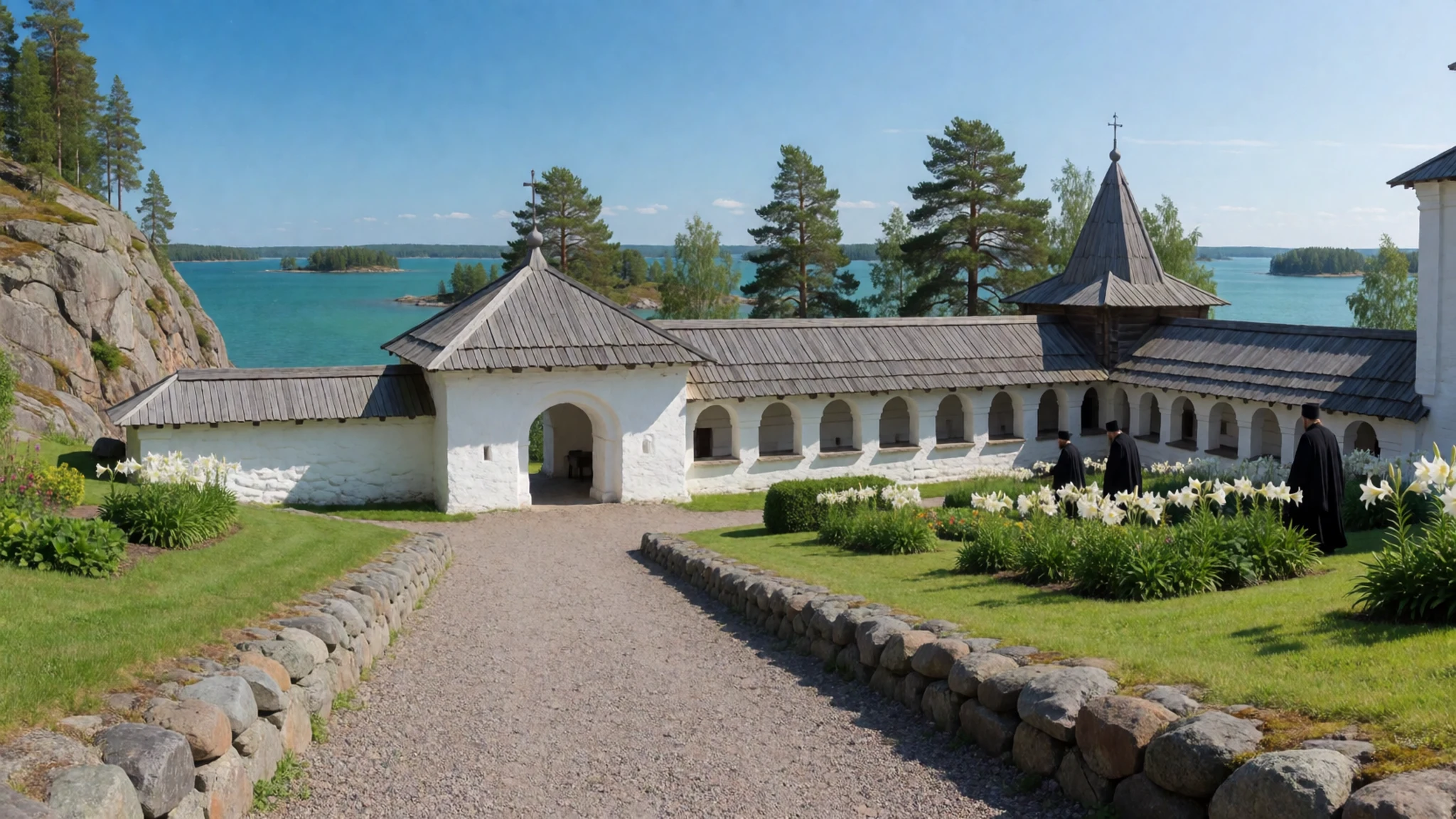
- Konevets Island — South-western Ladoga
Konevets is a quieter monastery island with a stone cathedral standing among old trees. The walk from the landing to the walls is short and shaded, and the shoreline beyond is rocky and open. It suits travellers who prefer a calm, contemplative stop to a long itinerary.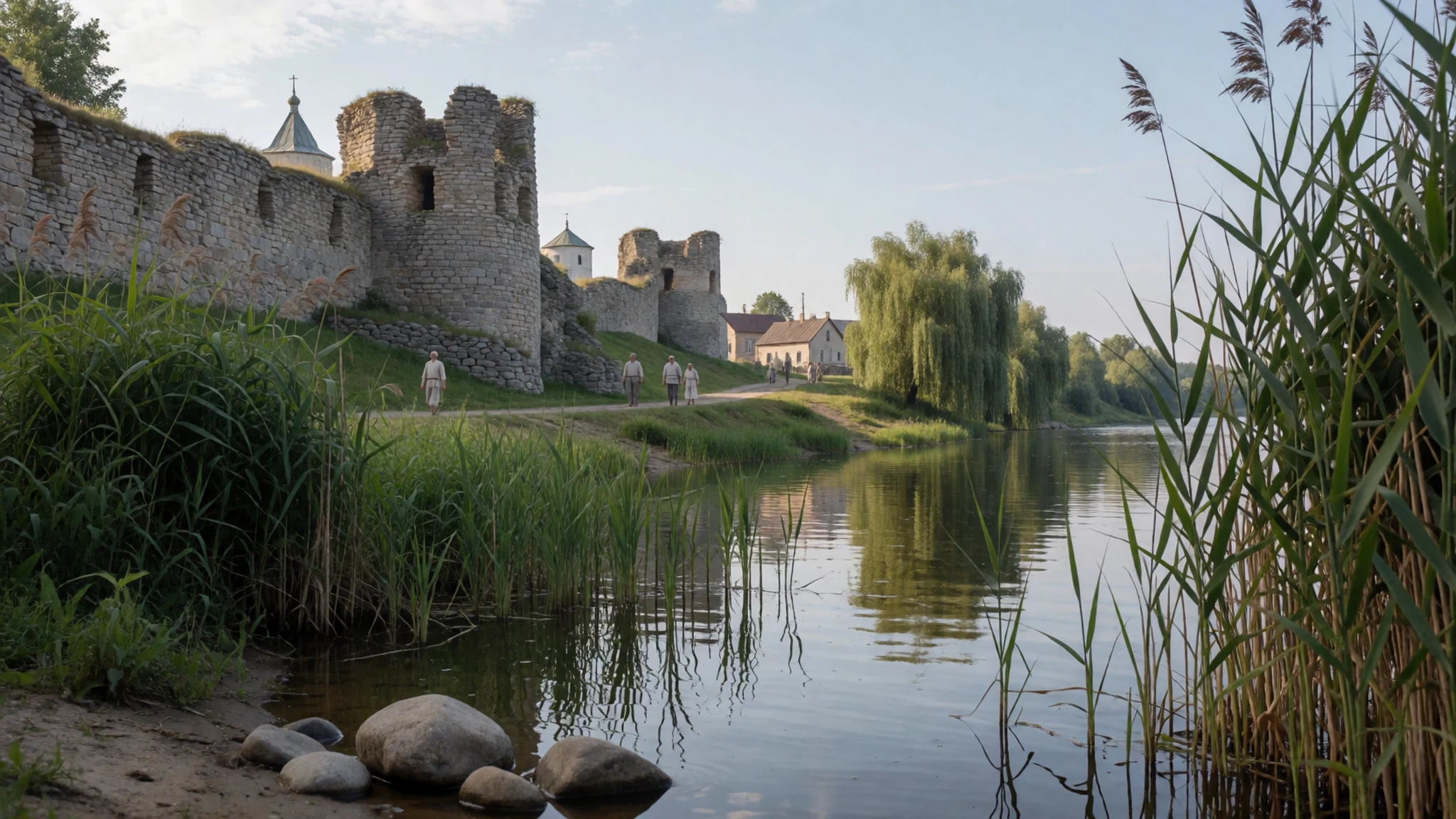
- Sortavala skerries — Northern shore, Karelia
Around Sortavala the lake breaks into granite islets, pine-topped and separated by sheltered channels. This is the most scenic stretch for small boats, kayaks and slow shoreline walks. The town itself carries a Finnish-era character, a reminder that this coast changed hands in the twentieth century.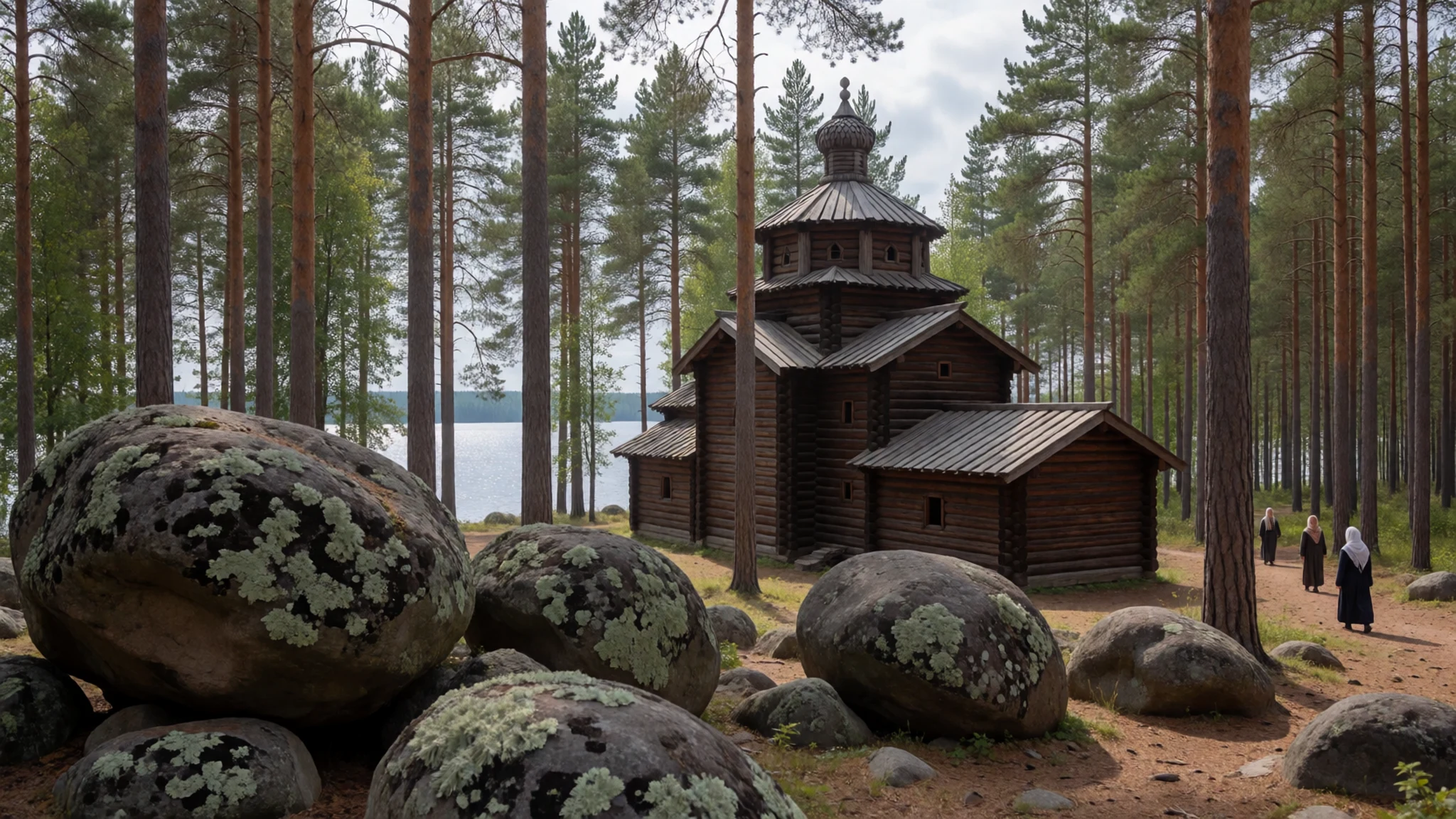
- Staraya Ladoga — Volkhov river mouth, Leningrad Oblast
Staraya Ladoga began as a Norse trading post and guards the old route into Novgorod lands. The fortress and churches reward anyone interested in Russian history or Orthodox art. Wikivoyage warns that independent travel is awkward, so a guided tour from Saint Petersburg is the practical choice.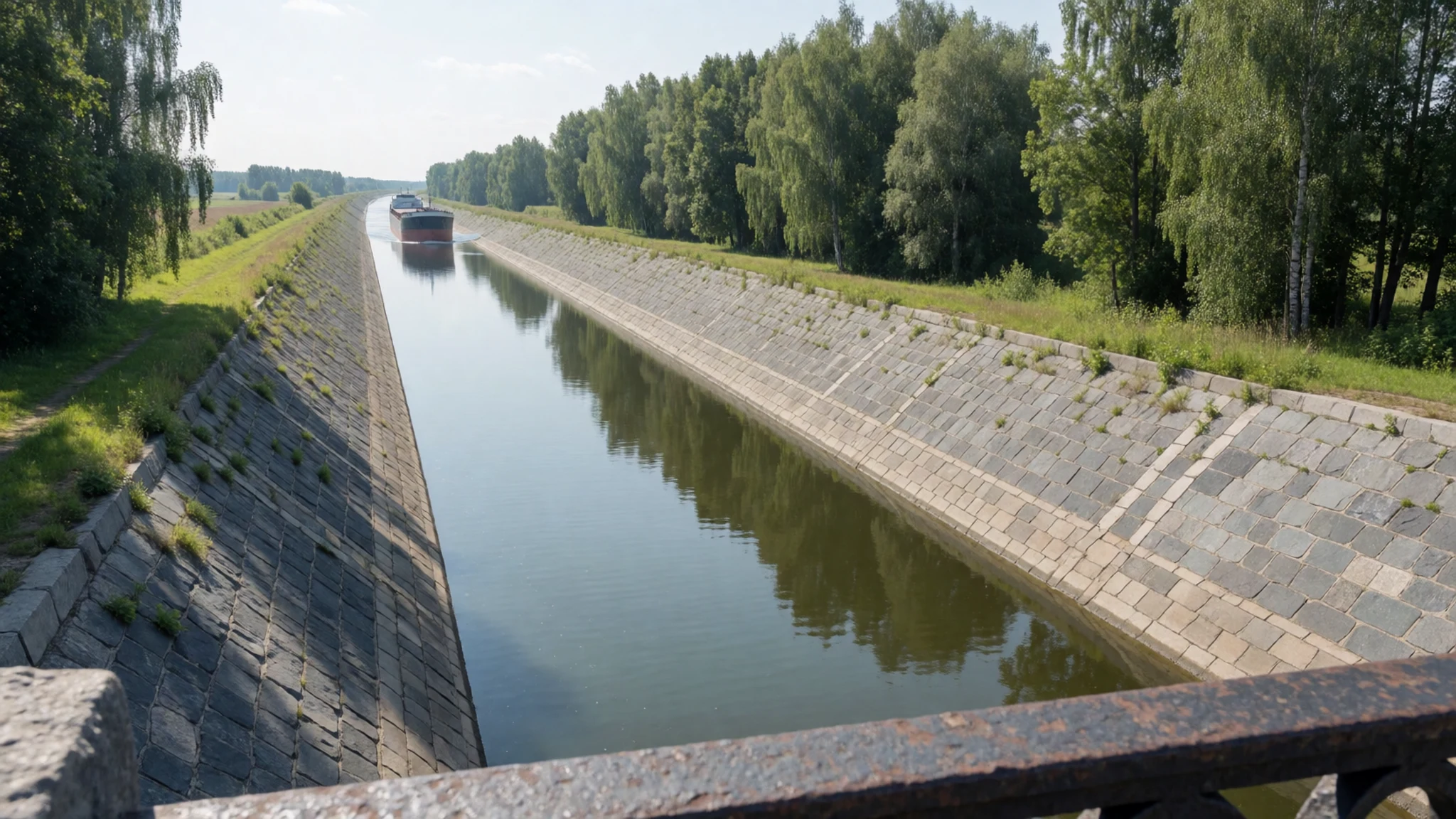
- Oreshek fortress — Shlisselburg, where the Neva leaves the lake
Oreshek, known to the Swedes as Nöteborg, was founded in the early 14th century on a small island at the head of the Neva. Its walls control the point where Ladoga drains towards the sea. The crossing is short, the setting is windswept, and the ruins make a good half-day from Saint Petersburg.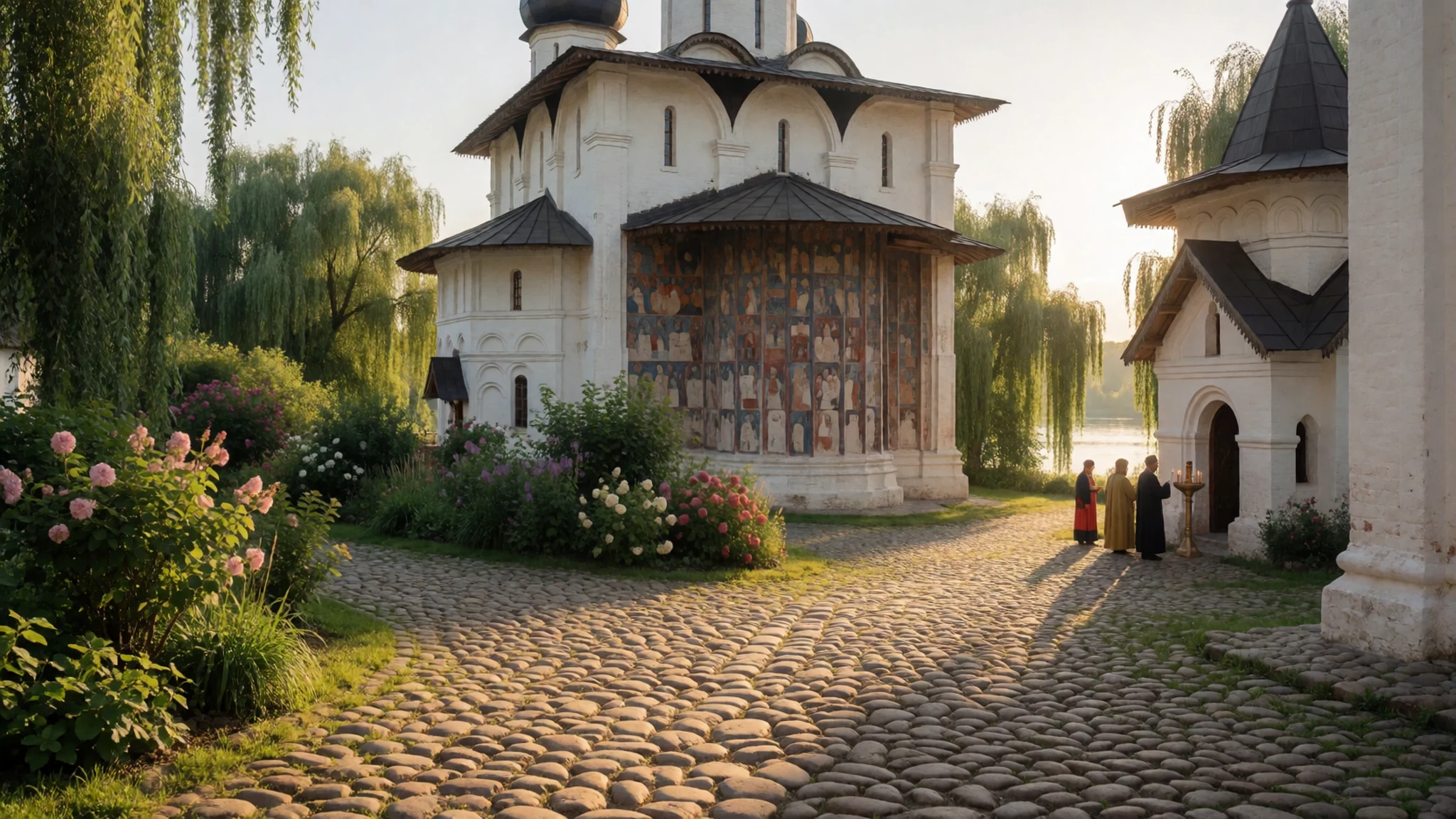
Culture
Lake Ladoga's culture is shaped by water, monasteries and a border that has moved more than once. Orthodox monastic life is the clearest thread: Valaam and Konevets drew pilgrims for centuries, were interrupted by war and political upheaval, and have since restarted as living communities, with services, workshops and guesthouses for pilgrims. Visitors are guests in a place of worship first and a tourist site second.
The northern shore carries Karelian and Finnish layers. Towns such as Sortavala keep wooden houses, stone public buildings and place names from the decades when Finland held the coast, while Karelian language and craft traditions survive in villages and museums. In the south and around Saint Petersburg, the lake belongs to the Russian summer rhythm: families head out to dachas, fish from piers, swim in the short warm season and gather mushrooms and berries in the forests.
The lake is also an industrial landscape. Barges, ferries and cargo ships move along the canal and across the open water, and fishing remains a livelihood as well as a pastime. Weather decides most plans, and local people are matter-of-fact about cancelled boats and sudden squalls.
In monastery churches, women should cover their heads and shoulders, men should remove hats, and nobody should photograph services or worshippers without permission.
What to wear
Around Lake Ladoga, traditional dress follows the Russian and Karelian patterns of the northern forests. The sarafan, a sleeveless long dress worn over a linen blouse, is the best-known Russian form, often finished with embroidered bands and a headdress such as the kokoshnik for festive occasions. Karelian costume draws on woven linen and wool, with geometric embroidery and bright red accents. These outfits now appear mainly at folk festivals, in museums and in choir or dance performances.
Everyday clothing is practical. Locals dress for weather that can change within an hour: waterproof jackets, wool hats, sturdy boots and layers that come off easily. In summer, light cotton and sun hats are common, and at dachas rubber boots are standard. Around Saint Petersburg, city dress is somewhat smarter and darker, particularly in the evening.
Visitors should pack for wind on the water and variable temperatures even in high summer. Take a windproof, waterproof layer, a warm fleece, and shoes with real grip, since island paths cross wet granite and tree roots. Insect repellent matters in the warmer months. For monastery visits, women need a scarf, a skirt or loose trousers below the knee and covered shoulders, and men should wear long trousers and a shirt with sleeves.
What to eat
- Ukha — Lakeside cafes, guesthouses and village kitchens
Ukha is a clear fish soup, usually made with freshwater fish, potato and herbs such as dill. It suits the cold, windy days on the lake. Ask what fish went into the pot, since the catch varies with the season and the shore.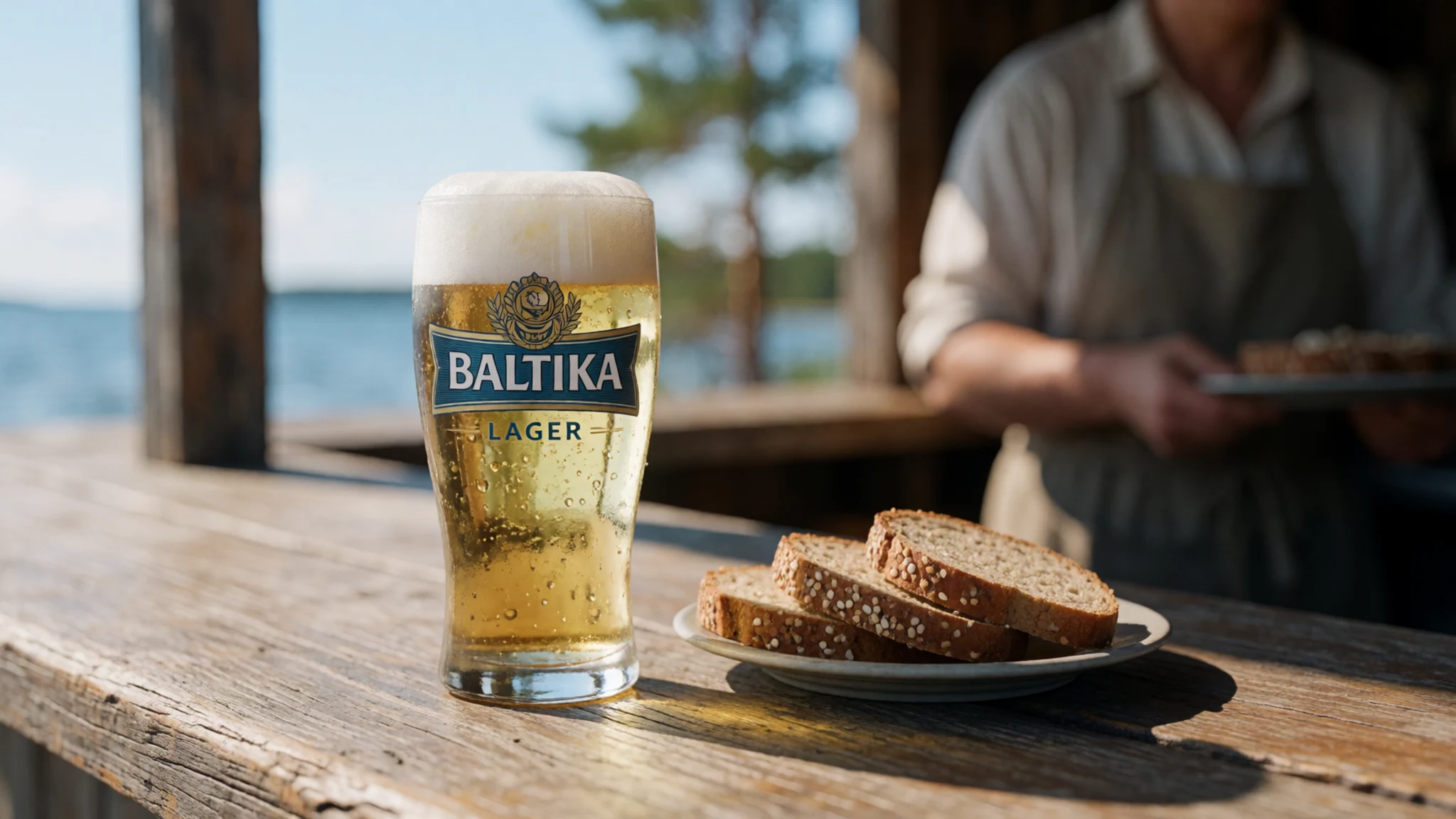
- Kalitki — Bakeries and markets in Karelian towns such as Sortavala
Kalitki are small open-topped pastries from Karelia, with a thin rye or wheat shell and a filling of potato, millet or rice. They are best eaten fresh and warm. They make a cheap, filling snack for a boat trip or a walk.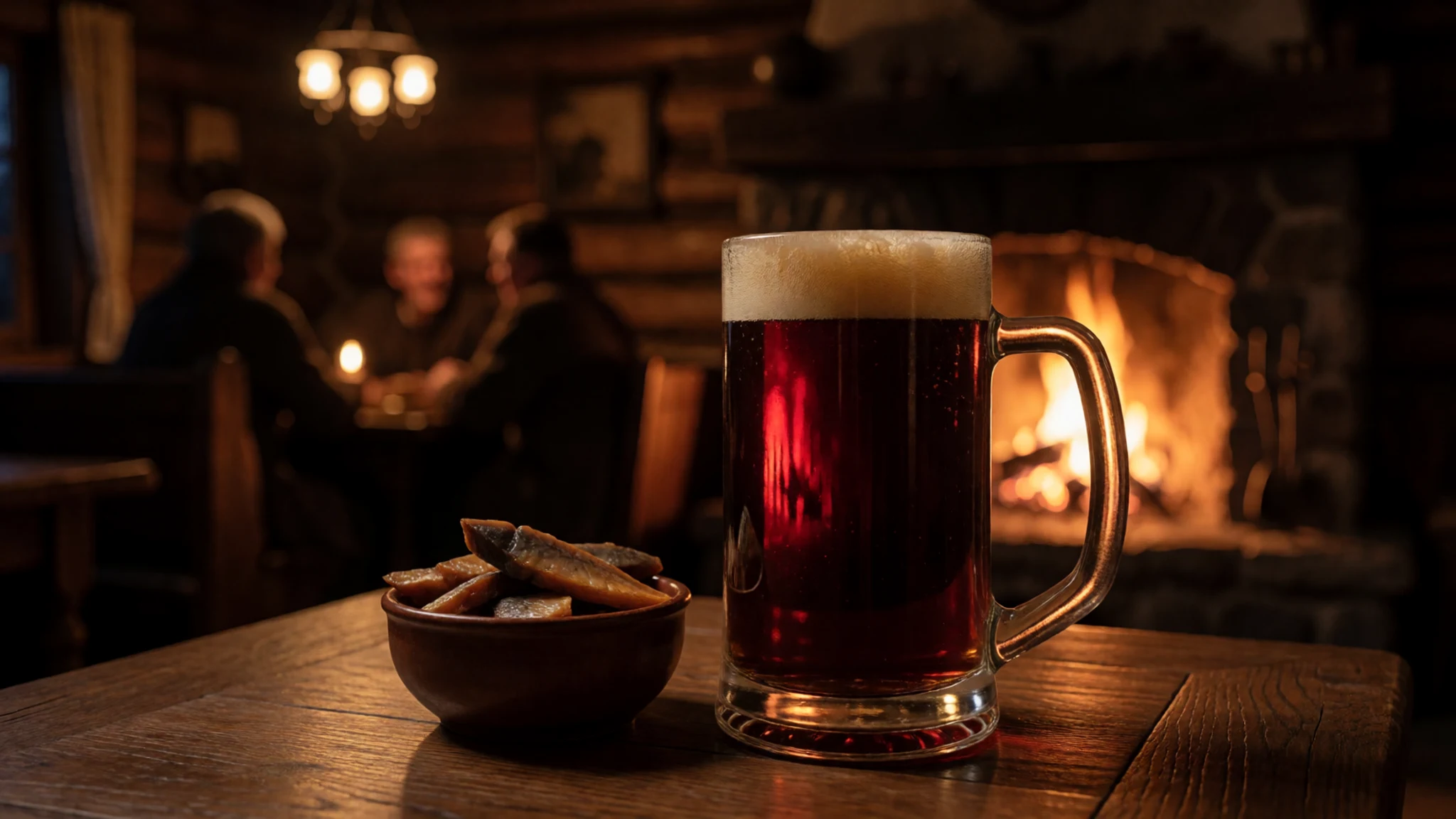
- Smoked and salted lake fish — Roadside stalls and markets along the shore
Smoked and salted fish from the lake is sold from stalls near harbours and on roads along the coast. Buy it the same day and keep it cool. Vendors are usually happy to explain which fish is which and how to eat it. - Pirozhki — Station kiosks, bakeries and market stalls
Pirozhki are baked or fried buns stuffed with cabbage, potato, egg, meat or fish. They turn up at every railway stop and bakery in the region. A couple make a reasonable lunch when ferry timetables and weather leave little time for sitting down. - Baltika beer — Local shops, cafes and eateries across the region
Saint Petersburg's own Baltika lager dominates the region, and the range runs from light, crisp styles to darker, maltier ones. It is the usual drink after a day outdoors. Ask for the lighter or darker version according to taste.
Plan it
Best time. June to September, when the days are long, the water is at its mildest and island boats run. Late June brings the pale white nights around Saint Petersburg. Winters are cold and dark, parts of the lake freeze, and many island services close or change.
How long. 3–4
Getting there. Fly or take the train to Saint Petersburg, which is the main gateway to the region. From there the southern shore, Shlisselburg and Staraya Ladoga are reached by road or an organised tour, and the northern shore and island monasteries need longer road journeys and then a boat in season. Check current border, visa and transport rules before booking.
Budget. mid
Tips
- Check your government's current travel advice and Russia's visa rules before booking anything, as conditions have changed repeatedly since 2022.
- Book boat trips and guided tours ahead in summer, and expect cancellations when the wind is strong.
- Carry some cash, and check whether your foreign bank cards work in Russia before you leave.
- Pack layers, a waterproof jacket and insect repellent, because weather and mosquitoes can both be sharp.
- Start island visits early so the return boat is never a rush.
Etiquette
- Cover your shoulders and knees, and cover your head if you are a woman, when entering monastery churches.
- Ask before photographing people, services or monks and nuns.
- Keep to marked paths on monastery islands and take rubbish back with you.
Nearby
Sources
- Wikidata Q15288 (CC0)
- Wikipedia: Lake Ladoga (rev 1385781574) (CC BY-SA 4.0)
- Wikivoyage: Leningrad Oblast (rev 5410437) (CC BY-SA 4.0)
- Photo: Sortavalan saaristoa Karjalassa (Yoneh) (CC BY 3.0)
- Photo: Relief location map of European Russia (Janitoalevic) (CC BY-SA 4.0)
- Photo: Illustration from Brockhaus and Efron Encyclopedic Dictionary (Public domain)
- Photo: Eemian Baltic sea level (Gibbard and Knudsen) (CC BY 4.0)
- Photo: Lake Ladoga as part of Baltic Ice Lake (Вячеслав Митрофанов) (CC BY 3.0)
- Photo: Lake Ladoga as part of Ancylus Lake (Вячеслав Митрофанов) (CC BY 3.0)
- Photo: Konevets Cathedral from east (Antti Bilund) (CC BY-SA 1.0)
- Photo: Ладожское озеро. Мыс Рихиниеми (Витольд Муратов) (CC BY 3.0)


