Lake Akan
Lake Akan, Japan
Lake Akan is a volcanic lake in eastern Hokkaidō where forest, hot springs, Ainu craft and slow days on the water come together.
The place
Lake Akan (阿寒湖, Akan-ko) lies in eastern Hokkaidō, inside Akan National Park, and is listed as a Ramsar wetland. Administratively it belongs to Kushiro city, which absorbed the old town of Akan in 2005, so the lake shares a municipality with a Pacific port even though the two feel like different worlds. The water sits about 420 metres above sea level, which keeps the shore cooler than the coast in summer and bitterly cold in winter. Forest closes in on every side, and the park around it is a landscape of volcanic cones, steaming ground and wetland rather than one single viewpoint. On the southern shore stands Akankō Onsen, a small resort town of hot-spring inns, souvenir shops and a few restaurants. It serves as the base for boat trips, walks and winter activities. The lake is also known across Japan for marimo, soft green balls of algae that form in its water and are treated as something close to a local mascot. This is a place for slow days: a morning on the water, a soak in an outdoor bath, an evening stroll along the shore. It rewards staying put rather than rushing between sights. Public transport in the wider Kushiro area is thin, so planning matters more here than at most Japanese destinations. The ground is also restless: small tremors from offshore earthquakes are a normal part of life in the Kushiro area, and the volcanic heat that feeds the hot springs comes from the same underlying source.
Its story
Lake Akan owes its existence to volcanic activity. About 6,000 years ago a lava flow dammed the drainage here, and water gathered behind the barrier to form the lake that visitors see today. The surrounding country remains volcanic, which is why the shores steam with hot springs and why relief maps of the park show craters and cones where other lake districts would have gentle hills. Those same hot springs later drew people to build resorts, and that brought a cost. In the 1930s the water was clear enough to see down eight or nine metres. After decades of pollution from the spa settlements, the figure had fallen to three or four metres. Clarity is a blunt measure, but a telling one: it shows how quickly even a remote lake responds to the demands of tourism, and why care over what drains into it matters to everyone on the shore.
People lived in this region long before the resorts. The Ainu, Hokkaidō's indigenous people, have a long association with the Akan area, and a community of Ainu carvers, weavers and performers still lives beside the lake. Their presence gives the town a second layer of story that older Japanese guidebooks often skipped. The lake's modern chapter is about balance: residents who depend on visitors, visitors who come to soak in water heated by the volcano that made the lake, and a wetland whose recognition under the Ramsar system reflects how much hangs on getting that balance right.
What to see
- Lakeshore at Akankō Onsen — Akankō Onsen, southern shore
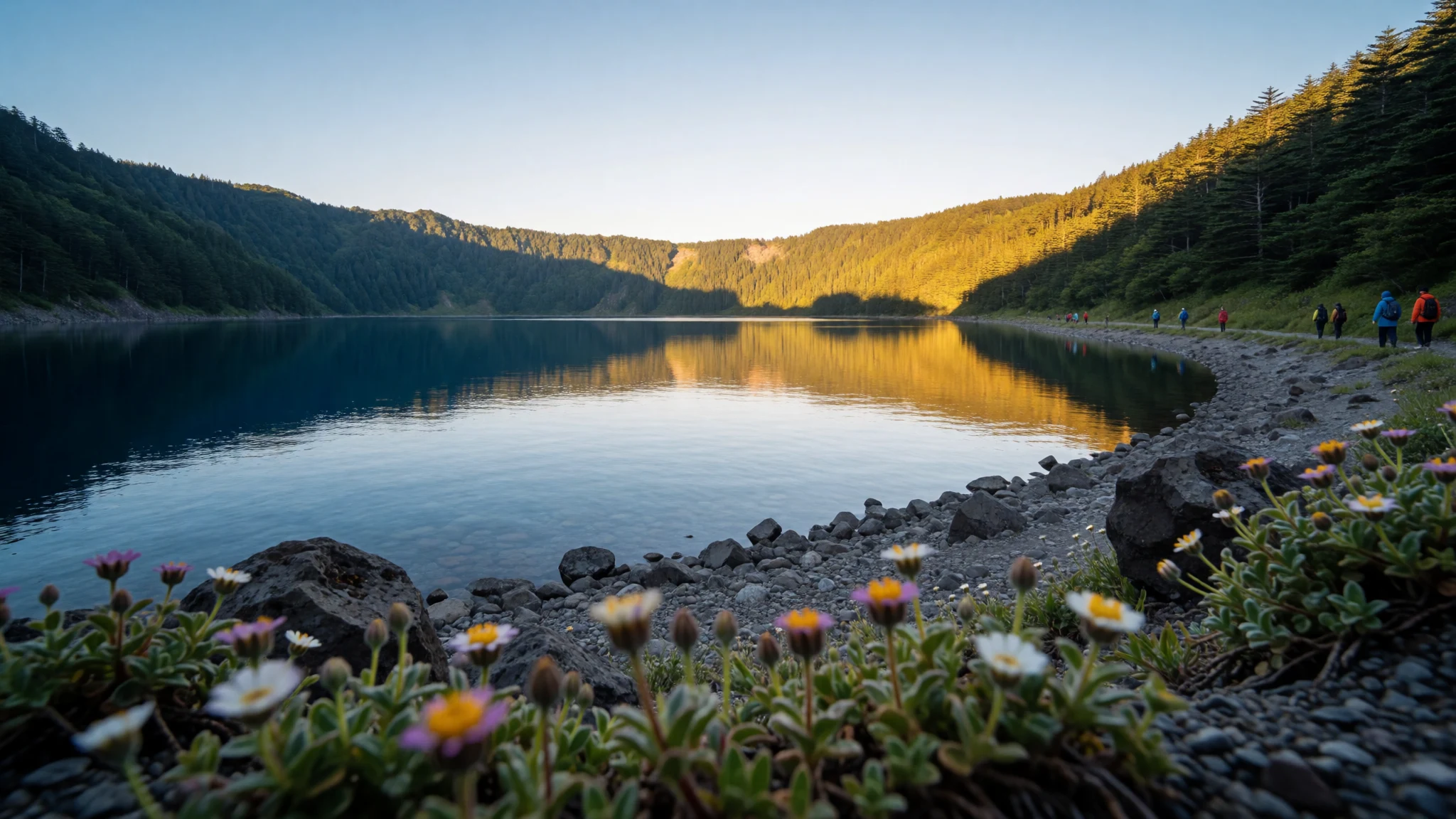
The shoreline path at Akankō Onsen is the natural starting point. A stroll gives views across the water to forested hills, with steam rising near the town. Excursion boats run on the lake in the warmer months, but check current sailings locally before planning around them. Early morning is the calmest hour, before day visitors arrive.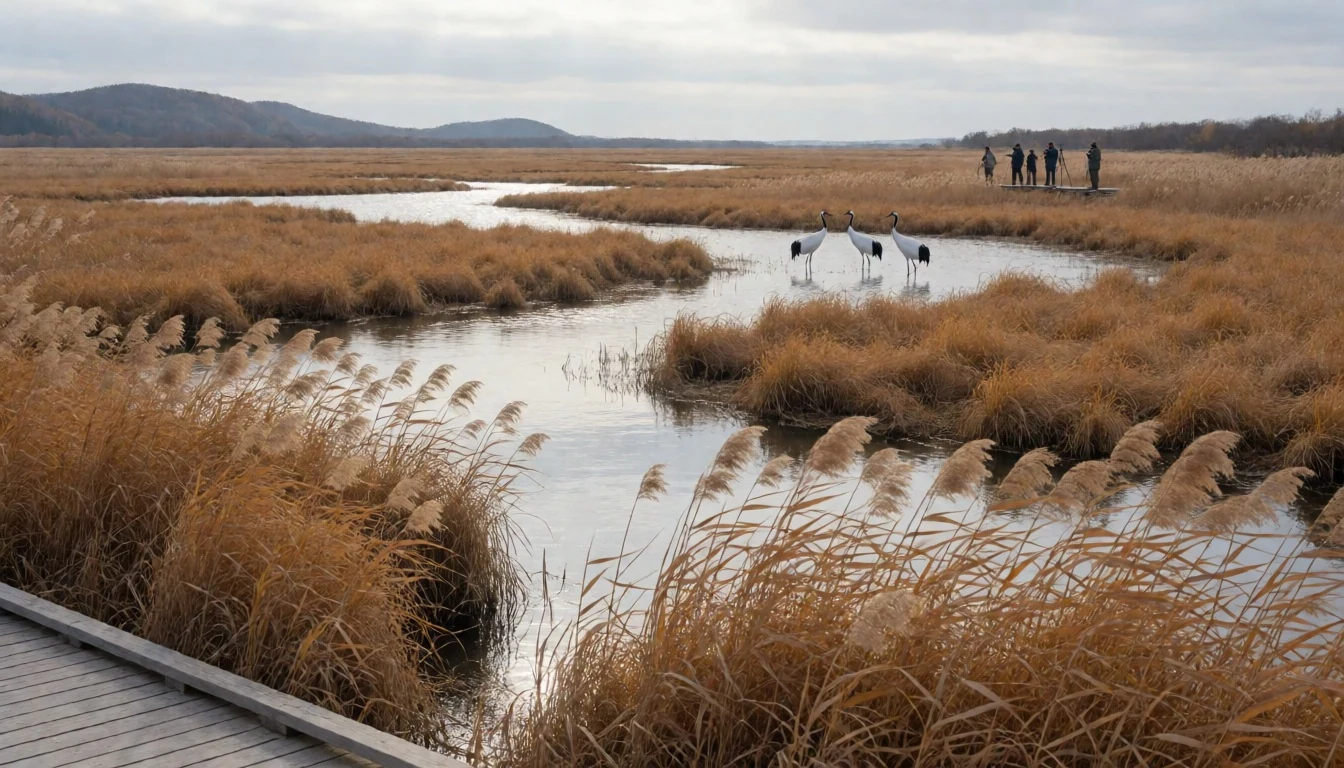
- Ainu village (kotan) at Akankō Onsen — Akankō Onsen
A small Ainu settlement of craft shops and a performance hall sits at the edge of the resort town. Wood carving is the speciality, and song and dance performances are staged by local Ainu artists. Schedules change through the year, so check ahead. Buying directly from the carvers is the most direct way to support the community.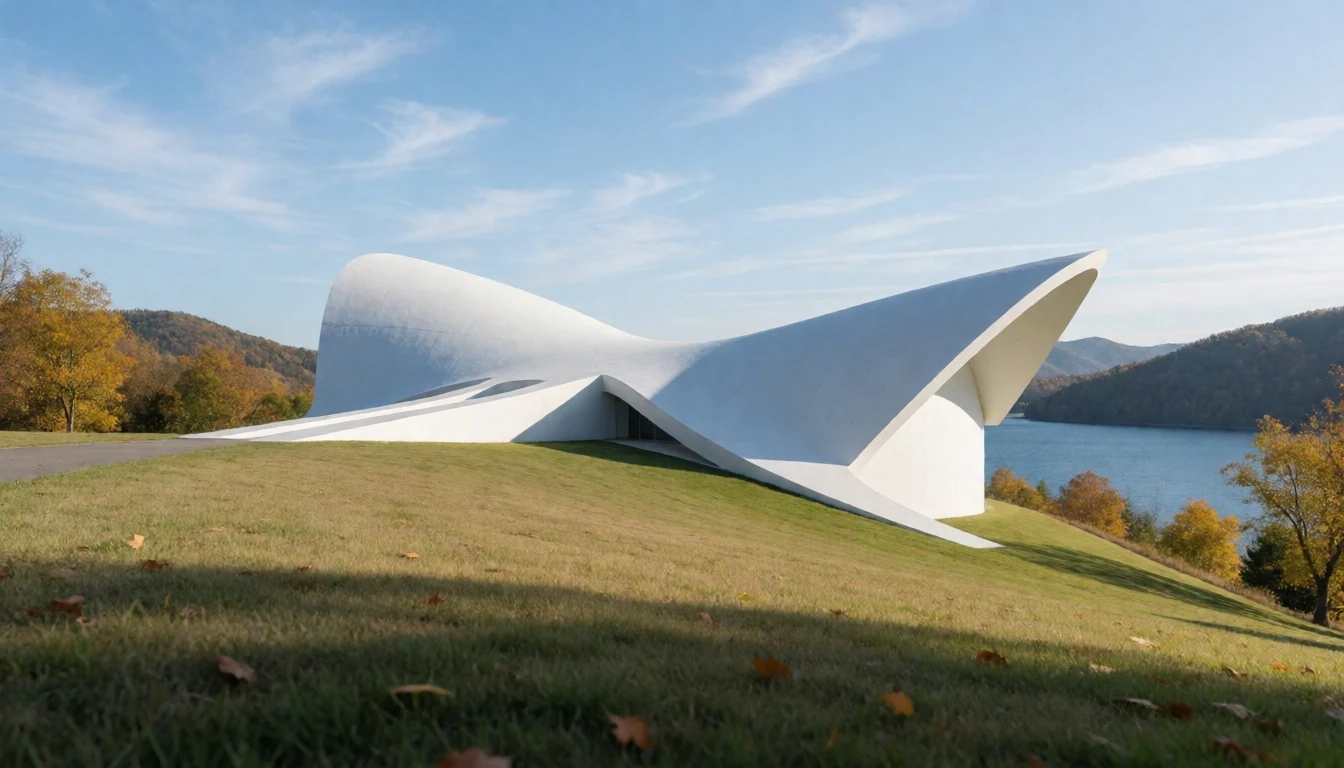
- Marimo displays — Akankō Onsen and the lake
Marimo, the green algae balls the lake is known for, can be seen at displays in and around the town, where staff explain how they grow and why they are looked after. Wild ones belong in the water, so leave them there. The exhibits are a short, useful stop on a wet or windy afternoon.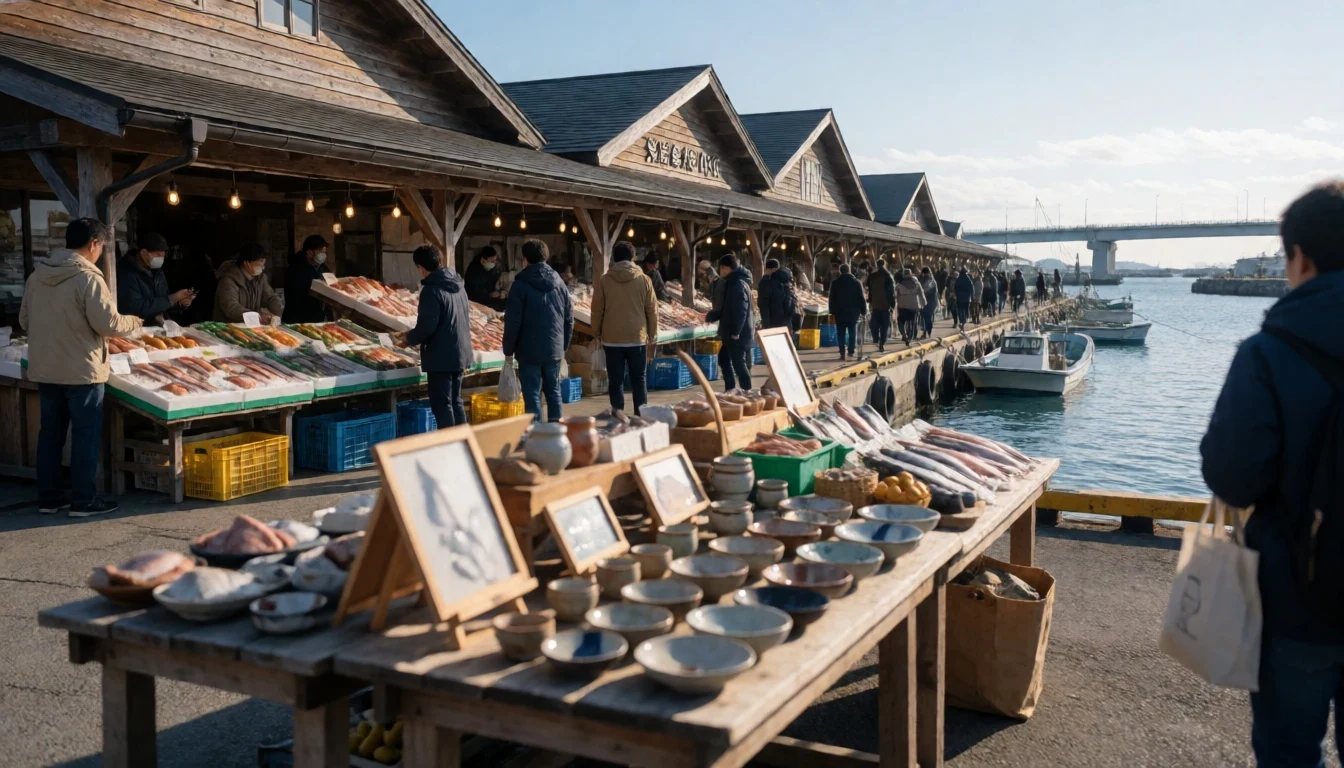
- Kushiro Wetland and the Marsh Observatory — Kushiro Shitsugen, near Kushiro city
Kushiro Marsh is a broad, flat wetland on the Kushiro side of the region, protected under the Ramsar Convention and as a national park. The city's marsh observatory has a staircase up to a lookout over marsh and forest. Reaching it needs a car or a bus, so allow a half day.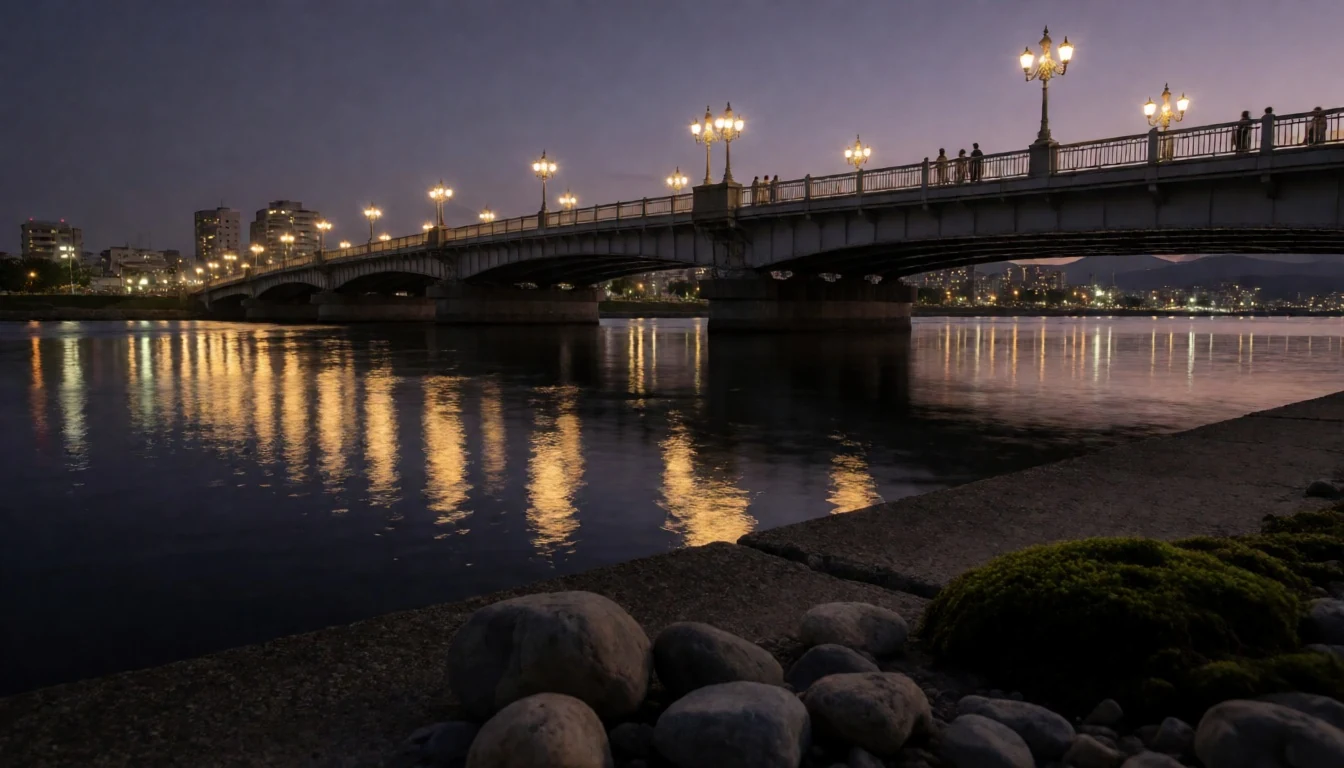
- Fisherman's Wharf MOO and Nusamai Bridge — Kushiro waterfront
On the Kushiro waterfront, a market hall by the harbour is the place to browse fresh seafood and local snacks, and in warmer months to grill your own catch outdoors. Nusamai Bridge is a short walk away and is admired locally for its design. It is an easy pairing for the day of arrival or departure.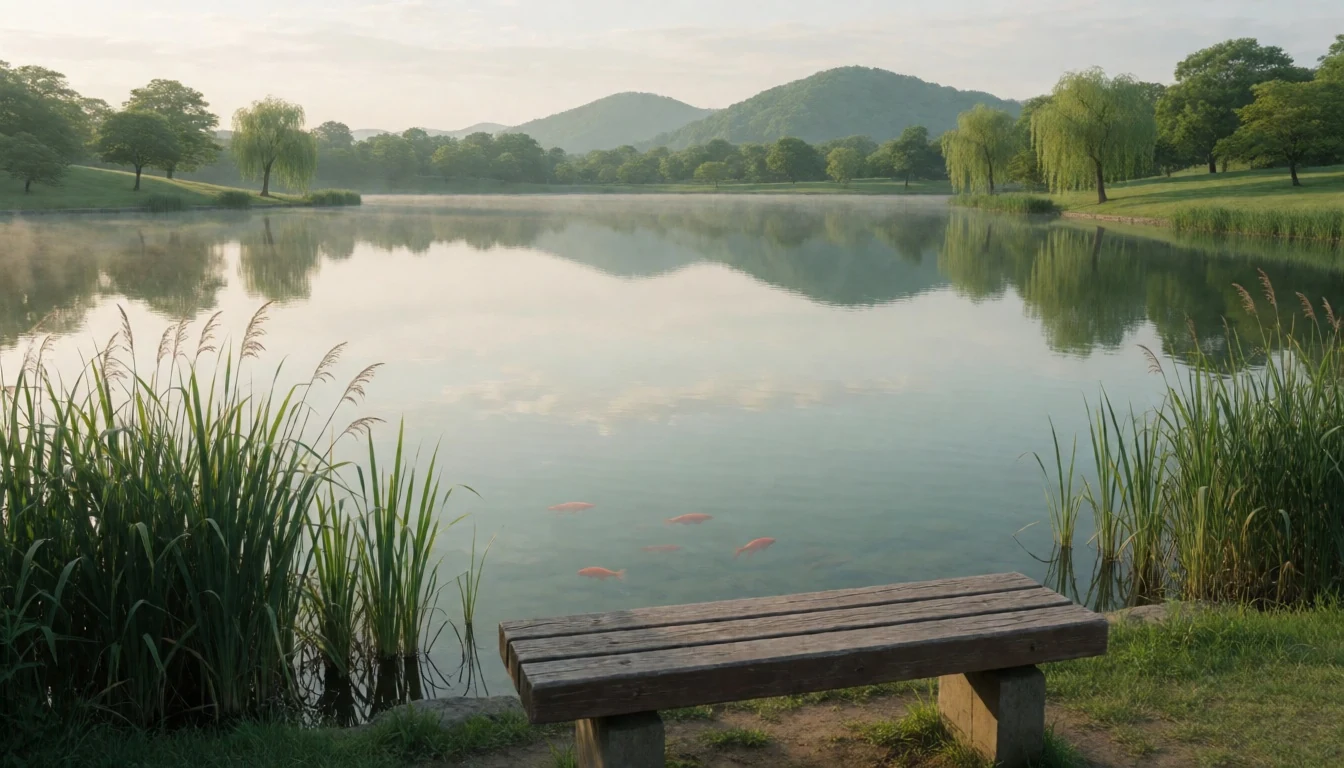
- Lake Harutori and Kushiro City Museum — Kushiro city
Lake Harutori is a lake at the edge of Kushiro's built-up area, designated a national natural monument for its red crucian carp. The Kushiro City Museum stands on the hill above it, with a roofline said to recall a Japanese crane opening its wings. Together they make an unhurried city-side hour.
Culture
Culture at Lake Akan blends Ainu tradition with the hot-spring resort habits that grew up along the shore. The Ainu are Hokkaidō's indigenous people, with their own language, a spiritual outlook that sees spirits (kamuy) in animals, mountains and water, and craft traditions of wood carving and embroidery. At Akan an Ainu community lives in a settlement on the edge of the town, where visitors can watch carving, buy crafts and attend song and dance performances. These are best taken as living culture rather than costume shows: the performers are neighbours and working artists. Alongside this runs the Japanese onsen routine. Guests come for mineral water, eat a set evening meal at their inn, and wander the corridors in a cotton robe. Evenings are quiet and early, and the town is not a late-night place. Down on the coast, Kushiro has a different, working-port character of fish markets, izakaya bars and karaoke in the Suehiro-cho district. It is also the birthplace of Akira Ifukube, the composer best known for the music of the Godzilla films. Across the area, hospitality is low-key and polite, and visitors who match that tone find it easy to feel welcome. At the onsen, wash and rinse thoroughly at the seated shower stations before entering the shared bath, keep towels out of the water, and ask permission before photographing Ainu performers or craftspeople.
What to wear
Fashion at Lake Akan has two traditional strands. The Ainu are known for the attus, a robe woven from fibre taken from the inner bark of elm trees, and for cotton garments decorated with bold embroidered and appliquéd patterns whose designs vary by family and region. These are worn today mainly for ceremonies, festivals and performances, and the craft shops in the town sell smaller pieces. The Japanese strand is the yukata, a light cotton robe lent by onsen inns and worn around the building and sometimes on a short evening stroll, while the kimono is reserved for formal occasions. What people wear day to day is practical: fleeces, windproof jackets, walking shoes and caps, with serious insulation in winter, since the area is cold and snowy. Visitors should dress in layers whatever the season, because the lake is high enough for cool mornings and nights even after a warm day. Pack a waterproof jacket, sturdy shoes for forest paths and wet boardwalks, and insect repellent in summer. From late autumn to spring bring insulated waterproof boots, gloves, a hat and thermal underlayers. Slip-on shoes help, since inns and many restaurants ask guests to remove footwear at the door. At onsen, swimwear is not worn in the baths, and some bathing facilities restrict visible tattoos, so check the policy before booking.
What to eat
- Robatayaki seafood — Outdoor grills on the wharf by the MOO market, Kushiro
Grilling your own seafood over charcoal is a Kushiro habit from early spring until late autumn, when the outdoor season closes for winter. Choose fish and shellfish from the counter and cook them yourself, which suits groups and slow lunches. It is as much an activity as a meal.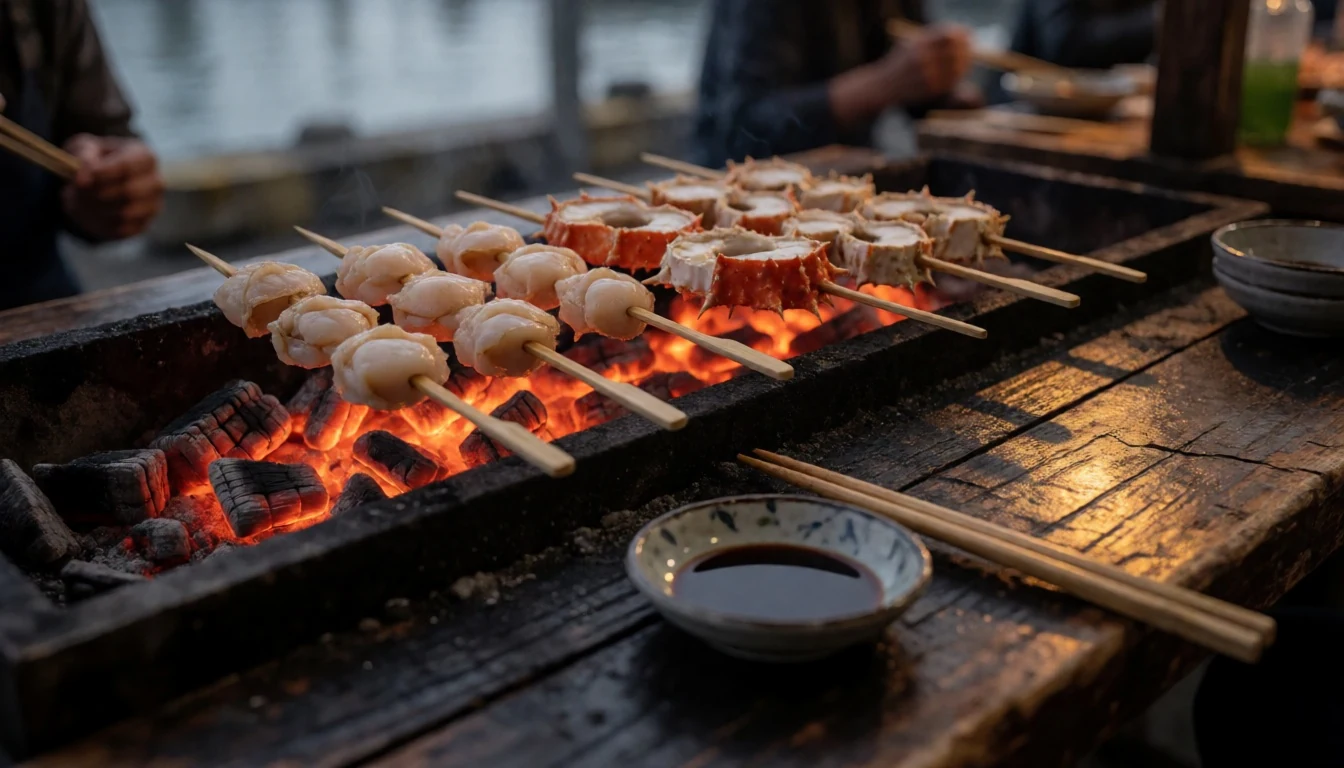
- Kaitenzushi (conveyor belt sushi) — Conveyor belt sushi restaurants in Kushiro city
Kushiro's seafood shows up at its simplest on the belt: salmon and tuna nigiri, plus plenty of local fish. Two Hokkaidō chains operate in the city, and menus are usually in Japanese but heavy with photographs, so pointing works well.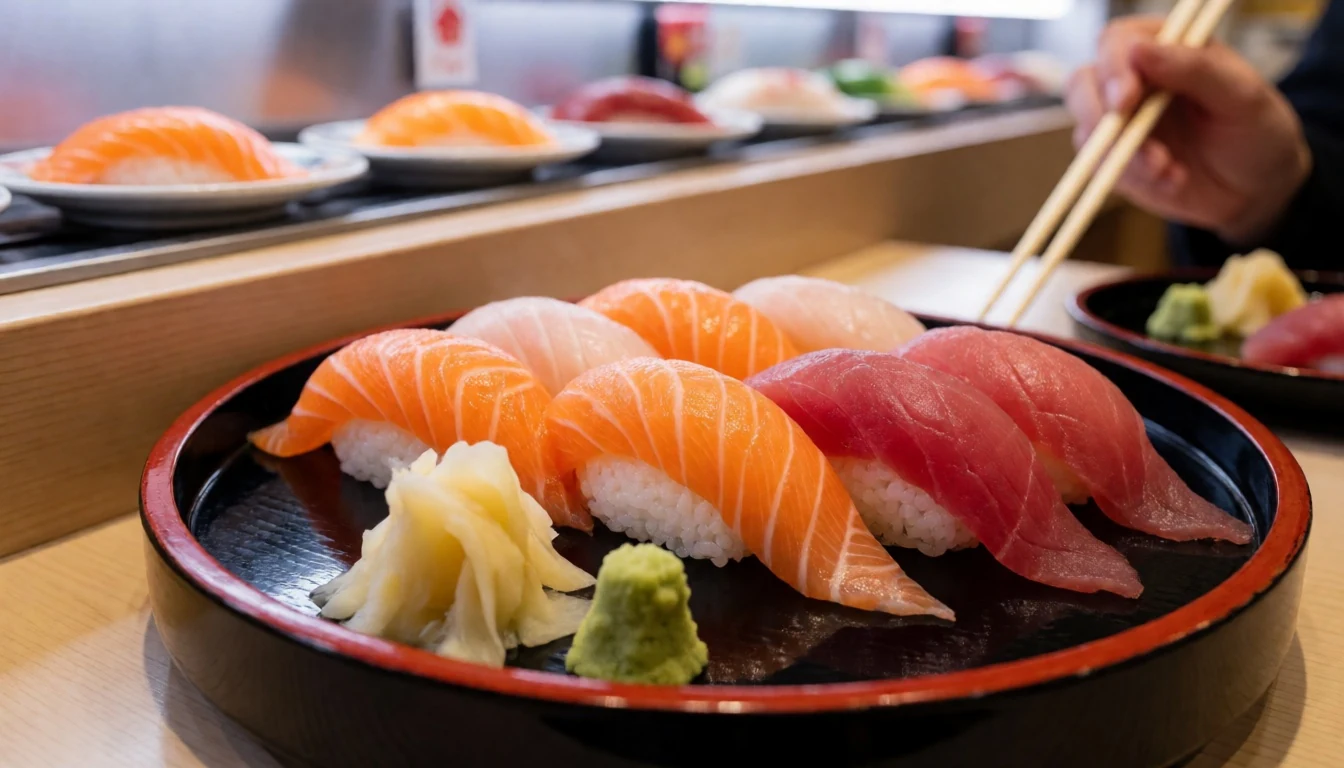
- Kujira (whale meat) — Sushi restaurants and izakaya around Kushiro city
Kushiro is known for whale meat, served raw or cooked. It has a strong smell, an oily texture and a fatty taste, so a small taste at a sushi counter is the easiest introduction. Some visitors will choose to skip it, and whaling remains controversial. - Akkeshi oysters — Seafood restaurants and market stalls in Kushiro; Akkeshi itself for festivals
Akkeshi, further east along the coast, is famous for its oysters, which hold festivals in spring and autumn. They also turn up regularly on menus in Kushiro. Eat them raw, grilled or steamed, whichever the kitchen recommends. - Genghis Khan barbecue — Grill restaurants in Kushiro city and many inns around Akan
Genghis Khan (pronounced "jengis") is the Hokkaidō-style grilled meat barbecue, cooked on a dome-shaped grill at the table and served with vegetables. It is a hearty, informal meal and a good option after a cold day by the lake. - Tantakatan shiso shochu — Izakaya, especially in Kushiro's Suehiro-cho district
Tantakatan is a shochu flavoured with shiso leaves grown around Shiranuka, west of Kushiro. It is best tried as a first drink in an izakaya, where staff can suggest how to serve it. The herbal note makes it quite different from standard shochu.
Plan it
Best time. Late June to September for walking and boat trips, with cool nights at this height; October for autumn colour, though timing varies with the year. February suits a frozen lake and winter activities, but expect severe cold.
How long. 2–3
Getting there. Fly to Kushiro Airport from Tokyo, Osaka or Sapporo and hire a car across the road from the terminal, which is the easiest way to reach the lake because public transport in the area is limited. Without a car, take the Akan Bus airport shuttle to Kushiro Station, then check current bus links on to Akankō Onsen. By rail, the Limited Express Ozora runs from Sapporo to Kushiro in about four hours with seat reservations.
Budget. mid
Tips
- Rent a car if you are comfortable driving on the left, since buses around Kushiro and the lake are infrequent
- Check bus and boat timetables locally before you plan around them; schedules change by season
- Book lakeside inns early for summer, autumn colour and winter weekends
- Carry some cash for small craft shops and market stalls, though larger places take cards
- Pack layers and a waterproof, because weather changes quickly at this height
Etiquette
- Wash before entering any shared onsen bath and keep towels out of the water
- Remove shoes where you see a raised step or slippers waiting
- Ask before photographing Ainu performers and craftspeople
Nearby
Sources
- Wikidata Q429402 (CC0)
- Wikipedia — Lake Akan (rev 1366075848) (CC BY-SA 4.0)
- Wikivoyage — Kushiro (rev 5332959) (CC BY-SA 4.0)
- Photo: Natural Location map of Japan — Alexrk2 (CC BY 3.0)
- Photo: Akan Caldera Relief Map, SRTM — Batholith (Public domain)
- Photo: Lake Akan, Kushiro — 663highland (CC BY 3.0)
- Photo: 1 Chome Akanchō Akankoonsen — Toshihiro Matsui (CC BY 3.0)
- Photo: Akan National Park banner — 663highland (CC BY 3.0)
- Photo: Akanko Lake — FoxyStranger Kawasaki (CC BY 3.0)
- Photo: Akan Lake (IMG_0729) — אלי שני (CC BY 3.0)
- Photo: Kushiro, Hokkaido Prefecture — Toshihiro Matsui (CC BY 3.0)


Wildlife
- Japanese crane (animal)
Imagine a giant, elegant bird that many people cherish as a charm for good luck, a long life and loyalty. The red-crowned crane, also known as the Japanese crane, is among the scarcest cranes anywhere, and Lake Akan's broad marshes and forests are part of the wild country that supports it. Watch from a generous distance, keep your voice low, and go with a guide who knows the area. Please never feed it; it should stay wild. - Red crucian carp (animal)
The crucian carp is a medium-sized fish from the carp family, and its red form is a special treasure of Lake Akan. The lake is looked after as an important home for it, a calm retreat far from city bustle. Watch gently from the shore, keep still and quiet, and let a guide show you the best spot. Never feed the fish or disturb the water. - Japanese crane (bird)
Imagine a giant, elegant bird that many people cherish as a charm for good luck, a long life and loyalty. The red-crowned crane, also known as the Japanese crane, is among the scarcest cranes anywhere, and Lake Akan's broad marshes and forests are part of the wild country that supports it. Watch from a generous distance, keep your voice low, and go with a guide who knows the area. Please never feed it; it should stay wild.