Ladder Hill
Ladder Hill, United Kingdom
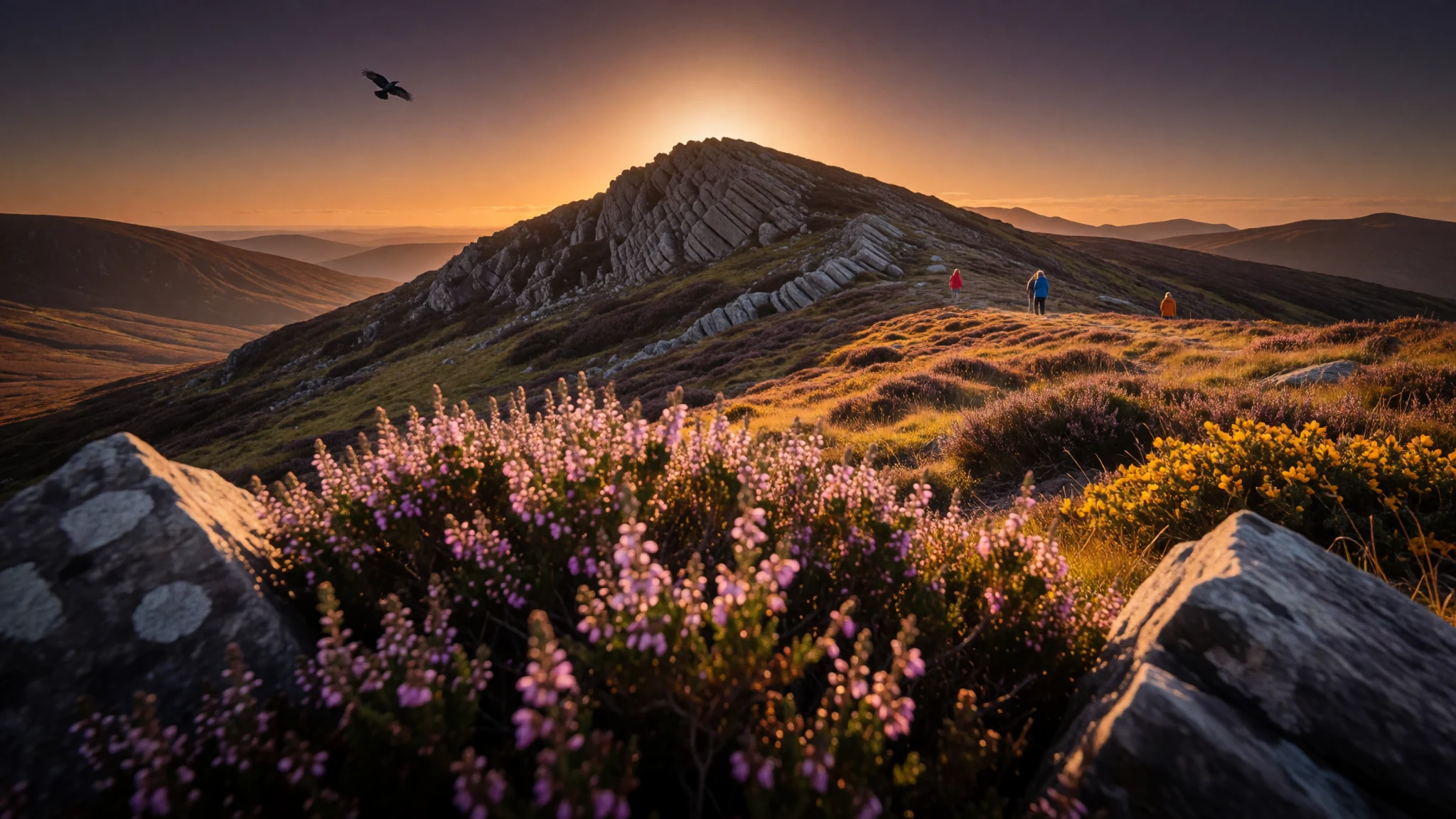
Ladder Hill is high, quiet Grampian moorland in northeast Scotland, for walkers who want big skies, wild weather and no crowds.
The place
Ladder Hill, properly the Ladder Hills (Monadh an Fhàraidh in Gaelic), is a range of rounded moorland summits in northeast Scotland. It runs along the border between Aberdeenshire and Moray and belongs to the wider Grampian Mountains. The range sits on the north-eastern edge of the Cairngorms National Park, away from the busier central massif. The top is Càrn Mòr at 804 metres, which counts as a Corbett, and a handful of neighbouring tops come close to it: Monadh an t-Sluich Leith, Carn Liath, Dun Muir and Little Geal Charn. These are broad, peaty, heathery hills rather than sharp ridges, and the walking is long and open rather than technical. Underneath is old, hard rock: sandstones and mudstones laid down long ago and later squeezed, heated and folded into quartzites and related schists, with some carbonate-rich bands and dark intrusions running through them. The ground cover matters as much as the rock. A protected area of 4353.61 hectares, a special area of conservation and a site of special scientific interest, covers the alpine and boreal heaths and the active blanket bog. Golden plovers, dunlins, dotterels and ravens are the birds to listen for. The name comes from the old road over the hills between Glenlivet and Strathdon, which climbs by Glen Nochty. Walkers reach Càrn Mòr from either end of that road, or from the Bridge of Leachd on the A939. The latitude is similar to Newfoundland, so weather turns quickly.
Its story
Ladder Hill belongs to a part of Scotland that was long thought of as marginal. West of the line where lowland Aberdeenshire gives way to the Grampians, the land is granite, wet and thin-soiled, and for centuries it was treated as poor country beyond the edge of comfortable farming. East of the hills, the low red sandstone country grew rich on cattle, forestry and North Sea herring, which locals called the silver darling. The hills themselves were crossed rather than settled, and the pass that gave the range its name was one of the routes that linked the Spey valley with Donside. That changed in the Victorian age. Writers, painters and above all the royal family made the Highlands fashionable, and Queen Victoria's retreat at Balmoral, not far to the south, set a pattern. Wealthy owners bought up the moors for shooting, with grouse and deer as the quarry, and built or rebuilt castles to match, which is why Aberdeenshire has so many. Railways then put the scenery within reach of ordinary holidaymakers. Today the Ladder Hills sit just outside that tourist tradition. Glenlivet, on the northern side, is part of the Moray and Spey distilling heartland, and the hills still serve as working moorland, protected habitat and a quiet walking area, a long way from the busiest honeypots of the Cairngorms.
What to see
- Càrn Mòr — Ladder Hills summit
Càrn Mòr is the high point of the Ladder Hills at 804 metres and a Corbett for hill-baggers. The walk is a long, boggy moorland day with wide views and few people. It can be started from Glenlivet, Strathdon or the Bridge of Leachd. Carry a map and compass.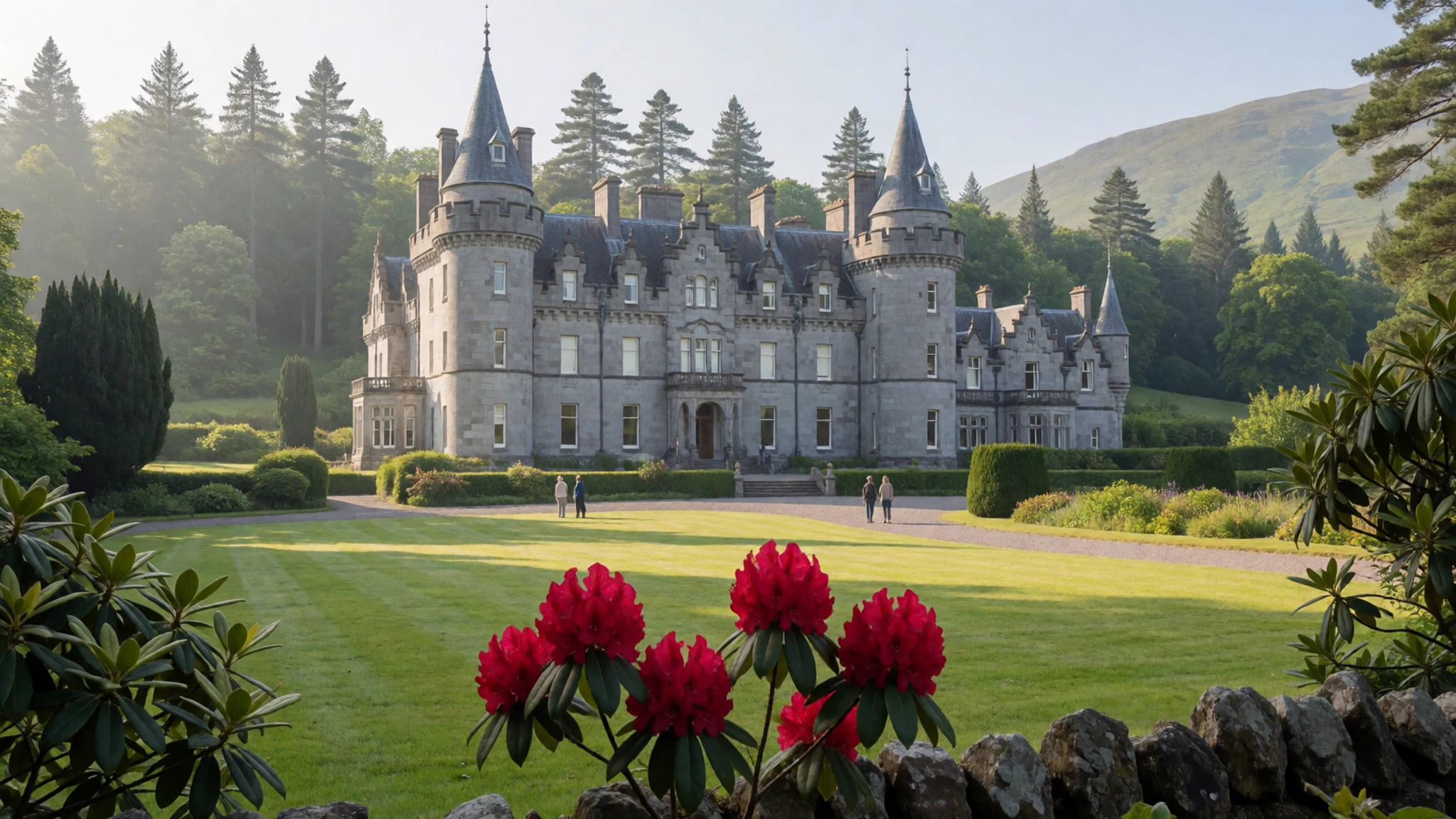
- The Ladder Road — Between Glenlivet and Strathdon
This high pass between Glenlivet and Strathdon gave the range its name. It climbs through Glen Nochty and offers the easiest way to get a feel for the hills. Treat it as a hill route, not a casual drive, and check conditions and your vehicle first.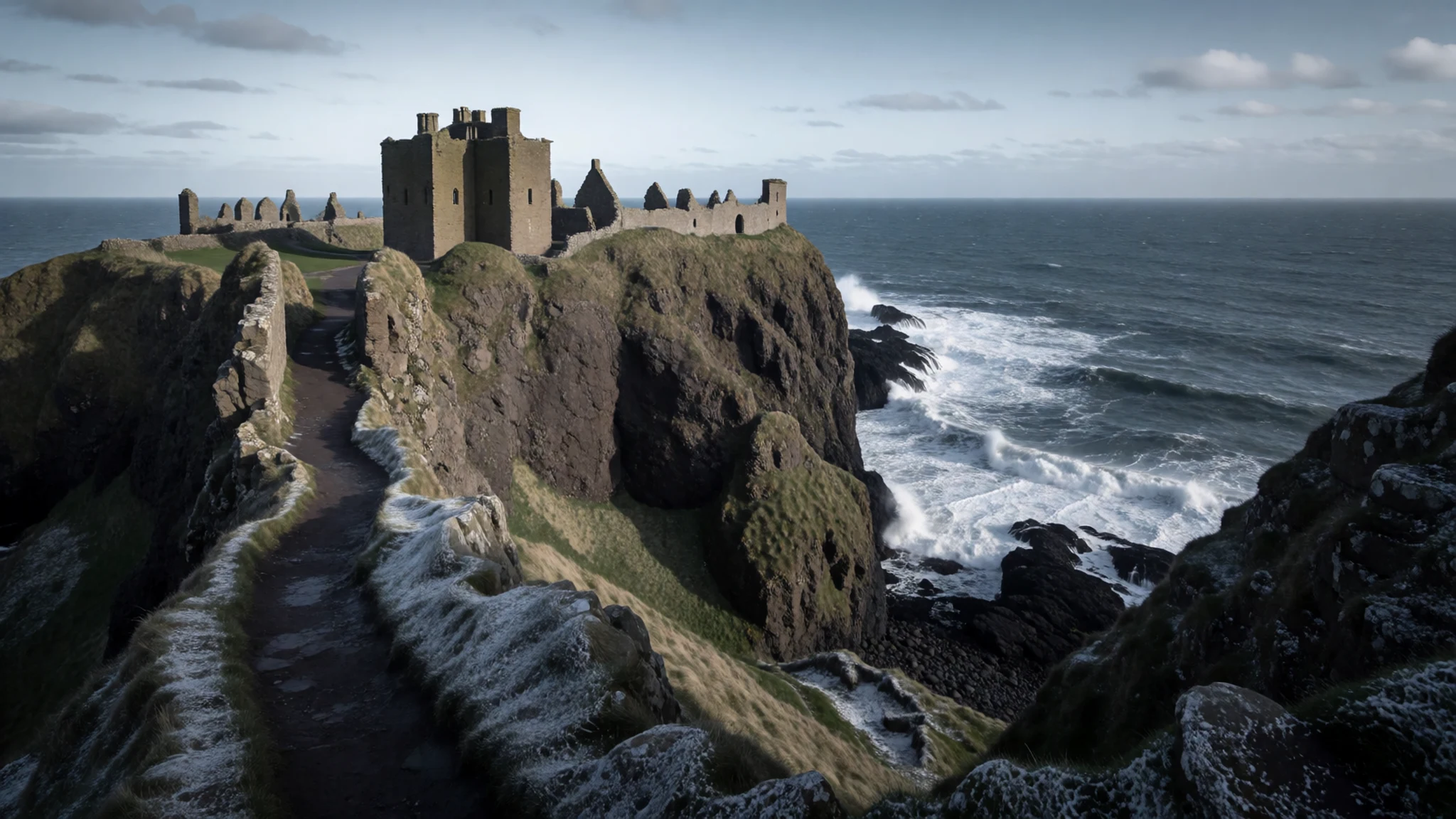
- Balmoral Castle — Near Ballater, Royal Deeside
Balmoral stands on Royal Deeside, a short drive from the southern edge of the hills. Finished in 1856, it is the model for the Scottish Baronial look, all turrets and antlers. It is still the royal family's summer home, so check the official site before travelling.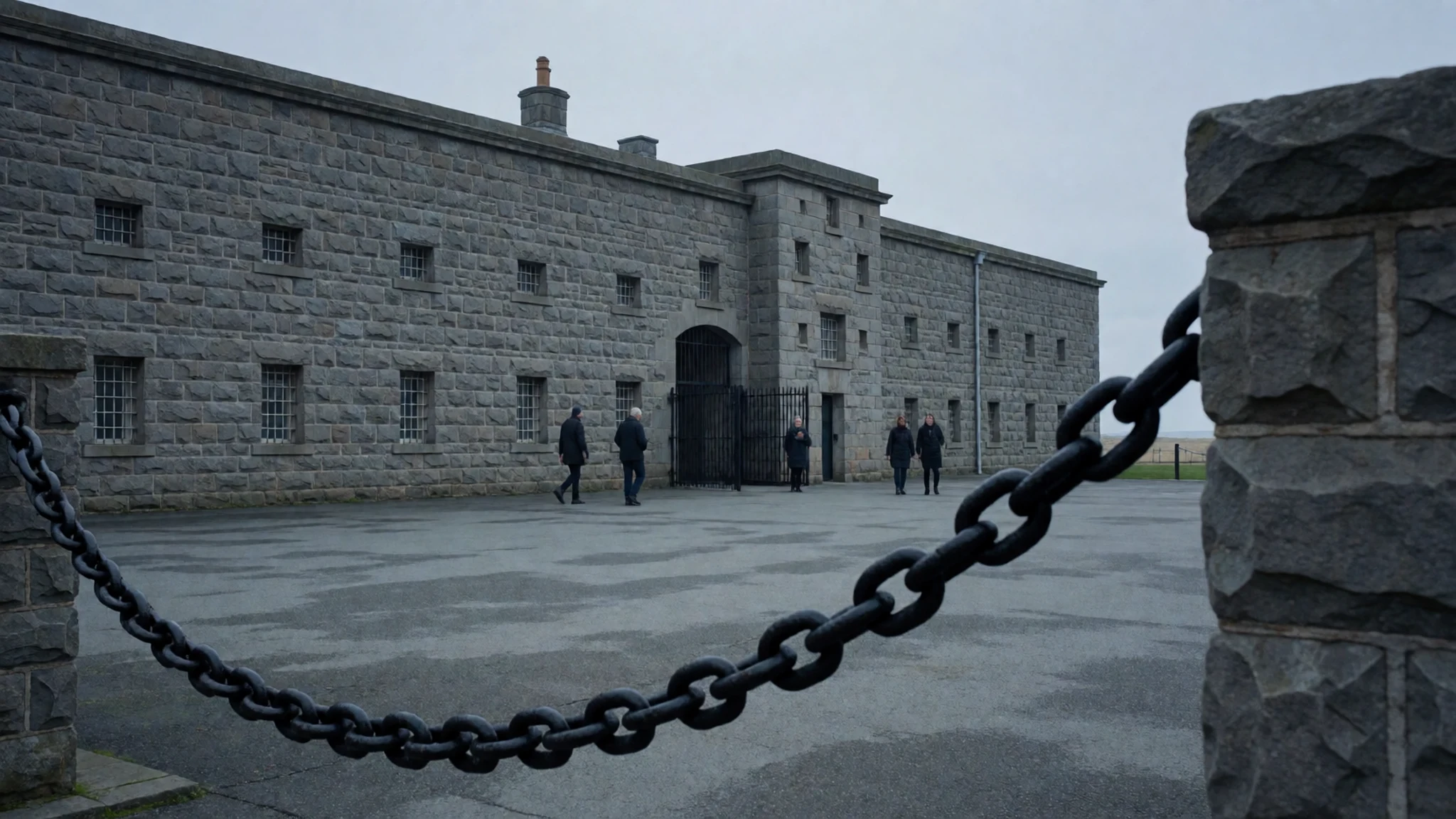
- Dunottar Castle — Stonehaven, Aberdeenshire coast
Dunottar is a ruined fortress on a cliff by the sea at Stonehaven, on the coast well to the east. It is a long day trip from the hills but pairs well with them, since it shows the lowland side of Aberdeenshire's history. Wear sturdy shoes for the steps.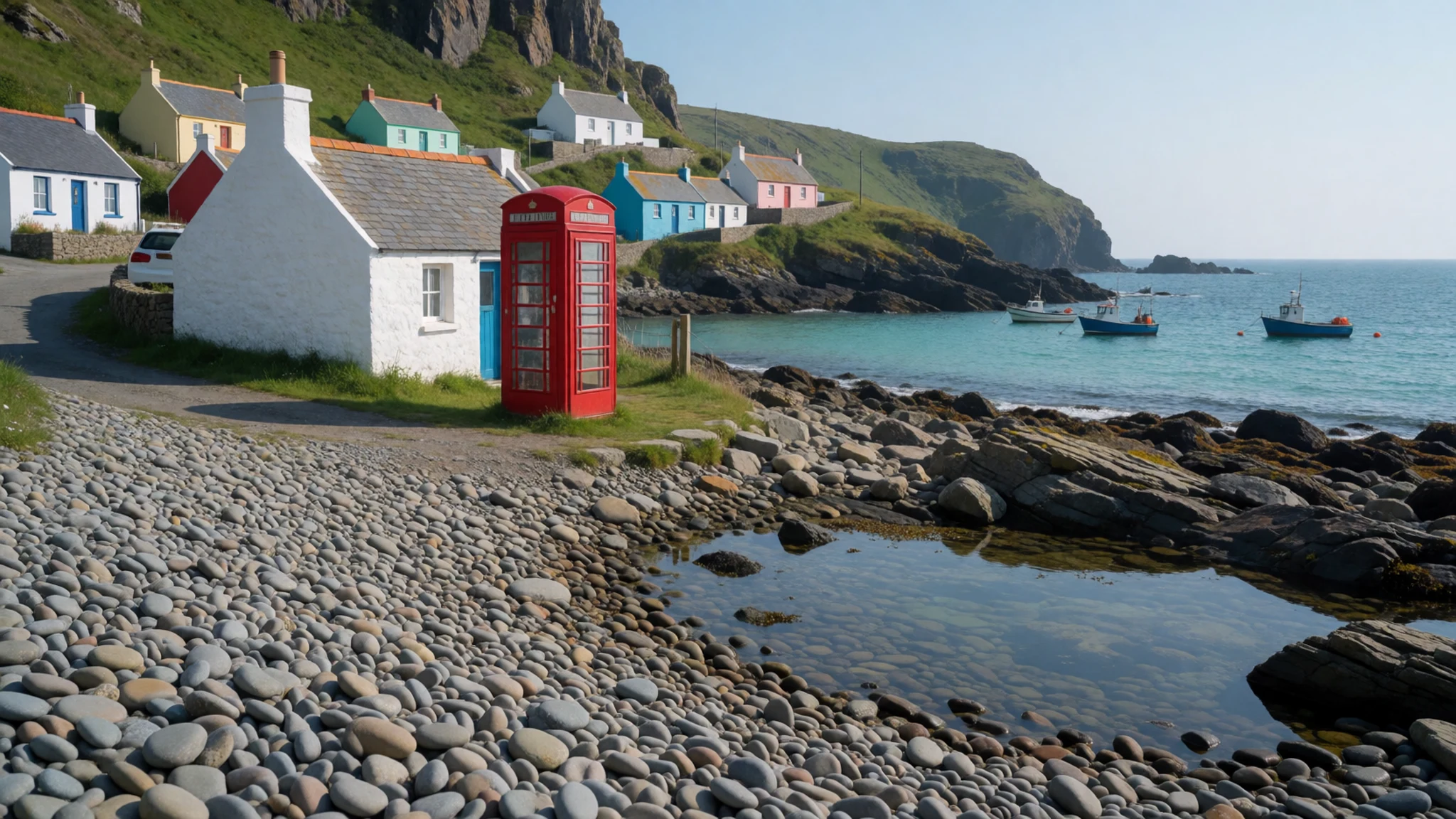
- Pennan and Crovie — Moray Firth coast, Aberdeenshire
These tiny fishing villages on the Moray Firth coast hug the foot of steep cliffs. Pennan has the red phone box from the film Local Hero. Both are small and parking is limited, so go outside peak summer weekends if you can.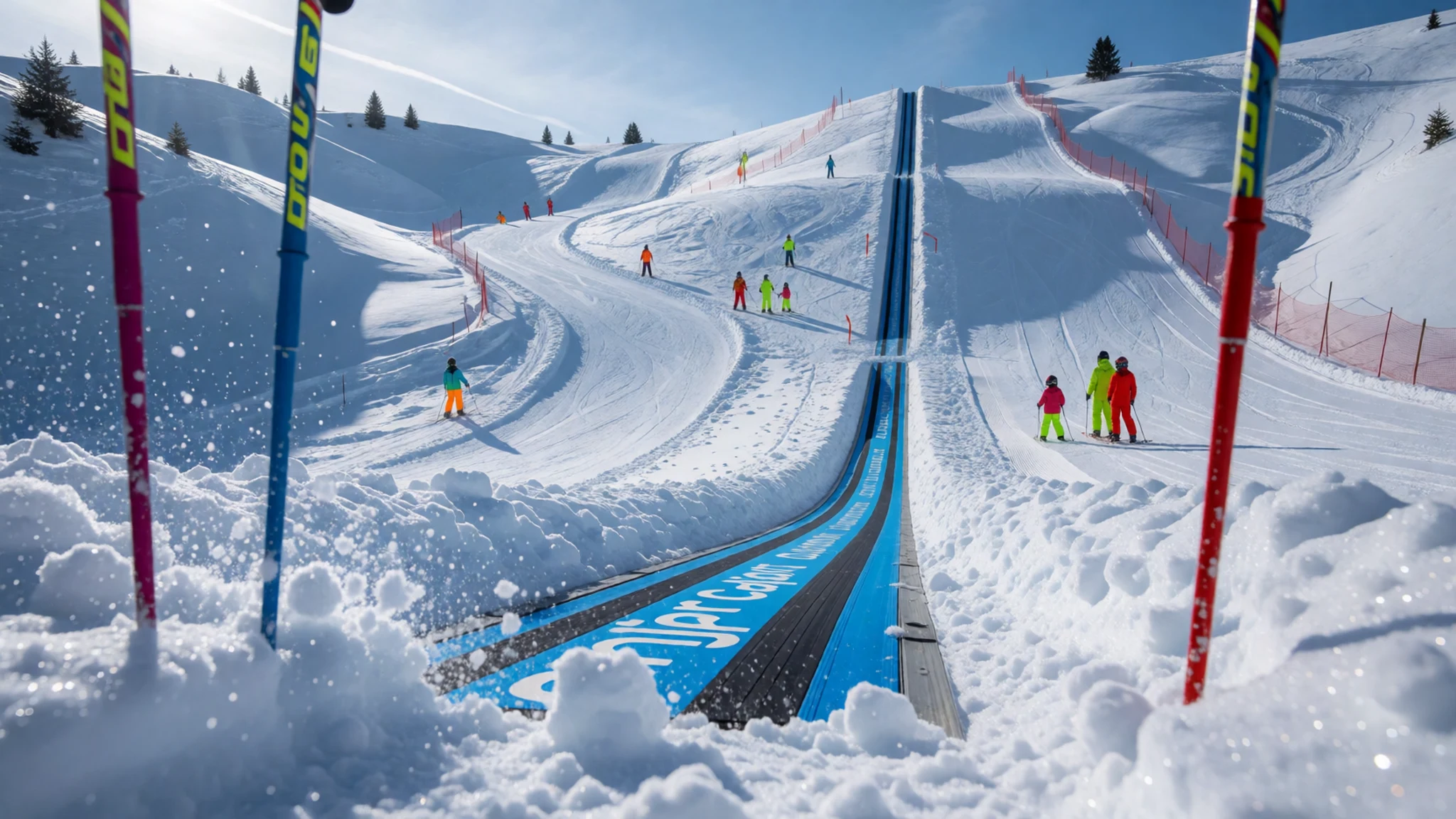
- The Lecht ski area — Between Strathdon and Tomintoul
The Lecht is a small, family-friendly ski centre between Strathdon and Tomintoul, on the road through the eastern Cairngorms. It has a magic carpet for beginners and a few short runs, so it suits learners better than experts. Snow is not guaranteed; check conditions first.
Culture
Ladder Hill sits in a part of Scotland where the culture is rural, practical and quietly proud. Aberdeenshire and Moray have their own speech, the Doric, a broad northeast Scots that can baffle even Scots from elsewhere. Do not worry if you struggle: people will happily slow down, and a little curiosity goes a long way. The hills are working land. Estates manage grouse, deer and sheep, and in the Victorian period the sporting life shaped the whole region, with castles and shooting lodges still defining the landscape. Summer brings Highland Gatherings and Games, held on weekends in towns and villages, with pipe bands, caber tossing and track and field events, often alongside agricultural shows. They are friendly, local occasions rather than tourist shows. Distilling is another thread. Glenlivet lies on the northern side of the hills in the Spey country, where whisky-making is part of daily life, and nearby Aberdeenshire has its own distilleries, a gin maker and a rum producer. Pubs remain central in the villages, usually open late. Many small communities depend on seasonal visitors, but they also expect them to respect farming and conservation. Leave gates as you find them, keep dogs under close control near sheep and nesting birds, and take your litter home, because the moorland birds nest on the ground and are easily disturbed.
What to wear
Ladder Hill, like the rest of northeast Scotland, has a traditional dress that is now mostly seen on special days. That means tartan kilts and plaids woven from wool, worn with a jacket, sporran and long socks at Highland Gatherings, weddings and formal events, and the tweed of estate life, a hard-wearing wool cloth in muted heather and moss shades made for shooting and stalking. Pipers and dancers at a Games meeting give the best chance of seeing the full outfit. Day to day, people in Aberdeenshire and Moray dress for the weather. Waterproof jackets, wool jumpers, fleeces, boots and sturdy trousers are everywhere, and smart clothes come out for evenings, weddings and church. Visitors should dress the same way. The hills are exposed, wet and cold even in summer, and conditions on high ground can turn dangerous quickly. Wear waterproof walking boots with good grip for the bog, layers that can be added or removed, a proper waterproof jacket and trousers, a hat and gloves, and carry spare warm layers. Jeans and trainers are a poor choice. In pubs and villages nothing special is expected, though a dry change of clothes is welcome after a day on the moor. For Highland Games, a waterproof is more useful than anything formal.
What to eat
- Aberdeen Angus beef — Pubs and restaurants across Aberdeenshire
Aberdeen Angus cattle are the local breed, known for marbled beef. Steaks and roasts are the classic way to try it, and the offcuts go into good burgers. Look for it on menus in Aberdeenshire pubs and village restaurants.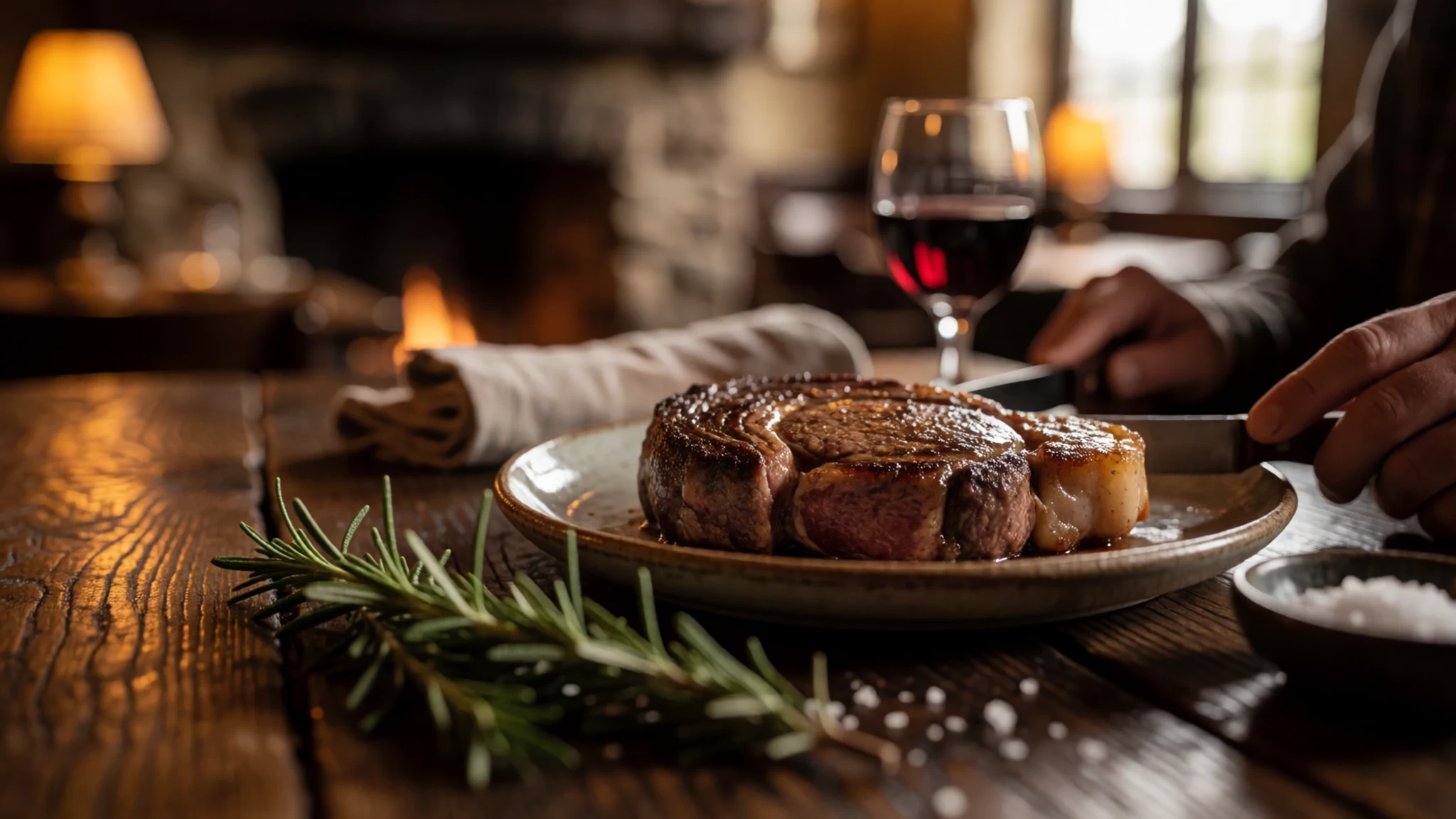
- Fish and chips — Chip shops in small towns and harbour villages
The small towns of the region keep to cheap, cheerful food, and fish and chips is the standard. Coastal Aberdeenshire has plenty of fresh North Sea fish, so a chip shop in a harbour town is usually a safe choice for a simple meal.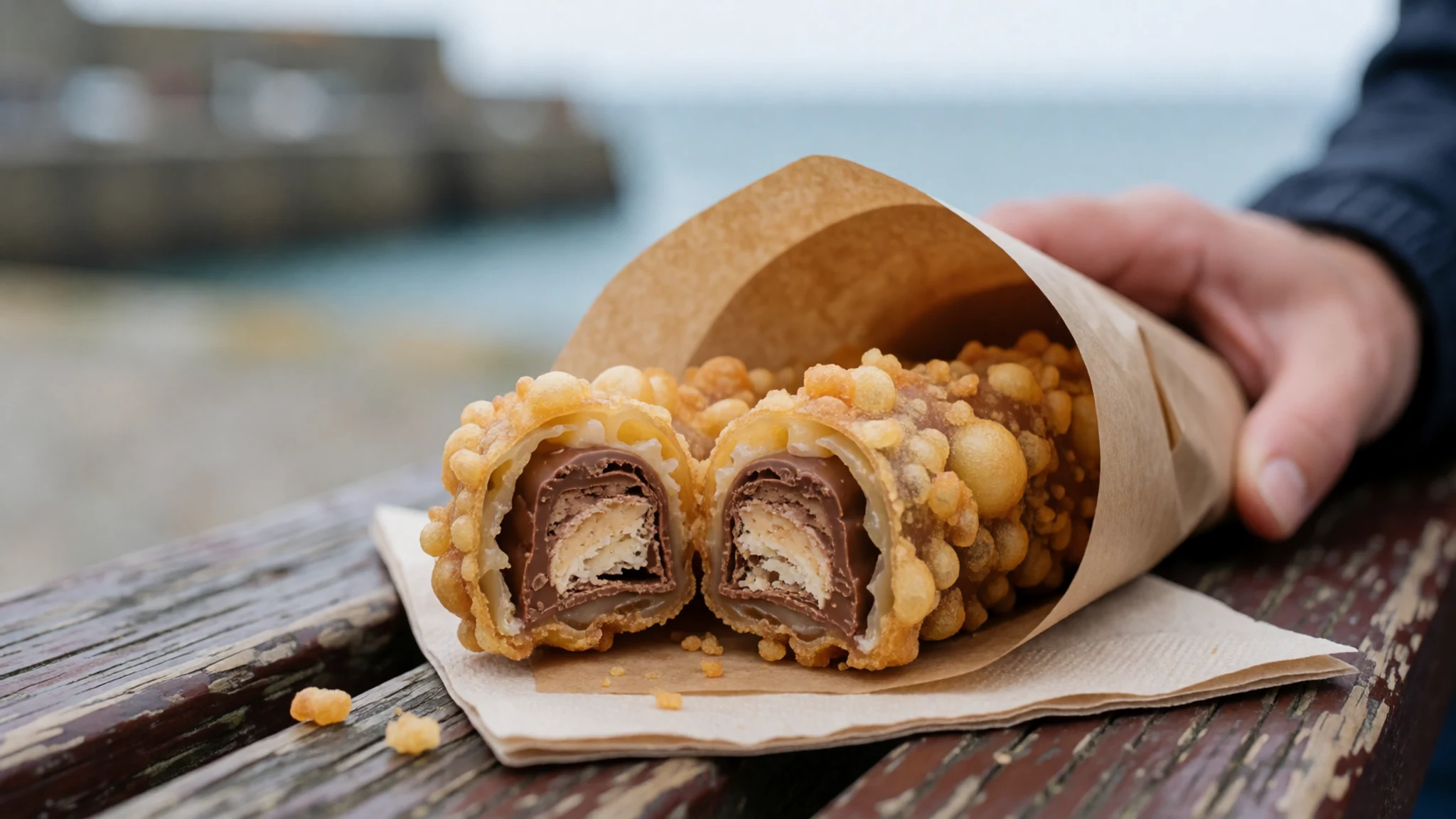
- Herring and North Sea fish — Fishing villages along the Moray Firth coast and Aberdeen
Herring, the old silver darling, shaped the fishing economy of this coast. It is less common now than haddock or cod, but menus in the fishing villages and Aberdeen still feature fresh seafood. Ask what came in locally that week. - Deep-fried Mars Bar — A fish bar in Stonehaven
A famous oddity, said to have been invented at a chip shop in Stonehaven, which still serves it. It is a chocolate bar in batter, fried until hot and soft. Most people try one for the story rather than the flavour, and it is very rich. - Whisky, gin and rum — Distilleries in Aberdeenshire and Moray; supermarkets for a first taste
Distilleries operate at Crathie, Portsoy, Macduff, Oldmeldrum and Huntly, with gin made near Aberdeen and rum at Banchory. The Spey valley, including Glenlivet, is the core of whisky country. Check each distillery's site for visits, and arrange a driver first.
Plan it
Best time. June to September is the easiest season for walking, with the longest days and the best chance of dry ground, though showers and cold wind can arrive in any month. Winter brings snow, short days and serious hill conditions, with skiing at the Lecht and Glenshee when snow allows.
How long. 2–3
Getting there. Fly or take the train to Aberdeen, the transport hub for the county, or approach via Inverness and Elgin from the north. The last leg is by car to Glenlivet, Strathdon or the Bridge of Leachd on the A939; public transport into the hills is limited.
Budget. mid
Tips
- Check the mountain weather forecast before every hill day, because conditions on high ground can change quickly and not only in winter.
- Carry a paper map, compass and spare warm layers; phone signal is patchy on the moor.
- Start early, because the walks are long and boggy, and daylight shortens fast outside summer.
- Hire a car, since buses are thin in this part of Scotland.
- Book accommodation ahead for summer weekends and Highland Games dates.
Etiquette
- Close gates behind you and keep dogs under close control near livestock and ground-nesting birds.
- Take all litter home, including food scraps.
- Check estate notices in the stalking and grouse seasons, and follow any requests about routes.
Nearby
Sources
- Wikidata Q67912842 (CC0)
- Wikipedia: Ladder Hills (rev 1356372381) (CC BY-SA 4.0)
- Wikivoyage: Aberdeenshire (rev 5321533) (CC BY-SA 4.0)
Wildlife
- Raven (animal)
Think of the raven as the giant of the perching birds: large, glossy and entirely black. Around Ladder Hill, this wildlife sanctuary is a place to look upwards, as ravens wheel overhead. Young ones may roam in flocks, though adults settle into lifelong pairs that defend their own ground. Watch from a respectful distance with binoculars, stay calm and quiet, and ask a guide for help. Please never offer food, as wild birds should find their own.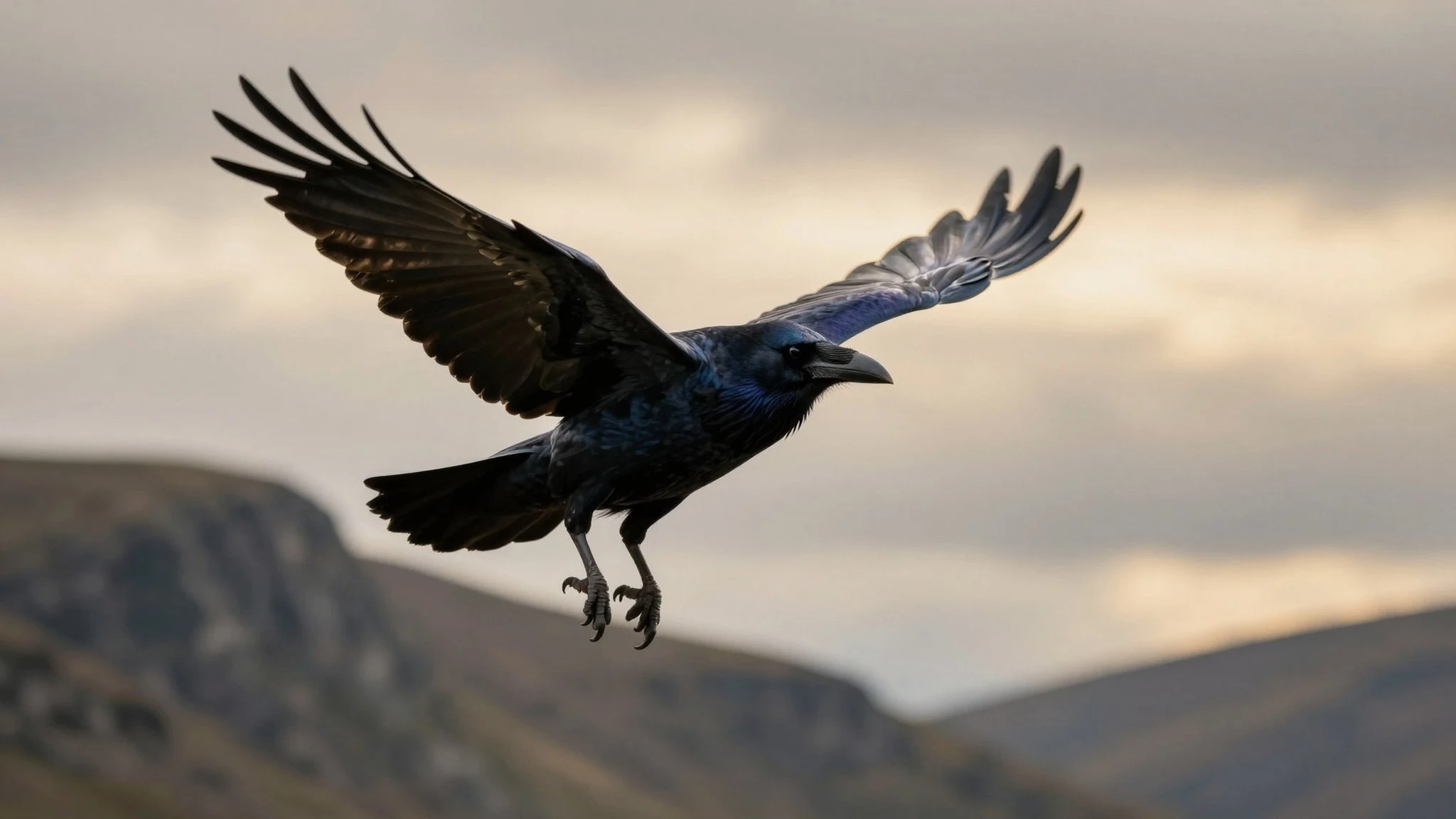
- Golden plover (animal)
The golden plover is a relatively big plover, and it keeps its nest on the ground, not up high. In Ladder Hill's peatlands it shares its refuge with dunlins and dotterels. Since a hidden nest is easily disturbed, move slowly, keep a generous distance and speak in whispers. A knowledgeable guide can show you the best spots, and binoculars bring the bird close without worry. Never feed it, and leave any nesting ground well alone.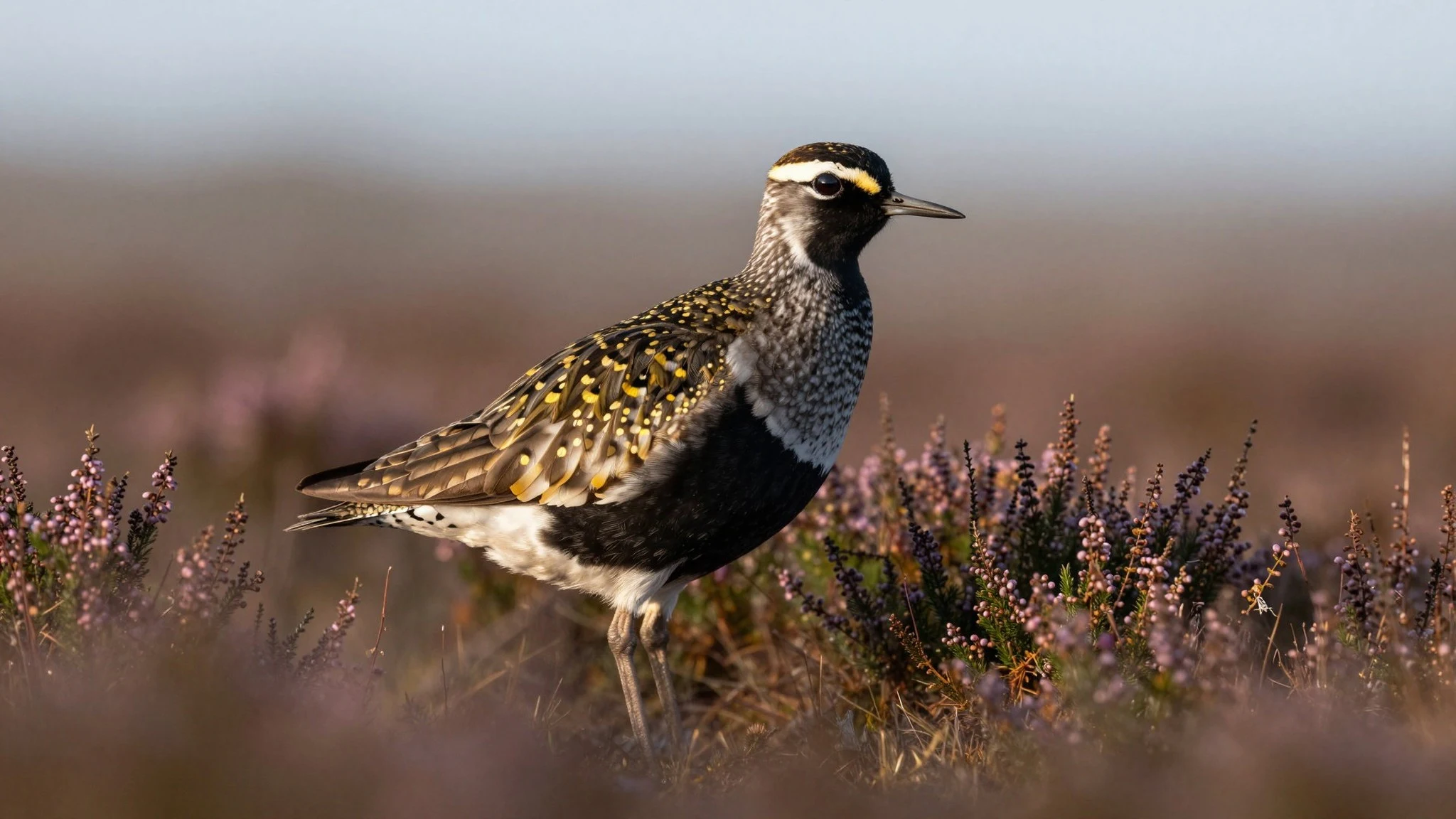
- Raven (bird)
Think of the raven as the giant of the perching birds: large, glossy and entirely black. Around Ladder Hill, this wildlife sanctuary is a place to look upwards, as ravens wheel overhead. Young ones may roam in flocks, though adults settle into lifelong pairs that defend their own ground. Watch from a respectful distance with binoculars, stay calm and quiet, and ask a guide for help. Please never offer food, as wild birds should find their own. - Golden plover (bird)
The golden plover is a relatively big plover, and it keeps its nest on the ground, not up high. In Ladder Hill's peatlands it shares its refuge with dunlins and dotterels. Since a hidden nest is easily disturbed, move slowly, keep a generous distance and speak in whispers. A knowledgeable guide can show you the best spots, and binoculars bring the bird close without worry. Never feed it, and leave any nesting ground well alone.