La Venta
La Venta, Mexico
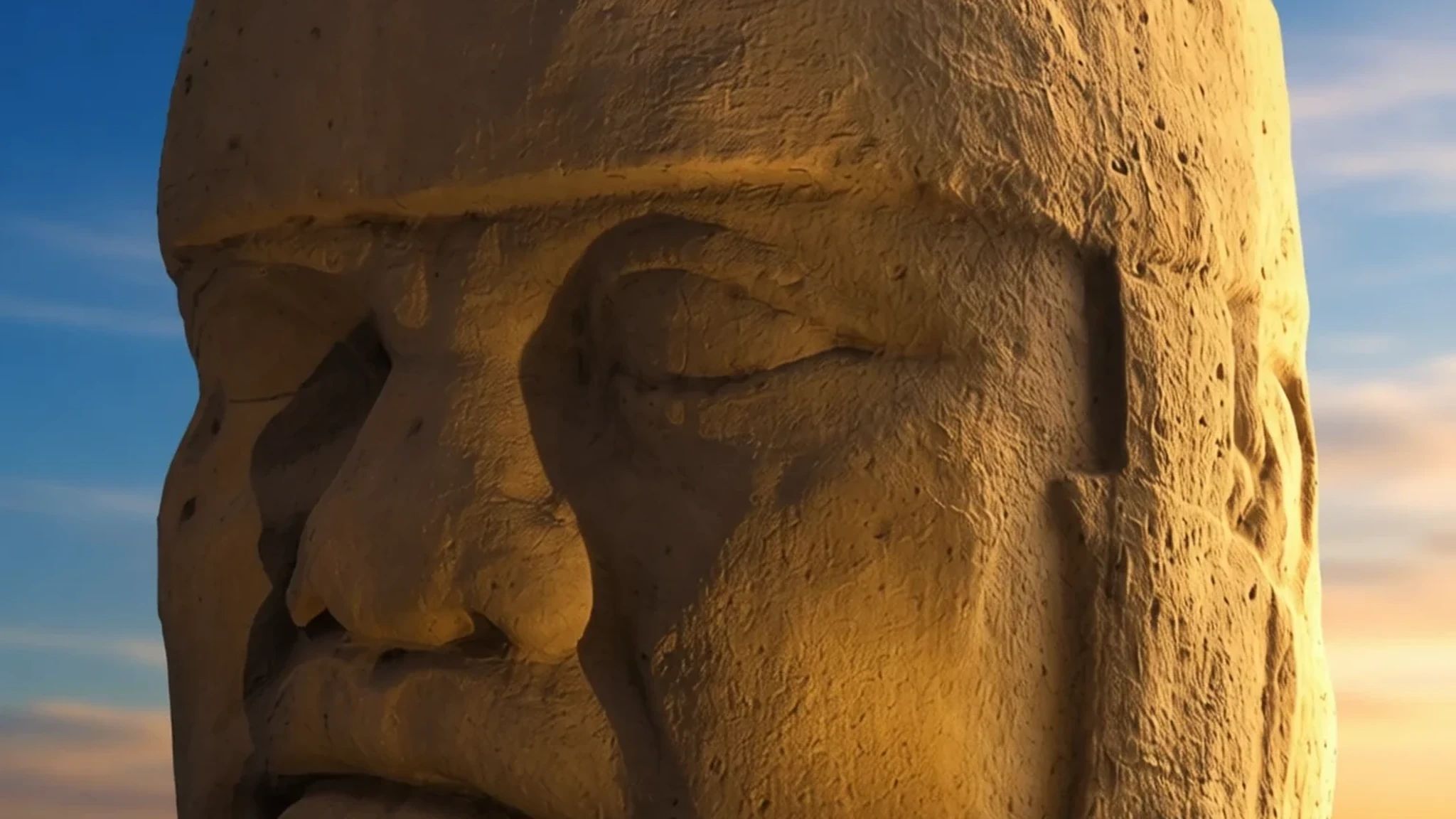
La Venta is where the Olmec raised colossal stone heads on Tabasco's humid plain, and where the best of them now sit in a Villahermosa park.
The place
La Venta is an Olmec archaeological site in the Mexican state of Tabasco, on the low, wet coastal plain near the Gulf of Mexico. Tabasco sits roughly half-way between Cancún and Mexico City, and it is mostly flat, green and threaded with big rivers, chiefly the Grijalva and the Usumacinta. Locals sometimes call it the Eden of Mexico, and in the heat and humidity the name makes sense.
The site was a civic and religious centre of the Olmec, and it is counted among the older ones in Mesoamerica. What survives is quieter than the Maya cities further east: an earth-and-clay pyramid that looks more like a fluted hill than a temple, a layout of plazas and mounds, and a scatter of stone monuments. Many of the finest carvings were moved to an open-air museum, Parque-Museo La Venta, in Villahermosa, the state capital, so a visit often means two stops.
The wider region is oil country, with wells and installations along the shoreline, and it is not a polished tourist circuit. Services are modest, distances are real, and the pleasure is in the setting: palms, wetlands, cacao farms and a very different Mexico from the beach resorts. Local people are called Tabasqueños, and many call themselves chocos.
Its story
The Olmec settled the Gulf coastal plain about 3,000 years ago, and La Venta became one of their most important centres. Olmec sites in western Tabasco go back to at least 1800 BC, which makes them among the oldest historical sites in Mexico. La Venta is the best known of them, largely because of the colossal heads found there.
Those heads, together with altars, stelae and carved columns, are why the Olmec are often described as a mother culture. That phrase is debated, but the influence is visible: symbols first seen at La Venta, such as the crossed-bands motif, kept turning up in later cultures that drew on Olmec ideas.
Much of what is said about Olmec belief is informed guesswork. Scholars have long read the monuments through shamanism, and the carvings do repeat certain patterns that look ritual. Mirrors of hematite and iron ore were found in abundance, and polished celts, axe-shaped objects of uncertain use, were common in burials and offerings. Whether they were tools or symbols is still open.
That uncertainty is part of the appeal. There are no written histories to lean on, only buried offerings, carved stone and the shape of the site. Moving the major sculptures to Villahermosa protected them from weather and looting, but it also split the story in two: the setting is at La Venta, and the most dramatic objects are in the park.
What to see
- The great pyramid — La Venta archaeological zone
The main mound at La Venta is a rounded, ridged pyramid of earth and clay, now grassed over. It does not look like a stone temple, and that is the point: the Olmec built in soft materials on a floodplain. Photographs from the north and south faces show how the form dominates the site.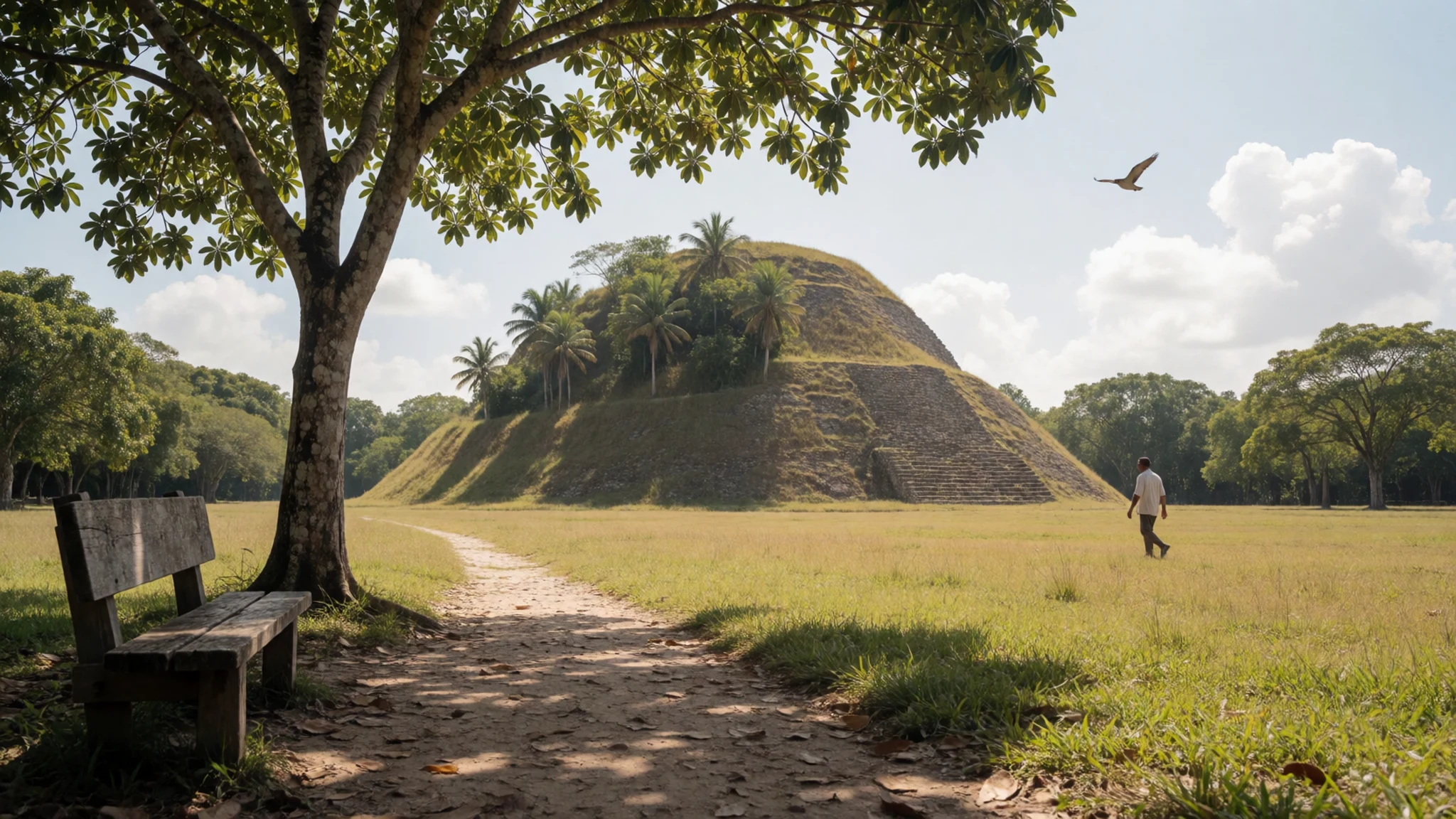
- Complex A — La Venta archaeological zone
This ceremonial group lies north of the pyramid and holds basalt columns, monuments and one of the colossal heads. It is the part of the site most tied to ritual, with offerings once buried beneath it. Walk it slowly and compare the carved faces, each with its own expression.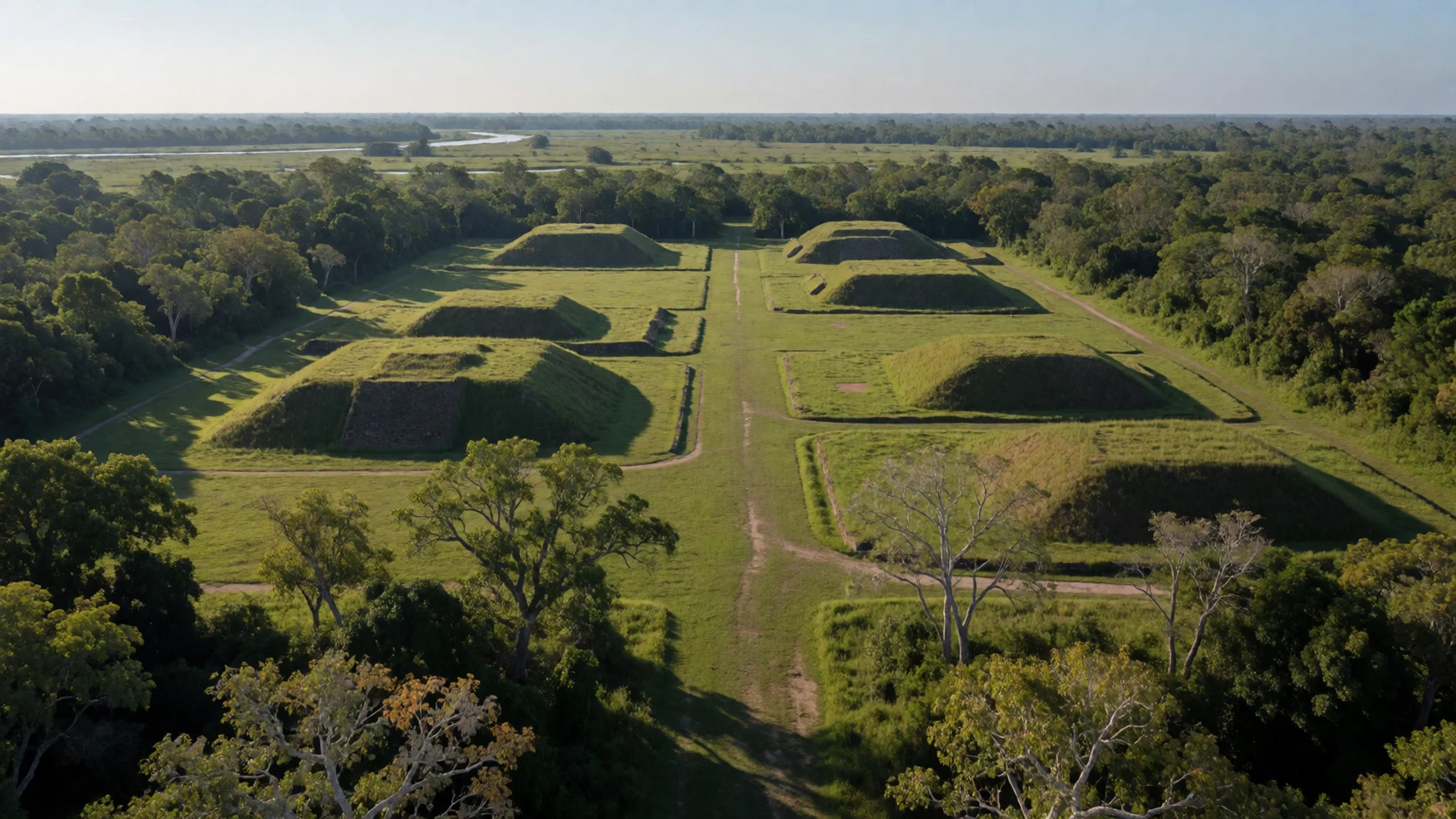
- Colossal Head, Monument 4 — La Venta, Complex A
Monument 4 is one of the carved basalt heads, a helmeted face with heavy features and a calm stare. Basalt does not occur on this plain, so the stone itself was carried in. Scholars read such heads as portraits of rulers, though that remains interpretation rather than proof.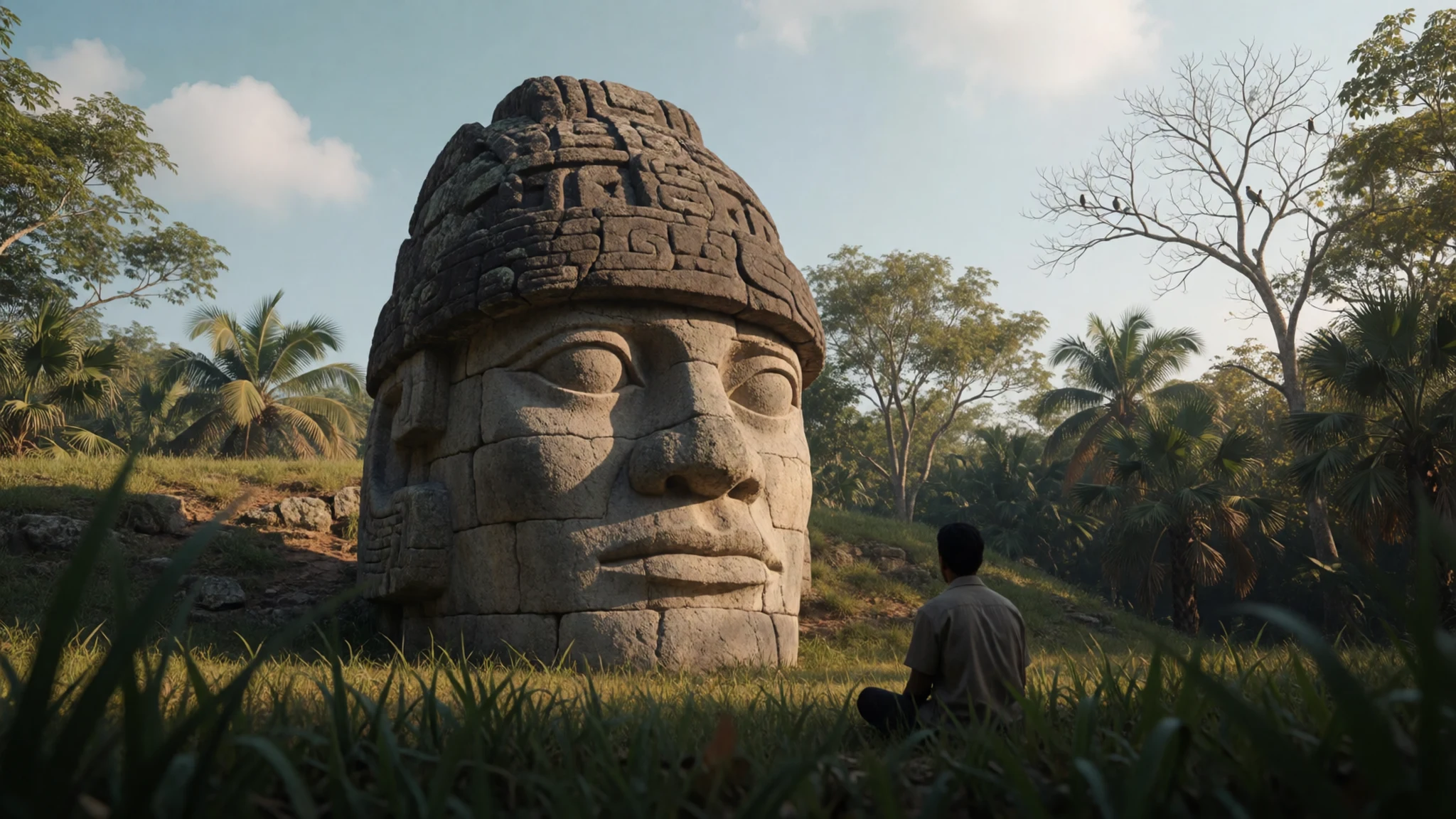
- Stela 1 — La Venta archaeological zone
Stela 1 is an upright carved slab with a worn but readable figure. It shows how the Olmec used stone to record status and ceremony, and it rewards a close look in low, slanting light. Several such monuments are on the site, and others are displayed in Villahermosa.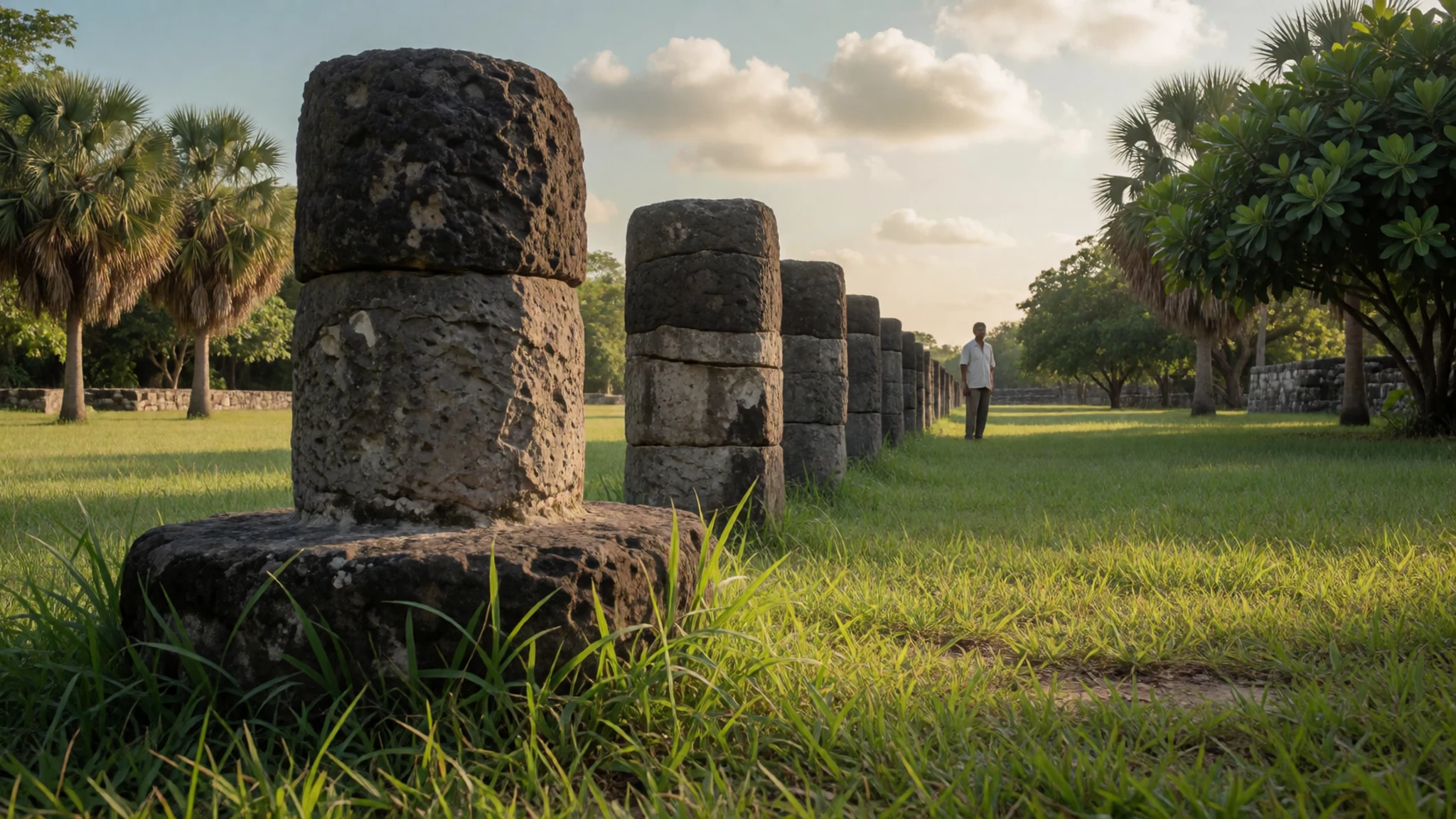
- Parque-Museo La Venta — Villahermosa
This open-air museum in Villahermosa houses many of the artefacts moved from the site, set along a shaded jungle trail. It is the easiest place to see the colossal heads up close, and the humidity is more bearable under the trees. Check the official site for opening times before you go.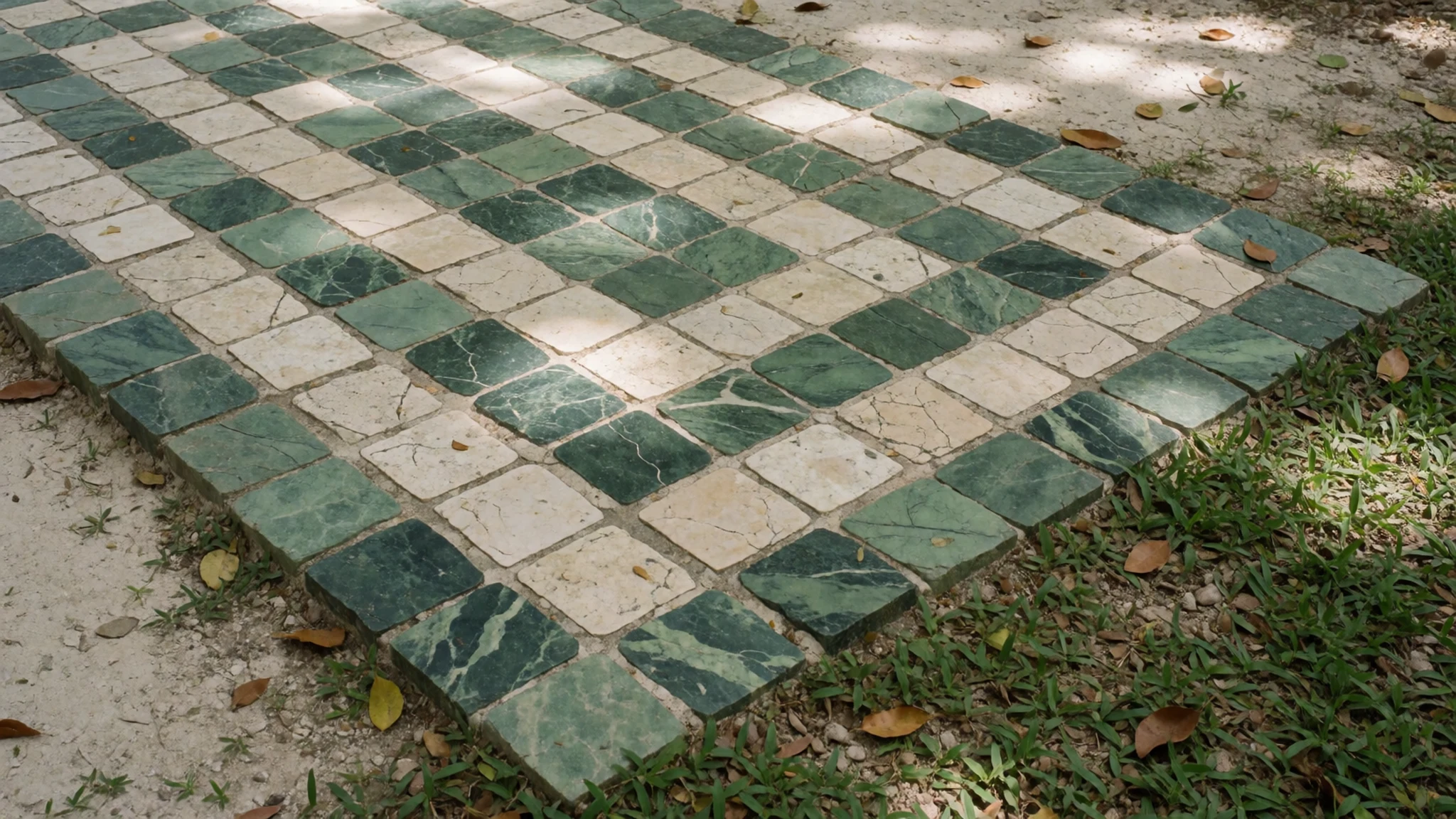
- Comalcalco and the wetlands — Western and northern Tabasco
For a second layer of the region, Comalcalco is a Maya site in Tabasco, reached on the state's Cacao Route, and the Centla wetlands offer swamp and birdlife. Both show that Tabasco is more than a stop for Olmec stone, though each needs its own half-day.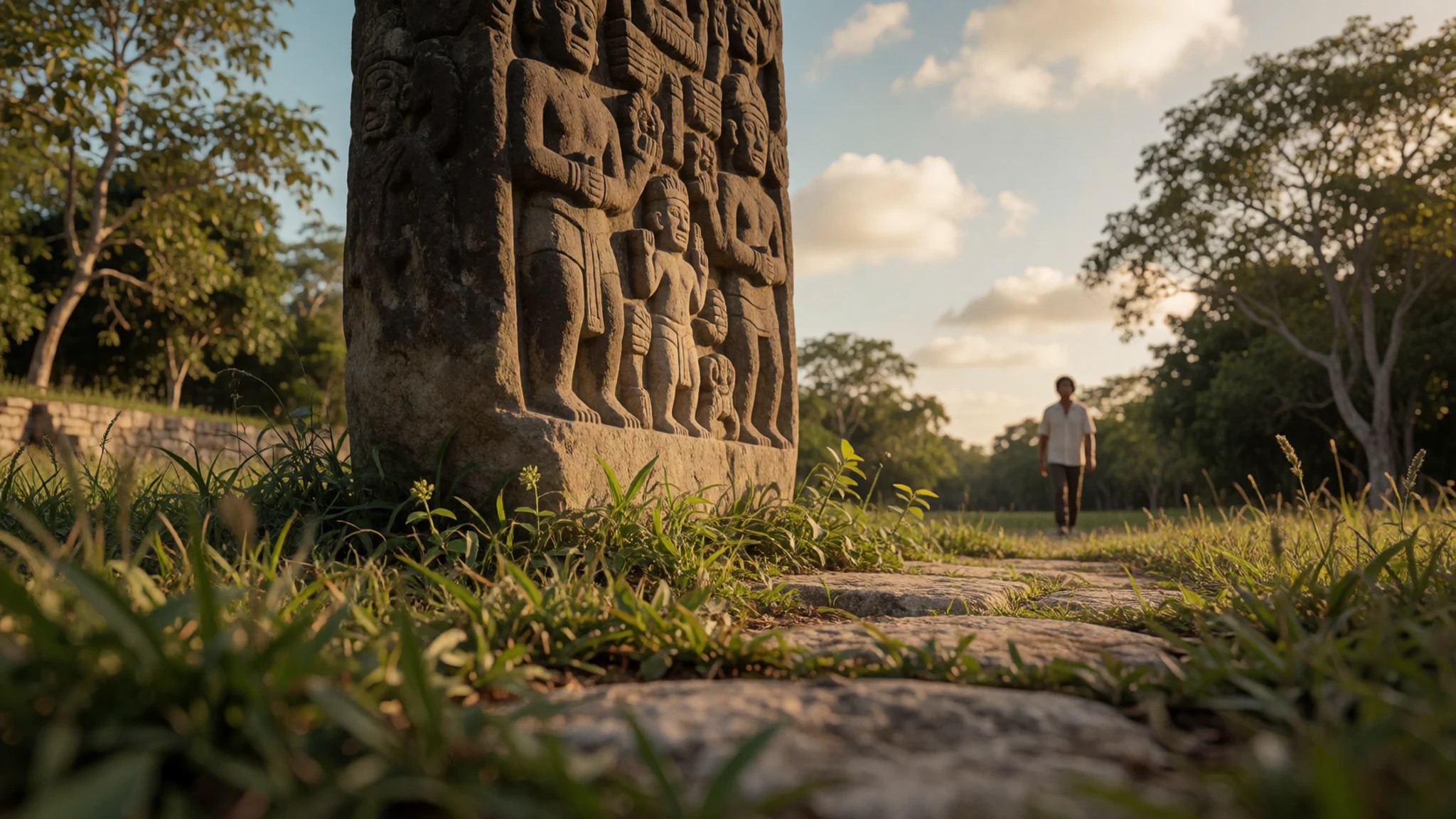
Culture
La Venta is best understood through what the Olmec left behind rather than what they wrote, since Olmec religion is known mostly through speculation. Even so, certain patterns are hard to miss. The crossed-bands symbol, an X inside a rectangle, is repeated in stone at La Venta and at other Olmec sites, and it often appears beside the maize deity, which may link it to farming and the food supply.
The objects found here help scholars reason about belief. Mirror fragments of hematite and iron ore were plentiful, and mirrors mattered in both ritual and everyday life. Celts, the so-called pseudo-axes, are common in burials and offerings; some are plain and others carry carved symbols read as religious. Nobody can say for certain whether they were used or only offered.
Modern Tabasco has its own character. People are Tabasqueños in formal speech and chocos among themselves, the food is Gulf-coast and the pace is unhurried. Local pride in the Olmec past is strong, and the monuments are treated as national heritage rather than curiosities.
When you visit, keep to the marked paths, do not climb on or lean against the carved stones or the grassed pyramid, and ask a guard before using a tripod or drone.
What to wear
La Venta has no surviving Olmec textiles to describe, as cloth rarely survives in this humid ground, so what is known of ancient dress comes from carved figures, which show headdresses, ear ornaments and belts. In modern Tabasco, regional dress is a festival matter: women wear bright, embroidered cotton skirts and blouses for folk dances and fairs, and men a white shirt and trousers with a red neckerchief and a straw hat. These are seen at celebrations, not daily.
Day to day, Tabasqueños dress for heat and damp: light cotton shirts, short sleeves, jeans or linen trousers, sandals or trainers, and a cap or umbrella for sun and sudden showers. The state is hot and humid for much of the year, and people pick fabrics that dry fast.
Visitors should do the same. Wear loose, breathable clothing, a hat, sunscreen and sturdy closed shoes or trainers with grip, since paths at the site can be muddy and uneven. Bring a light rain layer and insect repellent. There is no dress code at the ruins, but cover up a little for churches and when travelling in smaller towns, where beachwear in town streets looks out of place.
What to eat
- Ostiones (oysters) — Seafood stalls and coastal eateries, especially around Paraíso
Gulf oysters are a Tabasco staple, served raw with lime and hot sauce or in cocktails. They are abundant and generally affordable here, so they are an easy first taste of the coast.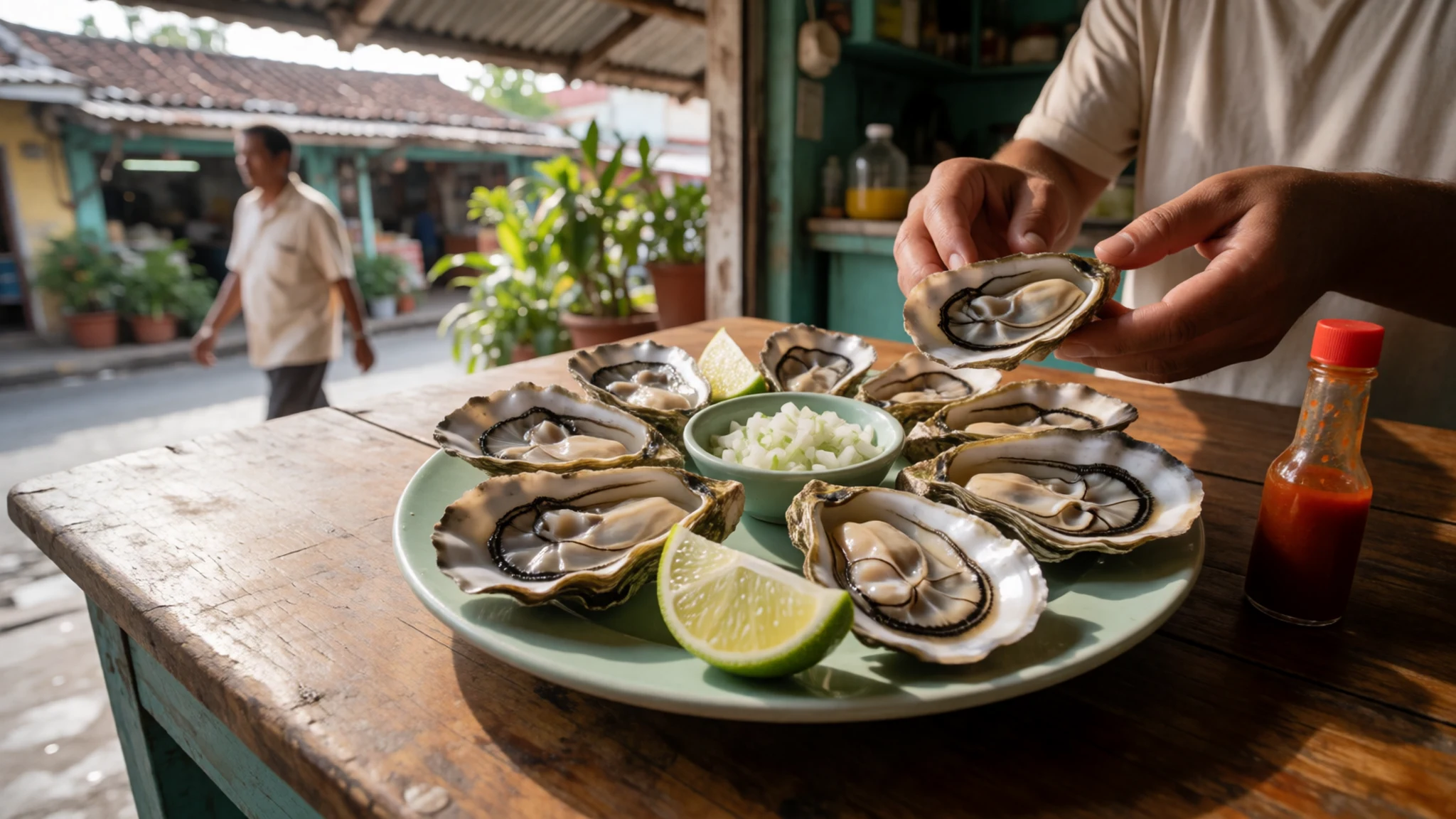
- Ceviche — Coastal restaurants and busy lunch eateries
Raw fish or seafood "cooked" in lime juice, usually with onion, tomato and chilli. It is fresh and sharp, and a welcome contrast to the humidity. Choose busy places where the fish turns over quickly.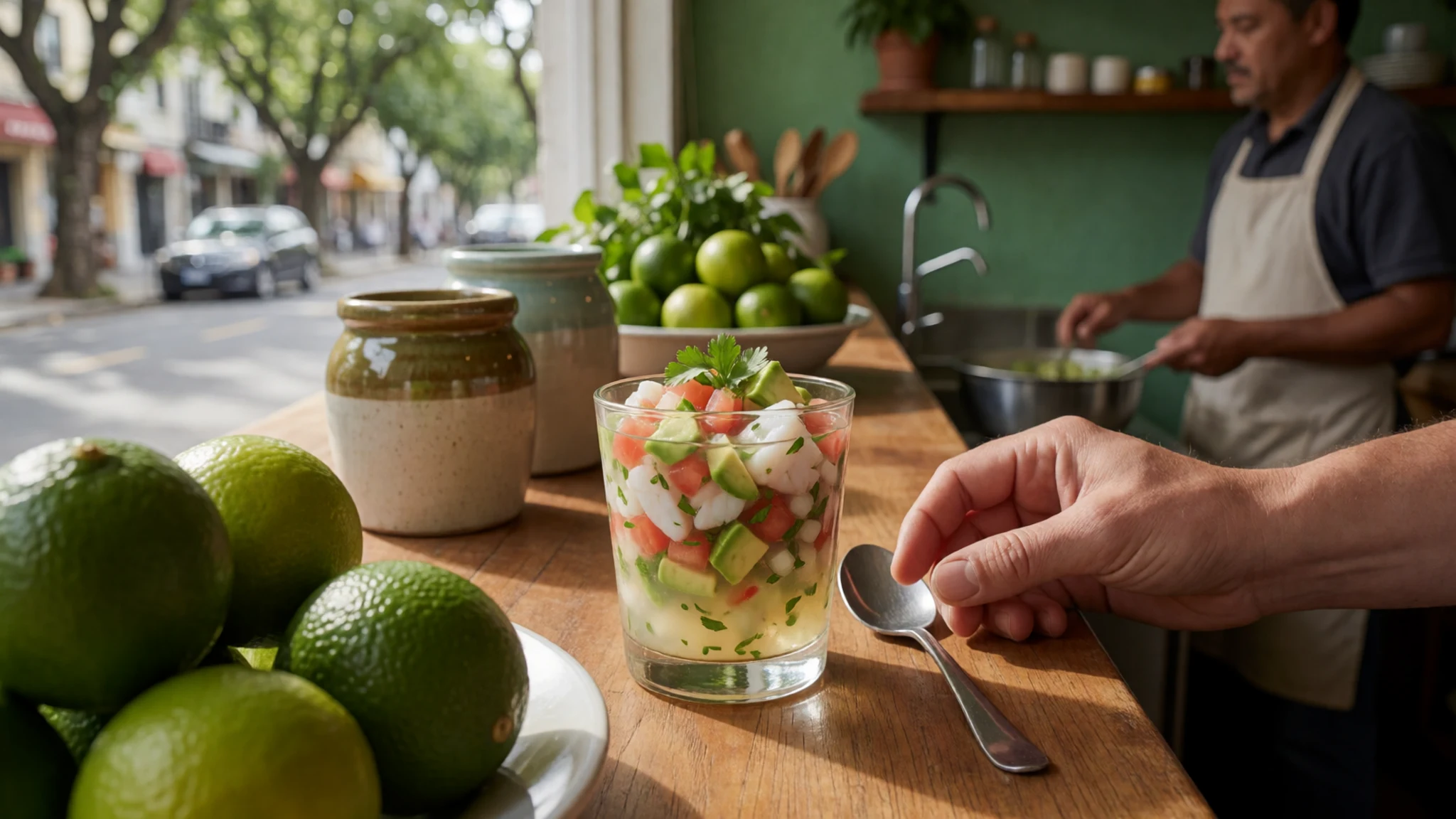
- Róbalo (snook) — Riverside and seaside restaurants across Tabasco
A prized Gulf fish, often grilled whole or fried and served with rice, salad and tortillas. The flesh is firm and mild, and it suits the local habanero salsa very well. - Cócteles de mariscos — Seafood stands and market food halls
Seafood cocktails of prawns, octopus or oysters in a tangy tomato-lime sauce, served cold in a glass or bowl with crackers. Good on a hot afternoon, and filling enough for a light meal. - Salsa Chimay — On the table at most local restaurants and in markets
The state's own hot sauce, made from habanero peppers and sold in four heat levels, from very hot to extremely hot. It sits on many tables, so start with a drop and work up carefully. - Coconut ice cream — Beachfront stalls at Paraíso
A beach favourite on the coast at Paraíso, where Tabasco families go for the day. Cool, creamy and simple, it is a nice reward after a humid morning among the ruins.
Plan it
Best time. November to March is the more comfortable stretch, with less heat and a lower chance of heavy downpours. Tabasco is hot, humid and very green, and the wetter months bring muddy paths and storms, so the dry season suits walking the site best.
How long. 2–3
Getting there. Fly to Villahermosa (Carlos Rovirosa Pérez International Airport, VSA), with flights from Mexico City and from Houston. Buses are comfortable and economical, though Cancún to Villahermosa is around 14 hours. The Tren Maya also has stations in Tabasco. From Villahermosa, reach La Venta by road, by taxi, a hired driver or a local tour.
Budget. low
Tips
- Go early in the morning, before the heat and humidity build
- Visit the Villahermosa museum park and the site on separate half-days
- Carry water, sunscreen, repellent and some cash for small places
- Check official sites for opening times and entry details before you travel
- Take normal security precautions and avoid unnecessary night travel
Etiquette
- Do not climb on monuments or the pyramid
- Ask permission before photographing local people
- Keep to marked paths and follow guards' instructions
Nearby
Sources
- Wikidata Q913166 (CC0)
- Wikipedia: La Venta (rev 1365247924) (CC BY-SA 4.0)
- Wikivoyage: Tabasco (rev 5370743) (CC BY-SA 4.0)
- Photo: La Venta Pirámide cara norte (Public domain)
- Photo: La Venta site plan (CC BY 3.0)
- Photo: La Venta Pirámide cara sur (Public domain)
- Photo: La Venta Complejo A (Public domain)
- Photo: La Venta Mosaic (Ruben Charles) (CC BY 2.5)
- Photo: Complejo A, Monumentos 2 y 3 (CC BY 4.0)
- Photo: Complejo A, Monumentos 4 (CC BY 4.0)
- Photo: Estela 1 (CC BY 4.0)


