Kudat
Kudat, Malaysia
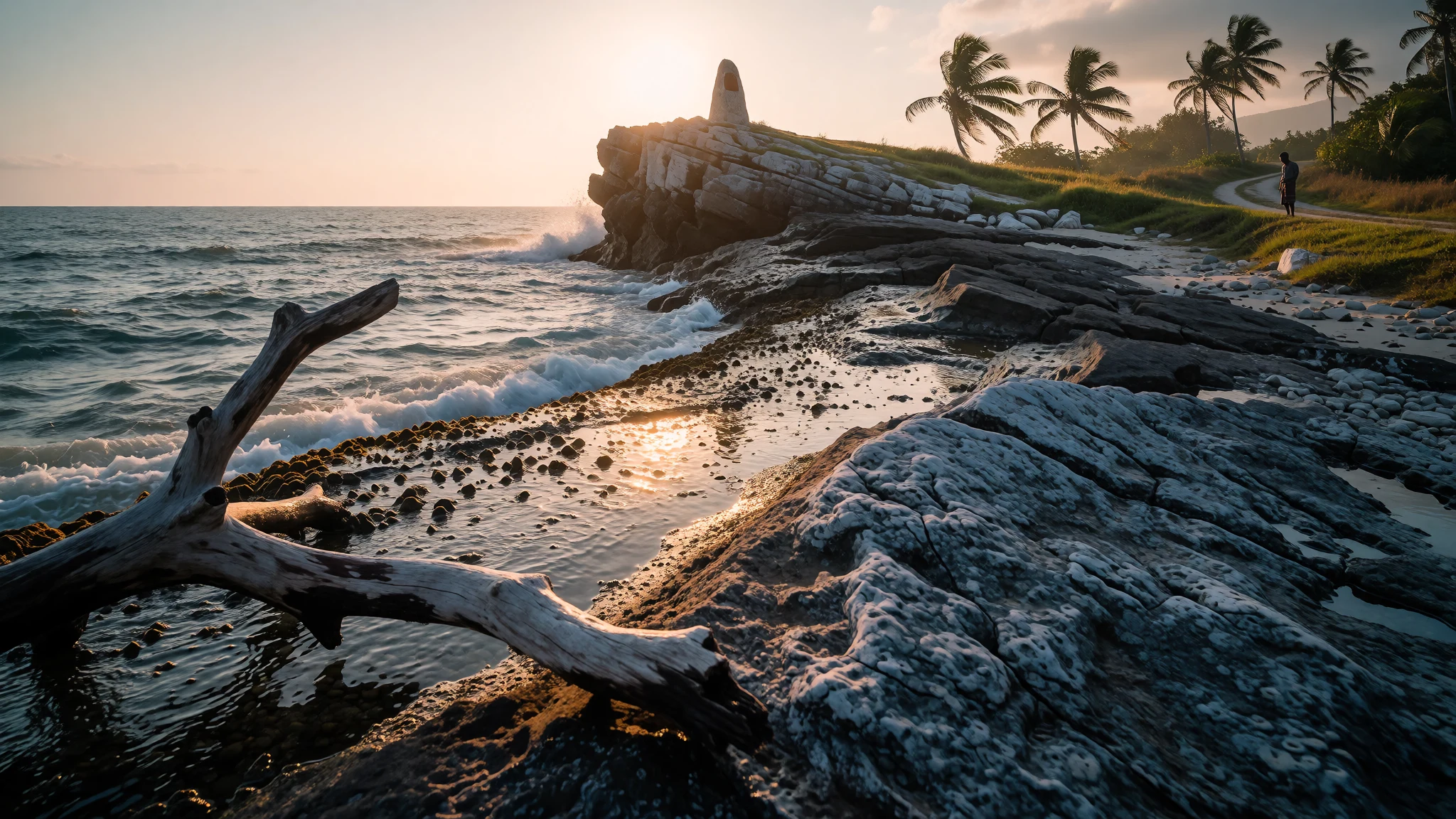
Kudat is a slow, sea-breezy Borneo town where Rungus villages, Hakka history and quiet beaches sit a short drive from the island's northern tip.
The place
Kudat sits on the Kudat Peninsula at the top of Sabah, in Malaysian Borneo, close to the island's northernmost point and about 190 km from the state capital, Kota Kinabalu. It is a small port town, and it feels like one: a seafront esplanade, a central market, a fish market and a short grid of shophouses where people tend to know each other. Nobody comes here for nightlife or big-ticket sights. They come for the unhurried pace, for fresh fish, and for the open coast beyond the town. The peninsula is the heartland of the Rungus, a sub-group of the Kadazan-Dusun, and Kudat is the largest town in that country, so it works as a base for Rungus culture. It also holds one of the earliest Chinese settlements in Sabah, mostly Hakka families whose descendants still run shops, farms and churches. The result is a town where a Chinese-style shophouse, a mosque and a village gong workshop all sit within an hour's drive of one another. The climate is tropical rainforest, with rain in every month and heavier falls in December and January, so a dry spell is never guaranteed. Beaches such as Bak Bak, Pasir Putih, Kalampunian and Torungkungan are the draw for many Sabah visitors, and they tend to be quiet. Facilities are basic, so bring water and snacks. Kudat suits slow travellers with a car or some patience; it is a poor fit for anyone who wants a packed schedule.
Its story
Kudat's recorded history begins with the Rungus, who traditionally lived inland in longhouse villages, away from a coast that pirates often visited. The British North Borneo Chartered Company arrived in the late nineteenth century, founded the town in December 1881 and made it the company's first capital in 1882. An explorer working for the company, Franz Witti, had found oil a short way outside the site, which may have helped tip the choice. Company officers cleared land with help from Brunei Malays, and they made peace agreements with the Rungus chief Temenggung Kurantud and with Datu Harun, who led the town's Muslim community. Colonial life brought its own comforts: Kudat Golf Club, the first in Sabah, was laid out in the early twentieth century, and its fairways are squeezed between roads and buildings. The company then wanted workers. It judged that migrants from outside Borneo would be more productive than local people, a view that says more about colonial attitudes than about the island. Governor William Crocker asked Walter Medhurst, newly appointed to handle emigration in China, to help recruit, and Medhurst offered free passage to anyone willing to work in North Borneo. Those offers drew the Hakka families who still shape the town. Today Kudat's quiet streets sit on top of that layered past: native longhouse country, a company outpost and a migrant farming frontier.
What to see
- The Esplanade — Town centre, by the port
The Esplanade runs along the seafront by the port and is where Kudat drifts out in the evening. There is a clock tower, a children's playground, the expected 'I heart Kudat' sign and a handful of food and drink stalls. It is a gentle first stop for sea air, boats and a feel for local routine.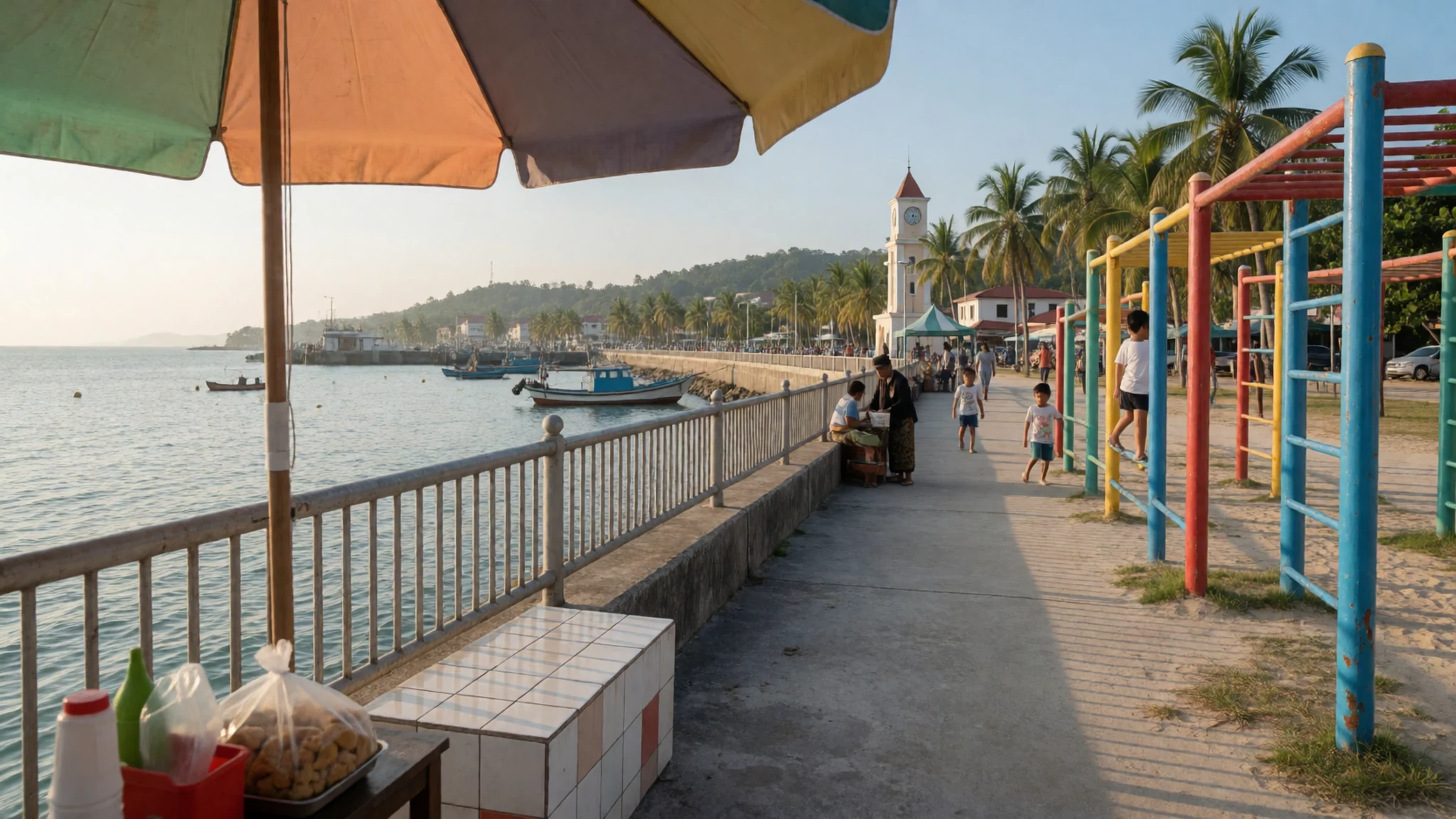
- Tun Mustapha Museum — Town centre
The Tun Mustapha Museum follows the life of Tun Mustapha, a Kudat-born politician who took part in the formation of Malaysia. A smaller display covers the town's own story. It is compact, so it suits a wet hour, and it adds useful context before you head out to the villages and beaches.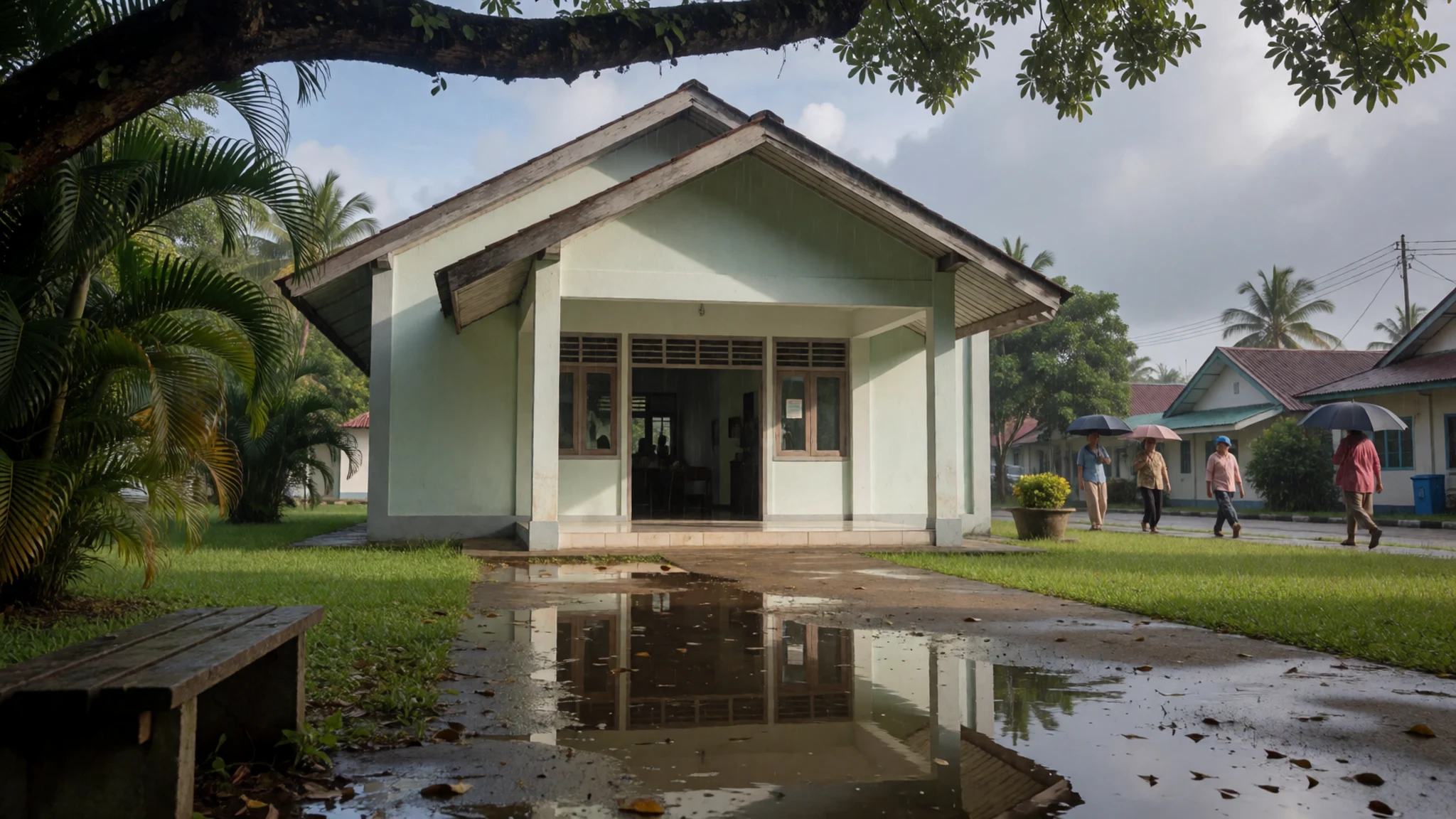
- Tip of Borneo — Northern end of the Kudat Peninsula
Tanjung Simpang Mengayau, known as the Tip of Borneo, is the headland marking the island's northernmost point. The road from town crosses farmland and coconut country. Come early to dodge midday heat and the day-trippers, and expect wind, open sea views and a photograph at the marker rather than anything elaborate.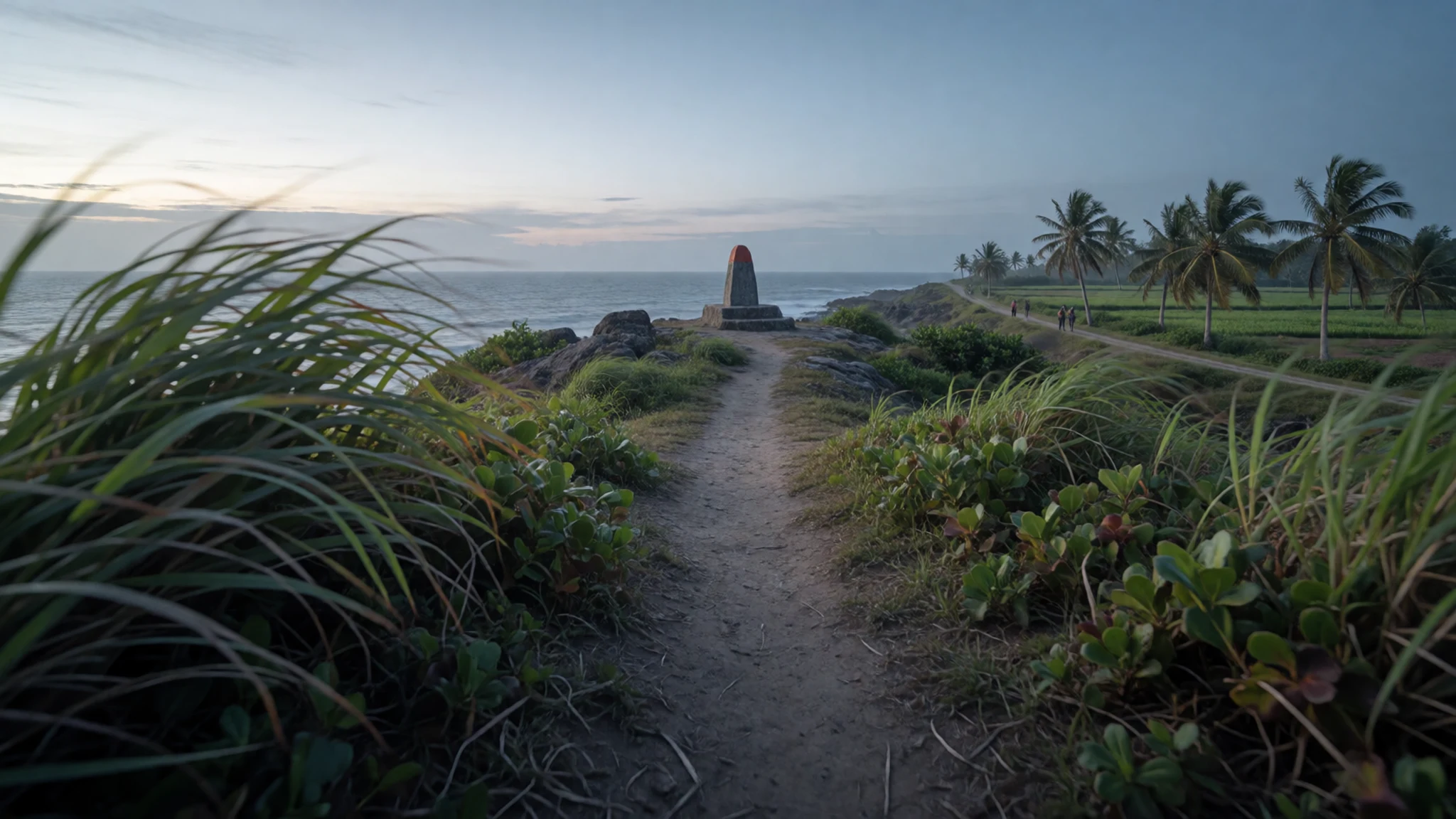
- Kampung Sumangkap gong village — Along the Kota Kinabalu–Kudat road
Kampung Sumangkap is a Rungus village on the road from Kota Kinabalu, known for making gongs. Workshops sit among family homes, and visitors can see how the instruments are made. Ask before filming people, and consider buying directly from the makers if you want a small piece to take home.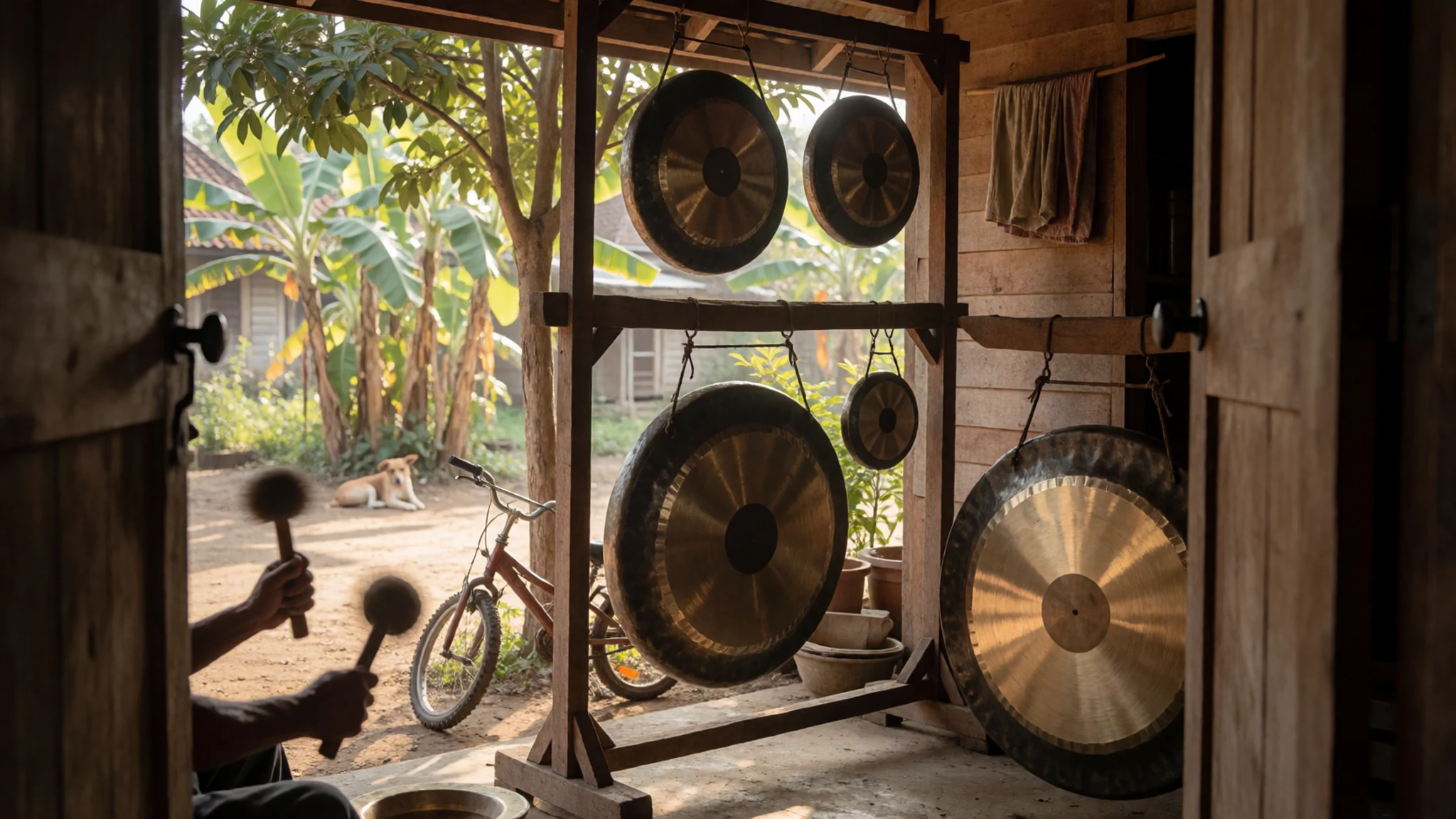
- Lau San and its Basel church — Outside Kudat town
Lau San, whose name means Old Mountain, was the first settlement founded by Hakka migrants from southern China. Its Basel church (BCCM Lau San) reflects the missionary link that encouraged them to come. It is a quiet, local place, so treat it as a short, respectful stop rather than an attraction.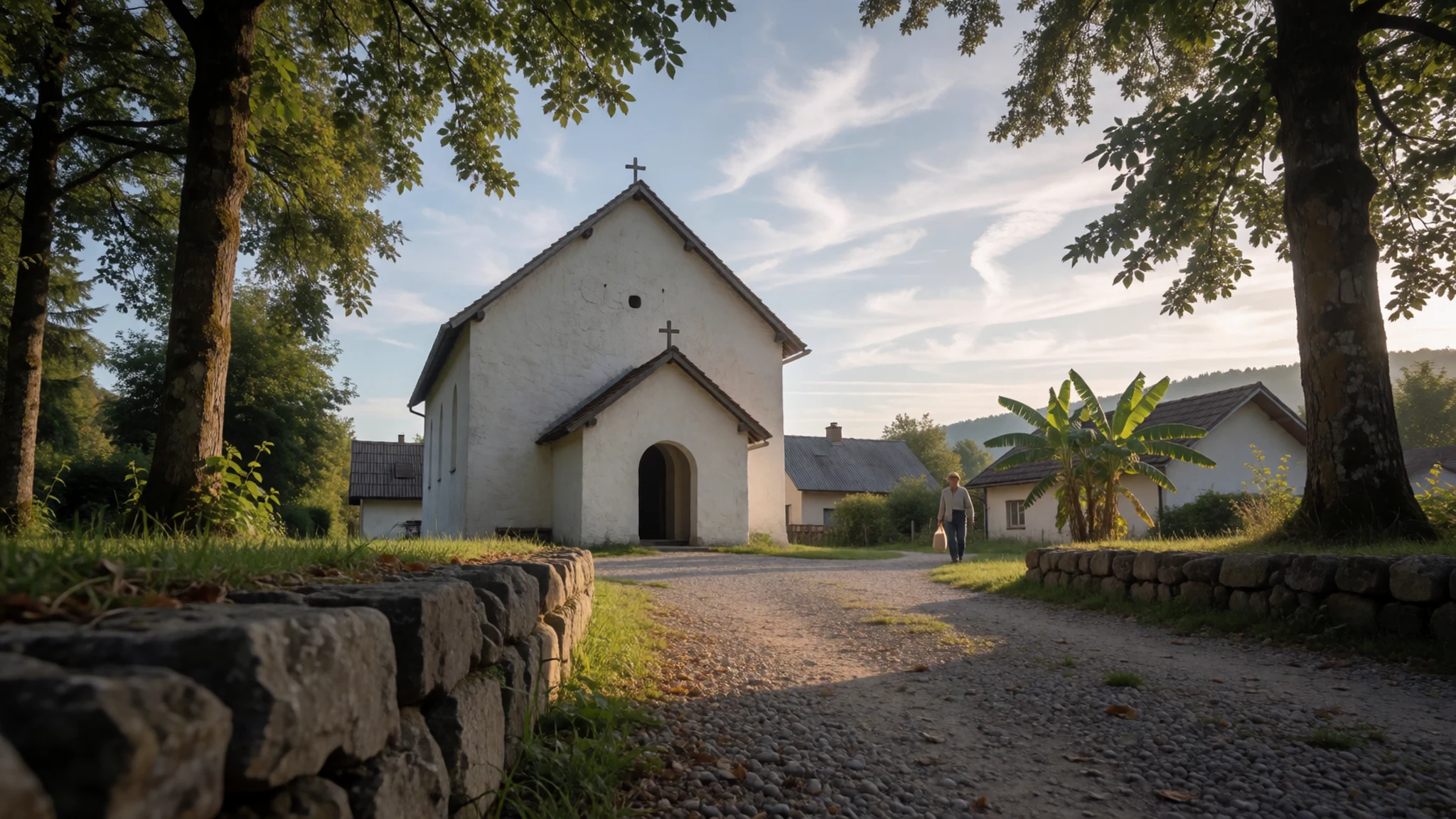
- Bak Bak, Pasir Putih, Kalampunian and Torungkungan beaches — Coast of the Kudat Peninsula
These four are the best-known stretches of the peninsula's coast, and they are known for being quiet and little built-up. Expect open sand, sea breeze and few services. Check conditions locally before swimming, as currents and weather vary, and carry your own water and something to eat.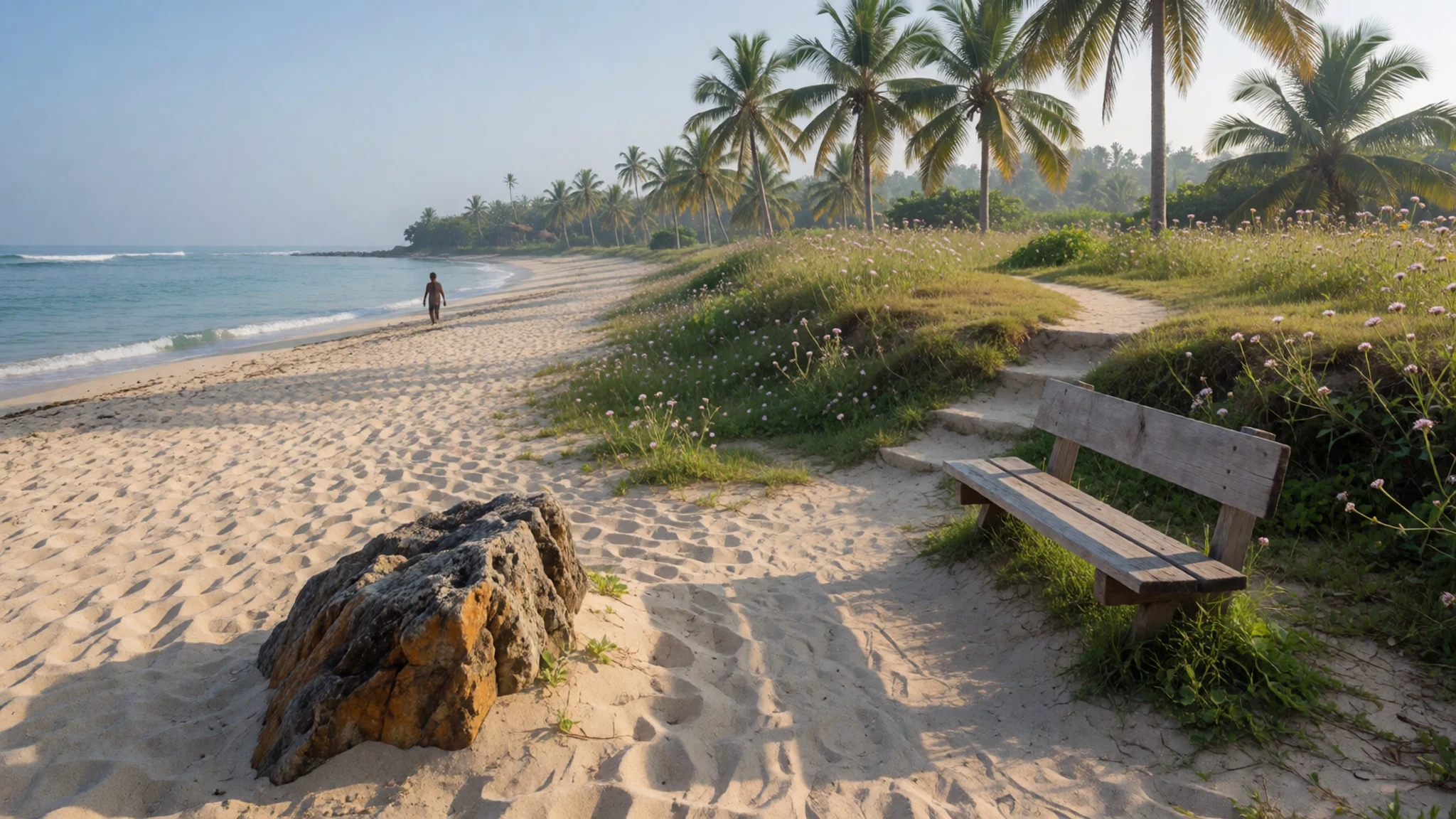
Culture
Kudat's culture comes from communities that arrived by very different routes. The Rungus, a sub-group of the Kadazan-Dusun, are the area's original people. They traditionally lived in longhouses inland, and villages along the road to Kota Kinabalu each show a different craft: gong-making at Sumangkap, honey and herb gathering at Gombizau, and beadwork, which has its own centre near the town. The Hakka Chinese community is among the oldest in Sabah. Its families came from southern China on free passage offered by the company, with strong encouragement from the Basel Missionary Society. The early settlers received land, tools and food rations in return for clearing forest and growing rice. Lau San and Sin San, 'Old' and 'New Mountain', were the first villages, and later arrivals included Hokkien, Cantonese and Hainanese families. Today the town mixes churches, Chinese shophouses, a Muslim community with its own long history in Kudat, and Rungus families, so several languages are heard in the market. Weekends bring people out to the park and the esplanade, and the pace of life stays small-town. Ask permission before photographing people, especially in Rungus villages and at church services, and dress modestly when visiting a church or a family home.
What to wear
Kudat's traditional dress is most closely tied to the Rungus, whose women are known for black handwoven cloth decorated with beads and coloured thread, worn with brass jewellery and layered bead necklaces. These outfits appear mainly at festivals, weddings and cultural events, and the beadwork sold in the area gives a good idea of the style. Hakka families brought southern Chinese clothing, now seen mostly at celebrations such as Lunar New Year. Everyday dress is simple and practical. Most people wear cotton shirts, T-shirts, light trousers or skirts and sandals, and many Muslim women wear a headscarf (tudung). On Sundays, churchgoers dress more smartly. Visitors should plan for heat, humidity and sudden rain: light, quick-drying clothes, a sun hat and a thin rain jacket work better than anything heavy. Cover shoulders and knees in churches, villages and family homes, and keep swimwear for the beach itself, as the town is conservative. Sandals with a good grip suit wet paths and market floors, while closed shoes help on the road to the Tip of Borneo, where the ground can be rough and windy.
What to eat
- Grilled or steamed fresh fish — Waterfront eateries near the port and fish market
Fish is the town's best argument for a visit, and it is usually cooked simply on a grill or steamed with ginger and chilli. Choose from the day's catch and eat it with plain rice and a squeeze of lime.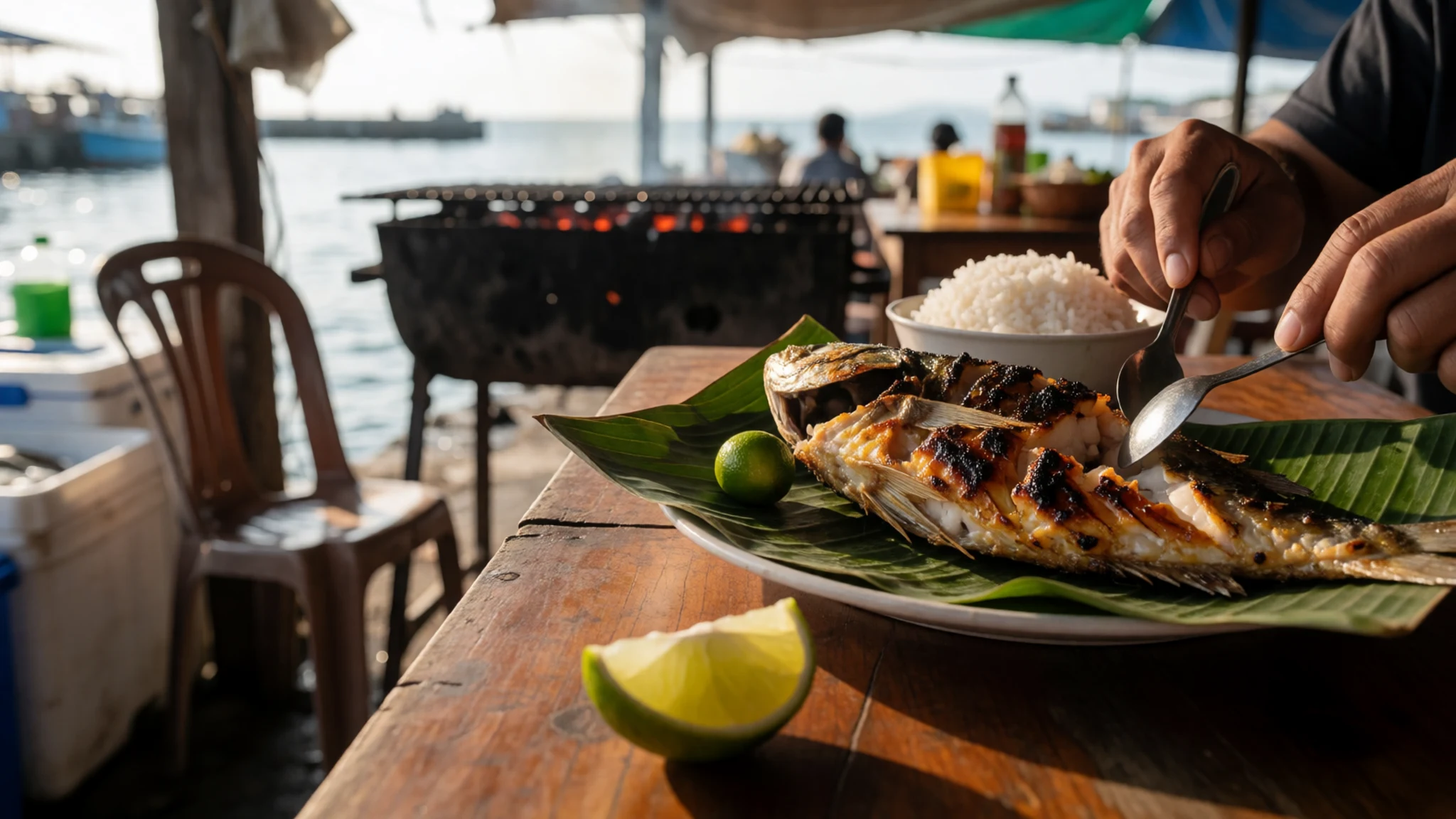
- Stir-fried prawns and squid — Evening stalls and open-air eateries by the Esplanade
Prawns and squid are often wok-fried with garlic, chilli or a sweet-sour sauce. They are good shared dishes after a hot day, so order a few plates for the table and add greens.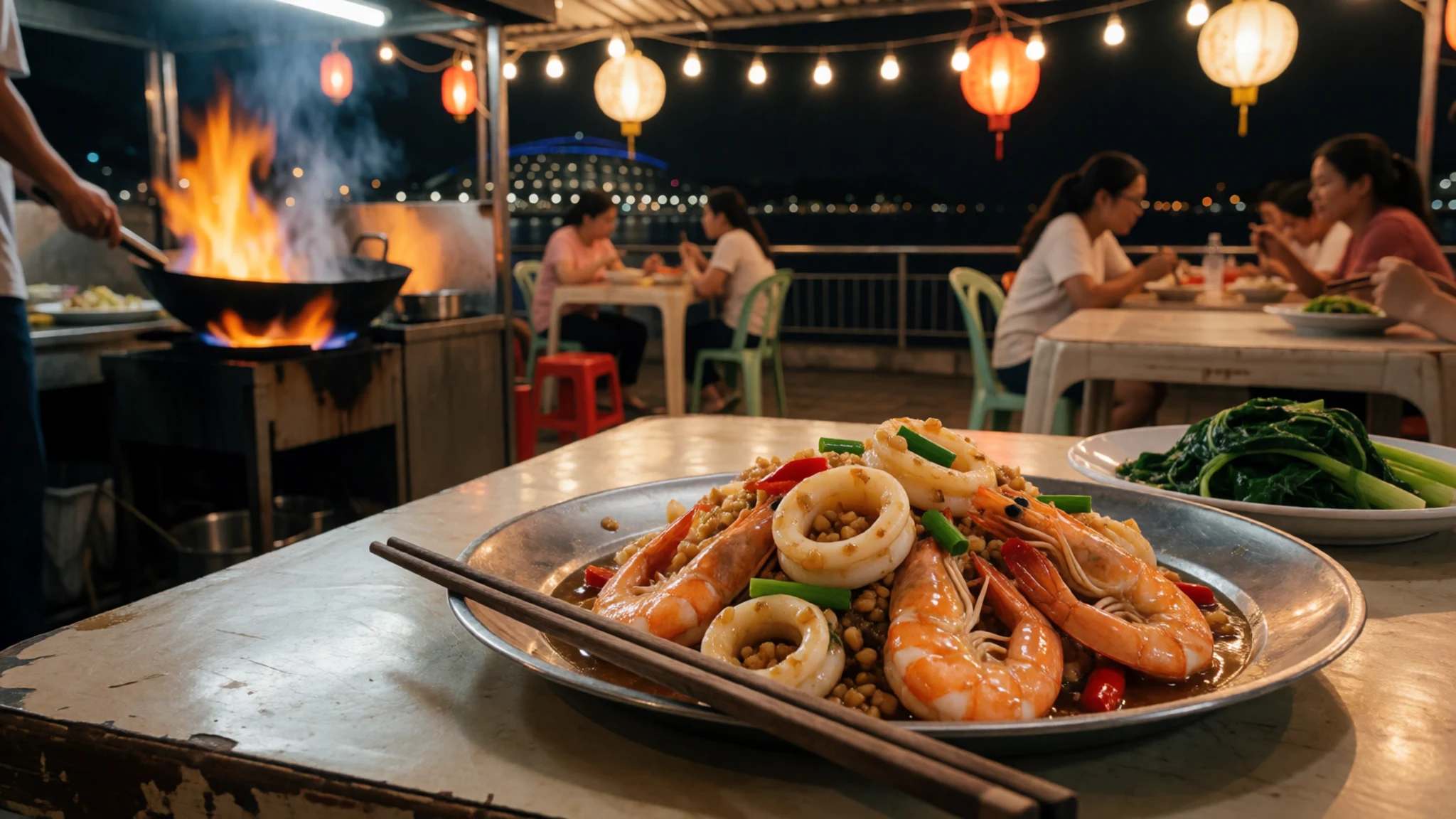
- Rice or noodles with tempeh — Small cafés in town and across from the beach
Small family cafés serve plain, filling plates, and some offer rice or noodles with tempeh as a vegetarian choice. Portions are generous, so share if you are not very hungry. Tell the cook what you cannot eat. - Hakka-style noodles and soups — Coffee shops in the town centre shophouses
Kudat's Hakka heritage shows in bowls of noodles, broths and braised dishes served in old kopitiam (coffee shop) style. Pair a bowl with local coffee or tea for a cheap, quiet breakfast or lunch. - Rungus forest honey — Roadside stalls and the village of Gombizau
Honey is a local product, linked to the Rungus village of Gombizau. It is sold in bottles, often with local herbs, and makes a portable souvenir. Buy from the producers where you can, and ask about how it was collected.
Plan it
Best time. March to June is a sensible window, but Kudat has a tropical rainforest climate with rain in most months, and December and January are the wettest. Pack for showers whenever you go.
How long. 2–3
Getting there. Fly to Kota Kinabalu, then travel about 190 km north by road. Minibuses run from the Bas Bandaran Berjaya terminal and leave when full; the drive takes about three hours by bus or hire car. Kudat also has a small airport, so check with airlines for current services. Ferries to Pulau Banggi leave from the town port; check times locally.
Budget. low
Tips
- Reach the Kota Kinabalu bus station early in the morning, as minibuses leave only when full and onward options thin out later
- Hire a car or driver on the peninsula, since the beaches, villages and the Tip of Borneo are spread out
- Carry cash for markets, small cafés and village crafts, as cards are not widely accepted
- Pack a rain jacket, sun protection and plenty of water, and plan beach days around the weather
- For local information, check the district website at http://www.sabah.gov.my/pd.kdt/
Etiquette
- Ask before photographing people, especially in Rungus villages and at religious services
- Dress modestly away from the beach, and cover shoulders and knees at churches and mosques
- Remove your shoes when entering a family home
Nearby
Sources
- Wikidata Q23041 (CC0)
- Wikipedia: Kudat (rev 1373628282) (CC BY-SA 4.0)
- Wikivoyage: Kudat (rev 5310399) (CC BY-SA 4.0)
- Downtown Kudat — Adamc92 (CC BY-SA 4.0)
- Sabah: Location map of District and Town Kudat — Cccefalon (CC BY 3.0)
- Kudat, Sabah: Ria Hotel — CEphoto, Uwe Aranas (CC BY 3.0)
- Basel Church of Malaysia Lau San — CEphoto, Uwe Aranas (CC BY 3.0)
- Kudat, Sabah: Town center — Uwe Aranas (CC BY 3.0)
- Kudat, Sabah: Airport Kudat — CEphoto, Uwe Aranas (CC BY 3.0)
- Admiralty Chart No 1781, Plans in North-East Borneo — UK Hydrographic Office (Public domain)
- Geology of North Borneo 1951, Enclosure 04 — Reinhard and Wenk (Public domain)


