Korakuen
Korakuen, Japan
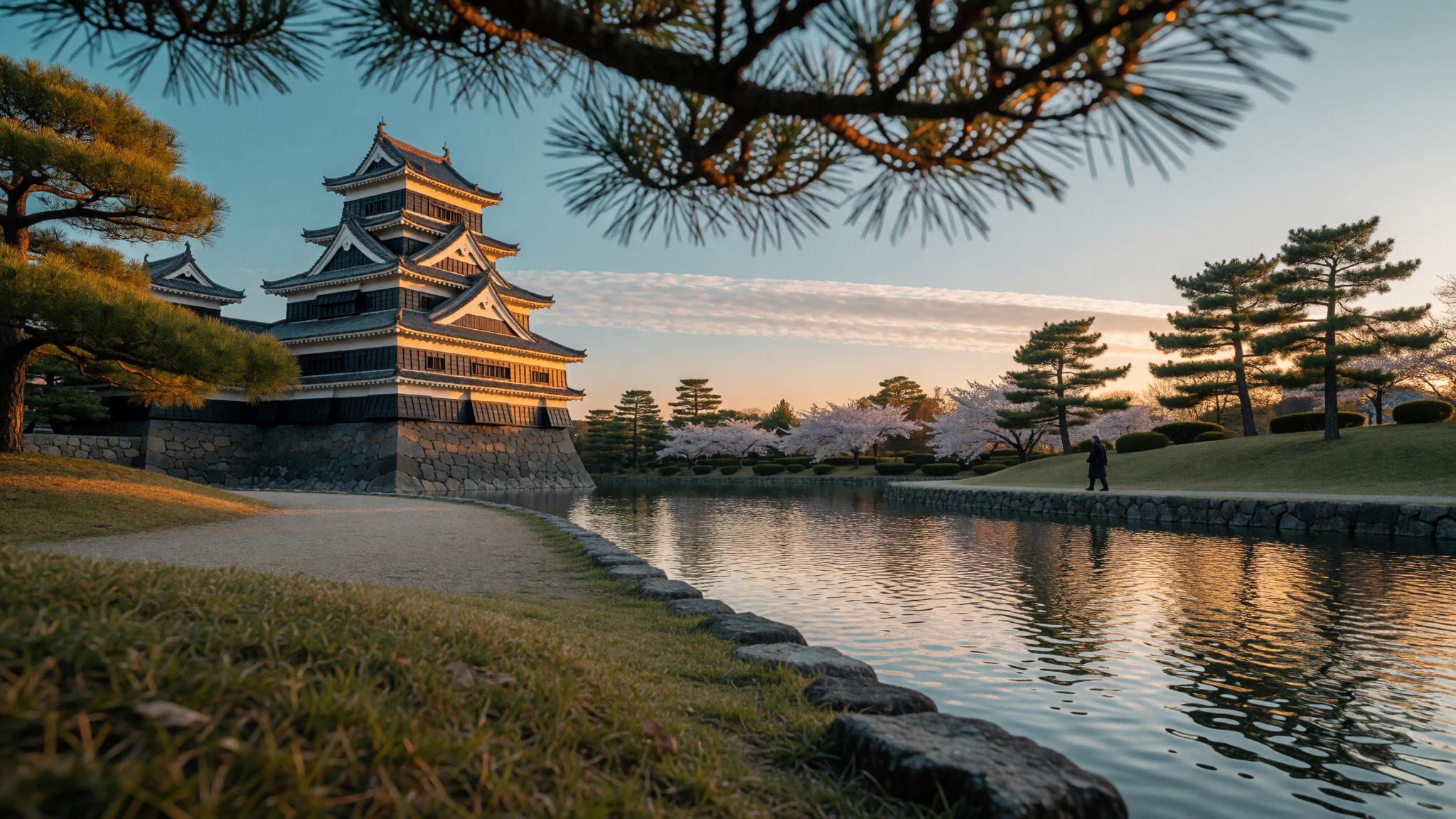
Korakuen is a 1700 daimyō garden in Okayama where lawns, ponds and a black castle backdrop reward a slow, unhurried walk.
The place
Korakuen (Kōraku-en, 後楽園) is a landscape garden in the middle of Okayama, a city in western Honshu. It lies beside the Asahi river, facing the black walls of Okayama Castle across the water, and the two are normally visited together. Japanese tradition groups it with Kenroku-en and Kairaku-en as the Three Great Gardens, which explains why it is the one sight in Okayama with a national reputation. The garden was laid out for Ikeda Tsunamasa, the local lord, and completed in 1700. It is a daimyō garden, meaning it belonged to a feudal ruler rather than a temple, and it was designed for walking: broad lawns, streams, ponds with small islands, tea houses, plum and cherry trees, and a low hill from which the castle shows up as part of the composition. Okayama itself gets less attention than its garden. Plenty of bullet-train passengers heading west from Osaka never get off here, which leaves the city feeling less hurried than better-known stops on the line. The garden follows the same pattern: calm on weekday mornings, noticeably busier on blossom weekends and public holidays. Half a day covers the garden and castle comfortably, and the city's museums fill a second one. Momotarō, the Peach Boy of Japanese folk tale, gives Okayama its other identity, and his image turns up on souvenirs, sweets and street furniture around the station.
Its story
Korakuen began in 1687, when Ikeda Tsunamasa, lord of Okayama, put a retainer named Tsuda Nagatada in charge of building a garden beside his castle. Work finished in 1700. Because it came after the castle, it was first called Kōen, meaning the later garden. The present name arrived in 1871 and carries a moral. Senyukoraku is a Confucian maxim taken from an essay by the Chinese writer Fan Zhongyan, holding that a ruler should worry before his people do and take his pleasure only after them. In practice the garden was a place to entertain important guests and to relax, with ordinary townspeople admitted on set days. The Ikeda family left behind records and many Edo-period paintings, so historians can trace how the layout shifted over the years, which is rare for a provincial lord's garden. The garden reached its modern form in 1863. Ownership passed to Okayama Prefecture in 1884, and the gates opened to the public. Disaster followed in the twentieth century: floods in 1934 did severe damage, and bombing in 1945 added more. Restorers worked from the old paintings and plans to bring the garden back. In 1952 it was designated a Special Scenic Location under Japan's cultural-property law, and it is now looked after as heritage to hand on to later generations.
What to see
- Korakuen Garden — Kita-ku, Okayama
The garden itself is a circuit walk rather than a single viewpoint. Paths loop past a central lawn, streams, ponds with islets, tea houses and a small hill, and the scene rearranges itself at every turn. The name means garden of pleasure after. Allow a slow couple of hours, longer in blossom or maple season.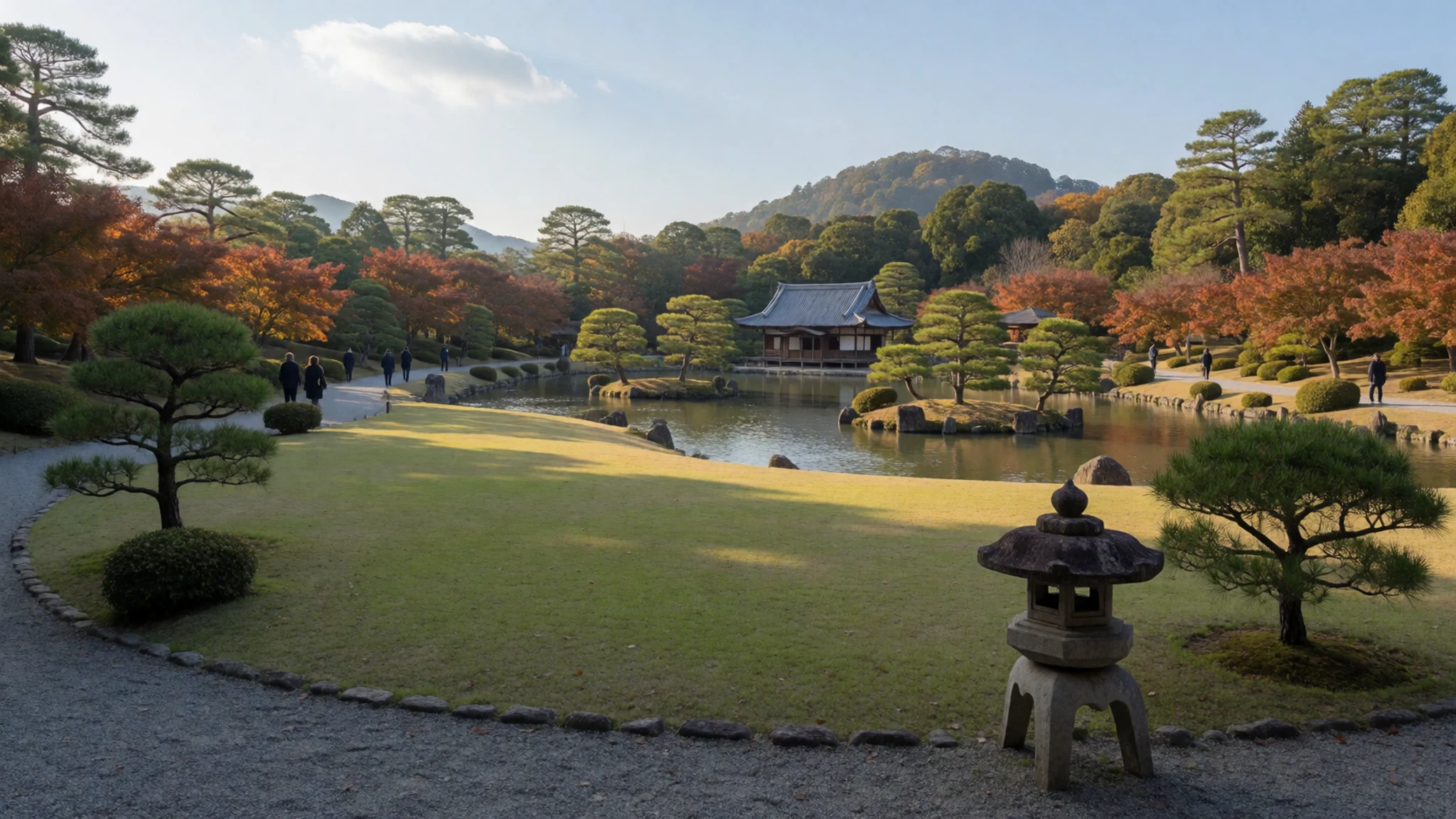
- Okayama Castle — Across the river from the garden
Okayama Castle is nicknamed Crow Castle for its black exterior, unusual in a country where castles are mostly white, as at neighbouring Himeji. It stands on the far bank of the river from the garden, a short walk away, and its dark keep appears in many views from inside Korakuen.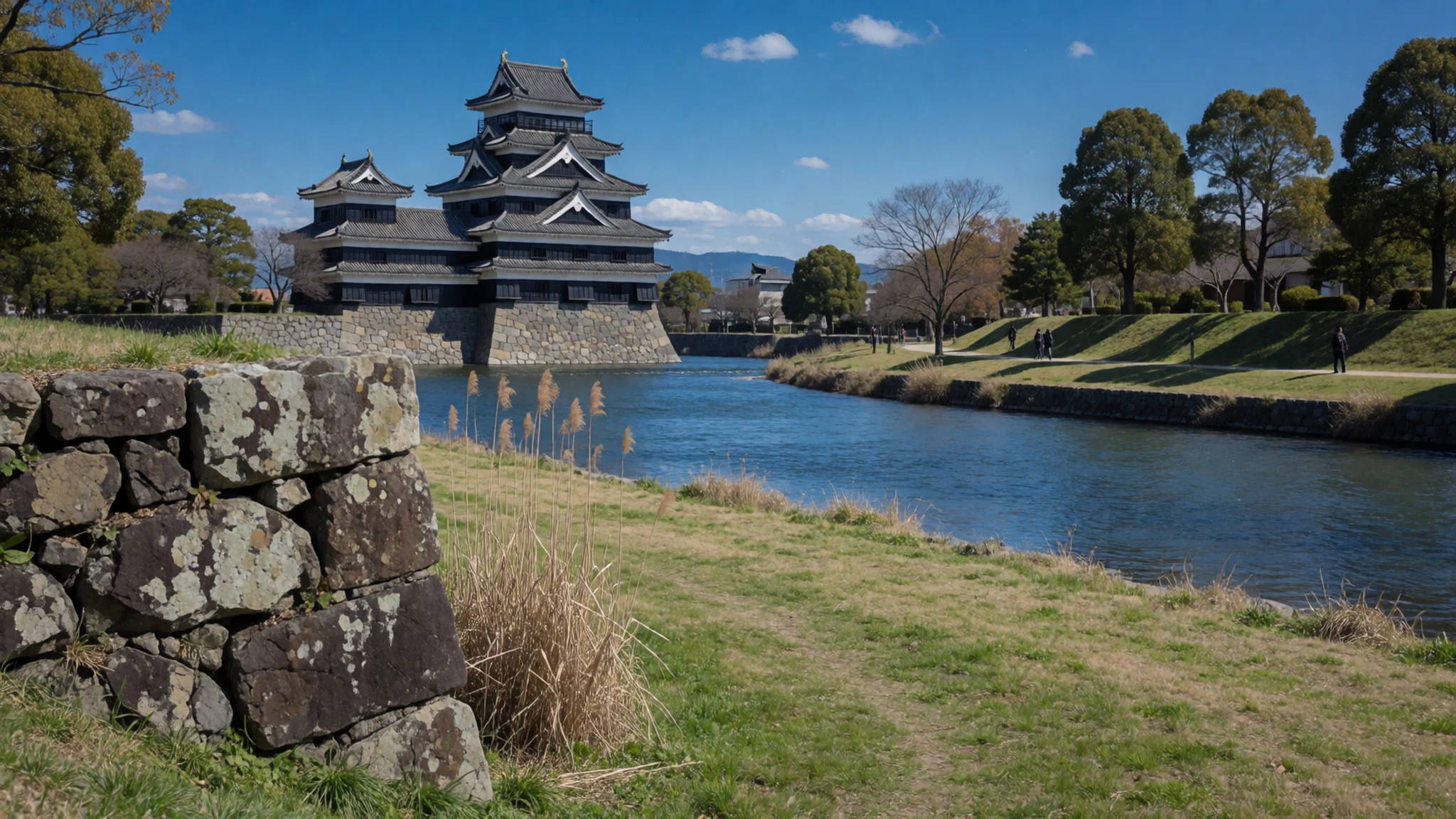
- Hayashibara Museum of Art — Central Okayama
A small museum holding the private collection of the Ikeda family, the former lords of Okayama and builders of Korakuen. The Japanese and Chinese works are mostly calligraphy and scrolls, which suit a quiet hour after the garden. Check the museum's own site for current exhibitions and opening days.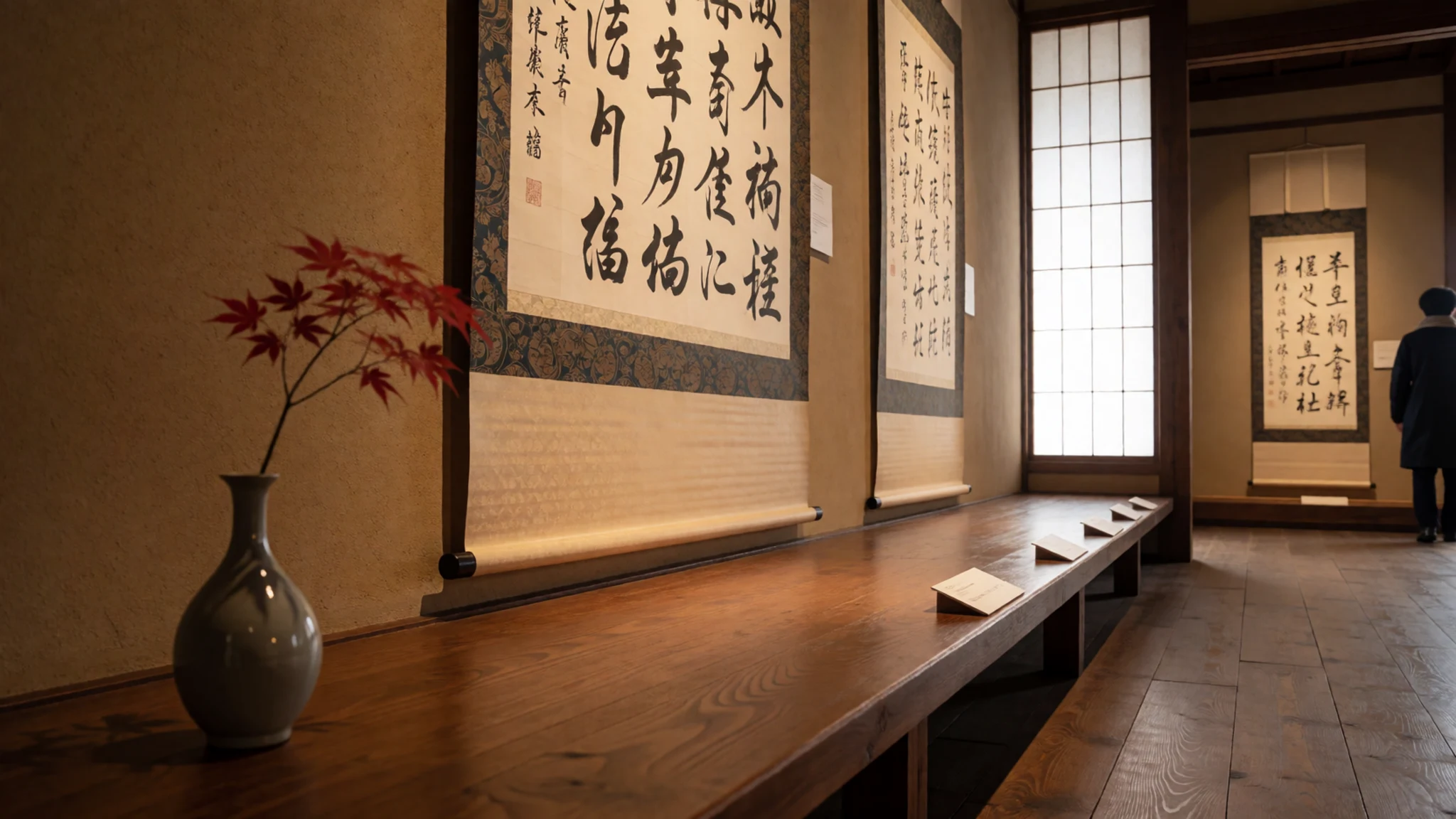
- Okayama Prefectural Museum — Near Korakuen
This museum gathers objects excavated across Okayama Prefecture, from prehistoric finds through the Edo and Meiji periods. It gives useful background to the region that produced the Ikeda lords and their garden, and it sits close to the garden's grounds, so it is easy to add on.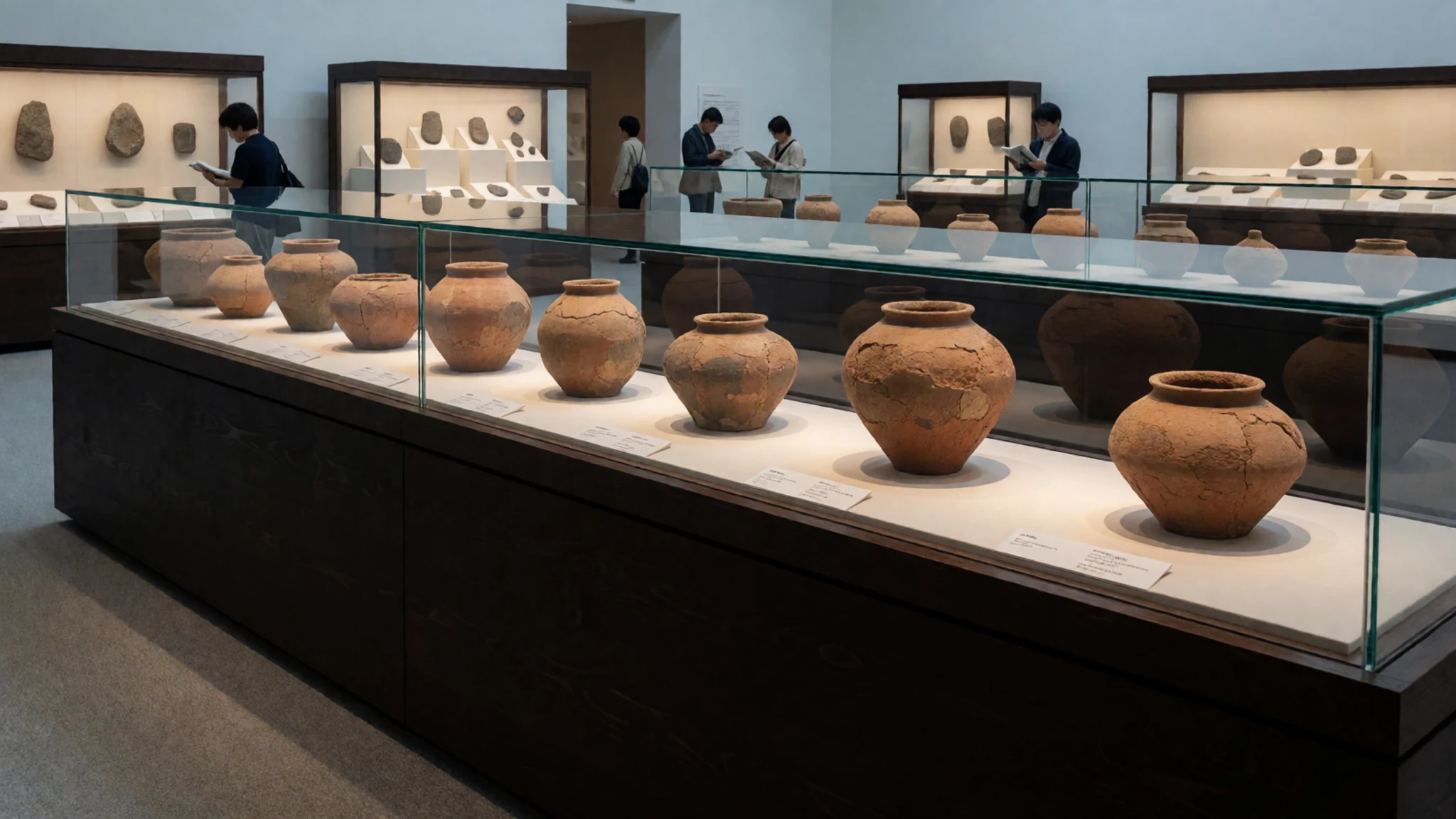
- Yumeji Art Museum — Near Korakuen
Yumeji Takehisa was born in Okayama and became a widely known Japanese artist, best remembered for paintings and sketches of women with a wistful, early twentieth-century look. The museum shows his work and is a pleasant, compact stop within walking distance of the garden.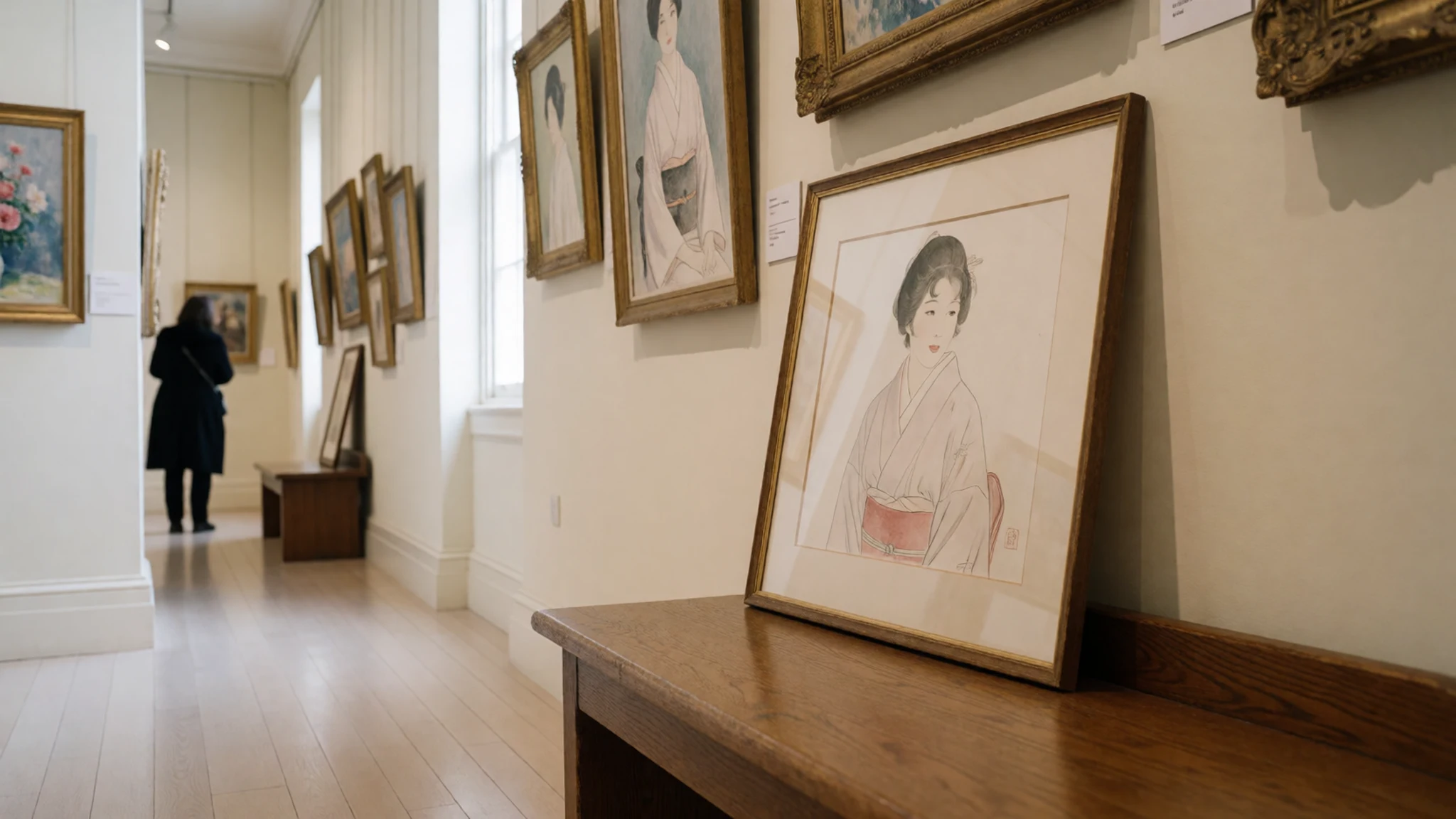
Culture
Korakuen carries a particular idea of what power is for. Its name rests on senyukoraku, the Confucian notion that a ruler should attend to his people's troubles first and enjoy himself afterwards, so the garden presents leisure as something earned rather than assumed. Chinese learning ran deep in Edo-period lordly culture, and the garden shows it in its vocabulary of island ponds, tea pavilions and carefully framed views. Visitors tend to follow the seasons as much as the sights: plum in late winter, cherry blossom in spring, lotus and deep green in summer, maples in autumn. Okayama's other cultural thread is the folk tale of Momotarō, the Peach Boy. An elderly childless couple find him inside a peach floating down a river, he grows up grateful, and he sets off to Onigashima, the island of demons, to stop their raids on local villages. Three animal companions join him after he shares the millet dumplings known as kibi-dango, a sweet still sold across the city. Statues, mascots and packaging refer to him constantly, and most Japanese children know the story. Tea is part of the garden's tradition too, with tea houses on the grounds. Stay on the marked paths and off the lawns, keep your voice low near the tea houses, and ask before photographing other visitors up close.
What to wear
Korakuen is one of the places in Okayama where traditional Japanese dress still appears, mostly at weddings, festivals, tea gatherings and the occasional photo session among the blossom. The kimono, a wrapped robe traditionally made of silk and tied with an obi sash, is the formal choice. Its lighter cousin, the cotton yukata, is worn in summer to fireworks and festivals. Men's formal wear pairs a haori jacket with hakama trousers, and split-toed tabi socks go with both. The wider region around Okayama is also known for denim, woven in nearby Kojima. Day to day, locals dress as in any Japanese provincial city: neat, understated and layered, with shirts, light jackets and trainers, and smarter clothes for work. Visitors need little formality at the garden, since it is a park and not a shrine, though tidy, covered clothing suits the nearby shrines and museums. Summers are hot and humid, so breathable cotton or linen, a hat, sunscreen and water are sensible. Spring and autumn call for a light layer, winter for a proper coat, and June for an umbrella. Footwear matters most: flat, comfortable soles for gravel paths and stepping stones, preferably slip-on, because shoes come off at tea houses and some museums, and clean socks make that easier.
What to eat
- Demi-katsudon — Katsu restaurants in the central streets around Okayama Station
Okayama's local twist on katsudon: a breaded pork cutlet over rice, finished with a dark demi-glace sauce rather than the usual egg and dashi. Rich and filling, it is a good lunch after a morning of walking.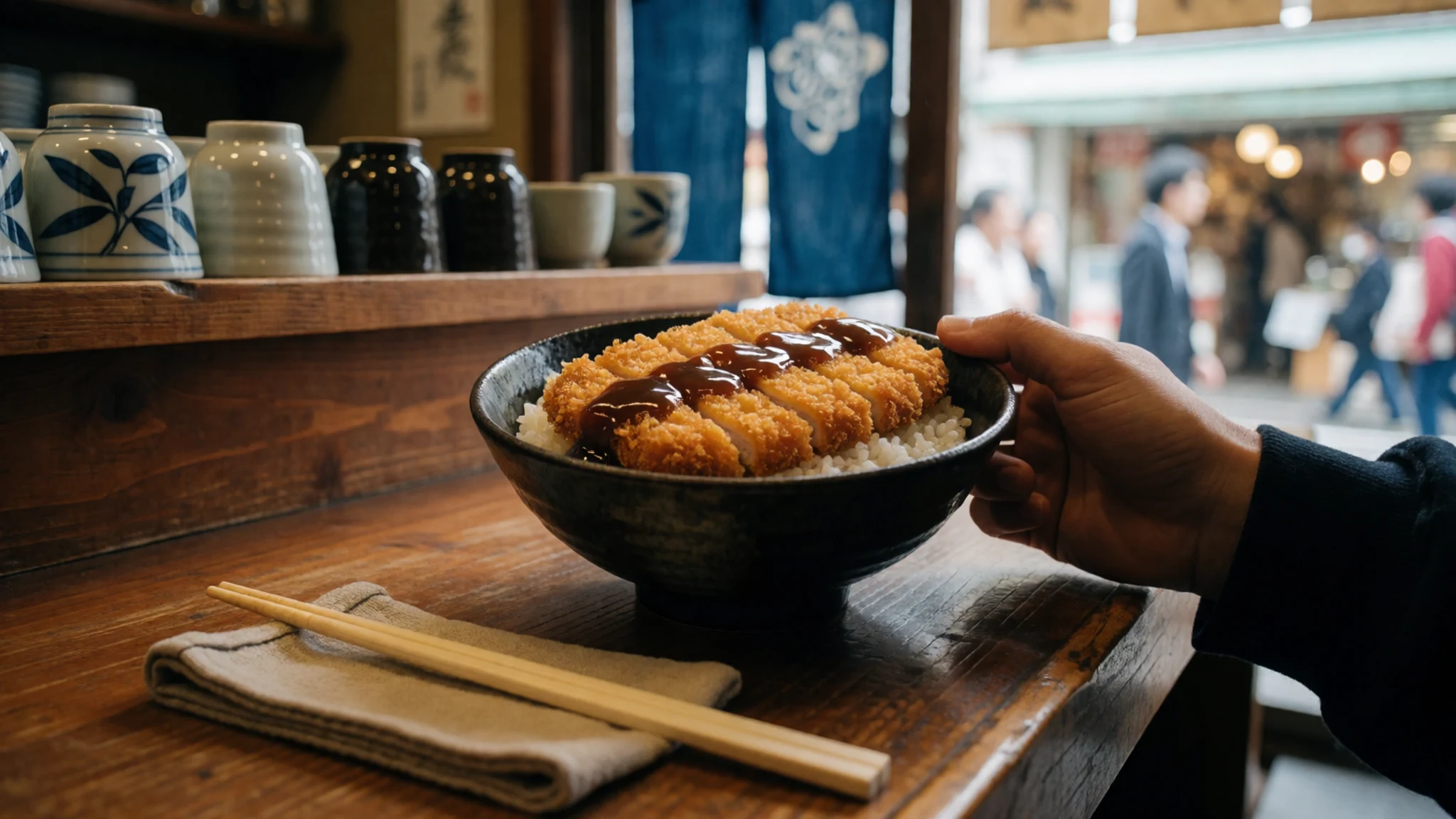
- Kibi-dango — Sweet shops and gift counters at Okayama Station and the main shopping streets
Soft, chewy dumplings of millet or rice flour, tied to the Momotarō story and sold as gifts. Flavours range from plain to sweet-bean and matcha. They keep well and travel easily, so they are the obvious edible souvenir.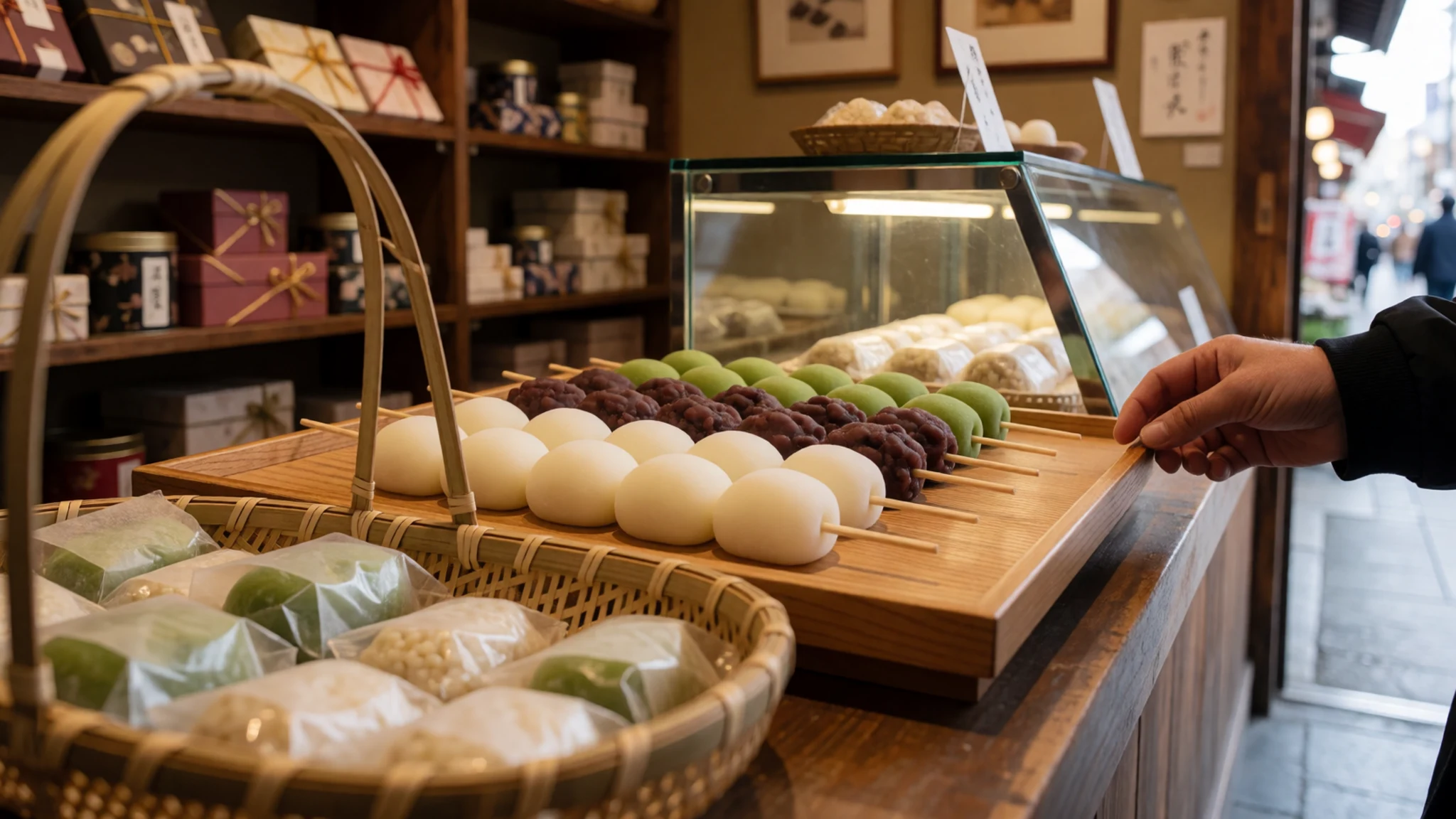
- White peach — Fruit shops and bakery cafés across the city, mainly in summer
Okayama is known for its pale, fragrant white peaches, eaten fresh in summer and turned into juice, jelly and cakes. The season is short, so check what is available; out of season, peach sweets still appear in shops. - Chuuka soba ramen — Small ramen eateries in the streets between the station and the castle
A local style of ramen, often called Chinese noodles in older shop language, usually in a clear soy-based broth with thin noodles. Shops in the city compete on small variations, and a bowl is cheap and quick between sights. - Barazushi — Traditional Japanese restaurants and station lunch counters
A regional take on scattered sushi: vinegared rice topped with cooked and pickled seafood and vegetables, arranged in a rough, colourful mound. Traditionally a festival and family dish, it appears on lunch menus around the city.
Plan it
Best time. Late March to April for cherry blossom and late October to November for autumn colour, when the weather is mild. Summer is hot and humid, so go early, and June is the rainy season.
How long. 1–2
Getting there. Fly to Kansai International Airport, take the Haruka express to Shin-Osaka, then a Shinkansen west to Okayama Station. From Tokyo, direct bullet trains reach Okayama in a few hours, and an overnight sleeper also runs. From the station, the garden is a short tram ride or a walk of about half an hour; check the official site, https://okayama-korakuen.jp/, for access and opening details.
Budget. mid
Tips
- Arrive at opening time for quieter paths and softer light, especially in blossom season.
- Check the official site for hours, fees and any special evening openings before you go.
- Pair the garden with Okayama Castle across the river and one museum to fill a full day.
- Carry some cash for small shops, tea houses and snack stalls.
- Bring water and a hat in summer, as shade is patchy on the lawns.
Etiquette
- Keep to the marked paths and stay off the lawns.
- Remove shoes where you see a step up into a tea house or museum room.
- Ask before photographing people at close range.
Nearby
Sources
- Wikidata Q1377689 (CC0)
- Wikipedia, Kōraku-en (rev 1380858880) (CC BY-SA 4.0)
- Wikivoyage, Okayama (rev 5427370) (CC BY-SA 4.0)
- Photo 01, 663highland (CC BY-SA 4.0)
- Photo 02, Malaiya (CC BY-SA 4.0)
- Photo 03, Fjkelfeimvvn (CC BY 3.0)
- Photo 04, 663highland (CC BY-SA 4.0)
- Photo 05, 663highland (CC BY-SA 4.0)
- Photo 06, 663highland (CC BY 3.0)
- Photo 07, 663highland (CC BY-SA 4.0)
- Photo 08, 663highland (CC BY 3.0)


