Kodaikanal
Kodaikanal, India
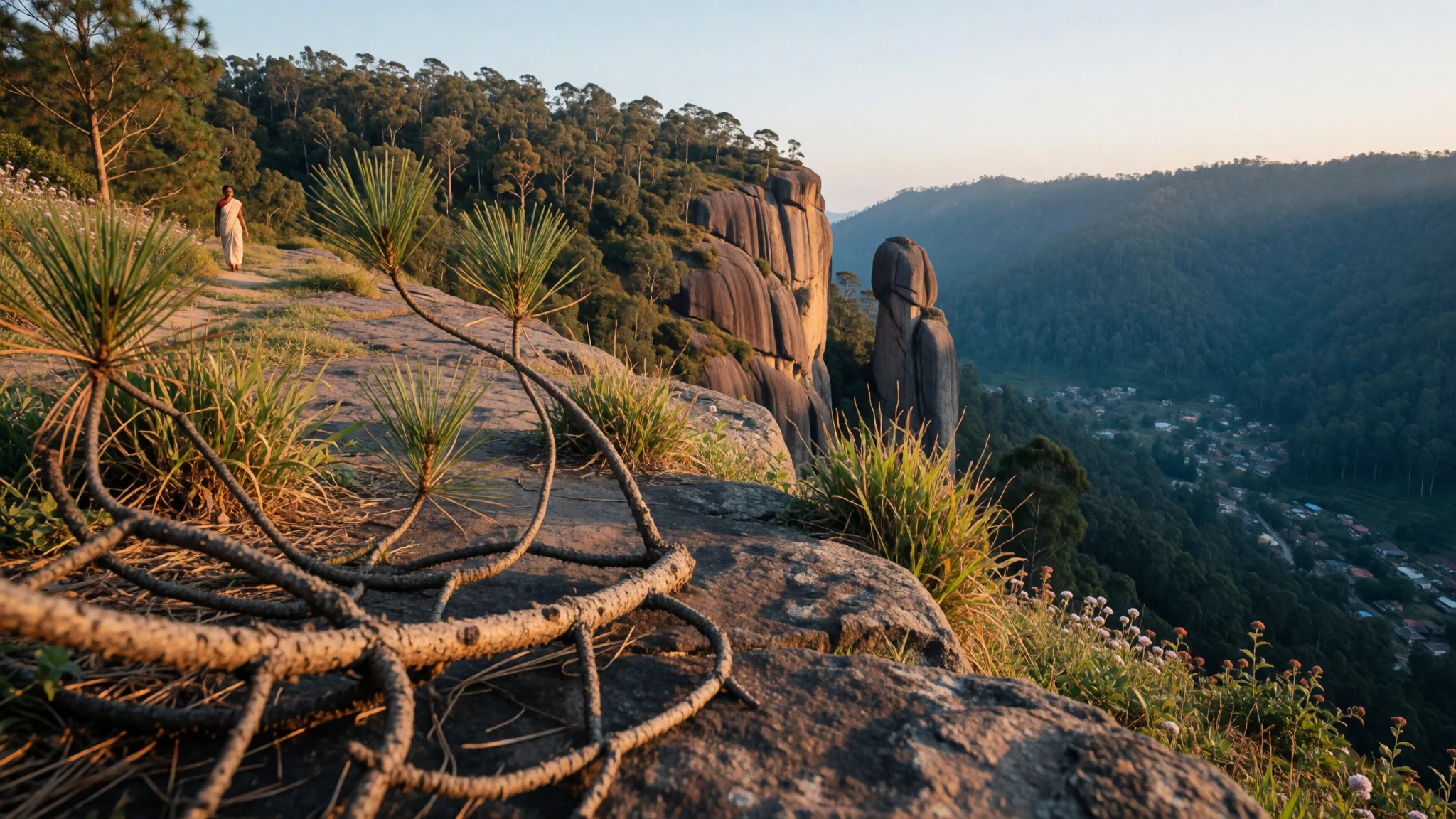
Kodaikanal is a cool Tamil Nadu hill town built around a lake, with misty walks, waterfalls and forest viewpoints.
The place
Kodaikanal is a hill town in Dindigul district, Tamil Nadu, standing at about 2,133 metres in the Palani Hills, an eastern arm of the Western Ghats. Roughly 36,500 people live here, and most earn their living, directly or indirectly, from visitors. The town was founded in 1845 as a cool retreat from the heat and fevers of the plains, and that purpose still shapes it: families from Tamil Nadu, Kerala and further afield arrive in the hot months for sweaters, mist and a boat on the water. At the centre sits an artificial lake, made by damming streams, with a shore path that locals use for morning walks as much as visitors do. The town spreads across a plateau between two valleys, dropping steeply on the southern side towards the Cumbum valley and more gently to the east. The edges are where Kodaikanal gets interesting: streams, small waterfalls, eucalyptus and pine plantations, pockets of native forest and terraced farms in the nearby villages. Botanists and bird recorders were already cataloguing the hills in the nineteenth century, and birdwatchers still come. A few honest warnings: the lakefront and viewpoints get very crowded in school holidays and on long weekends, traffic on the narrow ghat roads can crawl, and cloud can erase a view planned for the whole day. Monkeys are common and bold around food. Weekday mornings and the quieter months give the town its calm back.
Its story
Kodaikanal's story begins long before the colonial hill station. Tamil Sangam poetry, including the Kuruntokai, sorted the landscape into regions, and these hills belong to the kurinji type: forest, streams, waterfalls and the god Murugan. The name comes from 'kodai' (gift) and 'kanal' (forest), meaning 'gift of the forest', and the people of that landscape lived by hunting, gathering honey and growing millet. The Palaiyar are described as the hill's early inhabitants. Europeans arrived late. A British lieutenant named Ward climbed up from the plains in 1821 to survey the area, and reported a healthy climate and organised villages already in place. Revenue officials followed, and the botanist Robert Wight collected plants and published his observations, which brought the hills to scientific attention. Building came slowly. An army officer was the first European to put up a house and settle, and for years only a handful of homes stood on the plateau. The idea of a summer refuge then took hold, with missionaries among its keenest supporters. The American missionary David Scudder arrived in 1862, and in 1863 streams were blocked to form the lake that now defines the town. A holiday town grew around that water, with bungalows, churches and walking paths, and the nickname "Princess of Hill Stations" followed. Today the older Tamil hill identity and the colonial-era resort layer sit side by side.
What to see
- Kodai Lake — Town centre
The artificial lake at the heart of Kodaikanal is a short walk from the bus stand. Boats go out through the year, and on cool evenings mist drifts across the water until the far shore vanishes. It is crowded at weekends, so walk the shore path early, before the rowing boats and pony rides start.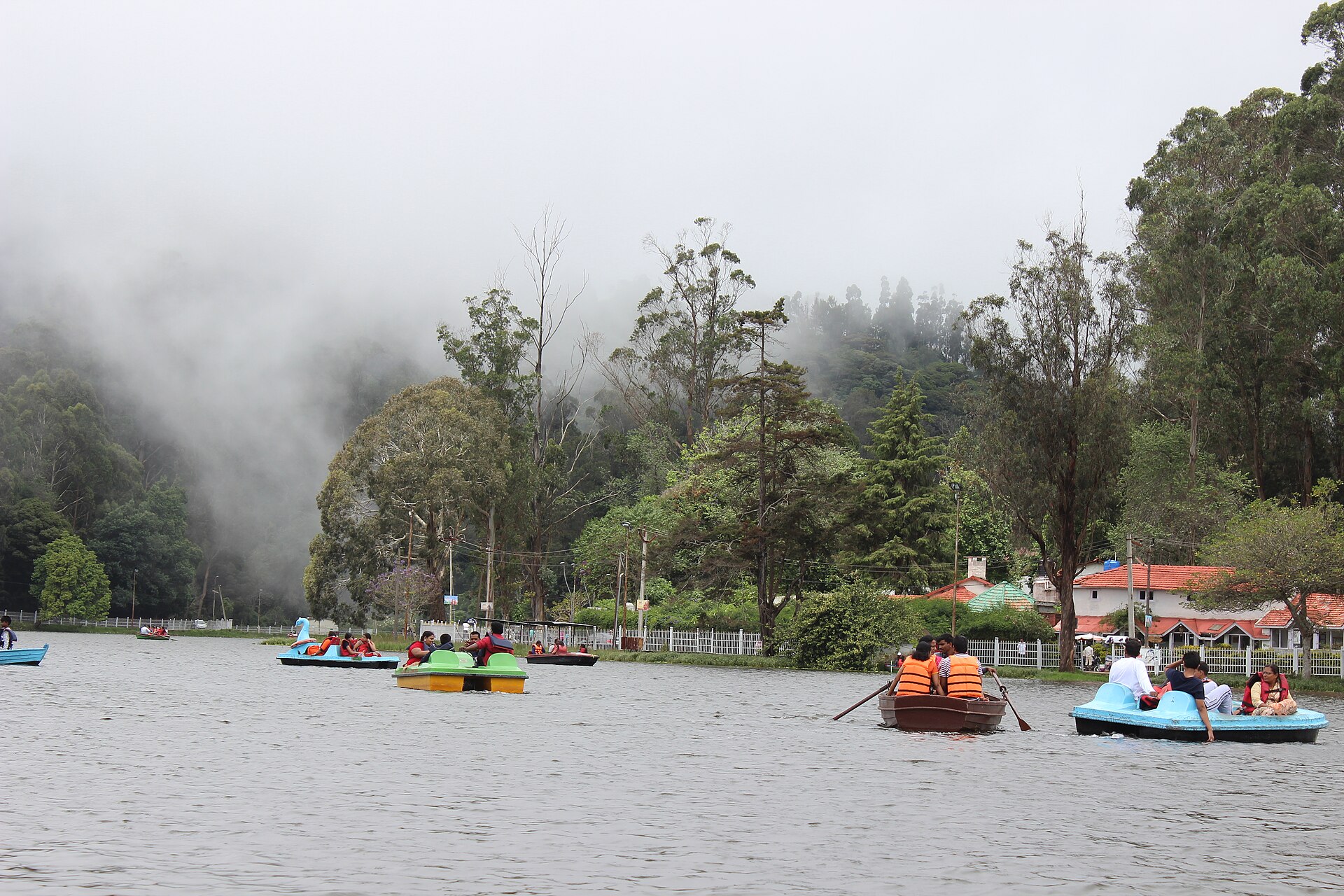
- Bryant Park — East of the lake
A landscaped garden just east of the lake, a short walk from the bus stand. The lawns, trees and flower beds are well kept, and it makes a calm hour away from the lakefront crowds. Seasonal blooms vary through the year, so treat flowers as a bonus rather than a promise.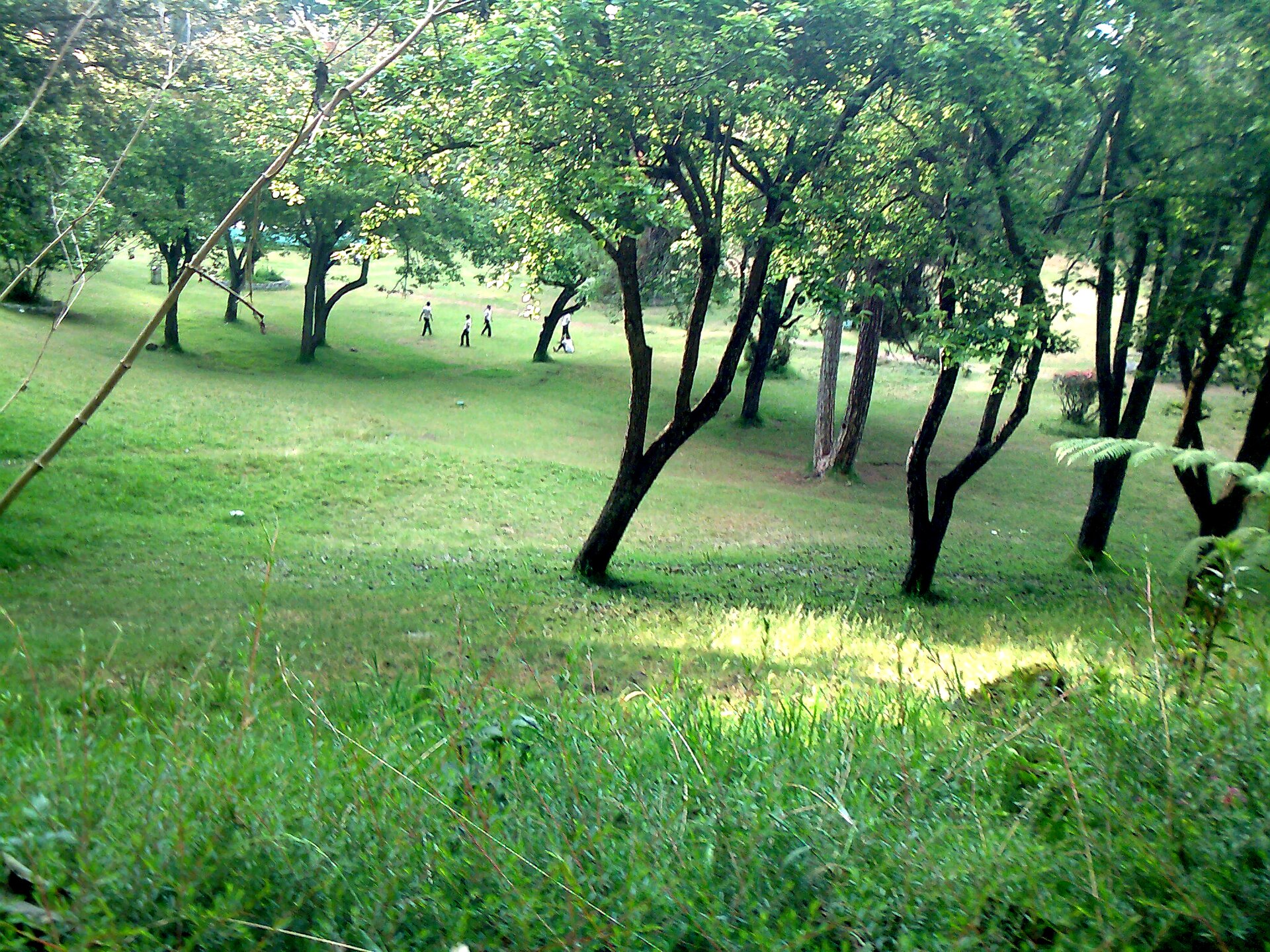
- Coaker's Walk — Southern rim of the town
A paved path along the edge of the hill, with open views across the escarpment when the cloud lifts. Old photographs show it was a fashionable promenade in colonial years. Go early, because by mid-morning mist often fills the valley and visitors fill the path.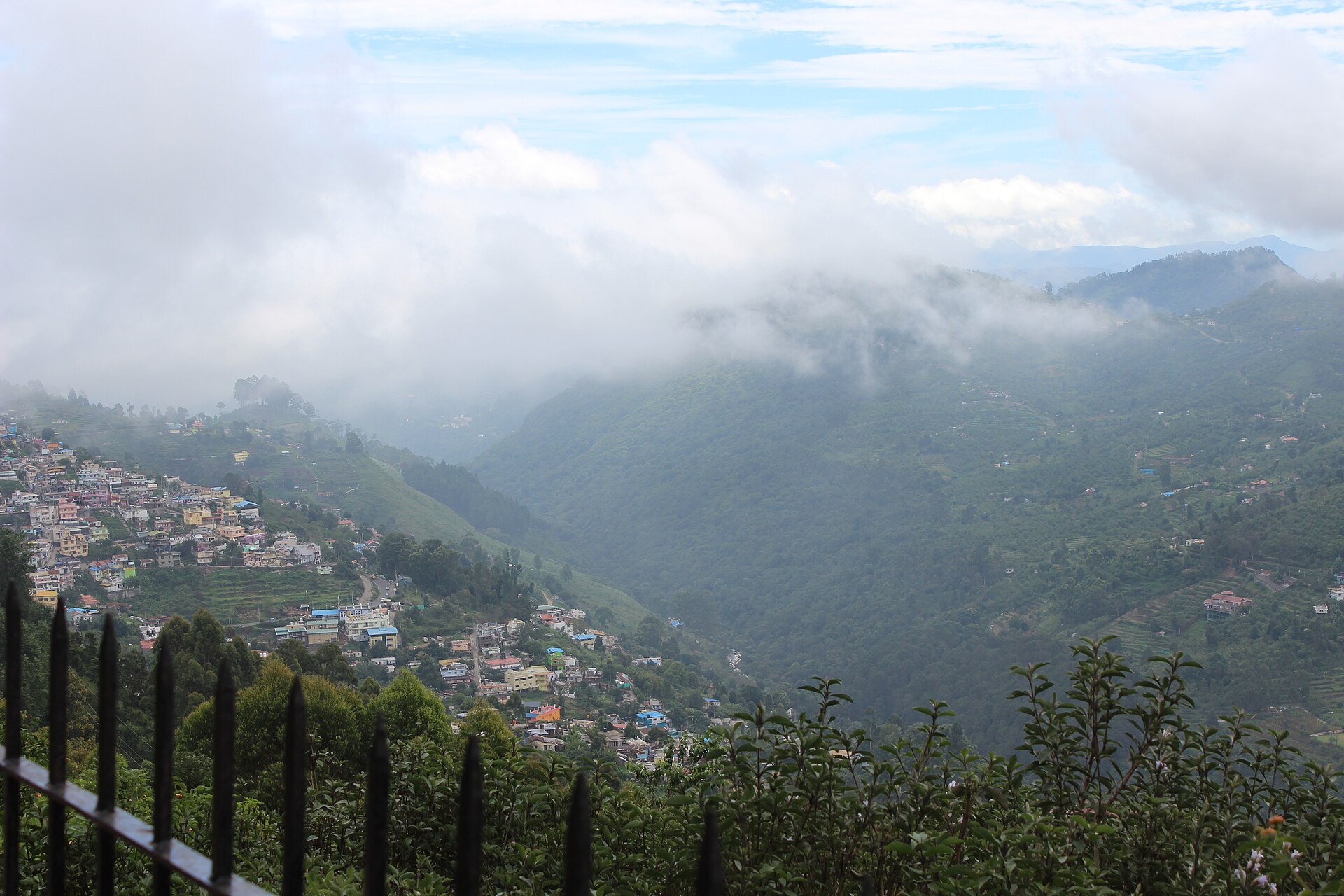
- Pillar Rocks and Devil's Kitchen — South-west of town
Pillar Rocks are tall granite faces that appear and vanish as mist moves past. Nearby, the Devil's Kitchen caves, including the Guna Cave made famous by a film, sit above deep ravines. Some dark gaps are sheer drops, so keep behind railings and avoid wandering off the path.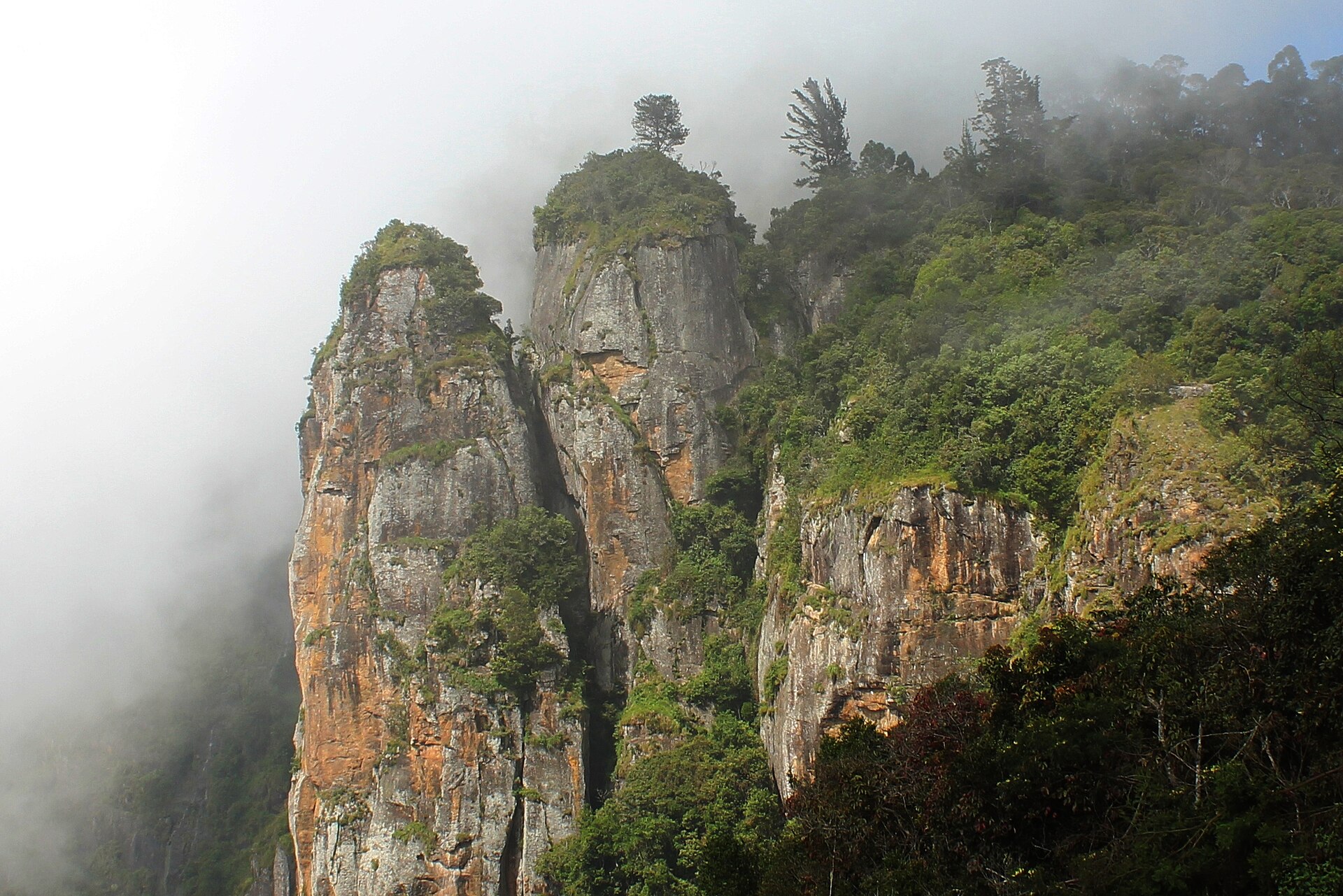
- Berijam Lake — Forest area outside town
A quiet lake inside reserved forest, reached by a road through woodland. It is a plastic-free zone, and a permit is needed, so arrange access in advance through the forest authorities rather than turning up on the day. Birdsong and silence are the draw, not facilities. - Silver Cascade — Approach road
A waterfall beside the road on the approach to Kodaikanal, with eucalyptus trees lining the slope. It is an easy stop on the way in rather than a trek. The flow depends on the season, and the roadside spot gets busy with vehicles and snack sellers.
Culture
Kodaikanal carries two layers of culture at once. The older one is Tamil, rooted in the hill landscape of Sangam poetry and the association of these mountains with Murugan, and still visible in language, temple festivals and the farming villages around the town. The second layer is the hill-station tradition: missionary churches, colonial-era bungalows, boarding-school routines and the idea that summer belongs in the cool. Holiday culture now dominates. Families arrive for boat rides, photographs in woollen caps and bags of homemade chocolate, and honeymooners add to the weekend crowds. Local life carries on beside this: mornings at the market, vegetable sellers from the surrounding farms, and shopkeepers selling eucalyptus oil, spices and knitted goods. Church bells and temple loudspeakers share the same hillside, and Tamil and Malayalam are heard as often as English and Hindi. The landscape matters to people here beyond its looks. Streams, shola forest and the lakes are watched closely for water, and rules such as plastic-free zones and permits for forest lakes are taken seriously by locals and forest staff. Visitors who treat these as part of the place, rather than obstacles, tend to have a better time. At Berijam Lake and the forest viewpoints, carry out all your plastic, stay on marked paths, and ask before photographing local people.
What to wear
In Kodaikanal, traditional Tamil dress is the everyday reference point for festivals and family occasions. Women wear sarees, in cotton for daily use and in silk, often Kanchipuram silk with a woven gold border, for weddings and temple festivals. Men wear the veshti, a white or cream cotton wrap tied at the waist, sometimes with a shoulder cloth, and the lungi for relaxing at home. Day to day, most residents wear what suits the climate: salwar kameez, shirts and trousers, jeans for younger people, and for the cold mornings a sweater, a shawl or a woollen cap pulled down over the ears. Many market stalls sell knitted caps, scarves and jackets, and they are practical rather than costume. A visitor should pack layers, since the town sits at altitude and evenings turn chilly even when the day is mild. A fleece, a light waterproof or umbrella, and long trousers cover most situations. Closed shoes with good grip are far better than sandals for wet slopes, forest paths and the rocky viewpoints. Sun can be strong when cloud clears, so bring a hat. For temples and churches, cover shoulders and knees, and expect to remove shoes at temple doors. Shorts and sleeveless tops are common around the lake but draw more attention in village areas.
What to eat
- Homemade chocolate — Chocolate shops near the lake and main road
Kodaikanal is known for small-batch chocolate, including pieces filled with fruit syrup. Look for the chocolate shops around the lake and main road, and buy a few pieces to sample before committing to a box. It travels well in cool weather but melts quickly in a warm car. - Hot chocolate — Chocolate shops and small cafes in town
A cup of thick hot chocolate suits the misty afternoons and is a standard stop after a lakeside walk. Chocolate shops and small cafes serve it, and sweetness varies, so ask for less sugar if you prefer. - Vegetarian thali and bhojanalaya meals — Vegetarian eateries around the bus stand and main road
Many vegetarian eateries serve North Indian, Rajasthani and Gujarati plates alongside South Indian meals. A bhojanalaya is the dependable choice for a filling, unfussy lunch, and visiting families make them busy at midday during the holiday season. - Kerala-style meals — Small eateries along Laws Ghat Road
Because of Kodaikanal's links with Kerala, some eateries serve home-style Keralite food, with coconut-rich curries, fish where available, and rice. Ask what has been cooked fresh that day, since menus at small places depend on supplies coming up the ghat road. - Cakes, pastries and tea — Bakeries and cafes near the bus stand
Bakeries near the bus stand sell cakes, pastries, coffee and tea, and are good for a quick warm stop while waiting for a bus or after an early walk. The lemon cake and simple biscuits sell out first, so go in the morning. - Cafe sizzlers and pasta — Verandah cafes in the town centre
A handful of cafes serve continental food: pasta, sizzlers and baked cakes, often on a verandah with a view of the street or garden. It is a change from rice and curries, and a pleasant place to wait out a rain shower.
Plan it
Best time. January–February, before the heat, and December, after the rains, are good choices for walking, with cool air and clearer views. Summer holidays bring the biggest crowds, and mist and rain can cut visibility in the wetter months, so check the forecast before booking.
How long. 2–3
Getting there. The main airports are Madurai, Tiruchirappalli and Coimbatore, with Madurai the closest. From any of them, a taxi or a train-and-bus combination reaches Kodaikanal. The nearest railway station is Kodai Road, from which only road transport continues. Dindigul station is bigger and easier, with buses via Vathalagundu or direct to Kodaikanal. The last leg is a winding climb up the ghat road.
Budget. mid
Tips
- Book rooms well ahead for school holidays and long weekends, as the town fills quickly
- Reach the lake, Coaker's Walk and Pillar Rocks early, before mist and crowds build
- Carry some cash, as small eateries and stalls may not take cards and the phone signal can be weak
- Berijam Lake needs advance permission, so arrange it before the trip rather than on the day
- Pack layers and a rain cover, and keep food out of sight to avoid monkeys
Etiquette
- Carry all plastic out and keep to marked paths, especially in forest areas
- Do not feed monkeys, and keep food and bags closed near them
- Keep clear of cave edges and railings at the viewpoints
Nearby
Sources
- Wikidata Q253851 (CC0)
- Wikipedia: Kodaikanal (rev 1378373371) (CC BY-SA 4.0)
- Wikivoyage: Kodaikanal (rev 5407476) (CC BY-SA 4.0)
- Upper Lake vire kodaikanal (Challiyan at Malayalam Wikipedia) (CC BY-SA 2.5)
- Boating in Kodaikanal Lake with Mist (KARTY JazZ) (CC BY-SA 4.0)
- Terraced farming, Kodaikanal (Ramkumar) (CC BY-SA 2.0)
- Bryant Park, Kodaikanal (Ishfaq Shams) (CC BY 3.0)
- View from Coaker's Walk in Kodaikanal (KARTY JazZ) (CC BY-SA 4.0)
- Pillar Rocks in Kodaikanal (Dhanil K) (CC BY 3.0)
- Coakers Walk, Kodaikanal, 1900 (Vintage Vignettes) (Public domain)
- Kodaikanal topo map (U.S. Army Map Service) (Public domain)


