Kinmen
Kinmen, Taiwan
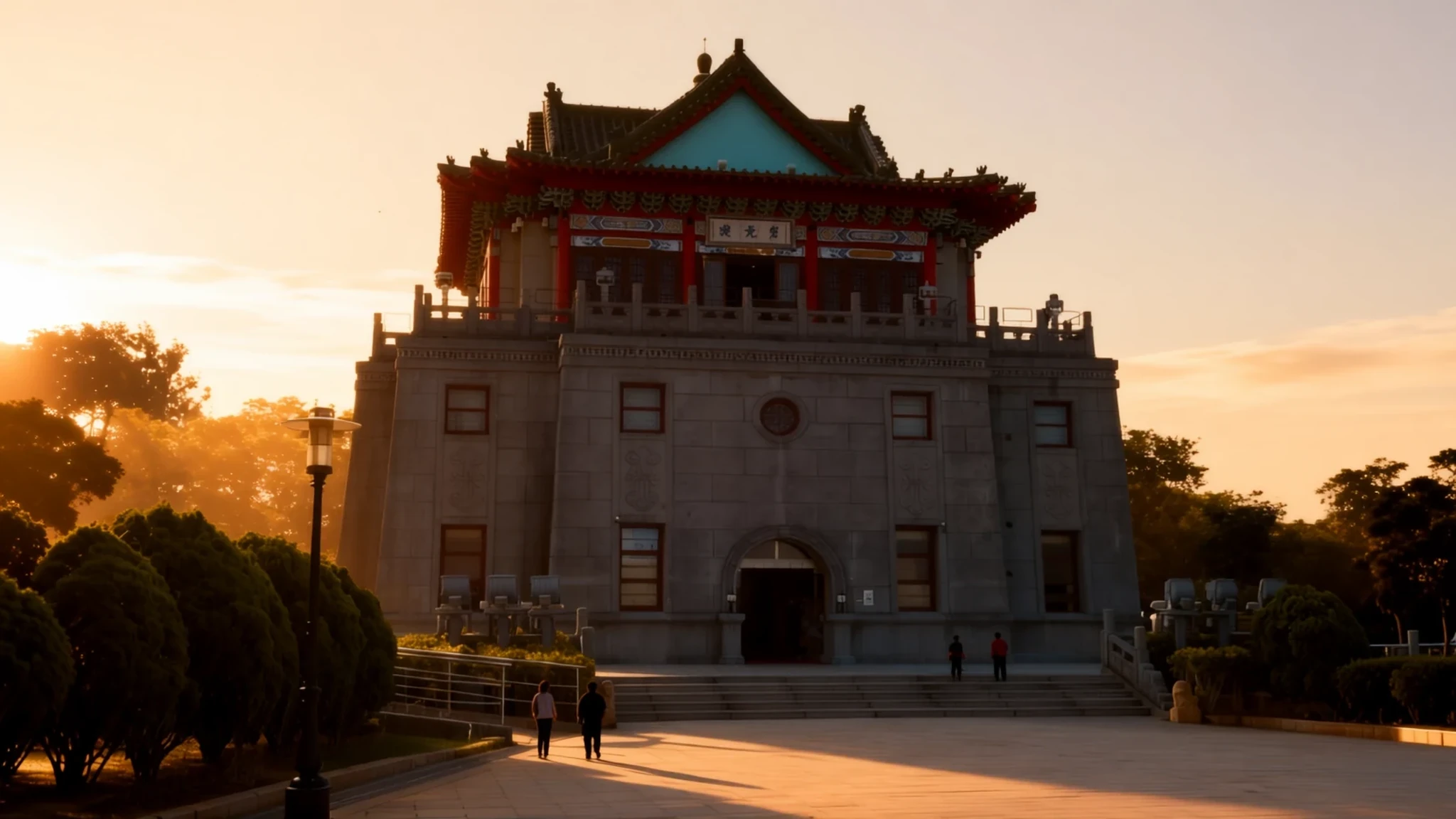
Kinmen is a quiet granite archipelago within sight of mainland China, where tunnels, old clan villages and sorghum liquor tell a Cold War story.
The place
Kinmen, also spelt Quemoy, is an archipelago and county of Taiwan with a population of 138,253. Its geography is the whole story: the main island lies only about 10 km from Xiamen on the Chinese mainland, across Xiamen Bay, yet it sits roughly 187 km from the island of Taiwan itself. That odd position shaped almost everything a visitor sees here.
The county takes in the large main island, a scatter of smaller islets, and the far-off township of Wuqiu, which lies some 133 km to the north-east of the rest. Kinmen and Matsu are the two counties that make up Fuchien Province.
On the ground, the main island feels rural and unhurried. Low hills, farmland, fishing harbours and traditional villages of red-tiled, swallow-tail-roofed houses sit alongside concrete bunkers, tank traps and tunnels cut into the rock. Jincheng is the main town, with snack shops, small museums and a few places to stay. Distances are short, but public transport is thin, so most people hire a scooter, a car or a driver.
The climate is humid subtropical, with a yearly average of 21.0 °C, and the sea wind is a constant. Kinmen is also a place of mixed feelings about identity and politics, which gives conversations here an edge you will not find on the main island of Taiwan.
Its story
Kinmen has been inhabited for thousands of years, with the brief placing the first settlers between 5,800 and 8,000 years ago. Later waves of migrants arrived from the mainland, including six extended families who fled south during the unrest of the fourth century, when the island was still called Wuzhou. The name Kinmen came in with the Tang dynasty.
The Ming period brought more settlers, and then Koxinga, who used the island as a base before sailing to take Formosa and Penghu from the Dutch. His shipbuilding stripped the island of trees, and the soil erosion that followed left a mark on the landscape for centuries. The Prince of Lu, a Southern Ming claimant, fled here in 1651 while resisting the Manchu Qing, who took Kinmen in 1663.
After the Republic of China was founded in 1912, Kinmen became part of Fujian Province, and Kinmen County was formed in 1914. Japan seized the island in 1937 during the Second Sino-Japanese War, with ROC forces mostly withdrawing rather than fighting.
The defining chapter came after 1949, when Kinmen became a front line under military administration. The island was heavily shelled by the People's Liberation Army in August 1958, during the Second Taiwan Strait Crisis. Limits on moving between Kinmen and Taiwan proper ended in 1994, and over time the island's wartime bunkers were converted into museums.
What to see
- Artillery battle museum, Beishan — North-east Kinmen
A compact museum on the north-east coast that tells the story of the 1958 bombardment, the Second Taiwan Strait Crisis. It is short enough to finish in under an hour, and helpfully carries plenty of English signage, so you need not rely on a guide.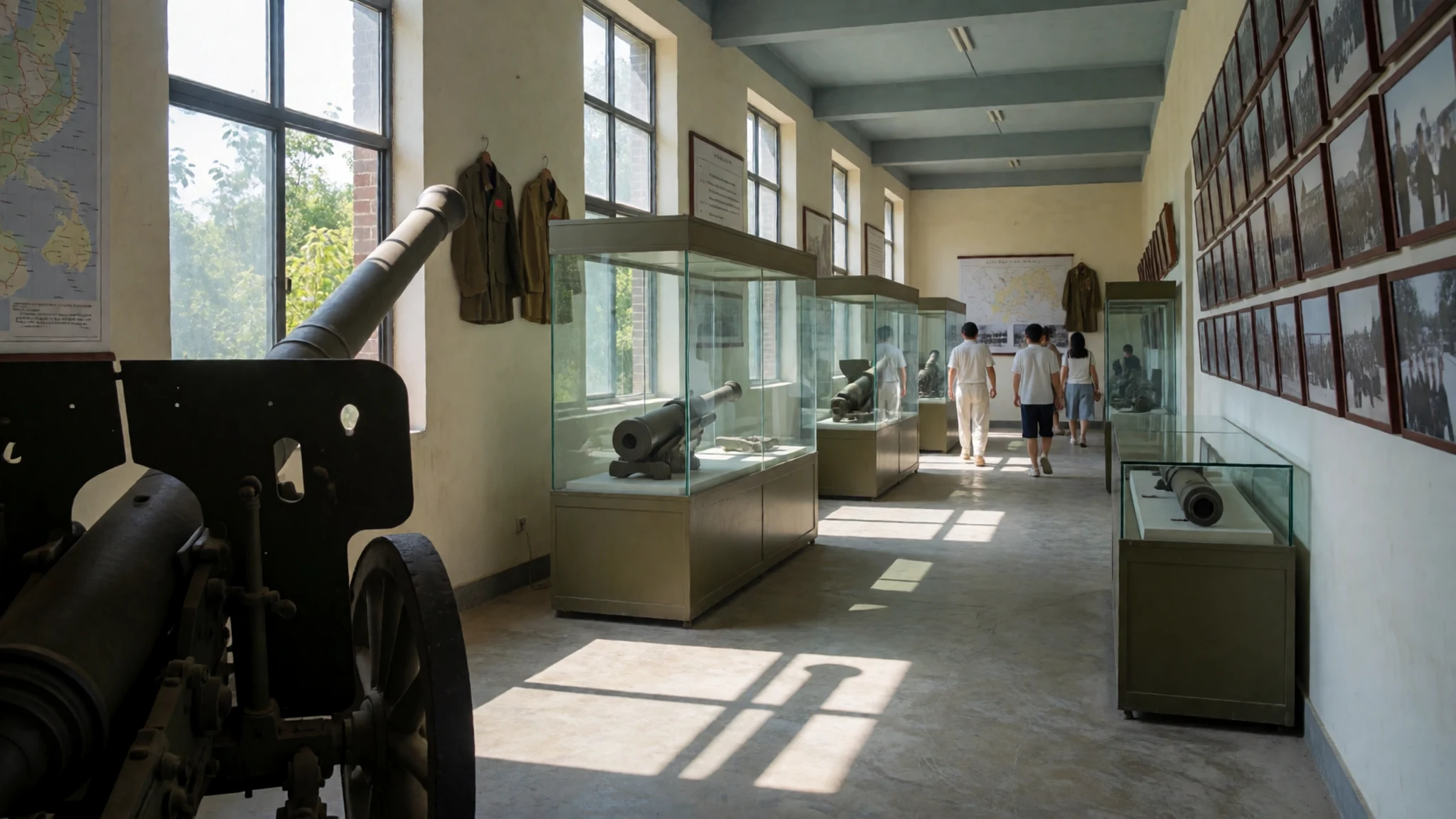
- Juguang Tower — Jincheng
A memorial building near Jincheng with a small military museum inside. The main reason to climb up is the view over the town roofs, the farmland and the surrounding water. It makes a sensible first stop for getting your bearings before heading further out.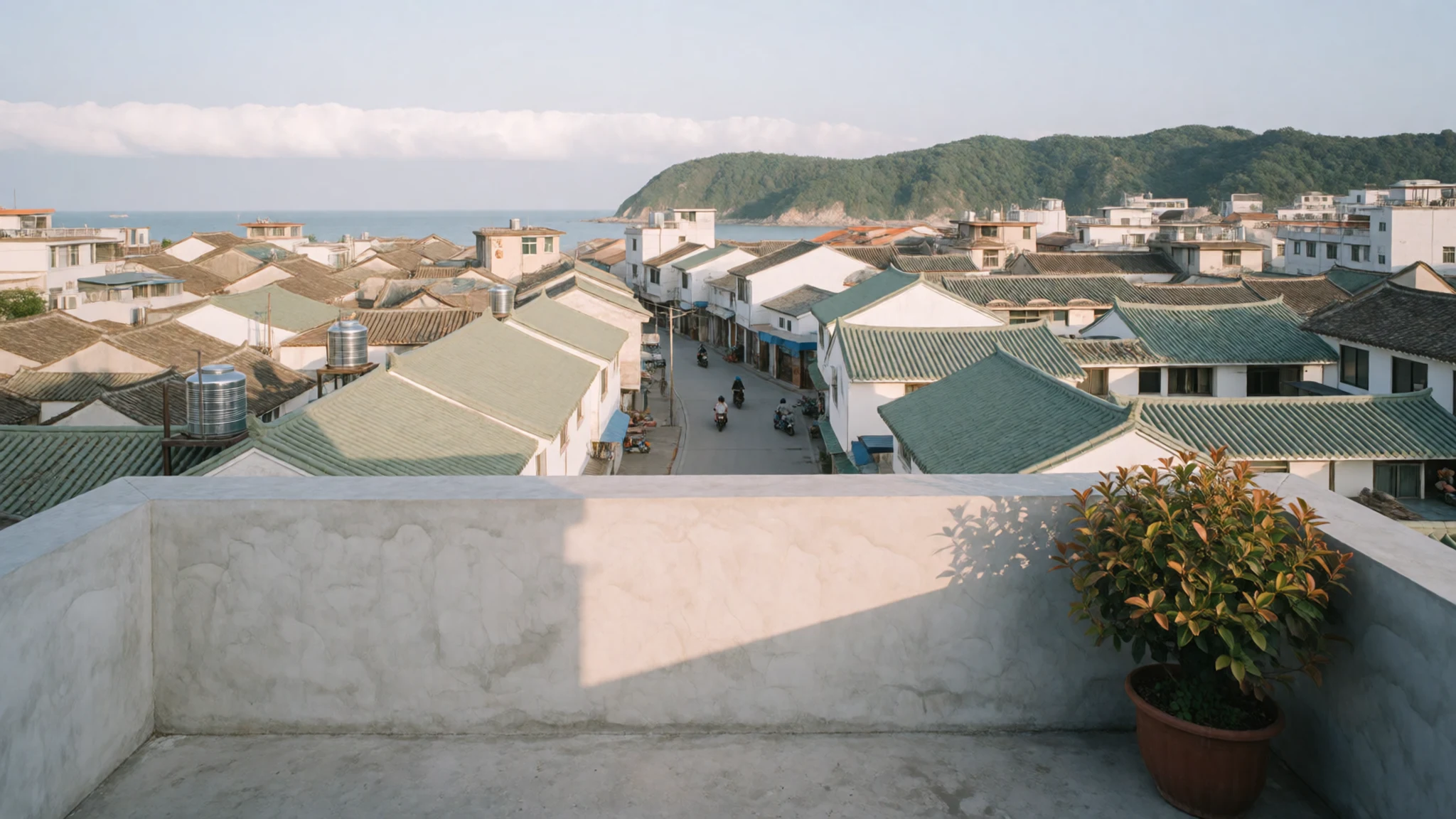
- Zhaishan Tunnel — South Kinmen
A historic underground naval pier cut through rock so supply boats could unload beyond the reach of mainland artillery. Artillery guns and boats are displayed outside. Walking the damp, echoing channel gives a real sense of how the island lived under threat.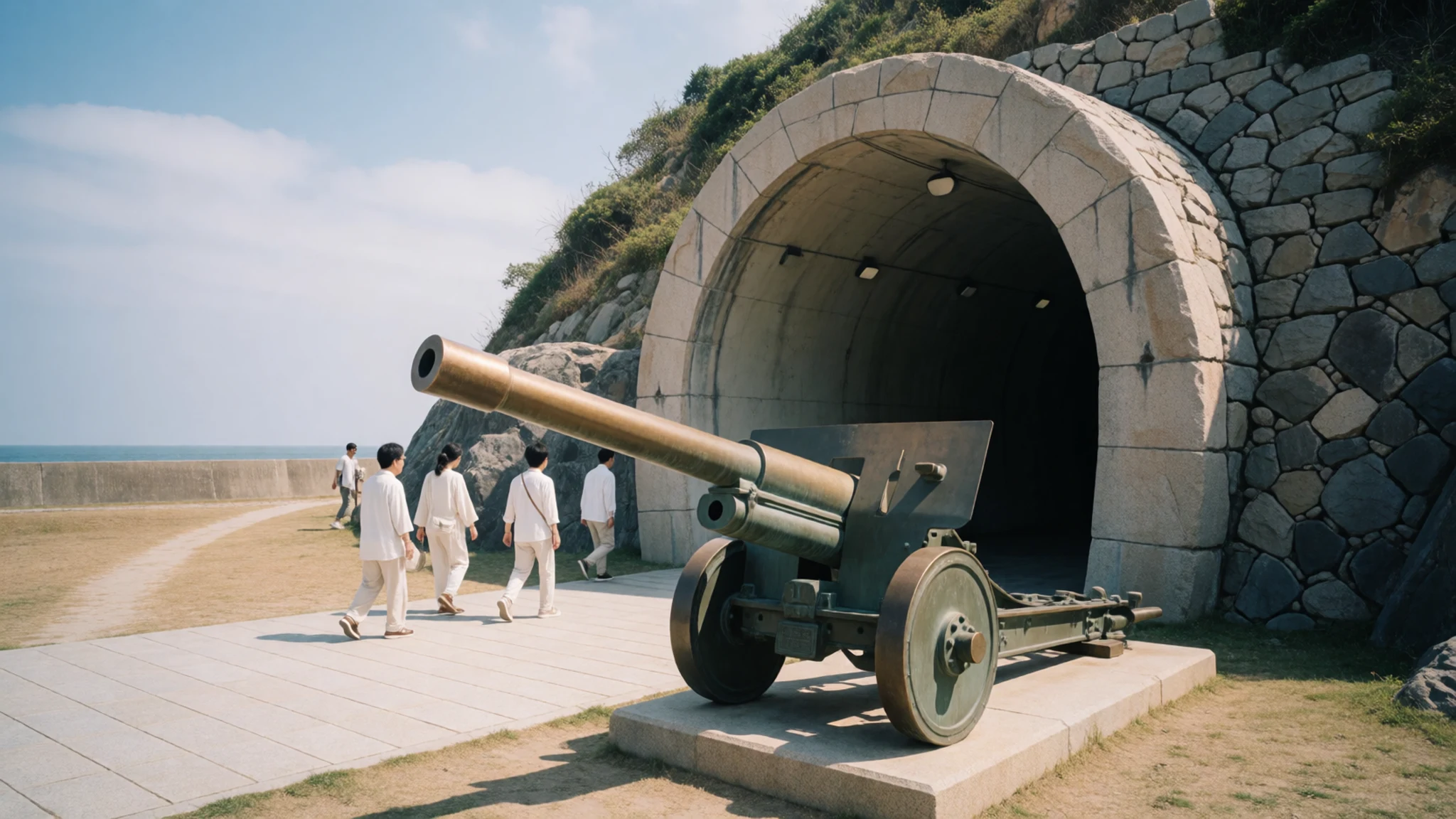
- Siwei Tunnel, Little Kinmen — Little Kinmen
On Little Kinmen, this tunnel is longer and quieter than Zhaishan. It sits just to the left of the ferry terminal as you step off the boat, which makes it an easy first stop on a day trip to the smaller island.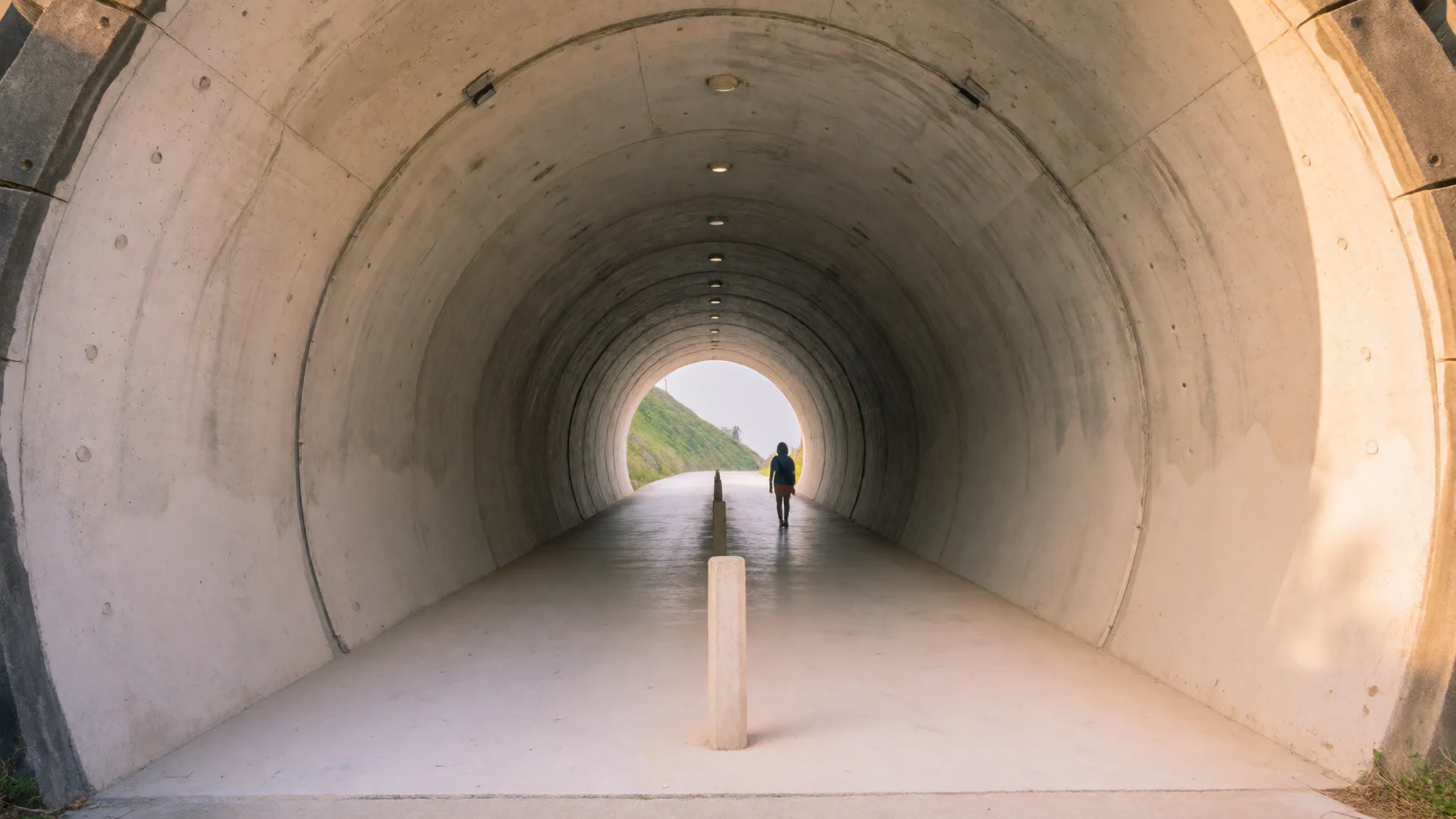
- Triangle Fortress — Guning, north-west Kinmen
Set in Guning, west of Zi Lake and north of Jincheng, this fortress overlooks the channel between Kinmen and Little Kinmen. A group of M41 tanks stands on display outside. It suits anyone who likes military history with a sea view.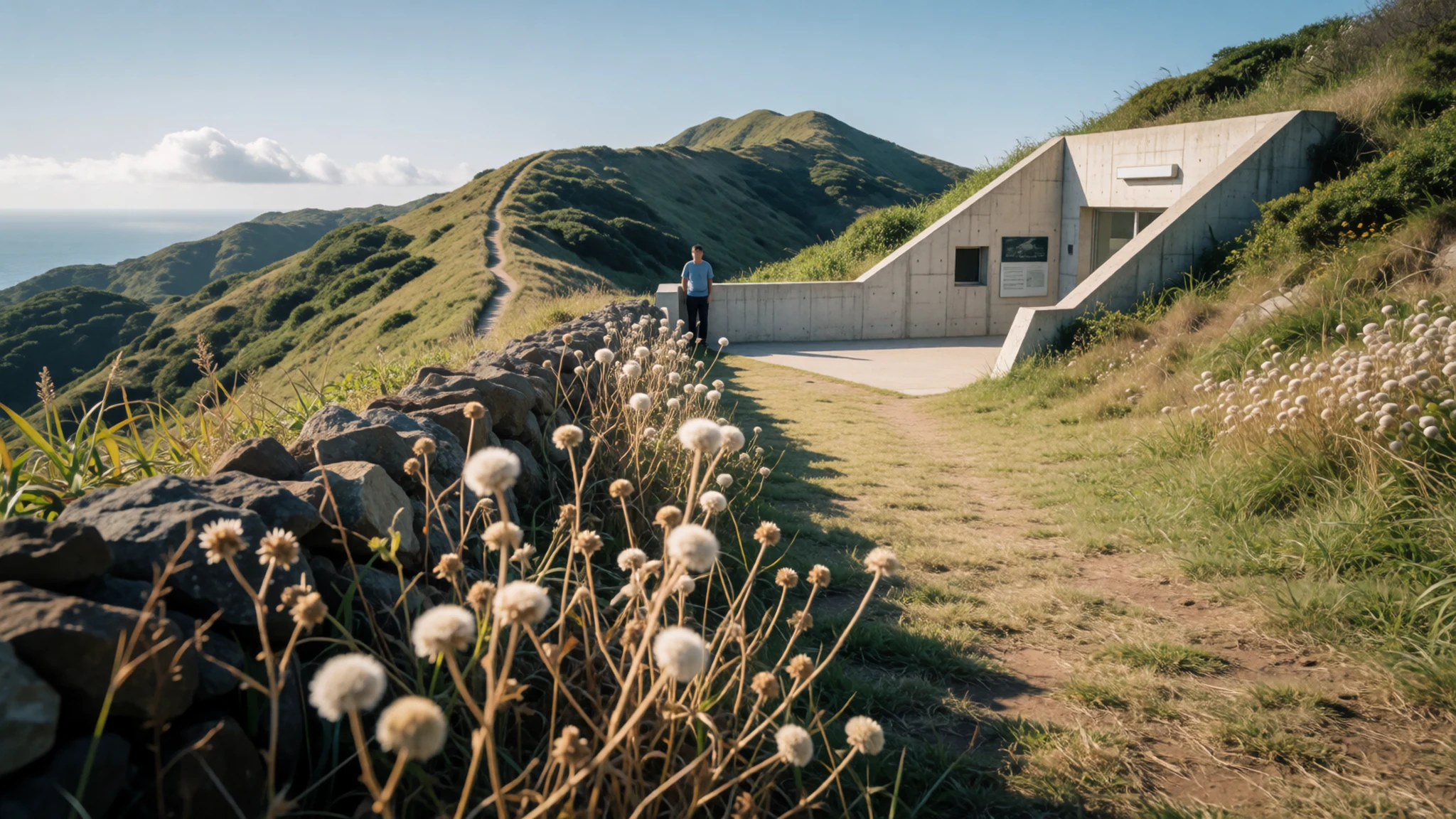
- Lion Mountain — Shanhou, north-east Kinmen
Lion Mountain, in Shanhou in the north-east of the main island, holds an underground howitzer base with its own museum. It is a good pairing with the nearby Shanhou Culture Village, where traditional houses show how families lived before the war years.
Culture
Kinmen's people describe themselves as Kinmenese, as Minnan people from southern Fujian, or as Chinese. Most hold Republic of China citizenship but do not think of themselves as Taiwanese in the way people on the main island often do. That sense of identity hardened during decades of military administration, when the island stood on the front line.
When martial law ended on Taiwan and talk of independence grew, many on Kinmen worried that being cut off from China would also mean being cut off from them. Those worries still colour local politics, and they are worth understanding before you start asking opinions.
Daily life is more traditional than on the main island. Clan halls, ancestral temples and village shrines remain active, and family names tie whole settlements together. Look for stone wind lions, called fengshiye, set on rooftops and walls to guard against the fierce wind; people sometimes leave sweets in their mouths as offerings. Kaoliang liquor is a point of local pride, and the island's economy leans on it, along with tourism.
Propaganda slogans and loudspeaker sites from the confrontation years survive as curiosities, and locals tend to treat them as history rather than as a joke.
When you visit an ancestral hall or temple, dress modestly, keep your voice low and do not touch offerings, including the sweets placed in a wind lion's mouth.
What to wear
Kinmen has no single costume that a visitor would spot on the street. The traditional dress of southern Fujian, the Minnan region the islanders trace their roots to, is best remembered in its cotton and silk jackets and long gowns, worn today mainly for weddings, temple festivals and clan ceremonies, and seen in museum displays in places like Jincheng. Fisherfolk and farmers historically wore plain, hard-wearing cotton in dark colours, with wide-brimmed hats against the sun and wind.
What people wear now is simple and practical: T-shirts, light trousers, trainers, and a windcheater when the sea breeze picks up. Older residents often keep to modest, sensible clothes, and you will see uniforms around, since soldiers are still stationed on the island. Neat, casual dress is the norm in towns and cafes.
For visitors, think warm and breezy. Summers are hot and humid, with a hottest-month average of 28.5 °C, so pack breathable cotton, a hat, sunscreen and a light rain jacket. Winters are mild, with a January average of 12.6 °C, but the wind makes it feel colder, so bring a fleece or jacket. Wear comfortable closed shoes for tunnels, which are wet and uneven underfoot, and for walking through villages. At temples and ancestral halls, cover shoulders and knees. Sandals suit the beaches, but not the bunkers.
What to eat
- Kaoliang liquor — The distillery near the airport and shops in Jincheng
A clear, strong sorghum spirit, often compared to tequila in style, and Kinmen's best-known product. The distillery sits near the middle of the island, close to the airport. Shops across Jincheng sell bottles, and many visitors take one home.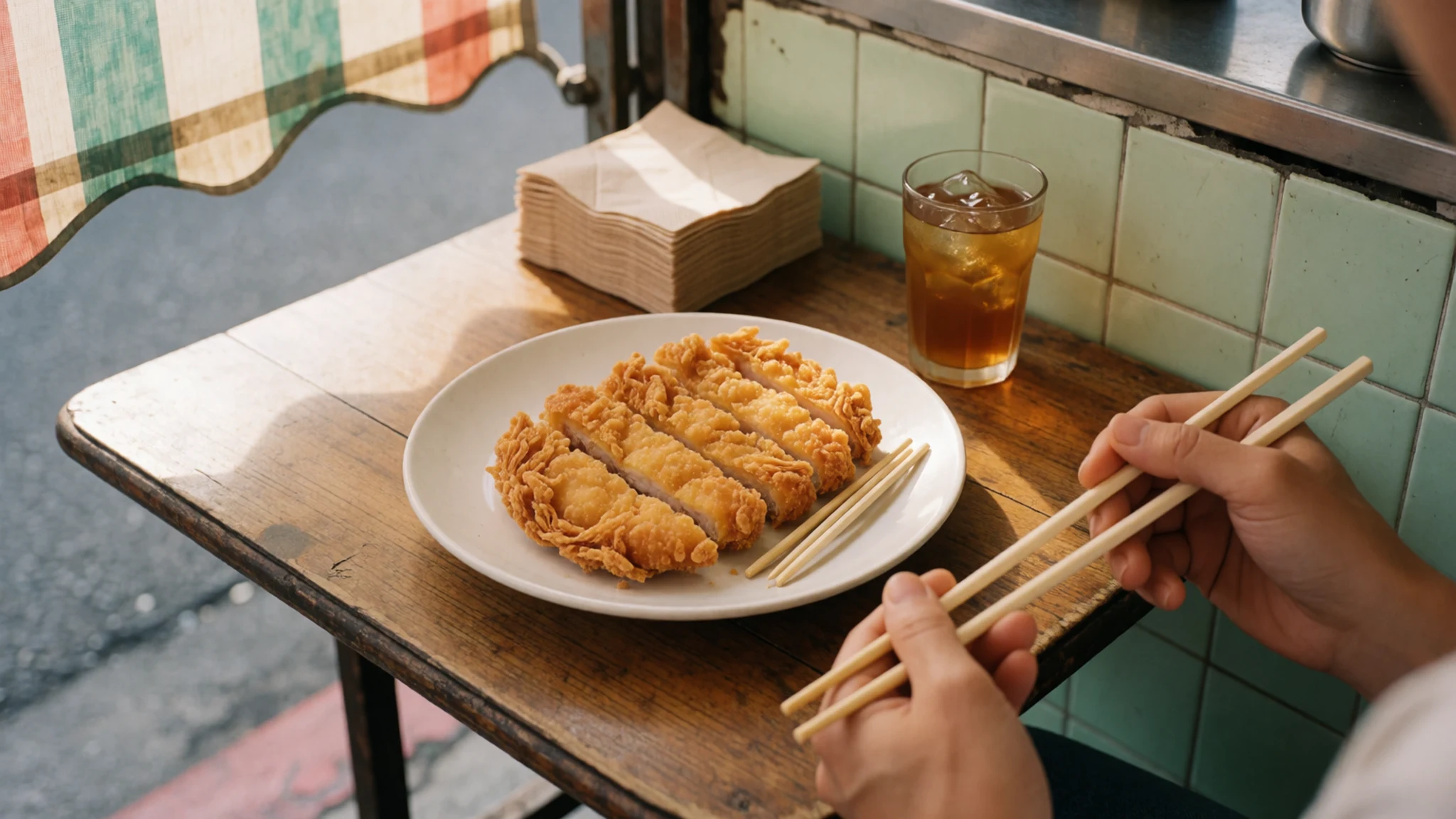
- Fried oyster balls — Snack shops in downtown Jincheng
Small, crisp fritters with oysters inside, served hot as a snack. They are a Taiwanese favourite that turns up easily on Kinmen, where seafood is part of daily life. Eat them straight from the bag while they are still crunchy.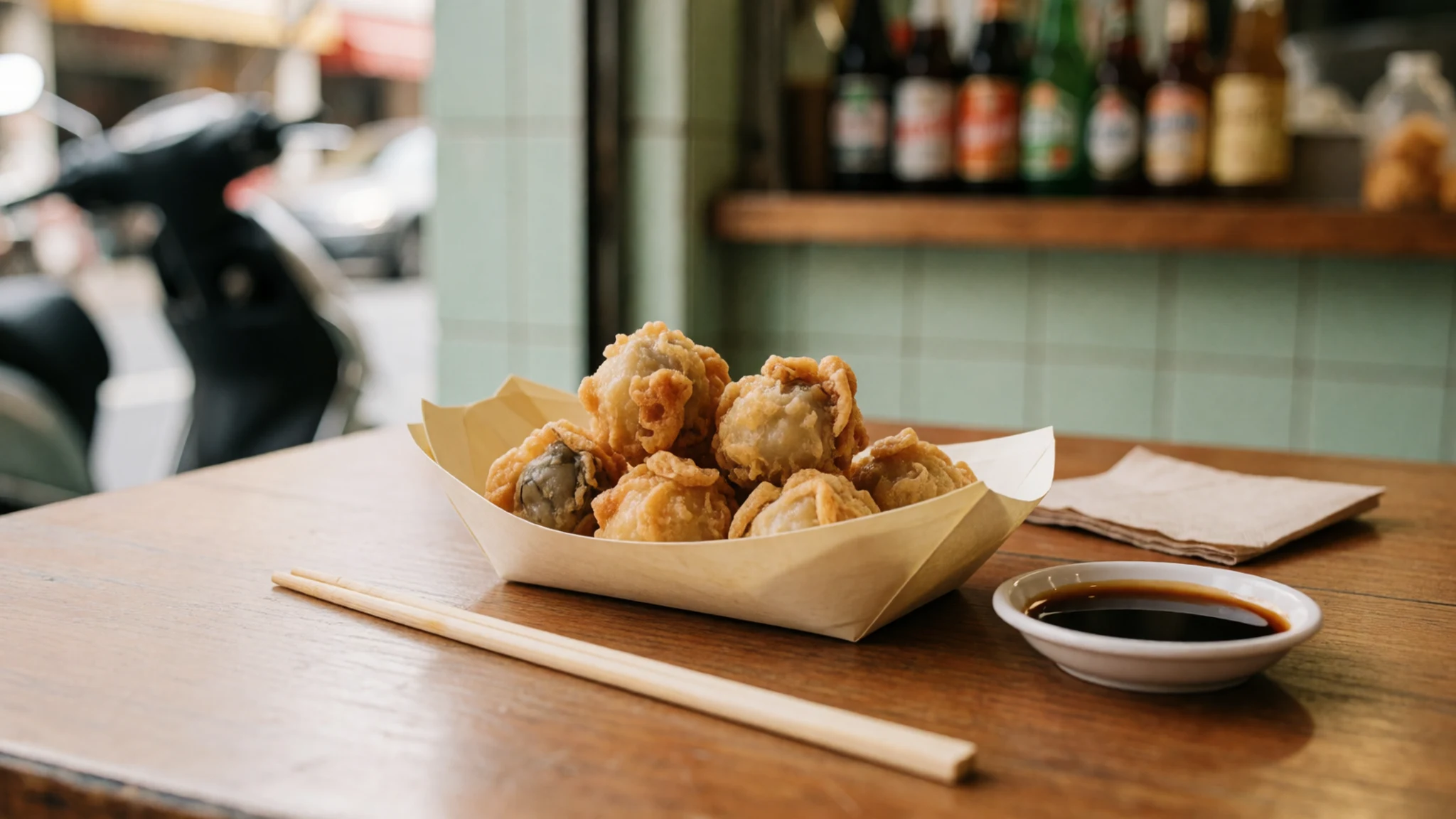
- Fried chicken cutlet — Snack stalls and shops around Jincheng
A large flat piece of chicken, fried crisp and seasoned with pepper or spice. It is a cheap street staple eaten on the move, and one of the easiest things to find when you are hungry after a day of tunnels. - Chow mein — Small eateries in the downtown area of Jincheng
Stir-fried noodles with vegetables and a little meat, cooked quickly over high heat in a wok. A reliable, filling and inexpensive meal, often ordered alongside a soup, and found in small eateries all across the main town.
Plan it
Best time. April–May and October–November. Temperatures are comfortable, and November is the driest month. August is the hottest and wettest month, and winter winds can feel cold.
How long. 2–3
Getting there. Fly to Kinmen's airport from Taiwan, as there are no public ferries from the main island. From Xiamen on the mainland, ferries run to Shuitou Pier on the main island, taking about 30 minutes; check the official site, https://www.kinmen.gov.tw/, for current details.
Budget. mid
Tips
- Hire a scooter, car or driver, as buses are limited and distances are spread out
- Carry cash for small snack shops and village stalls
- Bring a torch and sturdy shoes for wet, uneven tunnels
- Check ferry and museum times locally before planning a day trip to Little Kinmen
Etiquette
- Dress modestly and speak quietly in temples and ancestral halls
- Be careful with political comments about the mainland and Taiwan
- Do not photograph soldiers or restricted military areas
Nearby
Sources
- Wikidata Q249870 (CC0)
- Wikipedia: Kinmen (rev 1384752437) (CC BY-SA 4.0)
- Wikivoyage: Kinmen (rev 5428132) (CC BY-SA 4.0)
- Photo 01, Qing Military Governor's compound, Vmenkov (CC BY-SA 2.5)
- Photo 02, Jiangong Island, Vmenkov (CC BY-SA 2.5)
- Photo 03, Map of Amoy and Surroundings 1954 (Public domain)
- Photo 04, Nationalist China administrative divisions (Public domain)
- Photo 05, propaganda sign, Minsc (CC BY 3.0)
- Photo 06, Wuqiu lighthouse, Kechinyuan (CC BY-SA 4.0)
- Photo 07, Townships of Kinmen County, Guss (CC BY-SA 2.5)
- Photo 08, wind lion, Kleistan (CC BY-SA 1.0)


