King Island
King Island, Australia
King Island is small, windswept and seafood-led—ideal for a quiet break where penguins, dairy and big sea views share the same horizon.
The place
King Island sits in the Bass Strait between mainland Australia and Tasmania, governed from its local King Island Council and paced by a small population. It’s the kind of place where you notice the sea first: the wind, the salt air, and the way roads and viewpoints seem to orbit the coast rather than the other way round.
Geographically, King Island is part of a wider land-and-water divide running between the Great Australian Bight and Bass Strait, with Stokes Point to the south and Cape Wickham to the north. Just offshore, you also get the small trio of New Year Island and Christmas Island (to the northwest) plus Councillor Island (to the east), which makes the coastline feel busy even when there are only a handful of boats about.
The island’s story includes early European sealers and later permanent settlements, with Currie on the west coast as the biggest town. These days the economy leans on agriculture and tourism, and you’ll see both in everyday life: grass for dairy, land used to grow and raise, and visitors arriving for the water, the wildlife and the food.
If you’re planning a trip, think “island logistics” rather than “city wandering”. Distances are manageable but services are limited; you’ll likely base yourself around Currie and explore from there. Expect fresh air, patchy mobile coverage in places, and a timetable that works best when you plan meals and activities in advance—especially outside peak travel periods.
Its story
King Island’s deep-time story starts long before any map had a name for it. The island was once connected to Tasmania by a land bridge, which later disappeared as sea levels rose around 12,000 years ago. Evidence of human presence shows up in a cave discovery made in 1989: a human skeleton dated to approximately 14,000 years ago. At the same time, earlier checks found no “shell heaps, bones, charcoal or other remains” that would clearly signal long-term Aboriginal occupation, so the evidence points more towards movement through the area than settled habitation.
When Europeans arrived, the island was uninhabited at the time of discovery. Captain Reed became the first known European to reach King Island in 1799, hunting seals aboard the schooner Martha. Maps and rumours travelled quickly but not evenly—Matthew Flinders’ early mapping of Van Diemen’s Land and Bass Strait didn’t initially show King Island, though later information from Captain Black meant it did enter the story more fully before Flinders sailed away from Sydney in 1800.
What happened next was an island rhythm built around the sea. Sealing brought temporary activity in the early 19th century, and permanent settlements followed much later, by the 1880s. Currie grew as the largest settlement, and today it remains the practical base for visitors. Beneath the modern economy of agriculture and tourism, the island still feels like it’s shaped by exploration, weather and coastlines—wrecks and diving holidays included—rather than by a commuter schedule or a busy port life.
What to see
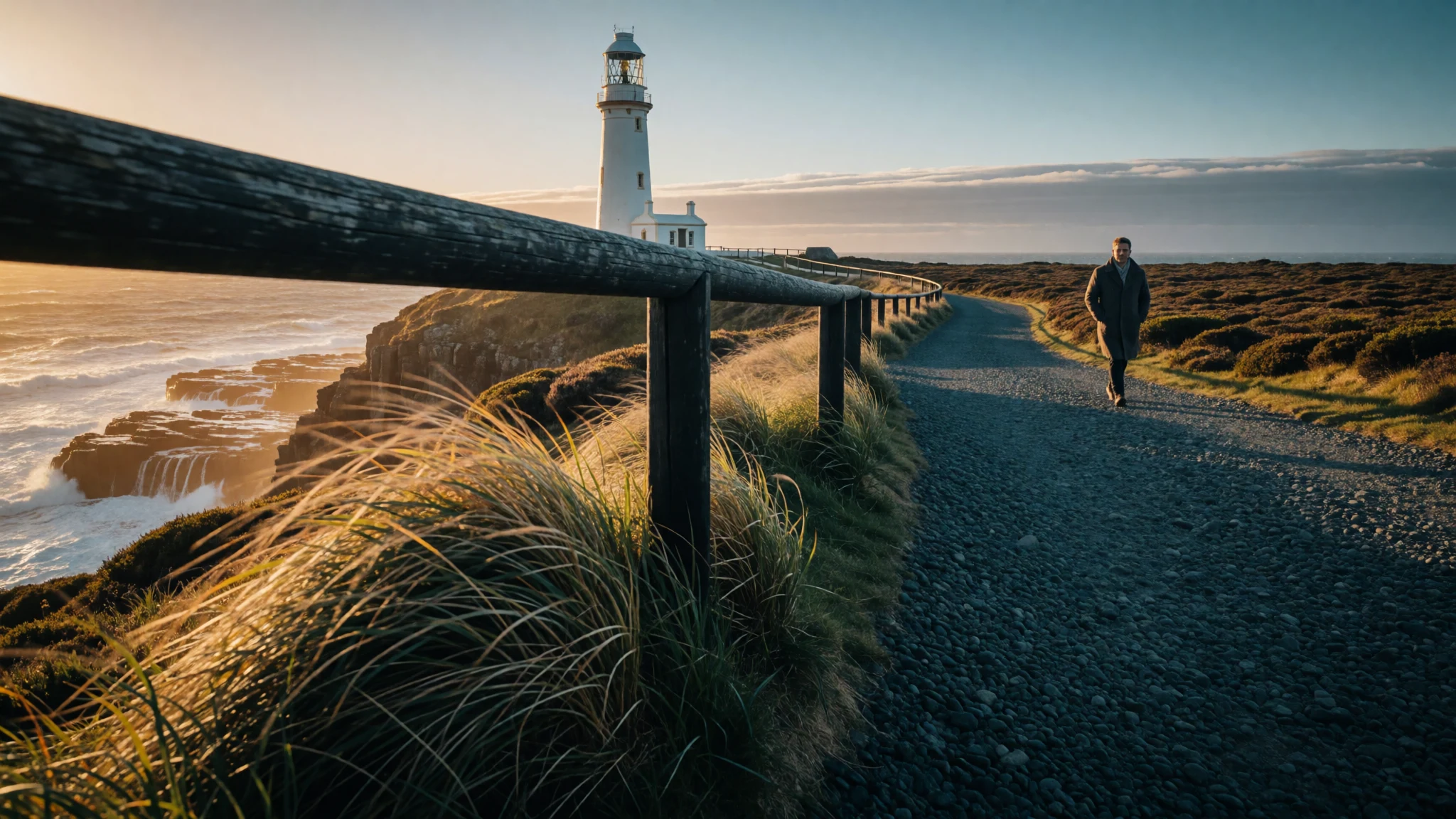
- Cape Wickham Lighthouse — north coast
Cape Wickham Lighthouse gives you the classic King Island vantage: sea wind, open horizon and a coastal setting that feels properly remote. It’s a great stop for photos when the light is changing, and it helps frame why the Bass Strait makes navigation stories so important.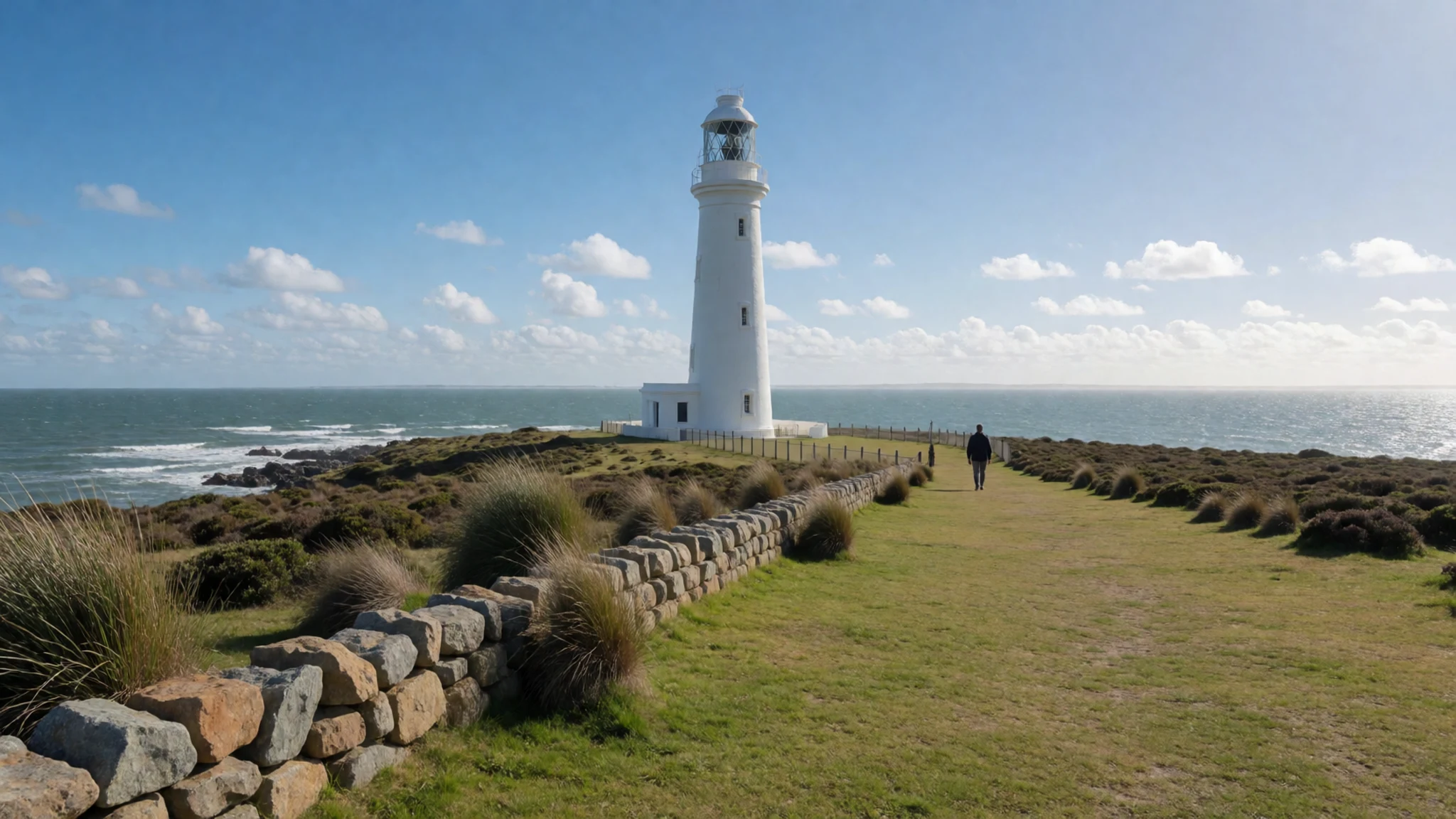
- Fairy penguins — coastlines around the island
Fairy penguins are a key wildlife draw on King Island. Look for viewing opportunities arranged by local operators and plan for short windows when penguins are active. The island’s small scale means you usually feel like you’re observing a real community routine, not chasing a theme park.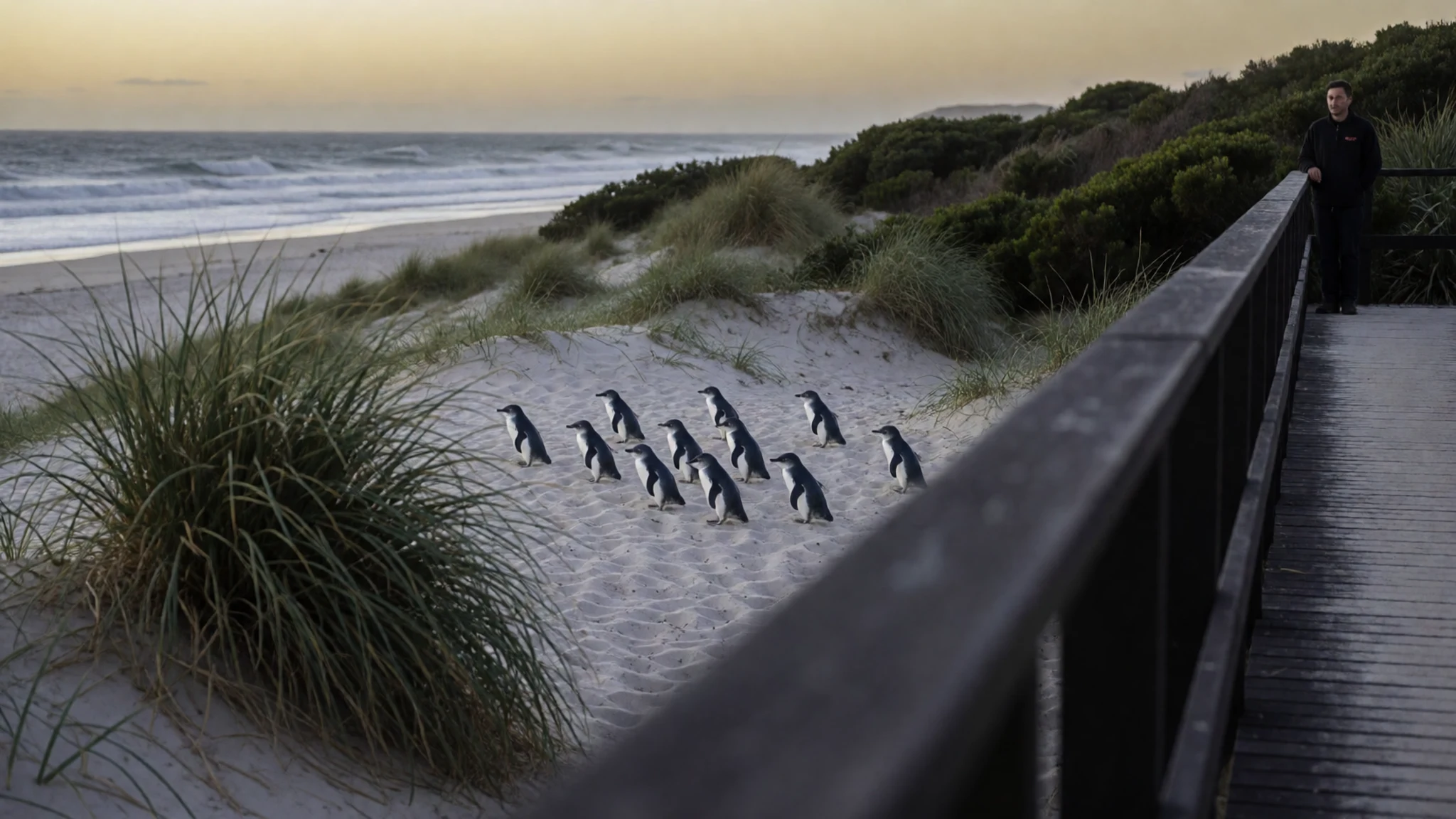
- Calcified forest — inland area
The calcified forest is exactly the sort of stop that makes King Island feel geologically distinctive. Walk slowly, read the landscape, and take your time—these aren’t just “pretty rocks”; they’re a reminder that the island’s history is written in what the coast leaves behind.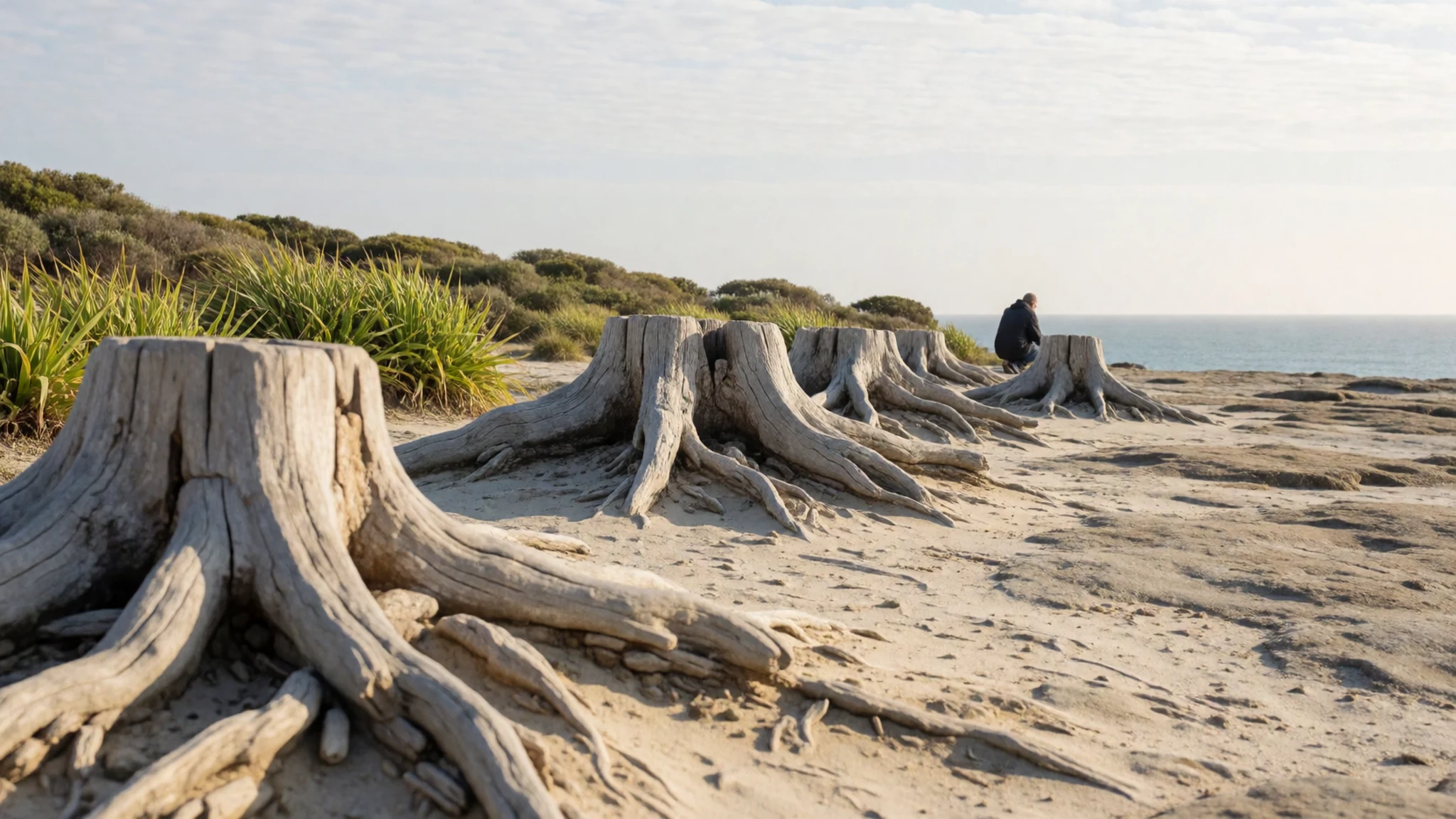
- Currie harbour area — Currie
Currie is the main hub for supplies and where most visitors spend time. The harbour area is useful for practical reasons and also for atmosphere: you can watch the island’s daily pace from the water’s edge, then shift into food and day trips from there.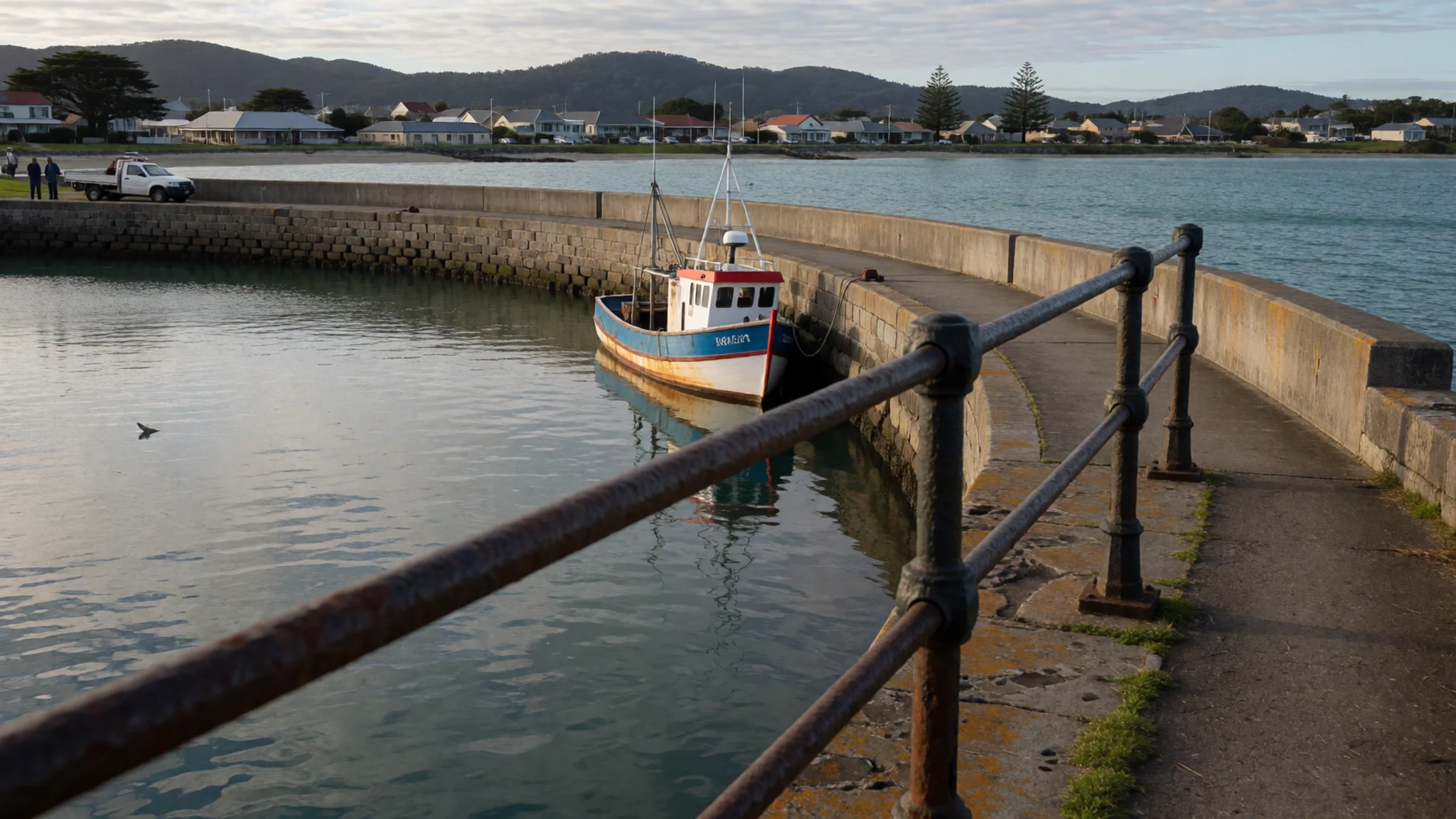
Culture
King Island culture is quieter than most Australian destinations: it’s community-led, shaped by farming and by the practical reality of island supply. Currie anchors the day-to-day, while smaller towns like Naracoopa keep a slower feel, closer to beaches and the rhythm of fishing and agriculture.
Because the island’s wildlife is part of the tourism draw—especially around the penguin season—people tend to be mindful about where they stand and how they behave. You’ll often see locals and visitors sharing the same viewpoints without the loud “tour-group” energy you might get elsewhere. That said, weekends can bring more cars and more people at common photo spots, so early starts matter if you want calm.
Food is part of local identity too. King Island’s dairy reputation isn’t just a label: it shows up in what people order and what gets spoken about at the table. Seafood—particularly lobster/crayfish—also runs through restaurant menus and the island’s stories.
Visitor etiquette is simple but important: be respectful around wildlife and keep noise down near viewing areas, especially in the evening.
What to wear
On King Island, dressing is mostly about wind, rain and walking comfort rather than trends. The island’s weather can change fast, and you’ll feel it on the coast—so bring a waterproof jacket and layers you can adjust. If you’re visiting lighthouses, shorelines or any walking stops like the calcified forest, sturdy footwear matters.
For most travellers, “what people wear now” is practical: jeans or walking trousers, fleece or knit layers, and waterproof outerwear. You’ll see plenty of casual clothing designed for cooler, breezier conditions.
Traditional dress isn’t really the focus here in day-to-day life; the island’s culture expresses itself more through food and outdoors than through costume. As a visitor, dress for modesty and practicality when you encounter any community spaces and keep to footwear suitable for uneven ground.
If you’re pairing an evening meal with coastal time, a warmer layer helps—especially when the breeze picks up after dark. A hat and sunglasses are also useful for bright, salty winds even on cooler days.
What to eat
- Lobster (crayfish) — Currie and other local towns
King Island is known for seafood, with lobster/crayfish often leading the menu. Look for it at local restaurants in Currie and around the island’s main towns—sea-view settings are common when the dish is on offer.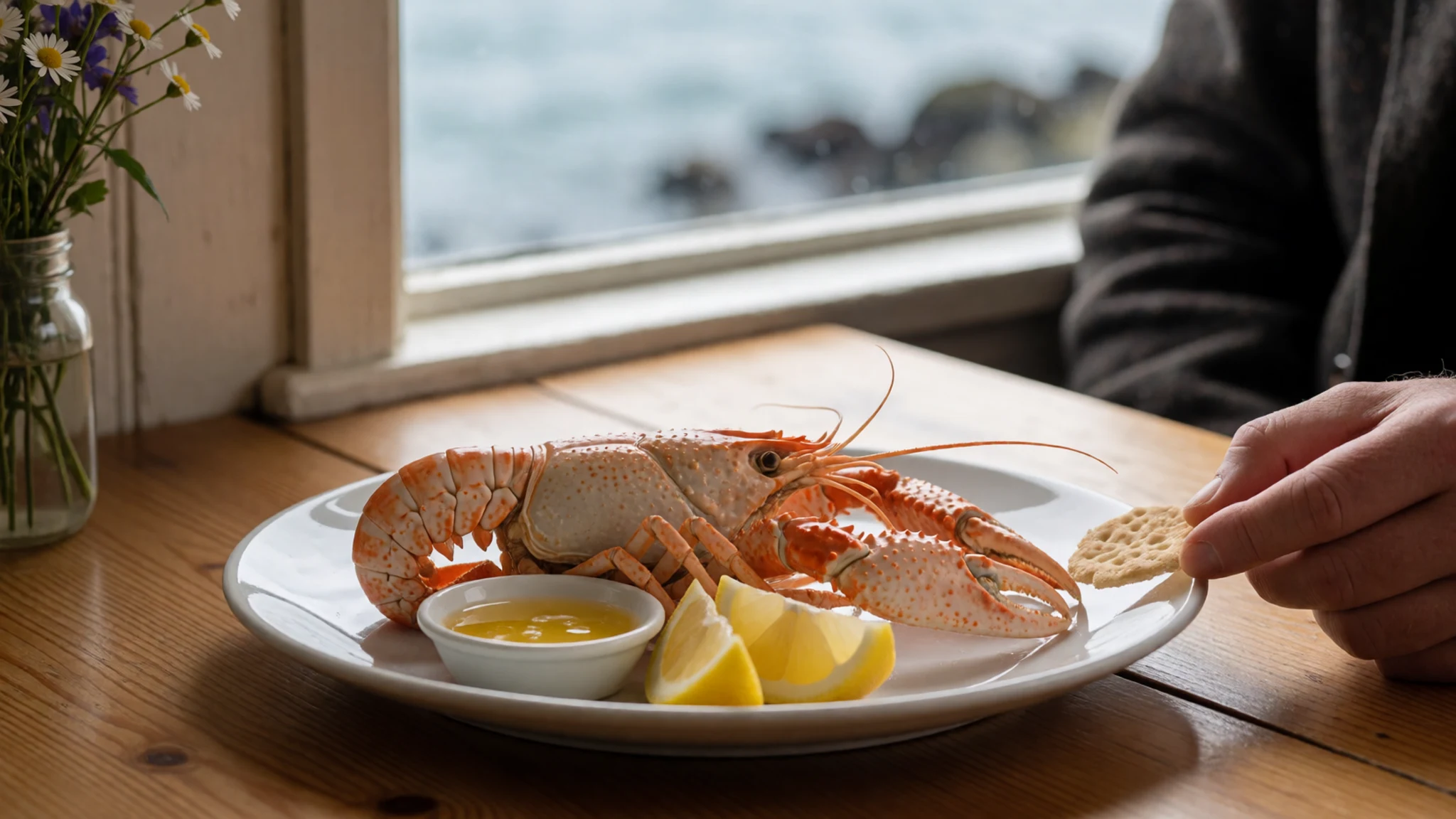
- King Island brie & camembert — cafes and eateries in Currie
King Island’s dairy reputation shows up in brie and camembert style cheeses, made using the island’s rich grass-fed milk. You’ll find cheese boards and dairy-based dishes at cafes and eateries that serve local products, especially in Currie.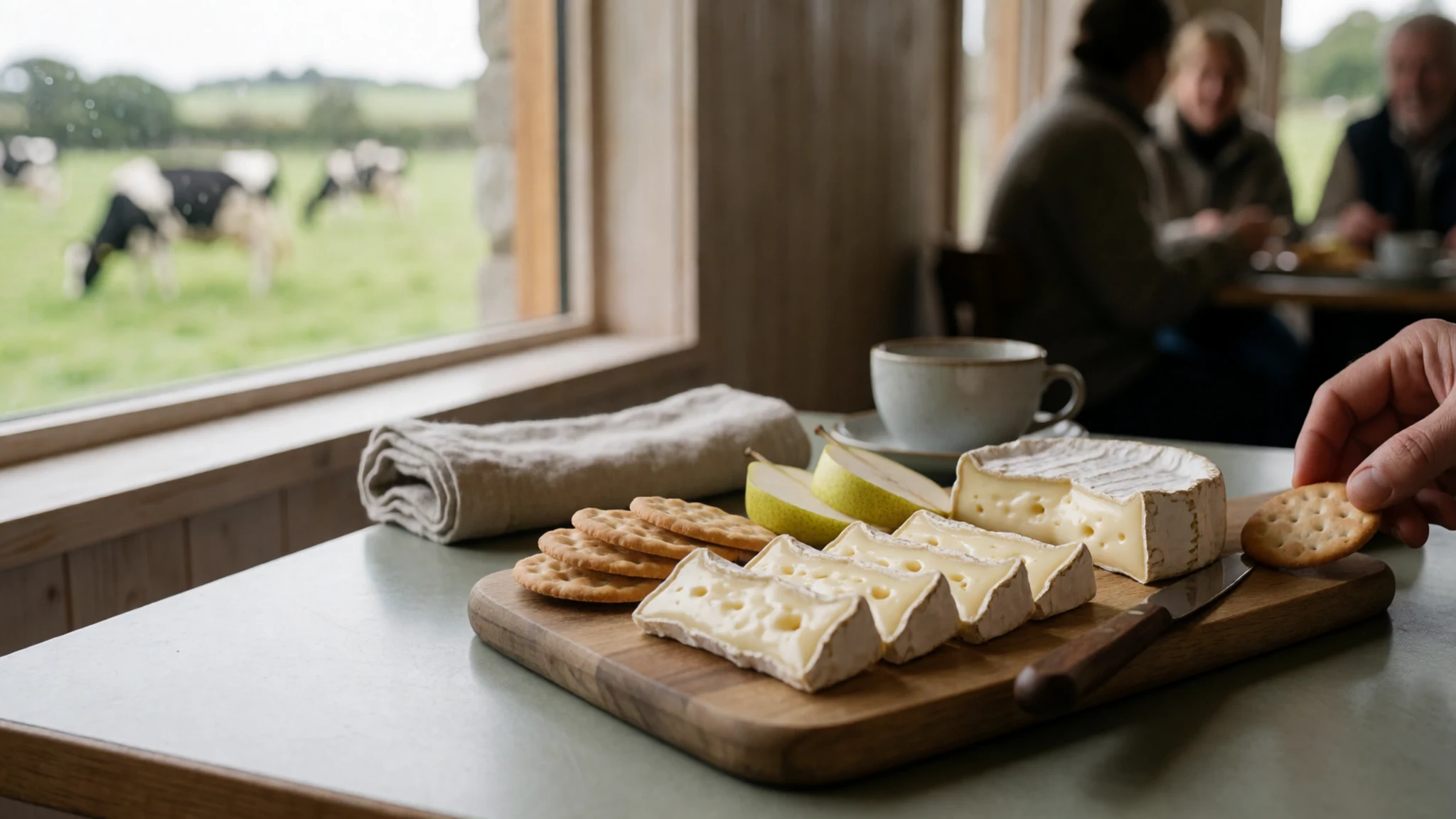
- Crayfish-focused meals — restaurant menus across the island
If lobster/crayfish is your priority, choose restaurants that serve it as a featured dish rather than a side. The simplest strategy is to ask what’s freshest when you arrive, then build your plan around what’s being prepared on the day. - Cheese boards and dairy platters — pubs, cafes and restaurants in Currie
For something lighter than seafood, seek out tasting-style platters built around local cheeses. These are usually easiest to find where travellers pass through most often—again, Currie is a good bet—especially when you want an easy meal between longer drives.
Plan it
Best time. For warmest conditions, aim for January to February, with the highest temperatures and moderate rainfall; for a quieter, drier break, go in April to June or September to October, when rain is lower and the air stays comfortable.
How long. 3
Getting there. Fly into Currie Airport (KNS) from Melbourne or northern Tasmania, then use local transport for the island. There’s no ferry service for normal travellers.
Budget. mid
Tips
- Plan activities around Currie so day-to-day logistics stay simple
- If you’re aiming for wildlife viewing, check local guidance and timing before you go out
- Build in buffer time for coastal weather and quick changes in visibility
- Pack layers and keep a waterproof layer accessible in the car
- If you’re eating at specific places, confirm availability before relying on walk-ins
Etiquette
- Keep noise low near penguin viewing areas and follow any local instructions for positioning
- Stay on marked paths around coastal viewpoints and walking sites
- Be patient with wildlife: don’t crowd, and don’t try to get closer than staff guidance allows
Nearby
Sources
- Wikidata Q794502 (CC0)
- Wikipedia (King Island (Tasmania)) (CC BY-SA 4.0)
- Wikivoyage (King Island) (CC BY-SA 4.0)
- Photo: King island tasm (NASA/Commons) (Public domain)

Wildlife
- Fairy penguin (animal)
Smallest of all the world's penguins, the fairy penguin is a little bird in a slate-blue coat, its dense feathers helping to keep the water out. King Island counts it among its star wildlife attractions. It spends the day diving for food, then returns to burrows near the shore at dusk, which is when to look. Local advice will point you to the right spot and season. Stand well back, whisper, ask a guide to lead you, and never offer food.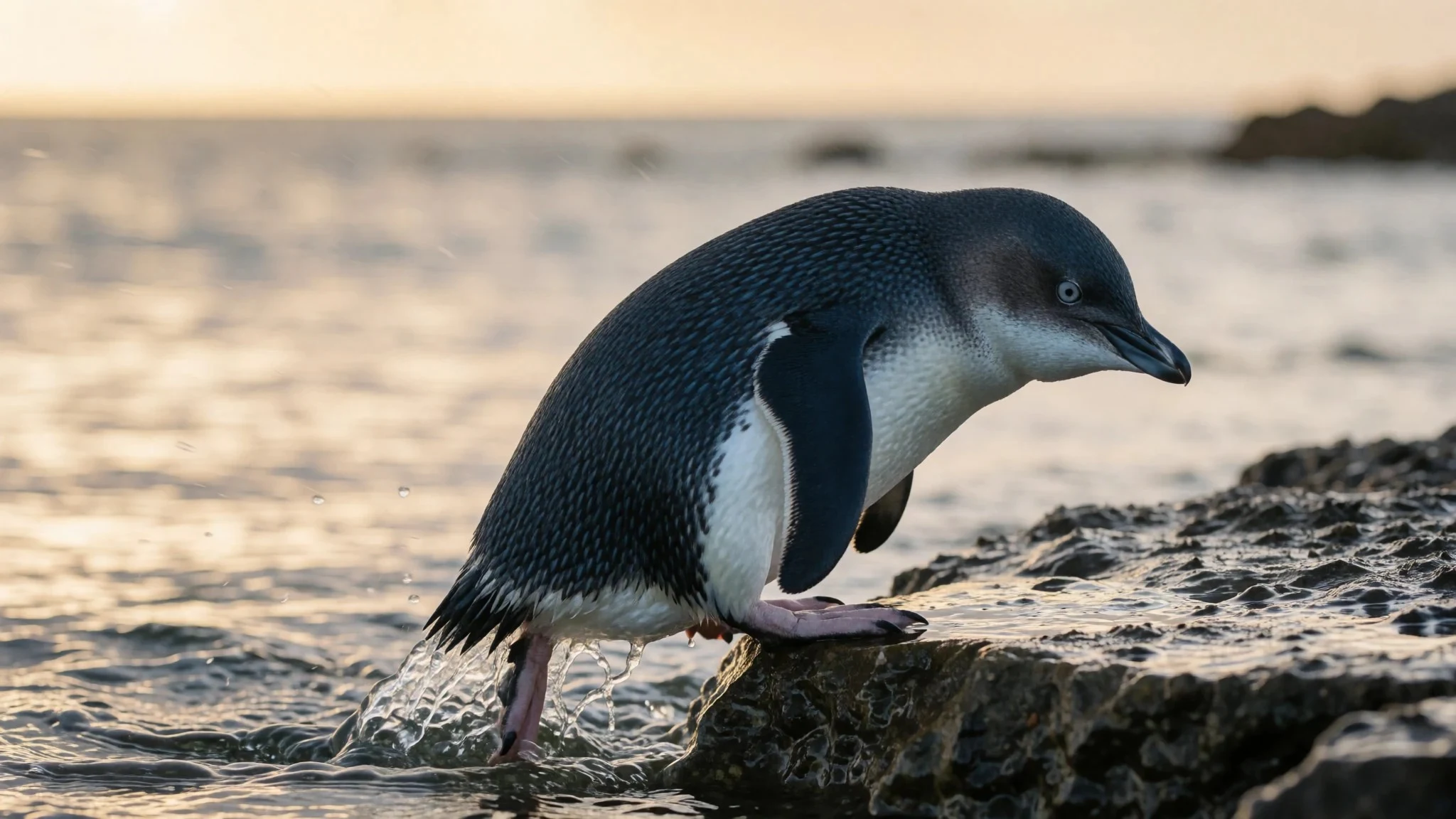
- Fairy penguin (bird)
Smallest of all the world's penguins, the fairy penguin is a little bird in a slate-blue coat, its dense feathers helping to keep the water out. King Island counts it among its star wildlife attractions. It spends the day diving for food, then returns to burrows near the shore at dusk, which is when to look. Local advice will point you to the right spot and season. Stand well back, whisper, ask a guide to lead you, and never offer food.