Milford Sound
Milford Sound, New Zealand
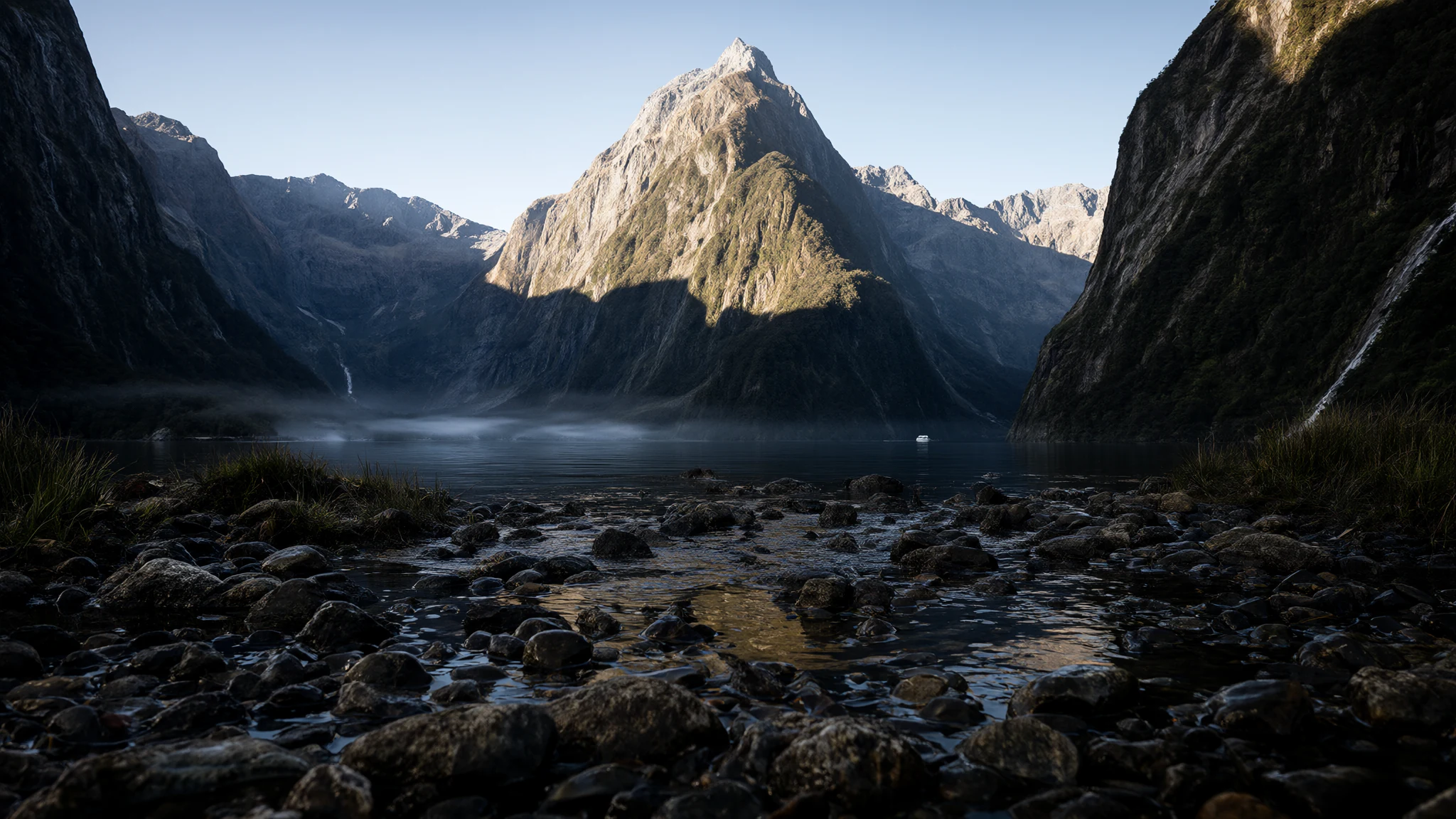
Carved by ancient glaciers and walled by sheer rock, Milford Sound offers an unforgettable wilderness of plunging waterfalls and quiet, moody waters.
The place
Milford Sound sits tucked away inside a protected national park and marine reserve on the remote western edge of New Zealand's landmass. This dramatic marine carved valley cuts deep inland from the open ocean, enclosed by massive stone precipices that climb vertically from the tide. Countless centuries of glacial movement ground out this trench, leaving behind towering sentinel peaks such as the distinctive pyramid shape of Mitre Peak and the rounded bulk of nearby summits. Water defines the entire environment here. Permanent torrents spill down the rock faces year round, while heavy downpours trigger dozens of temporary cascades that streak the grey walls in white ribbons before fading away. Because land access relies on a single winding mountain highway prone to weather disruptions, the journey through the valley feels like crossing into an isolated realm. Visitors arrive at a tiny settlement nestled at the inner head of the water, where tour vessels wait to take travellers out past the rocky headlands toward the Tasman Sea. The atmosphere shifts constantly with the weather; brilliant sunshine turns the deep water turquoise, while low clouds and mist wrap the upper cliffs in an ancient, solemn quiet that feels entirely removed from modern life.
Its story
For generations before European arrival, indigenous Māori communities travelled through the rugged valleys of Milford Sound, gathering extensive knowledge of local tidal shifts and fishing grounds. Their traditions connect the fiord to the legend of a mythical bird and a tragic loss, preserving the place name Piopiotahi, which speaks of a single thrush left behind. Early European navigators frequently missed the entrance entirely because its narrow coastal opening concealed the vast bays within, and captains feared being trapped against the towering cliffs by unpredictable winds. Captain John Grono eventually entered the hidden waters during the early nineteenth century, naming the inlet Milford Haven after his home district in Wales, a name later changed by Captain John Lort Stokes to Milford Sound. Later cartographic work and administrative deeds restored the original Māori identity to official records, honouring the deep historical roots attached to the valley. For a long time, access remained difficult, requiring strenuous journeys on foot or by sea until engineering projects finally carved a road through the mountains. Today, this remote wilderness welcomes travellers from across the globe who come to witness the dramatic landscape that caught the imagination of early explorers and writers alike.
What to see
- Mitre Peak
Rising steeply from the edge of the water, this famous mountain dominates views throughout the area. Its distinct triangular profile resembles traditional ecclesiastical headwear, creating an instantly recognisable silhouette against the sky and clouds.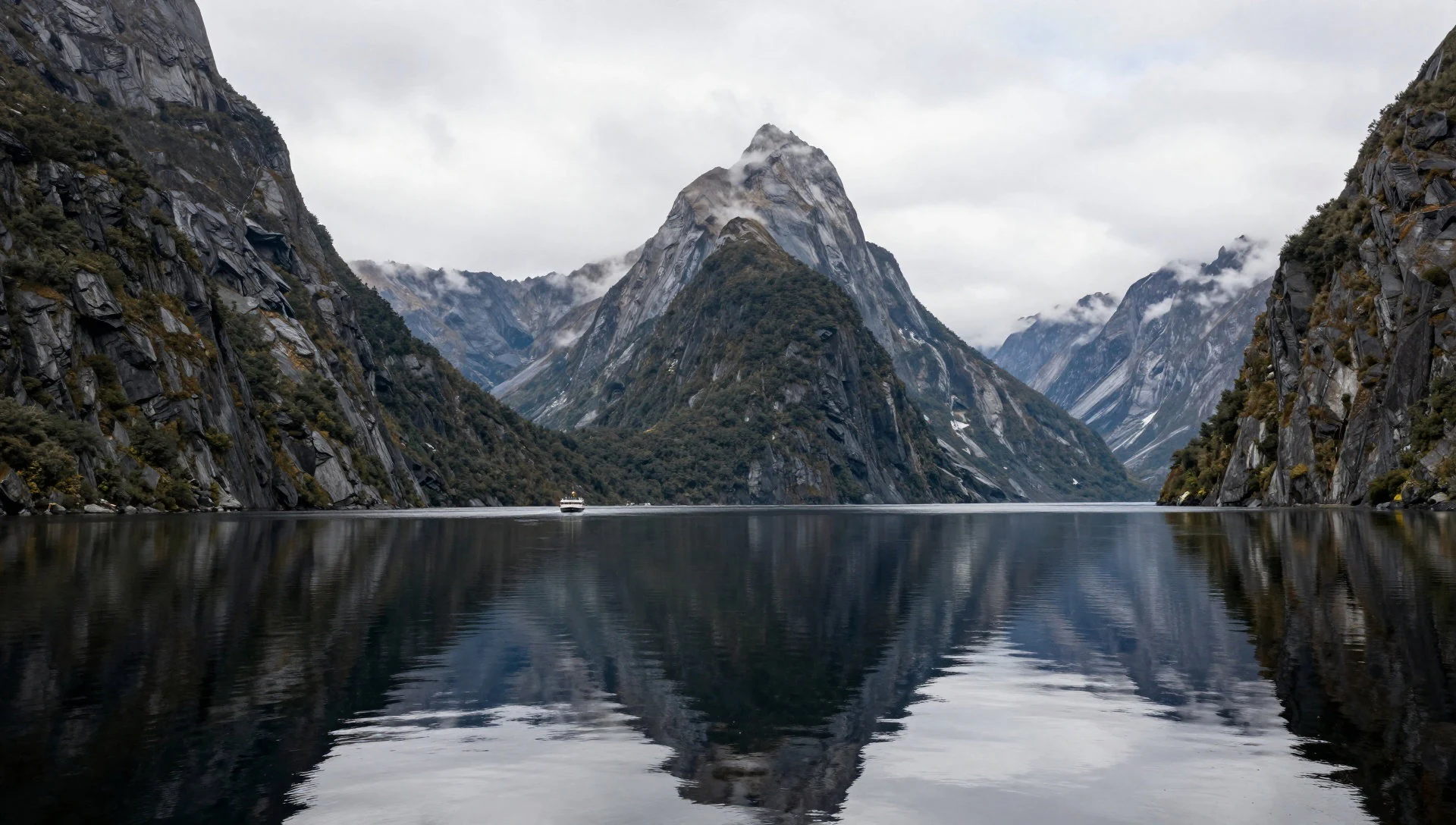
- Lady Bowen Falls
Located near the inner head of the fiord, this permanent waterfall plunges down a stepped rock face with immense force. It serves as a constant, thundering feature of the landscape and provides power to the local community.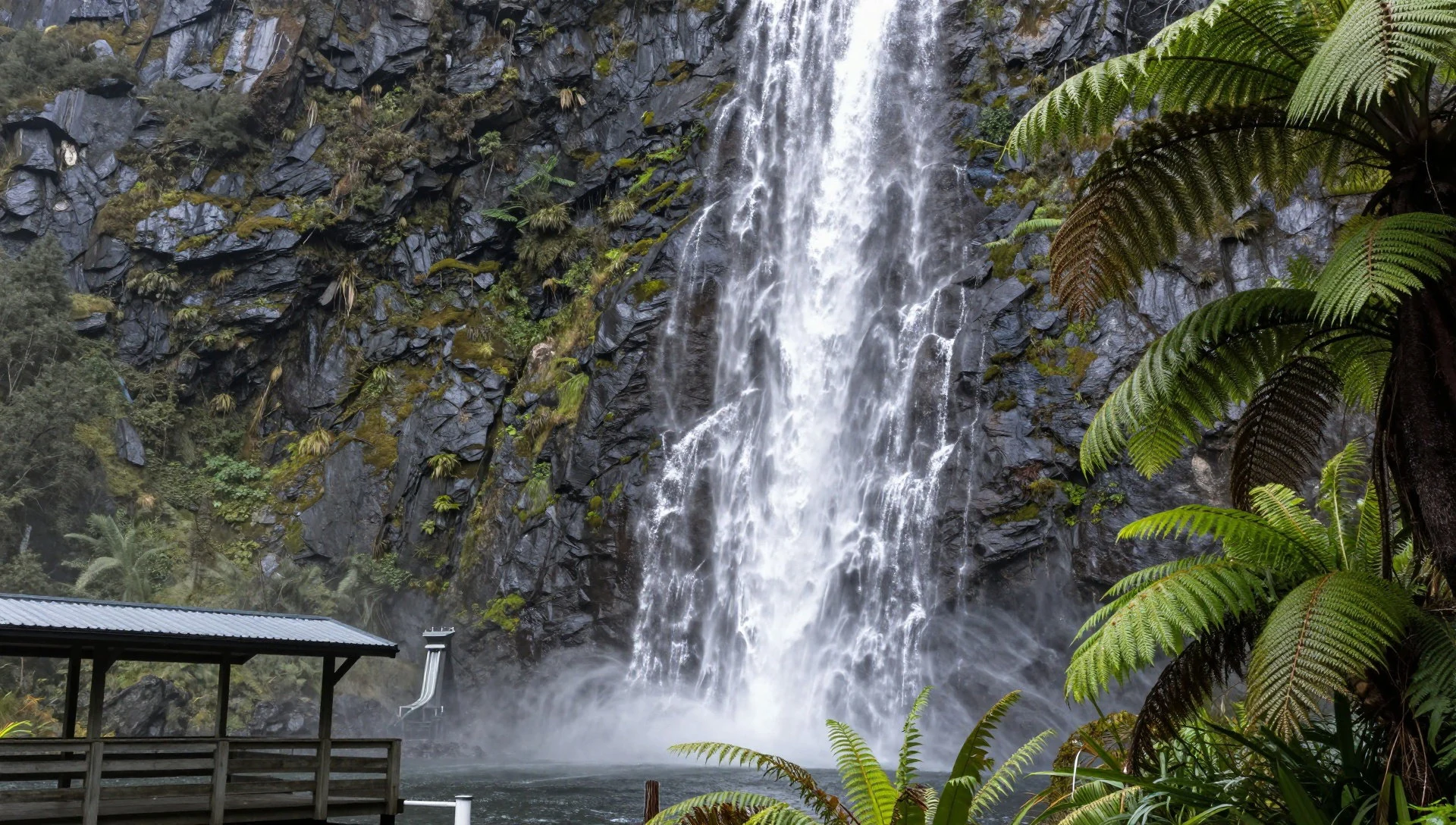
- Stirling Falls
Fed by glacial moisture high above the valley, this dramatic torrent drops straight down the cliff into the deep water below. Tour vessels frequently nose right up to the falling spray so visitors can witness the sheer scale of the cliff walls.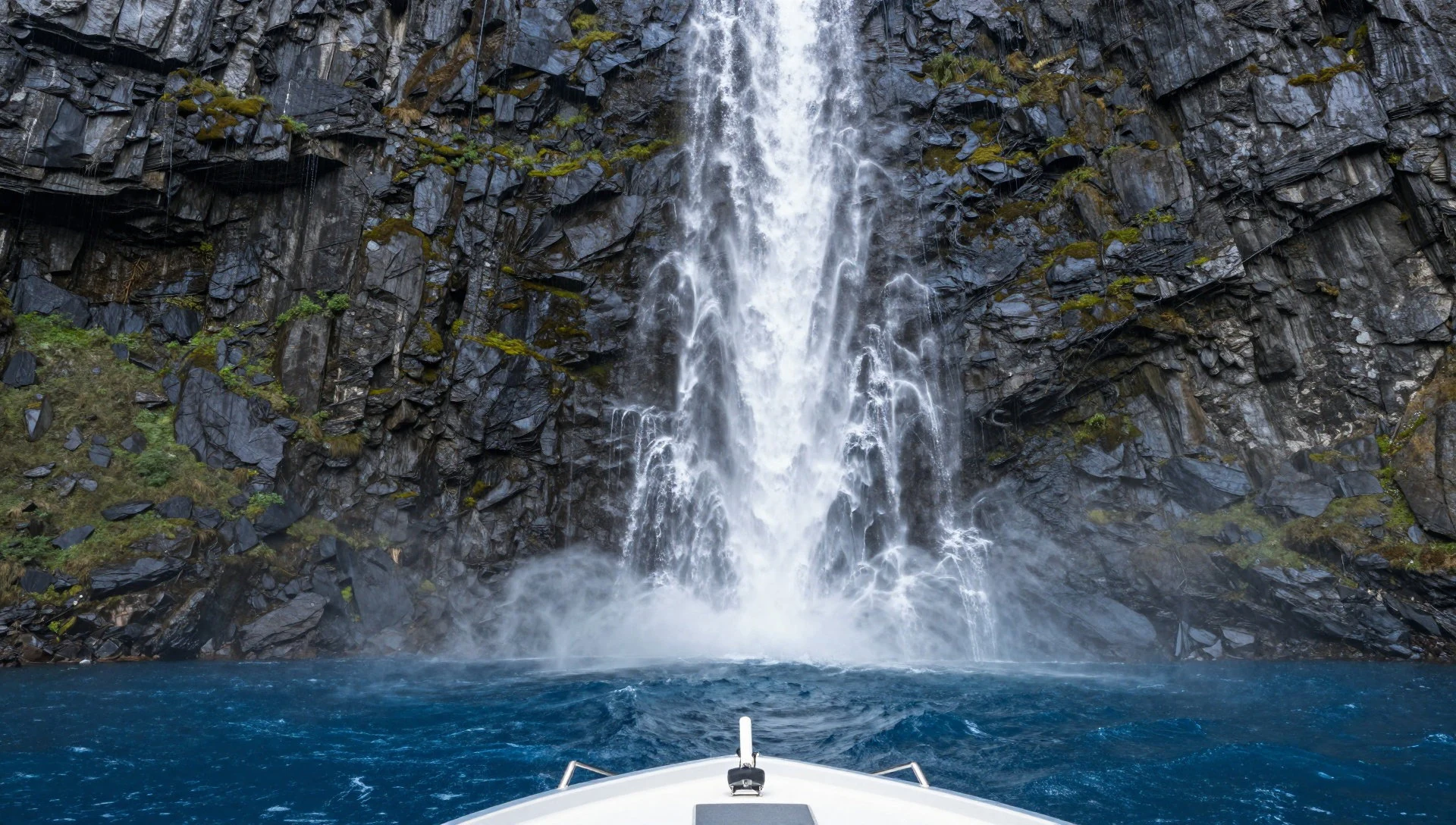
- Fiord Wildlife
The sheltered waters and surrounding bush support diverse native creatures. Travellers frequently spot fur seals resting on shoreline rocks, pods of dolphins riding the boat wakes, and occasional penguins along the outer coastal edges.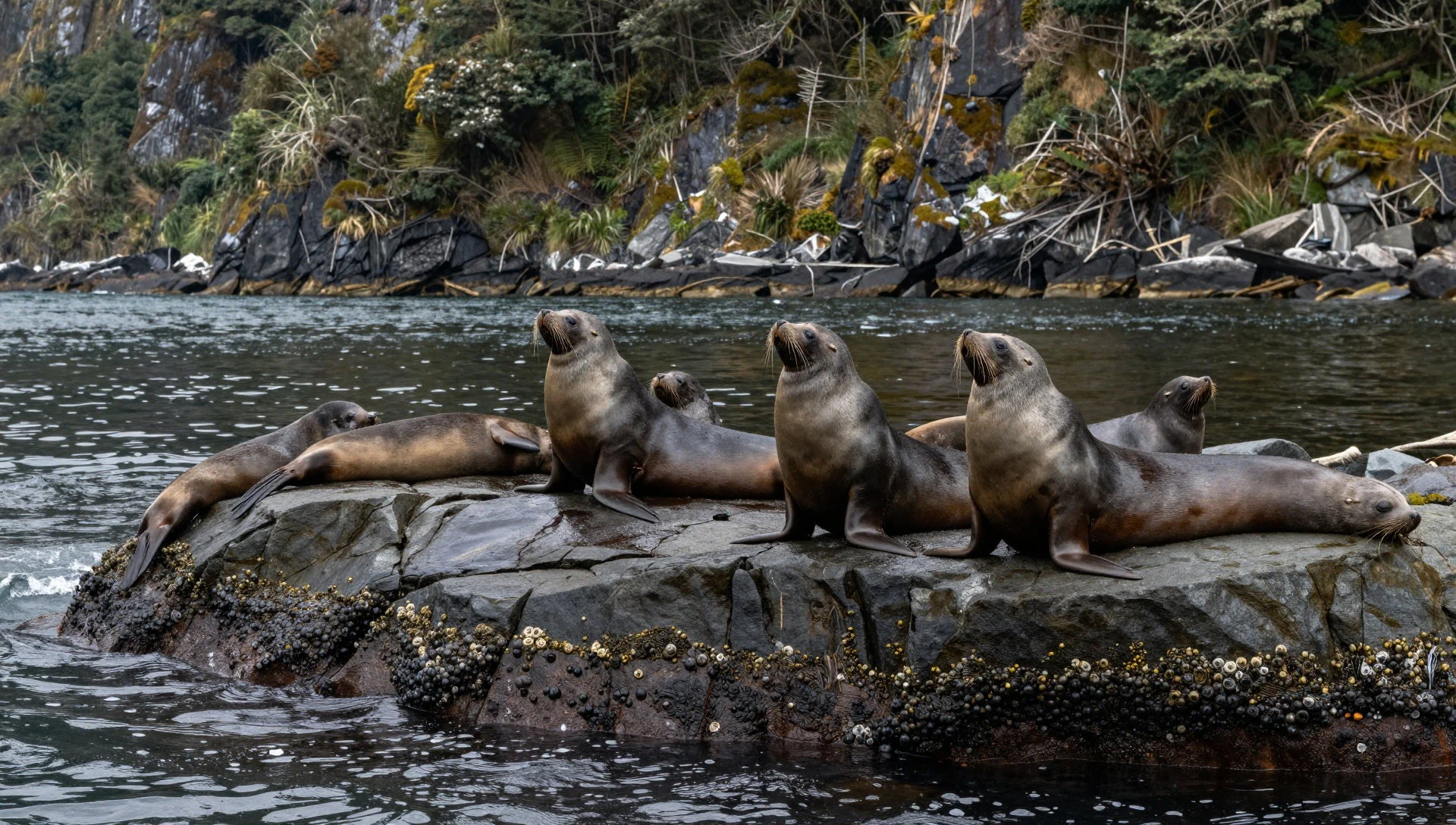
Culture
The cultural heritage of Milford Sound is rooted deeply in indigenous Māori traditions, where the land and waters are held as taonga, or treasured possessions imbued with spiritual significance. Local iwi hold historical guardianship over the region, passing down stories of creation, resource gathering, and travel through the challenging terrain. European settlement brought maritime trade, conservation efforts, and eventually the establishment of protected national park status to preserve the rare ecosystems found here. Today, the local community consists largely of conservation workers, boat skippers, hospitality staff, and guides who manage the steady flow of international visitors while protecting the fragile environment from over-impact. Travellers entering the area are encouraged to respect local conservation guidelines, pack out all waste, and maintain distance from wildlife resting on the shoreline. Always dispose of your rubbish properly and respect local conservation guidelines to protect this fragile marine ecosystem.
What to wear
In Milford Sound, traditional clothing reflects practical adaptation to a wet, cool wilderness climate rather than ceremonial attire, historically drawing on woven flax garments suited for damp coastal conditions. Contemporary residents and tourism workers dress in durable outdoor layers, prioritising weather protection over fashion trends given the frequent rainfall and chill winds coming off the water. Visitors heading to Milford Sound should pack waterproof outer shells, sturdy walking shoes with good grip for damp wooden decks and uneven trails, warm fleece layers, and insect repellent. Weather changes rapidly here from warm sunshine to cold driving rain within hours, making versatile layers essential for a comfortable experience.
What to eat
- Blue Duck Cafe & Bar — The village centre near the wharf
The sole dining establishment operating within the settlement, serving hearty hot breakfasts, simple lunches, and evening meals alongside regional tap beers. - On-Board Vessel Refreshments — Aboard the scenic tour boats
Many cruise operators provide packed lunches, hot beverages, or catered buffet options during daytime sailings across the water. - Packed Trail Snacks — Brought along from departure towns
Because dining choices at the destination are extremely limited, many travellers bring their own provisions purchased in nearby towns before driving down. - Local Craft Beer — The village bar
Regional New Zealand brews, including traditional tap beers, are served at the local bar to warm up visitors after a damp day on deck.
Plan it
Best time. The summer months bring longer daylight hours and milder temperatures, while spring and autumn offer quieter trails and dramatic snow dusting on the peaks, though rain falls year-round.
How long. 1–2
Getting there. Most travellers arrive by coach or car along the winding mountain highway from Queenstown, or take scenic light aircraft flights from Queenstown or Wanaka.
Budget. high
Tips
- Book boat cruises and accommodation well in advance during peak season
- Check road conditions and weather forecasts before driving yourself through the pass
- Bring sturdy waterproof gear and insect repellent for the sandflies
- Start your journey early in the morning to allow ample driving time
Etiquette
- Take all rubbish with you and leave no trace in the national park
- Keep a respectful distance from seals, dolphins, and nesting wildlife
- Respect local conservation rules and stay on marked walking tracks
Nearby
Sources
- Wikidata Q187197 (CC0)
- Wikipedia (rev 1378439501) (CC-BY-SA 4.0)
- Wikivoyage (rev 5385187) (CC-BY-SA 4.0)