Kielce
Kielce, Poland
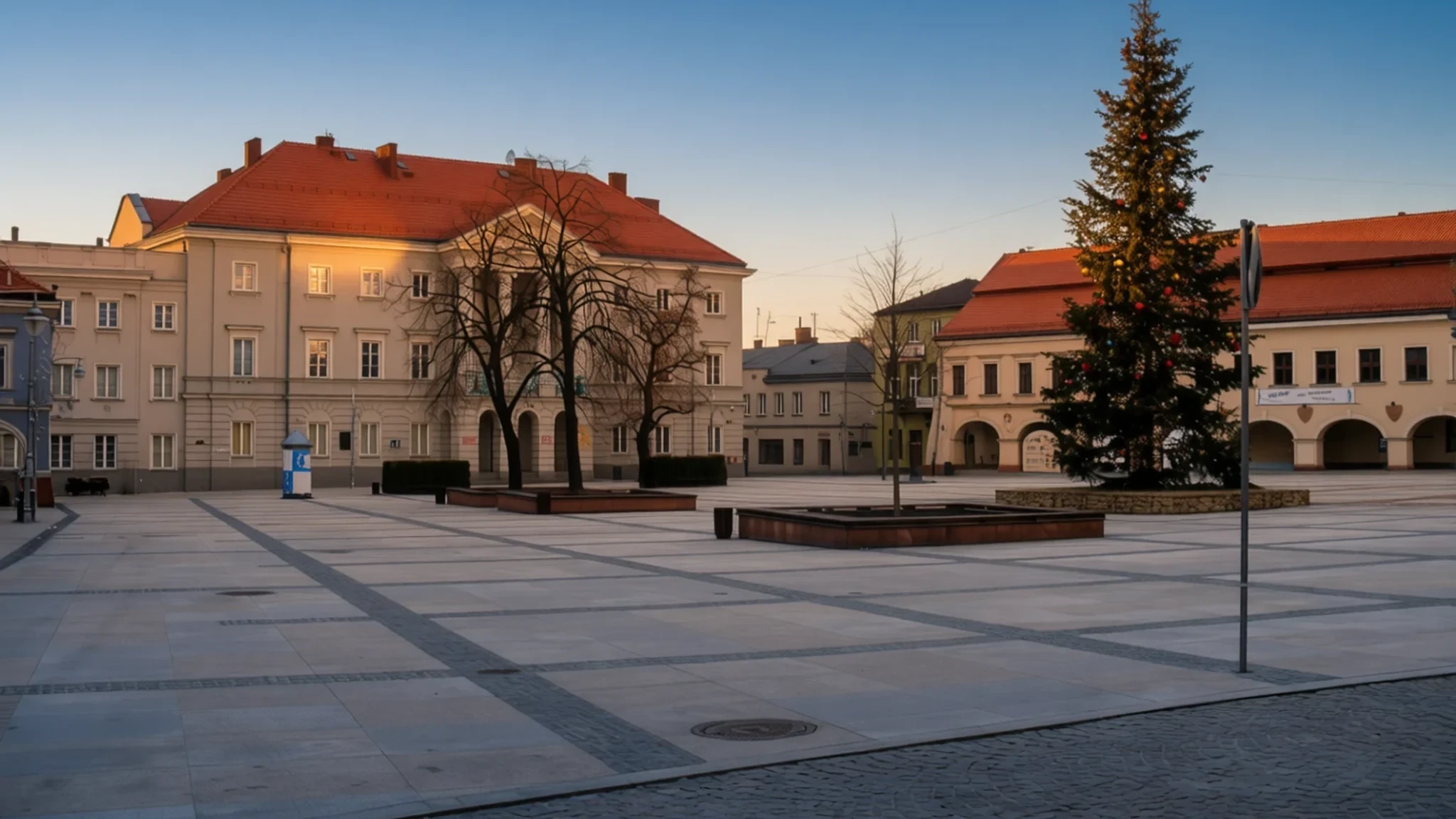
Kielce blends compact city sights with quick access to green hills, so it feels easy even when the weather turns.
The place
Kielce is the regional capital of the Świętokrzyskie Voivodeship in south-central Poland, set on the Silnica River and surrounded by the Holy Cross (Świętokrzyskie) Mountains. It’s the kind of city that doesn’t rely on one “icon” to carry everything—its charm comes from the way history, museums and parks sit close to each other.
On a map, Kielce reads like a straightforward stop, but in reality it has layers. The old-town layout makes it pleasant to wander on foot, and the main historical core is well connected to the Palace of the Kraków Bishops and nearby civic buildings. From there, the city shifts smoothly into quieter spaces: a long-running municipal park feel, museum branches tucked around the centre, and the sense that nature is not far away.
Plan for proper seasons. Summers are warm, with most rain arriving in late spring and summer, often as heavy downpours and thunderstorms. Winters are cool and cloudy, and light snow falls almost daily. May and June are typically the warmest and wettest months, while April, September and October are usually the most comfortable for roaming between viewpoints, museums and the quieter streets.
Crowd-wise, Kielce is calmer than the big Polish draw-cards. On weekdays, you’ll usually share museums with locals and a handful of visitors; at weekends and around special events, some places pick up. Costs are generally manageable for a European city day—especially because many highlights are easy to stitch together without long transfers.
If you like cities that feel lived-in, with plenty of indoor options when the sky changes, Kielce is a satisfying, low-stress choice.
Its story
Kielce’s story starts long before the streets look like they do today. The broader area has seen people settle and trade for centuries, and the river landscape of the Silnica helped make the region workable for early communities. Over time, control in the region shifted between larger regional powers, and the settlement’s fortunes followed.
A key turning point was when the settlement became tied to the bishops of Kraków, which brought more structured buildings and a steadier civic rhythm. The town earned city rights by the late 13th century, and even setbacks didn’t erase it—after the town was damaged during the Mongol invasion period, it recovered rather than disappearing. By the middle ages, Kielce’s location in a mineral-rich landscape mattered: limestone and metal ores shaped the local economy, and the town developed a reputation for metalworking and related industries.
Kielce also built a culture of “institutions”—schools, museums and theatres—rather than just monuments. Today those layers show up in places like the historical museum strands and the broader network of cultural venues. Even the modern sports identity connects to the city’s habit of supporting local clubs and events.
One small detail helps explain why Kielce feels friendly: it’s compact enough that history and present-day life keep bumping into each other as you walk. The result is a city where you can learn the outline of its past, then switch gears and spend the afternoon in a park, a museum room, or along streets that still feel made for strolling.
What to see
- Palace of the Kraków Bishops — Near the city centre, by the palace complex
The Palace of the Kraków Bishops is the most prominent historical stop in central Kielce, tied to the bishops who shaped the town’s development. It also anchors the National Museum in Kielce’s broader network, so it’s a good “start here” choice for history + collections.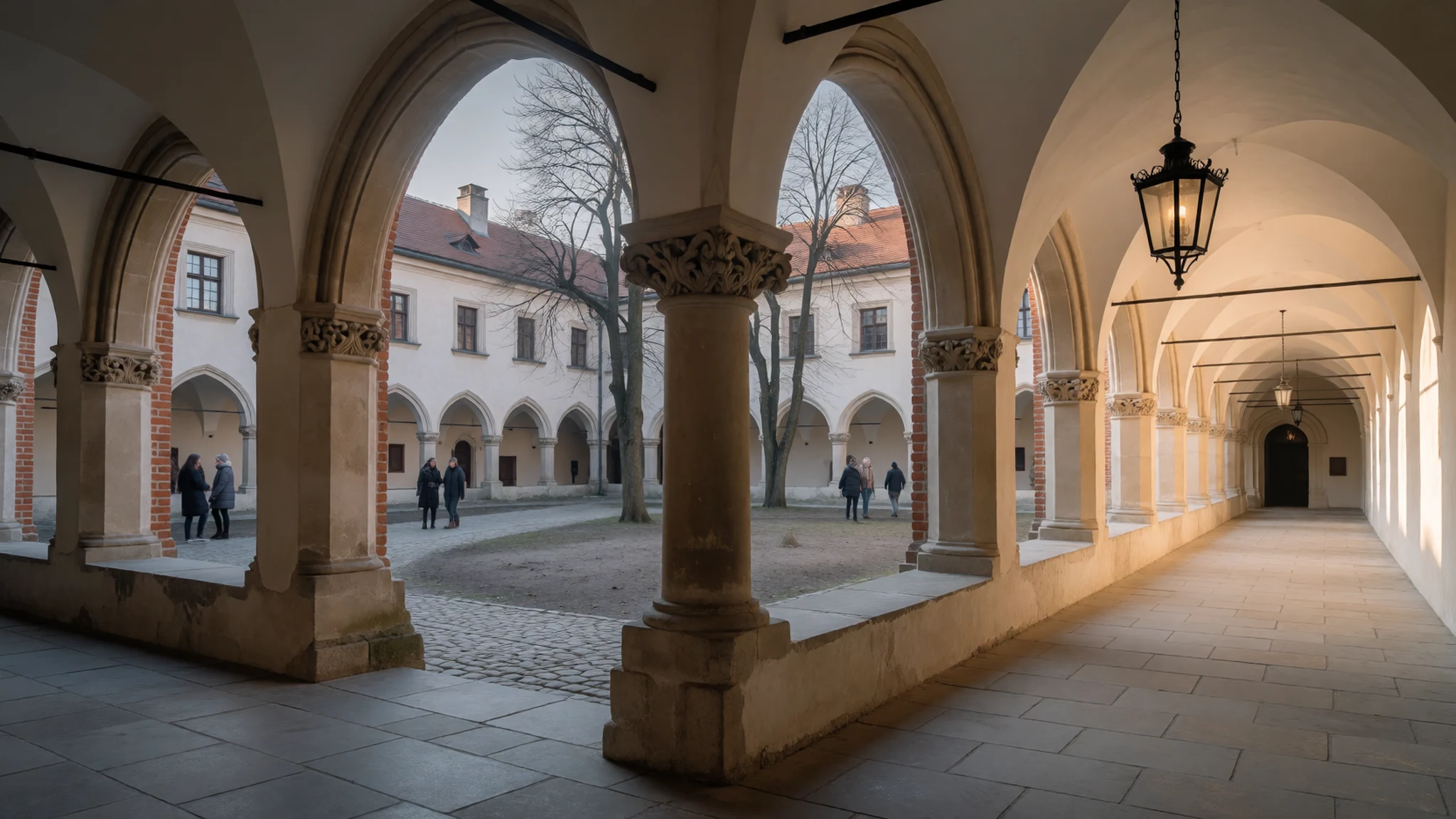
- Municipal Park — Central area, close to the historic core
Municipal Park offers a calm break from museums and streets. It’s one of the older parks in Poland, and it works well when the weather is changeable: wander slowly, find a shady path in warm spells, and keep the pace light before heading back for the next indoor stop.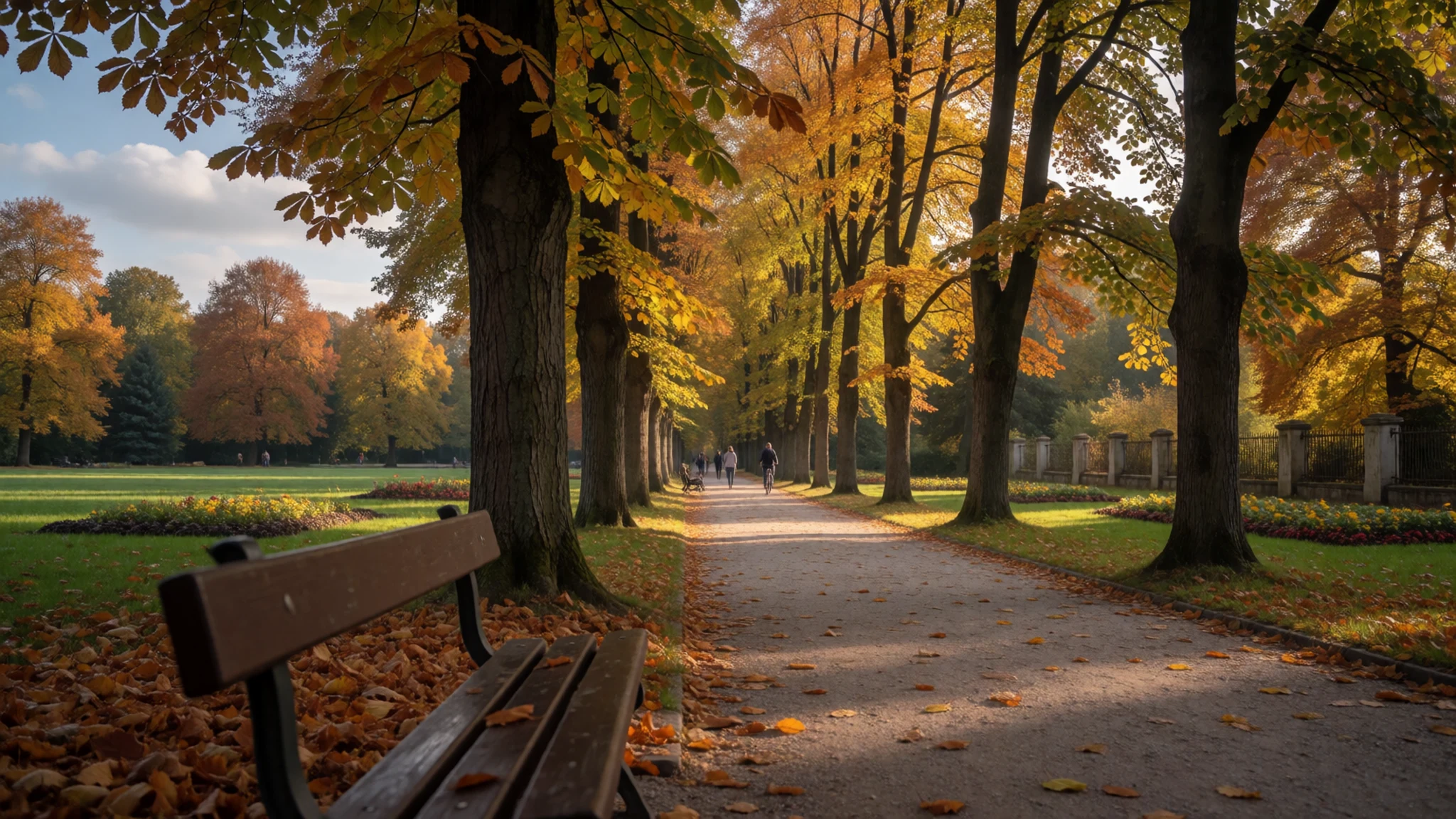
- Cathedral of the Ascension of Mary — Near the palace area in central Kielce
This cathedral sits close to the bishops’ palace area, making it easy to combine with a museum visit. It’s a straightforward, meaningful architectural stop—quiet enough for a breather, but central enough that the rest of the day can revolve around it without feeling spread out.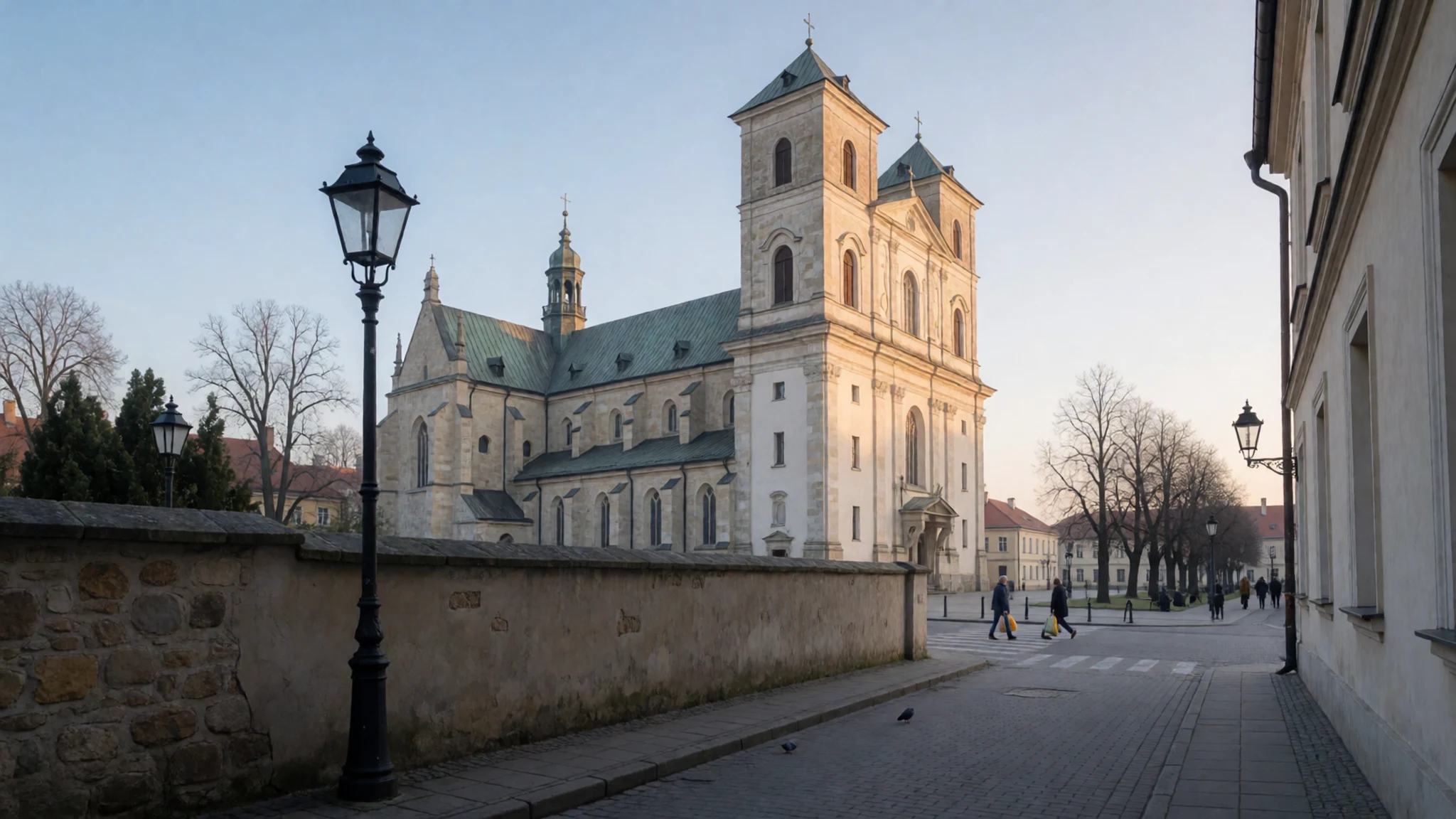
- Kadzielnia Amphitheatre — Kadzielnia area, slightly outside the strict centre
Kadzielnia Amphitheatre brings the geology-and-outdoors side of Kielce into view. It feels like a place for open-air events, but even without a scheduled programme it’s a solid “step outside” stop—useful when the centre has been covered and a short change of scenery is needed.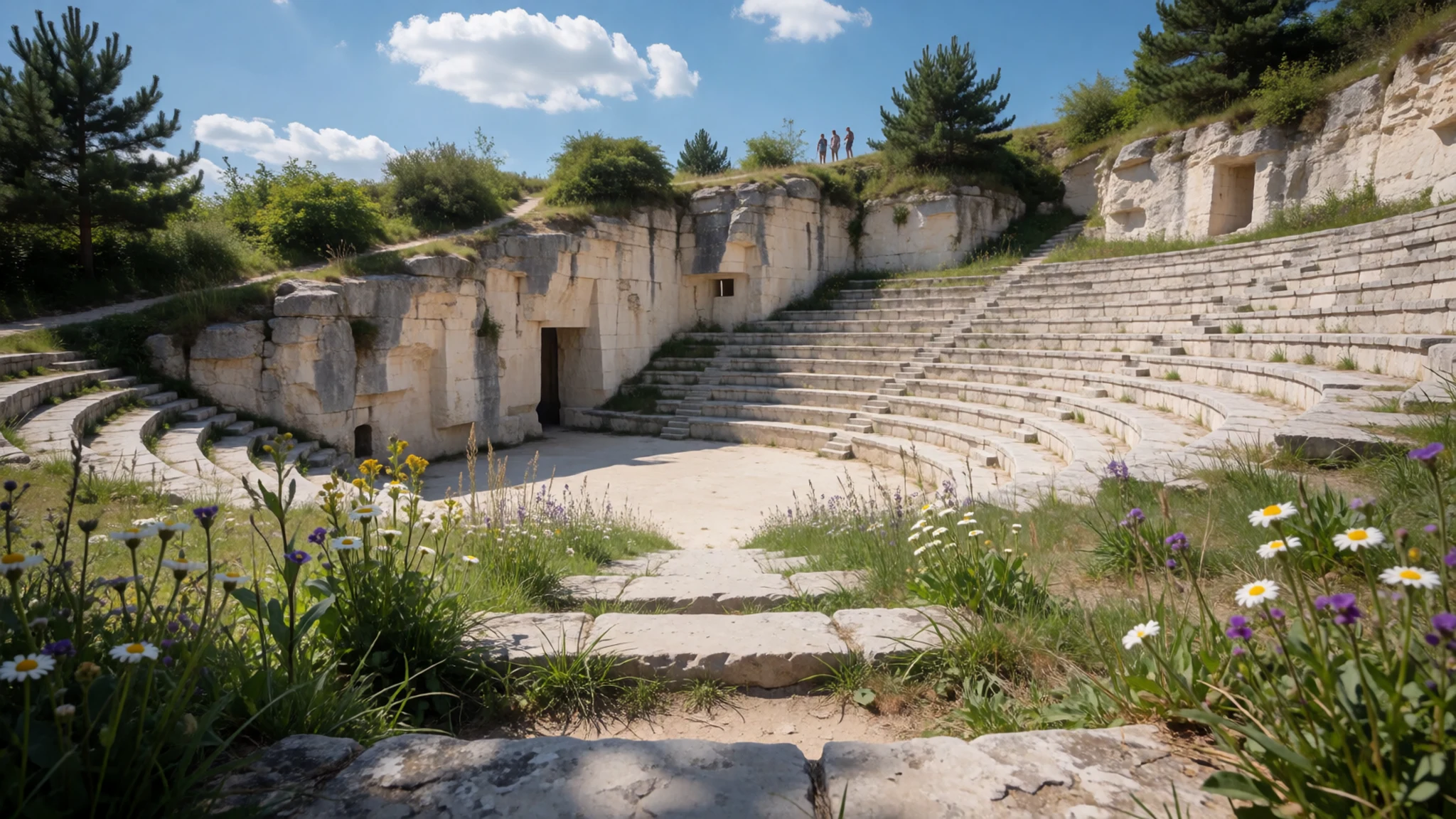
- Toy Museum — Central Kielce, around the museum cluster
The Toy Museum is an easy, family-friendly diversion that still works for adults who like collecting and design stories. Pair it with another museum in the centre: it’s the kind of indoor stop that makes a rainy day in Kielce feel far less inconvenient.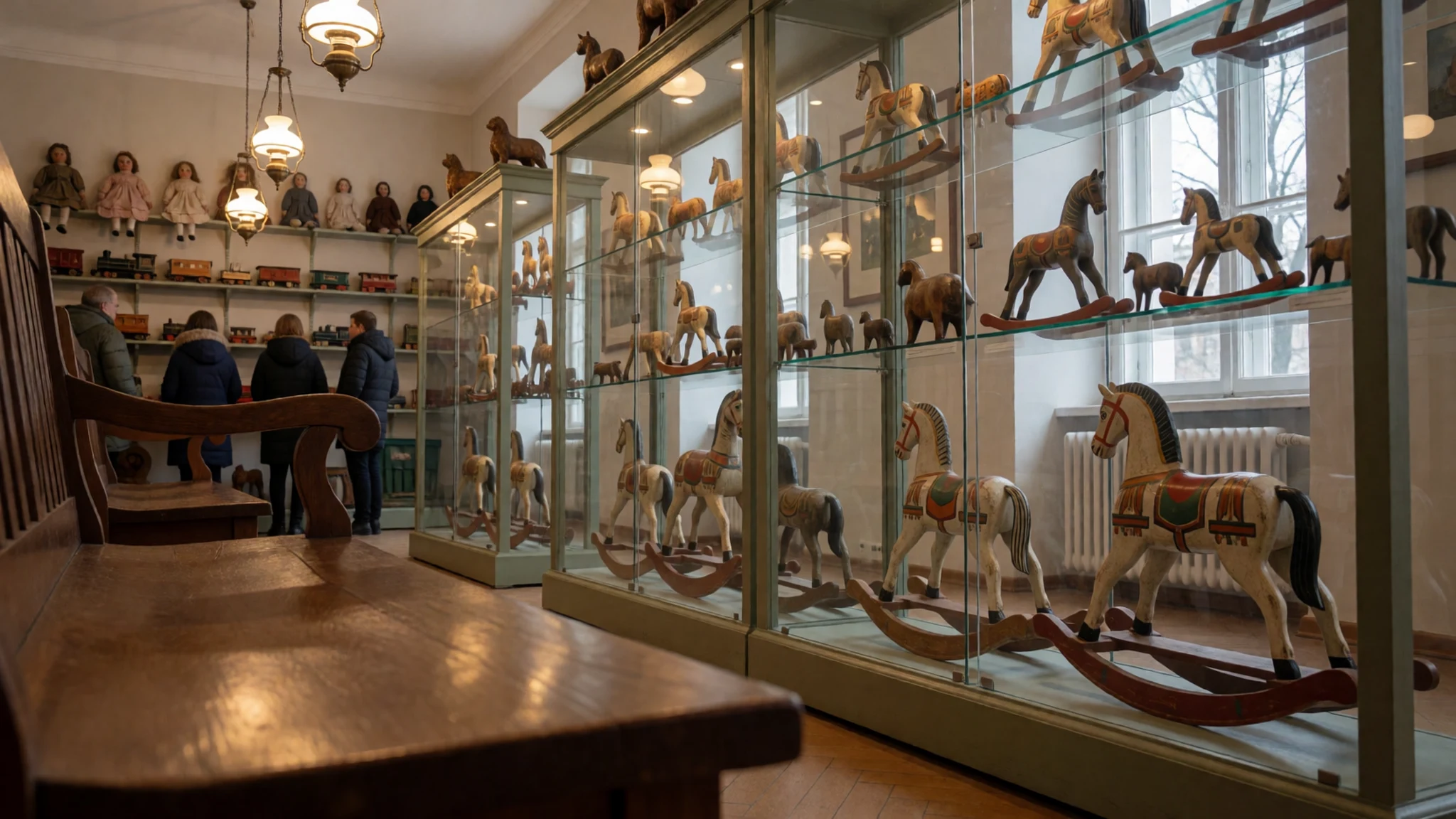
- Stefan Żeromski Theatre — City centre, within walking distance of other cultural sites
Stefan Żeromski Theatre gives Kielce a more performance-focused angle than the museum programme. It’s a good option if you want evening plans that still feel local, especially when the daytime itinerary has included churches and galleries.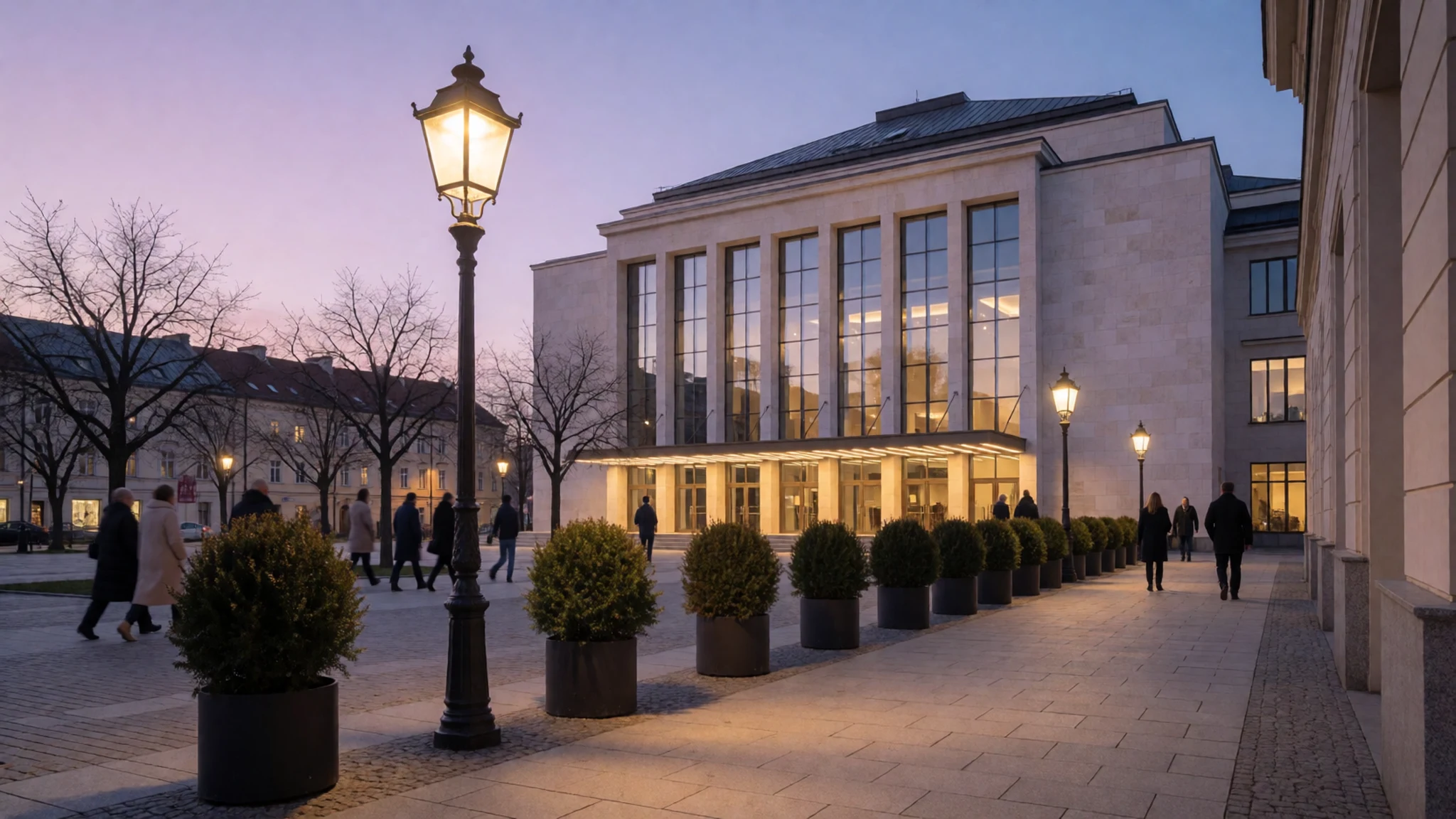
Culture
Kielce’s culture is built around institutions: museums, theatre and sport clubs that locals follow closely. In the museum sphere, the National Museum in Kielce provides fine-arts collections, while the Kielce History Museum and the Museum of Toys and Play offer a more varied “from old to playful” day. There’s also a Stefan Żeromski museum option for literature lovers, plus smaller thematic museums depending on what angle of history or everyday life feels interesting.
If theatre is your thing, Stefan Żeromski Theatre is the anchor, and Kielce also has venues like Kieleckie Centrum Kultury (KCK) and dedicated companies such as Teatr Lalki i Aktora “Kubuś” (puppet and actor work) and the Kielce Dance Theatre. These create a steady local rhythm: not just one-off events, but ongoing programming.
Sports matter here too. Kielce is associated with Iskra Kielce in handball history, and the city’s broader club ecosystem ranges from athletics and martial arts to football and even other niche interests.
Visitor etiquette tip: In churches and cathedrals in Kielce, keep voices low, dress modestly, and avoid blocking entrances for photos.
What to wear
Kielce doesn’t have one single “must-wear” traditional outfit for visitors on the street. When Polish traditional dress appears, it’s usually tied to regional costumes and special cultural events—think embroidered blouses, patterned skirts or traditional outer layers, and headwear where appropriate, often worn on festival days rather than as everyday wear.
What people wear day to day is practical European city clothing, adjusted for real weather. Summers can feel warm, but they also come with bouts of rain and thunderstorms, so lightweight layers and a proper waterproof jacket help. Winters are cool and often grey with snow showing up at times, so warmer coats, a hat and gloves are sensible.
For a visitor, the main dressing guidance in Kielce is about entrances and comfort. Churches and other religious spaces call for modest clothing (cover shoulders where possible and choose clothing that doesn’t feel overly revealing), and comfortable shoes matter because you’ll likely mix museum floors with walking in parks and on uneven outdoor paths around the centre. If visiting in cooler months, bring warmer layers you can peel back when you move between indoor galleries and outdoor streets.
What to eat
- Kielecki Mayonnaise — Supermarkets and regional food stalls in the city centre
Kielecki Mayonnaise is one of Kielce’s best-known local food products. Look for it in regional food sections at supermarkets and speciality stalls around the city centre, often sold as a ready-to-eat accompaniment to cold snacks and sandwiches.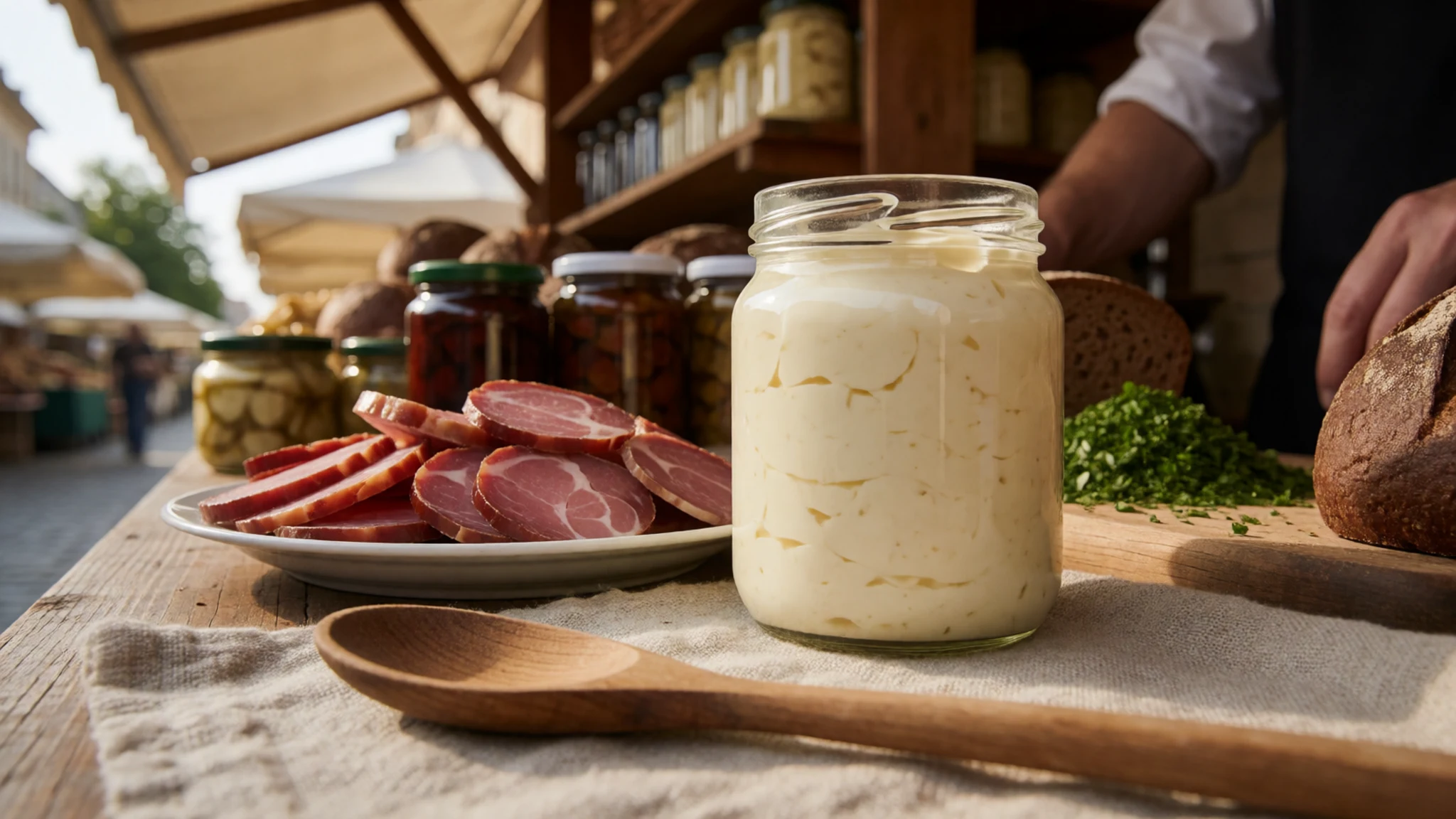
- Polish dumplings (pierogi) — Local restaurants and market-style food areas
Pierogi are a safe comfort-food bet in Poland, and Kielce is no exception. They’re commonly found in local eateries and can also show up at food markets, where different fillings give you a quick way to sample local flavours in one sitting.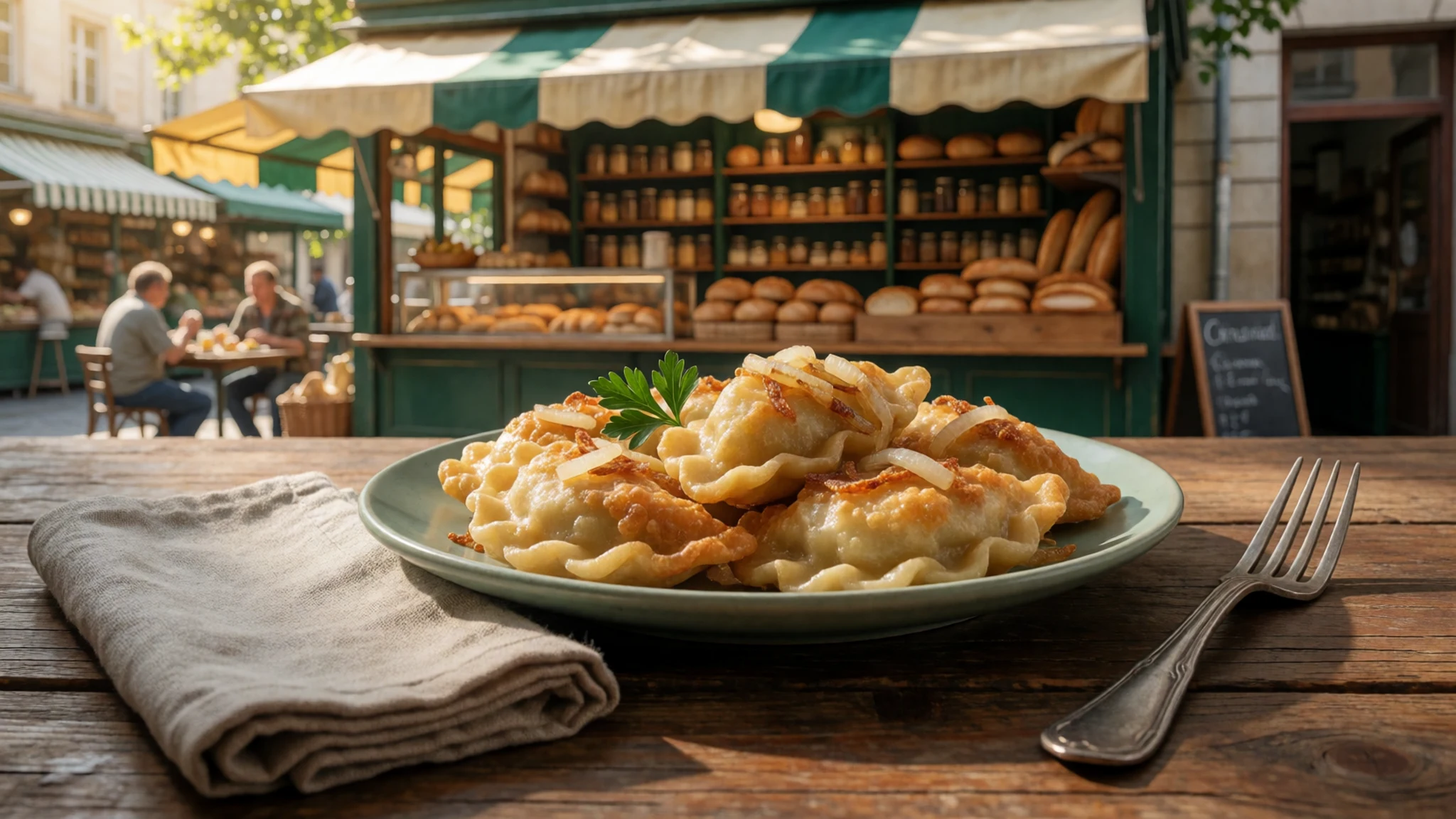
- Cabbage and pork style stews — Polish-style restaurants across the centre
Hearty Polish stews are particularly welcome in colder months. In Kielce, they’re typically served in everyday Polish dining rooms, with menus often rotating seasonally; it’s a good choice when the weather is wet or wintry and you want something filling. - Pickles and cured sides — Market stalls and deli-style food counters
Poland does pickled and cured sides well—tangy, salty, and great with breads and cold meats. In Kielce, you can often find them alongside local lunches in small eateries or at market stalls where vendors sell pre-packaged local goods. - Seasonal fruit-and-cream desserts — Cafés and bakeries around the old-town streets
When the weather turns from grey to bright, you’ll see simple desserts more often: fruit-based options and cream-heavy sweets. They’re usually available in cafés and bakery counters around the old-town area, especially on weekends.
Plan it
Best time. May–August for warm sightseeing, with the wettest months being May and July; October and April are cooler but often comfortable for strolling, while winters run from December to February with cool, cloudy conditions and light snowfall.
How long. 2–3
Getting there. The nearest practical rail hub is Kielce rail station in the city centre. By air, fly to Kraków-Balice Airport (closest) or Warsaw Frederic Chopin Airport, then continue by car, bus or train to Kielce.
Budget. mid
Tips
- Start your day with the palace/old-centre sights so the main walking is done early
- Keep one museum slot buffered for rain, since thunderstorms can pop up in the warmer months
- If visiting in peak spring/autumn weekends, expect slower foot traffic around the centre and museums
- Plan short outdoor stops (like parks/amphitheatre) rather than long hikes unless the weather looks stable
Etiquette
- In churches, dress modestly and keep noise down
- If a theatre performance is on, arrive a little early and follow staff guidance on seating and photography
Nearby
Sources
- Wikidata Q102317 (CC0)
- Wikipedia (CC BY-SA 4.0)
- Wikivoyage (CC BY-SA 4.0)
- Photo photos/01-20130421-kielce-palac-biskupow-krakowskich-3127.jpg (CC BY 3.0)
- Photo photos/02-kielce-pa-ac-biskup-w-krakowskich-w-kielcach-ksp-02-cropped-.jpg (CC BY 4.0)
- Photo photos/03-kielce-rynek-2-cropped.jpg (CC BY-SA 3.0 pl)
- Photo photos/04-kielce-kirche-5.jpg (CC BY-SA 4.0)
- Photo photos/05-teatr-kielce-2024-125957435.jpg (CC BY-SA 1.0)
- Photo photos/06-20130421-kielce-galeria-korona-3164.jpg (CC BY 3.0)
- Photo photos/07-dworek-laszczyk-w-kielce.jpg (CC BY-SA 4.0)
- Photo photos/08-kielce-kirche-4.jpg (CC BY-SA 4.0)


