Khan Khentii
Khan Khentii, Mongolia
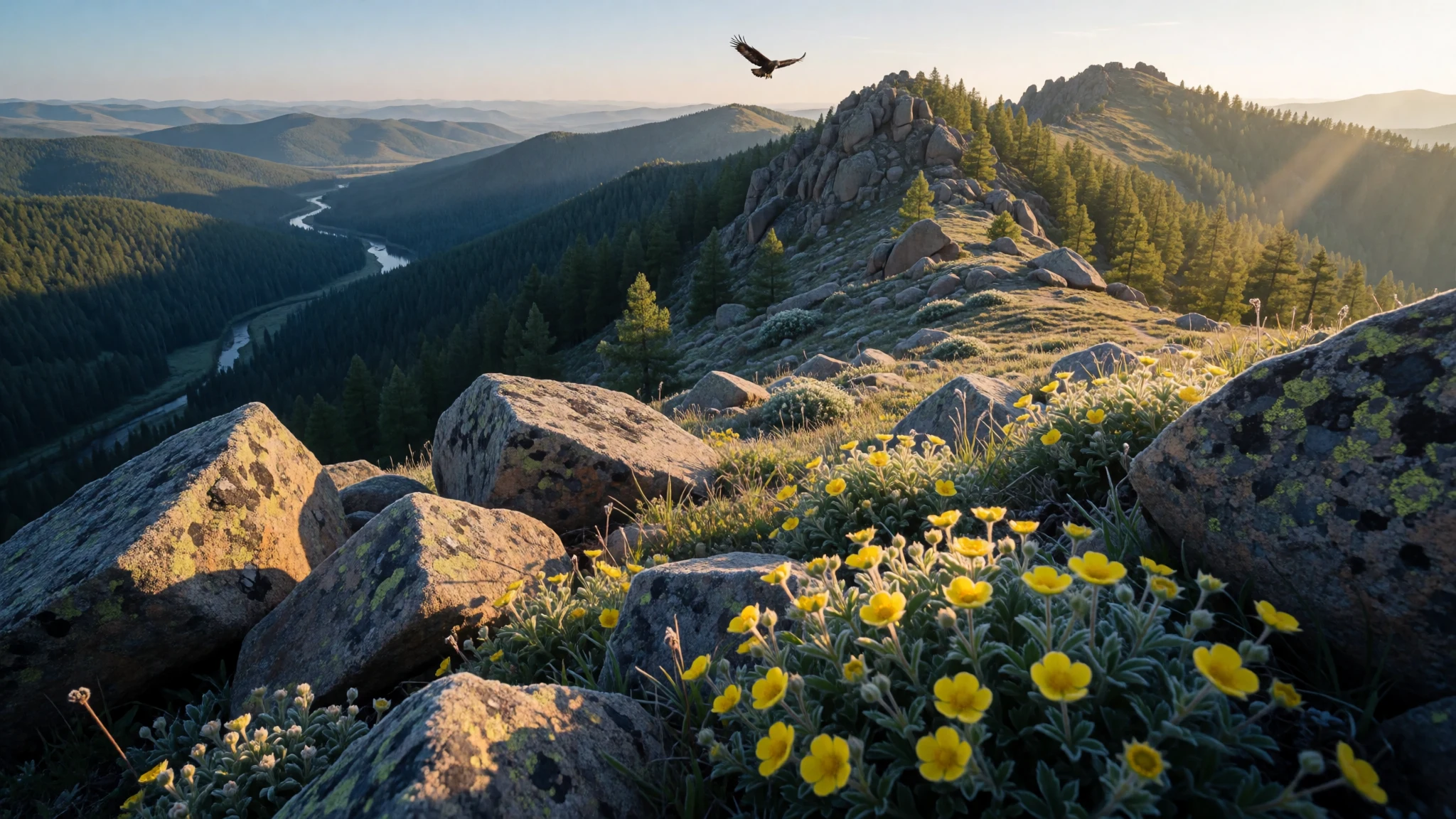
Khan Khentii is a sacred, tightly protected mountain wilderness in eastern Mongolia, tied to Genghis Khan's birth and best reached slowly, with a local guide.
The place
Khan Khentii is a strictly protected area in the Khentii Mountains of eastern Mongolia, established in 1992 and listed at about 969 metres above sea level. It is a conservation zone rather than a park in the usual visiting sense: hunting and mining are prohibited, and both herding and tourism are tightly controlled. Money for looking after it is scarce, which is worth remembering before assuming that protected means well equipped. The landscape is mountain country at the edge of the steppe, with forested slopes, river valleys and the wide skies that earned Mongolia its nickname, the Land of Blue Skies. Inside the boundary stands Burkhan Khaldun, a mountain held sacred and widely regarded as the birthplace of Genghis Khan, and one of the places rumoured to hold his tomb. That gives the area religious and national meaning as well as ecological value, and many Mongolians treat it with real reverence. Mongolia is very thinly populated, so the sense of distance is genuine: services are few, journeys are long, and the nearest comforts are in Ulaanbaatar. Winters are bitterly cold, summers are warm by day and can turn cool at night, and rain falls through much of the warm season. A trip here is closer to a small expedition than a day out, and it rewards those who bring a local guide, patience and plenty of time.
Its story
Khan Khentii's story is bound up with Genghis Khan, whose birth is traditionally placed in these mountains and whose burial place has never been settled. Burkhan Khaldun, the sacred peak inside the reserve, anchors that tradition. The Mongol Empire that grew from this region reached from the Yellow Sea towards the Caspian, yet its founders left remarkably little built evidence at home. The short-lived capital at Karakorum is the main exception, and Genghis himself is said to have put up just one permanent building, a warehouse for his plunder. The secrecy around his tomb is part of the legend, and it is one reason the mountain is treated as a place to be left alone rather than dug up. Later, Stalinist religious purges destroyed most of Mongolia's Tibetan Buddhist monasteries, leaving only a few standing. Sacred landscapes like this one carried on through practice and memory rather than through buildings. The modern state gave the area formal protection in 1992 as a strictly protected area, which restricts herding and tourism and bans hunting and mining. That legal layer now sits over an older, informal one, because local people have long regarded the mountain as a place of restraint. The result is a reserve where history is mostly invisible on the ground. There are few ruins to tour, and the story is carried by the land, by place names and by what local people choose to tell.
What to see
- Burkhan Khaldun — Khan Khentii Strictly Protected Area, Khentii
The sacred mountain at the heart of the reserve, tied to Genghis Khan's birth and to rumours of his tomb. Access is controlled, and it is treated as a pilgrimage site rather than a summit to tick off. Arrange permission and a guide through the park administration or an Ulaanbaatar operator, and go in a respectful frame of mind.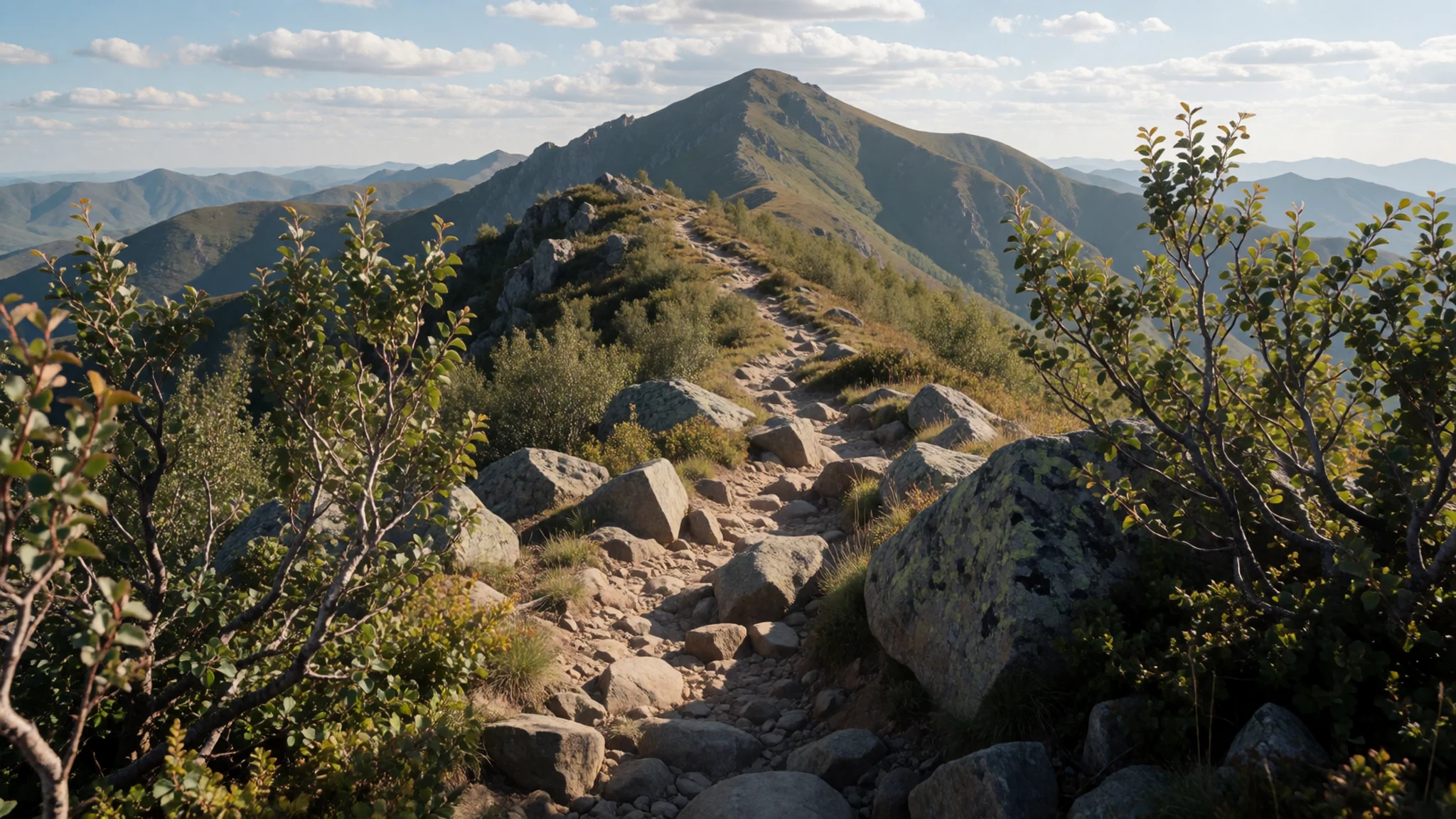
- Khentii Mountains forests and river valleys — Khentii Mountains, eastern Mongolia
The reserve's main appeal is the landscape itself: forested ridges, open valleys and rivers running down towards the steppe. Walking and horse-riding with a guide are the usual ways to see it. Expect few signs, few services and weather that can change quickly, even in summer.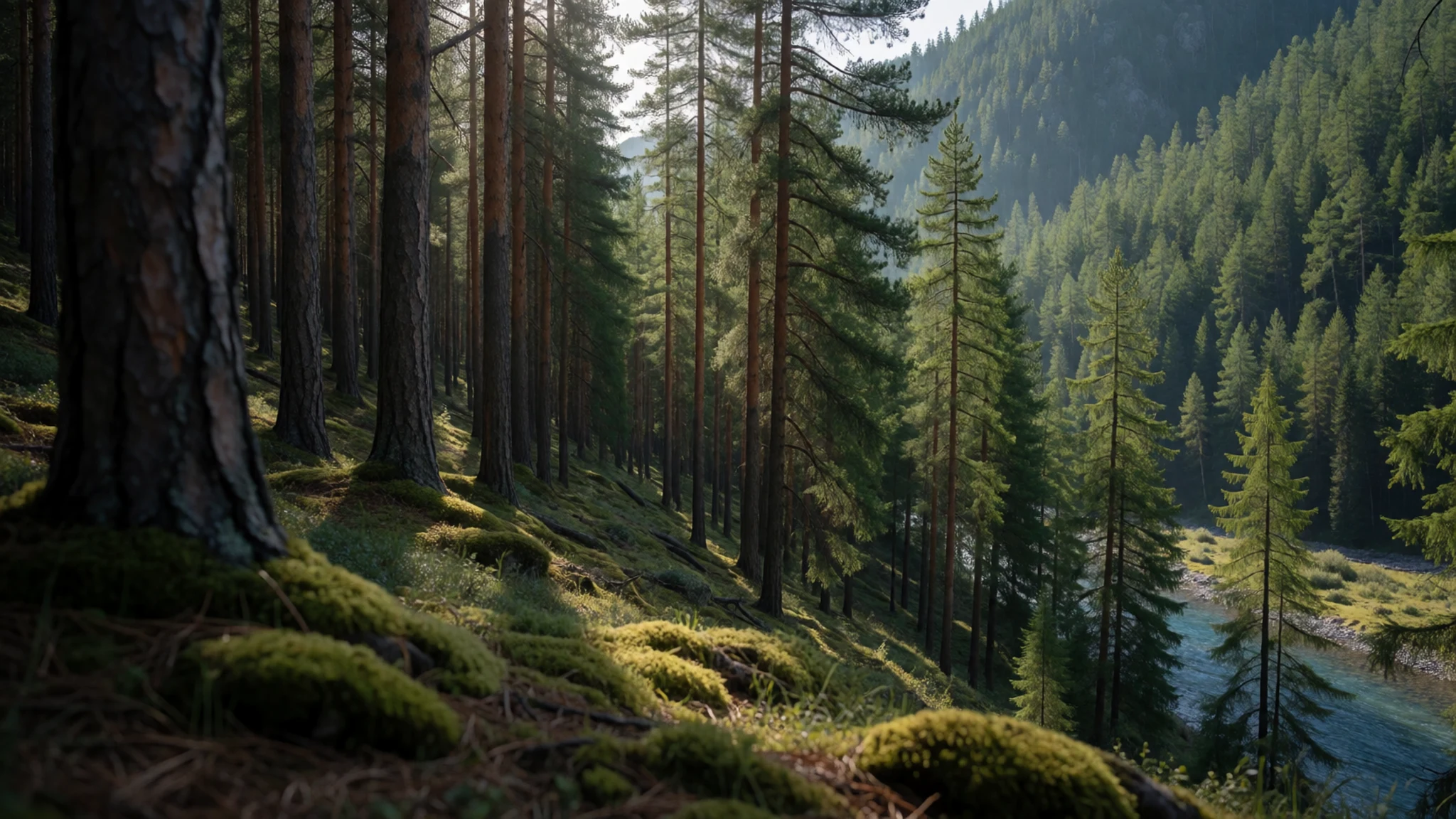
- Stone monuments of the eastern steppe — Steppe around Khentii
Mongolia has thousands of stone monuments, carved drawings and ruined structures, some of them very old, scattered across open ground. Many are unmarked and unfenced, and herders or guides are the best way to find them. They are easy to miss and easy to damage, so photograph and leave everything where it lies.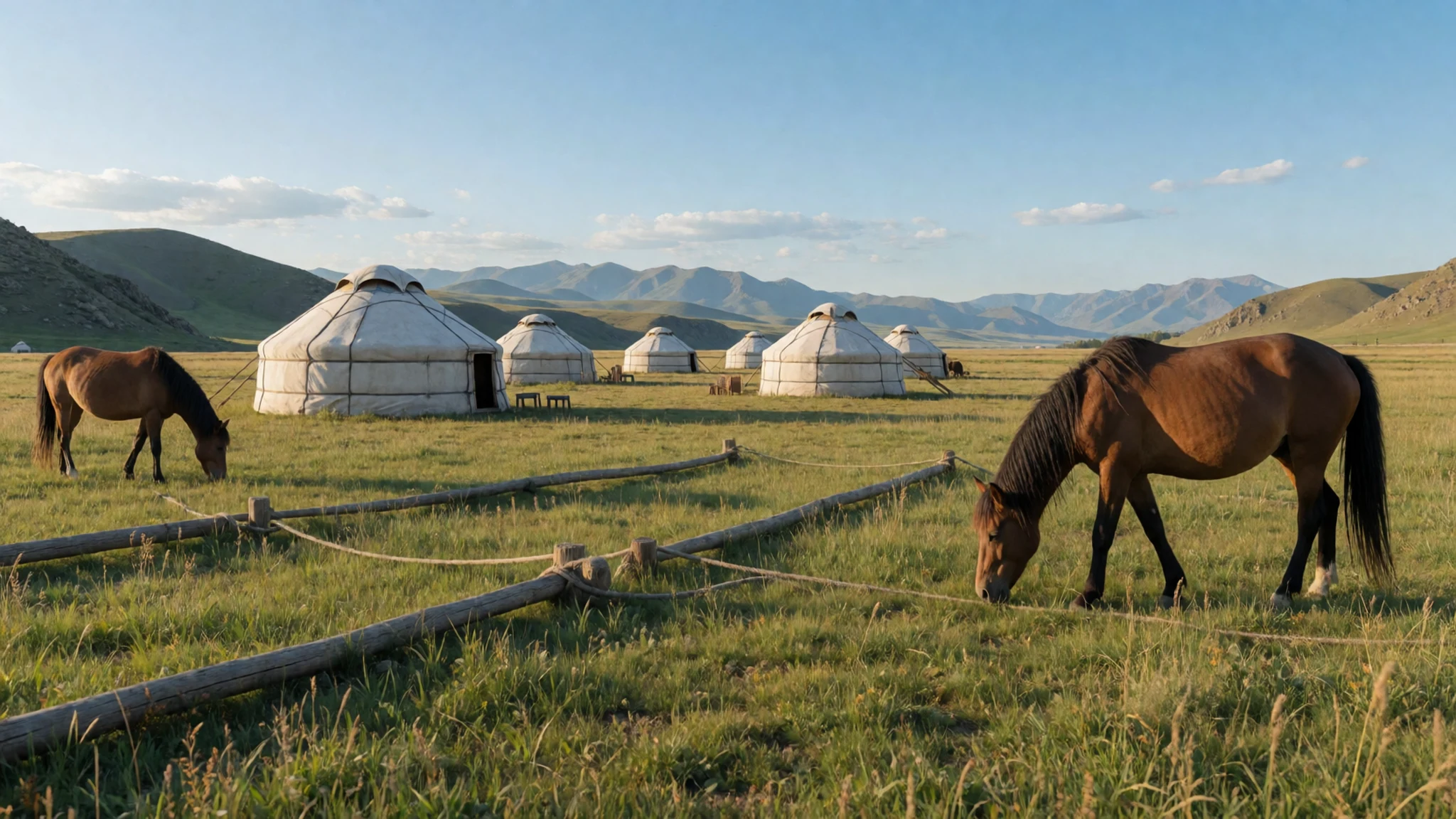
- National Museum of Mongolia — Ulaanbaatar
Ulaanbaatar is the gateway to Khan Khentii, and its National Museum holds a large range of artefacts that explain the Mongol world before you head east. It is a sensible first stop to put Genghis Khan, nomadic life and the empire in context. Check the official site for opening details.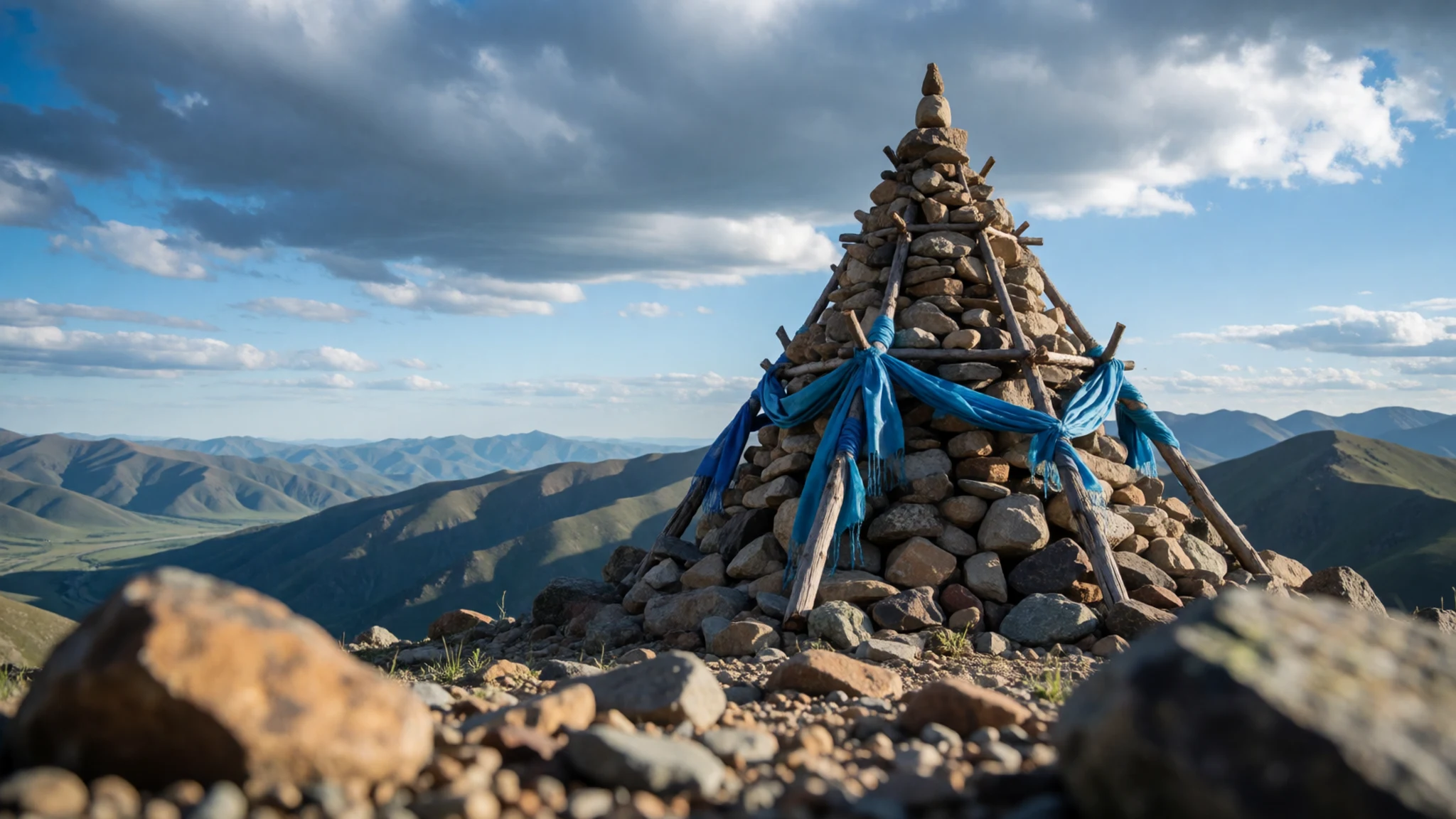
- Gandan Monastery — Ulaanbaatar
Gandan is an active Tibetan Buddhist monastery in Ulaanbaatar with a large community of resident lamas. It is one of the few monasteries to have survived the Stalinist purges and gives a living sense of the faith that sits alongside the older reverence for mountains. Dress modestly and ask before photographing monks.
Culture
Khan Khentii sits in a country where directness is the norm: Mongolians tend to say plainly what they think, and visitors used to softer conventions may find the tone blunt before they find it warm. Hospitality is serious business. A ger is entered with care, and the first thing offered is usually salted milk tea with a bowl of dried snacks. Refusing a gift is considered very rude, so take at least a small taste. Herding on horseback and living by the seasons remain part of national identity, and the Mongol past, with Genghis Khan at its centre, is a source of pride rather than a museum subject. Around Burkhan Khaldun that pride becomes reverence, because the mountain is regarded as sacred, and visitors should expect it to be treated as a place for quiet, not for spectacle. Politics is worth handling lightly. Feeling about China runs high in Mongolia, so it is wise to avoid China-related clothing or souvenirs and to steer clear of the subject in conversation. Outside the capital, English is limited, and a guide or interpreter makes a large difference, not just for logistics but for being introduced properly. Dogs guarding gers are common, and announcing yourself before you approach is part of good manners as much as safety. When you are offered tea, food or a gift, receive it with your right hand, palm facing up, and do not refuse it outright.
What to wear
Khan Khentii is herding country, and the traditional garment of its people is the deel, a long wrapped robe fastened at the side and tied with a sash at the waist. Summer deels are made of cotton or silk, while winter ones are padded or lined with sheepskin and can be heavy. Soft leather boots with upturned toes and felt or fur hats complete the outfit. The deel is worn daily by many herders, and more widely at festivals, weddings and national celebrations, when colour and trim matter. In Ulaanbaatar and the towns, most people wear everyday modern clothes: jeans, jackets, trainers and fleeces. In the countryside, herders often combine a deel with practical modern items such as waterproofs and rubber boots. A visitor should dress for weather rather than style. Bring layers, because summer days can be warm and nights cool, along with a waterproof jacket, a sun hat, and warm clothing in case of cold snaps. Sturdy, broken-in walking boots suit uneven mountain ground and long days on foot or horseback. In monasteries, cover shoulders and knees. Around the sacred mountain, choose plain, modest clothing. Because feeling about China runs high, avoid anything printed with Chinese symbols or slogans, and ask your guide if you are unsure about an item.
What to eat
- Buuz — Canteens and small eateries in Ulaanbaatar and towns
Steamed dumplings stuffed with minced meat, usually mutton, and often called the national dish. They are filling, simple and eaten with the hands. Look for them in canteens and small eateries in Ulaanbaatar and provincial towns, and in family gers if you are offered a meal.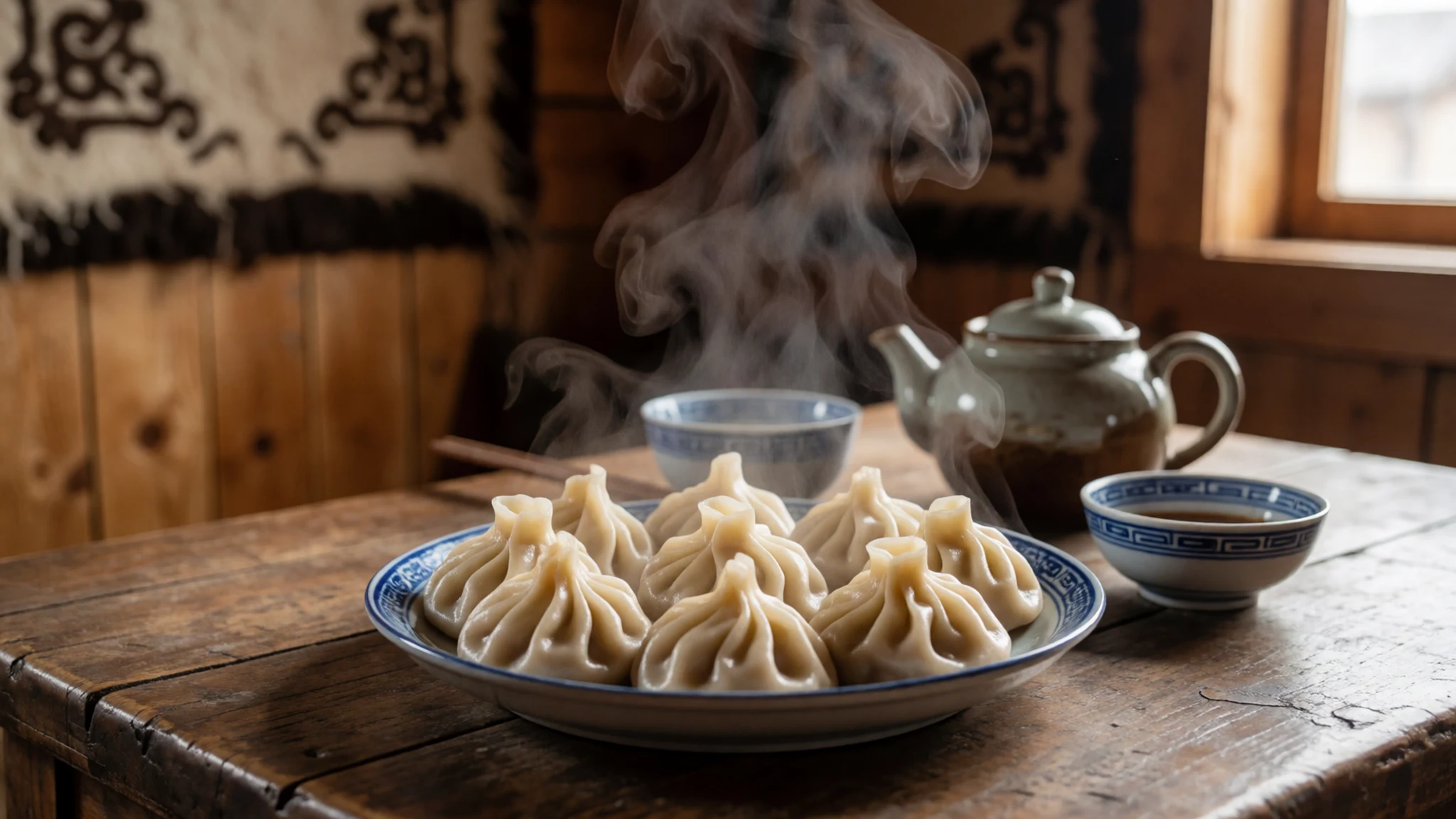
- Khuushuur — Roadside eateries and tea shops on the way from Ulaanbaatar
A deep-fried flatbread folded around meat and onion, once a festive dish and now found almost everywhere. Three or four make a solid meal. Best eaten hot and greasy, they are the easiest road-trip food on the way east from the capital.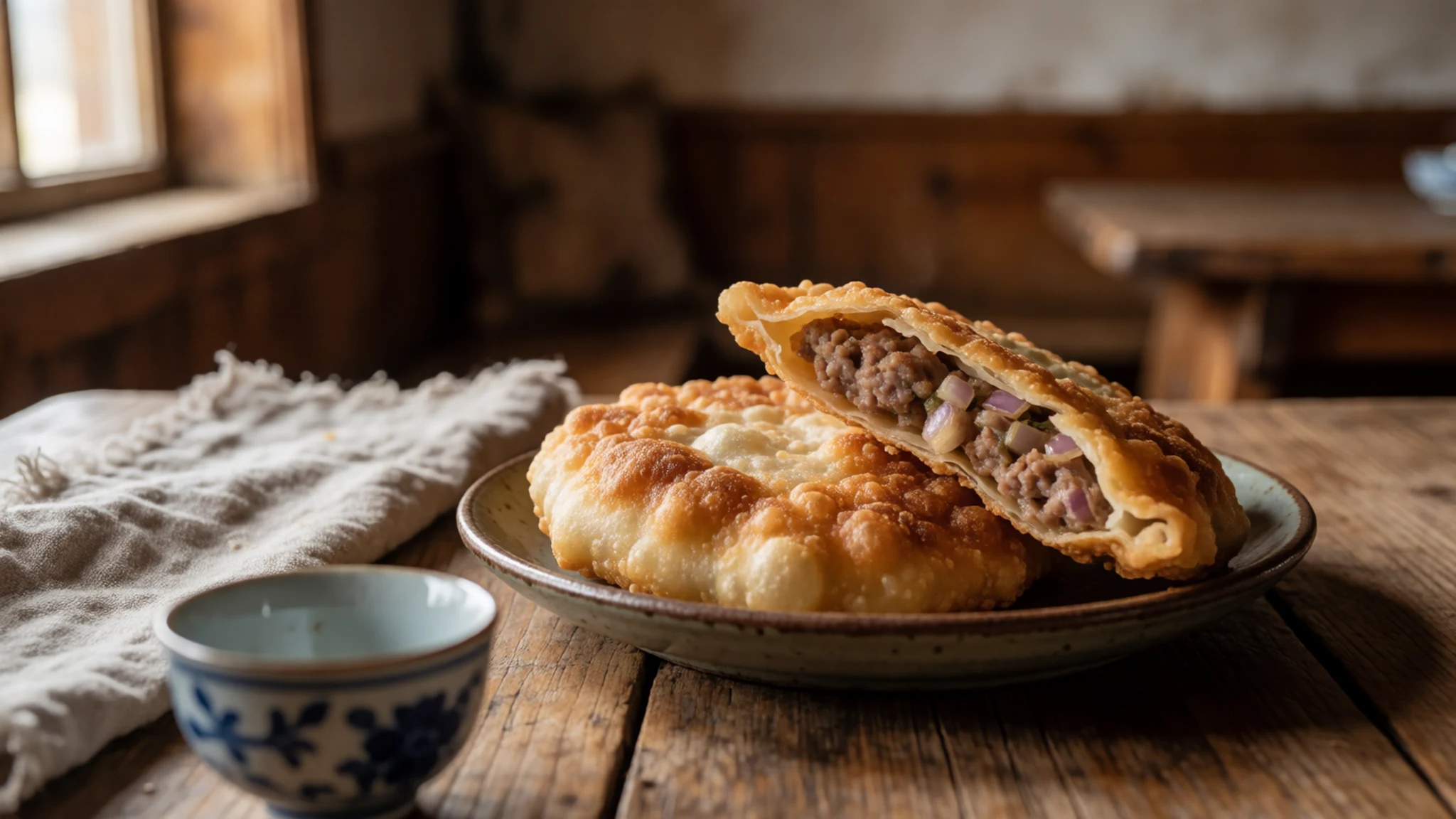
- Tsuivan — Town canteens and guesthouse kitchens
Hand-cut noodles fried with meat and a few vegetables, sometimes served with ketchup on the side. It is hearty, plain and designed for people who work outdoors. Town canteens and guesthouse kitchens serve it, and guides often cook it on longer trips. - Süütei tsai — Any ger visit, and most restaurants
Salted milk tea, made from boiled milk and water with a little tea and salt. It is the first thing offered in a ger, usually with a bowl of dried snacks. It takes some getting used to, but accepting it is part of good manners. - Aaruul and byaslag — Herder gers and local markets
Aaruul is dried curd, rock hard and meant to be dissolved slowly in the mouth. Byaslag is a mild, fresh cheese a little like paneer. Both are everyday dairy foods and appear on the snack bowl offered to guests in herder households. - Boodog — Family celebrations and festivals; ask a guide to arrange
A goat or marmot barbecue cooked for special occasions, often with hot stones placed inside the carcass. It is a celebration dish rather than something to order casually. If a host offers it, accept with thanks and eat what is given.
Plan it
Best time. June to September, when the mountains are at their most passable and days are warm; expect rain in the warm season and cool nights. Winter is bitterly cold and best left to well-prepared travellers.
How long. 3–4
Getting there. Fly to Ulaanbaatar, then travel east by road towards Khentii province. The final stretch to the reserve is on rough tracks, so most visitors hire a driver and guide in Ulaanbaatar rather than self-drive.
Budget. mid
Tips
- Arrange permits and a guide in advance through the park administration or an Ulaanbaatar tour operator
- Check visa rules for your nationality before booking, as the relaxed entry rules for many countries are time-limited
- Carry cash, warm layers and a waterproof, as services and card machines are scarce outside towns
- Pack water, food and any medicines for the whole trip, as shops are few and far apart
- Announce yourself near gers and carry a stick or stone in case of loose guard dogs
Etiquette
- Take tea, food and gifts with your right hand, palm up, and never refuse outright
- Treat Burkhan Khaldun as a sacred place: keep voices low and follow your guide's lead
- Avoid China-related clothing and steer clear of the subject in conversation
Nearby
Sources
- Wikidata Q1740517 (CC0)
- Wikipedia: Khan Khentii Strictly Protected Area (rev 1372555826) (CC BY-SA 4.0)
- Wikivoyage: Mongolia (rev 5427090) (CC BY-SA 4.0)
- Relief map of Mongolia (NordNordWest, derivative work Виктор_В), via Wikimedia Commons (CC BY 3.0)

Wildlife
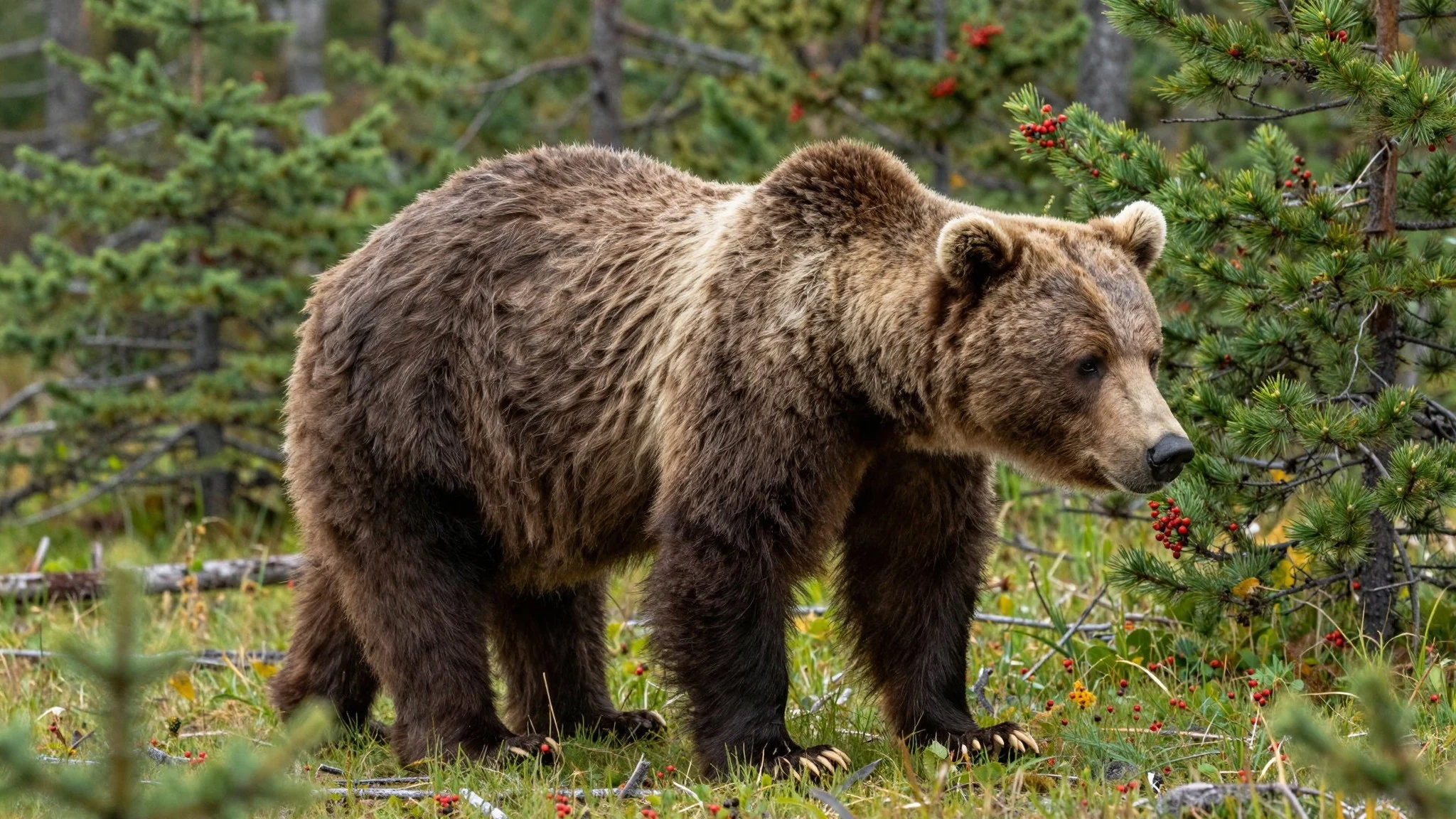
- Brown bear (animal)
The brown bear is a big, shaggy bear with a muscly hump on its shoulders and wide paws made for digging, and its coat can be anything from cream to reddish to dark brown. It is one of the wildlife species that shares the protected land of Khan Khentii with wolves and migratory birds. Nothing here fixes a season or hour for seeing it, so ask your guide what is likely. Watch from far away, keep quiet, go with a guide, and never feed it.