Kei Islands
Kei Islands, Indonesia
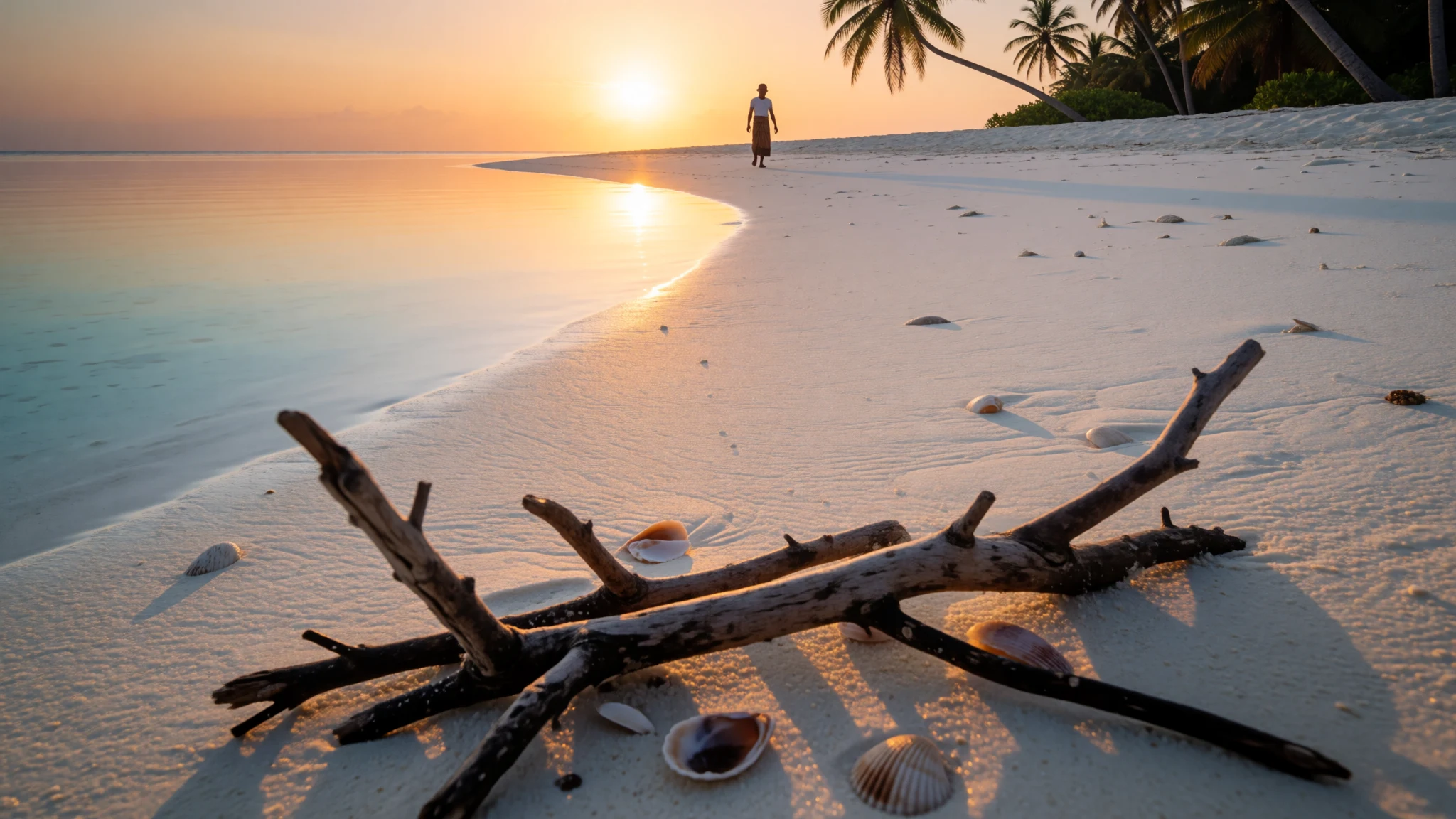
The Kei Islands offer powder-soft beaches, clear water and a living island culture, far from the main Indonesian tourist trail.
The place
The Kei Islands, also spelt Kai, sit in the south-east of the Maluku group, in the province of Maluku, where the Banda Sea meets the waters south of New Guinea's Bird's Head. Islanders call them Nuhu Evav, the Evav Islands, a name older than the one used by their neighbours. Two main islands dominate: Kai Besar, the larger, mountainous and thickly forested, and Kai Kecil, where the airport, the town of Langgur and the port city of Tual are found. Smaller islands, among them Tanimbarkei and the Tayandu group, are scattered around them. The group belongs to Wallacea, the part of Indonesia separated by deep water from both Asia and Australia and never joined to either. That isolation explains why native mammals are few and why the forest feels different from Java or Sumatra. The coast is the real draw. The surrounding sea counts among the areas of highest marine biodiversity in the Coral Triangle, and beaches such as Pasir Panjang have a reputation well beyond the islands. Days here are slow and built around a motorbike, a boat, a snorkel and a warung (a small family eatery). The climate is tropical and close to the equator, so heat is a constant. Reaching the islands from the rest of Indonesia takes effort, which keeps visitor numbers low, but it also means services are thin and plans need slack. Administratively, part of the group falls under Southeast Maluku Regency and part under the city of Tual.
Its story
The Kei Islands tell their past in two layers: a spice-trade history shared with the rest of Maluku, and a founding story that belongs to the islanders. The Moluccas drew European attention in the sixteenth century for nutmeg, mace and cloves, and the Kei group sat at the edge of that world, on the Banda Sea. Local tradition, though, begins elsewhere. Islanders say their ancestors came from Bali as part of the expanding Majapahit kingdom, landing at the village of Ohoi-Ewur on Kai Kecil. The Balinese nobles and their soldiers lived alongside the existing villagers, and Ohoi-Ewur became a seat of government. There, on the initiative of a royal princess named Dit Sakmas, a body of local law called Larvul Ngabal took shape, remembered as Red Blood and Balinese Spear. A harbour on Kai Kecil named Bal Sorbay, a Kei rendering of Bali Surabaya, is offered as supporting evidence. Islanders also acknowledge other origins: Sumbawa, Buton in Sulawesi, Seram and Gorom in Central Maluku, and the sultanates of Jailolo and Ternate. The result is a crossroads settled by seafarers over time rather than a single founding event. A newer concern is the sea itself. The IPCC has reported that sea level rise is accelerating, and low-lying Indonesian islands face shrinking coasts, with knock-on questions for the country's maritime boundaries.
What to see
- Ngurbloat Beach — Kai Kecil
Ngurbloat Beach on Kai Kecil is known for sand so fine and powdery that travel writers have made it the island's calling card. It is the beach most visitors come for. Banana fritters are sold nearby, so bring some cash and plan a long, unhurried afternoon with a swim in the shallows.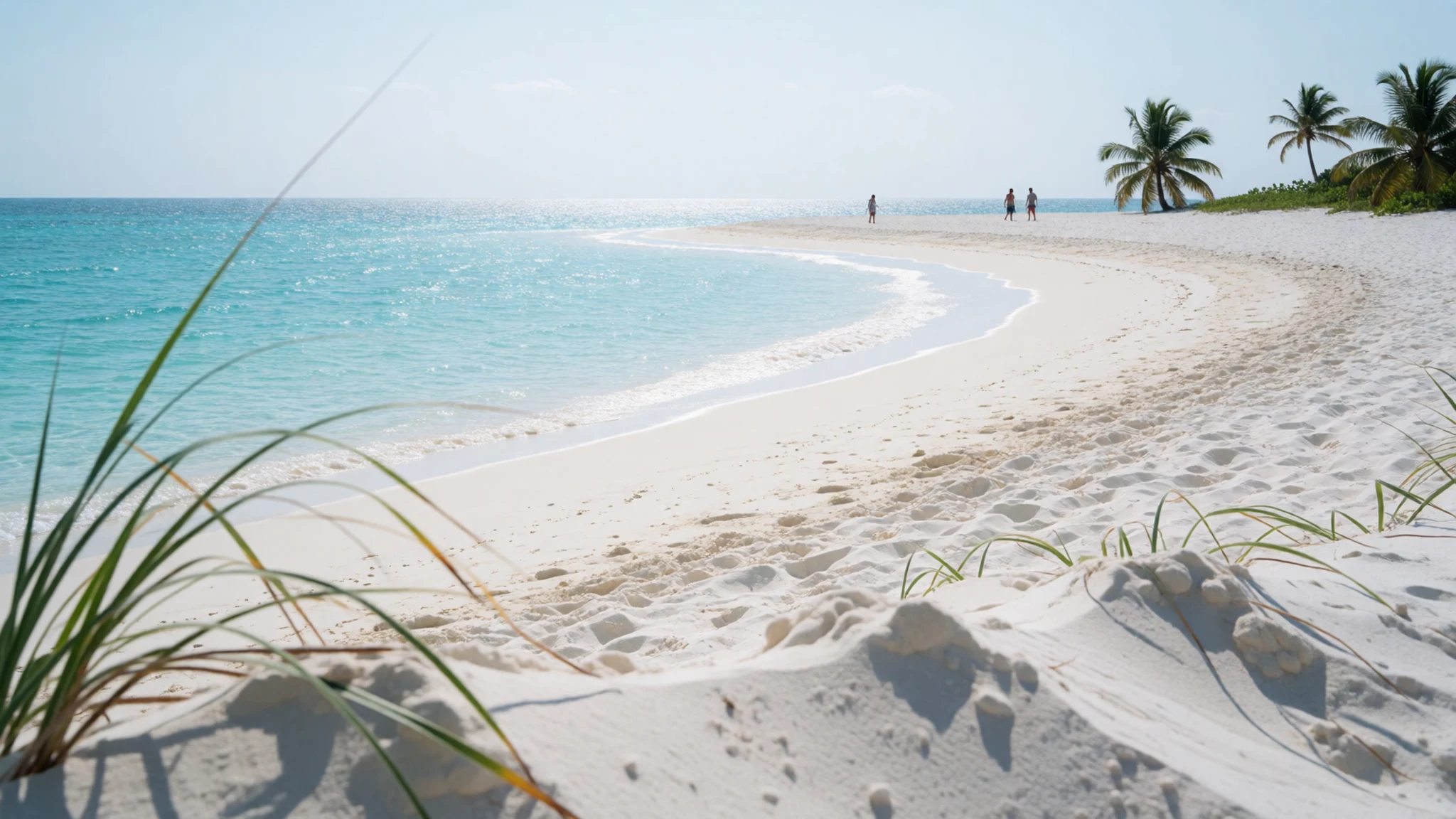
- Ngurtavur Beach — South-west Kei Islands
Ngurtavur Beach is a white-sand shore on a remote island in the south-west of the group, reached by boat. Its isolation is the point: expect little shade and no facilities to rely on, with pelicans among the birds using the coast. Carry water, food and sun cover, and fix the return boat before landing.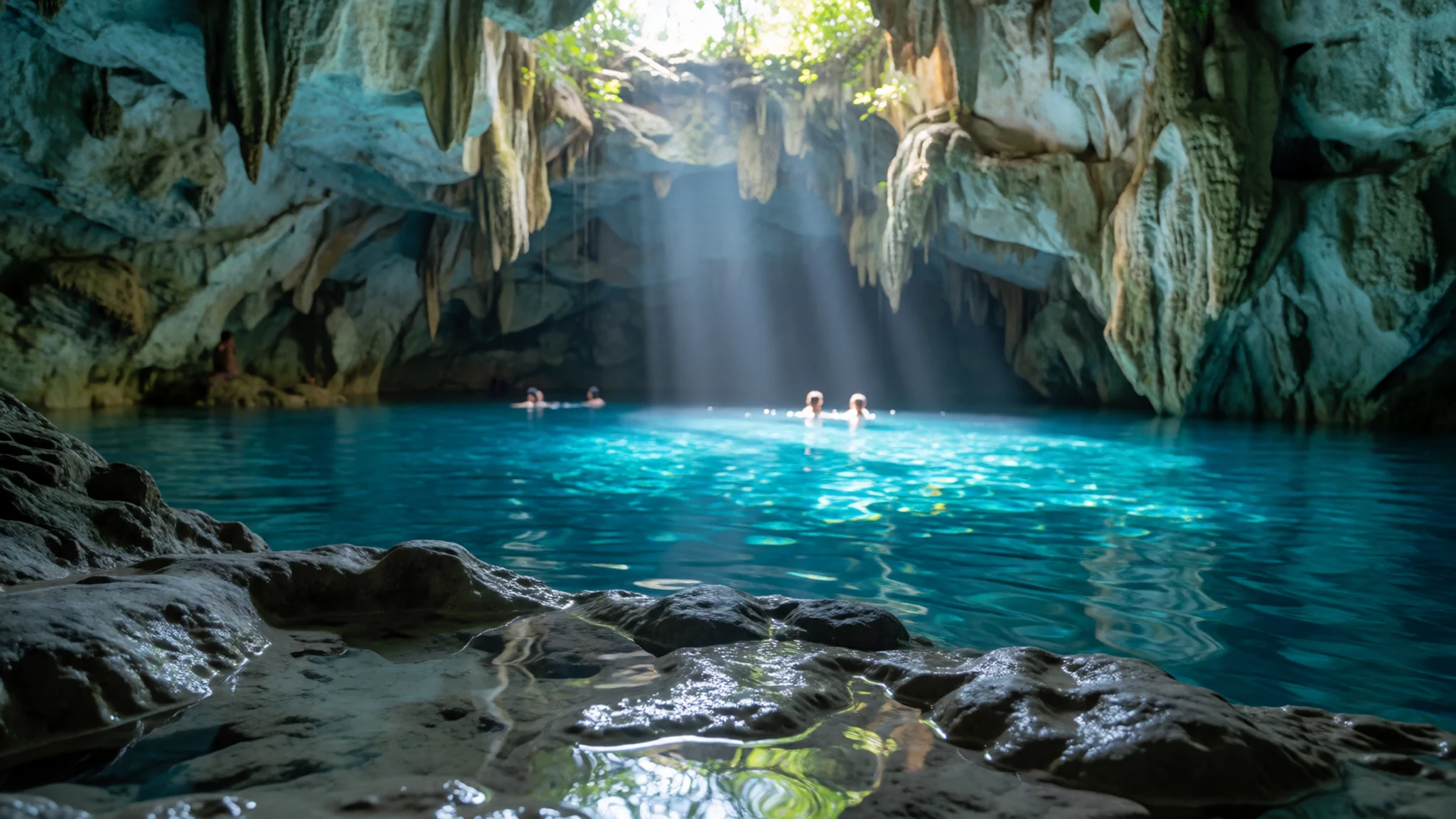
- Hawang Freshwater Cave — Southern Kai Kecil
Hawang Freshwater Cave on Kai Kecil holds a pool of fresh water inside the rock, and swimming is allowed. After a hot day on the road it makes a welcome change from the sea. Shoes with grip help on wet stone, and a torch is useful. A local guide removes guesswork about the way in.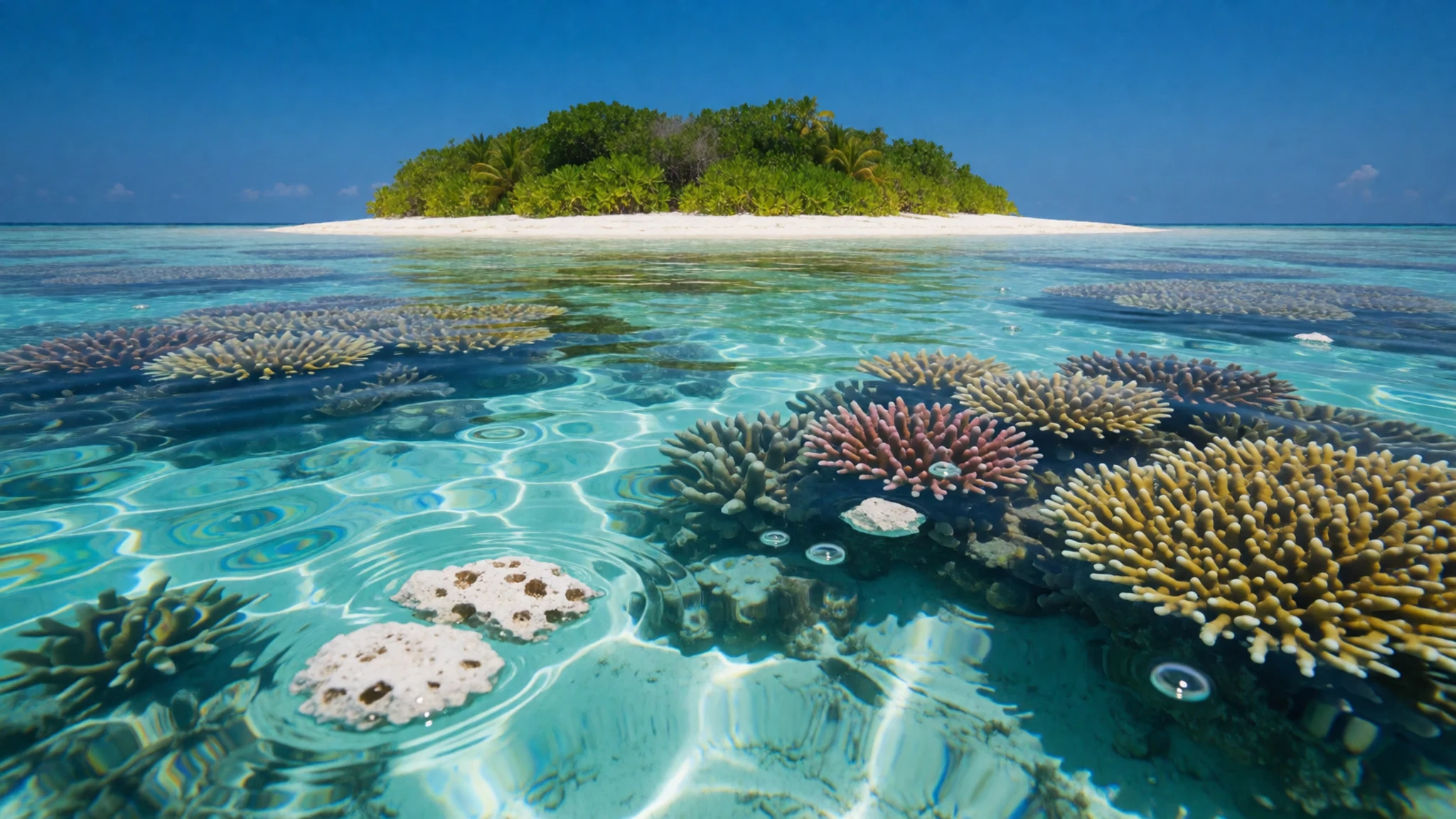
- Bair Island — North of Kai Kecil
Bair Island, to the north of Kai Kecil, is known for clear turquoise water that suits a slow swim or snorkel. It is reached by boat, usually arranged through local boat owners in Langgur or Tual. Weather decides the crossing, so keep a spare day in the plan and ask about conditions on the same morning.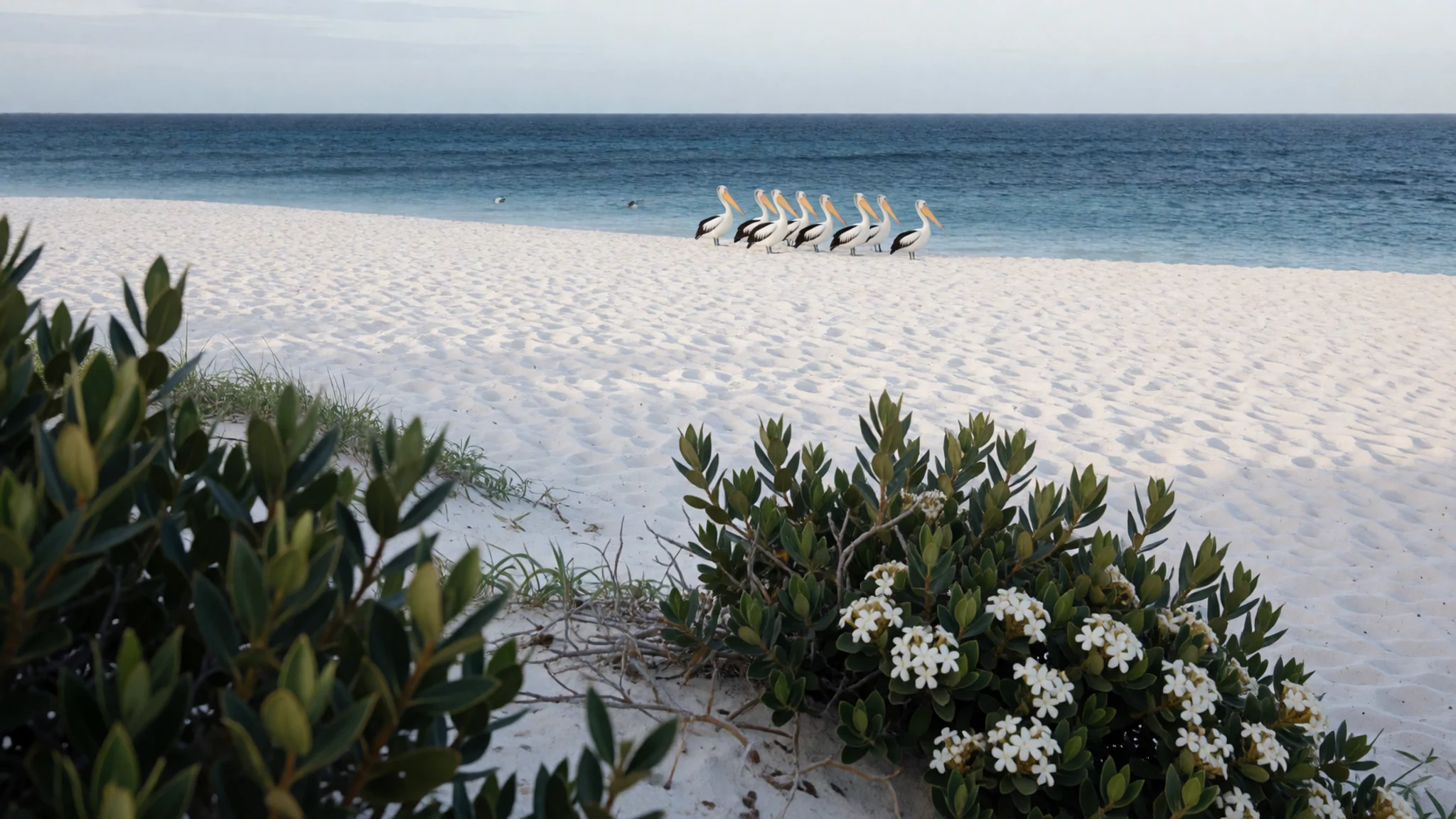
- Lake Waren — Kai Islands, inland
Lake Waren is a freshwater lake listed among the group's natural sights, a calm contrast to the salt coast. Published information is thin, so ask locally about the road, the water and whether a guide is sensible before setting out. It suits a short detour for travellers with their own transport.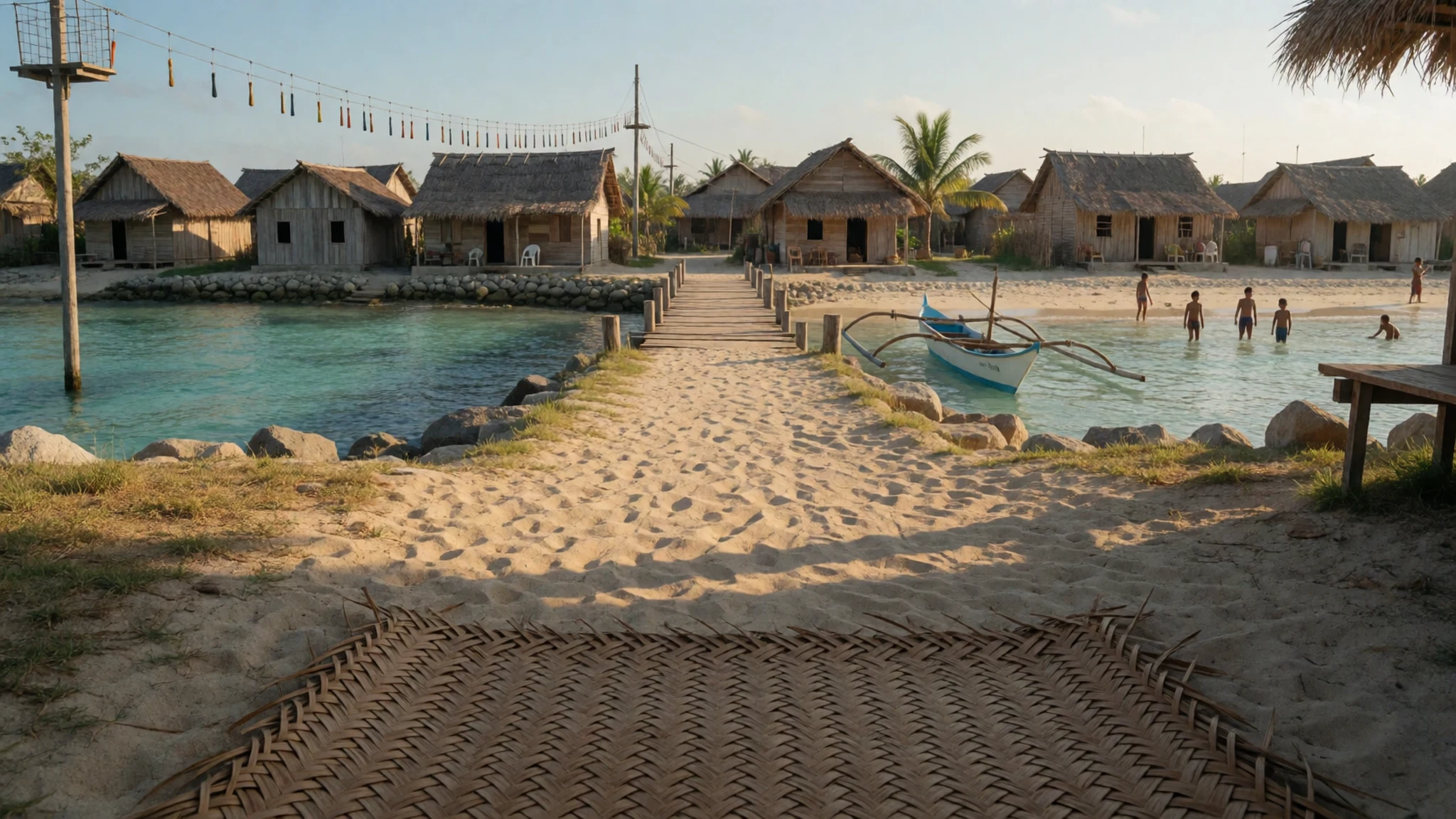
- Letman coral islands — Letman village
Desa Wisata Letman is a village tourism site built around the Letman group of small coral islands. Visitors can go boating among the islets and try a traditional-style flying fox, a zip line. Staying or spending here puts money into a community rather than only the beach trade. Arrange boats locally.
Culture
The Kei Islands hold a culture shaped by arrivals from many directions, and islanders take pride in a body of law and village custom that they trace back centuries. That law, Larvul Ngabal, is tied to the village of Ohoi-Ewur on Kai Kecil, and its name recalls the story of Balinese settlers. The basic unit of community life is the ohoi, the village, and the old title of raja survives in the way villages remember their founders. Islanders name roots in Bali, Sumbawa, Buton, Seram, Gorom, Jailolo and Ternate, so names, food and ceremony carry mixed influences. Tanimbarkei, a small island in the group despite what its name suggests, is home to a community that keeps very traditional ways, and it is not a place for casual drop-ins. Lighter ways to take part include learning Maluku-style cooking, joining a painting course, or trying the flying fox at Letman. Time runs gently here. Boats, tides and weather reshape plans, and patience is received far better than hurry. Conversations over a meal at a warung are often the best introduction to island life. Ask the village head or your host before entering a traditional village, and always ask before photographing people or ceremonies.
What to wear
Dress in the Kei Islands follows the pattern of eastern Indonesia, where woven cloth marks ceremony and standing. The neighbouring Tanimbar islands are known for ikat, cloth woven from threads dyed in the pattern before weaving, and similar cloths are worn or exchanged at weddings, funerals and village gatherings across the region. Detailed records of everyday Kei costume are thin, so the honest advice is to ask a host which cloths belong to their village and when they appear. Day to day, people dress for heat and work: cotton shirts and T-shirts, sarongs or long skirts, trousers and flip-flops. Many women cover their hair with a scarf, especially for mosque visits, while church services bring out smarter shirts and dresses. Fishermen and farmers favour long sleeves and wide hats against the sun. Visitors do best in light cotton or linen that dries quickly, with shoulders and knees covered in villages, mosques and churches. Swimwear belongs on the beach, with a sarong or shirt over it when walking back through a village. Reef shoes or sturdy sandals protect feet on coral rubble and slippery cave rock, while trainers suit motorbike days. A wide hat, sunglasses and a light rain jacket cover both sun and squalls. A scarf is useful if invited into a mosque or a home.
What to eat
- Lat — Local rumah makan and warung serving Kei dishes in Langgur and Tual
Lat is the Kei salad of edible seaweed, a plain taste of the local sea that is usually served beside grilled fish and rice. It is a good first dish for understanding island cooking, and it rarely appears on menus outside the region.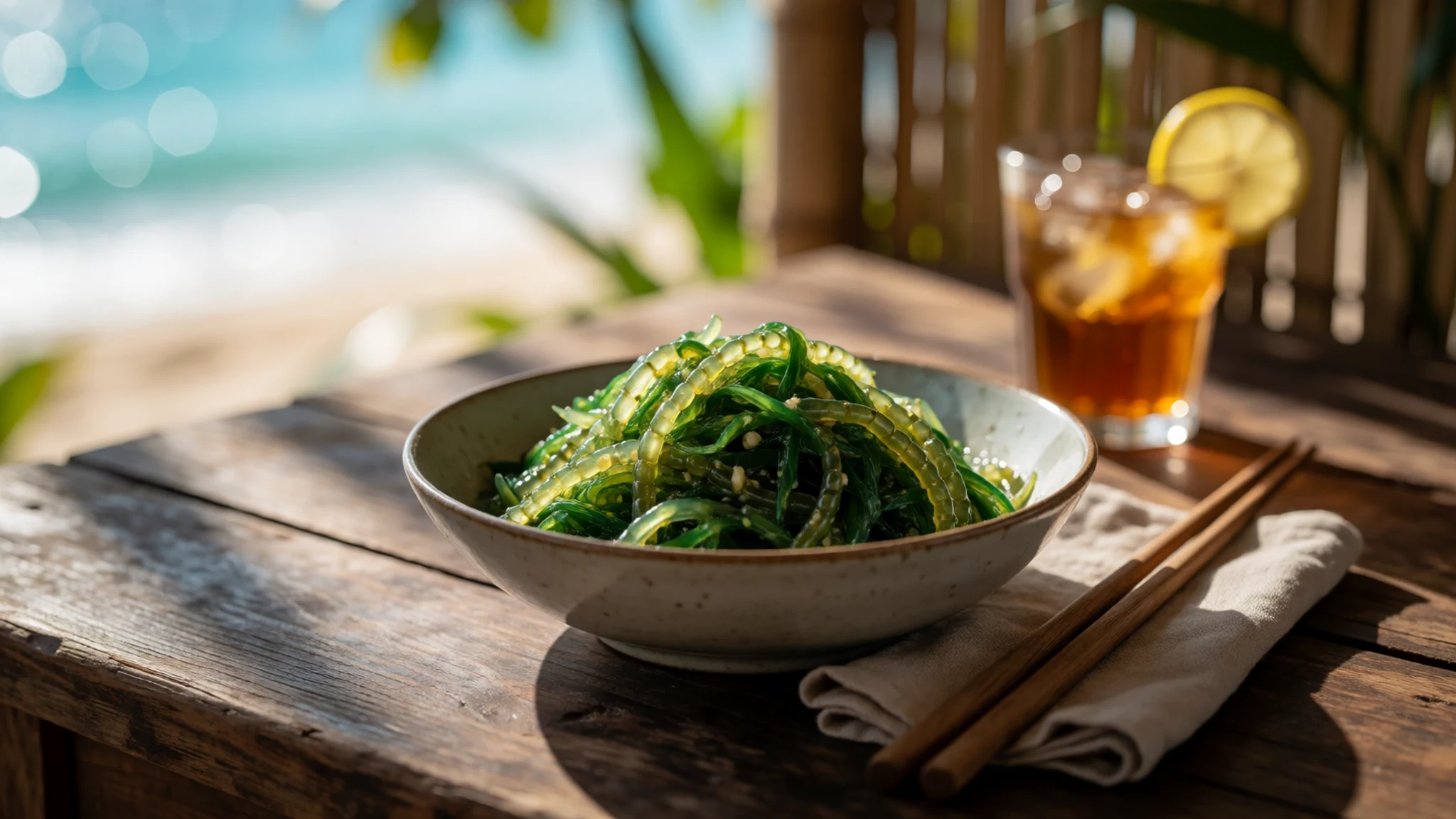
- Pisang embal — Stalls at Ngurbloat Beach
Pisang embal is a banana fritter fried in a batter made with embal, a tapioca or cassava starch. It arrives hot with sambal on the side, crisp outside and soft within. It makes a good snack after swimming.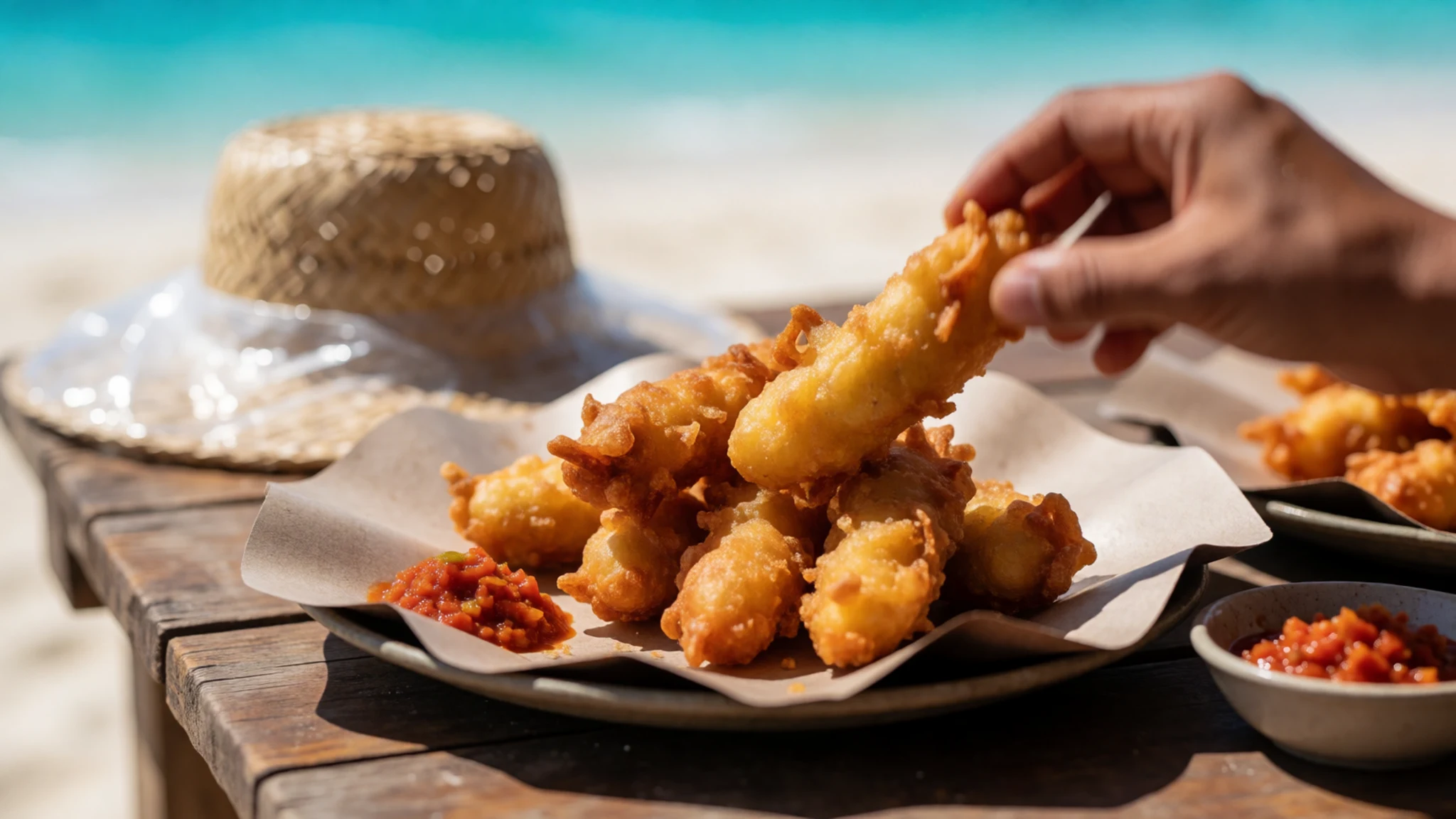
- Grilled lobster — Seafood warung near the Langgur and Tual waterfront
Grilled lobster turns up on the menus of seafood warung around Langgur and Tual. It is cooked simply over heat and served with rice and sambal. Ask about the price before ordering, since sizes and quotes vary. - Grilled fish with sambal — Harbour-side warung in Tual
Fresh fish grilled over coals and eaten with rice, a squeeze of lime and sambal is the everyday island meal. Choose the fish from the day's catch if the cook shows it, and pair it with a side of lat.
Plan it
Best time. April to September, the dry season when rain is scarce and boat days and beaches are easier. Daytime temperatures average about 30 °C and nights drop to about 18 °C, so heat is the constant whatever the month.
How long. 4–6
Getting there. Fly to the airport on Kai Kecil, which sits in the middle of the island and is some distance from any town. A motorcycle taxi (ojek) or arranged car takes visitors to Langgur and Tual. Boats also link the group with neighbouring island groups such as Aru and Tanimbar.
Budget. mid
Tips
- Confirm flights and boat crossings a few days ahead, as schedules shift with weather
- Carry cash, because cards and cash machines may be limited outside Tual and Langgur
- Rent a motorbike or hire a car with a driver to reach beaches, caves and villages
- Bring water, sun protection and snacks for remote beaches such as Ngurtavur
- Keep a spare day in the plan for rough seas and delayed boats
Etiquette
- Ask before photographing people, ceremonies or inside traditional villages
- Cover shoulders and knees in villages and places of worship
- Take rubbish away from remote beaches
Nearby
Sources
- Wikidata Q1323403 (CC0)
- Wikipedia: Kai Islands (rev 1381158049) (CC BY-SA 4.0)
- Wikivoyage: Kei Islands (rev 5311779) (CC BY-SA 4.0)
- Map of Maluku Islands (Lencer) (CC BY 3.0)
- Admiralty Chart No 2264, Kei or Ewaf Islands (United Kingdom Hydrographic Office, 1897) (Public domain)
- Map of Seram and the region south-east of Seram (Isaak de Graaf) (Public domain)
- Map of the south-eastern islands (M. van Vreeland) (Public domain)
- Habitats figure 39, ZooKeys 972 (Dayrat et al. 2020) (CC BY 4.0)
- Pantai Ohoililir, Tual (faul) (CC BY 3.0)


Wildlife
- Australian pelican (animal)
Picture a huge white bird with black wings and a long pink bill: that is the Australian pelican, a fish-eater that will also snatch a bird or a free scrap if it can. In the Kei Islands, it lives around a remote island's pale, unspoilt beach, which is an important refuge for it. Go with a local guide, stay well back, move slowly and quietly, and never offer food, so it keeps its wild habits. - Australian pelican (bird)
Picture a huge white bird with black wings and a long pink bill: that is the Australian pelican, a fish-eater that will also snatch a bird or a free scrap if it can. In the Kei Islands, it lives around a remote island's pale, unspoilt beach, which is an important refuge for it. Go with a local guide, stay well back, move slowly and quietly, and never offer food, so it keeps its wild habits.