Kedarnath Temple
Kedarnath Temple, India
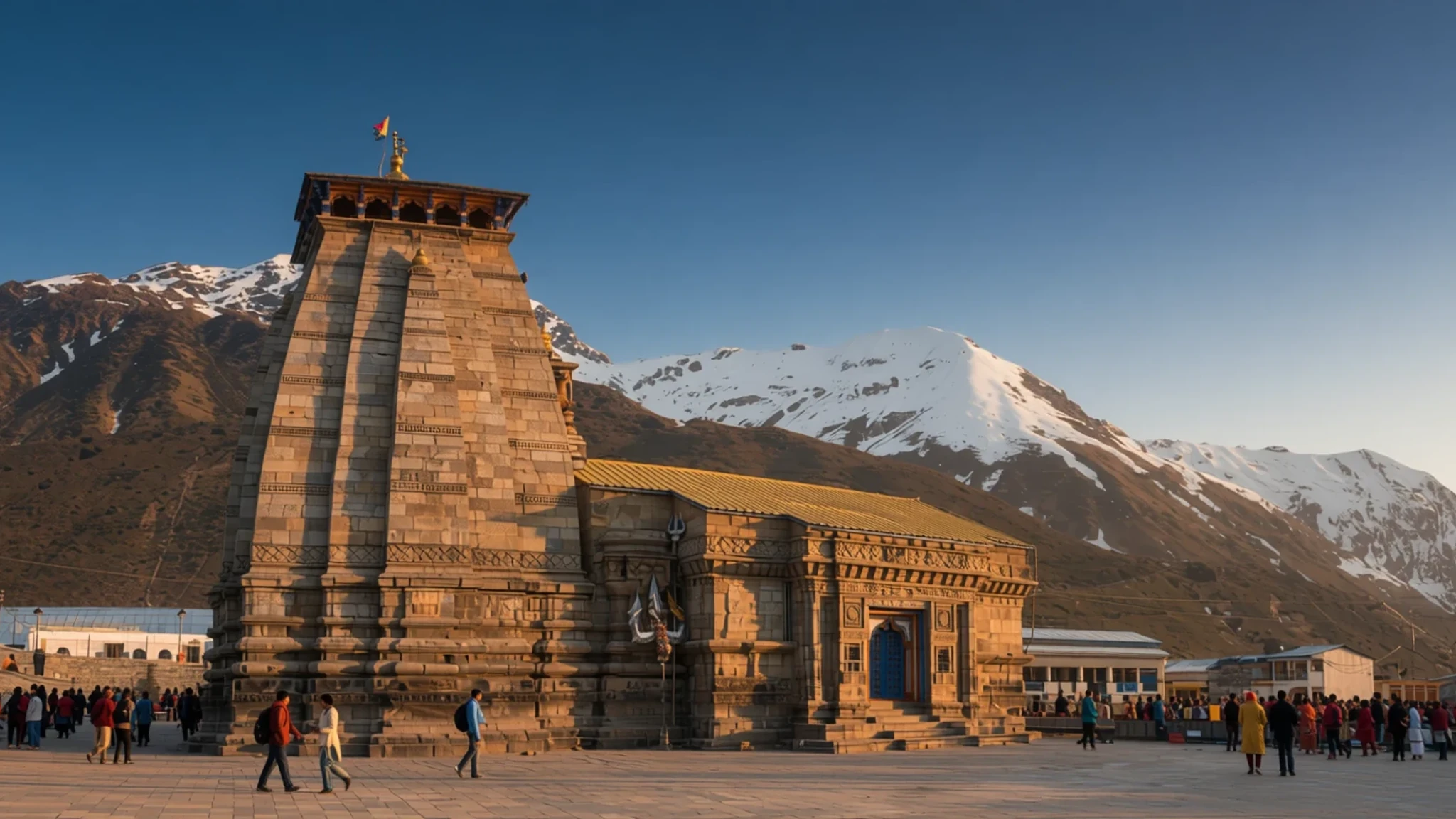
Kedarnath Temple is a Shiva shrine reached on foot through the Garhwal Himalaya, where the effort of the climb is part of the pilgrimage.
The place
Kedarnath Temple stands in the Garhwal Himalaya in Uttarakhand, beside the Mandakini river, a tributary of the Ganga. It is a stone temple dedicated to Shiva, honoured here as Kedarnath, the lord of the field, and it is counted among the twelve jyotirlingas, the most sacred Shiva shrines. It is also one of the four sites of the Chota Char Dham pilgrimage and the first of the Panch Kedar temples.
The setting does much of the work. The temple sits among high mountains at 3,583 m, so the air is thin, the mornings are cold even in summer, and weather can change within an hour. No road reaches it. The last stretch is a 17 km uphill trek from Gaurikund, walked by pilgrims, carried in palanquins or covered on ponies, and many people find the slow arrival is what makes the place feel earned.
The temple is open only part of the year. Doors usually open around Akshaya Tritiya in April and close around Kartika Purnima in November, the autumn full moon. Through the winter the deity is carried down to Ukhimath and worshipped there for six months, while snow covers the valley.
The town around the temple is small and busy in season: lodges, tea stalls, shops selling prasad and woollens, and long queues at the shrine. In 2013 flash floods caused heavy damage to the temple complex, the surrounding area and the town, yet the temple structure itself came through without major damage. Visitors today find a rebuilt settlement beside a shrine that many pilgrims regard as having been spared.
Its story
Kedarnath Temple is wrapped in layers of legend, and the written record is thinner than the devotion. The stone building is of unknown date, and Wikidata gives its foundation as around 800. Tradition says the Pandavas of the Mahabharata first built it, after doing penance here to win Shiva's forgiveness for the war's bloodshed.
One of the earliest textual mentions is in the Skanda Purana, from roughly the 7th or 8th century. It tells how the Ganga was released from Shiva's matted hair, and names Kedara as the place where this happened. That ties the shrine to the story of the river that feeds half of northern India.
The philosopher Adi Shankara, of the 8th century, is closely linked with the site. Some biographies say he revived the temple, along with Badrinath and other Uttarakhand shrines, and that he died in the mountains near Kedarnath. Other accounts place his death at Kanchipuram, so the question is genuinely disputed. Ruins of a memorial to him stand near the temple.
By the 12th century Kedarnath was certainly a prominent pilgrimage centre, because it appears in a legal and ritual digest compiled by the minister Bhatta Lakshmidhara of the Gahadavala court. Tamil Shaiva poets, including Appar and Sundarar, also sang of it in the Tevaram, which shows how far south the shrine's reputation travelled. The long walk pilgrims make today follows a route that has been walked for roughly a thousand years.
What to see
- Kedarnath Temple — Kedarnath
The grey stone temple is the reason for the journey. Queues for darshan can be long in peak weeks, so go early or late in the day. Walk once around the outside, notice the way the mountains close in behind it, and look for the carved figures near the entrance.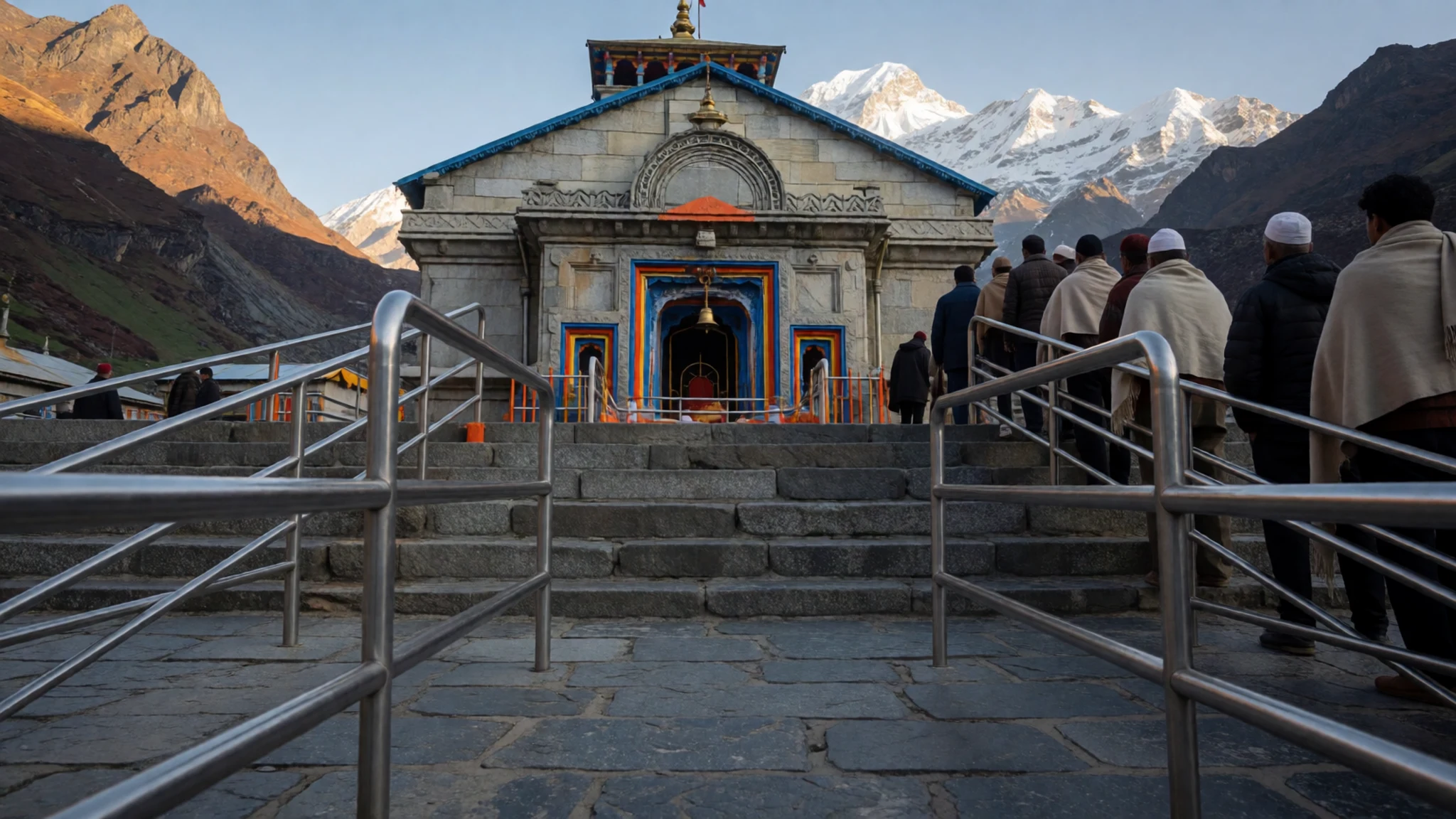
- The trek from Gaurikund — Gaurikund to Kedarnath
The 17 km climb is itself a sight: forest, waterfalls, streams and views down the Mandakini valley, with pilgrims singing and shopkeepers selling tea at intervals. Most people take a full day, with rests. Start before dawn so you arrive before afternoon cloud and rain.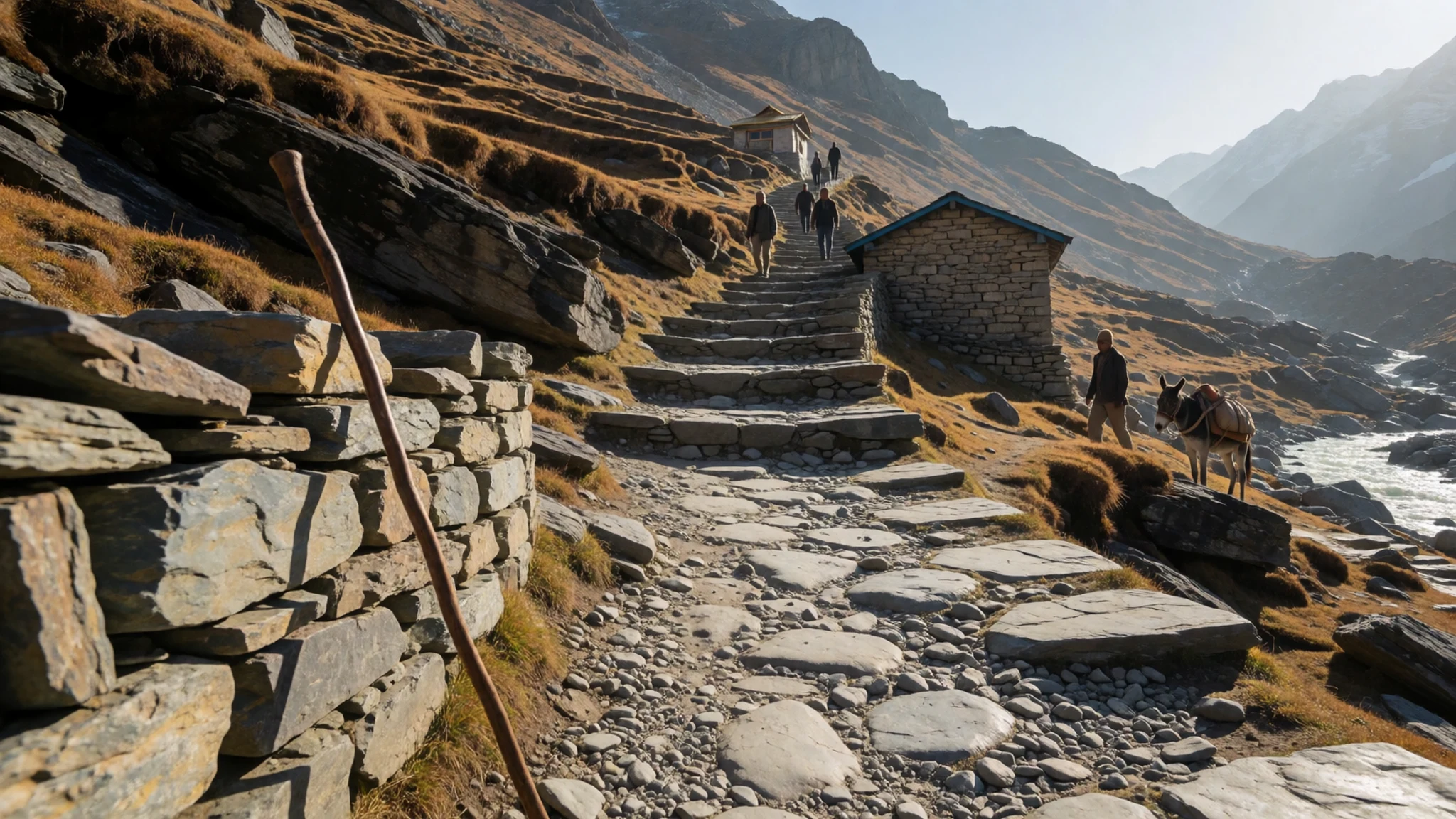
- Kedarnath after the flood — Kedarnath town
The photographs of the temple after the 2013 floods show a building standing among debris and mud. Today the area has been rebuilt, but the scale of what happened is still readable in the open ground and the walls built to guard the temple against another surge.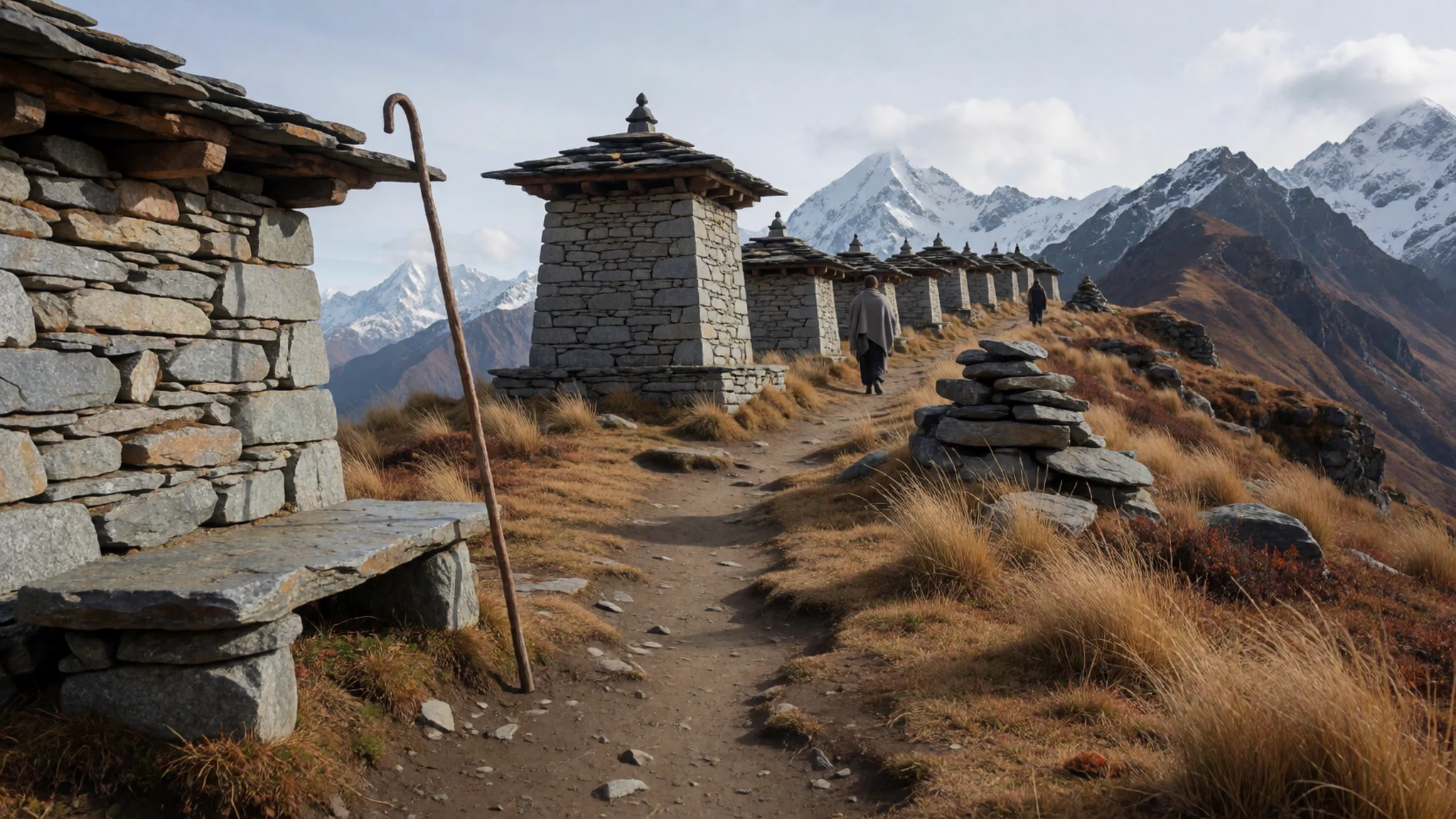
- Monsoon Kedarnath — Kedarnath valley
In July the valley turns green and mist drifts across the temple roofline, as the staged photograph shows. It is beautiful but wet, and landslides can close the trail. Visit then only with flexible dates and a good rain layer.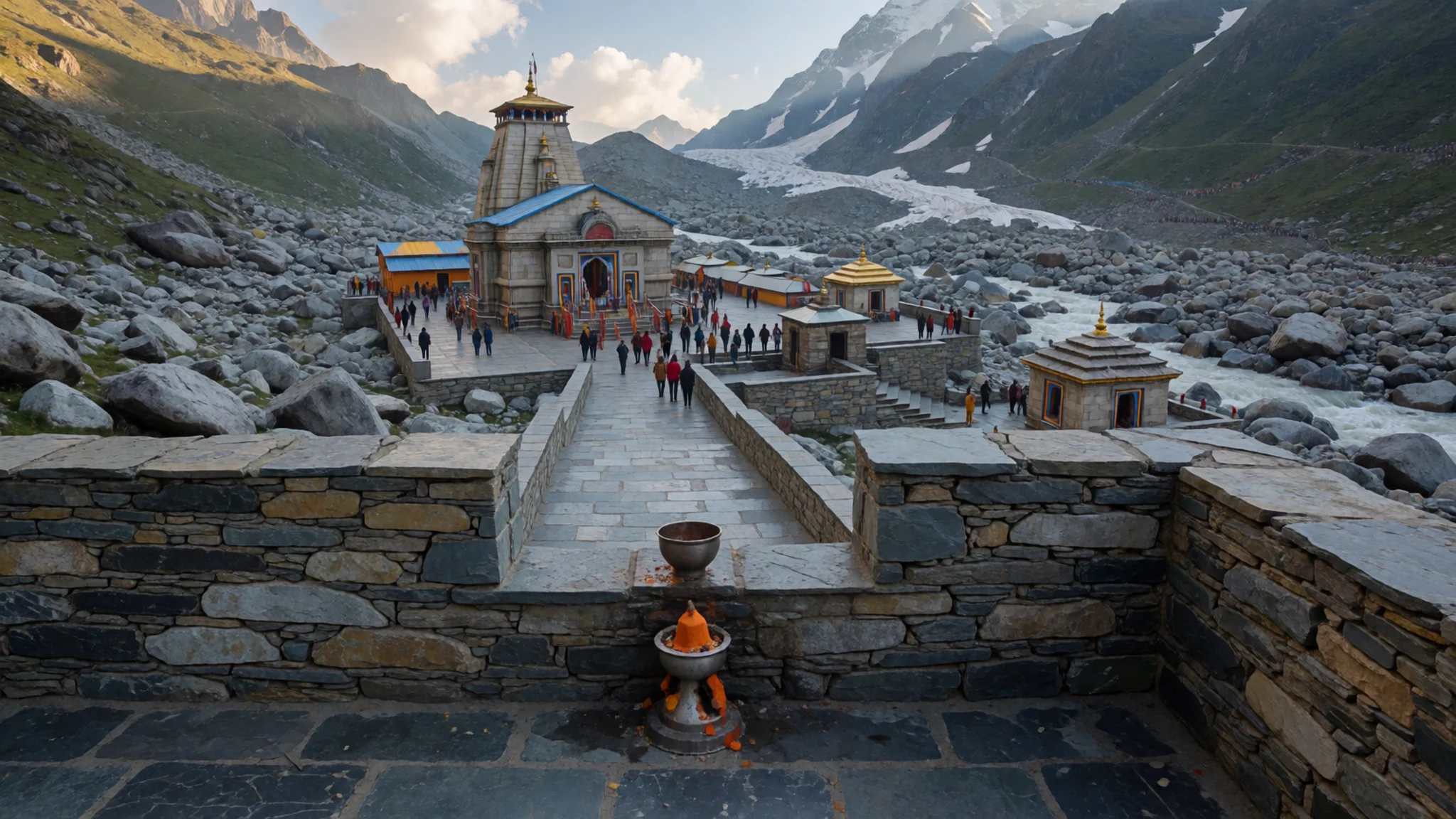
- Panch Kedar circuit — Garhwal Himalaya
Kedarnath is the first of five Shiva shrines in the Panch Kedar pilgrimage, which tradition says should be visited in a set order. Completing all five takes many days of further trekking, so most visitors treat Kedarnath alone as the trip.
Culture
Kedarnath Temple is a working centre of Shaiva devotion, and the atmosphere is serious but warm. Pilgrims arrive after days of travel, many chanting "Har Har Mahadev" on the trail. Shiva is worshipped here in the form of a conical rock rather than a carved statue, which sets it apart from many temples in the plains. Worship is built around queuing for darshan, offering flowers and water, and circling the shrine.
The seasonal rhythm matters. When the temple closes in November, the deity is carried in procession to Ukhimath and worshipped there through winter. When it reopens in April the valley fills again. Priests and families who serve pilgrims often keep long records of who has visited, a tradition behind the staged photograph of a visiting panda, the hereditary pilgrim guide, with his registers.
The mood is friendly. Strangers share tea, help each other on steep sections and offer encouragement. People of many ages walk the trail, including elderly pilgrims on ponies and palanquins, and the pace is deliberately unhurried.
In peak season, expect crowds, loudspeakers and queues at the sanctum, and be patient with them. Leave the temple compound quiet and tidy: remove your shoes before the entrance, keep your phone away inside the sanctum, and ask before photographing anyone at prayer.
What to wear
Kedarnath Temple sits in a region where mountain families have long worn wool. Traditional Garhwali dress includes woollen shawls, caps and homespun cloth, and women have worn a wrapped sari or long skirt with a shawl and jewellery for festivals. Men's older dress includes a kurta with a woollen waistcoat or jacket. These garments are now mostly seen at festivals and in villages rather than at the temple trail.
Pilgrims today wear what works on a cold, steep climb. Many wear plain kurtas or salwar kameez under fleeces, with shawls, woollen caps and rain ponchos. Local traders and porters wear practical jackets and sturdy shoes. Some devotees wear saffron or marigold-coloured cloth, and a tilak on the forehead is common.
Visitors should dress for mountain weather and for a temple. Wear layers: a base layer, fleece and a waterproof shell, as it can be cold at night and wet at any hour. Footwear matters most. Choose broken-in trekking shoes with good grip, not new boots or sandals, and carry spare socks. Keep shoulders and knees covered, which suits the weather anyway. Gloves, a warm hat and sun protection are useful, because sun at this height burns quickly. Shoes come off at the temple, so wear socks you do not mind wetting.
What to eat
- Dhaba dal and rice — dhabas on the Rishikesh route and along the trek
A plate of dal, rice, roti and a seasonal vegetable is the standard pilgrim meal. It is cooked simply, served hot and found at roadside dhabas on the way up from Rishikesh and in tea shops along the trail.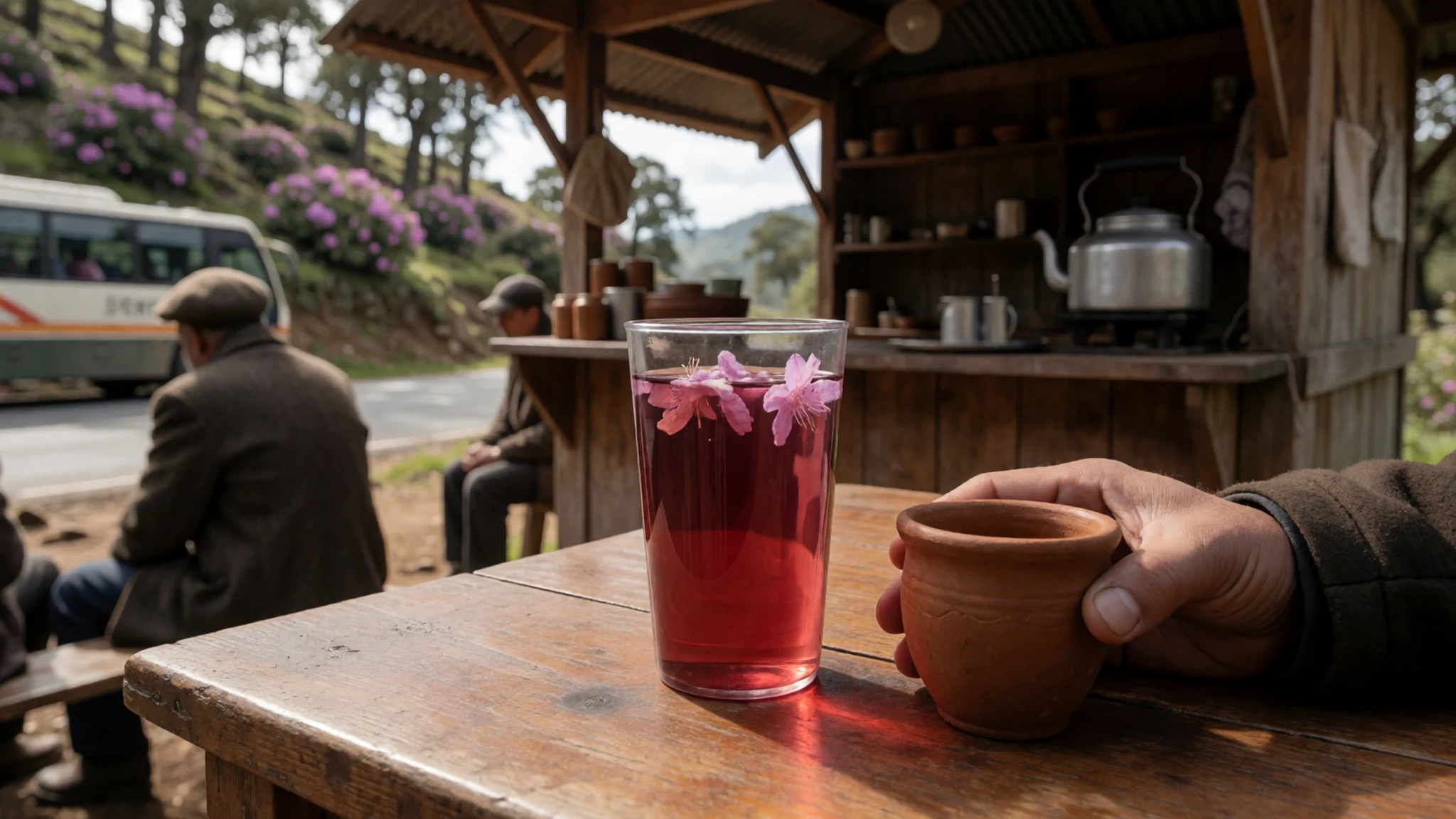
- Buransh juice — shops and stalls in Garhwal towns
Buransh is the rhododendron of the Himalaya, and its red flowers make a sweet, slightly tart juice. It is a local favourite, so ask for it in the lower Garhwal towns where it is sold in bottles.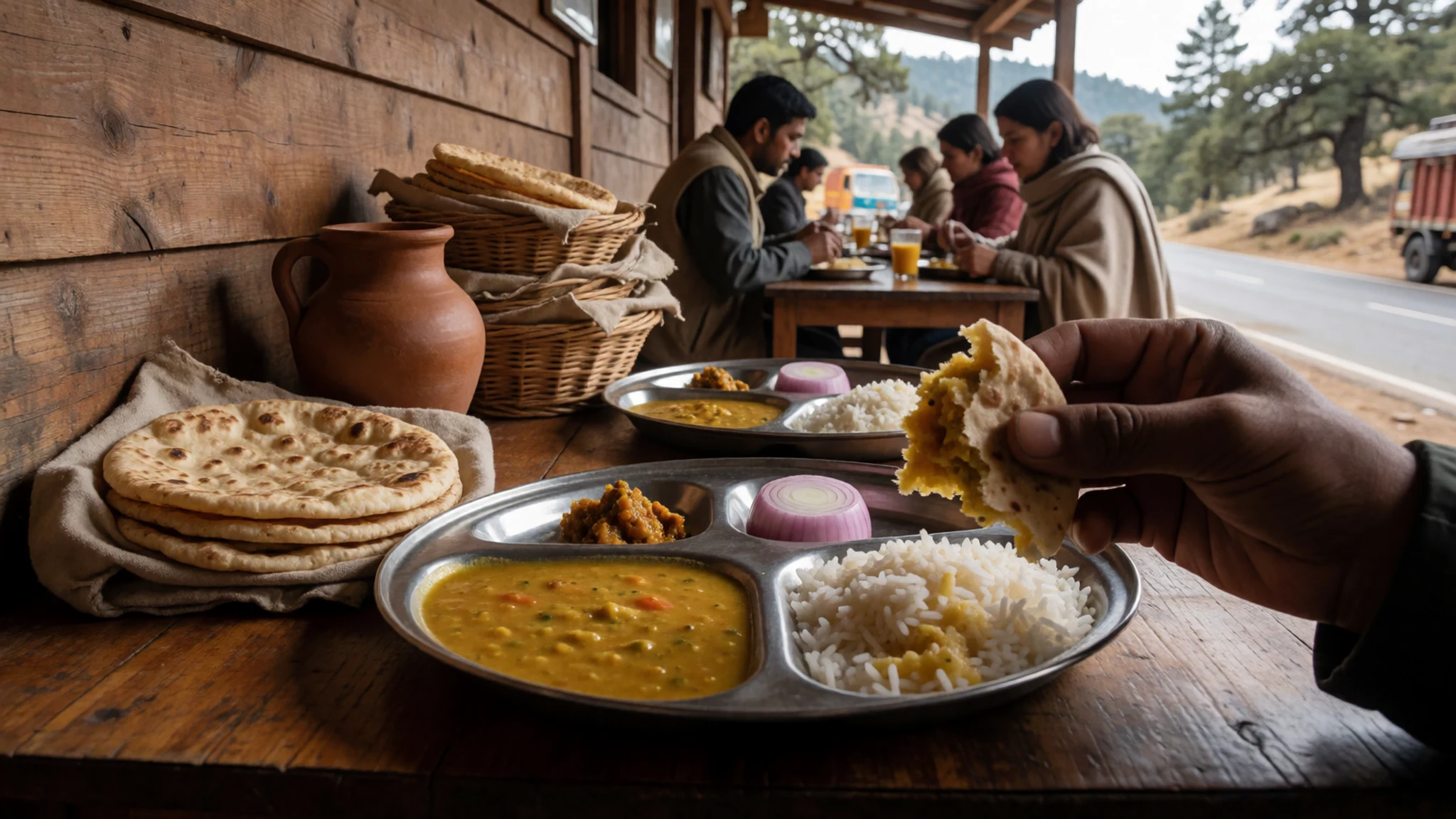
- Chai and biscuits — tea stalls along the trail
Tea stalls sit at regular intervals on the climb, selling milky, sugary chai and packets of biscuits. They are cheap, sustaining and a good excuse to rest and talk with other walkers. - Maggi and parathas — eateries in Kedarnath town
Hot instant noodles and stuffed parathas have become standard mountain food at altitude, as they are quick to cook and filling. Expect them in the lodges and food stalls near the temple. - Prasad sweets — shops near the temple
Pilgrims often take small sweets as prasad, blessed offerings from the temple. Shops near the shrine sell them in boxes, and visitors usually share them with family and friends at home.
Plan it
Best time. May–June and September–October. The temple is open only between April and November, with early summer clearer and the post-monsoon weeks usually stable. July and August bring heavy rain and landslide risk, and winter closes the shrine.
How long. 3–4
Getting there. Fly to Jolly Grant Airport, Dehradun (DED), or take a train to Dehradun or Rishikesh. From there, buses and shared taxis run on into Garhwal towards Gaurikund. The last leg is the 17 km uphill trek, on foot, by pony or by palanquin.
Budget. mid
Tips
- Check the official temple and Uttarakhand pilgrimage sites for registration and opening dates before you travel
- Start the trek early so you arrive before afternoon weather
- Carry cash, as cards and mobile signal can be unreliable in the mountains
- Take time to adjust to the altitude and stop if you feel unwell
- Pack a rain layer in every season
Etiquette
- Remove your shoes before entering the temple
- Ask before photographing people at prayer
- Follow queue and security instructions at the shrine
Nearby
Sources
- Wikidata Q866014 (CC0)
- Wikipedia: Kedarnath Temple (rev 1385096552) (CC BY-SA 4.0)
- Wikivoyage: Garhwal (rev 5334385) (CC BY-SA 4.0)
- Kedarnath Temple in Rainy season, Shivam Kumar 766 (CC BY-SA 4.0)
- Yamunotri temple and ashram, Atarax42 (CC BY 3.0)
- Gangotri (ganga river), Dhwani Shree (CC BY-SA 4.0)
- Kedarnath Temple, Shaq774 (Public domain)
- Badrinath Temple, Anubha khare (CC BY-SA 4.0)
- Temple in the aftermath of the flood, Kiranmadhu.e (CC BY-SA 4.0)
- Panda visit Kedarnath, Mahavir Prasad Mishra (CC0 1.0)
- Kedarnath Temple in 2014, Kiranmadhu.e (CC BY-SA 4.0)


