Karlovy Vary
Karlovy Vary, Czech Republic
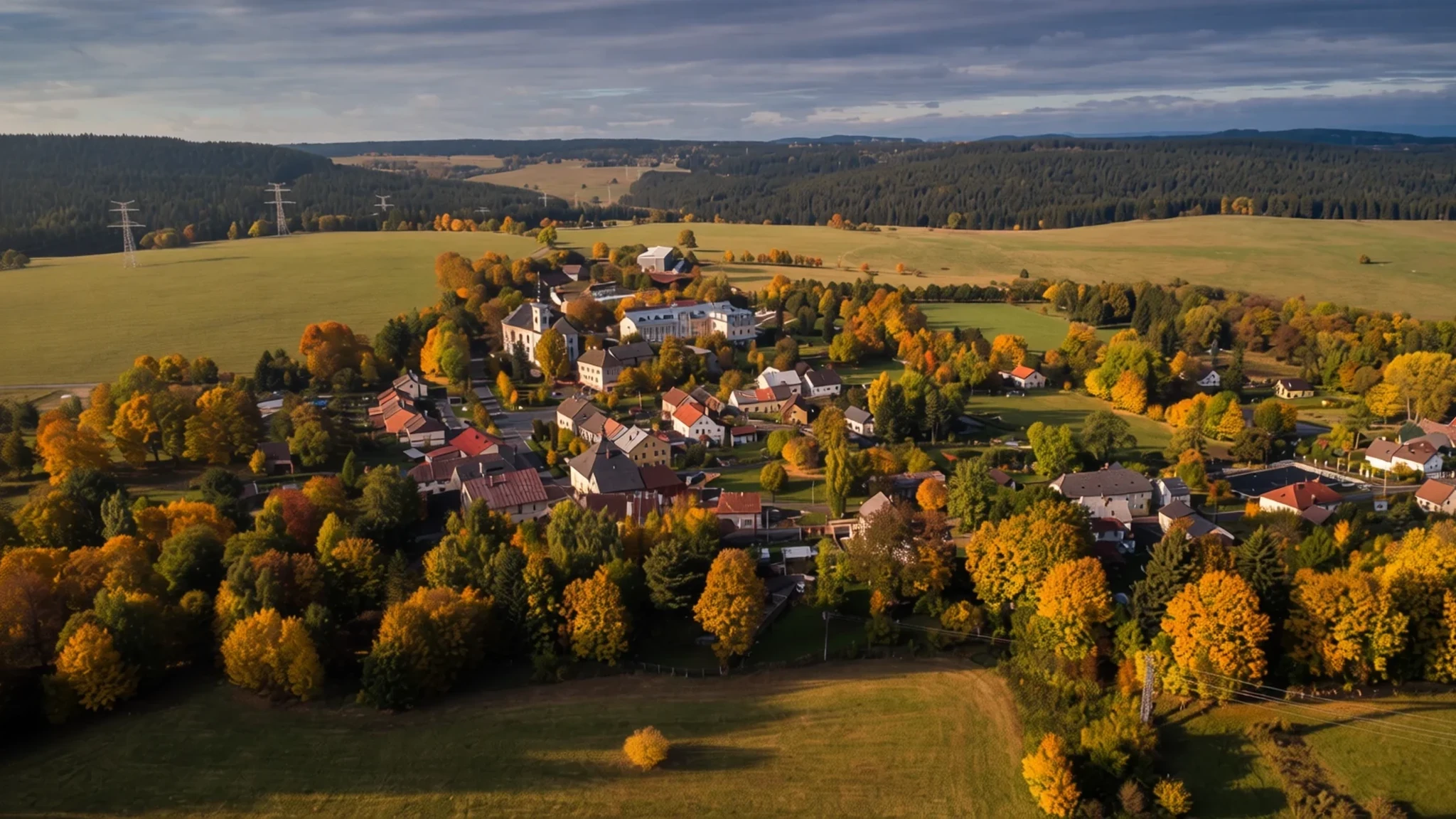
Karlovy Vary is a river-valley spa town where people still sip mineral water from small cups beneath ornate colonnades.
The place
Karlovy Vary sits in a narrow wooded valley in western Bohemia, where the Teplá river meets the Ohře. About 49,000 people live here, at an elevation of 447 m, and the old centre is squeezed into the gorge so tightly that streets climb the slopes in tiers. The German name, Karlsbad, appears on older maps and in many books, and Carlsbad was the usual English spelling.
The town exists because of its hot mineral springs. Spa houses, colonnades and grand hotels in pastel shades line the river, and the whole historic core is treated as a protected urban monument. In 2021 it joined the transnational UNESCO World Heritage listing called Great Spa Towns of Europe, which recognises spa architecture and landscape from the eighteenth to the twentieth centuries.
Visitors come for several reasons: to drink or bathe in the waters, to walk the forest paths above the town, to eat the thin warm wafers sold at street stands, and in early summer for the international film festival. The town lies roughly 106 km west of Prague, so it works as a long day trip, though an overnight stay suits the pace better.
It is a place for strolling rather than ticking off sights. The promenade along the river is busy in the middle of the day, especially in summer, and quieter in the early morning and after dark. Prices on the main riverside strip run higher than a few steps away, a pattern familiar from most spa towns.
Its story
Karlovy Vary was founded around 1350, according to the facts on record, and the legend attached to it is a good one. Charles IV, Holy Roman Emperor and King of Bohemia, was supposedly hunting in the forests near Loket when his party stumbled on a hot spring. The emperor is said to have bathed an injured leg in it and recovered, and he ordered a spa built on the spot. The town took its name, Charles's Bath, from him. Whatever the truth, people had probably known about the springs for generations before.
The area was settled long before the town. Archaeologists have found a fortified Bronze Age site at Drahovice and Slavic traces at Tašovice and Sedlec. Later, German-speaking settlers arrived as craftsmen, miners and farmers, and the town became mainly German-speaking, which is why Karlsbad was its name in most of Europe for centuries.
The spa grew slowly at first, then quickly. By the nineteenth century it was fashionable with aristocrats, writers and musicians from across Europe, and the grand buildings of the centre date from that boom. The First World War ended that fast growth, and the twentieth century brought upheaval and neglect. After the Velvet Revolution of 1989 the town revived as a major destination, with restored façades and a new international audience, and its film festival helped put it back on the map.
What to see
- Mill Colonnade — Central spa district
The Mill Colonnade is the town's main meeting place, a long covered walkway where people stroll with their spa cups between the springs. In summer bands often play here. Come early for quiet and soft light, or in the evening when the day-trippers have left for the coaches.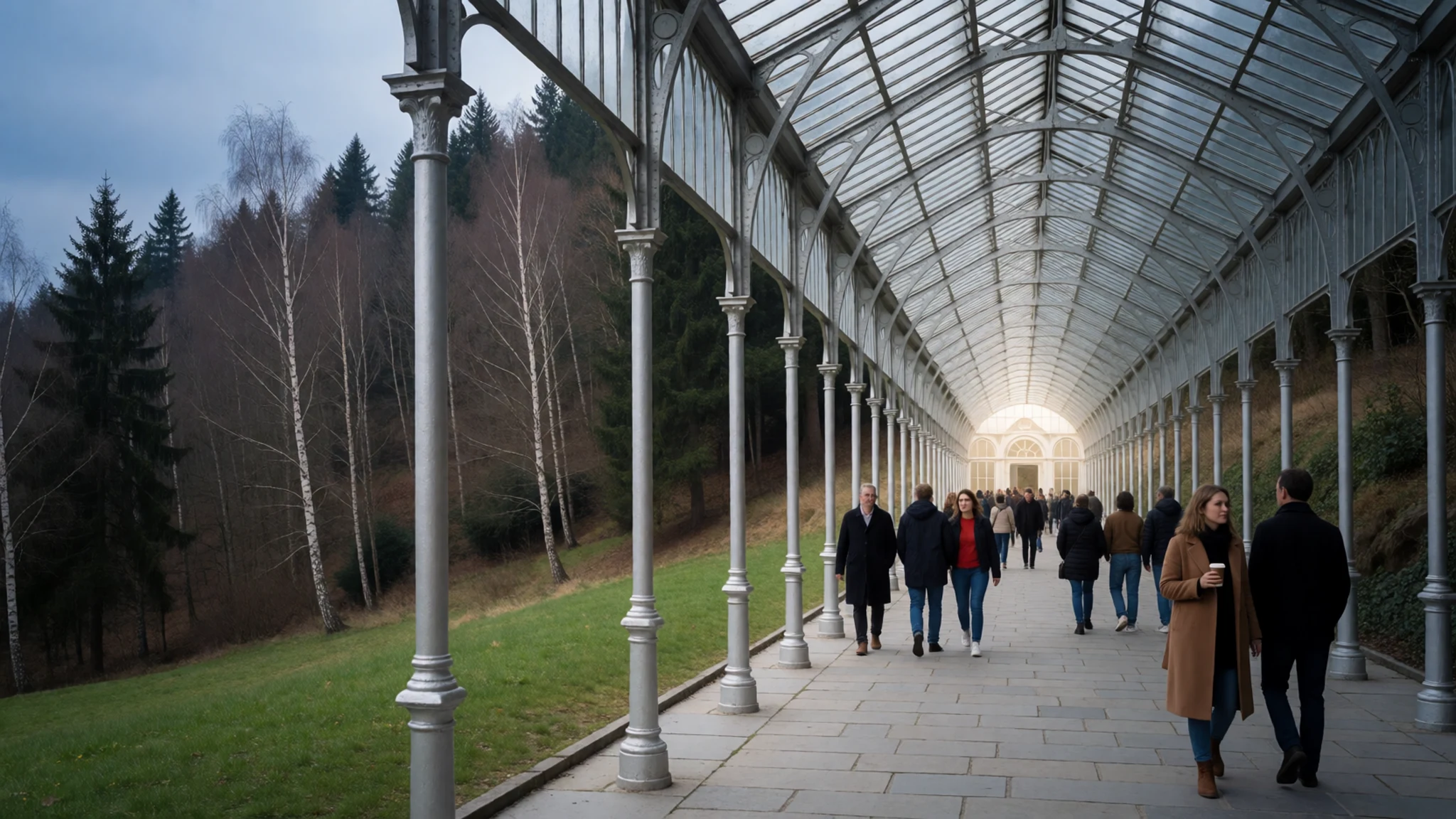
- Hot Spring Colonnade — Along the Teplá river
This modernist hall houses the town's most powerful spring, which shoots a tall jet of hot water into the air. The building replaced an older colonnade that was left derelict after the war and was designed by Jaroslav Otruba. It looks stark beside the pastel façades but is worth a look.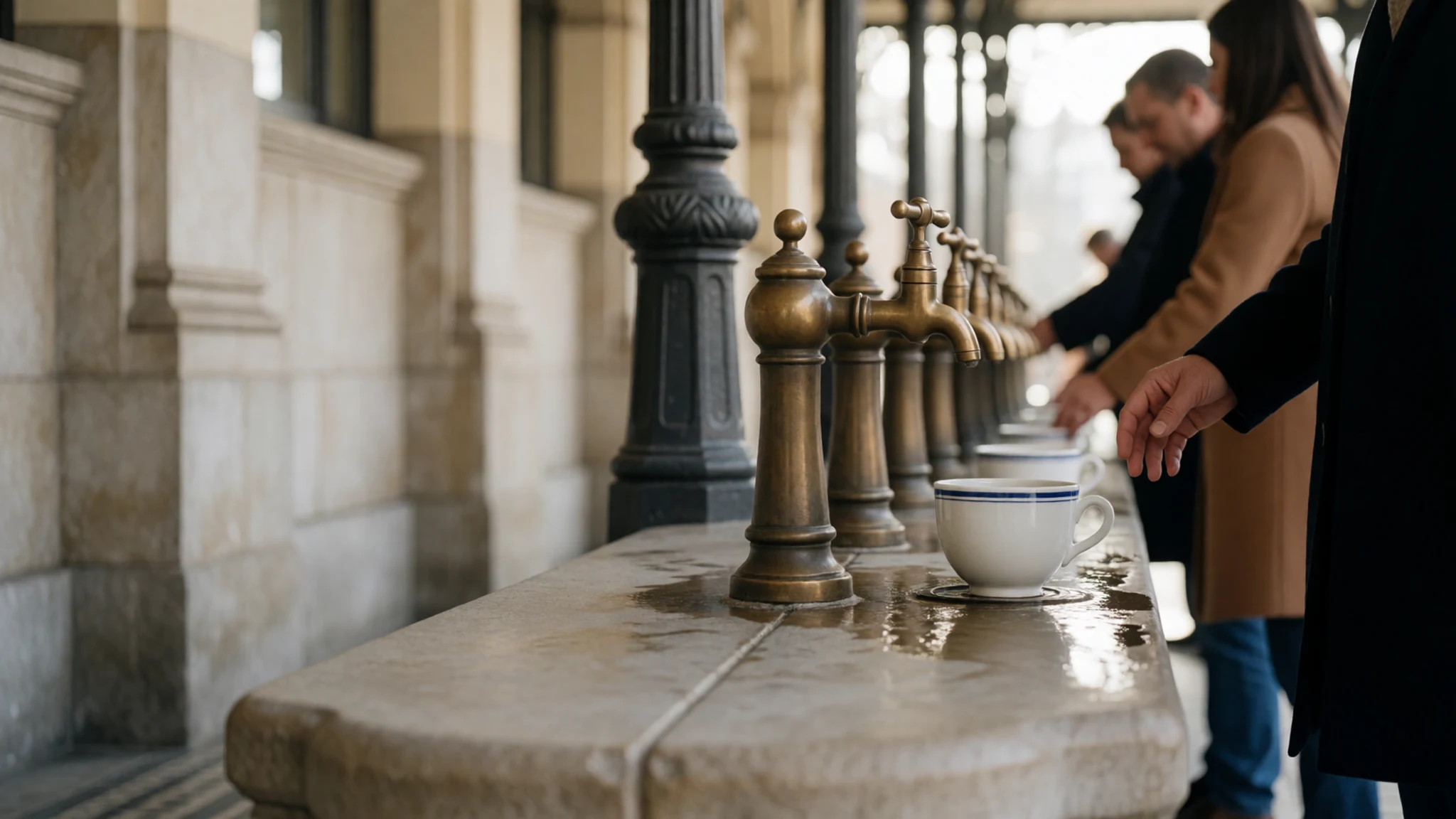
- Lázně I — South end of the spa district
Lázně I is a grand spa building that was planned as the Emperor's Baths, although Franz Josef never actually came to use them. Film fans may know it as the casino setting in Casino Royale. Check the official town site for what can be visited inside.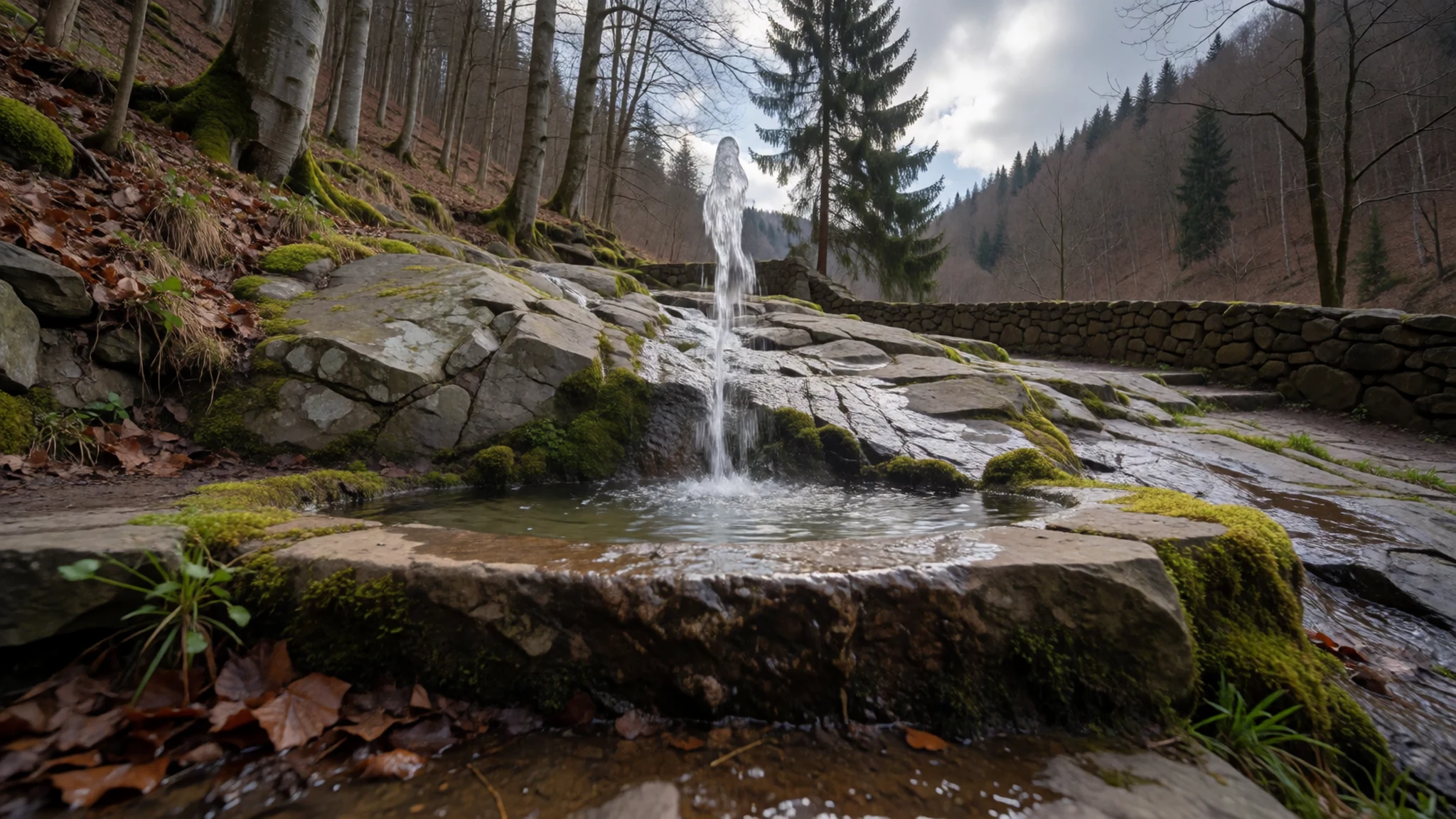
- Lázně III — Central spa district
Lázně III is another handsome spa building in the central stretch, close to the Rock Spring, a small spring with a gentle flow. Together they make a short, rewarding loop for anyone who wants to see the architecture without going far from the river.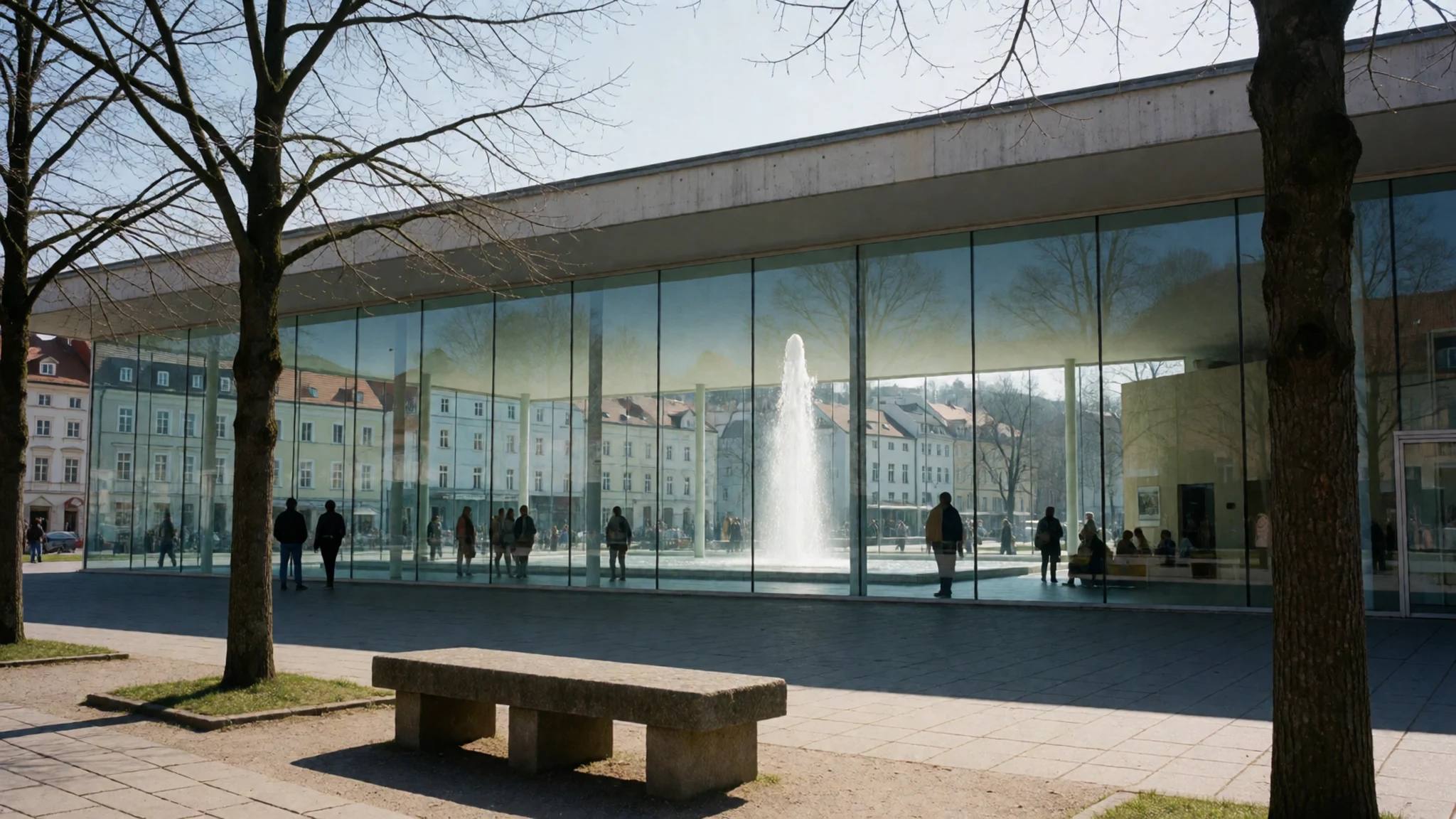
- Diana Lookout Tower — Wooded hill above the centre
A funicular railway climbs through the forest to this lookout, and a walking path does the same for those who prefer to earn the view. The tower looks over the rooftops and the valley. Check the funicular's current fares and hours before heading up.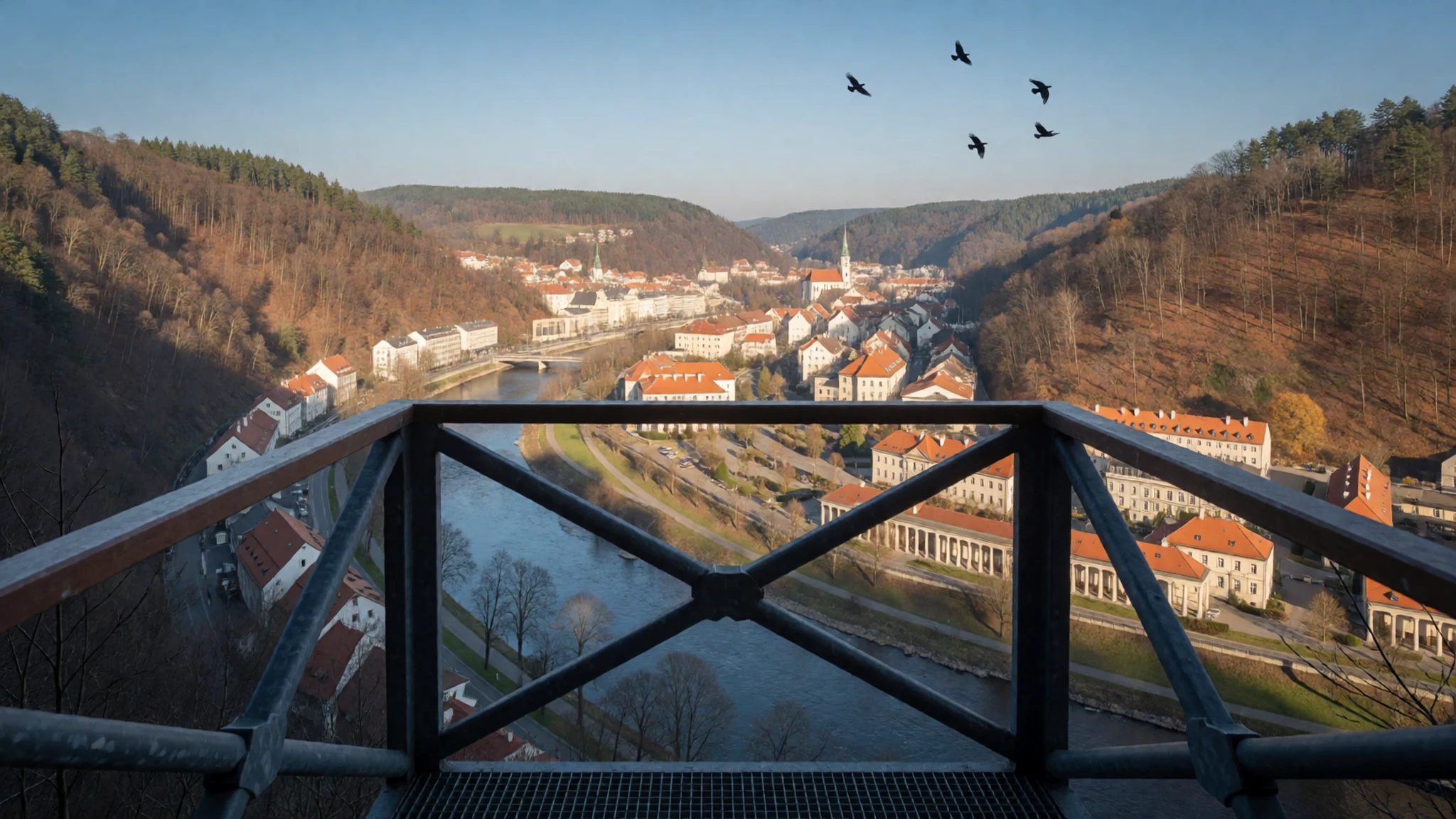
- Church of St Peter and St Paul — Western slope of the town
Built in 1897, this Orthodox church stands with its gilded domes against the green hillside, not far from the Russian embassy and the start of several woodland walks. It is a reminder of the Russian visitors who have long been part of the town's life.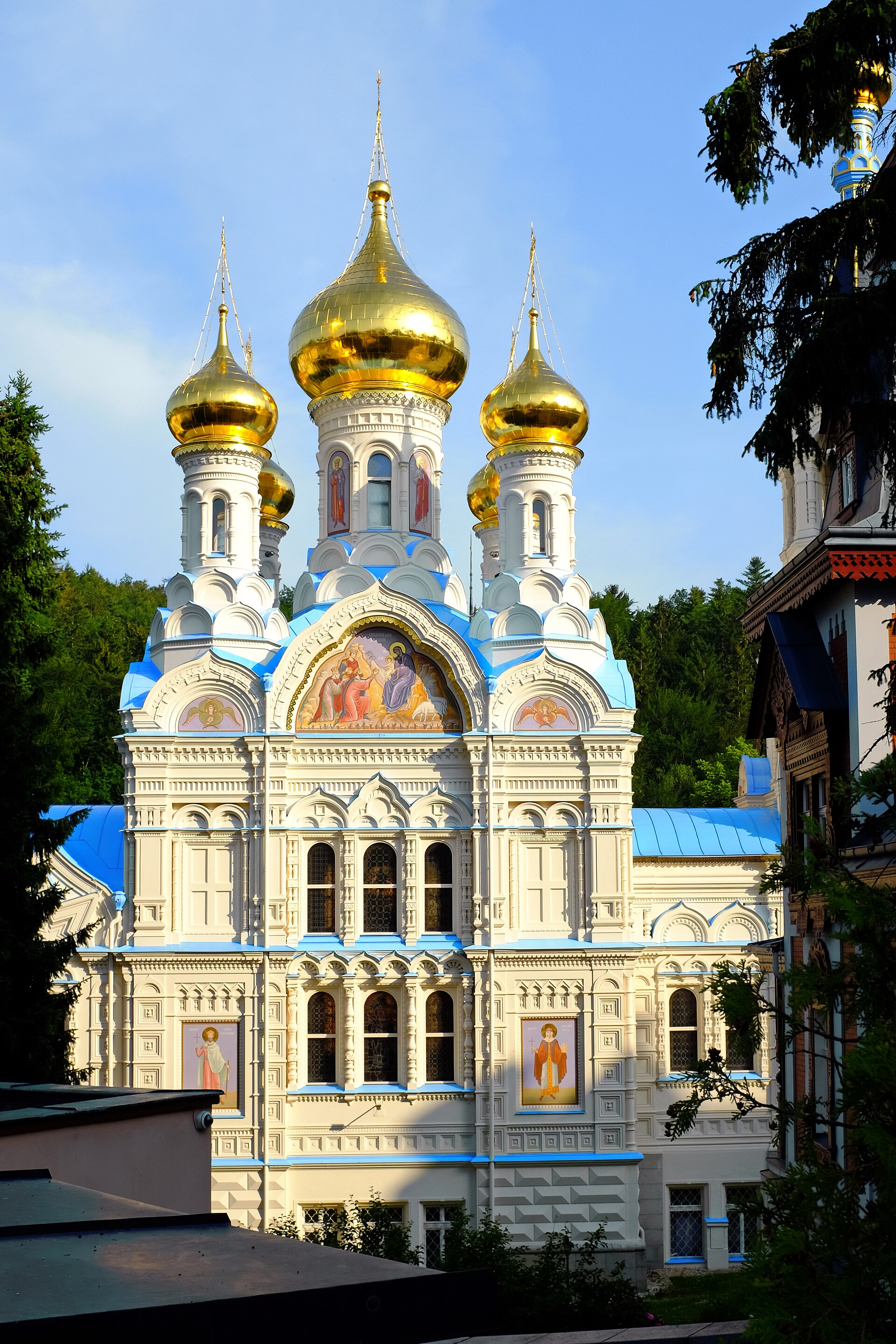
Culture
Karlovy Vary's culture is shaped by the spa routine. Visitors drink mineral water from porcelain cups with a spout, sipping slowly while they walk between colonnades, a habit that has barely changed since the town's fashionable heyday. Doctors still prescribe treatments here, so the spa side is serious as well as scenic.
The town also carries a layered history. For centuries it was mostly German-speaking and known as Karlsbad, and the Czech name now on the signs reflects the later shift. Russian-speaking visitors have long been common, which explains the Orthodox church and Russian-language menus.
Film is the other big theme. The Karlovy Vary International Film Festival is among Europe's major film events, and the town has appeared on screen several times, including Casino Royale and Last Holiday, both of which used the Grandhotel Pupp. The Palace Bristol Hotel was a model for the look of The Grand Budapest Hotel. During festival week the town is crowded and lively, and accommodation is harder to find.
Becherovka, the herbal liqueur invented here by Jan Becher, is the local drink, and it is often described as an acquired taste. Locals tend to sip it in small measures rather than in large ones.
When you drink from the springs, take only small sips of the hot, mineral-rich water, and never fill bottles from the spring outlets to carry away or to drink in large amounts.
What to wear
Karlovy Vary has no single traditional costume of its own in the way some Alpine or rural regions do. The Bohemian folk dress of the surrounding countryside, with embroidered bodices, full skirts and linen or cotton blouses, appears mostly at festivals and folklore events rather than daily life. The town's real dress tradition is the nineteenth-century spa wardrobe: tailored coats, hats and parasols, worn for the daily promenade.
Today people dress simply and neatly. Locals wear everyday European clothes, with practical layers in cooler months. In the spa district you will see more smart-casual dress than in most Czech towns, since many visitors treat the promenade as an occasion. During the film festival the mood turns glossier, with evening wear around the main hotels and cinemas.
Visitors should plan for comfort first. The town is built on slopes, and the pavements and forest paths are steep in places, so comfortable walking shoes matter more than anything else. Pack layers: valley mornings can be cool even when the afternoon is warm, and rain showers are possible in any season. A light waterproof is useful. Smart-casual clothes suit evenings in restaurants and spa buildings. Churches, including the Orthodox church, are fine to visit in ordinary clothes, though covered shoulders and knees are polite. If you plan to use a spa pool, the venue will usually tell you what to bring, so check ahead.
What to eat
- Spa wafers (lázeňské oplatky) — Street stands along the riverside promenade
Thin, round wafers with a sweet filling, sold in many flavours and best eaten warm. They are the town's signature snack and are easy to find at street stands along the promenade. Grocery shops across the country also sell them, which makes them an easy gift.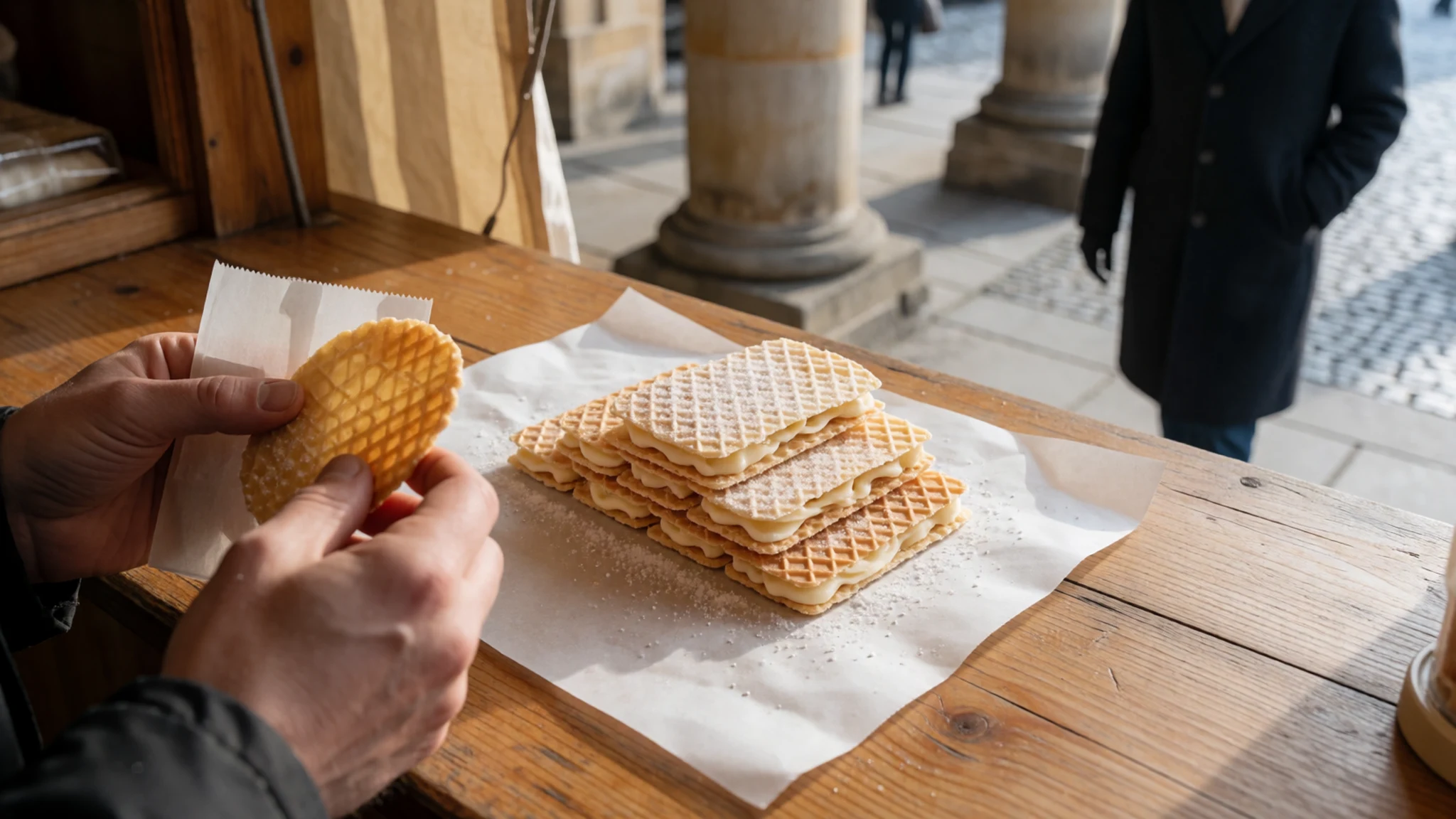
- Becherovka — Bars and restaurants across the centre
This herbal liqueur was created in Karlovy Vary by Jan Becher. It is strong, spicy and bitter, so many visitors find it takes a little getting used to. It is usually served in small glasses, sometimes chilled, and is the town's best-known drink.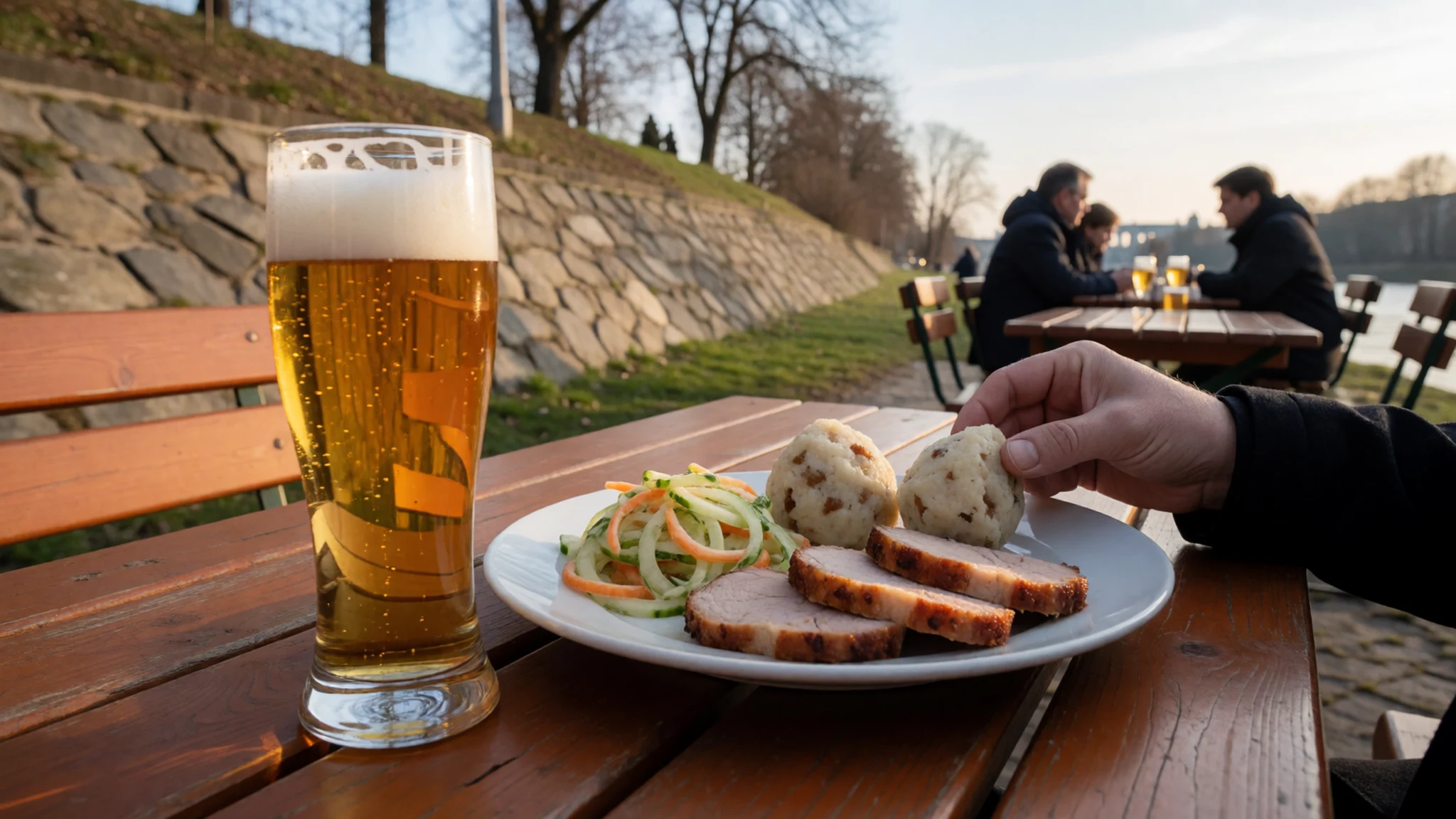
- Czech pub meals — Beer halls and taverns on the river
Expect hearty, meat-heavy plates with plenty of sauce and sides, often with a salad on the menu. They go well with draught Czech beer. Riverside tavern-style places are convenient but tend to be touristy, so quality varies. - Coffee and cake — Cafés near the colonnades
Café culture runs deep here, a legacy of the long era of spa visitors who liked to sit and watch the promenade. A slice of cake and a coffee is a good pause between springs, and many cafés have outdoor tables on warm days. - Steak and grill dishes — Restaurants a few streets from the river
Several restaurants specialise in large cuts of grilled meat, generous in portion. They suit hungry hikers coming down from the forest paths, and some offer outdoor tables. Look for places a short walk off the main riverside strip, where prices are usually lower.
Plan it
Best time. May–June and September–October, when the weather is mild and the forest paths are pleasant. Summer is busy and warm, and the film festival in early summer fills hotels. Winter is quieter and cold, but the colonnades still work.
How long. 2
Getting there. The nearest major airport is Prague; from there take a direct bus from Prague's main coach stations, which takes about two hours, or a long-distance train, which is slower but scenic. Check IDOS for train times and the operators' sites for bus fares. Karlovy Vary also has its own small airport; check the official town site.
Budget. mid
Tips
- Book accommodation well ahead if you are travelling during the film festival.
- Go to the colonnades early in the morning for quiet and good light.
- Compare prices: places a short walk off the riverside strip are often cheaper.
- Wear comfortable shoes for the steep paths and slopes.
- Check the funicular's current fares and hours on the official site (https://mmkv.cz/).
Etiquette
- Sip the spring water slowly in small amounts rather than gulping it.
- Keep voices low in the colonnades and spa buildings.
- Ask before photographing people taking treatments.
Nearby
Sources
- Wikidata Q384544 (CC0)
- Wikipedia: Karlovy Vary (rev 1382558903) (CC BY-SA 4.0)
- Wikivoyage: Karlovy Vary (rev 5406306) (CC BY-SA 4.0)
- Photo 01 Karlovy Vary, RB Photo (CC BY 2.5)
- Photo 02 A Birdeye View of Karlovy Vary, Jialiang Gao (CC BY 3.0)
- Photo 03 Carlsbad (Merian) (Public domain)
- Photo 04 Marktplatz in Karlsbad, C. Waage (Public domain)
- Photo 05 Map of Karlsbad (Public domain)
- Photo 06 Karlovy Vary colonnade, Ivanhoe (CC BY 3.0)
- Photo 07 Lázně I, SchiDD (CC BY-SA 4.0)
- Photo 08 Church of St Peter and St Paul, Lubor Ferenc (CC BY-SA 4.0)


