Kroměříž Castle
Kroměříž Castle, Czech Republic
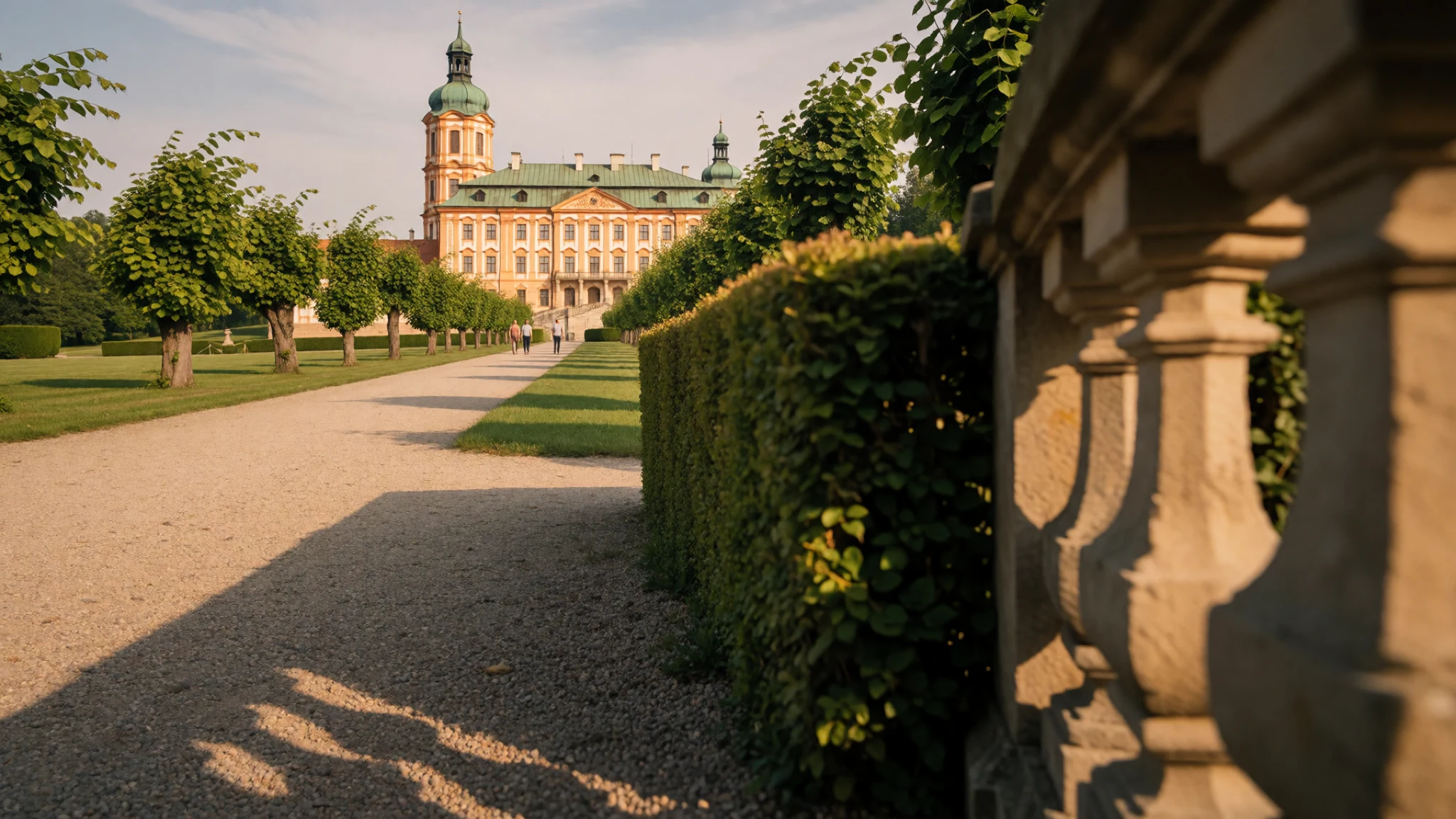
Kroměříž Castle pairs a Baroque archbishops' palace with formal gardens and a serious art collection, in a calm Moravian town.
The place
Kroměříž Castle stands just off the main square of Kroměříž, a small Moravian town in the east of the Czech Republic. Czech speakers call it Zámek Kroměříž or the Arcibiskupský zámek, the Archbishop's Palace, and in German it is Schloss Kremsier. For centuries it was the main home of the bishops of Olomouc, who became archbishops in 1777, so it was built as a seat of church power and a place to receive guests rather than as a fortress.
The palace is only half the story. The estate includes a formal Baroque pleasure garden with clipped hedges, straight avenues and a long colonnade, and a looser landscaped garden below the palace walls. UNESCO listed the castle and gardens together in 1998, chiefly because the Baroque garden has survived in such good order. Inside, the palace holds a picture gallery, a library and a music archive, which gives the visit more depth than a walk through empty state rooms.
The town around it is small and unhurried. The square has cafés within a few steps of the palace, and the railway station is a short walk from the centre. A half day covers the palace; the gardens and the town museum make a full day comfortable. Summer weekends are the busiest times, and weekdays outside the main season are quiet. Winters are cold and the gardens look bare then, so the interiors carry the visit. Tour formats and opening times change, so the official site, https://www.zamek-kromeriz.cz/, is the place to check before travelling.
Its story
Kroměříž Castle began as a seat of the bishops of Olomouc, who had owned the town since the 13th century. The Hussite wars loosened their hold, and they only regained control in the 1470s. Around 1500 Bishop Stanislav I Thurzo swapped the old fortress for a more comfortable residence in late Gothic style, with a few Renaissance touches. That house did not last in peace: in 1643, during the Thirty Years' War, Swedish troops sacked it.
The decisive rebuilding came in 1664, when a bishop from the Liechtenstein-Kastelkorn family hired the architect Filiberto Lucchese to turn the palace Baroque. His most important surviving work here is the formal pleasure garden. Lucchese died in 1666, and Giovanni Pietro Tencalla finished the garden and rebuilt the palace with a Turin-flavoured look.
A major fire in March 1752 gutted the building. Bishop Hamilton answered by commissioning Franz Anton Maulbertsch and Josef Stern, two leading imperial painters, to fill the halls with new work. Their rooms now sit beside an older picture collection, which includes Titian's The Flaying of Marsyas, the last mythological painting he made. Most of that collection was bought in Cologne under Bishop Karel in 1673. The palace also keeps a music archive and a library of about 33,000 volumes, a reminder that the archbishops collected books and scores as keenly as they collected paintings.
What to see
- Palace state rooms and picture gallery — Old town, beside the main square
The rooms rebuilt after the 1752 fire carry painted decoration by Maulbertsch and Stern, and the gallery holds Titian's The Flaying of Marsyas, the work most visitors come for. Routes and ticket types change, so check the official site before planning around any one room.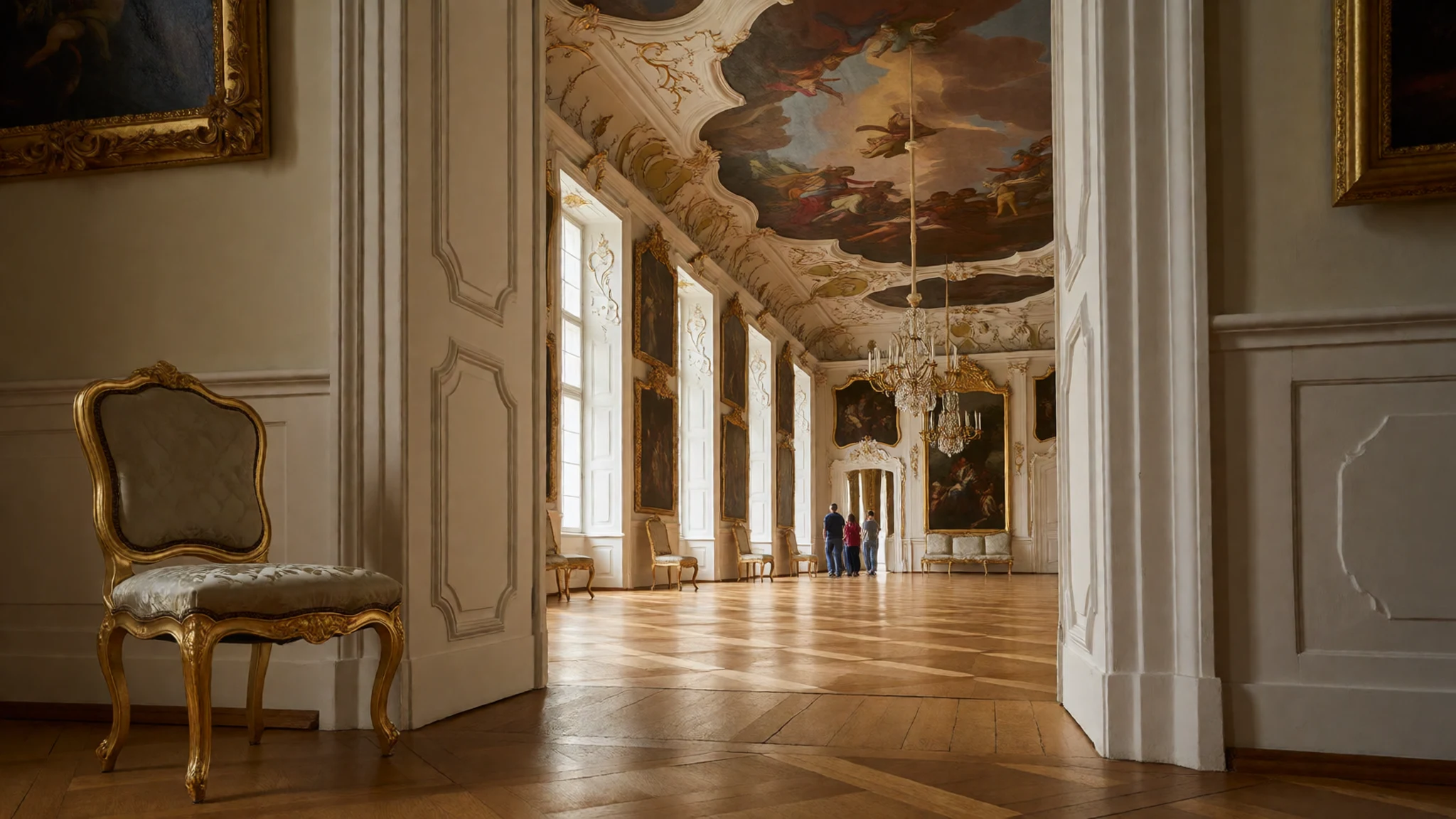
- Library and music archive — Inside the Archbishop's Palace
The palace library holds about 33,000 volumes, and the music archive is regarded as outstanding. These are collections of the kind that reward a guide who knows them. Whether they are on your route depends on which tour is offered, so ask when booking.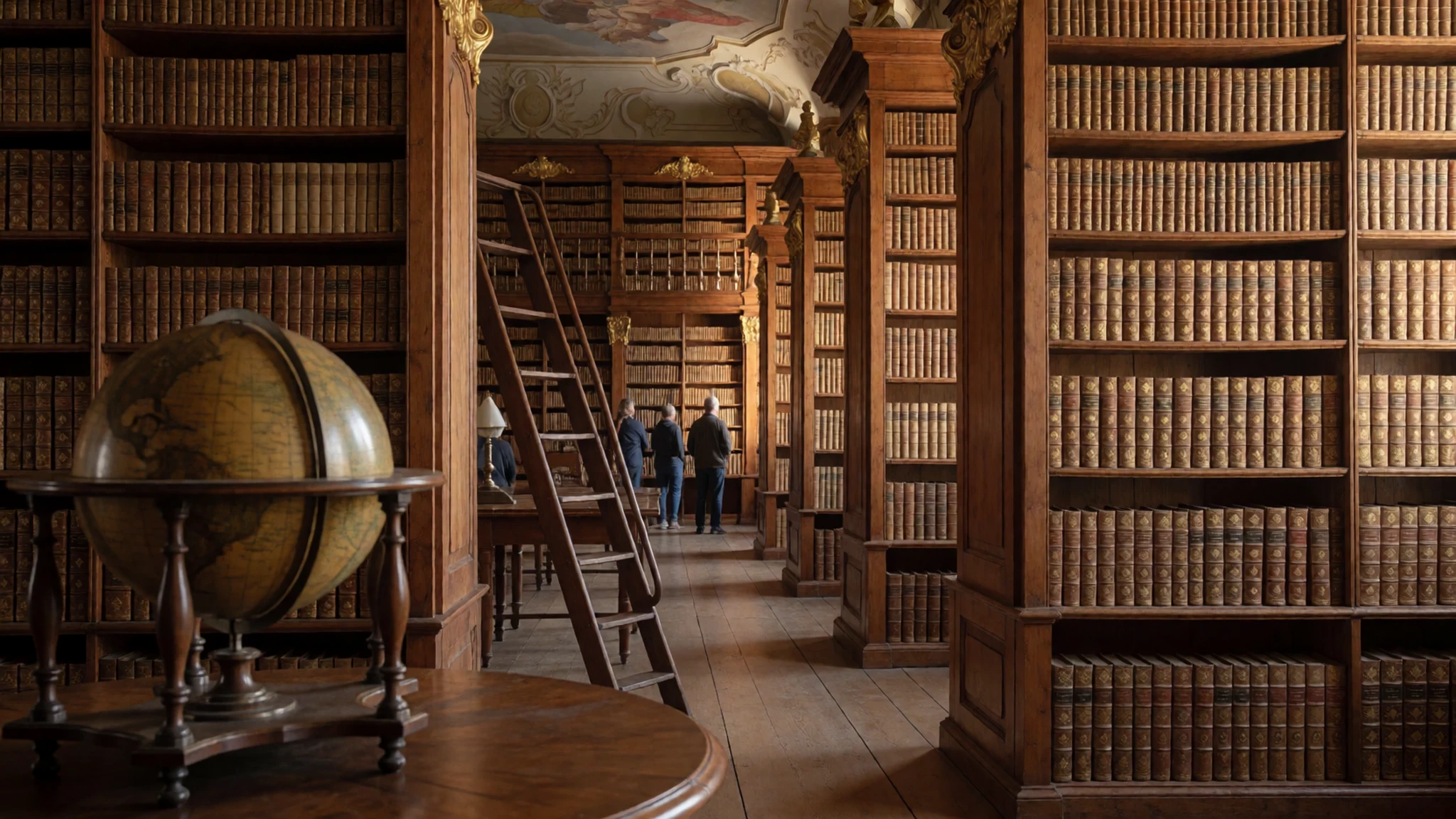
- The palace tower — Archbishop's Palace
Climbing the tower gives a view over the roofs of the town and the surrounding landscape, and shows how the gardens sit against the palace. A clear morning is best. Access depends on season and tour arrangements, so confirm on the day.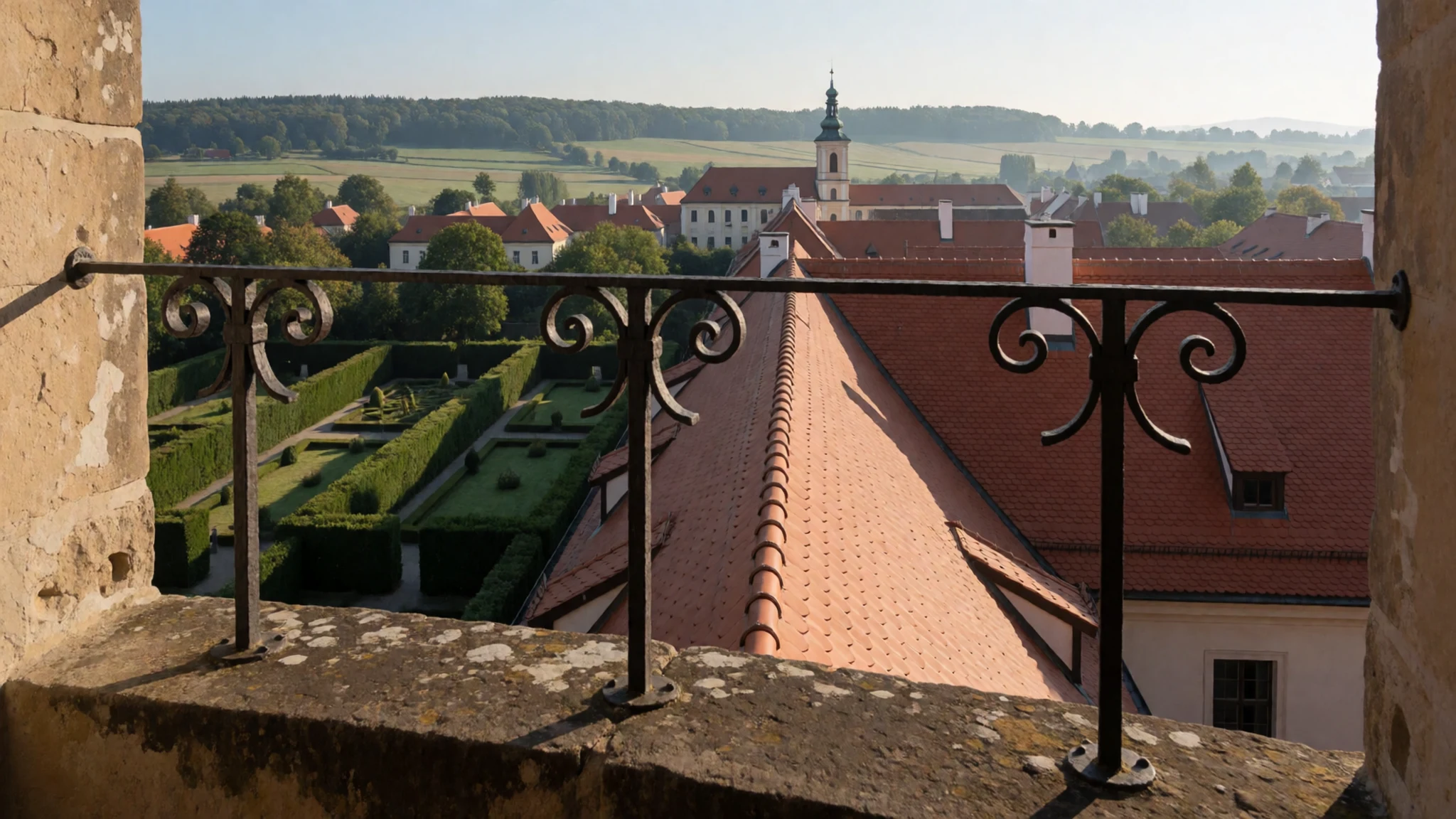
- Flower Garden (Květná zahrada) — A short walk from the palace
This is the Baroque pleasure garden begun by Lucchese and completed by Tencalla, and the main reason for the UNESCO listing. Expect symmetrical paths, trimmed hedges and a long colonnade. It is best walked slowly in late spring or early autumn, when the light is soft.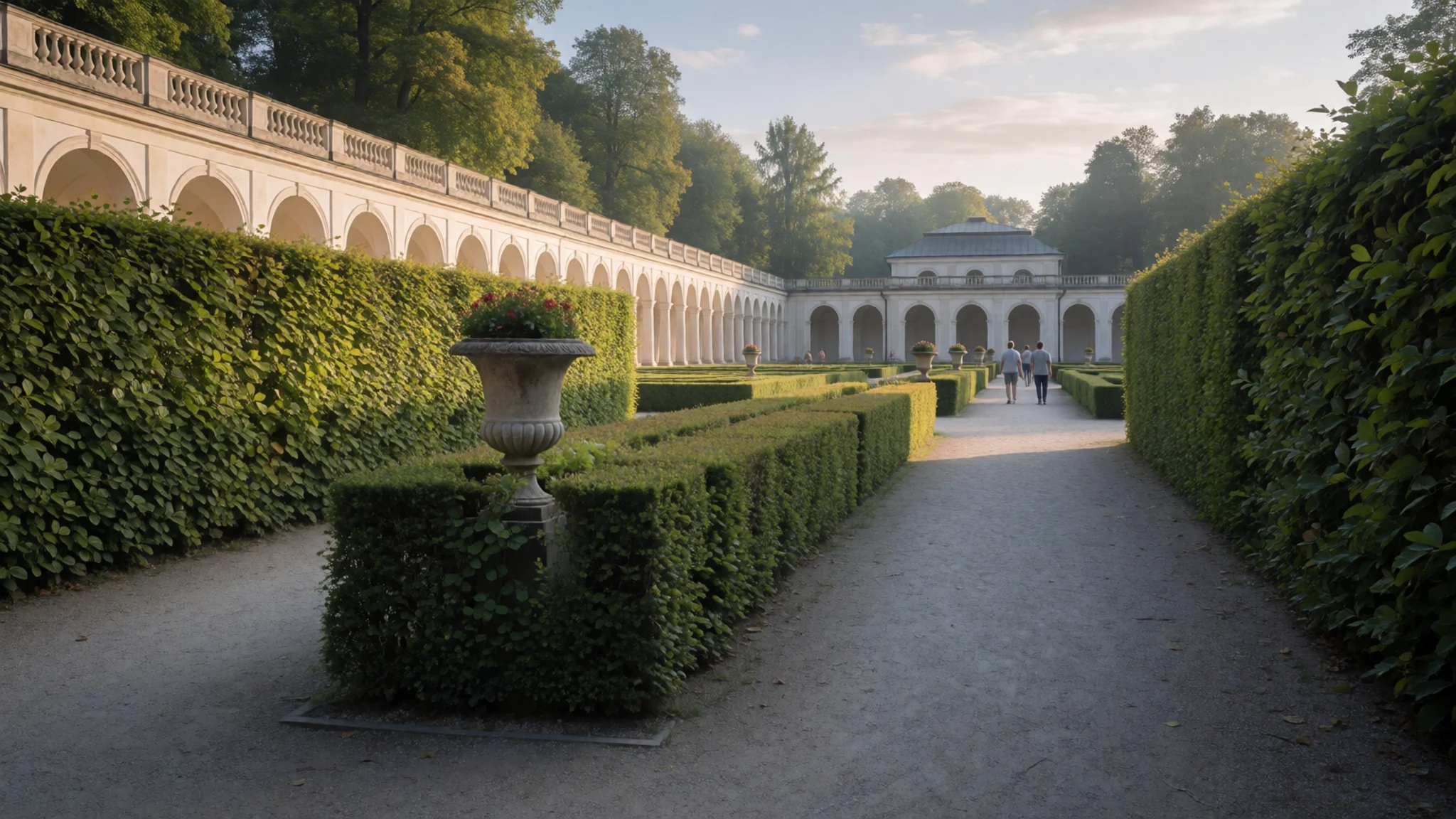
- Podzámecká garden — Below the palace walls
The landscaped garden below the palace is looser and shadier than the formal one, with mature trees and winding paths. It is where local people walk, jog and push prams. Pair it with the Baroque garden for contrast, and bring a rain layer if the sky is doubtful.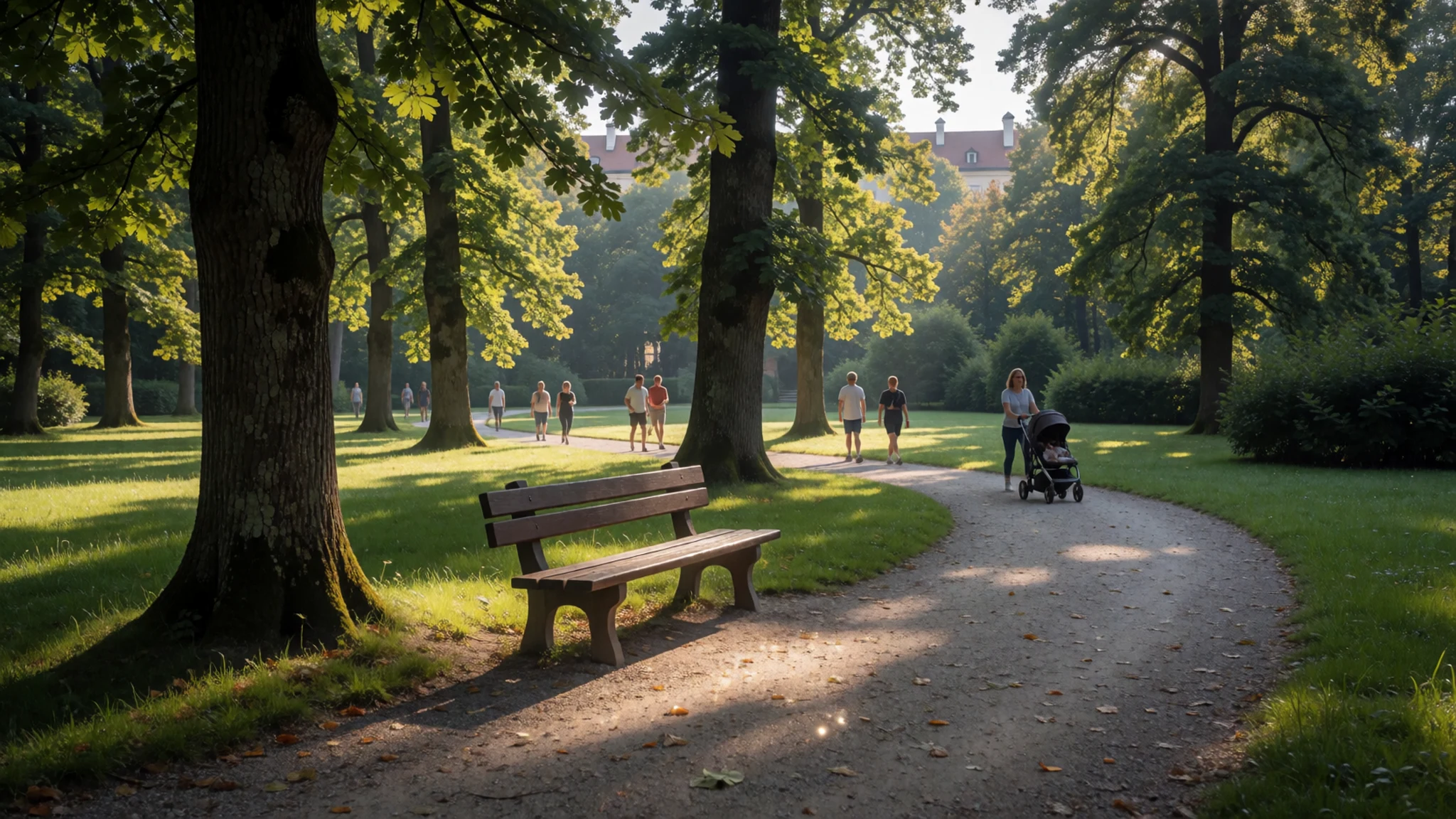
- Mirror maze — Central Kroměříž
A multi-storey building of curved mirrors and small mazes, with versions for children and adults. The displays are worn at the edges, but it makes a cheerful short break between the palace and the gardens, especially for families with restless children.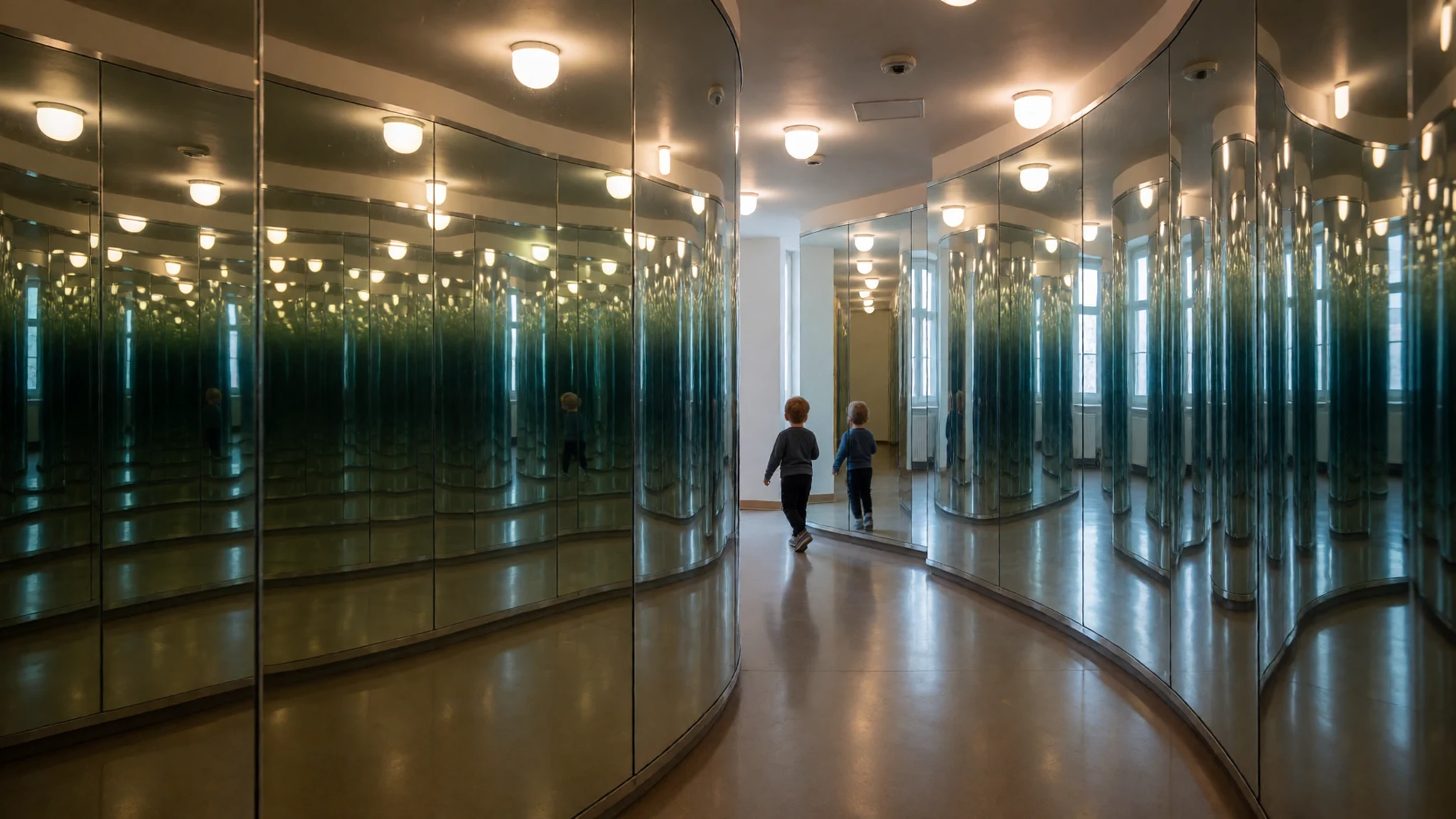
Culture
Kroměříž Castle belongs to a part of the Czech Republic where church patronage shaped the arts for centuries. The archbishops of Olomouc were collectors of paintings, books and music, and that habit still defines the town: the gallery, the library and the music archive are as central to its identity as the Baroque façades. Moravia also sees itself as distinct from Bohemia, with its own dialects, wine country and folk traditions, and people are quietly proud of that.
Daily life here is calm. Cafés fill at midday, parks are used by every generation, and concerts and festivals in the palace and gardens keep the musical tradition alive. Catholic feast days still matter in the calendar, though church attendance is modest, as across much of the country. A friendly "dobrý den" when entering a shop, café or ticket office is the usual courtesy, and it is returned warmly. Staff may speak limited English outside the main sights, but patience and a smile go a long way.
Lunch is the main meal for many people, and restaurants often have a set midday menu. Beer is cheap by British standards and drunk calmly, not loudly. Visitors to the palace should follow the guide's instructions on photography, keep to the marked route through the historic rooms, and stay off the lawns and clipped borders in the gardens.
What to wear
Around Kroměříž Castle, traditional dress means the folk costume, the kroj, of Moravia, which varies from village to village. Women's versions combine embroidered linen blouses, pleated or layered skirts in wool or cotton, aprons, bodices and sometimes lace or ribbon trim. Men wear waistcoats, white linen shirts, felt hats and boots. These outfits come out for folk festivals, weddings, church celebrations and dance performances, rather than for ordinary days, and families often treat them as heirlooms.
What people wear day to day is plain European smart-casual: jeans, trainers or sturdy shoes, jackets and scarves in cool weather. For a concert, a theatre visit or a church service, locals tend to dress a little more neatly, though suits and formal dress are not expected at the palace.
Visitors should plan for variable weather and uneven ground. Comfortable shoes matter, because the town has cobbles and the garden paths are gravel. Layers work in spring and autumn, a warm coat, hat and gloves are needed in winter, and a sunhat and light cotton help in July and August. A rain jacket is sensible in any season. Shoulders and knees should be covered when stepping into churches. Some historic interiors ask visitors to protect the floors with overshoes, so follow the staff's instructions.
What to eat
- Svíčková — Traditional pub-restaurants around the main square
Beef sirloin in a smooth, slightly sweet sauce of root vegetables and cream, served with sliced bread dumplings, a spoonful of cranberries and a slice of lemon. It is a celebration dish in Czech homes and a fixture of the menu.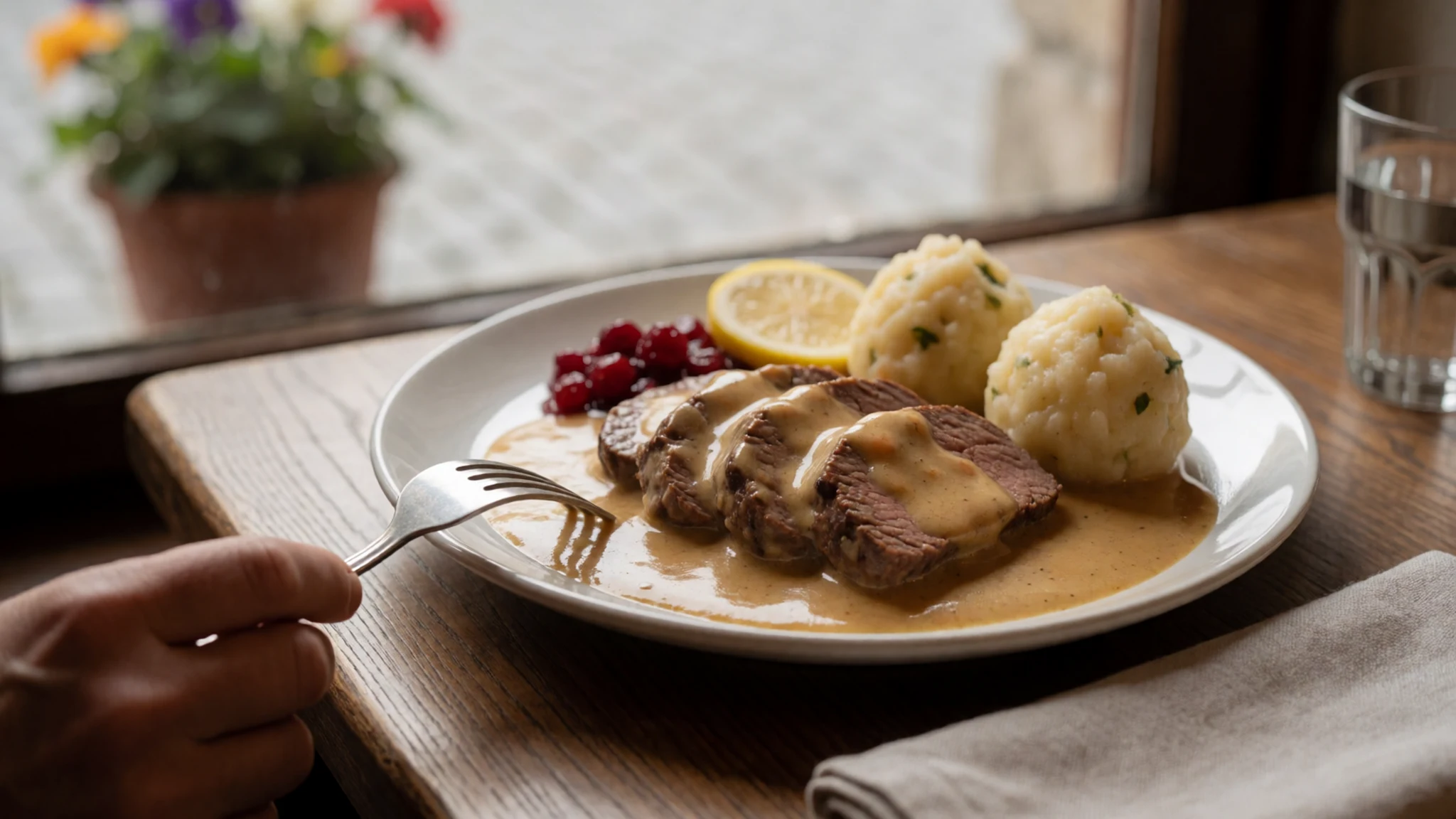
- Vepřo-knedlo-zelo — Pub-restaurants and family eateries in the old town
Roast pork with bread dumplings and braised sauerkraut, usually in generous portions. It is plain, filling and a good test of a kitchen. Order it at lunch, when it is often on a set menu.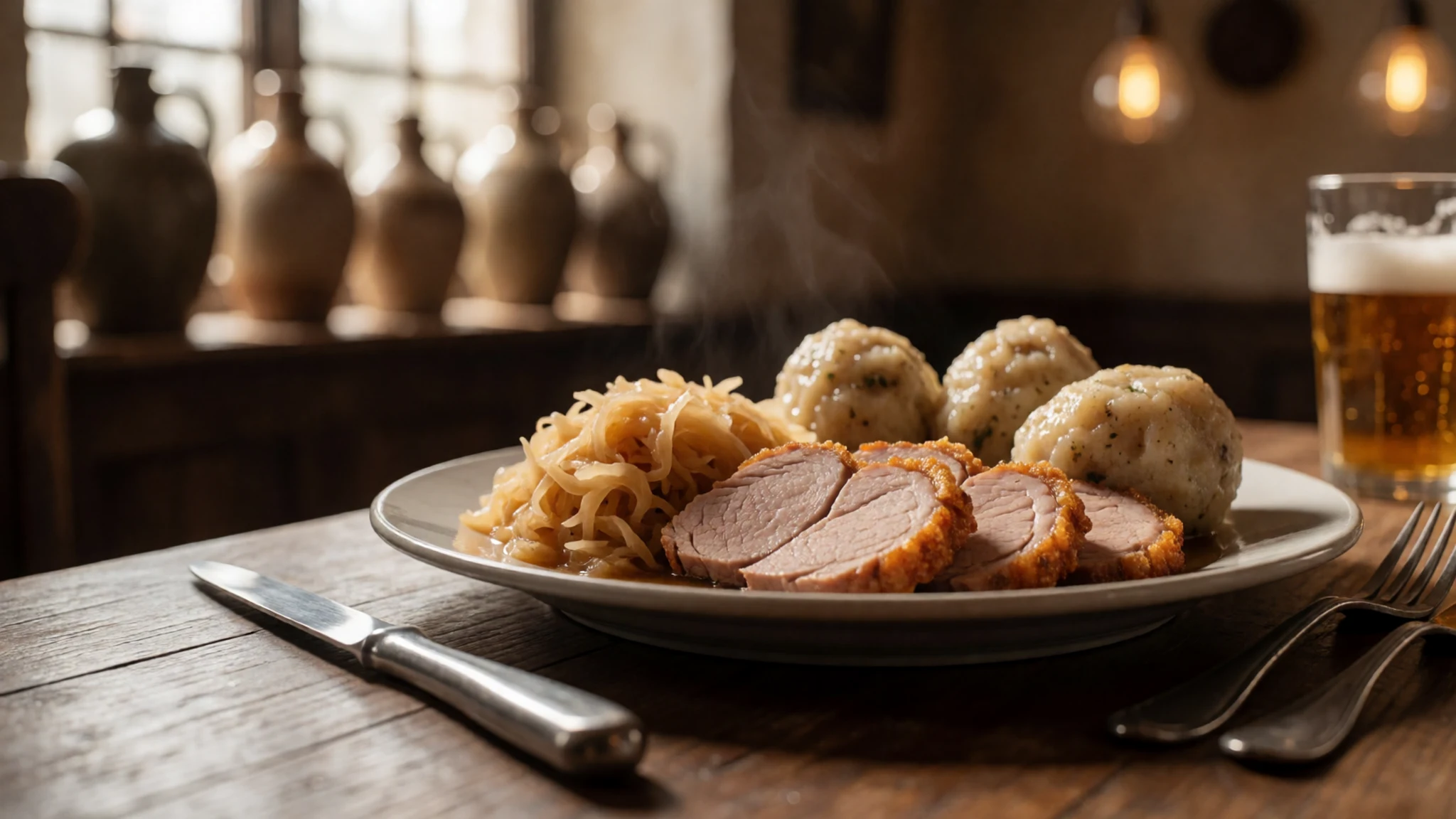
- Olomoucké tvarůžky — Pubs serving local specialities and shops selling regional foods
A small, strongly smelling cheese from the Olomouc area, eaten fried in breadcrumbs or marinated in oil with onion alongside beer. The smell is far worse than the taste, which is mild and savoury. - Moravian koláč — Bakeries and cafés near the square
A round, sweet pastry with a soft rim and a filling of curd cheese, poppy seed or plum jam. Moravian koláče are traditionally linked with weddings and feasts, and are best eaten fresh with coffee. - Smažený sýr — Pubs and café lunch menus in town
A slice of cheese coated in breadcrumbs and fried, served with chips or boiled potatoes and tartare sauce. It is a vegetarian staple across the country and a cheap, reliable lunch when walking between sights.
Plan it
Best time. May–June and September–October, when the gardens are in leaf or turning colour and walking is comfortable. July–August is warm and busier, and winters are cold with bare gardens, though the palace interiors still work.
How long. 1–2
Getting there. Kroměříž has a railway station a short way from the centre. Trains from Olomouc (about an hour) and Brno (roughly an hour and a quarter to two and a half hours) are mostly indirect, often changing at Hulín or Kojetín. Buses run direct from Brno in about an hour and a quarter. For flights, use Brno or Prague airport and continue by rail or bus. Check Idos for current connections.
Budget. low
Tips
- Check the official site, https://www.zamek-kromeriz.cz/, for tours, opening days and tickets before you go
- Arrive in the morning so the palace and both gardens fit into one day
- Use Idos to compare train and bus times, as many rail links need a change
- Wear comfortable shoes for cobbles and gravel paths, and carry a rain layer
- Keep some cash for small cafés and garden kiosks, though cards are widely accepted in town
Etiquette
- Follow the guide's instructions on photography and keep to the marked route inside the palace
- Stay on the paths in the formal garden and off the lawns and hedges
- Greet staff and shopkeepers with a simple "dobrý den"
Nearby
Sources
- Wikidata Q200693 (CC0)
- Wikipedia: Kroměříž Castle (rev 1368963585) (CC BY-SA 4.0)
- Wikivoyage: Kroměříž (rev 5224887) (CC BY-SA 4.0)
- Kroměříž, Arcibiskupský zámek — VitVit (CC BY-SA 4.0)
- Zámek Kroměříž, nám. Smetanovo, Podzámecká zahrada — Bjalek Michal (CC BY 3.0)
- Flower Garden (Květná zahrada) in Kroměříž — Pudelek (CC BY-SA 1.0)
- Arcibiskupský zámek v Kroměříži, rekonstrukce — Hugo (CC BY-SA 4.0)
- Arcibiskupský zámek Kroměříž — V0lkanic (CC BY 4.0)
- Arcibiskupský zámek a Arcidiecézní muzeum Kroměříž — Zdeněk Sodoma/MUO, Muzeum umění Olomouc (CC BY-SA 4.0)
- Kroměříž Archbishop's Palace, Moravia — Pudelek (CC BY-SA 1.0)
- Arcibiskupský zámek Kroměříž vyfocený z náměstí — Jednickahvezdicka (CC BY 4.0)


