Holašovice
Holašovice, Czech Republic
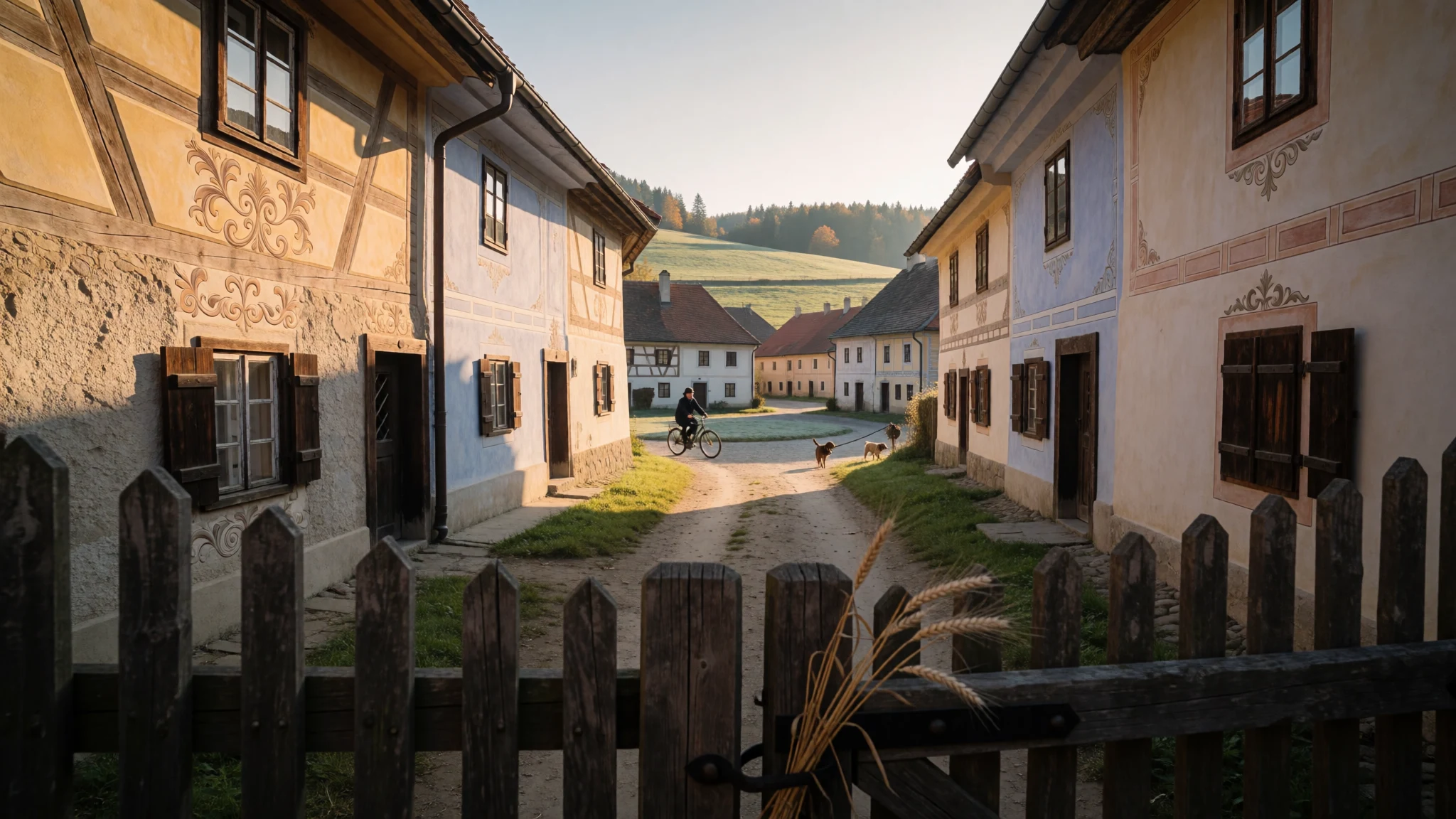
Holašovice is a tiny, preserved Baroque village where the streets and squares feel like a time capsule—easy to visit, surprisingly atmospheric.
The place
Known in German as Hollschowitz or Holschowitz, this small historic village is located in South Bohemia, serves as part of the Jankov municipality, and falls roughly 16 kilometres west of České Budějovice. It sits at an elevation of 505 m, and that matters: the air can feel brisk, and weather changes quickly when you’re walking the lanes.
What makes Holašovice stand out isn’t just that it has old buildings—it still feels like a working village plan. After the Second World War, the settlement was left empty for a long stretch, which helped keep the medieval layout and the local vernacular buildings in place. Later, when the village was restored and repopulated from 1990, the focus was on maintaining the original character rather than replacing it with something “new”.
The architecture is often described as South Bohemian Folk or Rural Baroque, and you’ll notice a strong “village barocco” feel: decorative facades, colourful touches, and lively square-frontage that turns the centre into the main stage. You can take your time here because the whole village is, in practice, your itinerary—small enough to explore slowly, and central enough that you don’t need long transfers.
Crowds are usually the opposite of an issue: Holašovice is modest, not a theme-park stop. The practical downside is that services are limited, so it’s worth planning around opening times and basic needs. In exchange, you get something rare in Europe’s bigger heritage hotspots: an intact village atmosphere, with just you, the façades, and the quiet rural surroundings.
Its story
Holašovice’s story reads like a chain of sharp turns. The village is first recorded in 1263, and later it came under the control of the Cistercian monastery of Vyšší Brod after a royal grant in 1292. For centuries, that religious link shaped settlement and management, until the mid-19th century.
One of the most dramatic chapters comes in the early 1500s, when the village suffered during a bubonic plague outbreak between 1520 and 1525; the surviving community was extremely small. Over the north end of the village there’s a commemorative column tied to that plague period, and even without getting lost in details, it’s the kind of landmark that makes you slow down.
After that, the monastery helped repopulate the village with settlers from Bavaria and Austria. By the start of the 1500s and beyond, Holašovice became a mostly German-speaking enclave within the broader Czech-language region. That multicultural rhythm lasted for a long time, and by 1900 the village counted a large German ethnic presence and a small Czech one.
Then the 20th century breaks the pattern. Following the displacement of German residents at the end of the Second World War, farms were left deserted and the settlement fell into disrepair under the post-war Communist period. In a way, that abandonment is what later protected Holašovice’s look: the medieval plan and traditional buildings weren’t continuously replaced.
The modern chapter begins in 1990, when restoration and repopulation brought people back. In 1998, Holašovice earned UNESCO World Heritage status because it kept its traditional Baroque-era village character remarkably intact. Today, the village feels like the result of that long, sometimes painful history—restored carefully, but still visibly “old”.
What to see
- Holašovice village reservation (UNESCO area)
Holašovice village reservation is, practically, the whole place to walk through. Follow the preserved medieval village plan and focus on the square-fronted buildings: the baroque-village character comes from the façades and the way the streets open out into shared space. Expect a slow, strolling visit.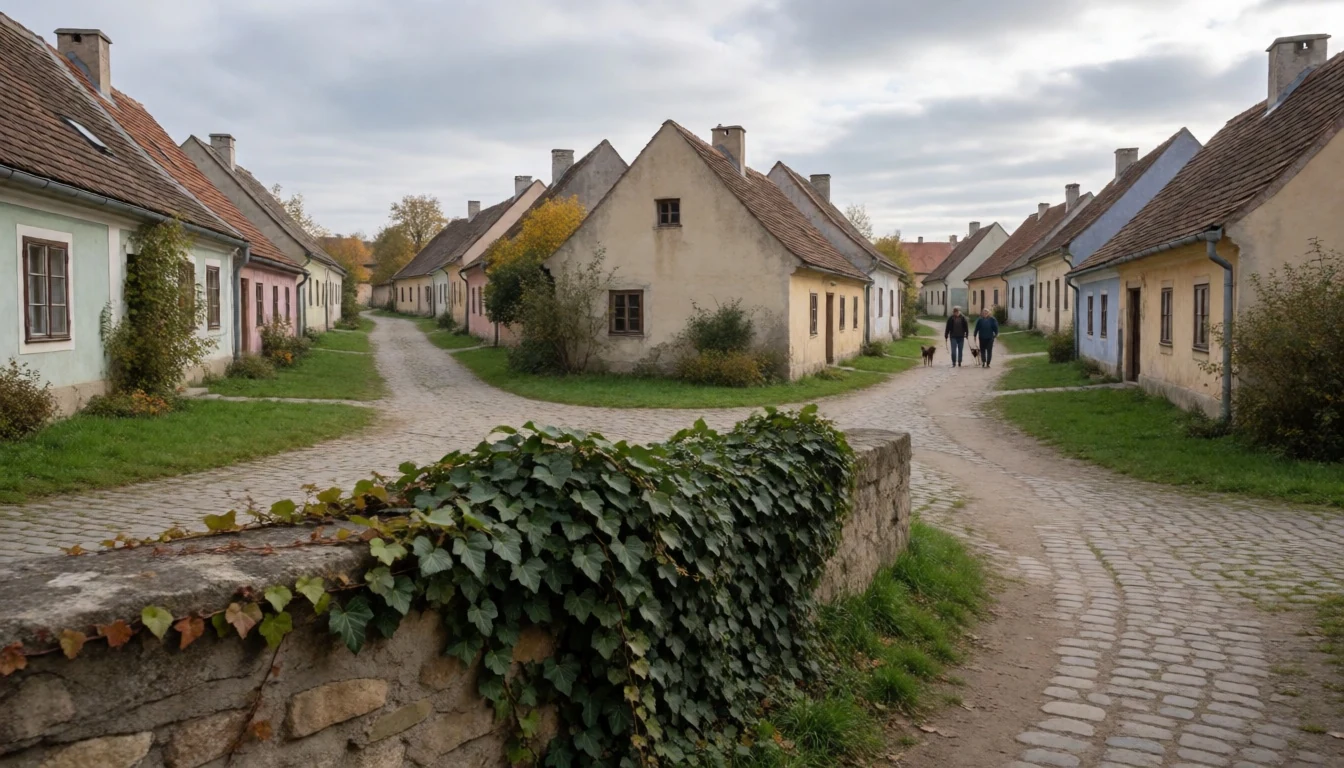
- Kaple sv. Jana Nepomuckého (St John of Nepomuk chapel)
Kaple sv. Jana Nepomuckého is a small but noticeable stop within the village setting. It’s a good place to pause, look up, and take in the relationship between religious buildings and everyday village life. If the weather is changeable, it’s also a convenient “reset point” mid-walk.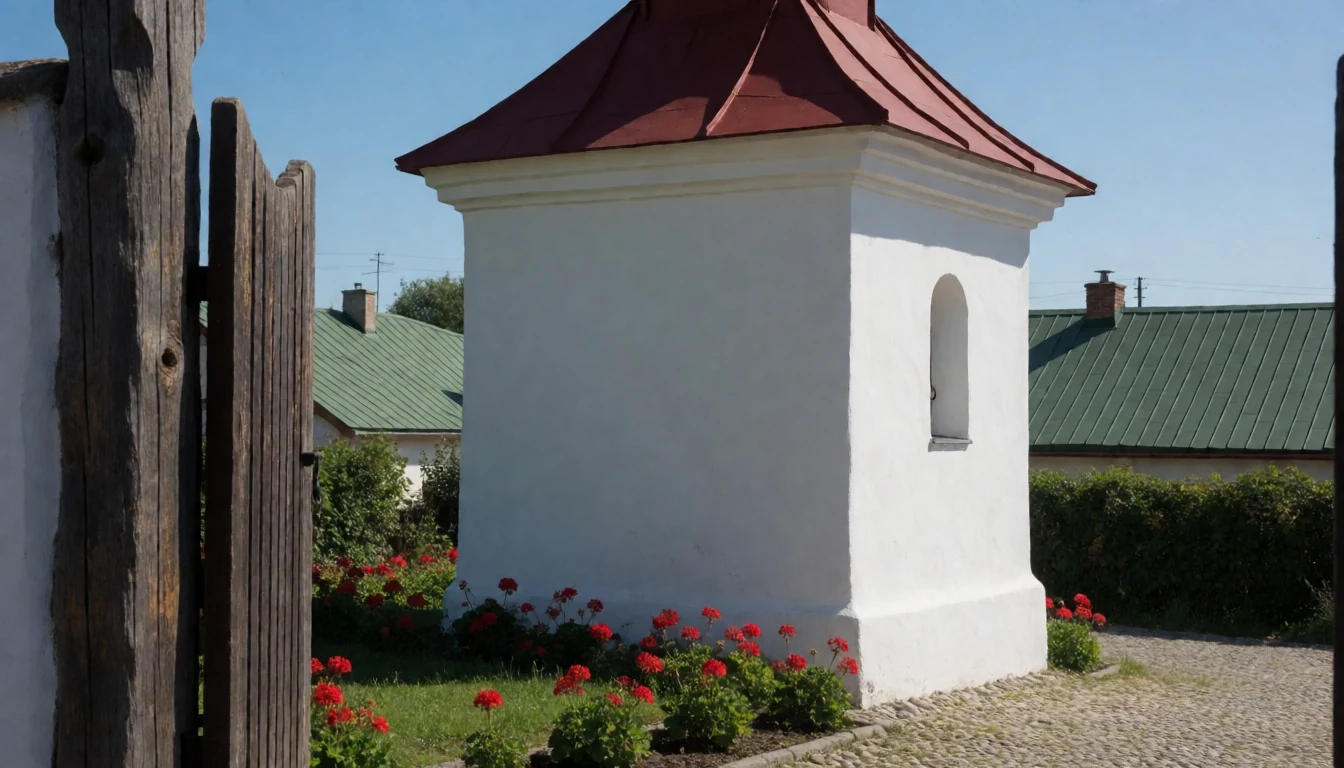
- The village square and baroque façades
The central square is where Holašovice’s South Bohemian “village barocco” style is easiest to read. Notice the decorative, colourful frontages and how buildings face the public space rather than turning inward. Walk the edges slowly so you catch details that are easy to miss from the main path.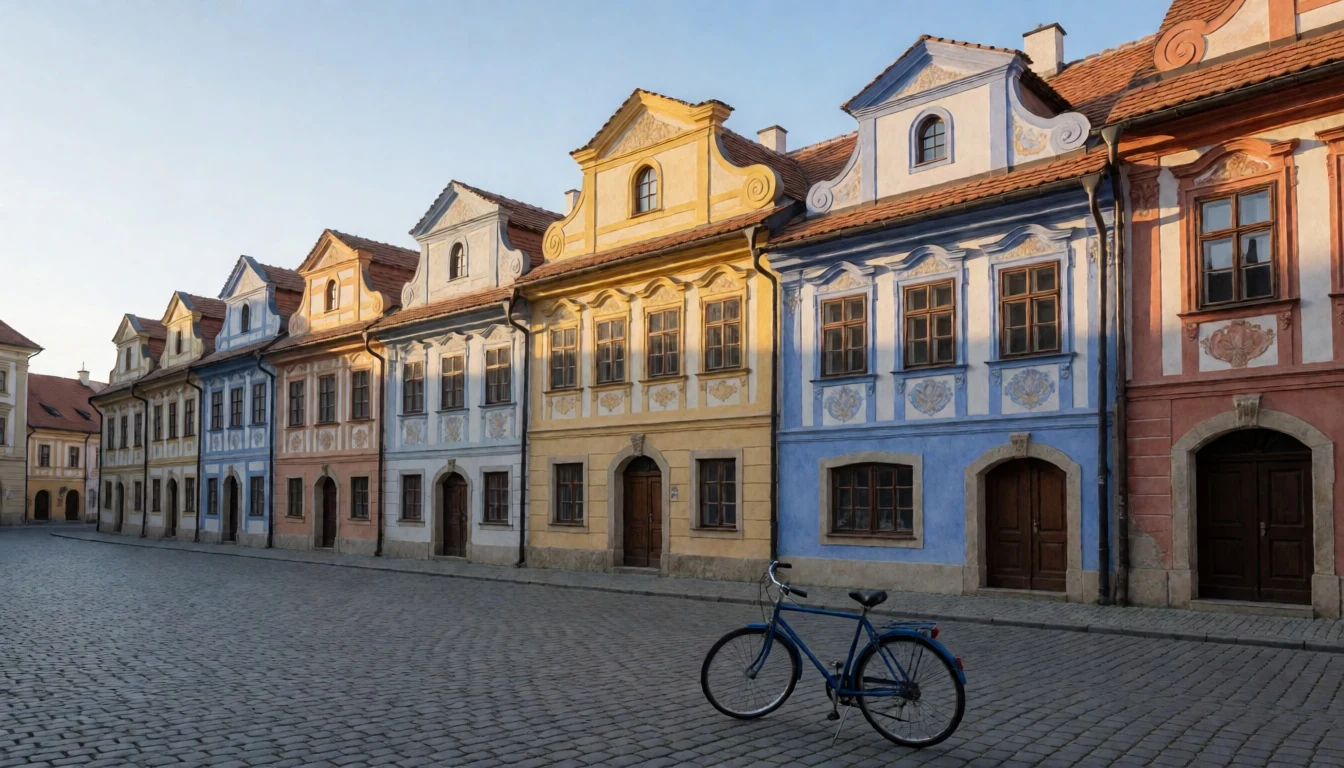
- Bike loop into the countryside
Holašovice isn’t only for foot traffic—cycling is a natural way to extend the day. Take a relaxed loop around the surrounding landscape, keeping to country roads and cycling-friendly routes. It’s a simple add-on that gives context to how the village sits within its broader rural setting.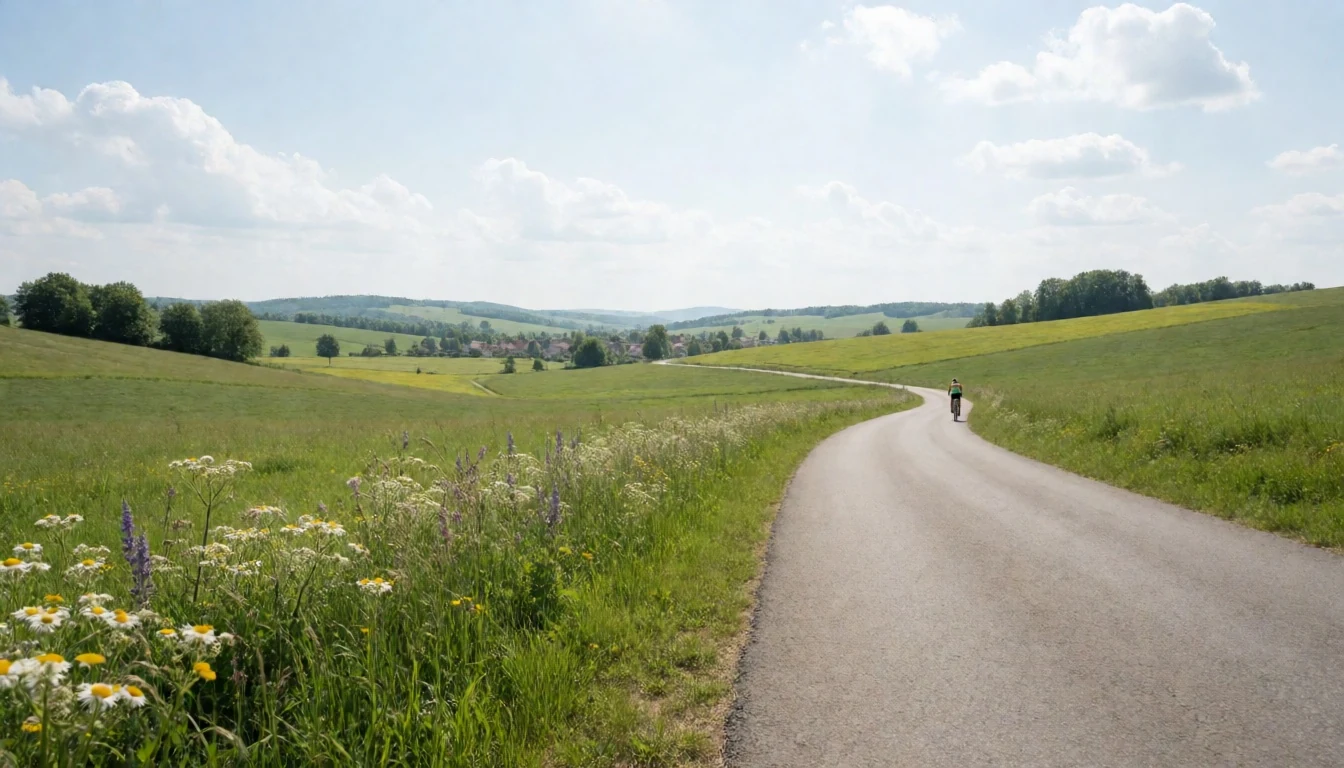
Culture
Holašovice is a preserved heritage village, so culture here is less about museums and more about how people treat an old place with care. The settlement’s current atmosphere comes from long-term preservation: after a period of abandonment, the village was restored and repopulated from 1990, and the UNESCO designation reflects that “kept-alive” approach rather than a makeover.
Because the village is small, you’ll feel like you’re sharing the space with residents (even if you’re not seeing many). That changes how you move: it’s better to keep your voice down, avoid blocking doorways or narrow lanes, and accept that the best photo angles are often from the edges of the square rather than in the middle of footpaths.
Respect the fact that Holašovice’s architecture is meant to be lived with. In practical terms, that means you’ll want to handle your visit gently—no climbing on decorative features, no leaning on windows or gates for a “quick shot”, and no pushing into private yards.
Weather can also shape how you experience the village: at 505 m elevation, you can get cool air and sudden shifts, so don’t linger in exposed areas if conditions turn. If it’s windy or wet, stick to the protected lanes and plan a warm break.
Visitor etiquette: In Holašovice, keep noise low in lanes and in front of homes, and don’t step into private entrances or block the square.
What to wear
Holašovice doesn’t have a “costume day”—people dress normally for Czech village life, but the built setting helps you understand what’s comfortable. The village streets are made for walking slowly, and the elevation (505 m) can bring cooler evenings, even outside the peak cold months.
Traditional dress in the South Bohemian context is often associated with folk baroque-inspired village culture: embroidered garments, decorative details, and layered styling. Visitors usually don’t need to replicate historical outfits; instead, think “old-town appropriate”: neat, modest clothing that you’d be comfortable wearing while strolling a heritage village.
What people wear now is practical—jackets, long trousers, comfortable shoes, and layers for shifting weather. On a typical visit, expect yourself to walk more than you think, and you may be on uneven ground, so footwear matters.
What to wear: bring layers (a light warm jacket and something for rain if the forecast is uncertain), long trousers or long skirts for comfort in narrow lanes, and closed shoes with grip. If you plan to spend time outdoors near the square, a hat helps in windy weather and a small umbrella can save a plan when clouds roll in quickly.
What to eat
- Jihočeská hospoda Holašovice — in Holašovice
Look for a meal at the local Jihočeská hospoda in Holašovice itself. It’s the straightforward option if you want something sit-down inside the village rather than arranging a day trip back to České Budějovice.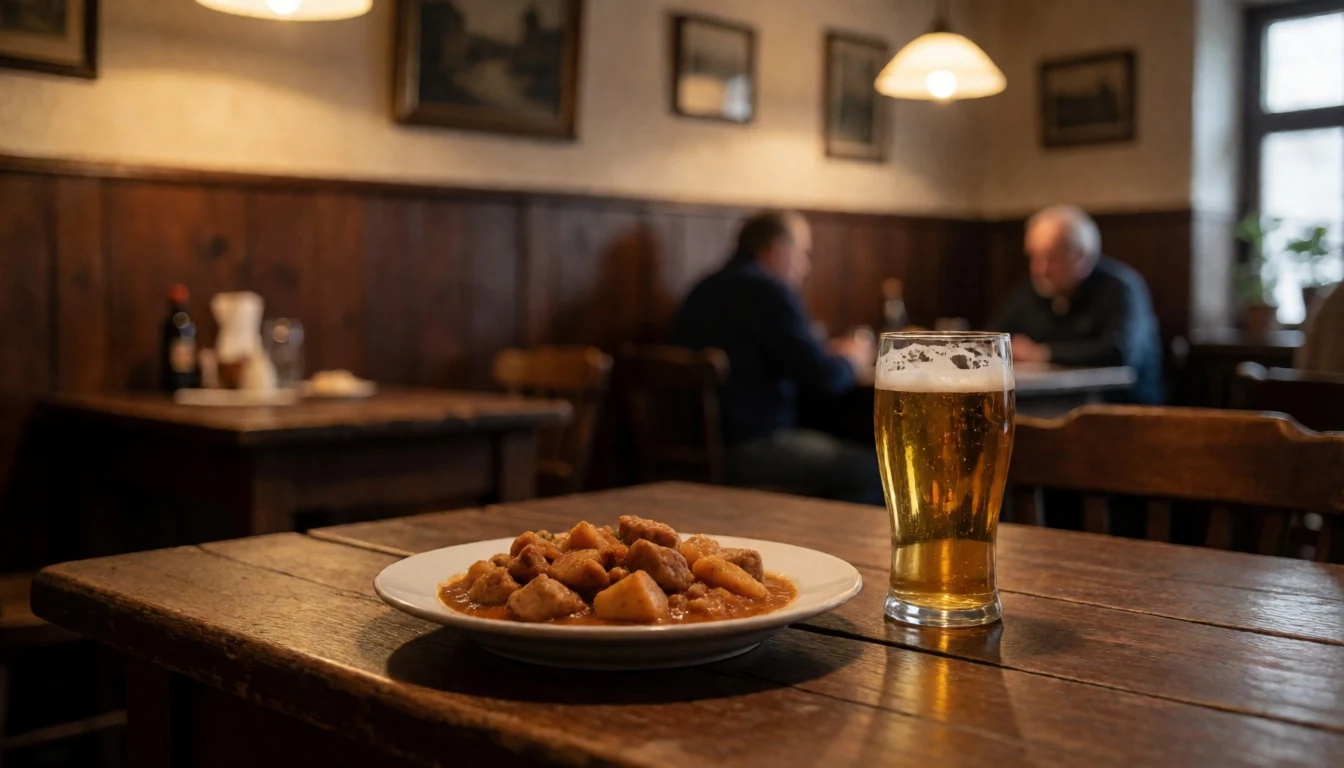
- South Bohemian pub-style dishes — village pubs and local eateries around Jankov
If you’re eating nearby, seek out South Bohemian pub cooking: hearty Czech classics served in a casual, homely way. The key is to ask what’s available that day, since village menus can be smaller than in big cities.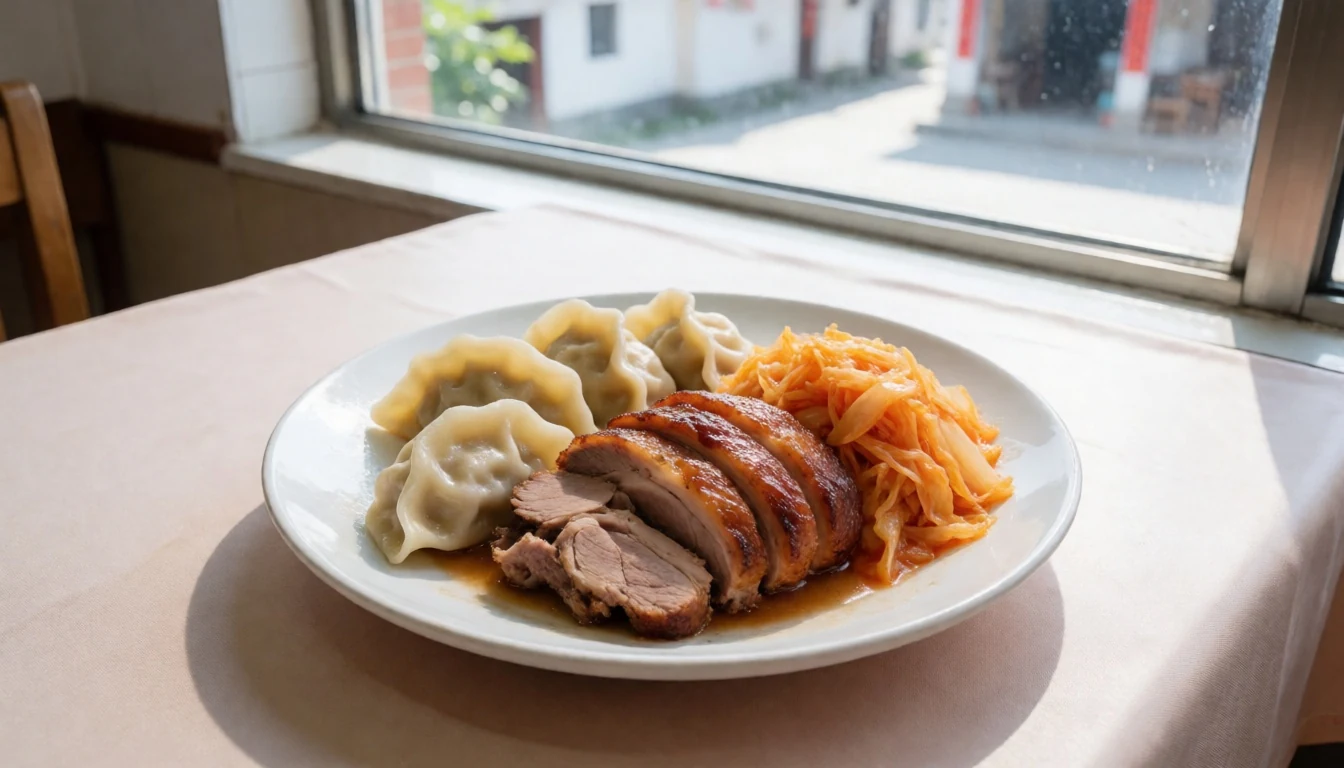
- Comfort food for a countryside walk — pubs in and around Holašovice
Plan around a “walk-and-refuel” rhythm: warm meals and filling portions work well because you’ll be outside on a heritage walk. Keep it simple—something warm first, then a sweet or drink if you still have energy. - Czech-style soups — local lunch stops in the České Budějovice region
A bowl of soup is a practical bet when the weather turns cool at 505 m elevation. It’s an easy way to top up without committing to a long seated meal in a small village setting. - Local drinks and baked treats — Jihočeská hospoda area and village eateries
After a slow walk through the square, a simple local drink and something baked can be the best finish. Look for what the hospoda is serving on the day—small places tend to focus on a limited, reliable selection.
Plan it
Best time. May–August for the warmest weather and the wettest months—especially June to September—while September can feel the most comfortable between the summer warmth and the coming cold; winter can be especially harsh at this elevation (505 m), and conditions can change quickly on exposed lanes.
How long. 2–3
Getting there. From České Budějovice, use the frequent bus options and search in IDOS as “Jankov,Holašovice”; by car it’s a short drive from České Budějovice, and there’s a free parking lot at the edge of the village. If cycling, ride from České Budějovice (about 15 km) or from other regional towns, using OsmAnd or Mapy.cz in outdoor mode.
Budget. low
Tips
- Arrive early to enjoy the village square without late-morning rush
- Use IDOS to confirm bus connections labelled “Jankov,Holašovice”
- If driving, be ready for narrow country roads as you approach the village
- Bring water for the walk—Holašovice is small, but there aren’t long breaks every few steps
- If cycling, plan a route in OsmAnd or Mapy.cz to avoid the worst road sections
Etiquette
- Keep to the village lanes and don’t block doorways or the square while you stop
- Respect private entrances and yards when taking photos
- Keep voices low in residential areas
Nearby
Sources
- Wikidata Q826452 (CC0)
- Wikipedia (rev 1376106190) (CC BY-SA 4.0)
- Wikivoyage (rev 5404144) (CC BY-SA 4.0)
- Photo photos/01-holasovice1.jpg (CC BY 3.0)
- Photo photos/02-hola-ovice.jpg (CC BY-SA 2.0)
- Photo photos/03-hola-ovice-historic-village-112776.jpg (CC BY-SA 3.0 igo)
- Photo photos/04-hola-ovice-historic-village-112757.jpg (CC BY-SA 3.0 igo)
- Photo photos/05-hola-ovice-historic-village-112759.jpg (CC BY-SA 3.0 igo)
- Photo photos/06-hola-ovice-historic-village-112761.jpg (CC BY-SA 3.0 igo)
- Photo photos/07-hola-ovice-historic-village-112755.jpg (CC BY-SA 3.0 igo)
- Photo photos/08-holasovice-eccezionale-esempio-di-tipico-villaggio-in-stile-.jpg (CC BY 3.0)


