Kutná Hora
Kutná Hora, Czech Republic
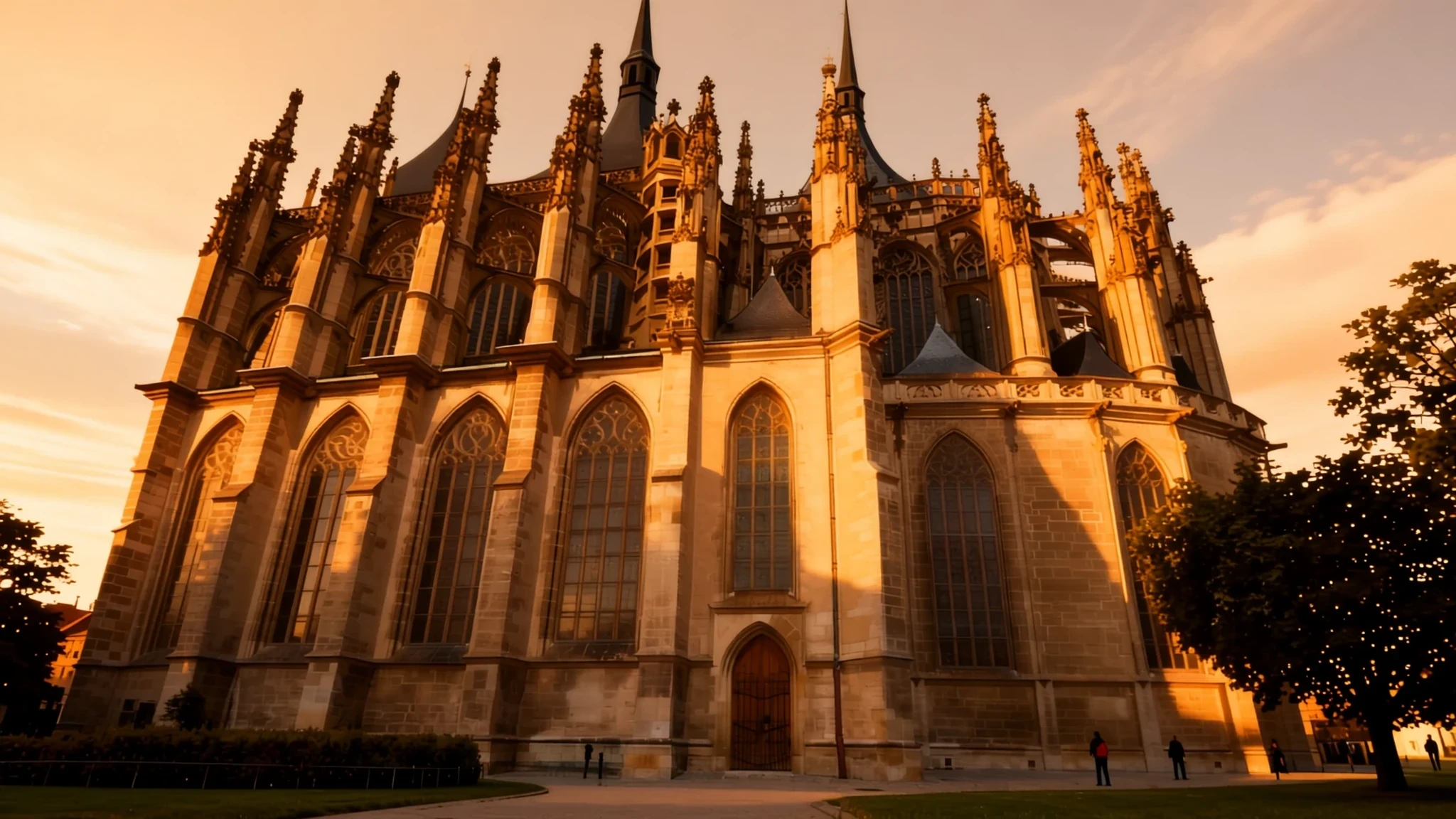
Visit Kutná Hora to discover a medieval silver-mining treasure chest filled with towering Gothic architecture and an extraordinary bone church.
The place
Kutná Hora is a remarkably preserved Central European settlement situated in the Central Bohemian Region of the Czech Republic. Positioned about fifty kilometres east of Prague, the town spans a varied landscape where flat agricultural fields meet the gentle rise of the Upper Sázava Hills. The Vrchlice Stream winds through the municipality, tracing a path past architectural masterpieces that reflect centuries of extraordinary wealth derived from subterranean mineral deposits. The heart of the community stands protected as an urban monument reservation, forming one of the most extensive historic districts in the country.
Today, this destination functions as a major cultural anchor, drawing travellers from across the globe to examine its medieval sacral buildings and monumental civic structures. Beyond its thriving tourism sector, the municipality maintains active industrial roots, supporting manufacturing operations such as tobacco processing within historic monastic premises and electrical engineering works. Life in Kutná Hora moves at a pace distinct from the bustling capital, allowing visitors to wander quiet cobbled lanes, intimate squares, and dramatic viewpoints overlooking green river valleys without the overwhelming crush found in larger European tourist hubs.
Its story
The story of Kutná Hora is inextricably bound to the discovery and extraction of silver. Long before stone towers pierced the sky, prehistoric populations inhabited the surrounding hills, leaving behind ancient smelting furnaces and early traces of metalworking near Kaňk. Silver dinars unearthed in the local area confirm that trade networks crossed these lands in the early medieval centuries. The turning point arrived with the foundation of the Sedlec Abbey, the pioneer Cistercian monastery in Bohemia, established by monks arriving from Bavaria.
Economic difficulties at the abbey dissolved when rich silver veins were struck nearby, triggering an intense rush of settlers, particularly from German-speaking mining regions. By the late thirteenth century, the settlement was formally recognised as Mons Cuthna. The immense mineral wealth captured the attention of the crown, prompting King Wenceslaus II to promulgate a comprehensive royal mining code known as Ius regale montanorum, which regulated every administrative and technical detail of underground excavation. For generations, Kutná Hora rivaled Prague in demographic size and political influence, serving as a powerhouse of Central European finance, royal minting, and architectural innovation before shifting fortunes and flooded tunnels transformed the booming extraction hub into a tranquil sanctuary of Gothic monuments.
What to see
- Sedlec Ossuary — Sedlec district
This world-famous bone church began its unique journey when an abbot returned from a pilgrimage to the Holy Land with soil from Golgotha. Inside, artistic arrangements of human skeletal remains decorate the chapel vaulting in a haunting yet fascinating display of medieval craftsmanship.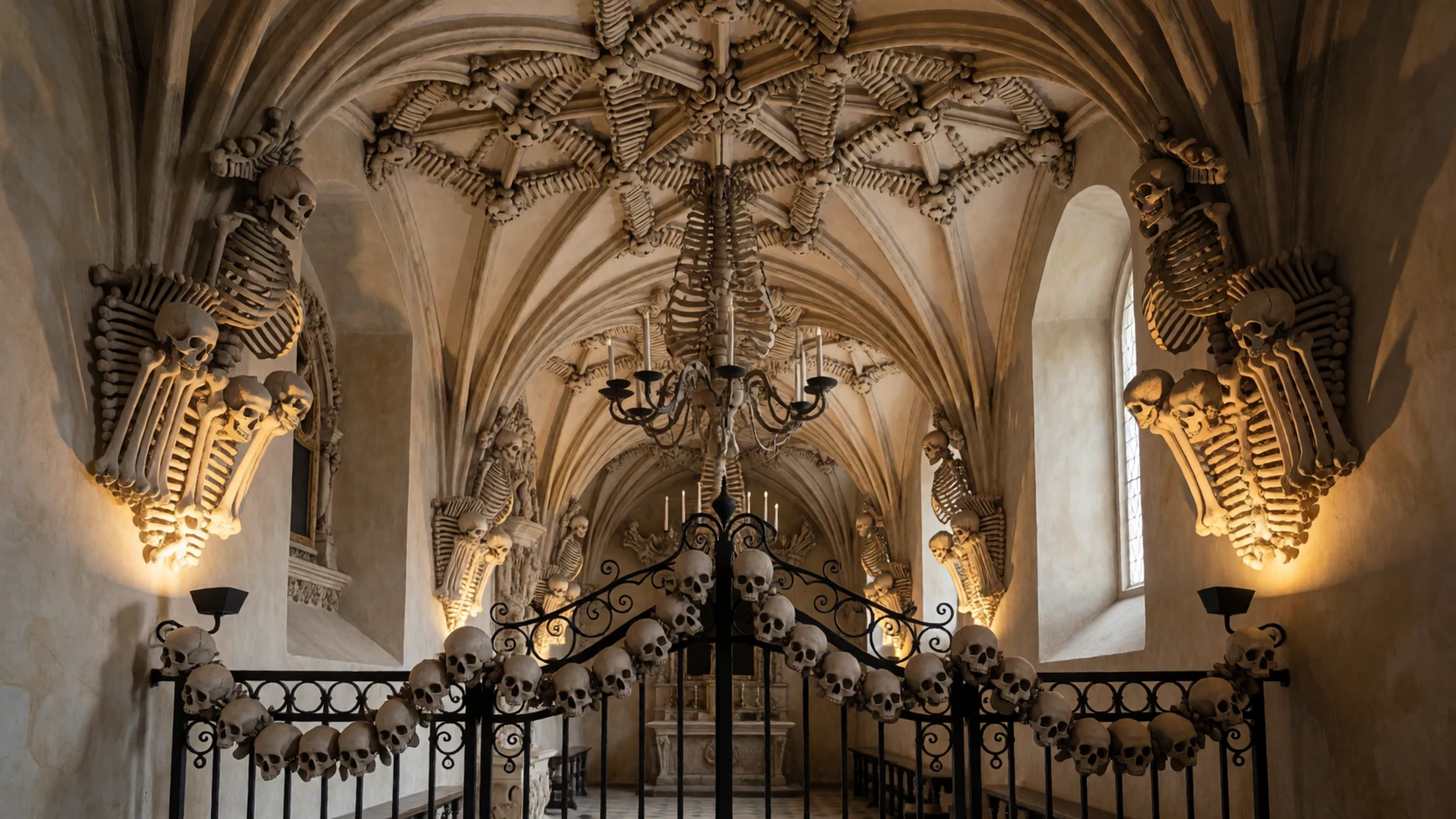
- Church of St. Barbara — Vnitřní Město
Construction on this magnificent temple dedicated to the patron saint of miners began under the supervision of Peter Parler's workshop. Its flying buttresses, tented roofs, and soaring vaulted interiors represent some of the finest achievements of late Gothic architecture in Central Europe.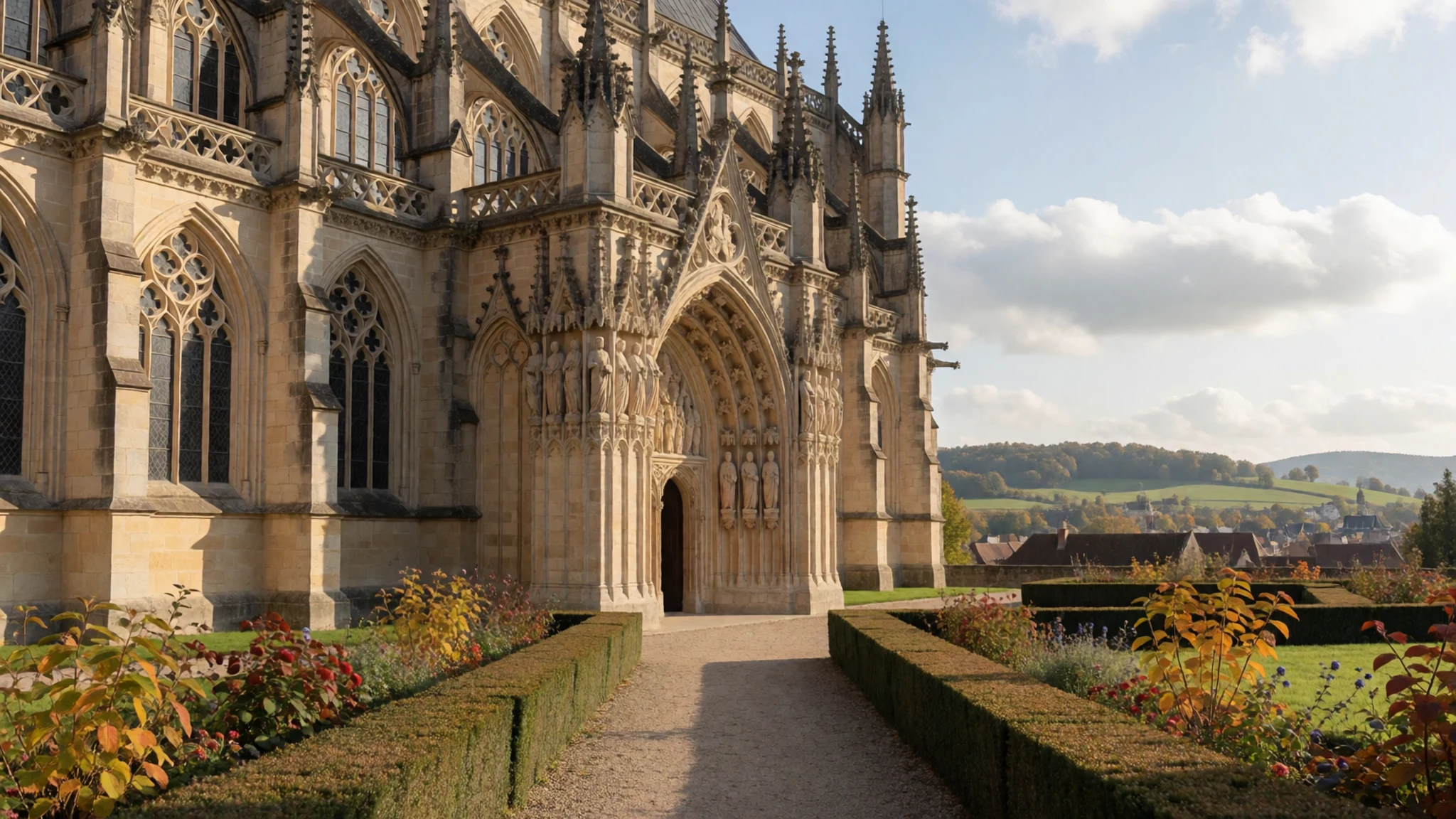
- Italian Courtyard — Historic centre
This historic compound served as a royal residence and mint where expert Italian coin-makers struck the famous Prague groschen. Visitors can explore the ancient treasury rooms and chambers that once managed the vast financial engine of the Bohemian kingdom.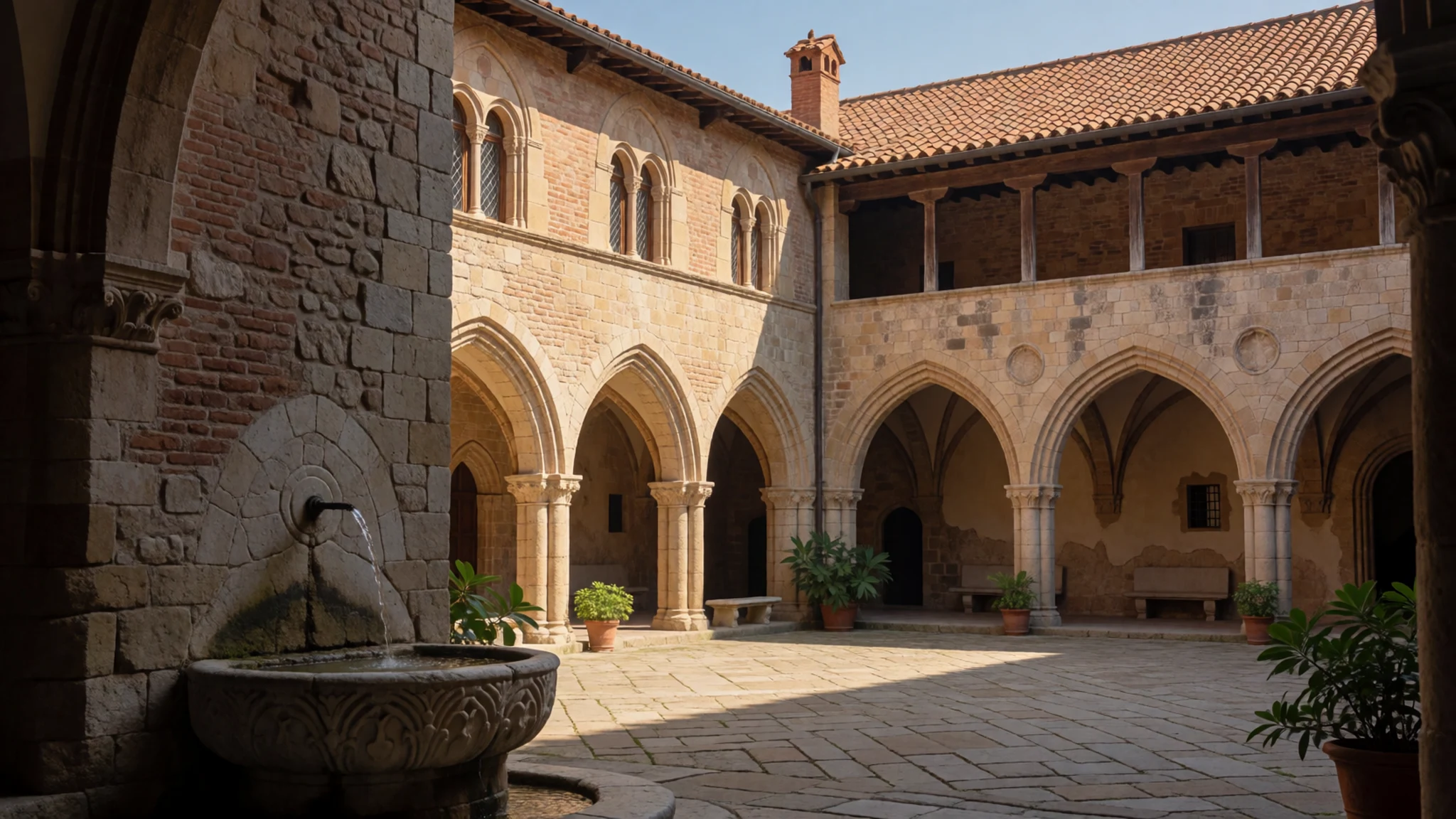
- Hrádek and Silver Mines — Barborská street
Housed within a fortified medieval building, this museum introduces guests to the harsh realities of medieval extraction. Guided tours equip visitors with traditional miner cloaks and helmets before descending into authentic subterranean tunnels that were flooded centuries ago.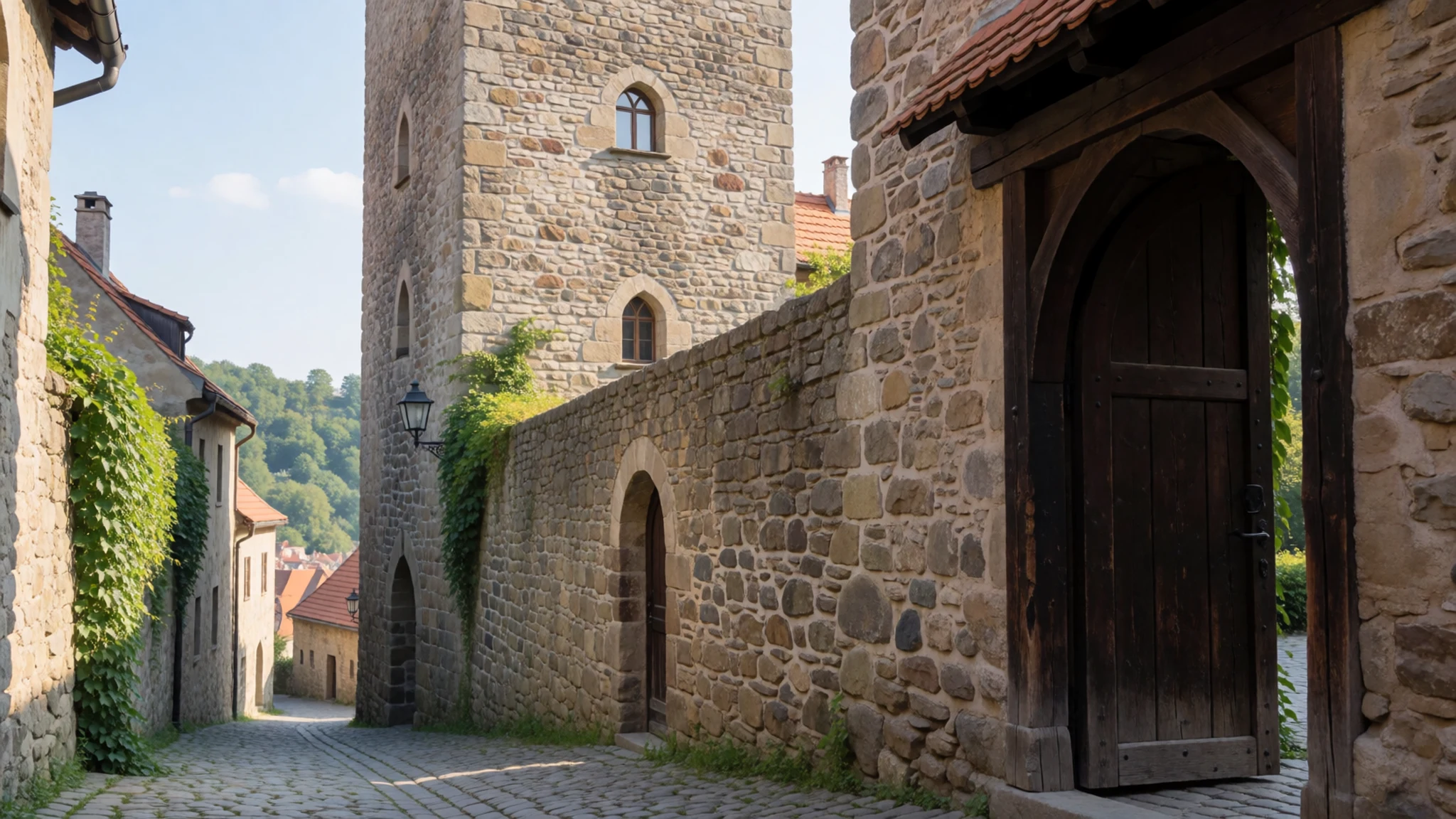
- Cathedral of Assumption of our Lady and Saint John the Baptist — Sedlec monastery precinct
Blending monumental Gothic proportions with striking Baroque-Gothic renovations, this cathedral anchors the old Cistercian monastic complex. Its cavernous interior showcases brilliant architectural vision and stands as an essential pillar of the local UNESCO World Heritage ensemble.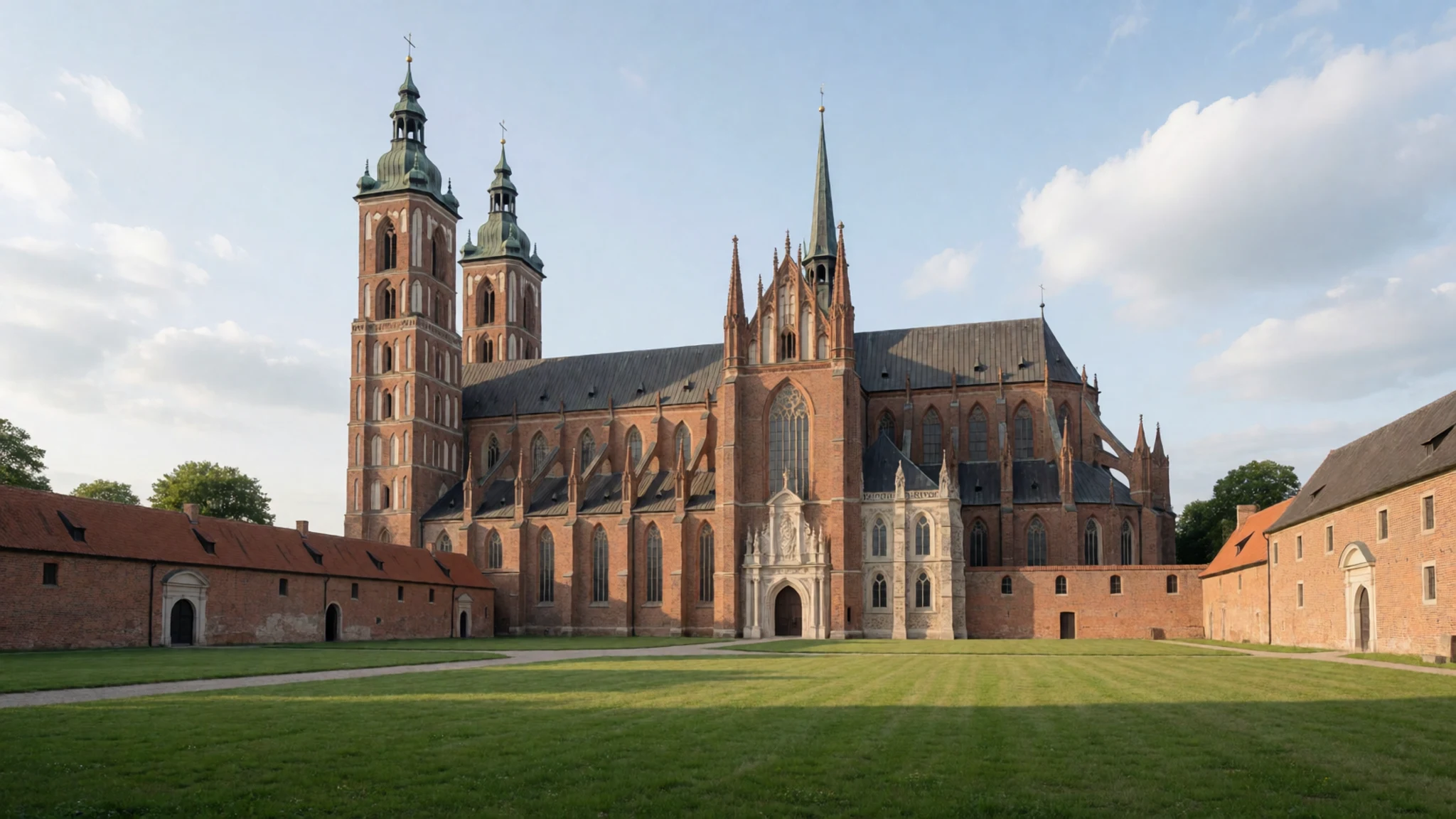
Culture
In Kutná Hora, cultural life remains deeply connected to its extraordinary architectural heritage, classical music traditions, and community gatherings that celebrate local brewing and winemaking customs. Residents take immense pride in preserving the historic fabric of their town, hosting seasonal markets and cultural festivals within medieval courtyards and beneath Gothic vaults. Traditional crafts such as glassblowing, metalwork, and ceramics continue to thrive through local artisans operating small studios along the cobbled lanes. Social interactions in eateries and cafes are warm yet unhurried, reflecting a relaxed provincial lifestyle distinct from larger metropolitan hubs. When entering sacred spaces, churches, or quiet residential courtyards in Kutná Hora, always speak in hushed tones and show respect for the local community by keeping pathways clear.
What to wear
In Kutná Hora, traditional attire survives largely within historical reenactments, folk heritage festivals, and ensembles worn by musicians during regional celebrations, often featuring embroidered linen blouses, layered woolen skirts, and decorative vests characteristic of the Central Bohemian countryside. For everyday wear, locals favour practical, contemporary clothing suitable for an active lifestyle, balancing comfort with modern European styling. Visitors exploring Kutná Hora should prioritise sensible footwear, as the historic town centre features extensive cobblestone paving and steep pedestrian pathways that can be uneven or slippery after rain. Layered clothing is advisable for adapting to changeable weather, along with modest attire consisting of covered shoulders and knees when visiting consecrated churches, chapels, and monastic interiors across the municipality.
What to eat
- Traditional Czech Goulash — Traditional pubs in the historic centre
A rich, warming beef stew simmered with onions, paprika, and regional herbs, typically served alongside thick bread dumplings designed to soak up the savoury sauce.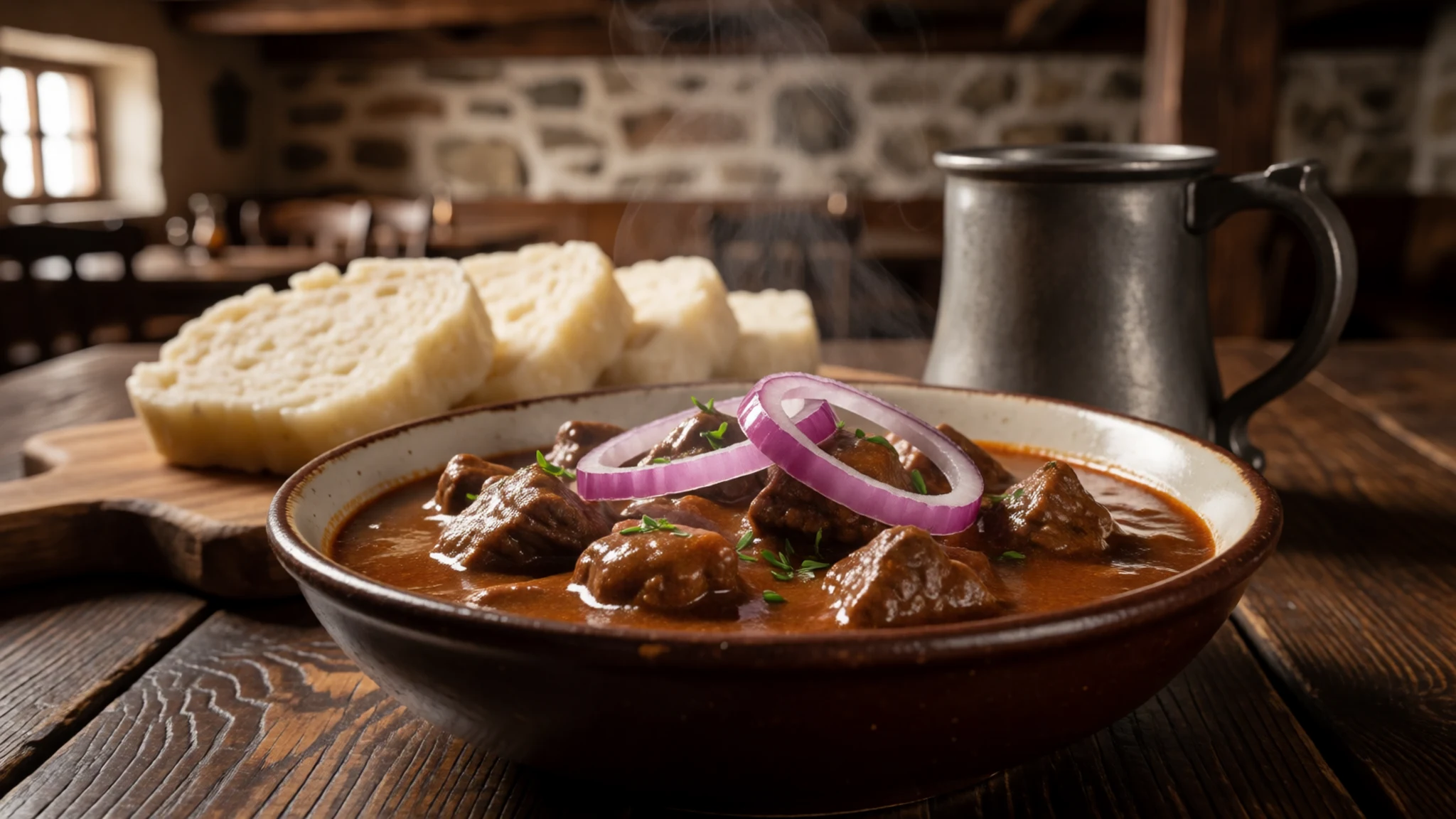
- Roast Pork with Cabbage and Dumplings — Cozy eateries near St. Barbara's Cathedral
A classic Bohemian comfort dish featuring tender roasted pork accompanied by stewed white or red cabbage and spongy potato or bread dumplings.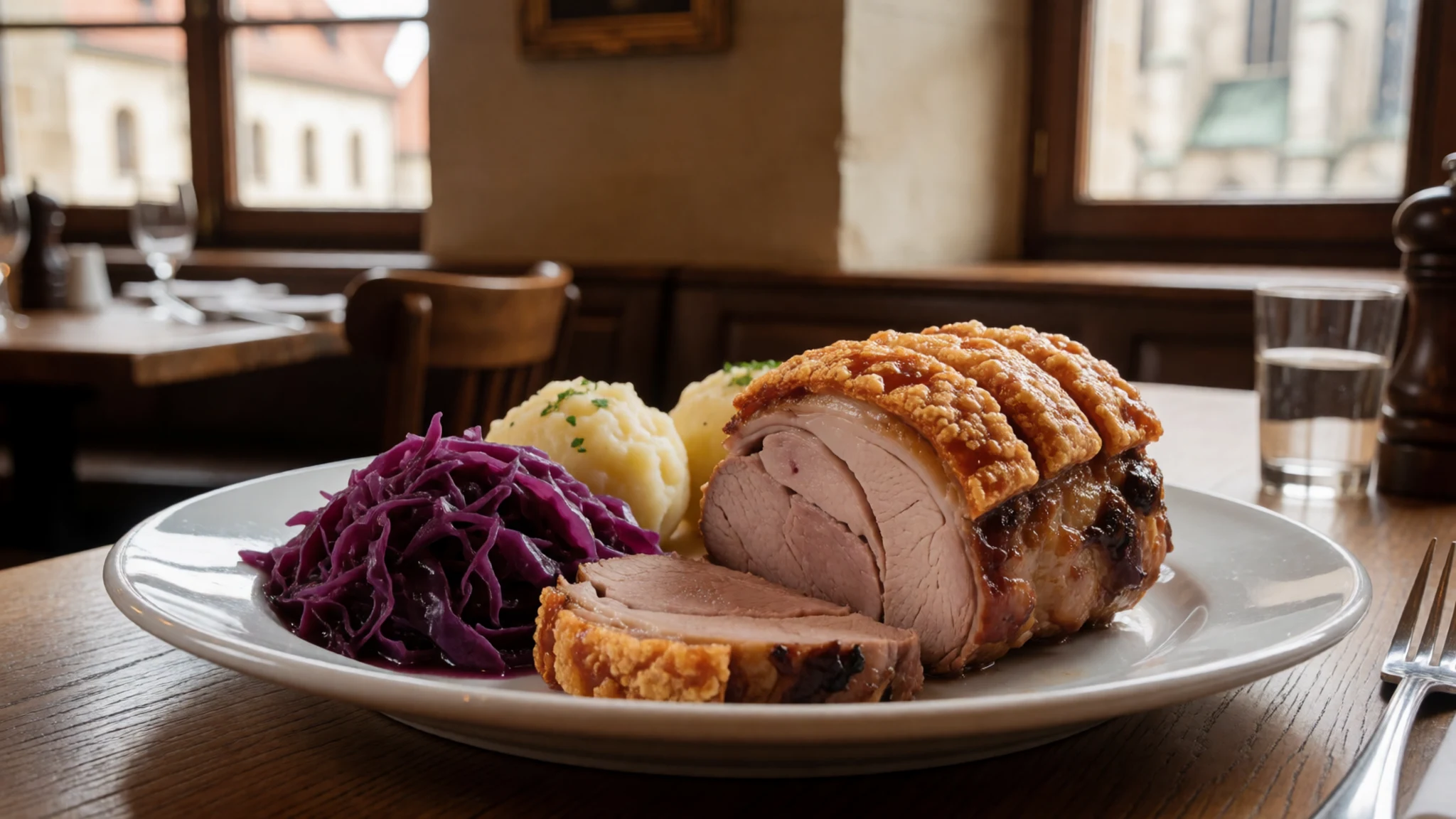
- Traditional Czech Garlic Soup — Family-run restaurants along Barborská street
A robust, restorative broth packed with garlic, potatoes, melted cheese, and crisp fried bread croutons, enjoyed across local dining rooms throughout the cooler months. - Wood-Fired Pizza and Pasta — Cafes and bistros around Palacký Square
Authentic Italian-style pizzas and handmade pasta dishes prepared with fresh ingredients, offering a popular culinary alternative within historic town squares.
Plan it
Best time. May to September brings warm weather, long daylight hours, and vibrant outdoor dining, while late spring and early autumn offer pleasant walking temperatures with fewer crowds.
How long. 1–2
Getting there. Take a direct regional train from Prague main station or catch a suburban bus connection, followed by a short local bus or a scenic walk from the station into the historic centre.
Budget. mid
Tips
- Purchase suburban transit tickets in advance from yellow ticket machines in Prague
- Wear sturdy flat shoes to comfortably navigate uneven medieval cobblestones
- Book tickets for the Sedlec Ossuary and St. Barbara's Cathedral early during peak months
- Carry some cash for smaller independent shops, cafes, and church entry fees
- Plan your arrival for the morning hours to experience major sights before afternoon tour groups arrive
Etiquette
- Keep voices lowered when visiting the Sedlec Ossuary and consecrated churches
- Always ask permission before photographing local residents or artisans at work
Nearby
Sources
- Wikidata Q155975 (CC0)
- Wikipedia (CC-BY-SA 4.0)
- Wikivoyage (CC-BY-SA 4.0)