Plzeň
Plzeň, Czech Republic
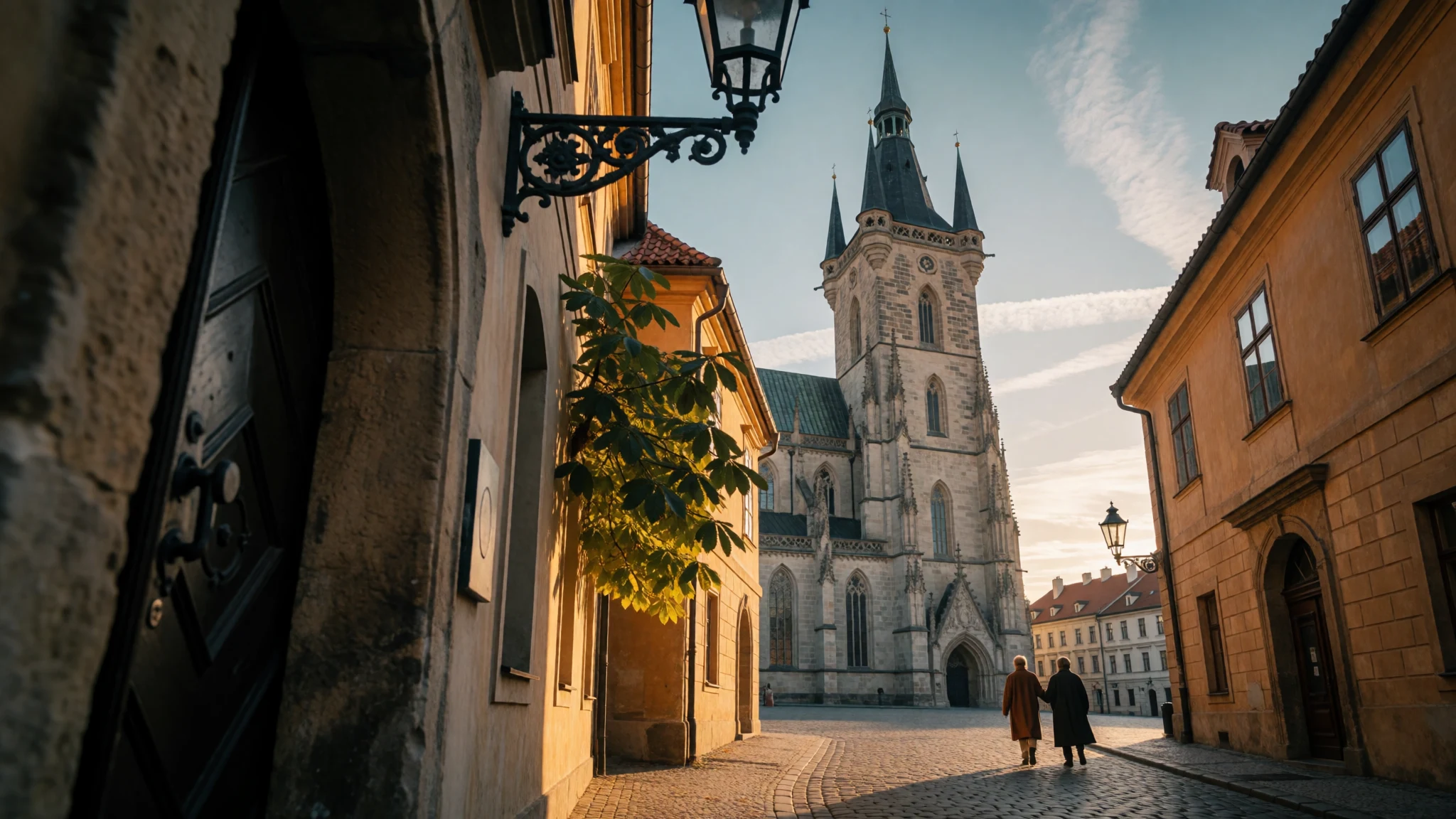
Plzeň is the birthplace of Pilsner beer, a compact Bohemian city of Gothic spires, deep cellars and working trams, just over an hour from Prague.
The place
Plzeň sits in western Bohemia, where four rivers, the Mže, Úhlava, Úslava and Radbuza, join to form the Berounka. Home to about 188,000 people, it ranks fourth in size among Czech cities, and it lies 322 m above sea level. Trains and buses from Prague take just over an hour, which makes it an easy day trip, though it repays a night. The old centre is a tight grid around one large square, watched over by a Gothic cathedral whose tower is visible from most approaches. Around it are Renaissance façades, a network of cellars underground and, a short walk east across the river, the brewery that carried the city's name around the world. Beyond the old town the mood changes. This is a working industrial city, long home to the Škoda engineering works, with tram lines, factory halls and a lively student population. As the seat of the Plzeň Region and the area's chief place of business, it feels lived-in rather than staged. A Bavarian brewer created Pilsner here, and the style has been copied almost everywhere, which gives the city a quiet confidence about its beer. Crowds stay modest outside summer weekends and festival days. Winters are cold and grey, while summers are warm enough for long evenings at outdoor tables. The centre is best covered on foot, with trams for longer hops to the zoo or the outer districts.
Its story
Plzeň began as a planned royal town. King Wenceslaus II founded New Plzeň in 1295 a short distance from an older settlement, which came to be known as Starý Plzenec. The position mattered, because roads linking Bohemia with Nuremberg and Regensburg ran this way and trade made the town prosperous. By the fourteenth century it ranked third among Bohemian cities, behind Prague and Kutná Hora, though it was small by modern measures. Brewing was already part of daily life, and the first written record of it dates from the early fourteenth century. In the Hussite Wars the city stayed on the Catholic side and held out while the Hussite commander Prokop the Great besieged it three times without success. Later in the fifteenth century it received the first printing press in Bohemia, and a volume printed here, the Statuta, is counted as the oldest printed book in the country. The seventeenth century was rougher. Emperor Rudolf II made the city his seat for a short spell around the turn of the century. The Thirty Years' War then brought a siege and occupation by Mansfeld's forces, with imperial troops retaking the town a few years later, and Wallenstein later chose it for his winter quarters. The nineteenth century turned Plzeň into an industrial city. The Škoda Works grew into a major engineering firm of Austria-Hungary and later Czechoslovakia, and the Bavarian brewer Josef Groll created the pale lager that became Pilsner.
What to see
- Cathedral of St. Bartholomew — Republic Square
Plzeň's Gothic cathedral stands on Republic Square and dates from the late thirteenth century. Its tower is the highest in the Czech Republic, according to Wikivoyage, and climbing it gives a clear view over red roofs and the river plain. It is also the seat of the local Catholic diocese, so services take priority over sightseeing.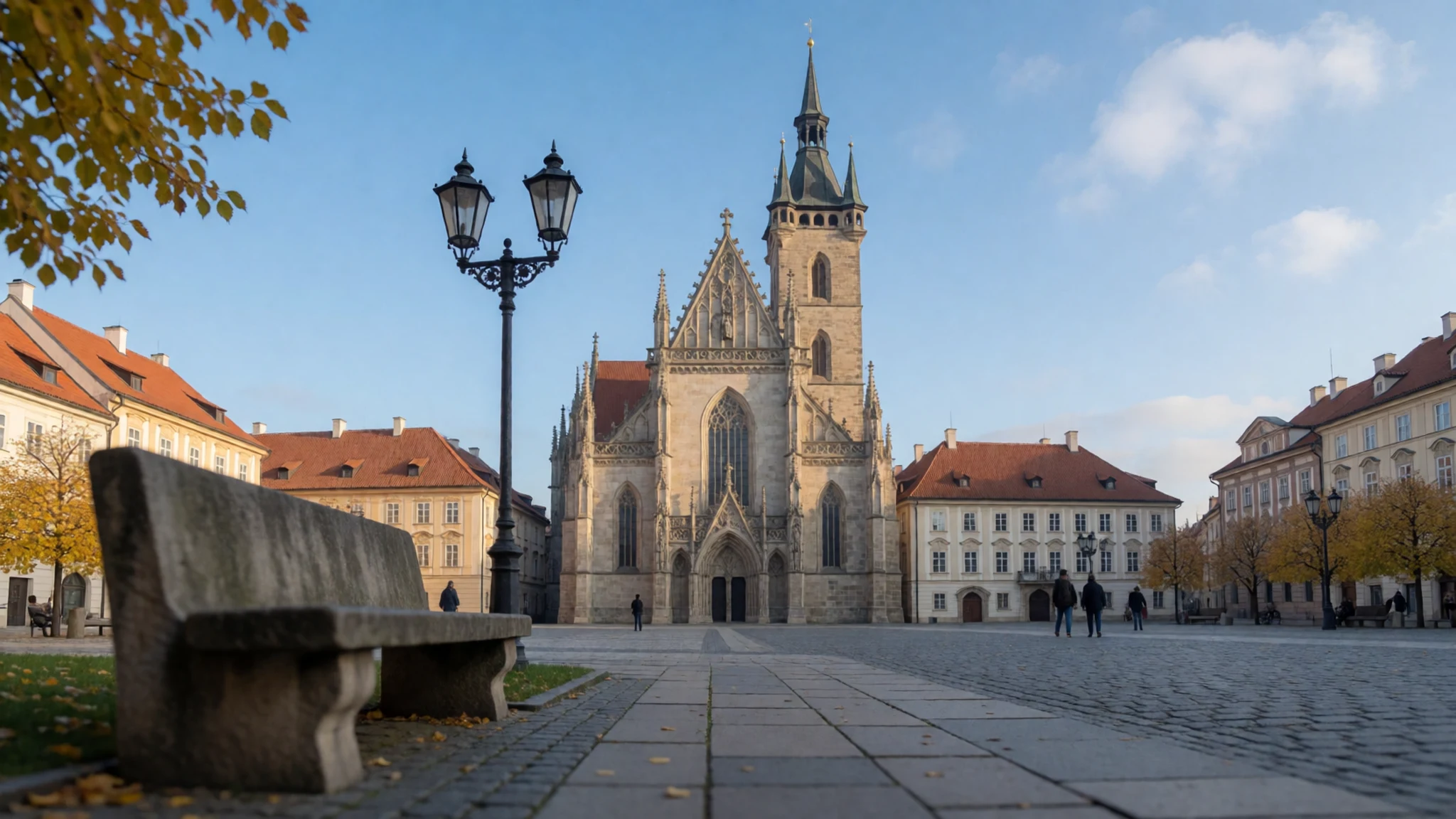
- Renaissance Town Hall — Republic Square
The town hall on Republic Square was built in the middle of the sixteenth century to designs by the Italian architect Giovanni de Statia. Its decorated façade is a reminder that Plzeň was a wealthy trading town then. It is best photographed in the morning, before café tables fill the square.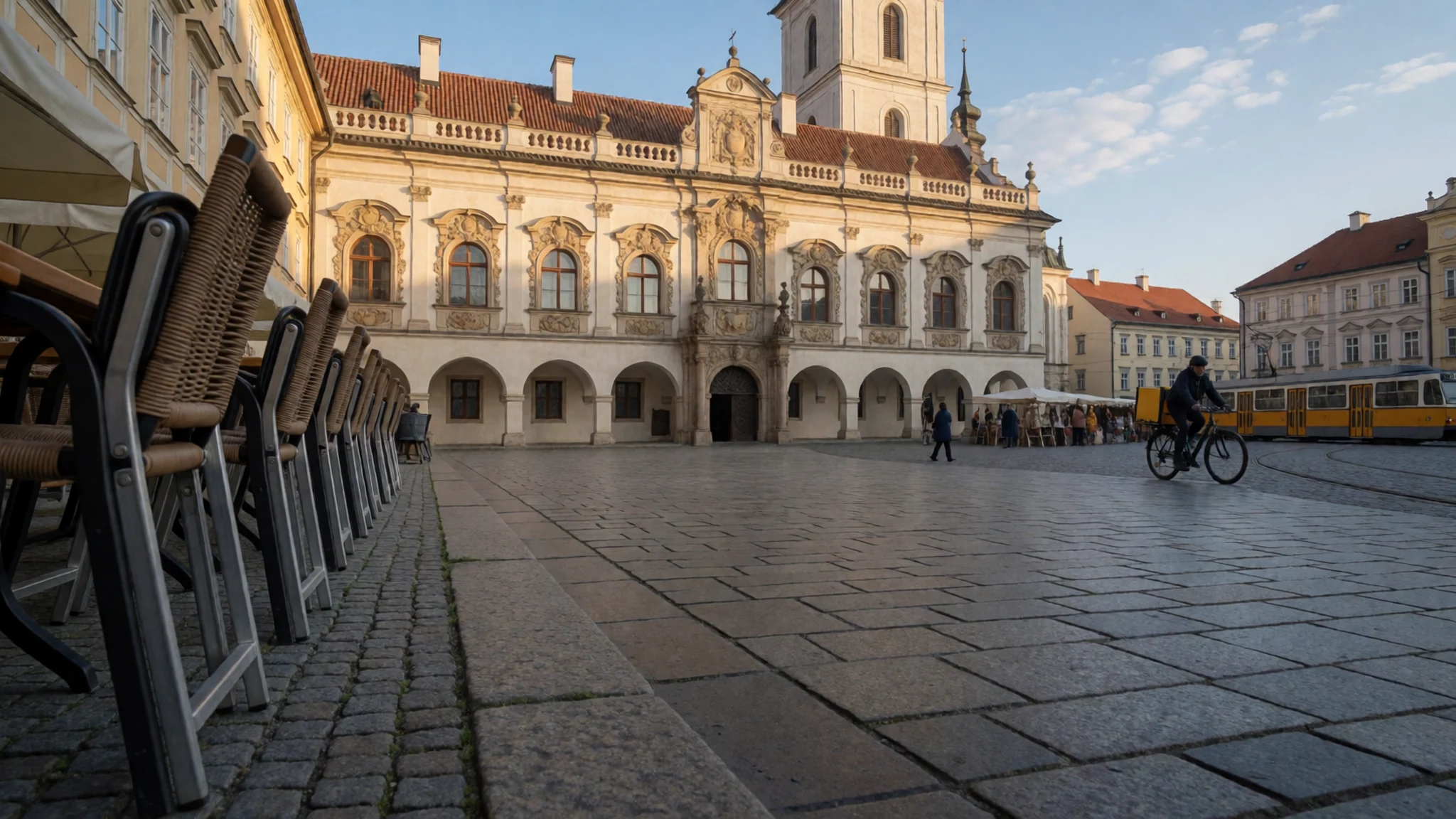
- Great Synagogue — Old town edge
The Great Synagogue is described by Wikivoyage as the second largest in Europe, behind only a few in the world. Its scale surprises in a city this size and reflects the Jewish community that once flourished here. Check the official city site for opening arrangements, which change with the season and events.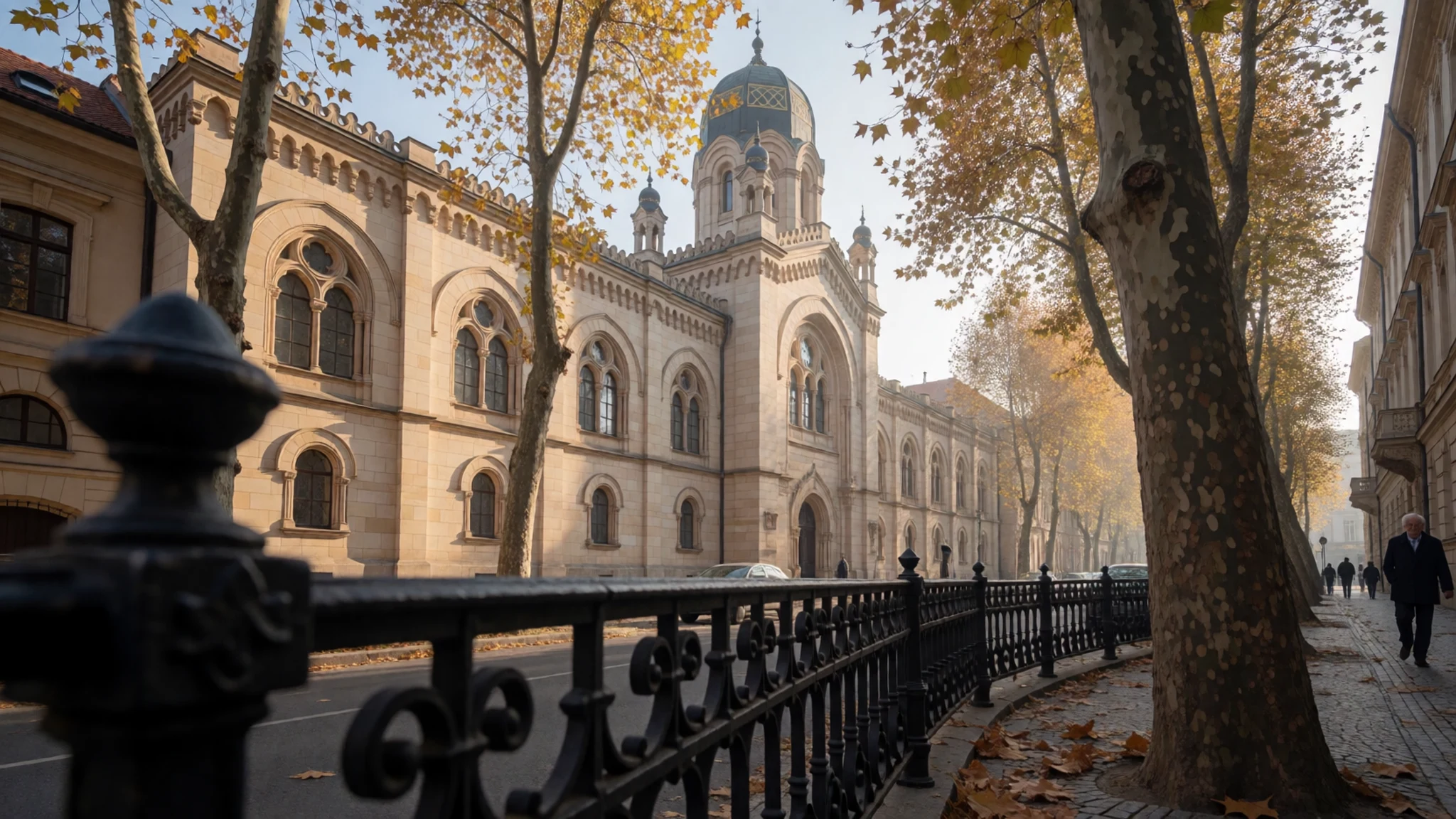
- Historical Underground Network — Old town, near the Brewery Museum
Beneath the old town runs a maze of cellars and tunnels on three levels, used for storage, brewing and, in uncertain times, shelter. Tours enter from the Brewery Museum. The air stays cool all year, so a layer is welcome even on a hot afternoon. Book ahead in summer and check current details with the city.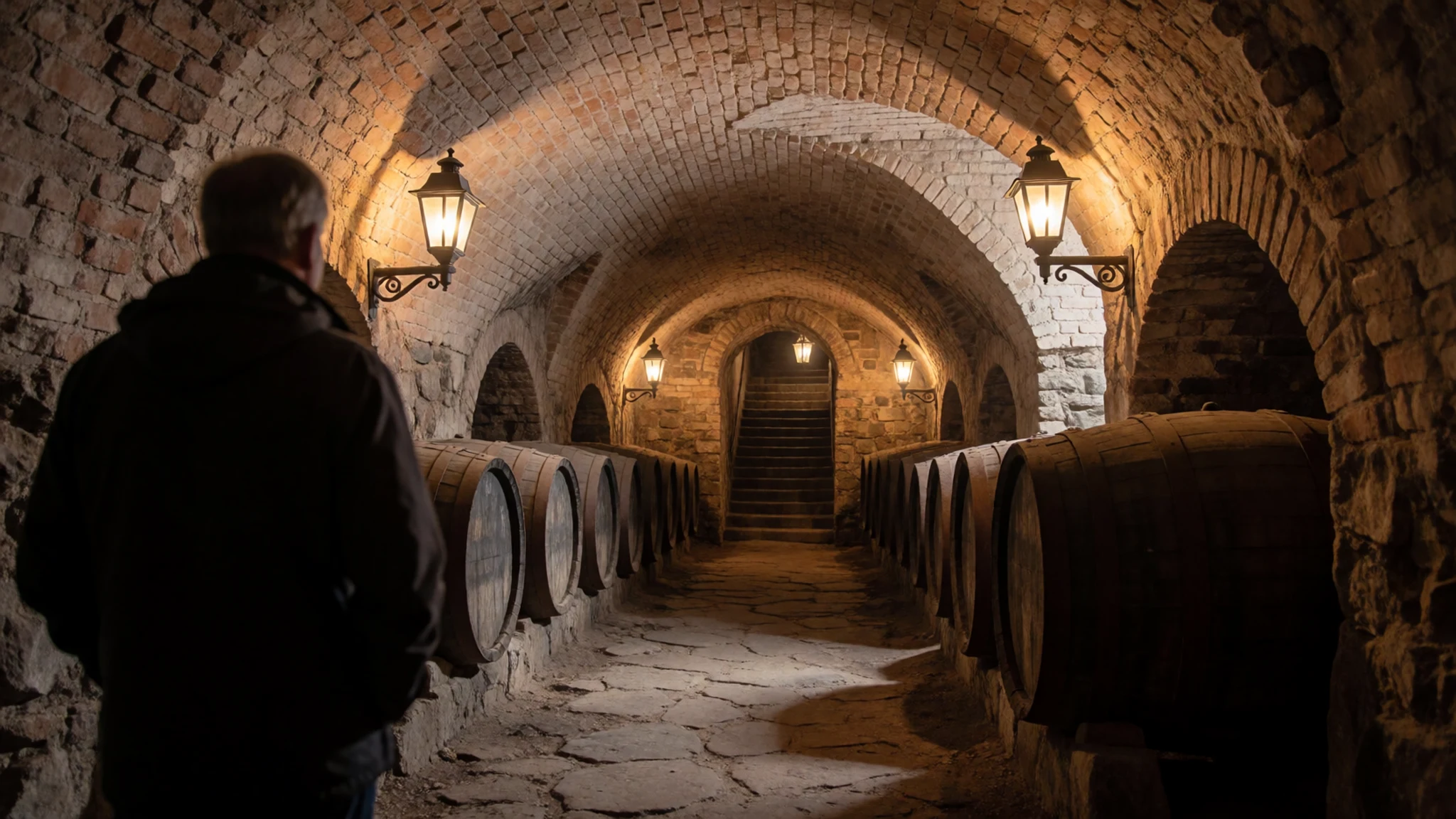
- Pilsner Urquell Brewery — East of the old town
The brewery stands just east of the centre and is the reason many people come. Visitors can see the old fermenting building next to modern plant and learn how the original pale lager is made. It is a working site, so tours run to a schedule; check the official website and book early for weekends.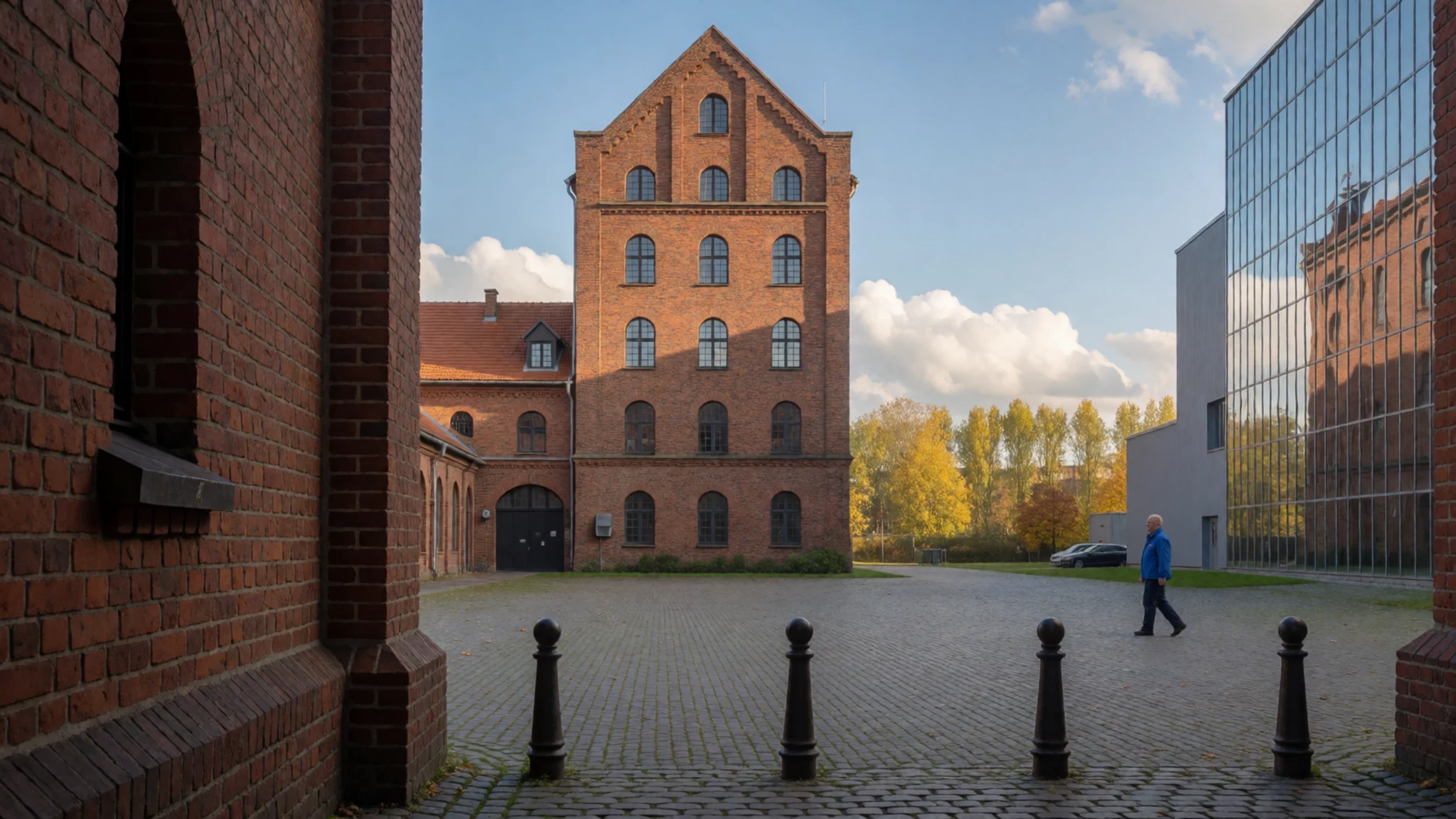
- Pilsen Zoo — North-west Plzeň
The zoo lies north-west of the centre and keeps its animals in enclosures designed to look natural rather than in small cages. Wikivoyage counts over a thousand species. It suits a slower afternoon with children and is reachable by tram, so there is no need to hire a car.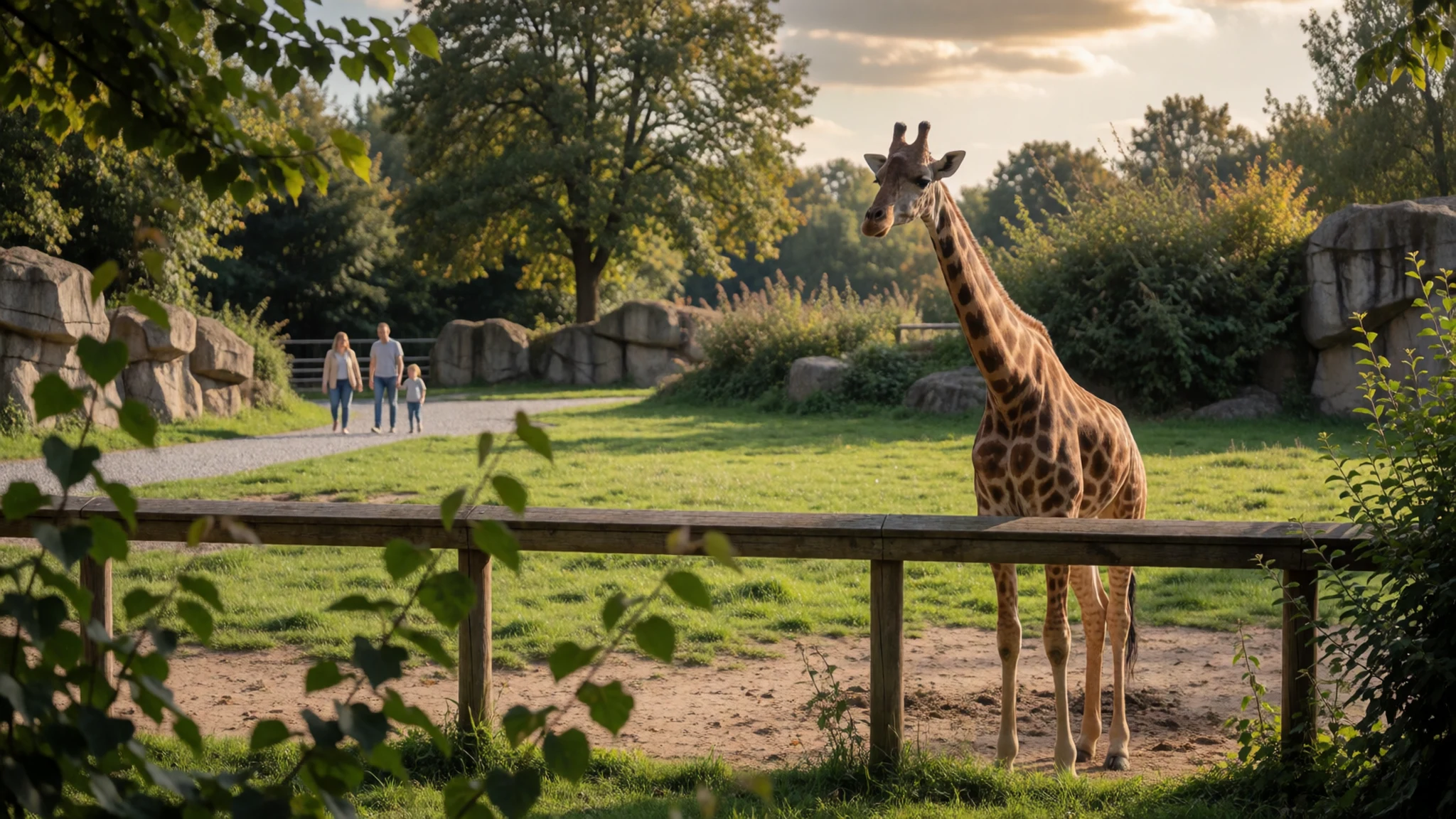
Culture
Plzeň is a Czech city with a strong Catholic past and a good deal of quiet scepticism about religion today. The cathedral on Republic Square is the seat of the Catholic diocese, and the Evangelical Church of Czech Brethren also has its regional seniorate here. The Great Synagogue is a reminder of a Jewish community that was once large, and it is now more a heritage site than a place of daily worship. A monument to American soldiers, inscribed with thanks, recalls the city's liberation at the end of the Second World War, and local people still take that memory seriously. Daily life revolves around the pub. A Czech pub is not just a bar but a social room, where neighbours meet after work, tables are often shared, and a glass of beer arrives without much ceremony. Beer here is poured with a thick head of foam, which locals consider part of the drink rather than a fault, and conversation is generally low-key. Football, ice hockey and the weekend trip to a cottage in the countryside are common topics. Students from the university and technical faculties give the centre a younger edge in term time, while festival weekends bring concerts and open-air stages. Service is polite but not effusive, which can read as cool to visitors used to more attentive waiting. In a pub, greet the table with a quiet dobrý den, ask before taking a free seat at a table where others are already sitting, and round the bill up rather than leaving coins behind.
What to wear
Plzeň has no single city costume, but the western Bohemian countryside has a strong folk tradition. The best known is the dress of the Chodsko region near Domažlice, with embroidered bodices, full pleated skirts, white linen blouses and wool or felt for colder days. Men's versions include dark waistcoats, breeches and embroidered detail. These outfits appear at festivals, weddings and folk gatherings rather than daily life, and regional museums sometimes display them. Everyday dress in Plzeň is plain and practical: jeans, trainers, sturdy jackets, and plenty of dark colours in winter. Engineering and student circles lean casual, while office workers dress smartly but without fuss. Evenings in restaurants do not demand formality, though people usually look tidy. Visitors should dress for the weather first. Spring and autumn can be changeable and cool, so a light waterproof and layers work well. Winter needs a warm coat, hat, gloves and shoes with grip for icy cobbles. Summer is warm, and cotton clothing is comfortable, but a light jumper helps in the cool underground cellars. Comfortable flat shoes matter, because the old town is paved with stone setts. In the cathedral and other places of worship, covered shoulders and knees are respectful, and hats should be removed. A small daypack is fine for brewery tours, but very bulky bags can be inconvenient in narrow tunnels.
What to eat
- Unfiltered Pilsner Urquell — Beer halls and pubs in the old town and near the brewery
The local lager drawn straight from tank or cask is softer, hazier and fuller in flavour than the bottled version. Ordering it with a plate of food in a traditional beer hall is the classic way to start an evening in Plzeň.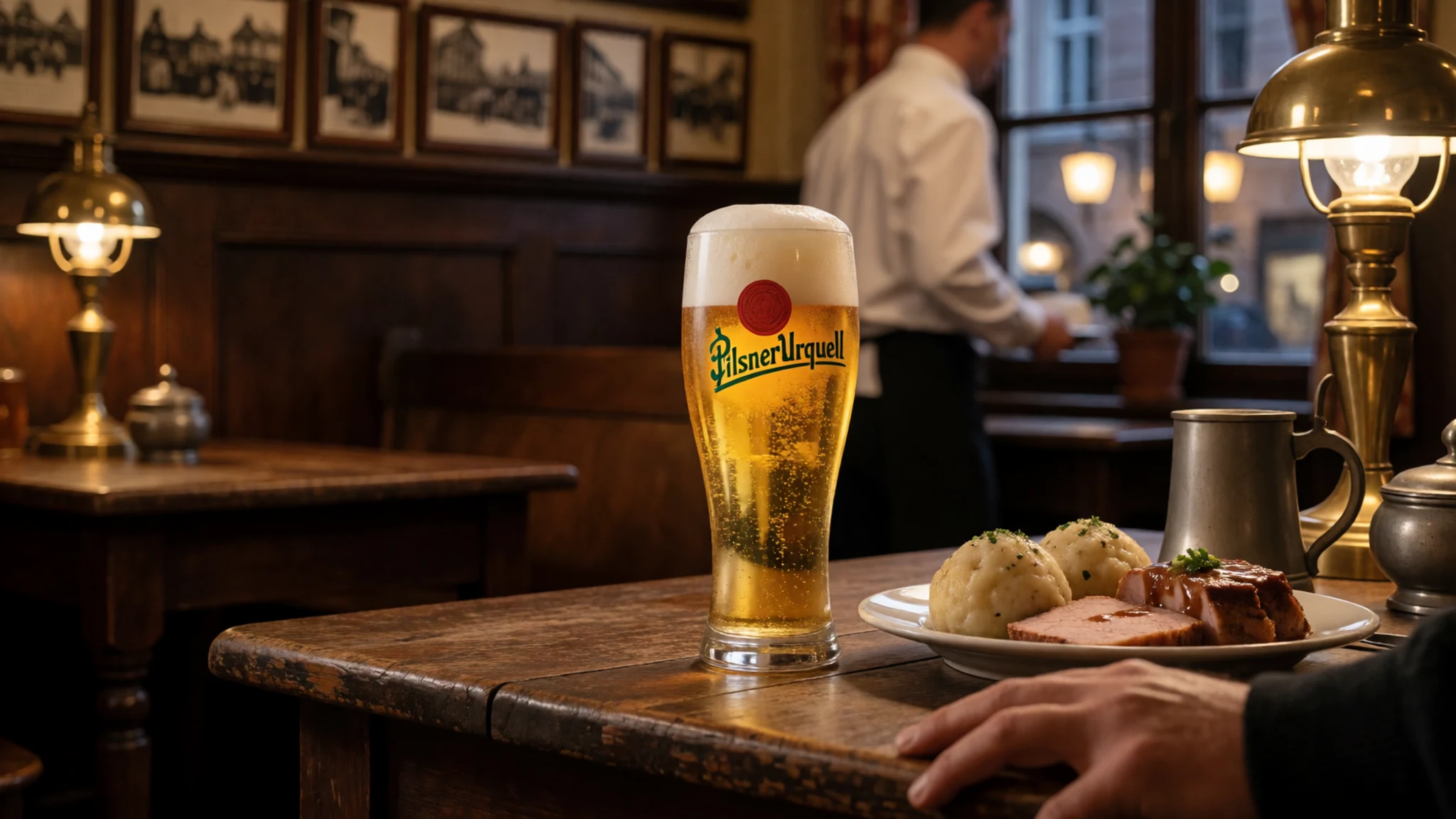
- Svíčková — Traditional Czech restaurants and pub kitchens
Slices of marinated beef sirloin in a smooth root-vegetable cream sauce, served with bread dumplings and often a spoon of cranberry sauce. It is a Czech Sunday-lunch staple and appears on most traditional menus.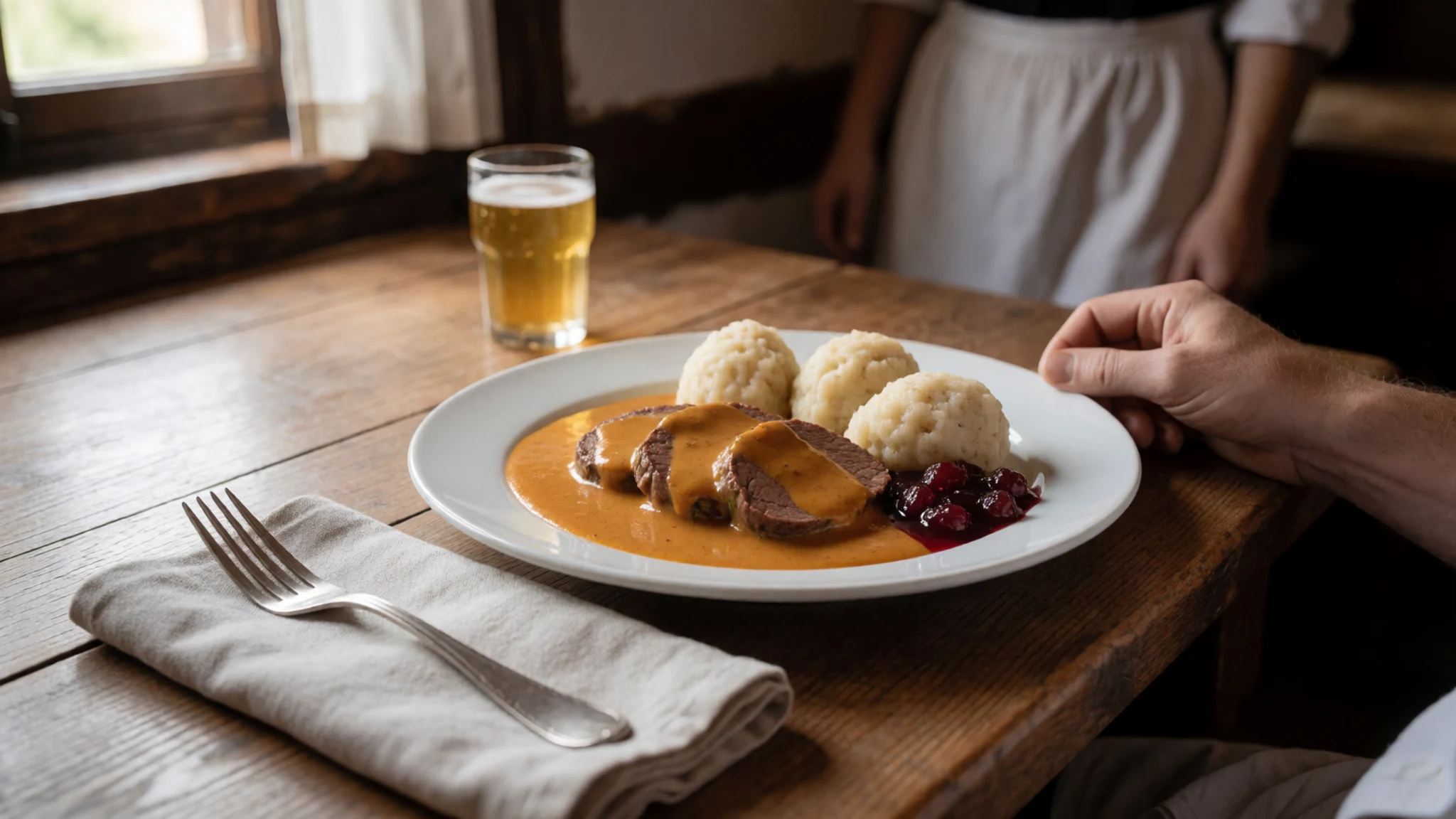
- Vepřo knedlo zelo — Beer halls and neighbourhood pubs
Roast pork with dumplings and sauerkraut is the dish that most people mean by Czech home cooking. Portions are generous and the sauerkraut gives a sharp counterpoint to the rich meat and a cold beer. - Guláš with dumplings — Pub kitchens and lunchtime canteens
A thick beef stew, spiced with paprika and onion, served with sliced bread dumplings that soak up the sauce. It is hearty winter food and a safe order if the rest of the menu is in Czech. - Smažený sýr — Pubs and casual restaurants
Breaded and fried cheese, usually served with chips or boiled potatoes and tartare sauce. It is a classic filling meal for vegetarians, who otherwise find choice limited in traditional places, and it works well with beer.
Plan it
Best time. May–June and September–October bring mild days and comfortable walking weather. July and August are warm and busier, and winters are cold and grey, though the cellars and pubs suit that season well.
How long. 1–2
Getting there. Fly to Prague and take a train or bus to Plzeň, which runs hourly and takes just over an hour. From Munich there are direct trains about every two hours, taking around 4½ hours. A scenic railway runs from Železná Ruda via Klatovy through the Šumava hills. From the station, the old town is a short walk or tram ride.
Budget. mid
Tips
- Book brewery and underground tours ahead in summer and at weekends, and check the official site for current times
- Carry some cash for small pubs and kiosks, though cards are widely accepted in larger places
- Climb the cathedral tower early in the day for clearer views and fewer people
- Wear shoes with grip, as the old town's stone setts are slippery when wet or icy
- Combine Plzeň with Prague as a day trip, but stay a night to enjoy the pubs in the evening
Etiquette
- Greet staff and fellow diners with a quiet dobrý den when entering a pub or small restaurant
- Ask before sitting at a table where others are already seated
- Round up the bill rather than leaving loose coins on the table
Nearby
Sources
- Wikidata Q43453 (CC0)
- Wikipedia: Plzeň (rev 1384672062) (CC BY-SA 4.0)
- Wikivoyage: Pilsen (rev 5426469) (CC BY-SA 4.0)
- Photo: Plzen city view (Евгений Благодарный) (CC BY-SA 2.5)
- Photo: Plzeň Montage I (Tamorlan and others) (CC BY-SA 4.0)
- Photo: Chlum from Mikulka (Adam Hauner) (CC BY 3.0)
- Photo: Plzeň 1602 view (Johann Willenberger) (Public domain)
- Photo: Thank you America monument (Ondrej.konicek) (CC BY-SA 2.0)
- Photo: Pilsner Urquell Brewery (Public domain)
- Photo: Pilsner Urquell beer (LeeKeoma) (CC0 1.0)
- Photo: Evo 2 tram in Plzeň (PMDP_Fanoušek) (CC BY-SA 4.0)


