Český Krumlov
Český Krumlov, Czech Republic
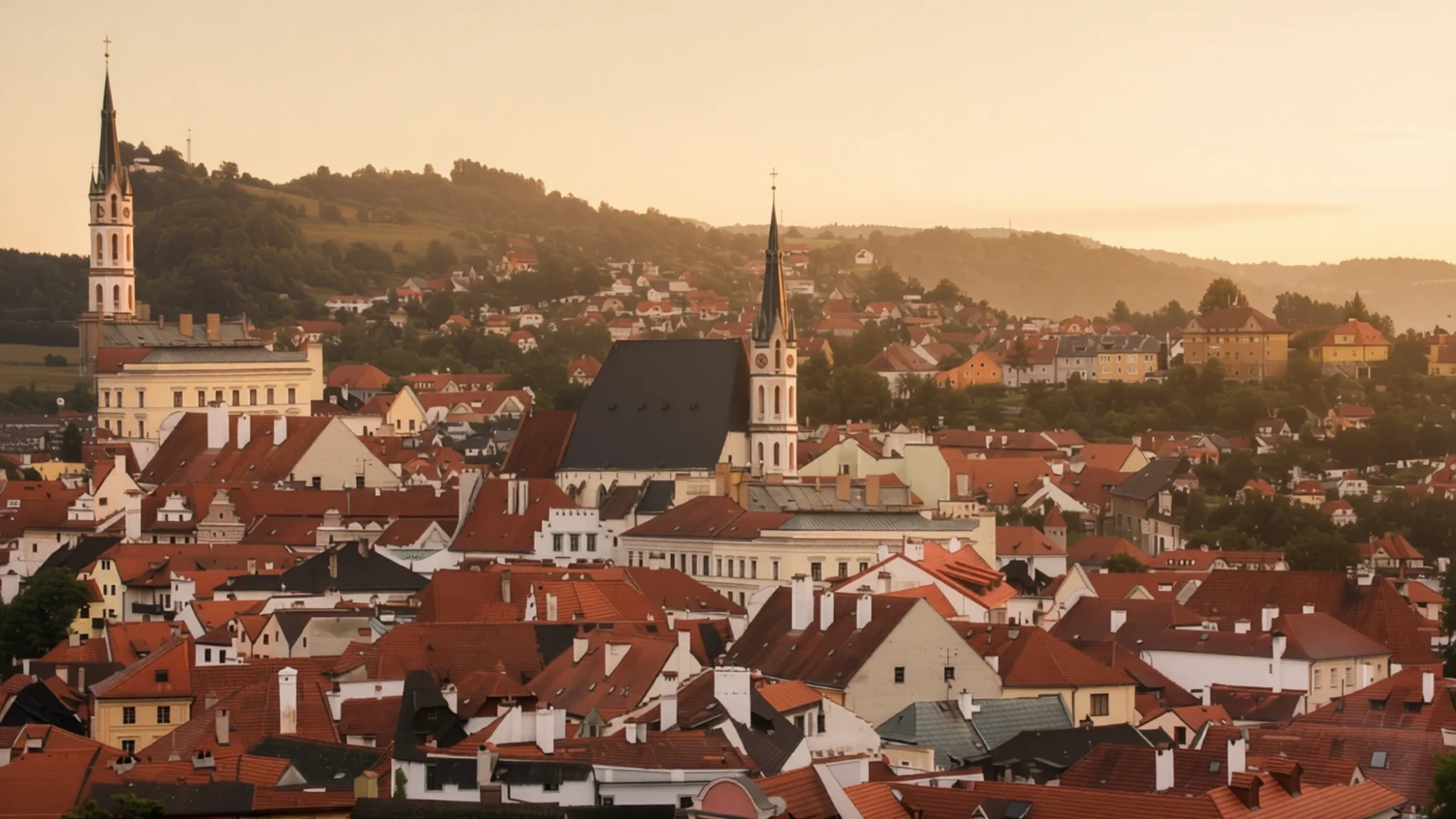
A small river town with a castle, a bend in the Vltava and a centre that rewards slow walking, though it fills up fast in summer.
The place
Český Krumlov sits on both banks of the Vltava in the foothills of the Bohemian Forest, and its roughly 13,000 residents live in a town that feels smaller than that. Narrow lanes run from a castle on the rock down past red-roofed houses and painted façades to the river. Most of the old centre is protected, and the castle complex has been a UNESCO World Heritage Site since 1992, recognised for its Gothic, Renaissance and Baroque architecture.
The castle is the main draw. Its Chateau Tower climbs six storeys, the Baroque Castle Theatre is one of the town's signature spaces, and the grounds give views over the roofs and the river bend. Below, the squares are lined with cafés and small shops, and the lanes between them are steep enough to make you stop for breath.
The town is easy to explore on foot, but it is busy enough that you feel the crowds. Day-trip groups arrive in the late morning and leave by late afternoon, so the quieter hours are early and after dusk. Expect cobbles, a fair amount of climbing and prices that reflect the number of visitors. Check the official site for castle opening times and ticket options before you plan your day.
Its story
People have lived along this stretch of the Vltava for a very long time. The river made it a natural crossing and trade point well before a town existed, and archaeological finds show settlement from the Stone Age onward, with a large community in the Bronze Age and Celtic settlement later on. The first written mention of the place dates from 1253, when it appears under an older form of the name in a deed.
The castle came first. A local branch of the Vítkovci family established the town just before 1250 and remained in control of the land until 1302. When that line died out, the crown acquired the estate and passed it to the Rosenbergs, who made the castle their main seat. A Rosenberg lord had the present upper castle built in the early fourteenth century. The family's five-petalled rose remains the emblem of the town's summer festival.
The town grew in two parts. A settlement called Latrán grew up without a plan below the castle, populated largely by people tied to its administration. The Old Town came later as a new, deliberately founded settlement. From the start Czech and German speakers both lived here, which is why the town has two names, and a Jewish community is documented from 1334. Later centuries brought Renaissance and Baroque rebuilding, and the medieval layout survived, which is why the centre reads as one piece today.
What to see
- Český Krumlov Castle complex — Castle hill, above the river
The castle is the most visited site in town, and it is really a complex rather than a single building. It includes the small Little Castle, which houses the Castle Museum, a six-storey Renaissance chateau tower and the Baroque Castle Theatre. Allow at least an hour for the grounds and the tower, and check the official site for tour times and tickets.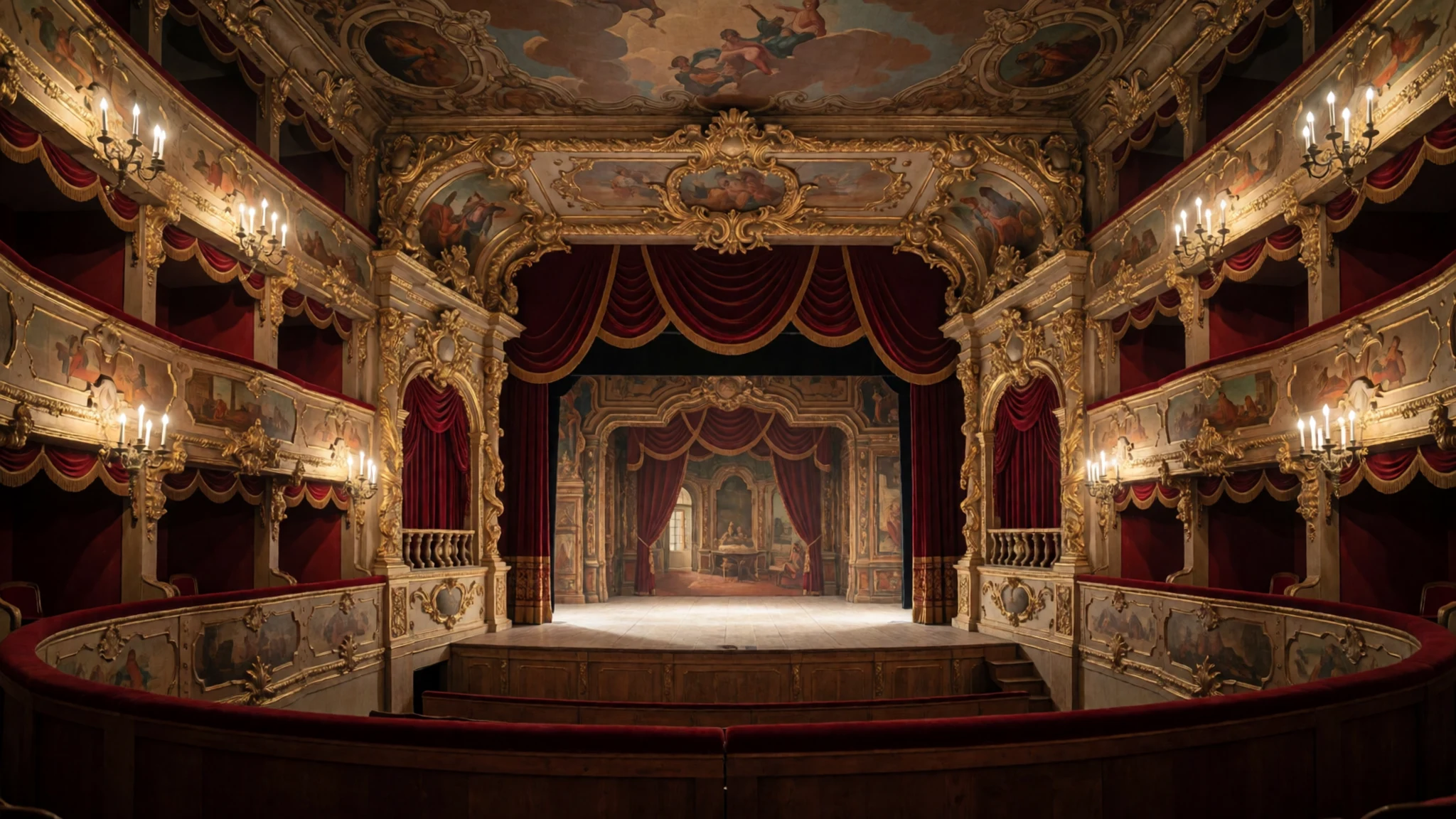
- Regional Museum — Town centre
The Regional Museum holds a broad mix of Bohemian antiques, geological fossils and archaeological finds from the nearby Celtic oppidum. Its rotating displays focus on local life and history. It is a good place to get a sense of the region before you walk the lanes, and it is calmer than the castle in the middle of the day.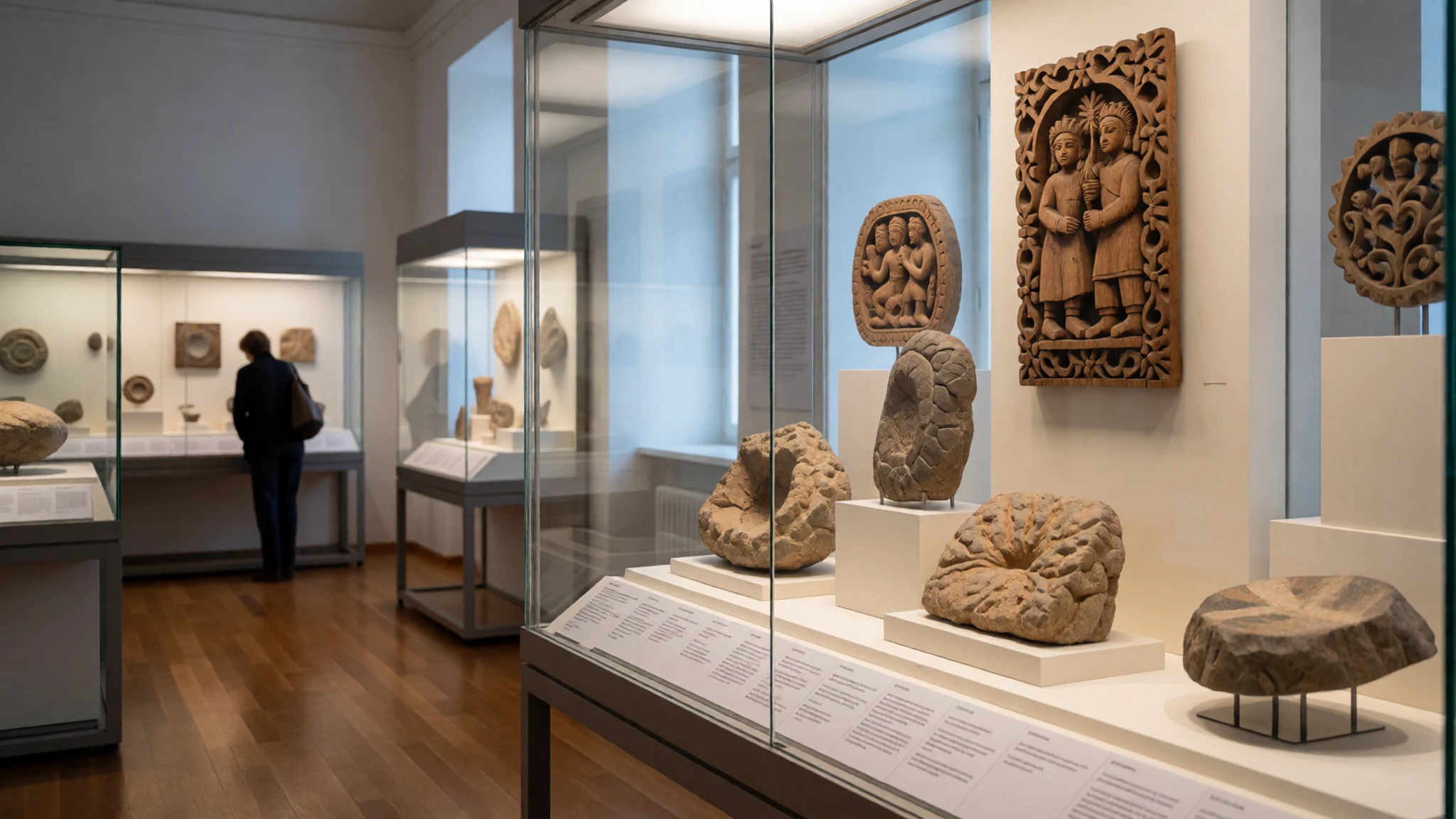
- Egon Schiele Centrum — Town centre, near the river
Egon Schiele, the Austrian painter, spent only a short time in Český Krumlov, but he painted the bleak landscapes of his Dead Town series here. The museum presents his work and the setting that shaped it. It suits a rainy afternoon, and it pairs well with a slow walk along the river afterwards.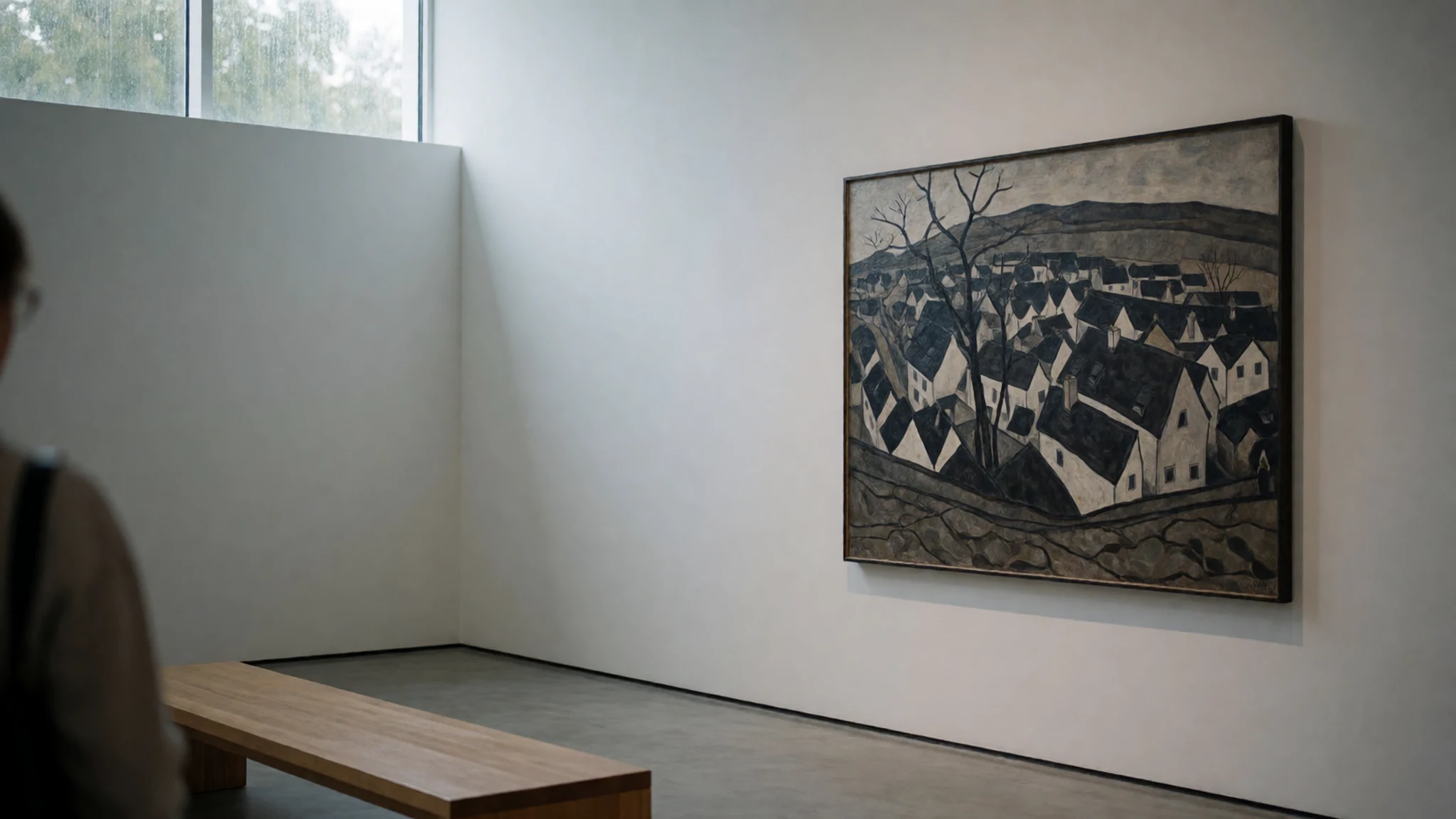
- Graphite mine — North of the town centre
The old graphite mine on the edge of town is a technical monument that explains the history of mining in the district. It is a worthwhile side trip if you want something beyond the castle and the squares. Small heritage sites often keep seasonal hours, so check the official site before you go.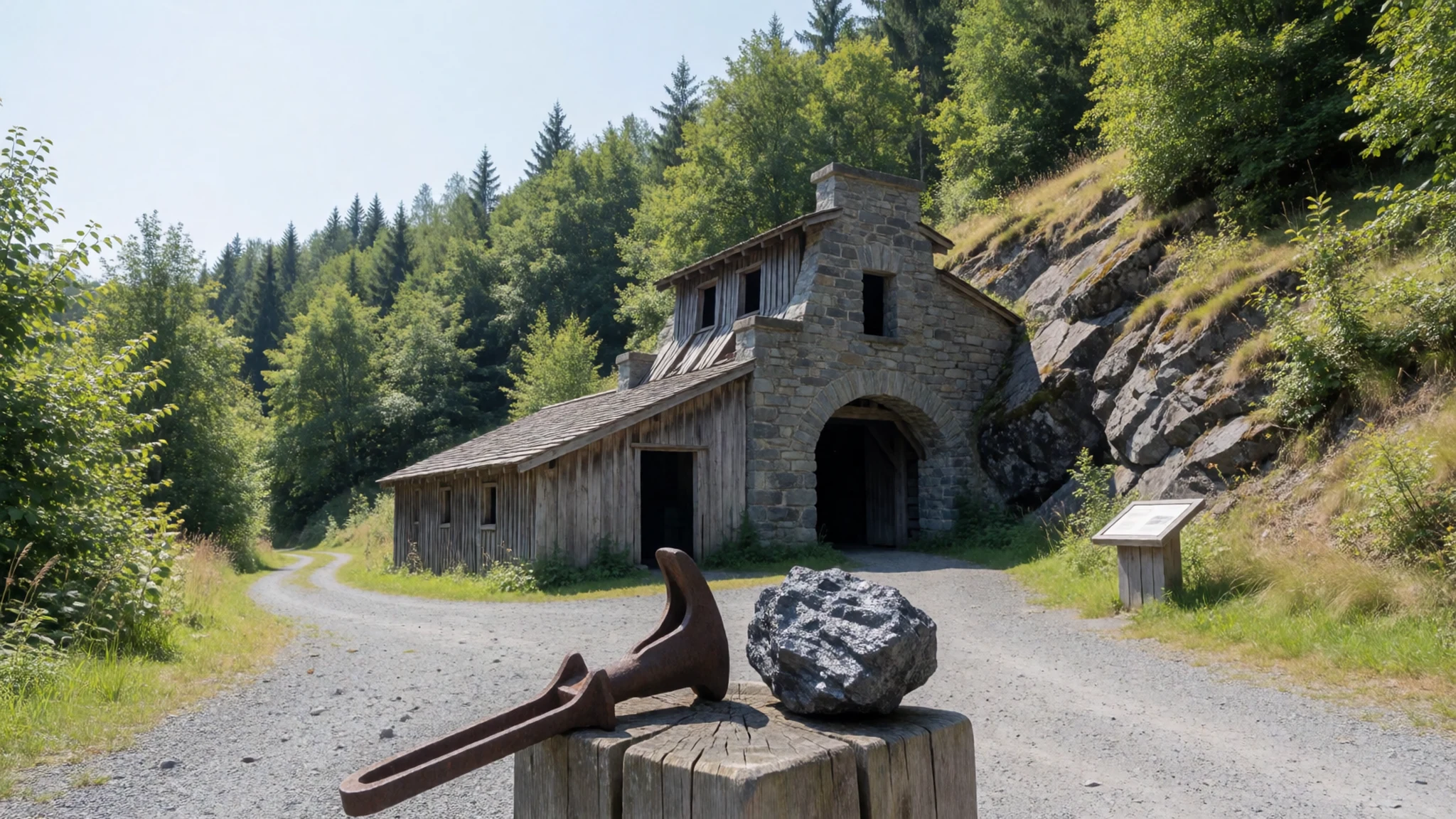
- Market square and Town Hall — Old Town
The market square is the town's living room, lined with painted burgher houses and the Town Hall. Cafés spill onto it in summer, and it is the easiest place to sit down between sights. Arrive early, before the day groups, if you want to see the façades without crowds.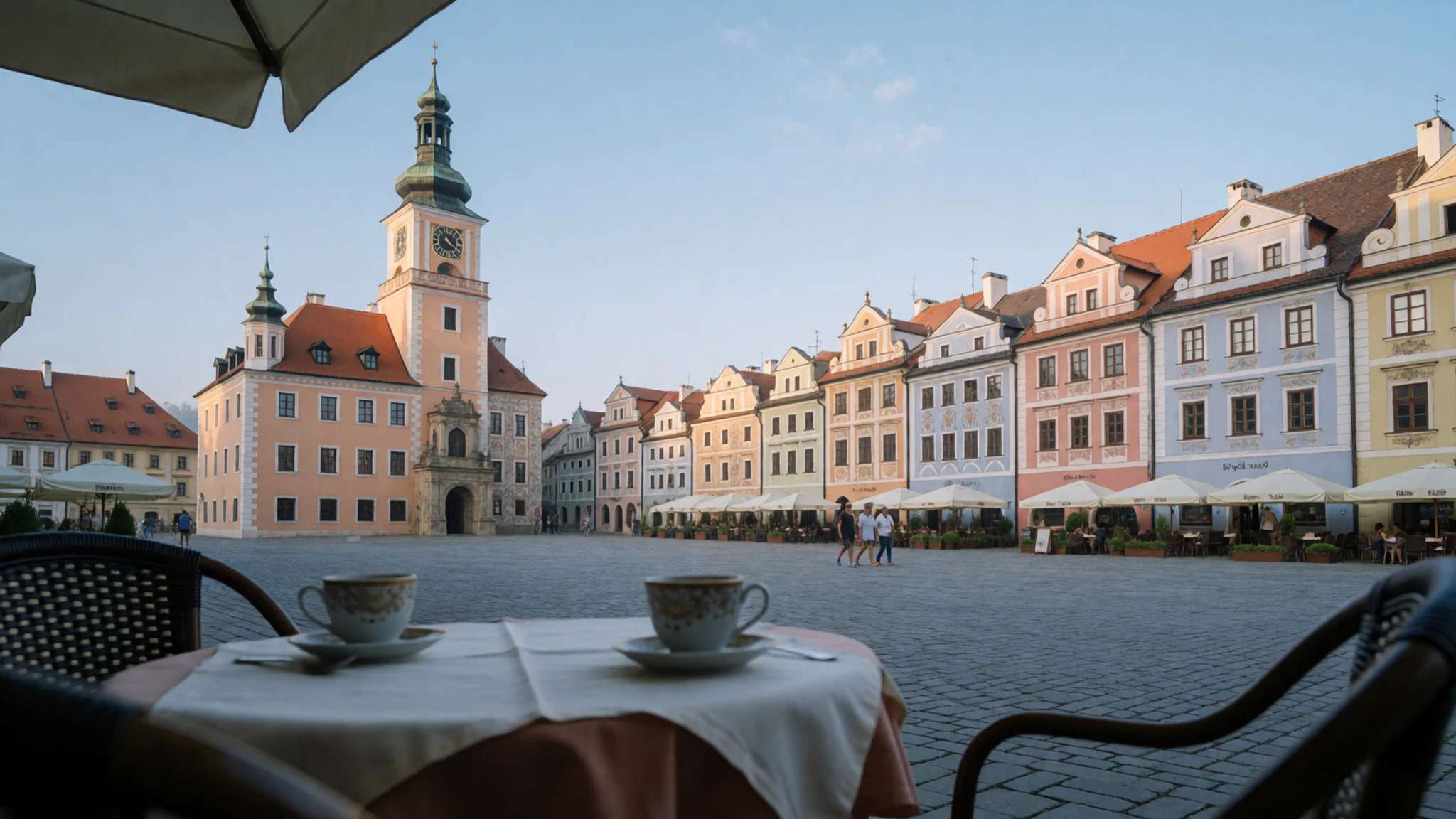
Culture
Český Krumlov runs a busy calendar of events, and the most distinctive is the Five-Petalled Rose Festival, held over the summer solstice weekend. The name refers to the rose in the Rosenberg crest. For that weekend the old town becomes a medieval fair, with craftspeople, musicians and locals in period costume, jousting and fencing in the castle grounds, historical dance and folk theatre along the river, and fireworks at the end. Book accommodation early if you plan to be there.
Through July and August the International Music Festival brings performances across several genres, and it has run every year since 1992. Open Air Krumlov fills the Eggenberg Brewery gardens in late June with blues, rock, and soul for a casual evening crowd.
Day to day, the town is welcoming to visitors but protective of its old streets. Residents live above the shops and cafés, so sound carries after dark. Keep your voice low inside churches and the castle grounds, and stand aside for carts in the narrow lanes.
What to wear
Český Krumlov has no everyday costume that visitors will see on the street. The traditional dress that survives is Czech folk costume, or kroj, worn mainly at regional festivals and weddings. Its character comes from the textiles: hand-embroidered blouses in cotton or linen, bodices and aprons in wool and brocade, and pleated skirts in dark, sturdy fabrics. Colours and cut vary by region, so the costumes you see at the Rose Festival are a mix of local and period styles.
What people wear now is simple and practical. Locals dress much as people do in any European town, with jeans, jackets and comfortable shoes, and a few smart outfits for evenings out. Few people dress up for daytime sightseeing.
For your own clothes, think about the terrain first. The cobbles and steep lanes call for flat shoes with good grip, and a light waterproof is useful for the river valley's weather. Layers work well, since mornings and evenings can be cooler than midday. At churches and the castle, cover shoulders and knees, and avoid anything too revealing.
What to eat
- Svíčková — Traditional Czech restaurants in the old town, such as Maštal
Roast beef in a creamy, lightly spiced vegetable sauce, usually served with bread dumplings and a spoon of cranberry. It is a classic Czech main that rewards a long, unhurried lunch. Order it in a traditional restaurant like Maštal, where standard Czech fare is the speciality.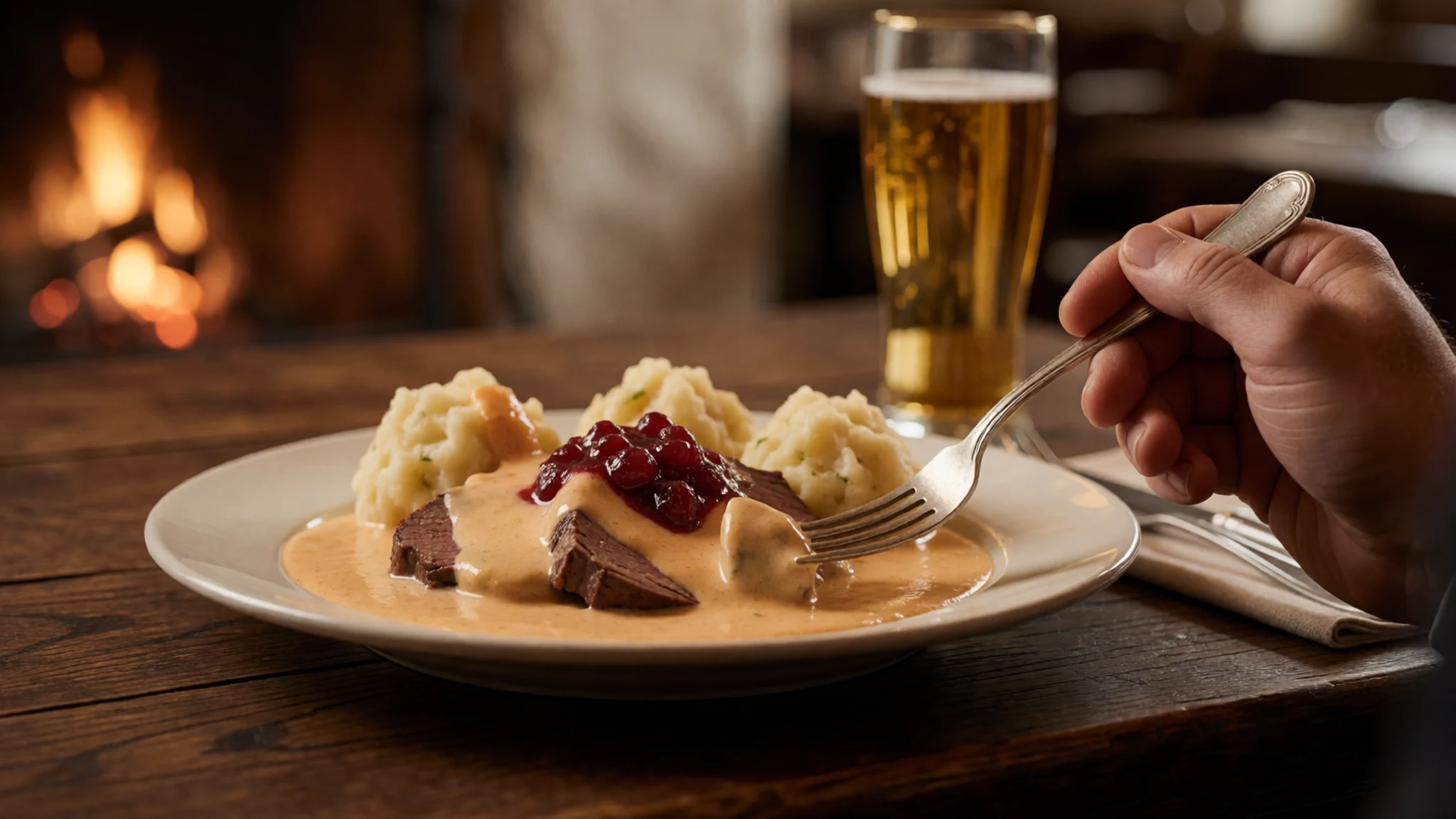
- Vepřo knedlo zelo — Krčma v Šatlavské, a tavern on the site of the old jailhouse
Roast pork with bread dumplings and sauerkraut, the everyday Czech plate found in most taverns. The sauerkraut gives it a sharp edge that cuts through the richness of the meat. Try it in a cosy tavern where locals eat, and go off-peak for a quieter fire-side table.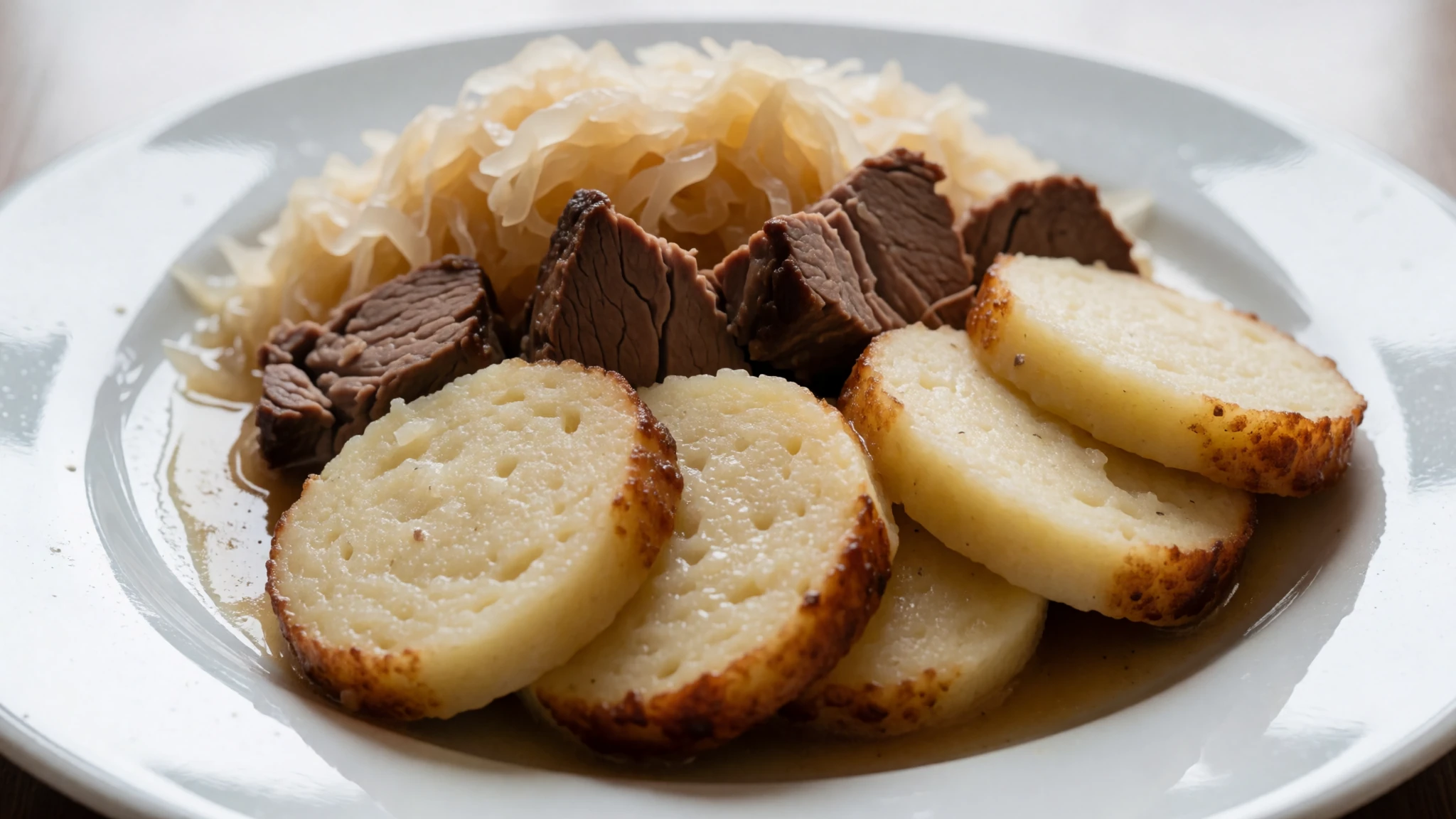
- Guláš — Maštal, a standard Czech restaurant with a broad salad range
A slow-cooked beef stew with paprika, onion and caraway, served with bread or dumplings. It is hearty and filling, and it is a good choice on a cool evening. Maštal serves generous portions, so if you are not very hungry, ask for the half-portion.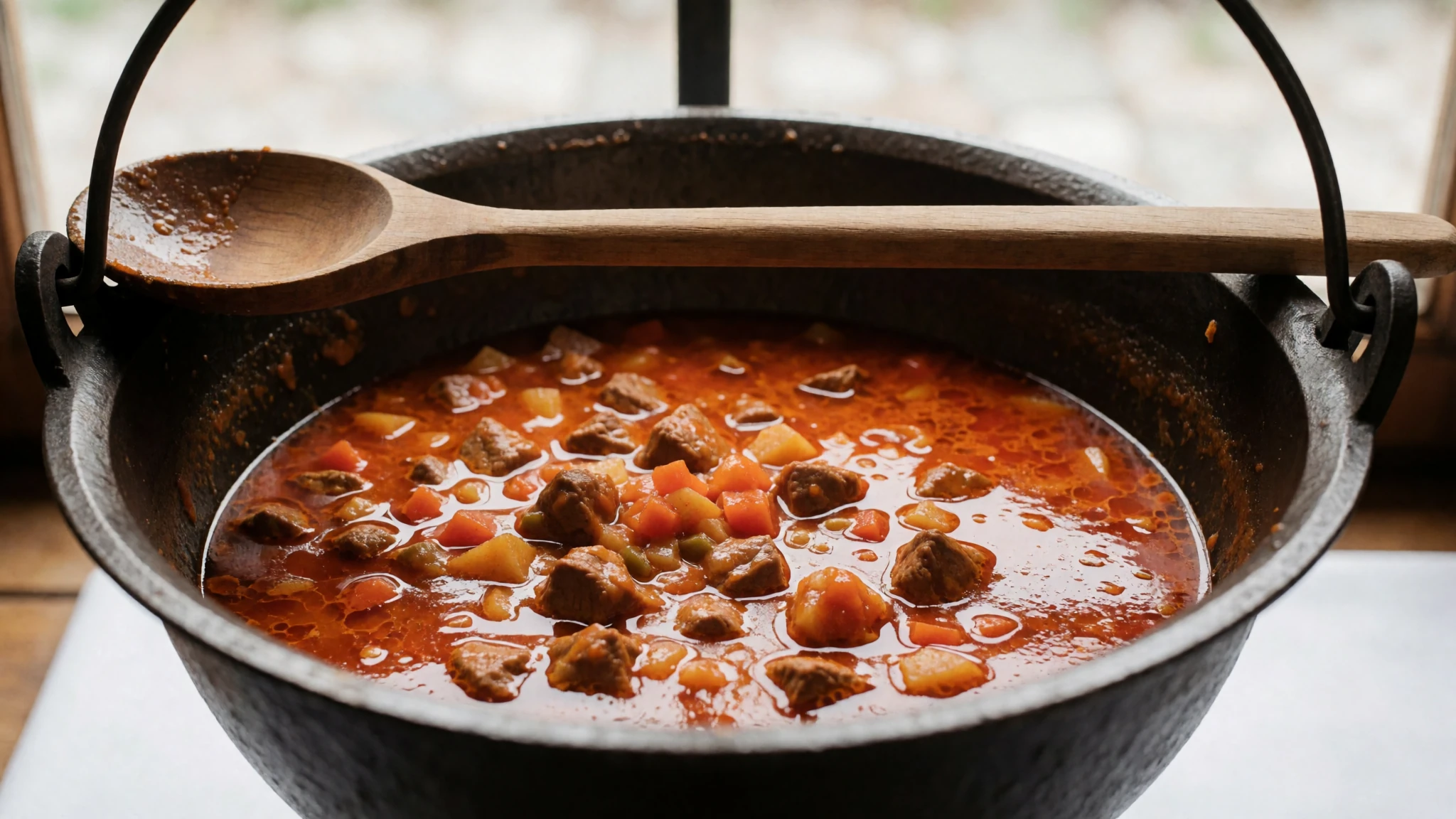
- Czech draught beer — Hospoda 99, a relaxed pub beside the hostel
Czech lager is poured fresh in pubs across the country, and the town has several spots for a relaxed drink. Sit outside in good weather and watch the lanes. A pub setting is a good way to end a walking day and talk to locals, and you can order a second glass without fuss. - Vegetarian grain plates — Laibon, a vegetarian restaurant and tea house
Grain-based bowls, salads and roasted vegetables cooked with care, along with herbal teas. Even confirmed meat eaters find the change from fried pork welcome. It is a sensible option if you want a lighter meal between castle visits.
Plan it
Best time. Late spring and early autumn are kindest: days are mild, and the town is quieter than in July and August, when the summer festivals bring extra crowds. June is lively because of the Rose Festival and the Open Air concert, so book ahead if you want to be there.
How long. 2–3
Getting there. Travel from Prague, the usual gateway. A limited direct train runs from Prague, which is the most comfortable option. Other routes change at České Budějovice, where you buy separate tickets for the regional line that completes the journey. Check IDOS for current times before you set out.
Budget. mid
Tips
- Book a bed for at least two nights, since a day trip gets tight once the castle and museums are included.
- Visit the castle and tower early in the morning or late in the afternoon, when the day groups have gone.
- Wear flat shoes with grip, because the cobbles and steps are steep and uneven.
- Carry some cash for smaller places, and check whether a card is accepted before you order.
- For festival weekends in June and the July and August music season, book accommodation months ahead.
Etiquette
- Keep noise down late at night in the lanes, since people live above the shops and cafés.
- Take off your hat inside churches and dress modestly at religious sites.
- Ask before photographing people in costume at festivals.
Nearby
Sources
- Wikidata Q188082 (CC0)
- Wikipedia, Český Krumlov (rev 1375809403) (CC BY-SA 4.0)
- Wikivoyage, Český Krumlov (rev 5317203) (CC BY-SA 4.0)
- Photo 01-esk-krumlov-historick-j-dro.jpg, Xth-Floor (CC BY-SA 4.0)
- Photo 02-blick-auf-das-stadtzentrum-von-krumau-2026.jpg, DominikCK1999 (CC BY 4.0)
- Photo 03-panorama-of-cesky-krumlov-tower-castle-old-town-and-latran.jpg, Danijel Mihajlovic (CC BY-SA 4.0)
- Photo 04-esk-krumlov-park-n-3.jpg, Palickap (CC BY-SA 4.0)
- Photo 05-kl-tery-a-pivovar-v-esk-m-krumlov-2026.jpg, DominikCK1999 (CC BY 4.0)
- Photo 06-esk-krumlov-stani-n-budova-srpen-2024.jpg, Vojtasekd (CC BY 4.0)
- Photo 07-marktplatz-mit-dem-rathaus-in-krumau-2026.jpg, DominikCK1999 (CC BY 4.0)
- Photo 08-ceskystage.jpg, Alexwardle (Public domain)


