Kamchatka Peninsula
Kamchatka Peninsula, Russia
Kamchatka Peninsula is a wild volcanic edge of Russia where active cones, bears and empty Pacific coast are reached by helicopter and on foot.
The place
Kamchatka Peninsula hangs down from the Russian Far East between the Sea of Okhotsk on its western side and the Pacific on its eastern side. It is roughly 1,250 km long and covers about 270,000 sq km, which makes it larger than many European countries. Offshore on the Pacific side the seabed drops into the Kuril–Kamchatka Trench, nearly 10 km deep. Down the middle runs the Sredinny, or Central, Range, a mountain spine with volcanoes standing along and beside it.
Administratively the peninsula belongs to Kamchatka Krai, together with the Commander Islands and Karaginsky Island. The population is small for such a big landmass, a little over 320,000 people, most of them ethnic Russians, with Koryak communities in the north. More than half live in Petropavlovsk-Kamchatsky, on the circular Avacha Bay, and in nearby Yelizovo, where the airport sits. Away from these two, settlements are few and far apart.
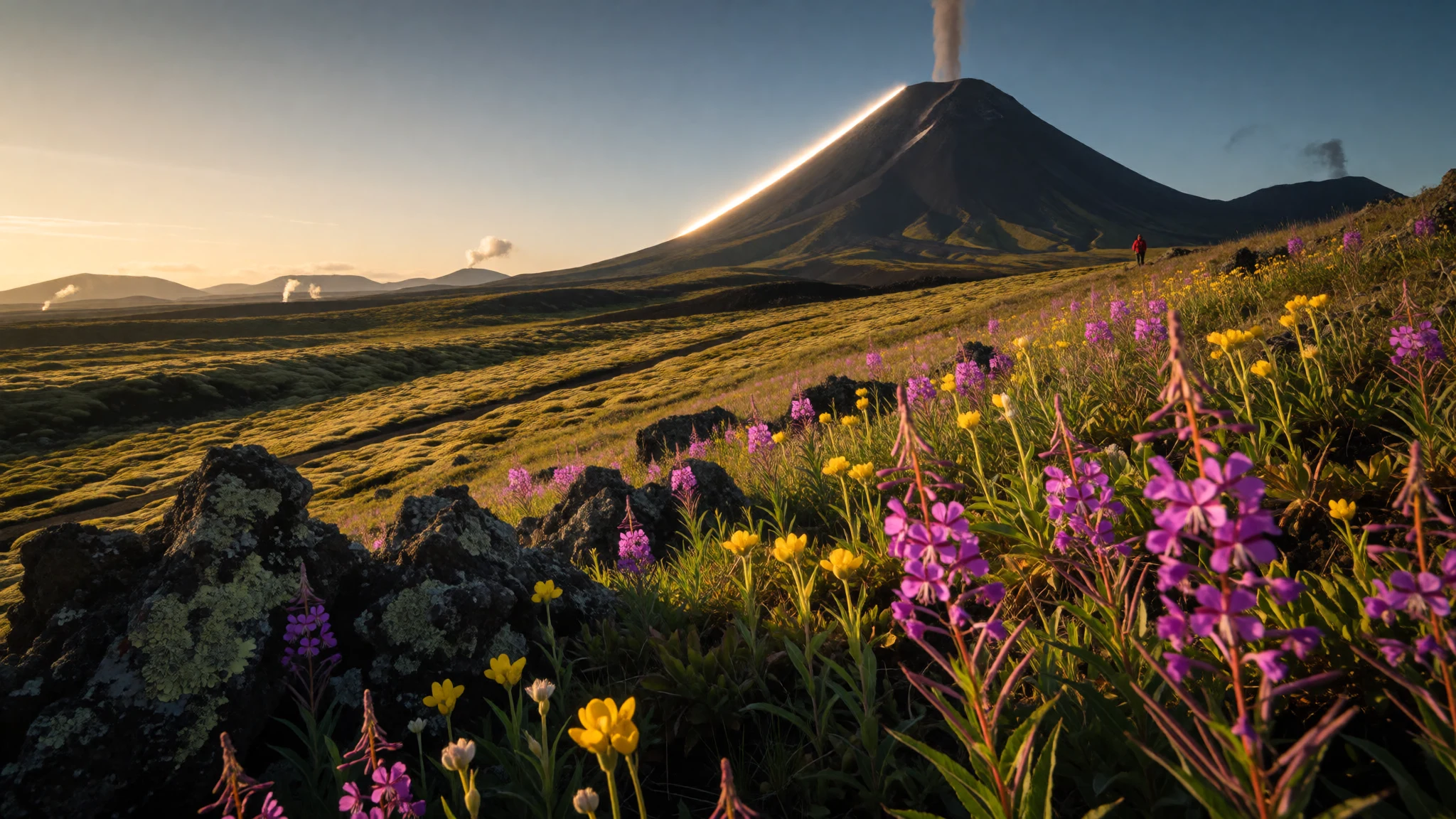
The southern tip is Cape Lopatka, a name that means spade in Russian. Going north up the Pacific side, a series of headlands pushes out into the ocean, including Shipunsky, Kronotsky, Kamchatsky and Ozernoy points, before Karaginsky Bay opens up. The volcanoes of Kamchatka are a UNESCO World Heritage Site and part of the Pacific Ring of Fire. Expect a landscape of ash slopes, steaming ground, birch scrub and long, empty horizons rather than towns and monuments.
Its story
Kamchatka Peninsula was home to the Itelmen, Koryak and Alyutor peoples long before any Russian arrived, and the far southern tip marked the northern limit of Ainu settlement. Their lives were shaped by fish, sea mammals and the volcanic land itself.
Russian contact came overland from the north rather than by sea. After Cossacks reached the Sea of Okhotsk in the 1630s, nobody had the shipbuilding skill to sail on, and the country to the northeast was held by Koryak groups who resisted newcomers. So explorers worked their way south on foot, following the coast and the river valleys, building small fortified posts called ostrogs as they went.
The decisive figure was Vladimir Atlasov, commander at Anadyrsk, who sent a Cossack ahead to the Tigil River and then went himself, crossing nearly the whole peninsula in the late 1690s. He founded a post at Verkhny-Kamchatsk, picked up a Japanese castaway, and travelled to Moscow to report. Soon afterwards some of his men were killed by Koryaks on the road back north, a reminder that the conquest was neither quick nor peaceful.
The ground has its own history. The Pacific Plate dives under the plate beneath Kamchatka just off the coast, so earthquakes are frequent. Two of the strongest ever recorded struck here, in the eighteenth century and again in the middle of the twentieth, the second sending a tsunami as far as Hawaii, New Zealand and Chile. Living with that instability is part of local life.
What to see
- Koryaksky volcano from Petropavlovsk-Kamchatsky — Petropavlovsk-Kamchatsky
A snow-streaked cone stands over the regional capital and can be seen from a small hill near the centre on a clear day. It is the easiest introduction to the peninsula's scale, needing no tour at all, only a bit of luck with cloud and a camera.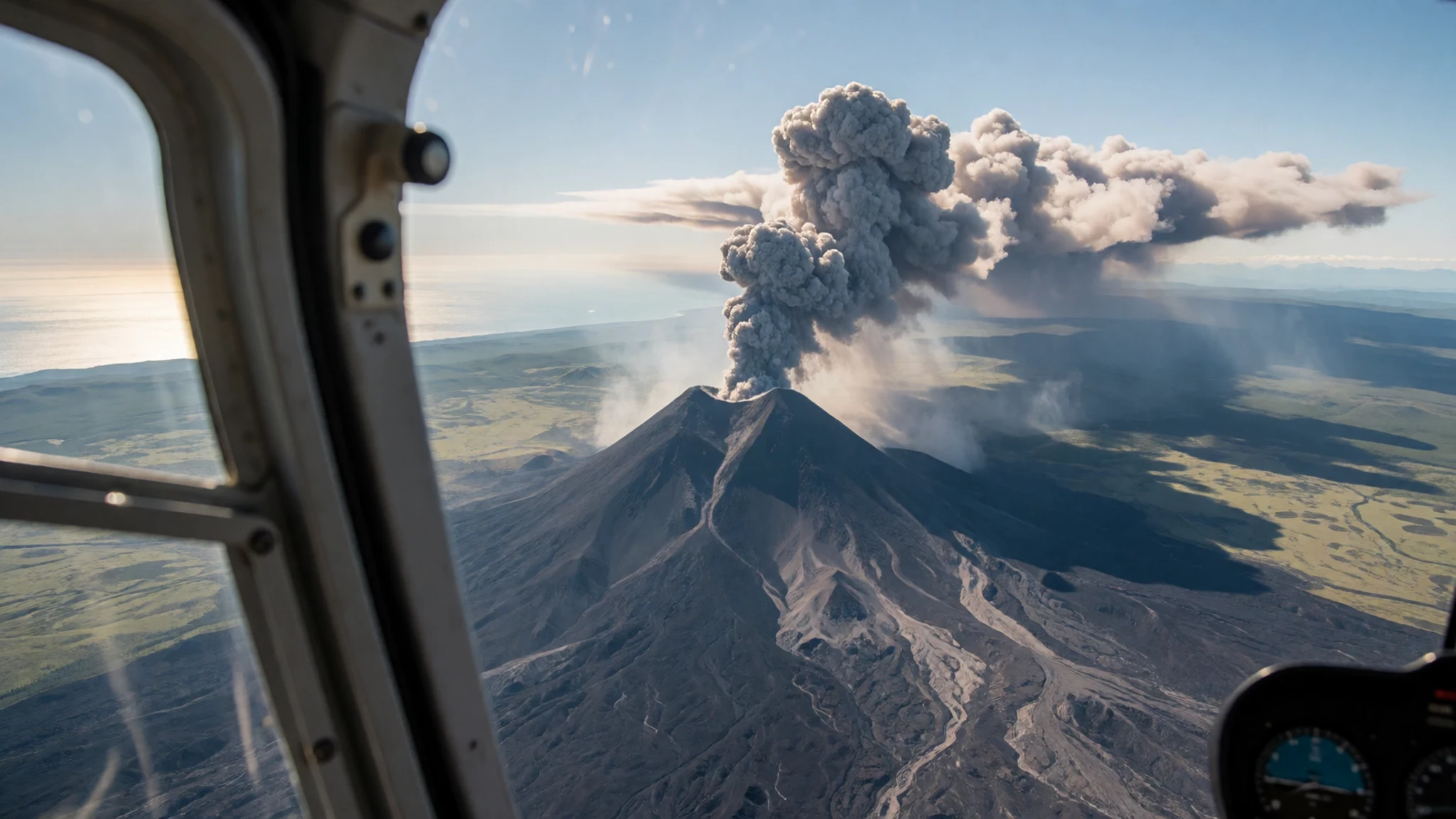
- Kliuchevskoi volcano — Central Kamchatka
One of the many active volcanoes in the northern part of the peninsula, often seen with an eruption plume drifting from its summit. Most visitors view it from a distance or from the air, since close approaches need a guide, good weather and serious preparation.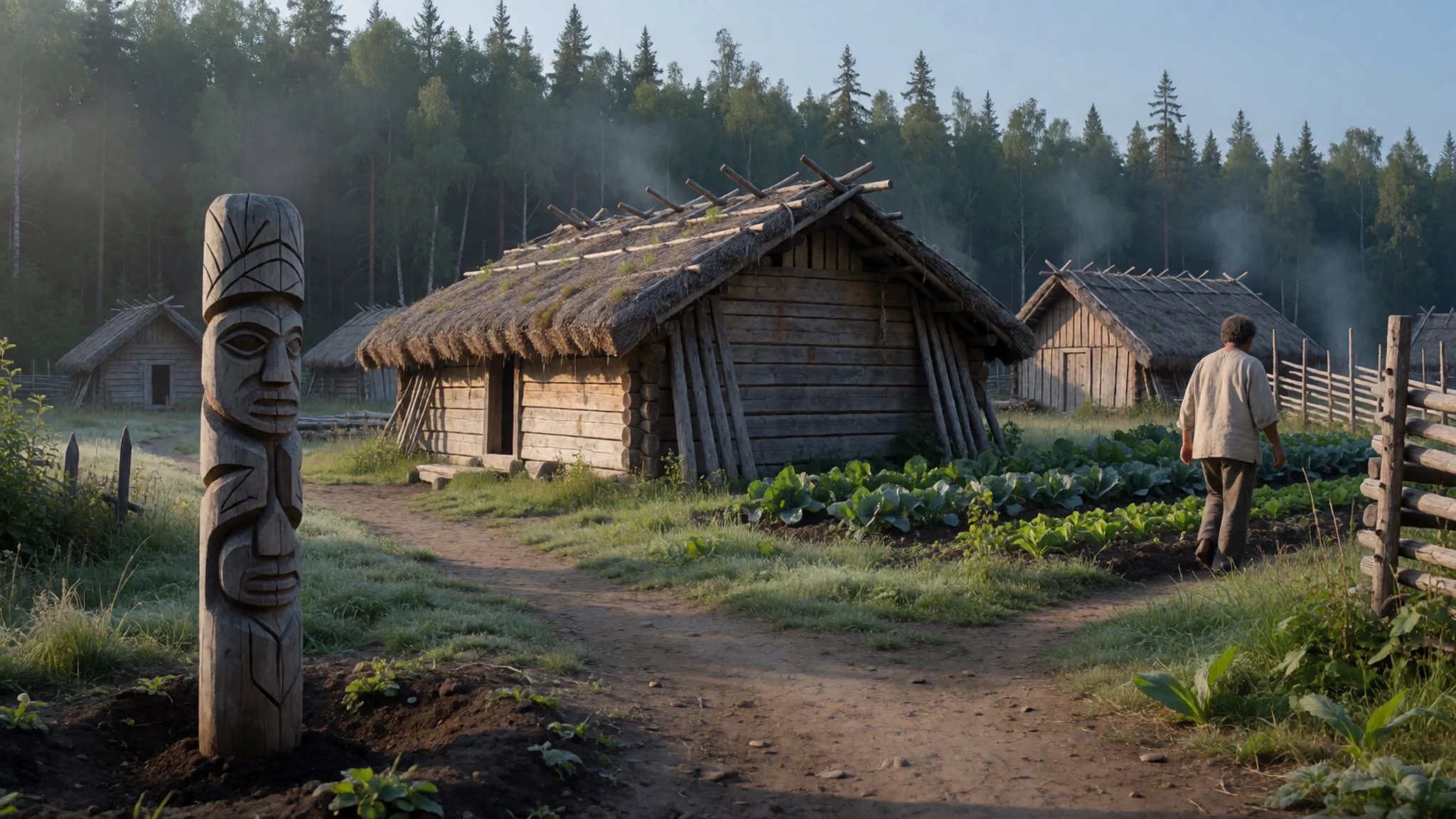
- Kronotsky volcano — Kronotsky coast
A near-perfect cone rising close to the Pacific coast, set in a protected landscape of lakes and valleys. Getting there usually means a helicopter or a long organised trip, which is why local agencies are worth using even though they save time rather than money.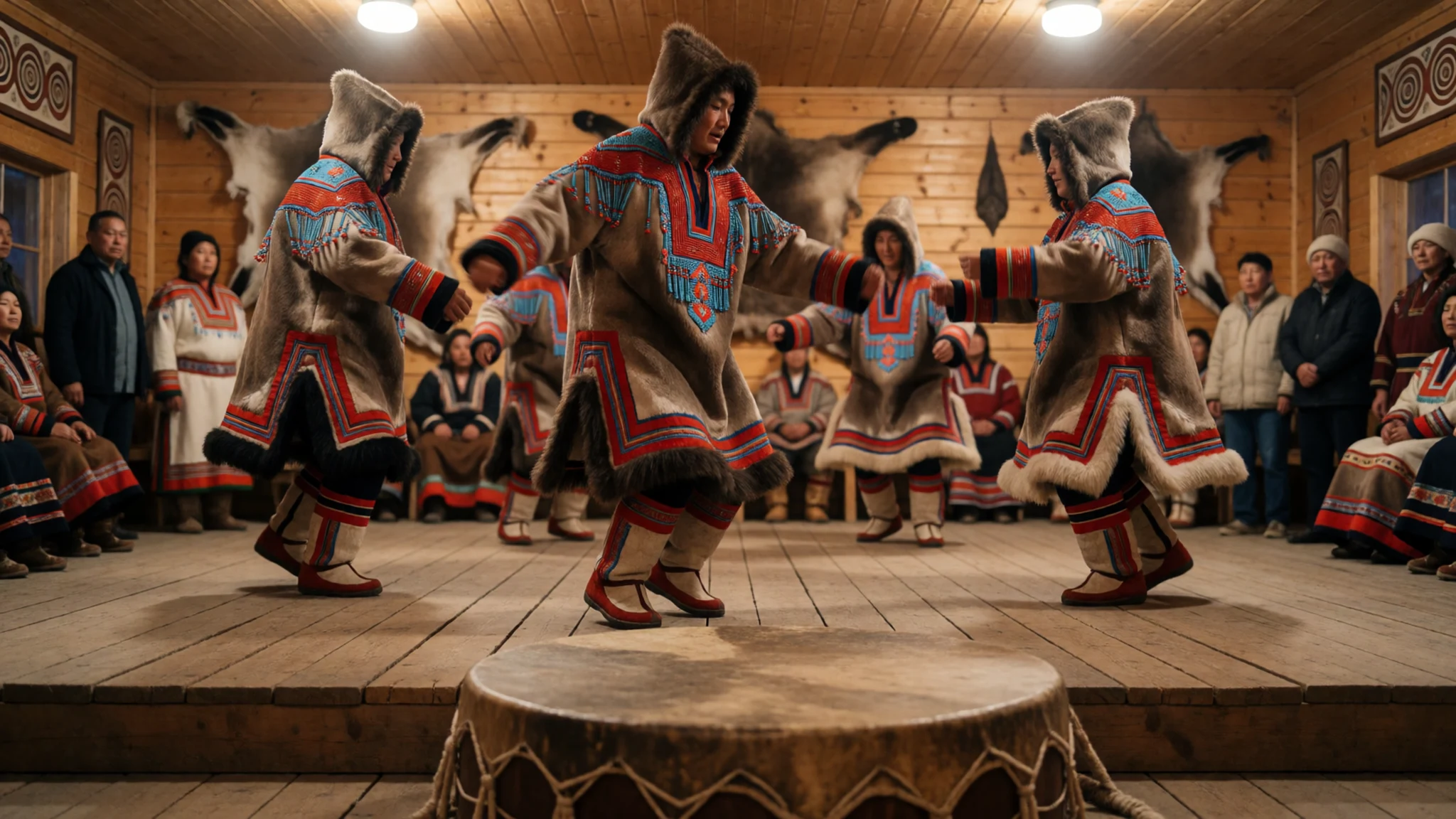
- Opala volcano — Southern Kamchatka
A broad, remote volcano in the south of the peninsula, best appreciated from its north-eastern side. It suits travellers who prefer long days in open country to quick viewpoints, and who are comfortable with rough tracks and changeable weather.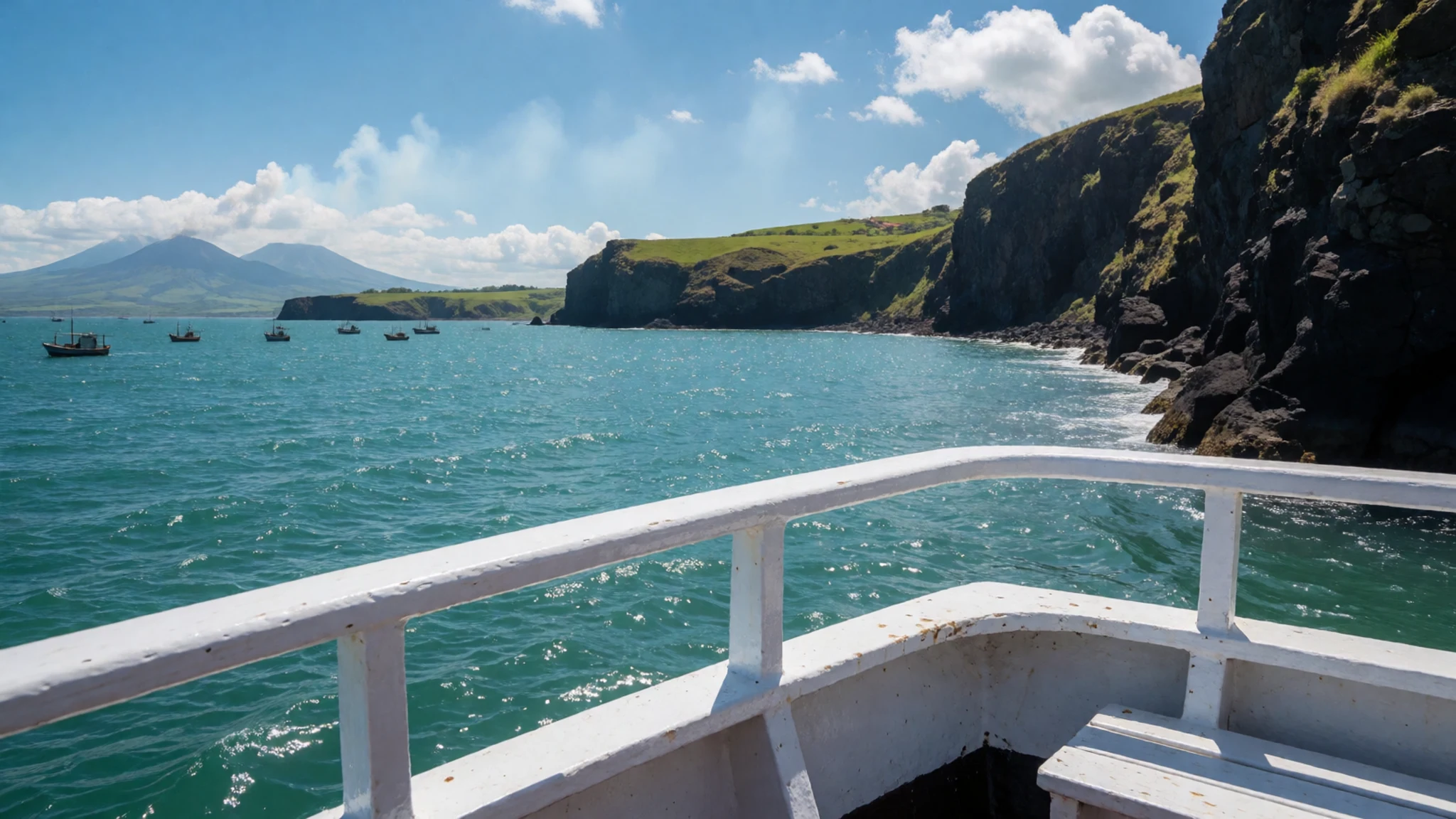
- Pimchakh and Itelmen villages — Itelmen villages
Pimchakh is an Itelmen village some five hours from Petropavlovsk-Kamchatsky, worth the journey for anyone curious about the peninsula's first peoples. A couple of villages lie further on. Go with a local guide and ask before photographing people.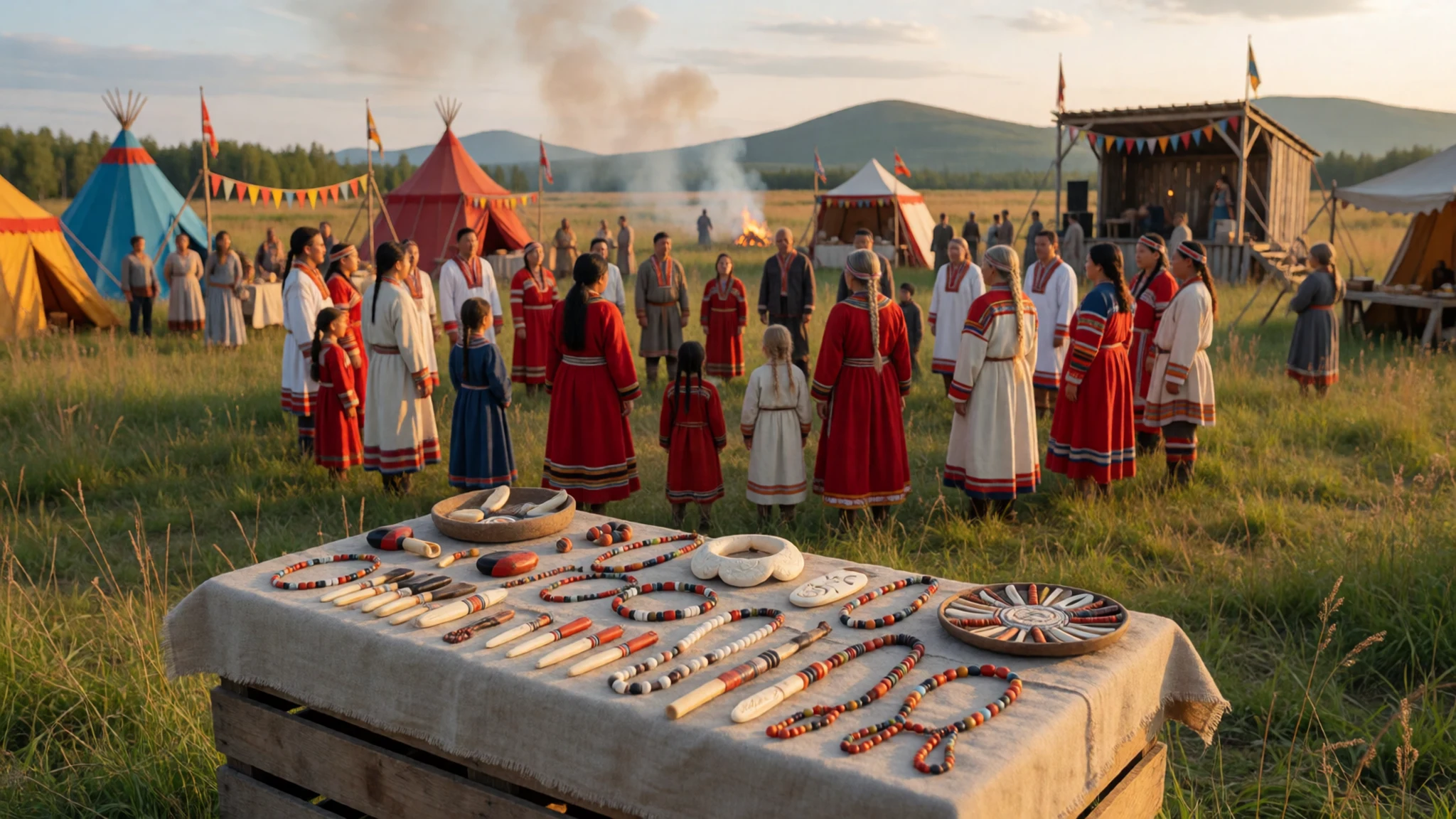
- Palana dance ensembles — Palana, northern Kamchatka
Palana is the administrative centre of the northern district, and its Koryak dance ensembles perform traditional songs and movement. It is a long way from the main tourist routes, so treat it as a dedicated trip, with flights and weather in mind.
Culture
Kamchatka Peninsula carries several layers of culture. The Itelmen, Koryak and Alyutor peoples have lived here for centuries, and their traditions of fishing, reindeer herding, song and dance still shape how the land is understood. Russian settlement added Orthodox churches, Soviet-era towns and a frontier habit of self-reliance, and both influences are easy to feel outside the capital.
Life here is organised around the seasons. Summer is short and busy: fish runs, berry picking, and a rush of travel. Winter is long, with heavy snow and dark afternoons. Hospitality is warm but practical, and people tend to be plain-spoken, especially with visitors who have prepared well.
At the end of summer, ethnic festivals bring together song, costume and craft from several communities, and they are the best chance to see indigenous culture presented by the people who own it. Dance ensembles in northern towns such as Palana perform Koryak repertoire.
Volcanoes, bears and earthquakes are part of everyday conversation rather than curiosities, and local guides take safety very seriously. Their advice about weather, wildlife and routes is not negotiable, and ignoring it puts other people at risk.
When visiting indigenous villages or festivals, ask before photographing people or their ceremonies, and follow your guide's lead on what is welcome.
What to wear
Kamchatka Peninsula's traditional dress belongs to the Itelmen, Koryak and Alyutor peoples and was built for severe cold. Garments were sewn from reindeer and sealskin, often with fur trim, and decorated with beadwork and embroidery. Today these pieces appear mainly at festivals, dance performances and ceremonies, where costume is a point of pride and identity.
Everyday clothing is practical and modern. In Petropavlovsk-Kamchatsky people wear technical jackets, boots and woollen layers for much of the year, with smarter clothes for evenings out. In villages the look is similar, with rubber boots and waterproofs for fishing, and fur hats in deep winter.
Visitors should dress for changeable mountain weather even in summer. Bring a waterproof shell, warm mid-layers, a hat and gloves, and quick-drying trousers. Sturdy, already worn-in hiking boots matter more than anything else, because volcanic ground is abrasive, loose and often wet. Gaiters help on ash slopes. Add a swimsuit for hot springs and insect protection for lowland trails. Dress codes are relaxed, though modest clothes suit churches and small villages.
What to eat
- Kamchatka crab — Seafood restaurants and the fish market in Petropavlovsk-Kamchatsky
The giant local crab is the signature dish, served boiled in big pieces with little more than lemon or butter. Locals say it is far cheaper here than anywhere else, so it is the place to indulge.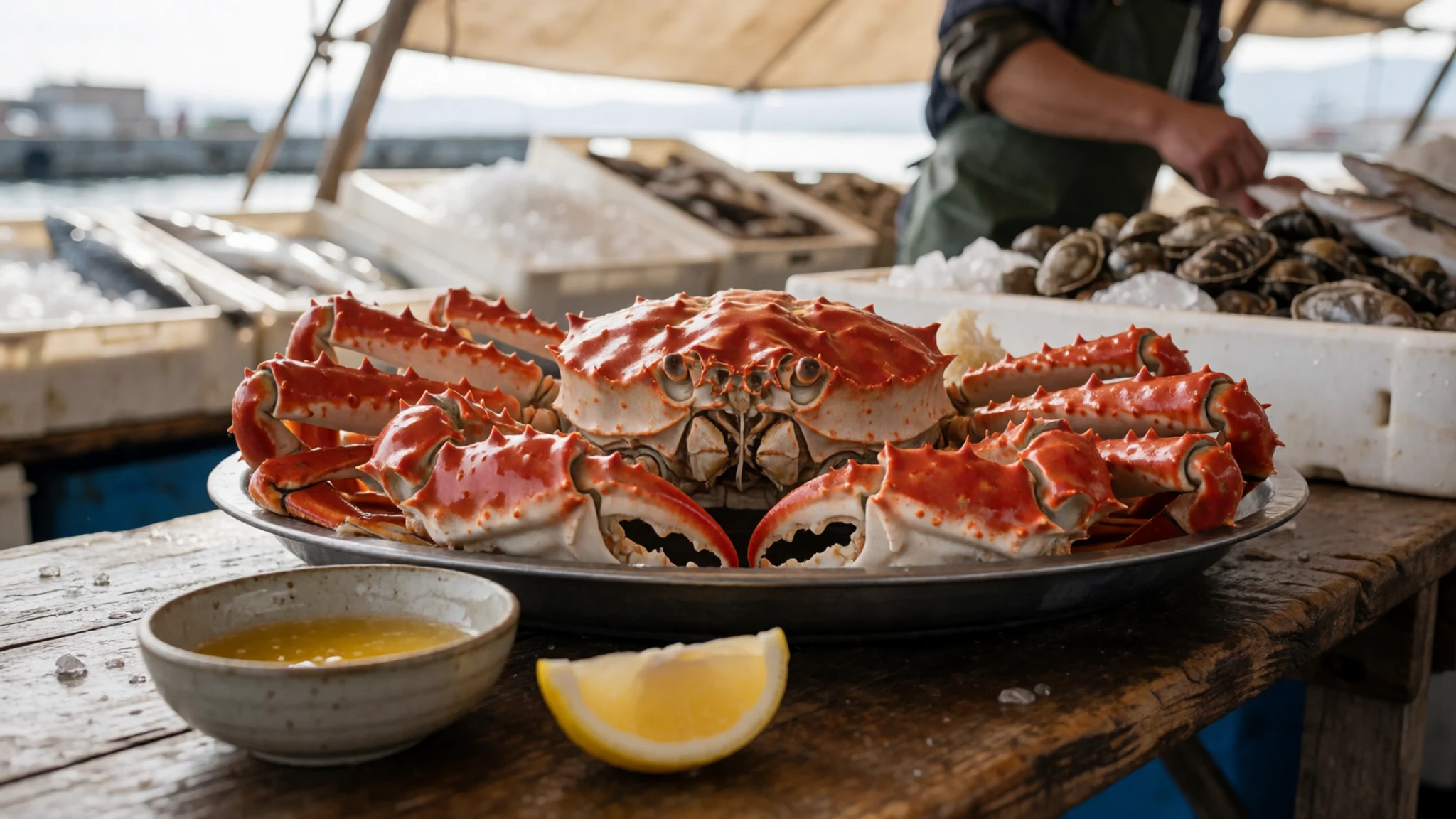
- Salmon and red caviar — Markets and family tables in coastal towns
Wild salmon arrives in huge runs, and is eaten fresh, smoked, salted or in soup. Red caviar is spread on bread or served with blini, a standard part of a celebratory table.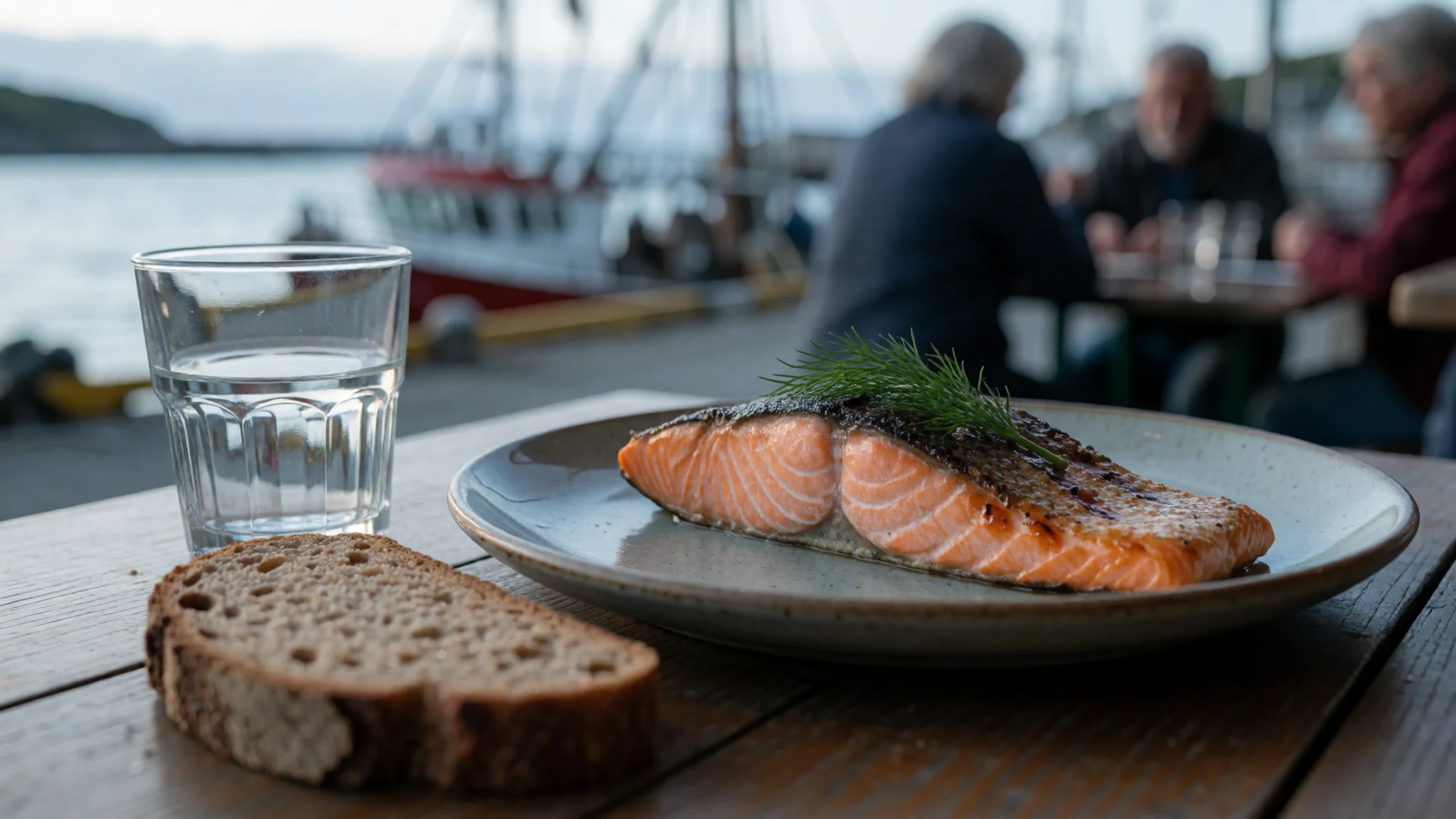
- Ukha fish soup — Guesthouses and camps run by tour operators
A clear, gently seasoned soup made from fresh fish, potato and herbs. It is simple, warming and well suited to a cold, wet day after hiking. - Wild berries — Roadside sellers and village markets
Honeysuckle, bilberries and cloudberries are gathered in late summer and turned into jam, pies and drinks. They make a good counterpoint to the fish-heavy diet. - Blini and pelmeni — Cafés and canteens in Petropavlovsk-Kamchatsky and Yelizovo
Thin pancakes and meat dumplings are Russian staples that you will find across the peninsula, often served with sour cream. They are reliable, filling and easy to find outside the capital.
Plan it
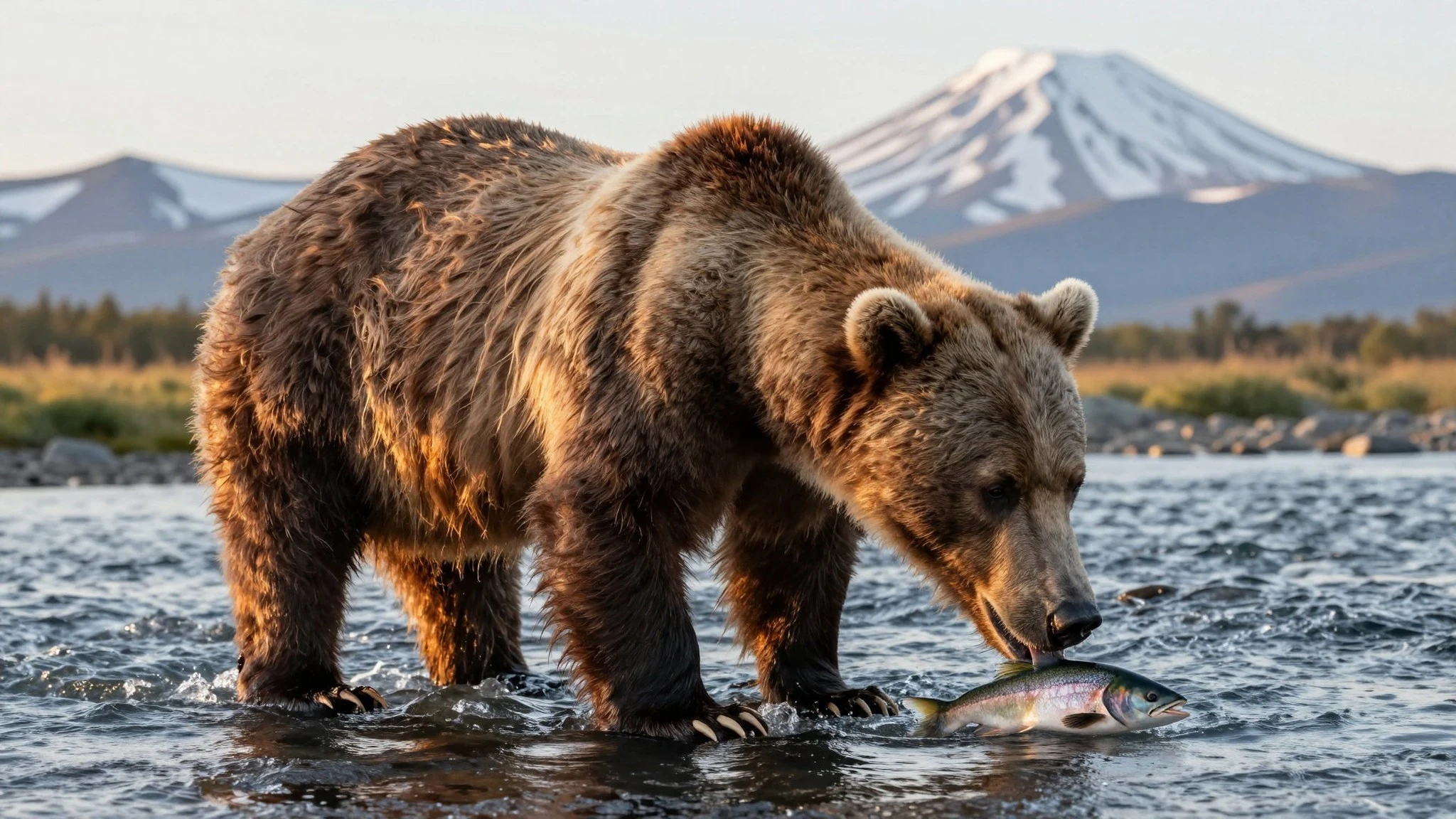
Best time. July to September is the practical window, when snow has melted from lower trails, helicopters fly more often and the fish runs bring bears to the rivers. Winter suits skiing and snow trips but is cold, dark and heavily weather-dependent.
How long. 7–10
Getting there. Fly to Yelizovo airport, about 16 km from Petropavlovsk-Kamchatsky, with connections from Moscow, Vladivostok, Khabarovsk, Novosibirsk and other Russian cities. No roads link Kamchatka to the rest of Russia, so flying is the only practical option. Check current routes and entry rules before booking.
Budget. high
Tips
- Book guides and helicopter trips well ahead, and keep spare days because weather cancels flights
- Local agencies save time rather than money, so compare itineraries carefully
- Carry cash, as card acceptance outside Petropavlovsk-Kamchatsky is unreliable
- Bring all your own hiking gear and food supplies for remote trips
- Earthquakes are common, so learn your accommodation's safety routine on arrival
Etiquette
- Follow your guide's instructions on bears, volcanic gas and weather
- Ask permission before photographing people in villages
- Take all rubbish out of protected areas
Nearby
Sources
- Wikidata Q993 (CC0)
- Wikipedia: Kamchatka Peninsula (CC BY-SA 4.0)
- Wikivoyage: Kamchatka (CC BY-SA 4.0)
- Jeff Schmaltz, Kamchatka Peninsula (Public domain)
- NASA/JPL/NIMA, Kamchatka peninsula topo (Public domain)
- MODIS Rapid Response Team, Sea Ice Imitates the Shoreline (Public domain)
- ISS Expedition 38 crew, Kliuchevskoi Volcano (Public domain)
- Отачкин Алексей, Opala (Public domain)
- kuhnmi, Koryaksky volcano (CC BY 2.5)
- Игорь Шпиленок, Kronotsky volcano (CC BY 3.0)
- Unknown author, Der Berg Kamtschatka (Public domain)


Wildlife
- Brown bear (animal)
The brown bear is a big, shaggy bear with a muscular hump on its shoulders, built for digging. Its coat can be creamy, reddish or deep brown, and the males are bigger and sturdier than the females. In Kamchatka, anyone heading into the wild should expect bears to be close by. Watch from a generous distance, stay calm and quiet, go with a local guide, and never feed them.