Kagoshima
Kagoshima, Japan
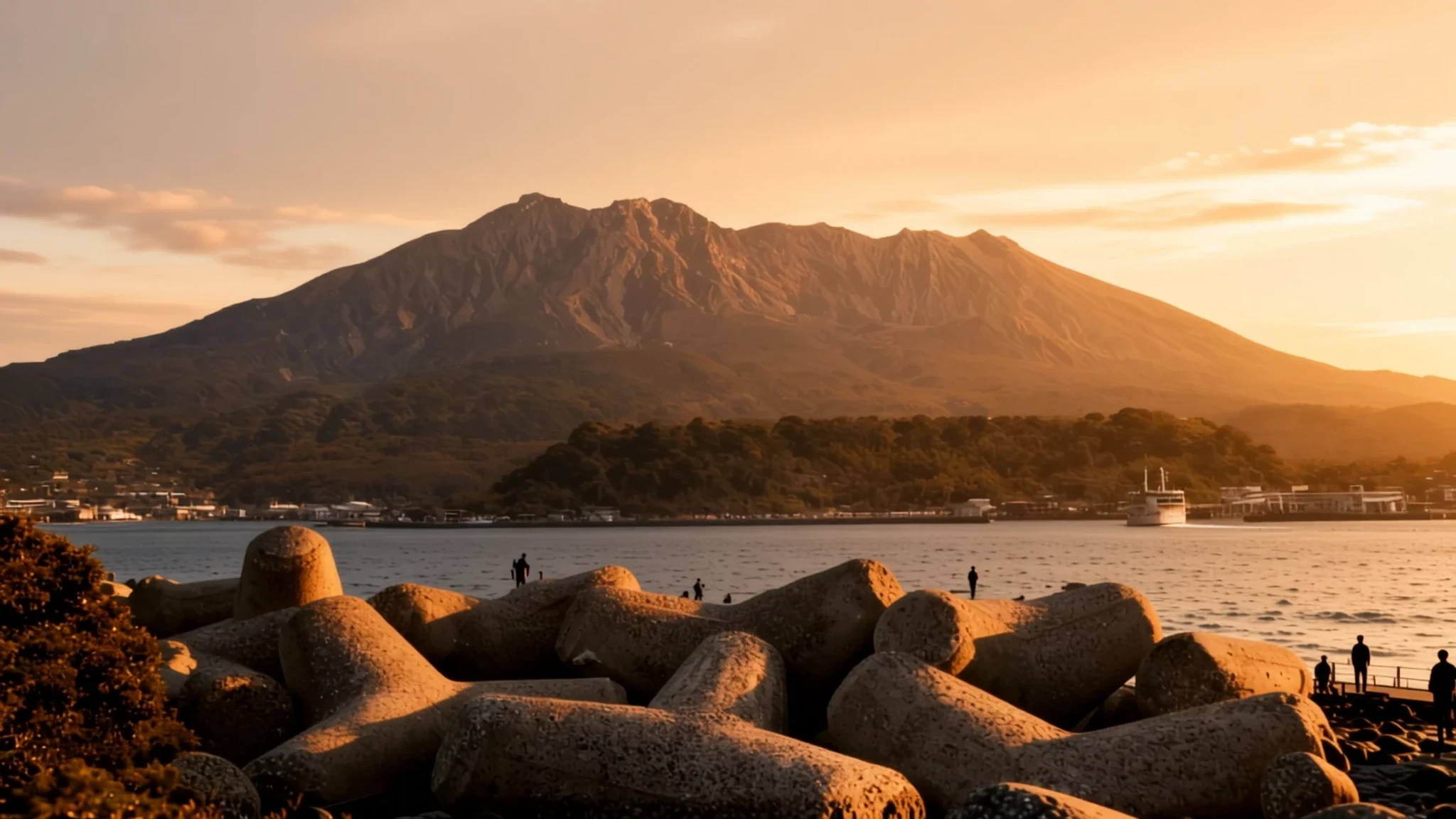
Kagoshima pairs a warm, samurai-proud city with an active volcano across the bay, reached by a short ferry hop.
The place
Kagoshima sits at the south-western tip of Kyūshū, on the Satsuma Peninsula, facing a bay that is really a flooded volcanic caldera. In the middle of that bay rises Sakurajima, an active stratovolcano that belongs to the city's own territory and lies a short ferry crossing from the waterfront. The comparison people reach for is Naples: a warm climate, a curve of water and a smoking mountain across it. Kagoshima is the capital of its prefecture and home to about 594,000 people, with a modern core of shopping arcades, tram lines and office blocks packed onto the narrow plain between the hills and the sea. Beyond that core, housing climbs the slopes and cultivated land is scarce. Roads have not kept pace with growth, so mornings and evenings bring heavy congestion, and trams and ferries are the easier way to get about. The southern end of Japan's bullet train network is here, at Kagoshima-Chūō station, which makes the city a natural final stop on a journey down Kyūshū. Ash from Sakurajima drifts over the streets when the wind turns, and locals treat it as a routine part of the weather. The character of the place is warm, a little stubborn and proud of its samurai past. Summers are hot and humid, and winters are mild by Japanese standards.
Its story
Kagoshima's story begins with the Shimazu clan, who settled the area around 1340 and held it for centuries as lords of Satsuma. In 1549 Francis Xavier came ashore on this coast, the first Christian missionary to reach Japan, and a Portuguese account of the time records a small Christian community already there with no one to teach it. In the Edo period (1603–1868) the city became the seat of Satsuma Domain, one of the wealthiest and most powerful domains in the country. Foreign trade was banned for much of that time, yet Kagoshima stayed busy, partly because Satsuma controlled the Ryūkyū Kingdom as a semi-independent vassal. Ryūkyūan envoys and traders came and went, and a special building housed them. The domain also nursed a deep resentment of the Tokugawa shogunate, and that mood fed into the upheaval of the Meiji Restoration. The castle was later destroyed in the Satsuma Rebellion. Disaster came in other forms too: ships bombarded the harbour in 1863, the volcano covered the city in ash in 1914, and an air raid in 1945 flattened much of what remained. The modern municipality dates from 1889, and today's city has been rebuilt on top of all of this.
What to see
- Sakurajima — Kagoshima Bay
Sakurajima is the active volcano in the bay, reached by a short ferry from the waterfront terminal in Kagoshima. Once across, the island offers lava fields, viewpoints and walks, with the city skyline behind. Check the official city website for ash and eruption advisories before going, because access can change quickly with volcanic activity.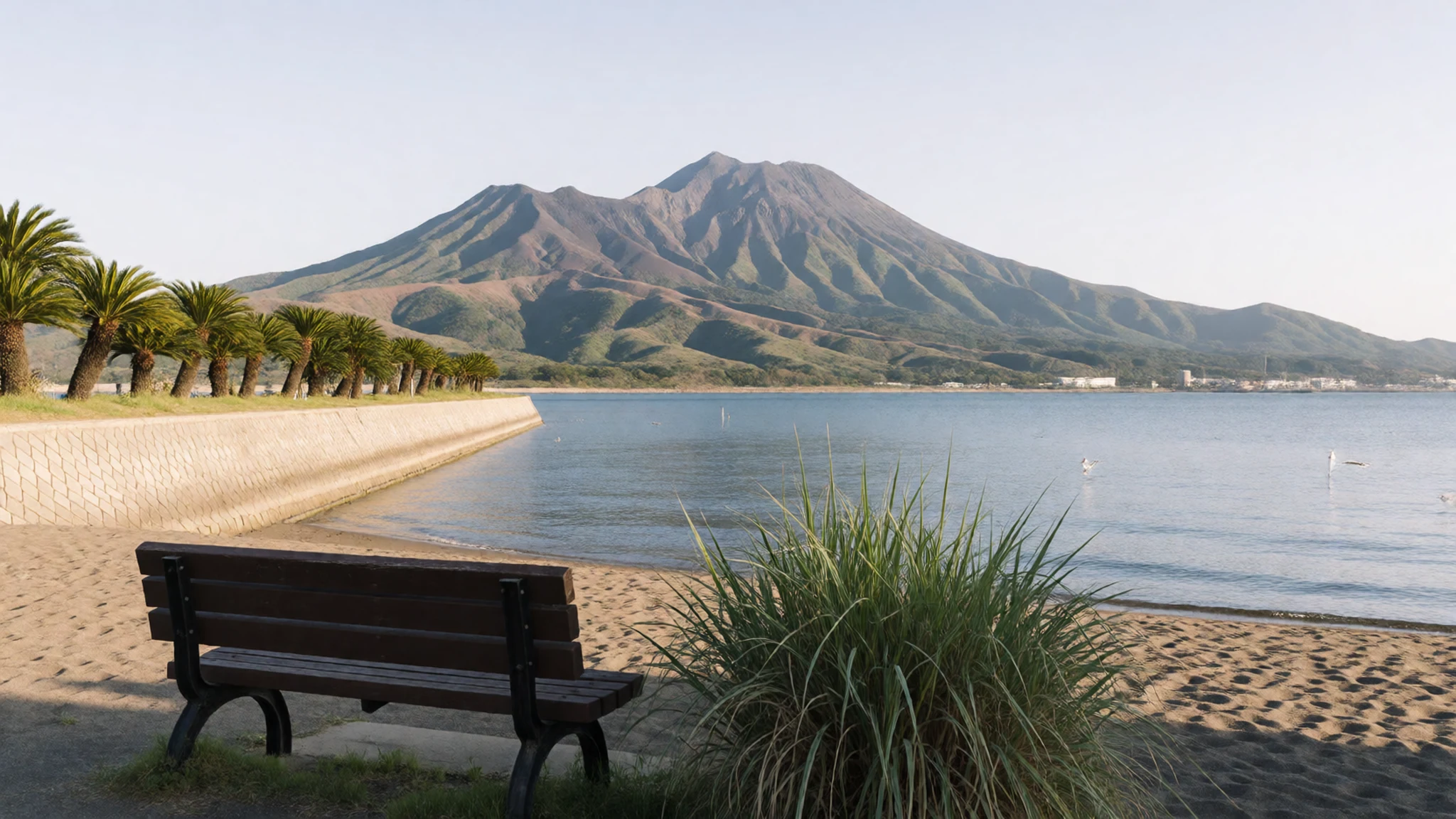
- Tsurumaru Castle — Central Kagoshima
Tsurumaru Castle was the seat of the Shimazu clan while they governed Satsuma, until the Satsuma Rebellion destroyed it. What survives is the stone wall and the moat, which makes it a quiet, atmospheric pause in the city centre. The prefectural museum of culture stands on the same site, so one visit covers both.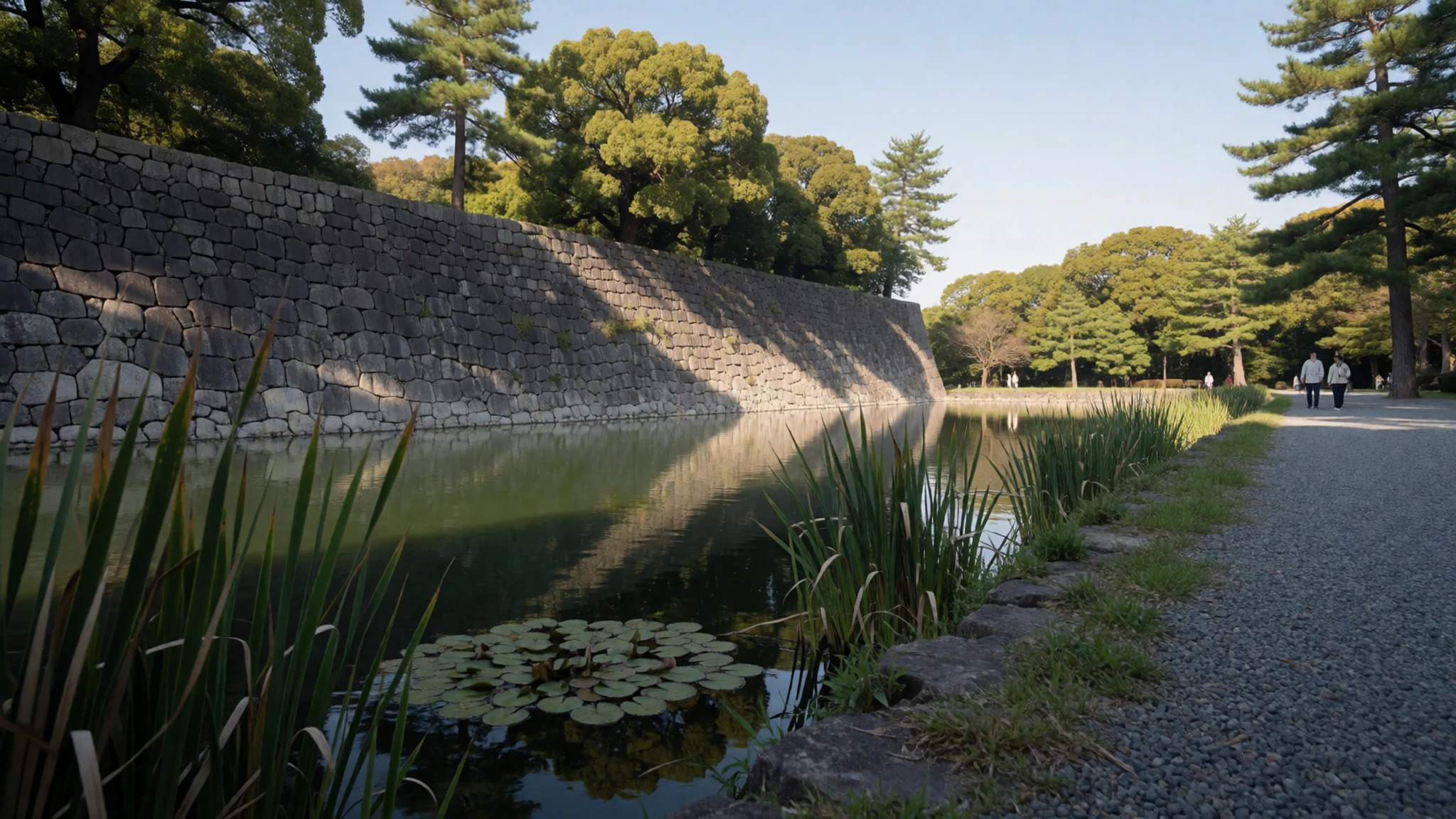
- Museum of the Meiji Restoration — Near the Kotsuki river, central Kagoshima
This museum explains how Satsuma helped shape the events that ended the shogunate and opened modern Japan, tying the national story to local streets and families. Travel listings mention a free English audio guide, which helps when the Japanese labels are out of reach. Allow an unhurried hour or two.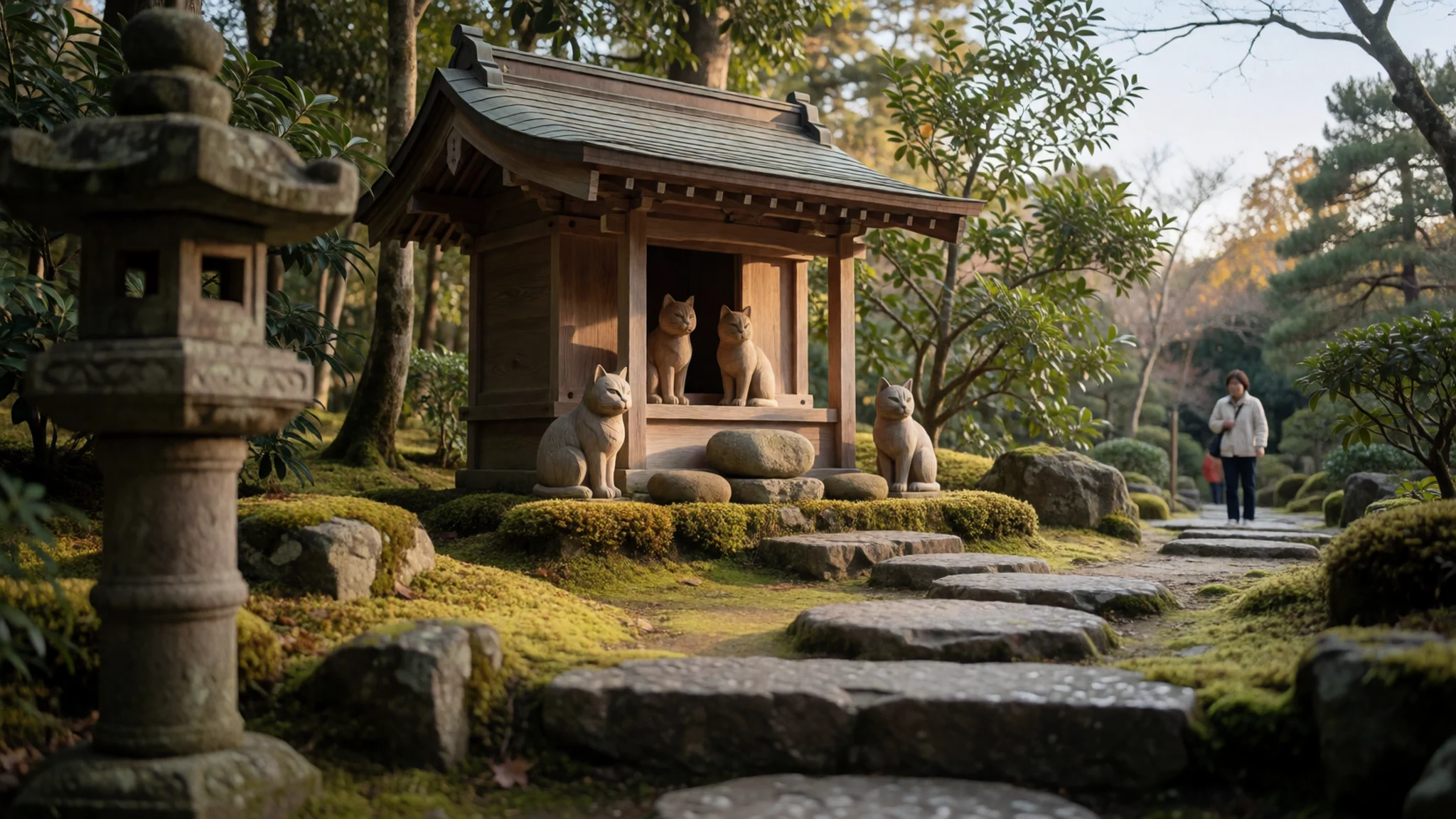
- Sengan-en Garden — North of the centre, on the bay
Sengan-en is the former residence and garden of the Shimazu clan, laid out on the shore with Sakurajima as borrowed scenery. Besides the stately landscaping, the grounds hold a shrine to cats and buildings from the clan's early industrial experiments, which show how Satsuma prepared for the Meiji era. Go on a clear morning for the best view.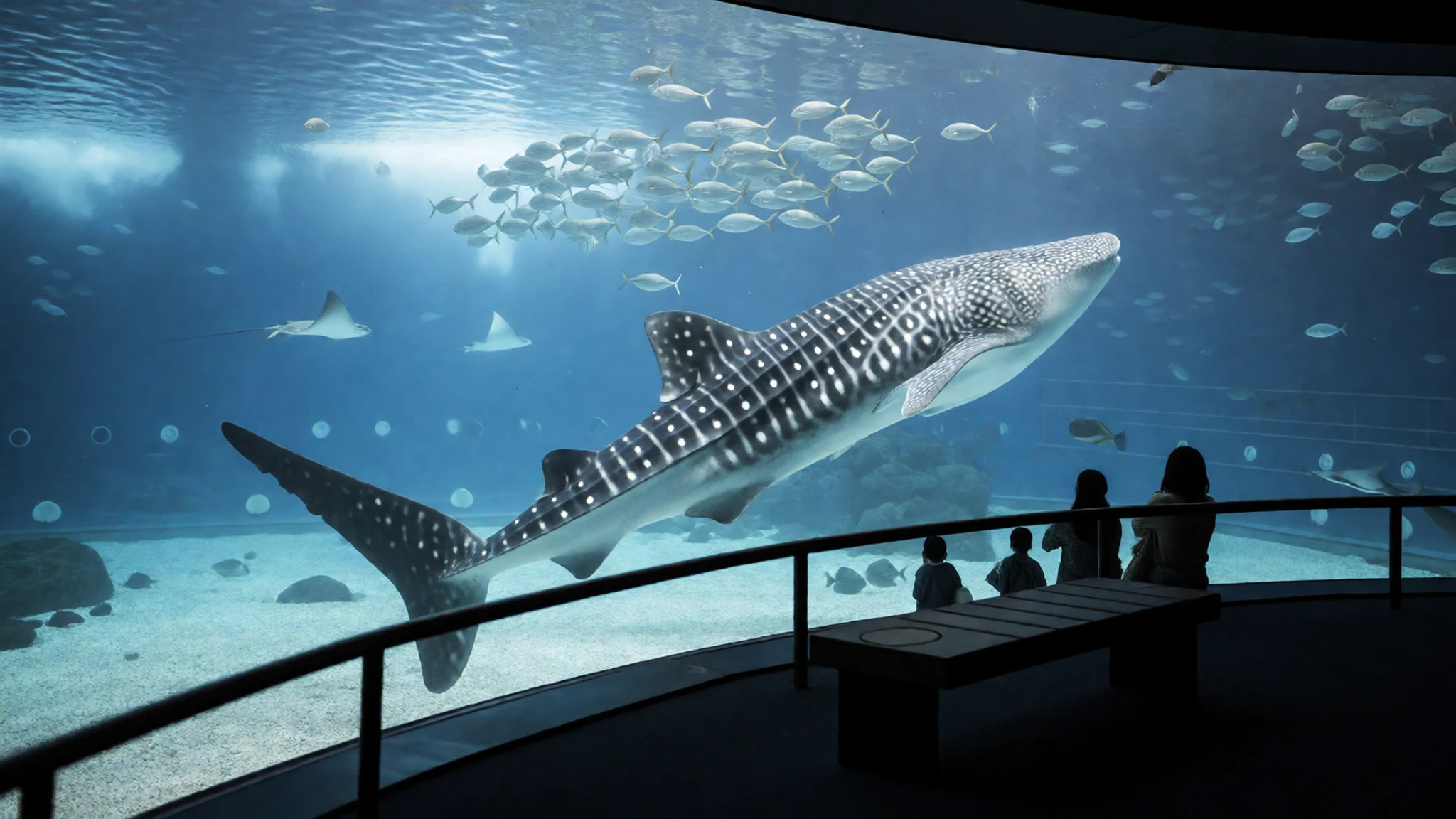
- Kagoshima City Aquarium — Waterfront
The aquarium stands by the bay and spreads over five floors, with dolphins, seals and a whale shark among its residents. It suits a wet afternoon or a family day, and it sits close to the waterfront where the Sakurajima ferries leave. Check the official site for opening times and ticket prices.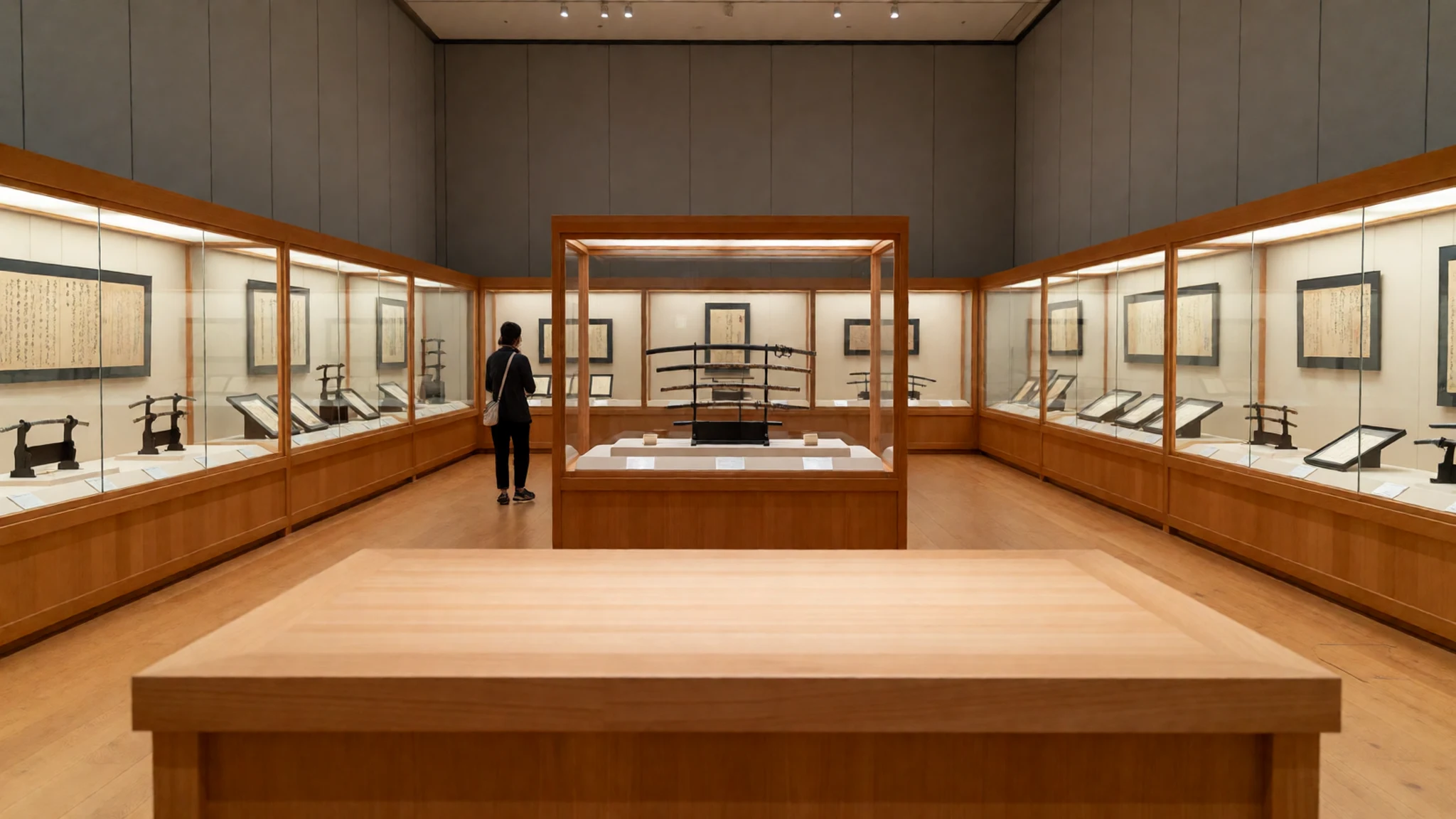
Culture
Kagoshima's culture is shaped by Satsuma pride: samurai heritage, a taste for plain speech and a reputation for toughness that locals wear lightly. The city leans on its history, which shows in its museums and statues and in how readily people talk about the Meiji Restoration as a local achievement. The regional dialect is distinctive, though staff in tourist areas use standard Japanese. The volcano is a cultural fact as much as a geological one. People speak of Sakurajima almost as a neighbour with a temper, and ash forecasts sit beside the weather on local news. Drinking culture centres on sweet potato shochu, shared at izakaya tables and poured by hosts who like to see guests try something new. Christian history has left a quieter trace, from Francis Xavier's landing to the later bans, while the cat shrine in the Shimazu garden shows a lighter side of local belief. Public life is orderly: trams run to schedule, queues form at stops and ferry gates, and conversation stays low on public transport. At any shrine, bow lightly at the gate, keep your voice down, and never brush volcanic ash from your clothes inside a shop or tram.
What to wear
Kagoshima Prefecture is linked with Ōshima tsumugi, a fine silk pongee woven on Amami Ōshima and traditionally dyed with local mud and plant dyes. It is made into kimono, worn today mainly at weddings, tea gatherings, festivals and New Year, and kept as a treasured, expensive garment. Everyday dress in the city is practical and relaxed: cotton and linen in the long warm season, light layers in winter, and umbrellas that serve for rain, sun and the occasional fall of ash. Office workers dress neatly, and younger people follow the same trends as in other Japanese cities. Visitors should pack breathable, quick-drying clothes for the hot, humid summer, with a rain jacket for the wet months and a light jacket for winter evenings. Shrines and museums have no strict dress code, but covered shoulders and knees are respectful, and slip-on shoes save time because shoes come off at many doors, including some restaurants and inns. For Sakurajima walks and garden paths, wear comfortable closed shoes with a good grip. Carry a light scarf or mask for days when the wind brings ash.
What to eat
- Imo-jōchū (sweet potato shochu) — Any izakaya, or a distillery shop
Kagoshima is the centre of sweet potato shochu, a fermented and distilled spirit. The usual way to drink it is oyu-wari, mixed with hot water, which releases the aroma and softens the strength. Distilleries offer tours and tastings, and nearly every restaurant has a list.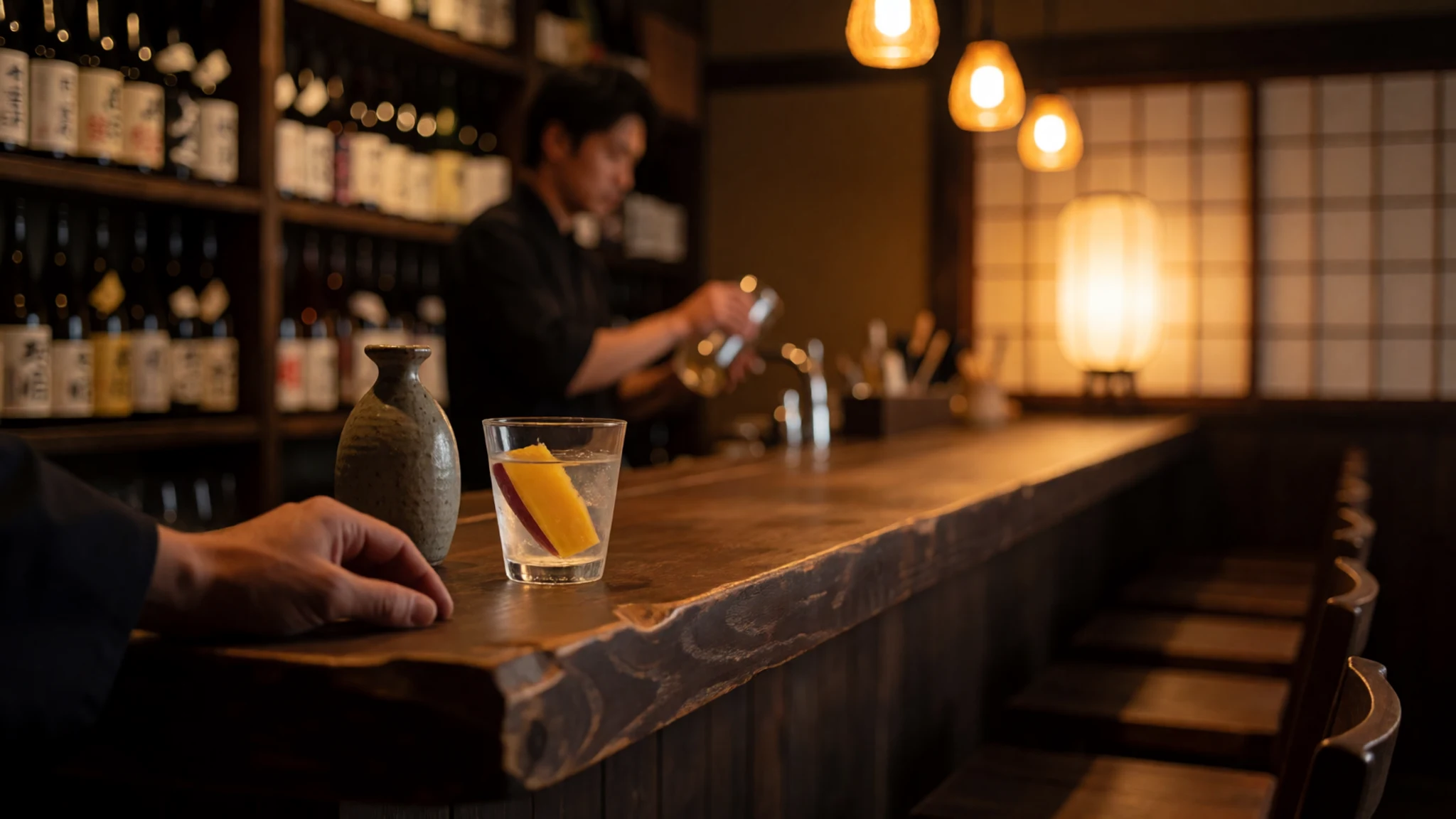
- Kurobuta (black pork) — Specialist pork restaurants around Tenmonkan
Kagoshima is known for its black pork, served as tonkatsu cutlets or in shabu-shabu hotpot, where thin slices are swished through broth. The meat is tender and sweet, with a clean-tasting fat. Look for set meals with rice, miso soup and pickles.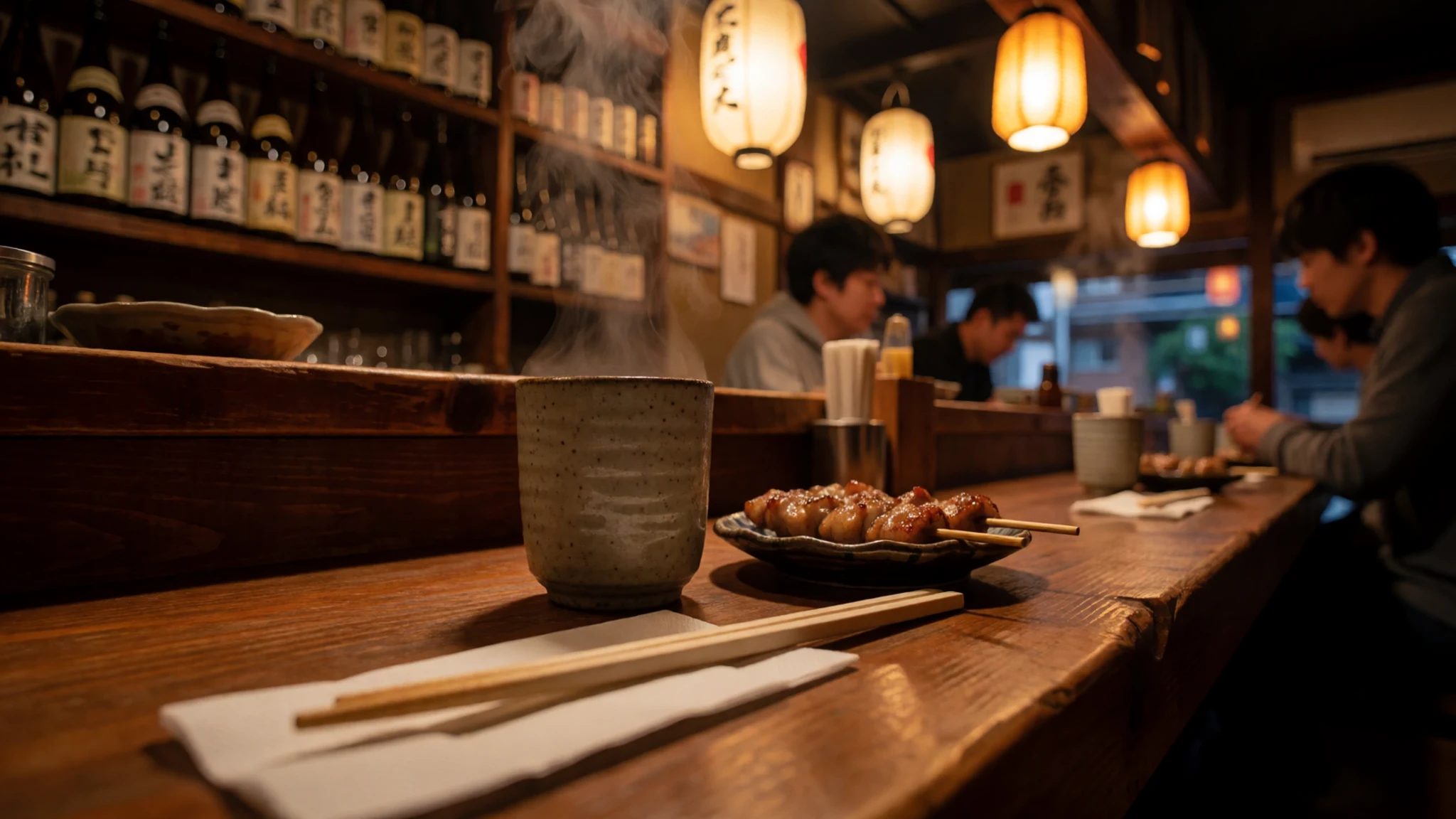
- Satsuma-age — Market stalls and fish-cake shops in the centre
A fried fish cake made from minced white fish, lightly sweet and often shaped into rounds, sticks or knots. It is eaten hot as a snack or simmered in stews, and makes an easy souvenir to taste before buying. - Keihan — Local diners and set-meal restaurants
A local rice dish topped with shredded chicken, egg strands, pickles and a light chicken broth, poured over at the table. It is simple, comforting and light, and a good alternative to heavier meals after a day of walking. - Shirokuma — Cafés and dessert shops in the Tenmonkan arcades
A mountain of shaved ice with condensed milk, fruit and sweet beans, a Kagoshima favourite on hot days. Portions are large, so sharing is common. It is the right answer to a humid summer afternoon in the city.
Plan it
Best time. March–April for mild spring weather and October–November for comfortable, clear days; the rainy season in early summer is wet, and midsummer is hot and humid.
How long. 2–3
Getting there. Kagoshima Airport has domestic flights; check the airport's official site for the bus link into the city. By rail, Kyushu Shinkansen trains reach Kagoshima-Chūō station from Hakata in as little as 80 minutes, and from Tokyo the full journey takes about 7 hours by combined bullet trains. The last leg is on foot, by tram or by the ferry for Sakurajima.
Budget. mid
Tips
- Use trams and ferries rather than cars, as the main roads are congested in the morning and evening
- Check ash and eruption advisories before visiting Sakurajima, and carry a light mask or scarf
- Use Kagoshima-Chūō station, the large central one, rather than the older Kagoshima station to the north
- Book accommodation early for weekends and holiday periods, and ask the station tourist office for budget options
- Check official websites for museum and aquarium hours and prices
Etiquette
- Take off shoes where there is a step up or slippers waiting
- Keep your voice low on trams, ferries and in shrines
- Pour shochu for others before yourself and drink at your own pace
Nearby
Sources
- Wikidata Q15674 (CC0)
- Wikipedia: Kagoshima (rev 1380973385) (CC BY-SA 4.0)
- Wikivoyage: Kagoshima (rev 5406081) (CC BY-SA 4.0)
- Kagoshima montage (photo) (CC BY-SA 4.0)
- Bombing of Kagoshima map, 1863 (John Dower) (Public domain)
- Kagoshima 1914 (Public domain)
- Kagoshima after the 1945 air raid (Public domain)
- Sakurajima at sunset (KimonBerlin) (CC BY-SA 2.0)
- Shinkansen N700 at Kagoshima Chuo (Junpei5885) (CC BY 3.0)
- Kagoshima Shiden 9500 Kajiyacho Station (Dick Thomas Johnson) (CC BY 2.5)
- Tenmonkan G3 (ja:User:Sanjo) (CC BY 3.0)


