Kadoorie Farm and Botanic Garden
Kadoorie Farm and Botanic Garden, People's Republic of China
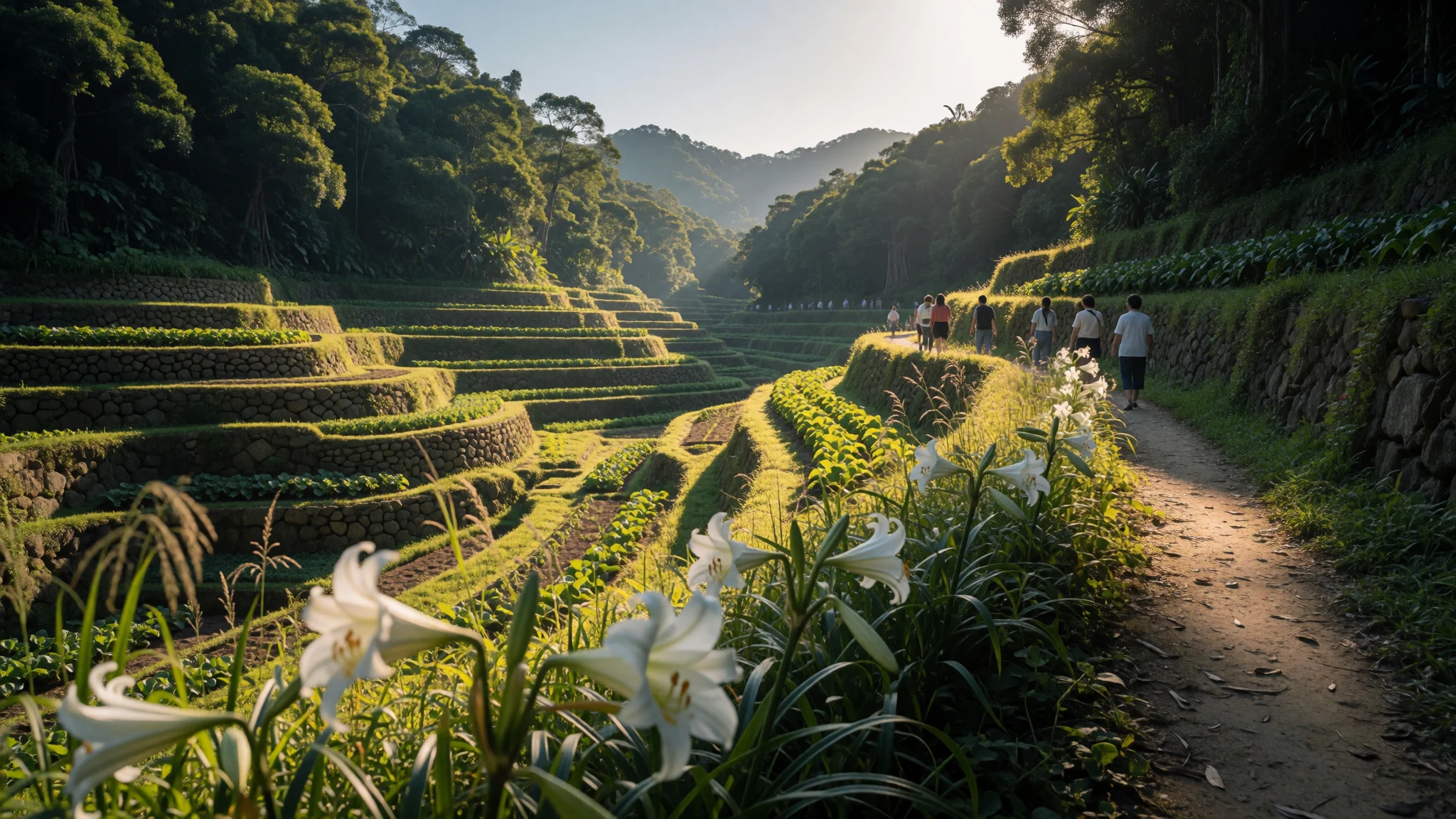
Kadoorie Farm and Botanic Garden is a working conservation hillside in Hong Kong's New Territories, where wildlife rescue, native planting and old farm terraces share one valley.
The place
Kadoorie Farm and Botanic Garden sits on the steep slopes of Kwun Yam Shan in the central New Territories of Hong Kong, close to Pak Ngau Shek. The site is a valley of streams, woodland and old farming terraces, far enough from the towers of Kowloon that the air smells of leaf litter rather than traffic. It began in 1956 as a practical farm and has since grown into a conservation centre, which is how it is known today. Its work now covers protecting native plants and animals in Hong Kong and southern China, running a rescue and rehabilitation programme for injured wildlife, and teaching visitors about living with a lighter footprint. The grounds are laid out as a climb, with gardens, display areas and animal enclosures stepped up the hillside, so a visit is as much walking as looking. Hong Kong is a Special Administrative Region of China, with its own immigration system, currency and legal arrangements, though on the hill itself little of that is noticeable. In a typical week the place draws several thousand people, mostly families, school groups and keen walkers, so weekends are busier than weekdays. Shade is patchy on the upper paths, and summer heat and humidity are heavy. It suits anyone who wants a half-day away from Hong Kong's pavements, with something to learn on the way up.
Its story
Kadoorie Farm and Botanic Garden began as an act of charity by two brothers, Lawrence and Horace Kadoorie, who set up an aid association to help struggling farmers in the New Territories help themselves. Rather than hand out relief, the association offered training, farm supplies and loans without interest. In 1956 it opened an experimental and extension farm at Pak Ngau Shek, where local farmers and Gurkha soldiers stationed in Hong Kong learned crop growing and animal husbandry. Staff bred pigs and chickens suited to the local climate and passed those breeds on to growers. Over the following decades farming in the territory shrank as land was built over and fewer people worked it, and the farm's role shifted with it. On 20 January 1995 the Legislative Council passed an ordinance creating the Kadoorie Farm and Botanic Garden Corporation, which gave the place a new legal footing and a wider job: conserving plants and wildlife, supporting organic agriculture, and teaching sustainability. The founding idea of self-help survived the change, now applied to the relationship between people and the land around them. The terraces that once demonstrated crop yields now double as habitat and teaching ground, and the valley's streams and woodland are treated as something to protect rather than to farm. That continuity, from agricultural aid to ecological care, is the thread running through the whole site.
What to see
- Wildlife rescue enclosures — Pak Ngau Shek, Tai Po district, New Territories
Native animals that arrive injured, orphaned or confiscated are treated at Kadoorie Farm and Botanic Garden, and those fit enough are released back into the wild. Animals that cannot go back live in enclosures along the paths. Keep voices low and read the signs, which explain why each animal is here.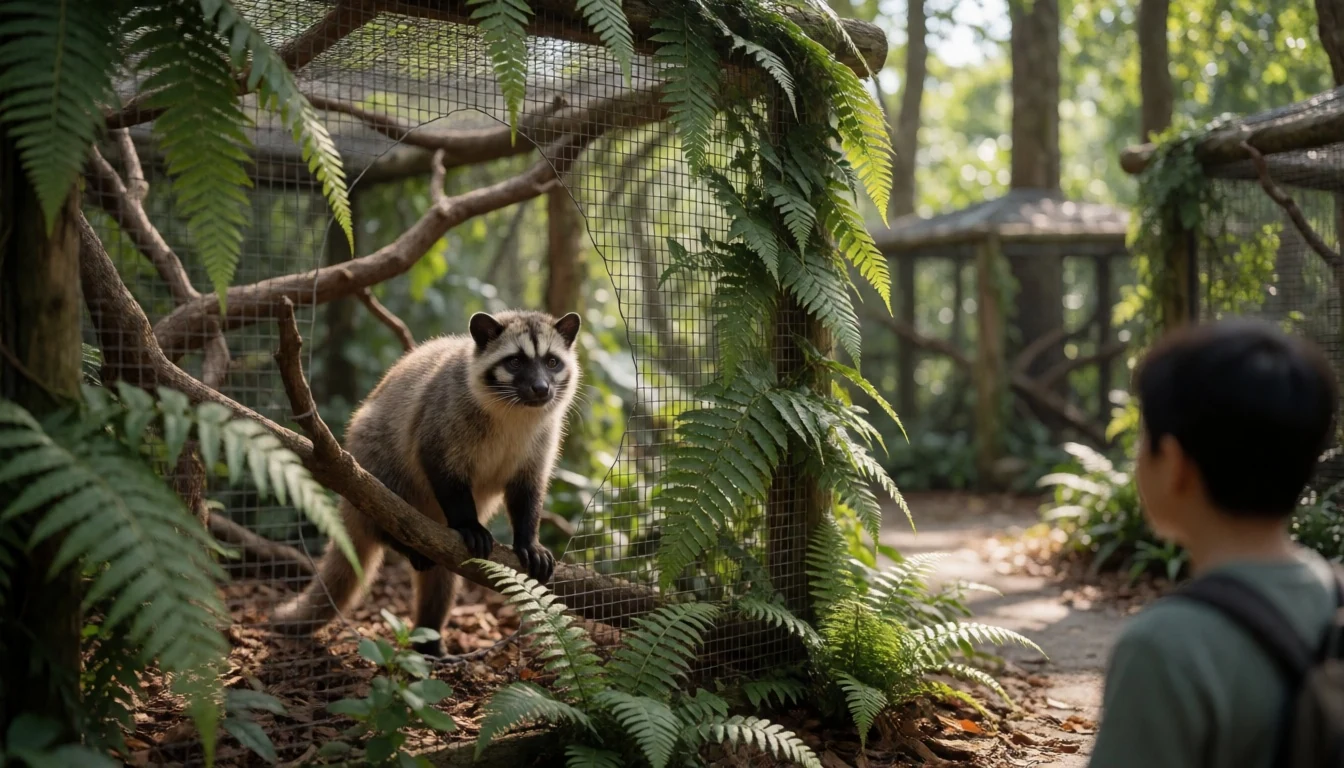
- Terraced gardens — Lower and middle slopes of the garden, Pak Ngau Shek
The old farm terraces now carry planted displays of native and useful plants, stepped up the slope in the way crops once were. Walking them shows how the site changed from teaching farmers to teaching visitors. Go in the morning, when the light is soft and the upper paths are still cool.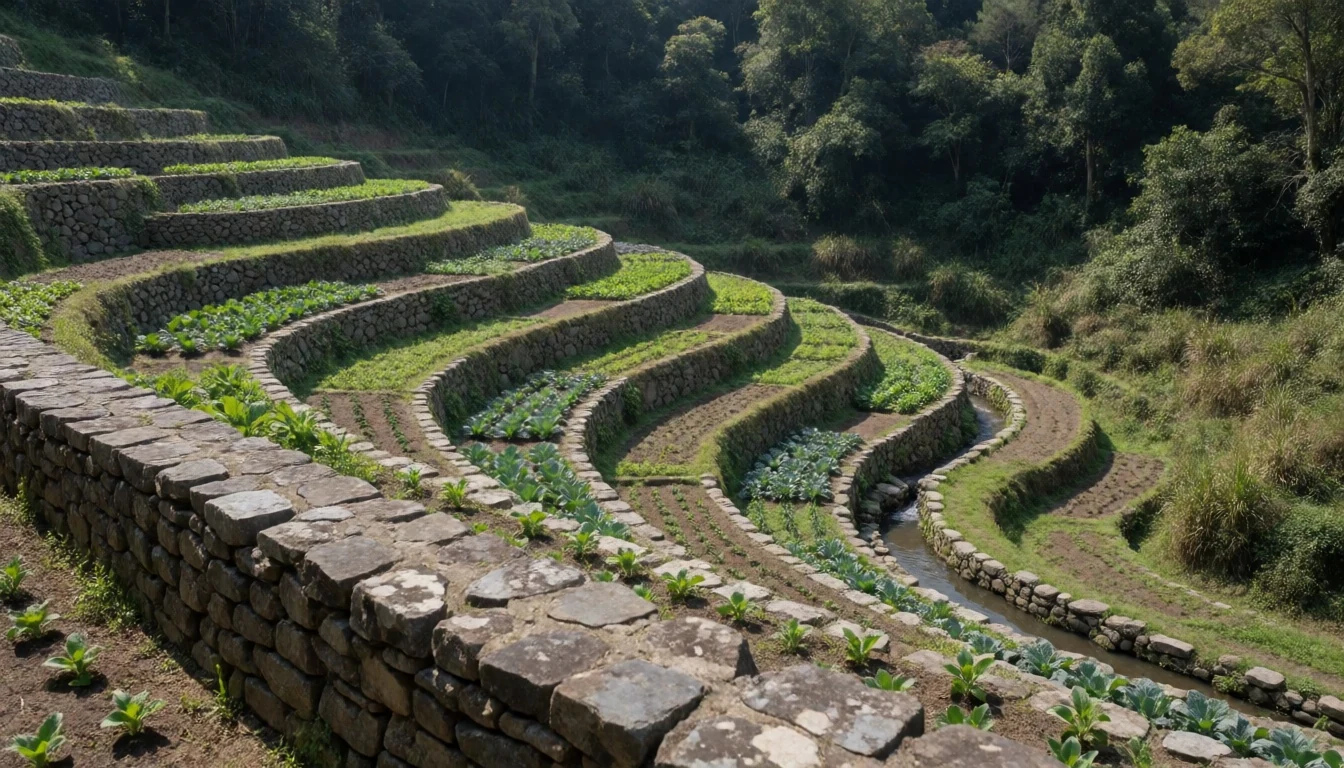
- Woodland trails and streams — Valley woodland, Kwun Yam Shan foothills
Paths wind through secondary woodland beside streams that run down the valley. This is the best place at Kadoorie Farm and Botanic Garden for birdsong, butterflies and the smell of damp earth after rain. Paths can be slippery and steep, so sturdy shoes matter more than speed.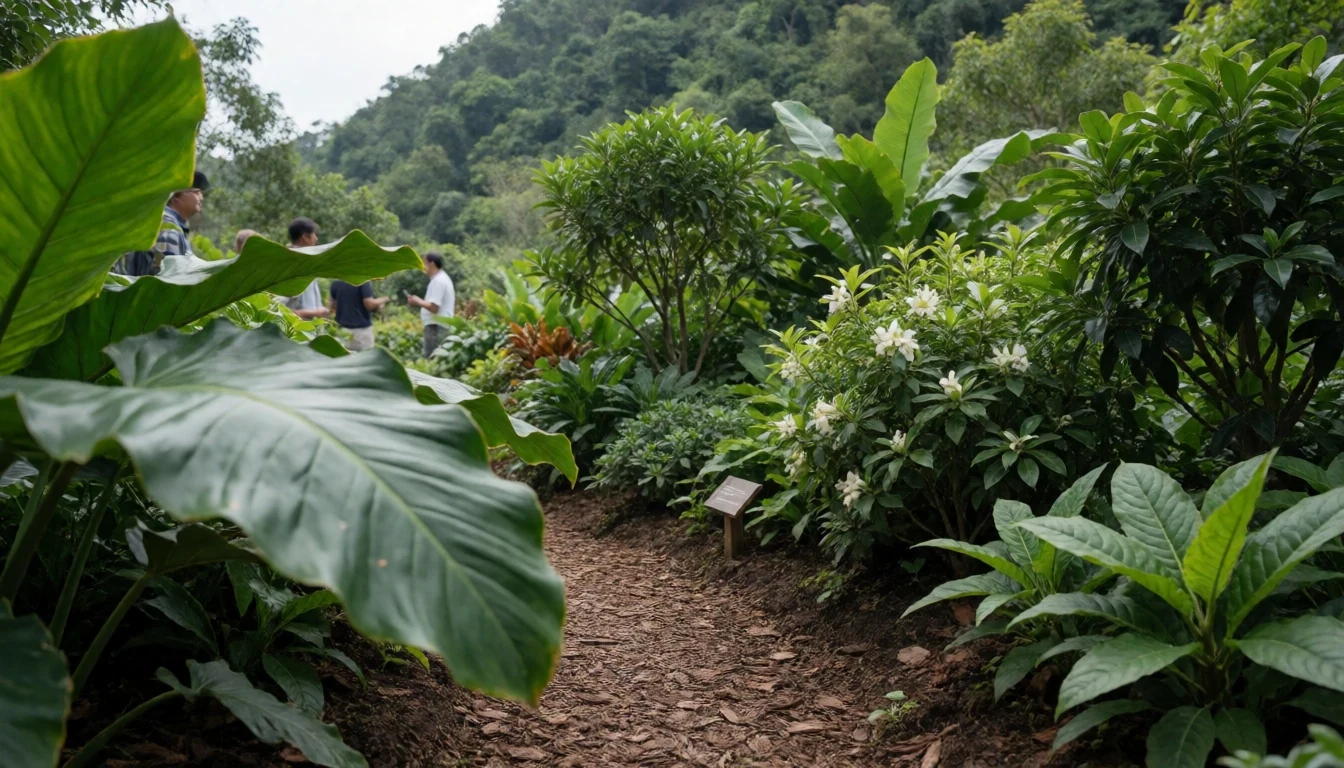
- Upper slopes of Kwun Yam Shan — Kwun Yam Shan, central New Territories
The higher ground above the garden gives wider views across the central New Territories, with the valley's green folds below and distant towers beyond. The climb is the main effort of the day. Allow time for rests, carry water, and turn back early if the weather closes in.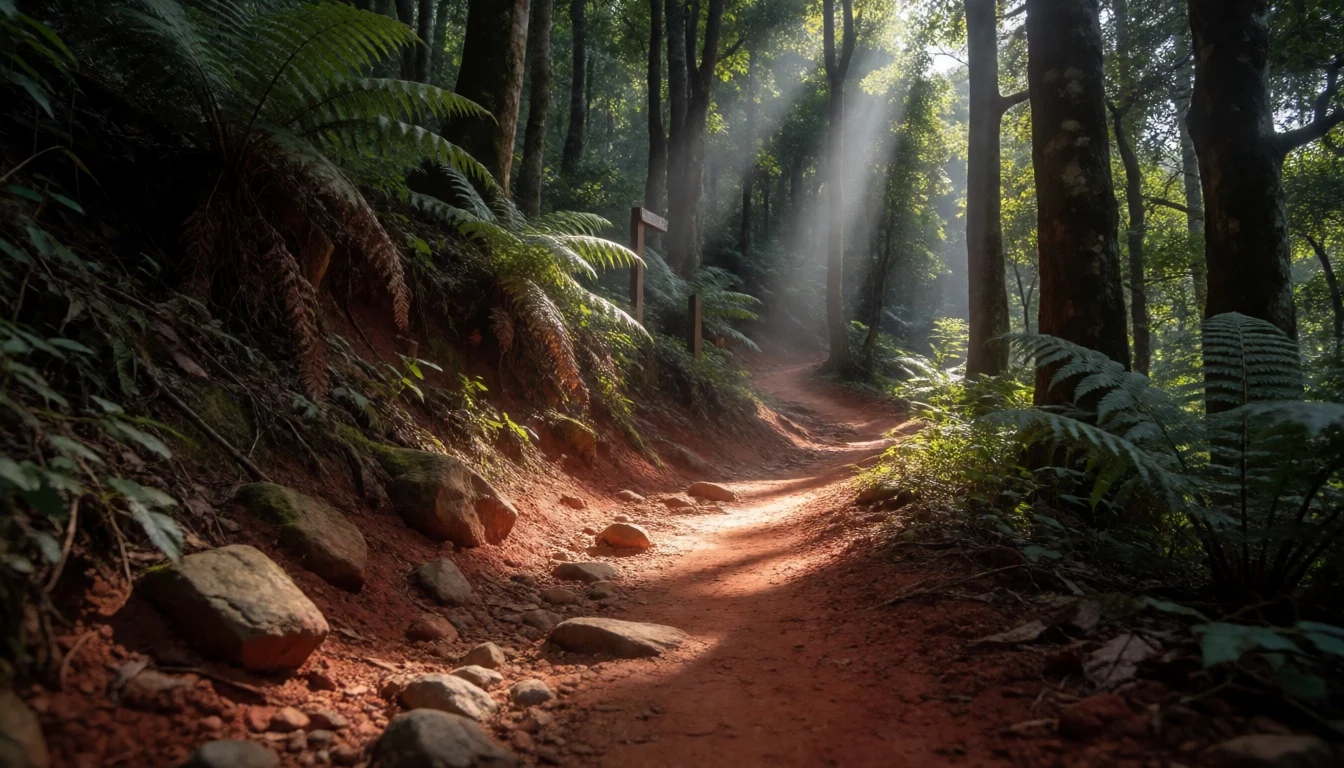
- Organic farm and education areas — Garden entrance area, Pak Ngau Shek
Growing areas and teaching spaces show how food can be produced with fewer chemicals and less waste, continuing the place's farming roots in a modern form. Visitors can see what is in season and how the land is managed. Check the official site for any workshops or guided activities before travelling.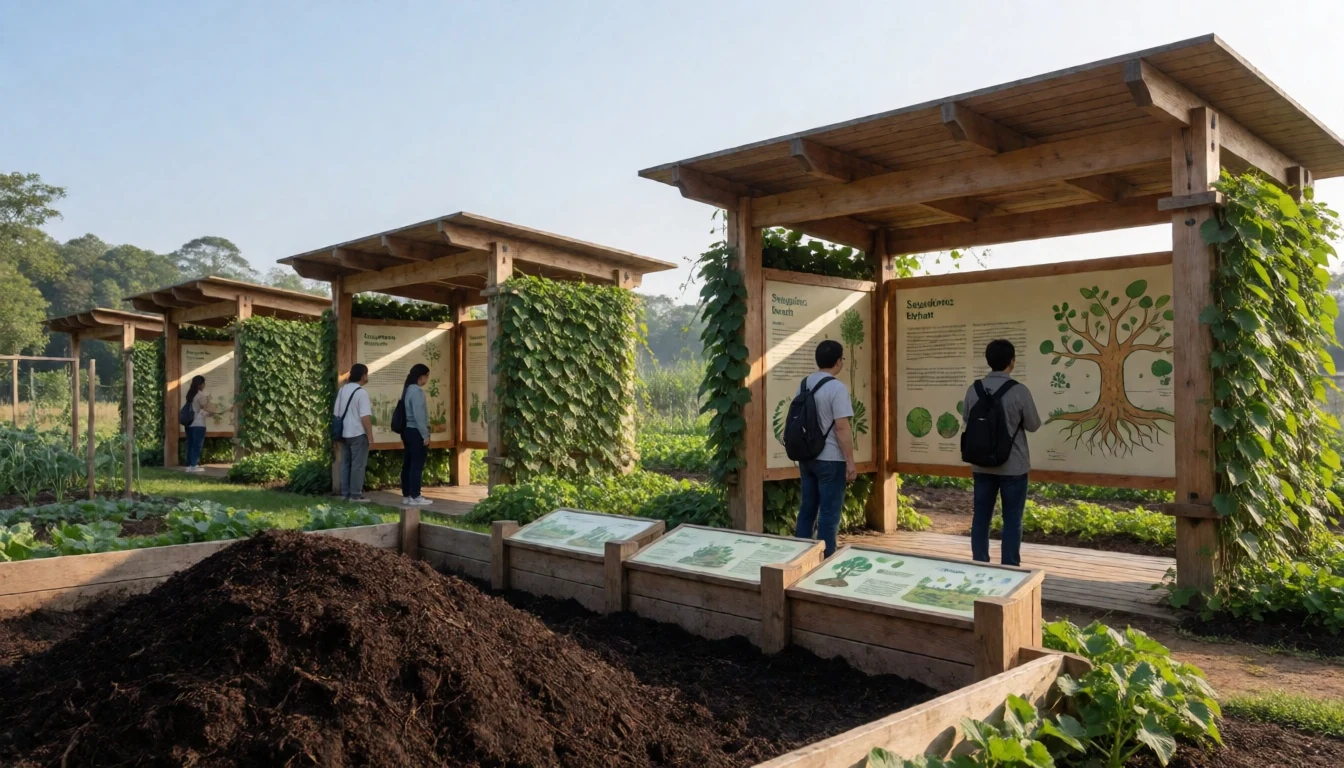
Culture
Kadoorie Farm and Botanic Garden carries a strong thread of Hong Kong's rural and conservation culture, shaped by the farmers, soldiers and volunteers who worked this valley. The surrounding New Territories were long home to village communities, many of them Hakka and Punti, with ancestral halls, shrines and festival calendars that still run alongside modern life. In the wider city, social habits lean towards consideration for others. The phrase "mm goi" (唔該) does the work of both "excuse me" and "thank you", and is used constantly, in lifts, on buses and in shops. People avoid adding to the noise of a crowded city, so loud phone calls in public are frowned upon. Covering a cough with an elbow and wearing a mask when ill are widely understood courtesies, and littering and spitting carry fines. Queuing is taken seriously, a habit inherited from British rule, and pushing in can cause a row or a refusal of service. At a conservation site these manners translate neatly: quiet, tidy, patient behaviour is what staff and other visitors expect. At Kadoorie Farm and Botanic Garden, keep voices low near the animal enclosures, stay on the marked paths and never feed, tap or crowd the wildlife.
What to wear
Kadoorie Farm and Botanic Garden sits in country once worked by Hakka villagers, whose everyday dress was the loose black cotton samfu, a plain jacket and trousers made for fieldwork. Hakka women were known for wide-brimmed hats with a fringe of black cloth hanging around the edge, which shaded the face and neck. For weddings, Lunar New Year and formal occasions, the silk or brocade cheongsam (長衫 or 旗袍) is still worn, mostly in the city. Today most people wear modern casual clothes: light cotton, sportswear and trainers for the hills, and smarter office clothes in town. Hong Kong has no dress rules for a garden visit, and nobody will remark on shorts or sleeveless tops. Visitors should dress for heat, humidity, sun and steep ground. Choose light, breathable layers, long sleeves or insect repellent against mosquitoes, a hat and sunscreen, and a thin waterproof for sudden showers. Footwear matters most: closed shoes or trainers with a grip, since paths are steep and can be wet. In winter, bring a light jumper, as the hillside is cooler and breezier than the city streets.
What to eat
- Wonton noodle soup — Noodle shops and local eateries around Tai Po Market
Thin egg noodles in a clear, savoury broth with prawn-filled wontons, a Cantonese staple in Hong Kong. Order it small, as a quick lunch, and expect it to arrive within minutes.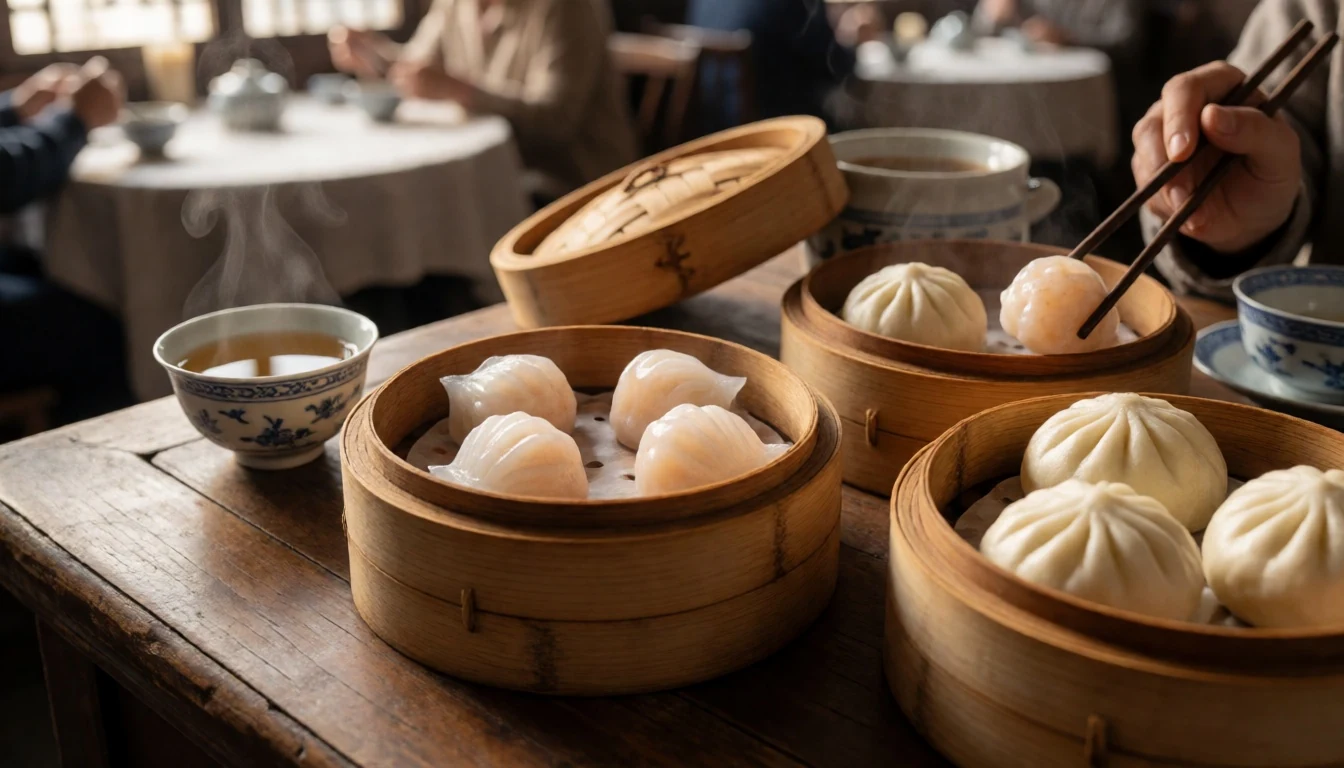
- Dim sum — Traditional tea houses and dim sum restaurants in Tai Po and across the New Territories
Small steamed and fried dishes such as prawn dumplings, siu mai and turnip cake, eaten with tea in the morning or at lunch. Share several baskets between a few people to try more.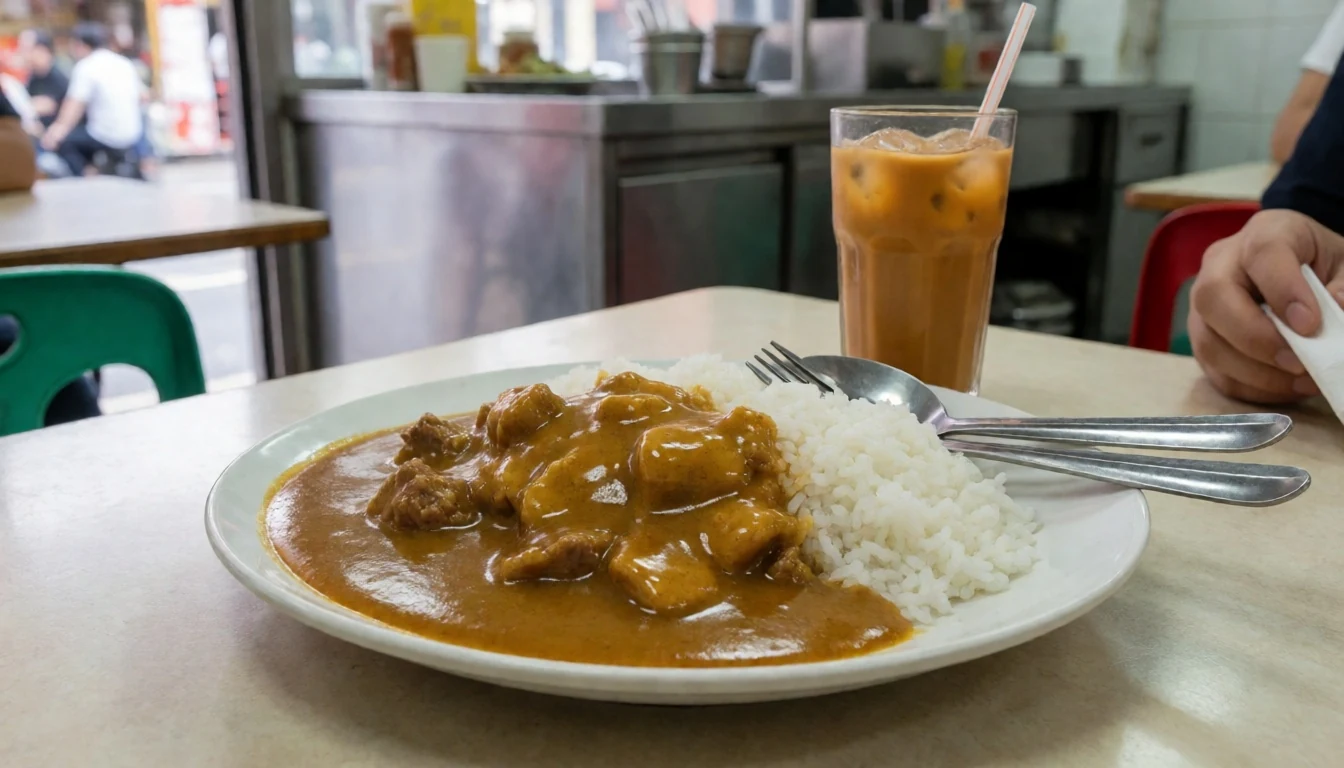
- Egg tart — Neighbourhood bakeries and cha chaan teng, the local tea restaurants
A small, glossy custard tart in flaky or shortcrust pastry, reflecting Hong Kong's mix of Cantonese and British baking. It is best eaten warm, on the day it is baked. - Hong Kong milk tea — Cha chaan teng and tea restaurants in any district
Strong black tea blended with evaporated milk, served hot or iced and sweet unless asked otherwise. It is the usual drink at a cha chaan teng, often paired with toast or a pineapple bun. - Curry fish balls — Street stalls and small snack counters near markets and MTR stations
Chewy fish balls simmered in a mild, savoury curry sauce and eaten on skewers from a paper cup. It is a street-food snack that shows the Indian influence left on local cooking.
Plan it
Best time. October to December, and March: autumn and early winter are cooler and drier, ideal for steep paths, while March is mild but can turn misty. June to September is hot, humid and wet, with a risk of typhoons.
How long. 1
Getting there. Fly to Hong Kong International Airport, take the Airport Express and then the MTR towards the New Territories, usually changing for a station near Tai Po or Fanling. The last leg is by bus, minibus or taxi up the hill road to Pak Ngau Shek; check the official site for current transport suggestions.
Budget. mid
Tips
- Check the official site before travelling for opening days, entry arrangements and booking
- Go early on weekdays to avoid the busiest school-group and weekend crowds
- Carry water and a light snack, as the climb is steep and shade is patchy
- Check the weather and typhoon warnings, since paths can be slippery after rain
- Wear sturdy closed shoes and bring repellent for mosquitoes in warm months
Etiquette
- Stay on marked paths and never feed or touch the animals
- Keep voices low near wildlife enclosures and take litter home
- Queue patiently for buses and minibuses, as pushing in causes offence
Nearby
Sources
- Wikidata Q838392 (CC0)
- Wikipedia: Kadoorie Farm and Botanic Garden (rev 1372604723) (CC BY-SA 4.0)
- Wikivoyage: Hong Kong (rev 5408641) (CC BY-SA 4.0)