Itatiaia National Park
Itatiaia National Park, Brazil
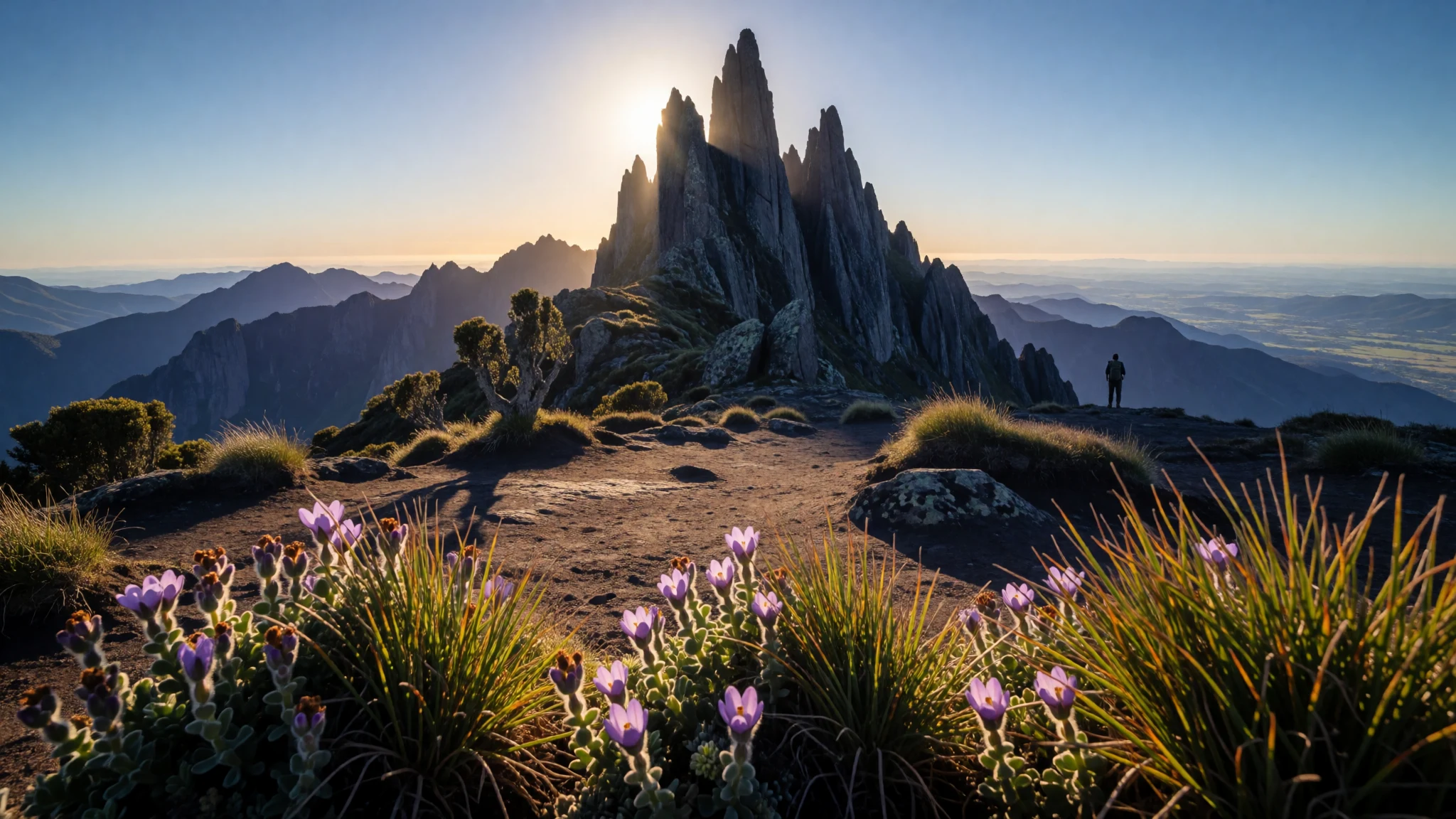
Itatiaia National Park packs Atlantic Forest waterfalls and Brazil's high granite peaks into one mountain park within reach of Rio and São Paulo.
The place
Itatiaia National Park sits in the Mantiqueira Mountains, on the line between Rio de Janeiro and Minas Gerais states. It was set up in 1937, which makes it Brazil's first national park, and it spreads across four municipalities: Itatiaia and Resende on the Rio side, Bocaina de Minas and Itamonte on the Minas side. The ground is steep and rocky, and the name comes from Tupi, roughly 'many-pointed rock'.
The park works as two separate visits. The lower section lies close to the town of Itatiaia and is the gentler one: dense Atlantic Forest, wide rivers with natural pools, waterfalls, and a small natural history museum. The upper section is a different world of bare rock, thin grassland and cold wind, reached by a separate entrance a long drive from the main gate. It holds the Agulhas Negras and Prateleiras massifs.
The mountain heights also feed the rivers. The upper slopes are the source of twelve river basins, including tributaries of the Paraná and the Paraíba do Sul, the key river of Rio state. A protected buffer zone, the Serra da Mantiqueira Environmental Protection Area, surrounds the park.
Birdwatchers come for the forest, and walkers and climbers come for the rock. Small pousadas (guesthouses) sit in and around the park, and the nearby village of Penedo is the best-equipped base at the foot of the range.
Its story
Itatiaia National Park was created on 14 June 1937 by President Getúlio Vargas. It was the first in what became a long list of Brazilian national parks, and it is now the oldest, a fact that still shapes how the park is run and visited: unlike many protected areas, it has lodging and a small museum inside the boundaries.
The mountains themselves were known long before any decree. The Tupi name, Itatiaia, describes the jagged skyline. For travellers on the old road between Rio and São Paulo, the peak of Agulhas Negras, the 'Black Needles', has long been a landmark on the horizon, and today it is visible from the Via Dutra highway near Resende.
The park's recent history includes a hard lesson. A large fire, started deliberately some years ago, burned most of the vegetation on the high plateau. The plants have since recovered, but the episode is why the upper area now has stricter access, with a registered guide or agency needed for the Agulhas Negras route.
There is also a darker footnote: Josef Mengele is reported to have lived in this area after the Second World War. It is a curiosity rather than a reason to visit.
What the park offers now is a stretch of protected Atlantic Forest, among the most threatened habitats in Brazil, together with the highland above it. That mix, plus easy reach from two huge cities, explains its steady popularity.
What to see
- Pico das Agulhas Negras — Upper area, Mantiqueira range
The park's highest point, at 2,878 metres, and the third highest mountain in Brazil. The summit gives long views over the Paraíba valley and the Serra Fina. The climb takes real effort, and a registered guide or agency is required. The dry months, May to August, give the clearest views.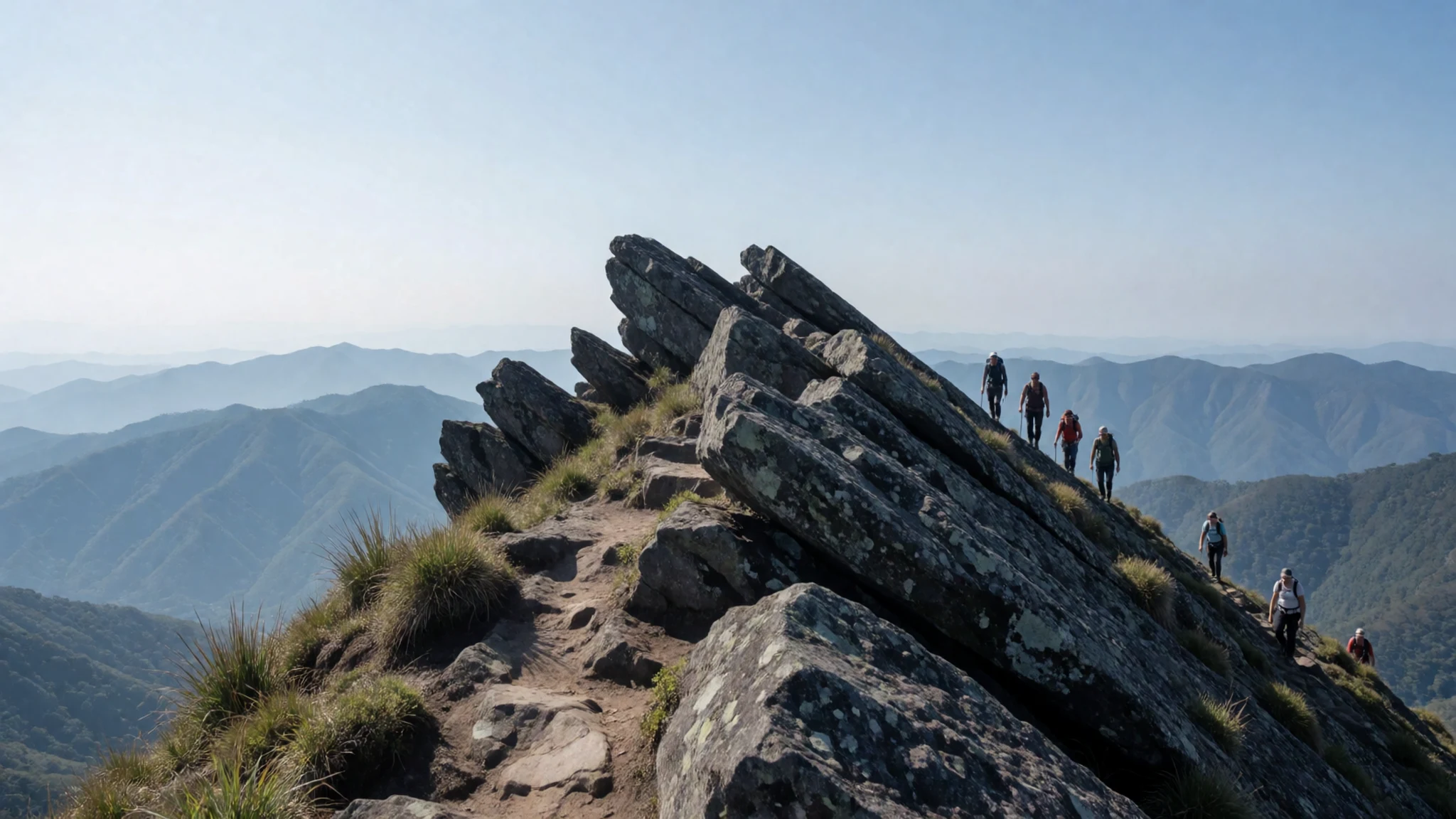
- Prateleiras — Upper area
A rocky complex near Agulhas Negras, reached from the same high entrance. It is the easier of the two walks and suits people who want the open highland scenery without a hard scramble. Vegetation thins with height, so a hat and sunscreen matter more than most visitors expect.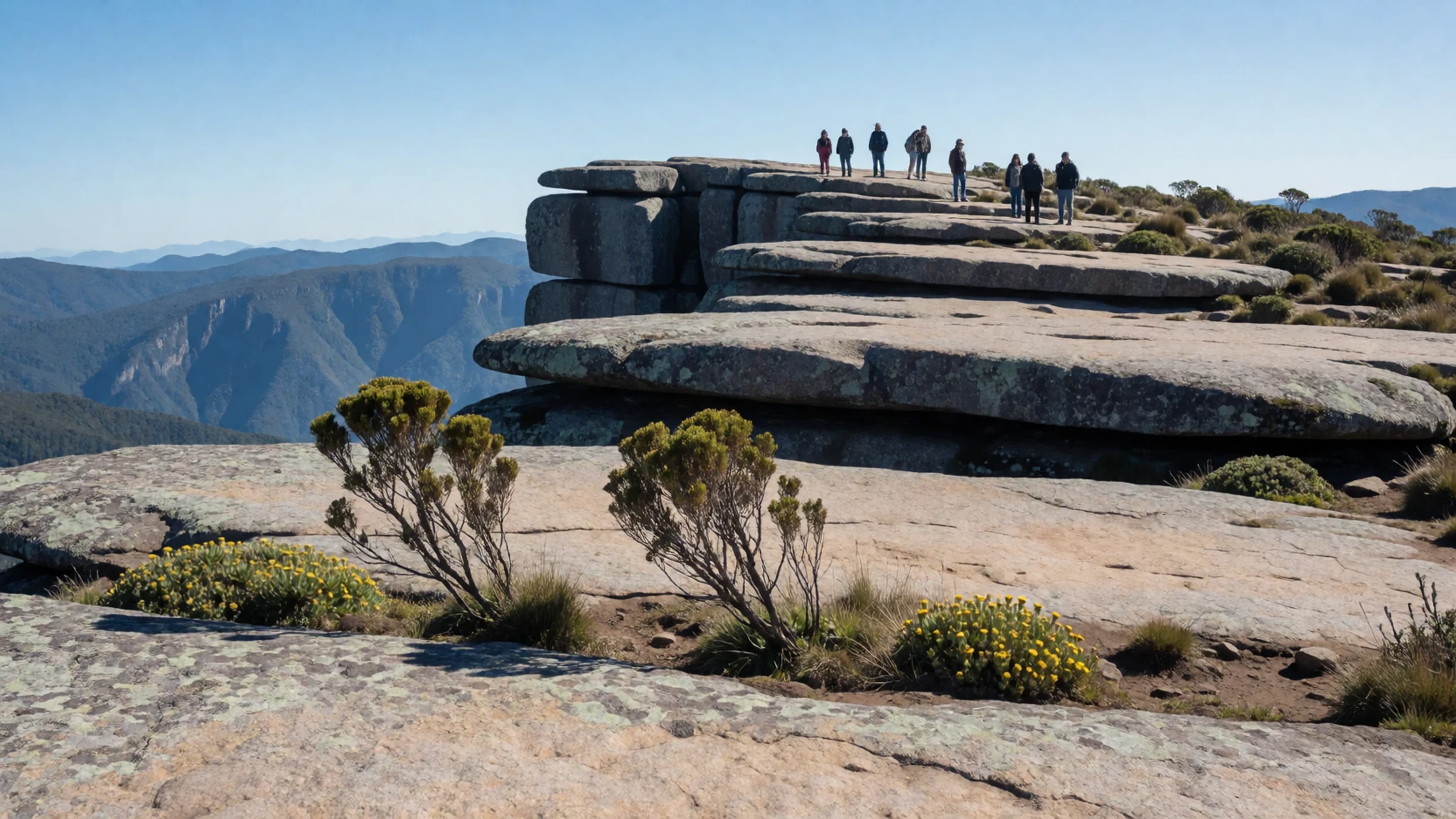
- Véu da Noiva waterfall — Lower area, near Itatiaia town
A waterfall of 45 metres in the lower section, close to the town of Itatiaia and reachable on a short forest walk. It is the easiest of the park's falls to see, so it can be busy at weekends. Go early for quieter light and cooler air.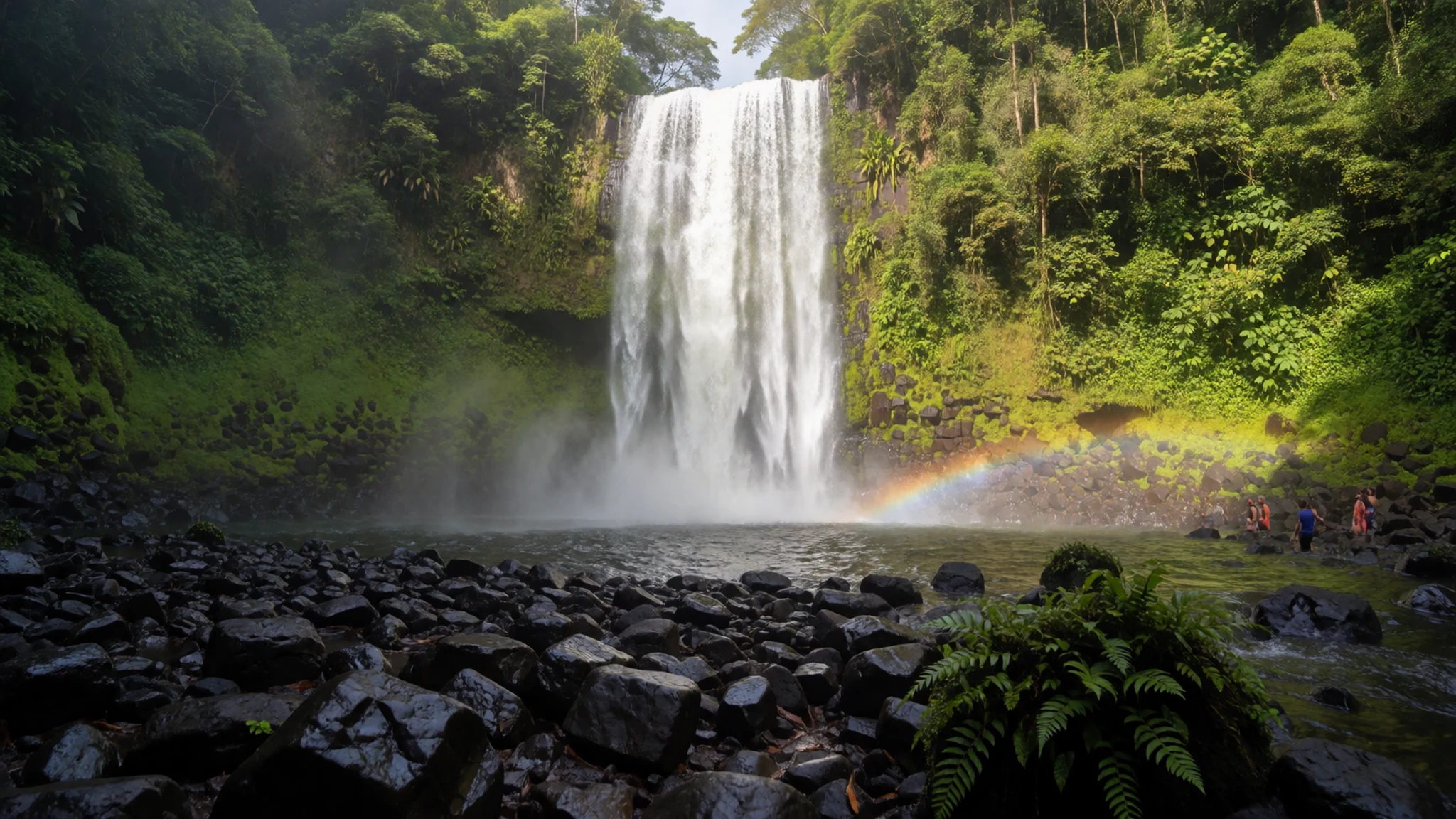
- Atlantic Forest trails — Lower area
The lower park has shaded paths through native palms and tall trees, with rivers and natural pools along the way. It is the best part for birdwatching, since the park is known for about 350 bird species. Bring binoculars and walk slowly at dawn.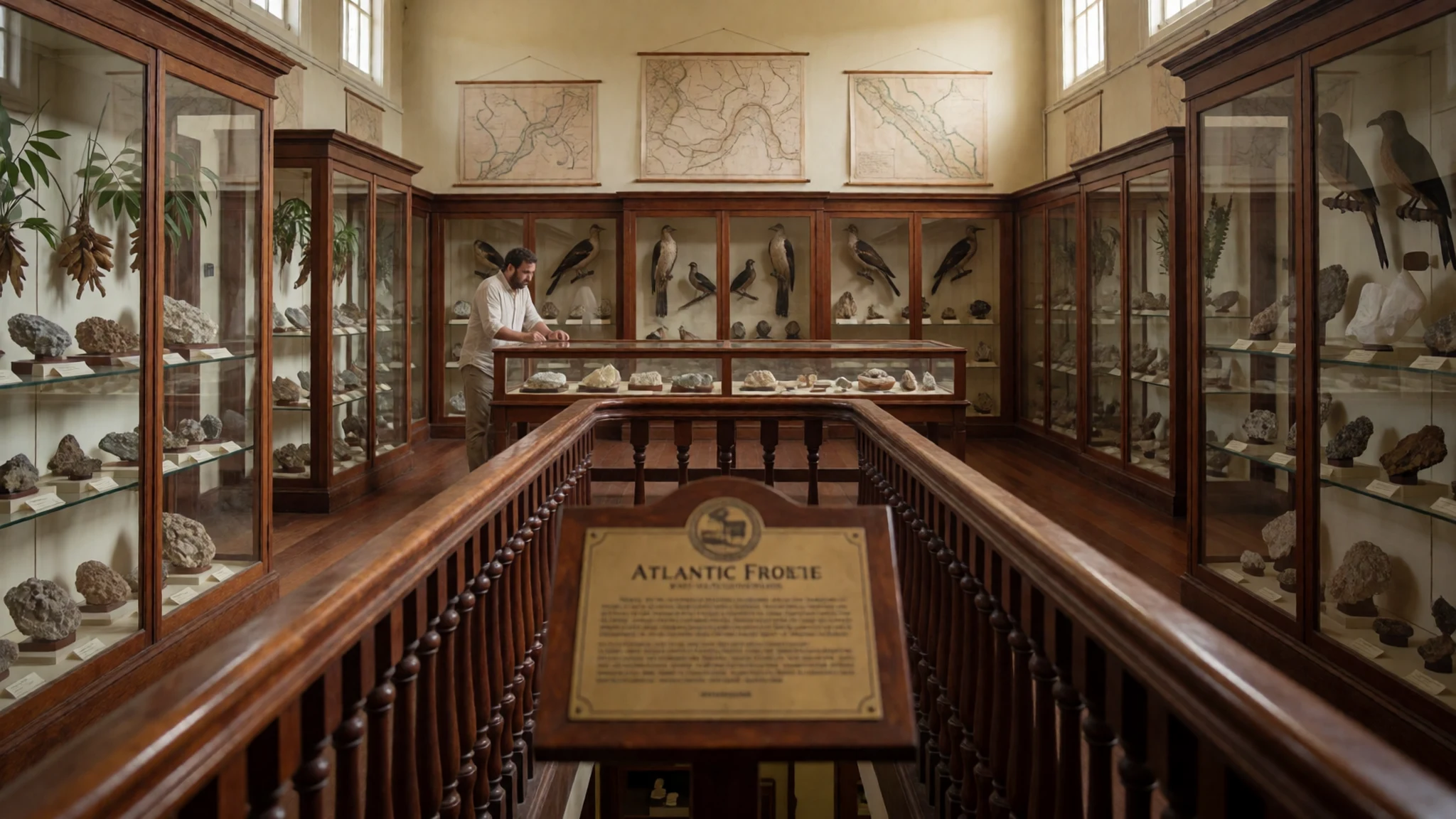
- Natural history museum — Lower area
A small museum in the lower area that explains the park's wildlife, plants and geology. It is a sensible first stop on a wet or misty day, and it helps make sense of the forest before walking it. Check the official site for opening arrangements.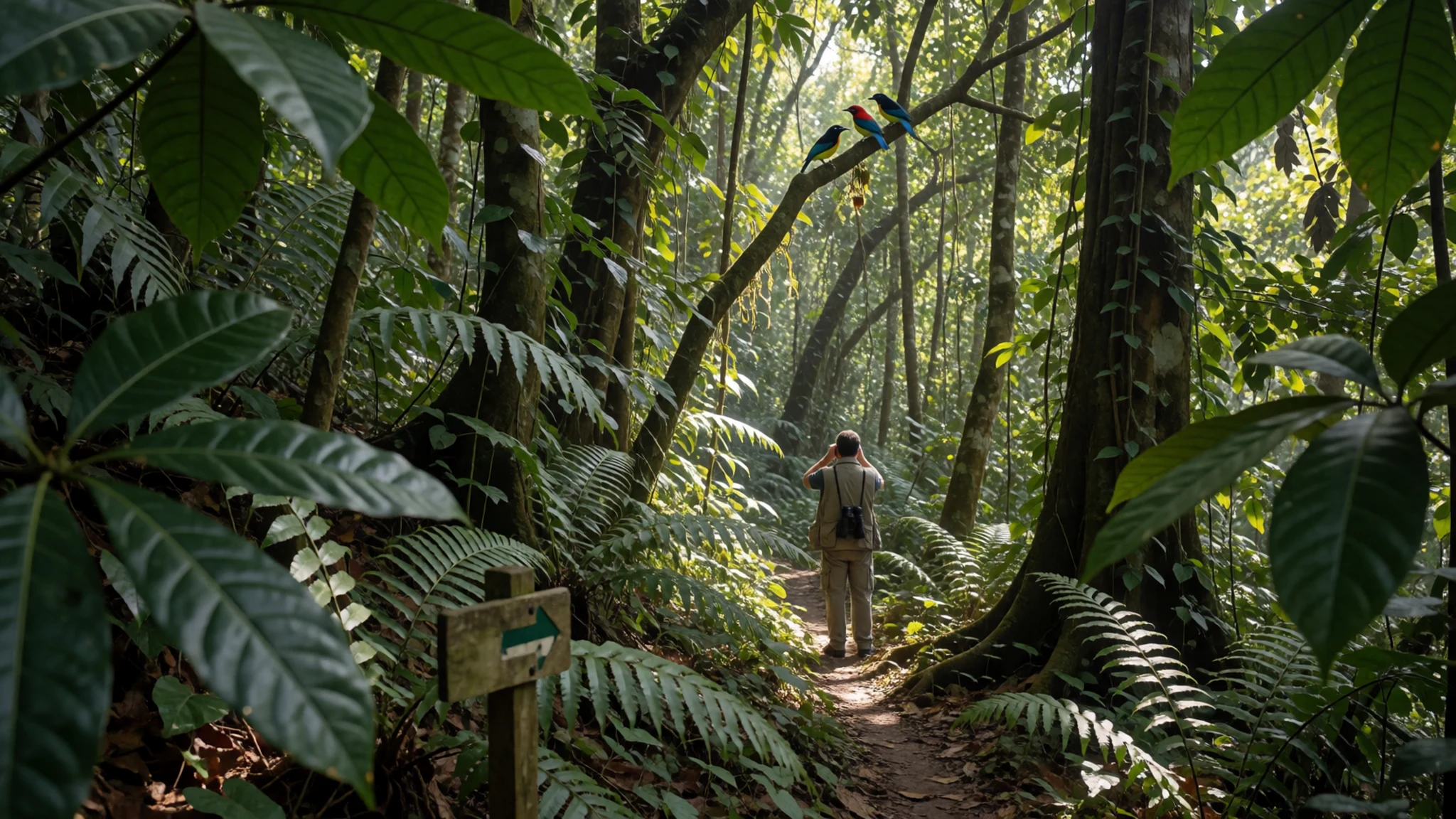
Culture
Itatiaia National Park is a place where Brazilian outdoor culture is easy to see. Weekend visitors arrive from Rio and São Paulo with thermoses, picnic bags and speakers, and the lower trails fill with families, school groups and couples. The mountain towns around the park, Penedo especially, have a long tradition of weekend retreats, with guesthouses, chocolate shops and cafés catering to city people escaping the heat.
The park also has a strong scientific and conservation identity. Being the first national park gives it a certain pride, and the museum and guides tend to talk about the forest and its birds with real enthusiasm. Many guides are local people whose families have worked in the mountains for generations, and hiring one is a way to put money into the nearby communities.
Mountaineering and rock climbing have a devoted following here, built around the high granite. Climbers and trekkers set up camps near the peaks, and the mountain shelters have a friendly, practical atmosphere. Portuguese is the working language, and a few words of greeting go a long way; English is less common than in big-city Brazil.
Most people sleep in small family-run pousadas, which often include meals and a warm welcome. Mornings start early, since the weather in the high mountains turns cloudy by afternoon.
Stay on marked paths, take your rubbish out with you, and never light a fire, because a deliberate blaze has already burned the high plateau once.
What to wear
Itatiaia National Park has no single traditional costume of its own, since it is a protected mountain area rather than a settled community. The nearest thing to local heritage dress belongs to the surrounding highland farming country of Minas Gerais and Rio state, where rural people have long worn practical cotton shirts, wool or knitted layers against the cold, wide-brimmed straw or felt hats, and sturdy leather boots. Hand-knitted wool and woven blankets are still sold in nearby mountain towns, a nod to cool nights at altitude.
What people wear now is outdoor and casual. Walkers on the park trails wear quick-dry T-shirts, shorts or lightweight trousers, trail shoes or boots, and caps. In the mountain towns, weekenders add fleeces and padded jackets in the cool season, and the evening look is jeans, jumpers and comfortable shoes. Climbers and trekkers wear proper technical kit.
For a visitor, think layers. The lower forest is warm and humid and often rainy, so bring a light waterproof and breathable clothing. The high plateau is exposed and can be cold and windy, even when the day starts warm, so pack a fleece, a warm hat and gloves in the cooler months. Sun is strong at altitude, so wear a hat, sunglasses and sunscreen. Footwear matters most: grippy walking boots or trail shoes with ankle support for rocky ground, and sandals only for the guesthouse. There are no dress codes for religious sites inside the park, and modest everyday clothing is fine in nearby towns.
What to eat
- Feijão tropeiro — Family restaurants in Itamonte and Penedo
A hearty dish of beans, manioc flour, sausage, egg and greens that comes from the muleteer tradition of Minas Gerais. It is filling trail fuel, served at roadside eateries and in guesthouse dining rooms around the park.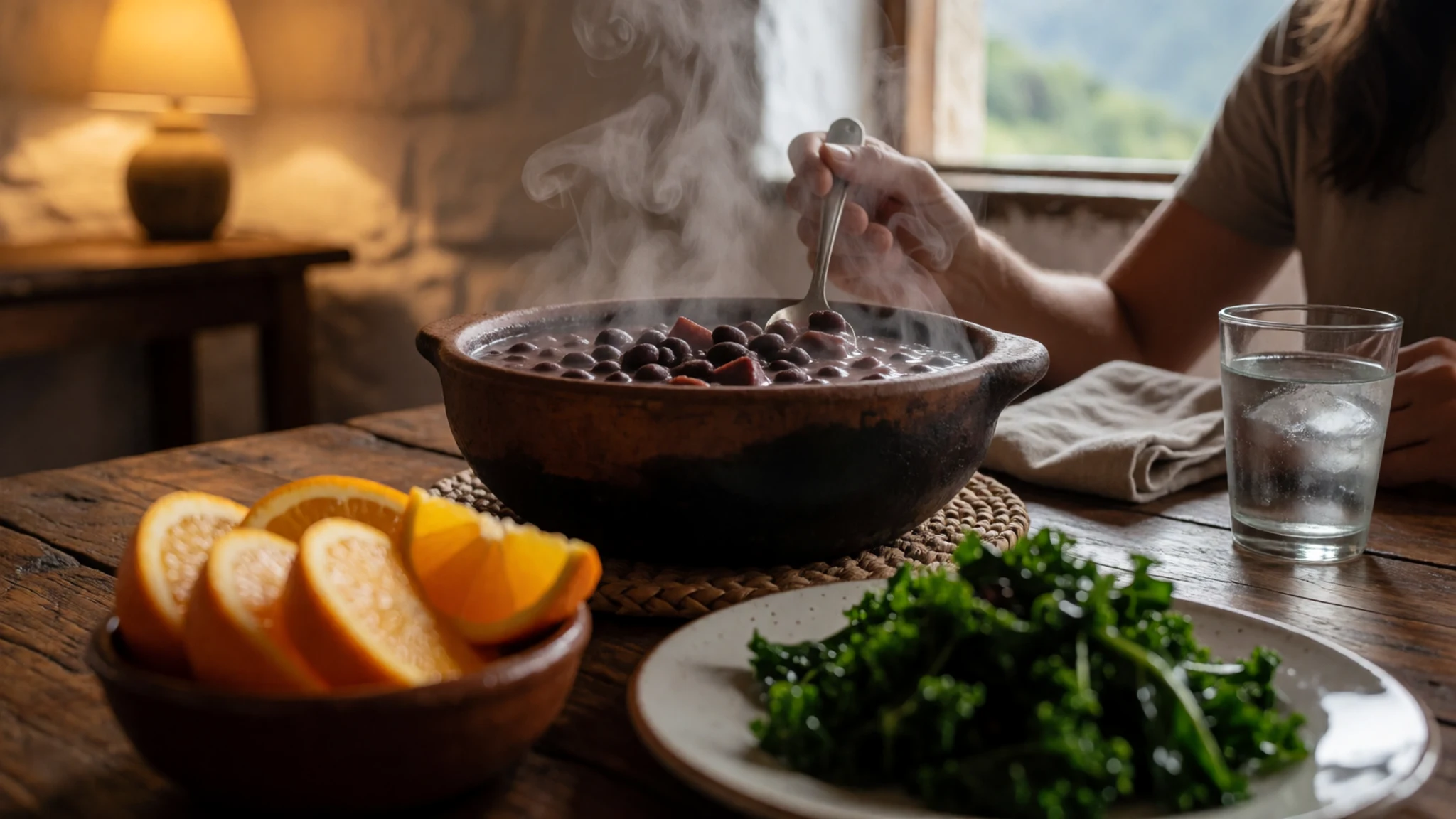
- Truta (mountain trout) — Trout restaurants in the Mantiqueira foothills
Cool mountain streams support trout farms, and grilled or baked trout with almonds or herbs is a regional speciality. It is usually served with rice and salad, and suits a post-hike lunch.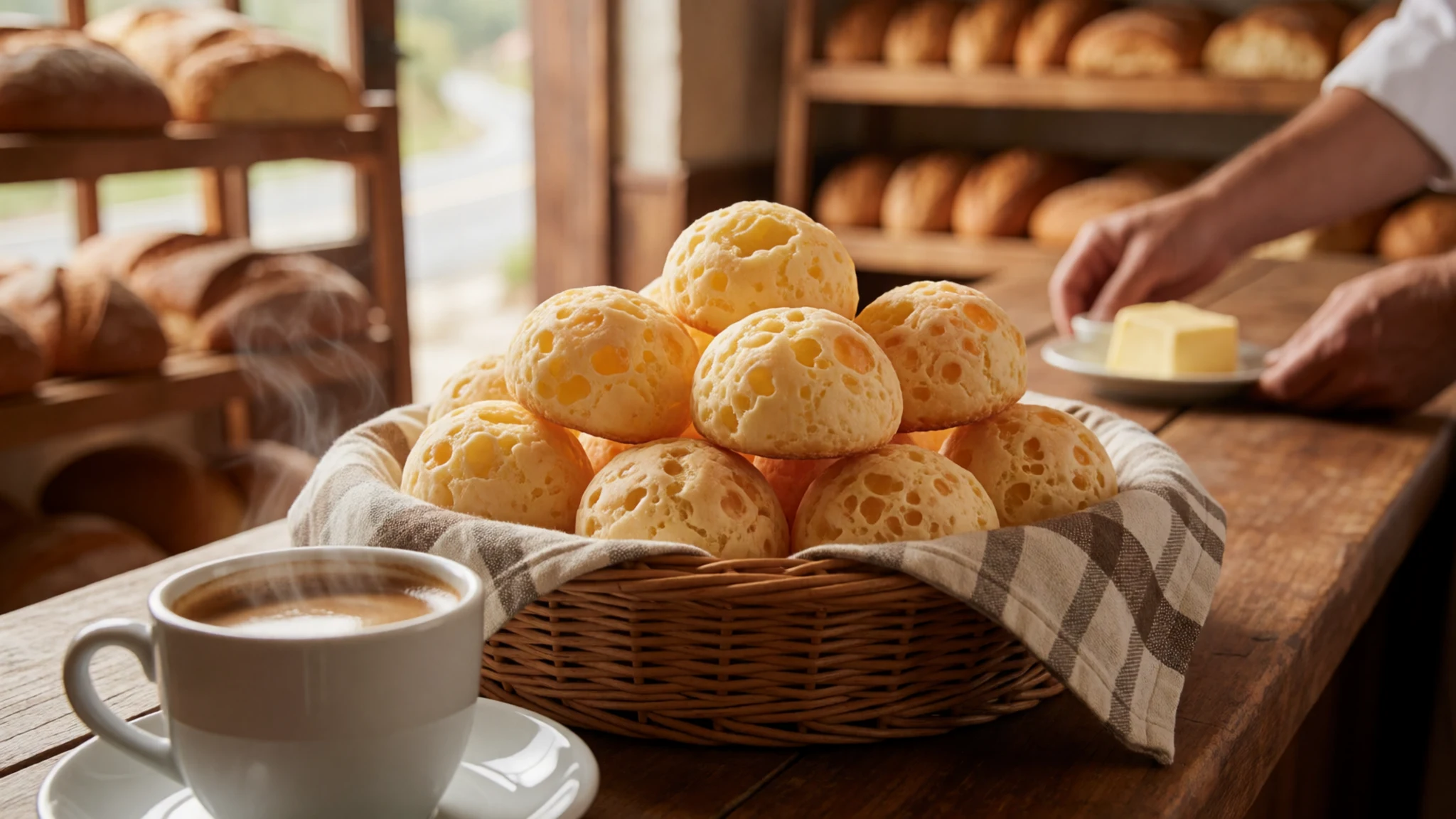
- Pão de queijo — Bakeries and cafés in Itatiaia town and Penedo
Small, chewy cheese breads made with manioc starch, a staple of Minas Gerais. They are best warm with strong coffee, and make a good breakfast before an early walk. - Chocolate and sweets — Main street shops in Penedo
Penedo is known for its chocolate shops, selling bars, truffles and hot chocolate. A cup on a cool afternoon is a standard weekend ritual for visitors from the cities. - Guesthouse set meals — Pousadas in and around the park
Many pousadas serve home-style full meals of rice, beans, meat or fish, vegetables and dessert. They are often included in the price, so you can eat well without searching for a restaurant after a long day.
Plan it
Best time. May to August, the dry season, for the clearest views from the high peaks, though nights at altitude are cold. The wetter summer months bring lush forest and full waterfalls but more cloud, rain and mist.
How long. 2–3
Getting there. Fly into Rio de Janeiro or São Paulo, then continue by road towards Resende and Itatiaia town on the highway linking the two cities. Agulhas Negras can be seen from that road. The upper entrance is a long, rough drive from the main gate, so most people go with a guide or agency in a 4x4.
Budget. mid
Tips
- Book a registered guide or agency for Agulhas Negras through a local pousada, ideally ahead of weekends and holidays
- Start early: mountain weather often clouds over by afternoon
- Carry water, sun protection and layers, since conditions change sharply between forest and plateau
- Check the official site for current access, opening arrangements and any fees
Etiquette
- Stay on marked trails and take all rubbish out
- Never light fires; a deliberate blaze once burned the high plateau
- Greet guides and guesthouse hosts in Portuguese where you can
Nearby
Sources
- Wikidata Q1474721 (CC0)
- Wikipedia: Itatiaia National Park (rev 1362771812) (CC BY-SA 4.0)
- Wikivoyage: Itatiaia National Park (rev 5209951) (CC BY-SA 4.0)
- Photo 01, Ab5602 (CC BY 3.0)
- Photo 02, mlleCervilla (CC BY 3.0)
- Photo 03, NordNordWest (CC BY 3.0)
- Photo 04, Pedroivan (CC BY 3.0)
- Photo 05, Alexhubner (Public domain)
- Photo 06, Vittau (Public domain)
- Photo 07, Reinaldo Teixeira de Medeiros Júnior (CC BY-SA 4.0)
- Photo 08, Rosimeria (CC BY 3.0)


