Itacaré
Itacaré, Brazil
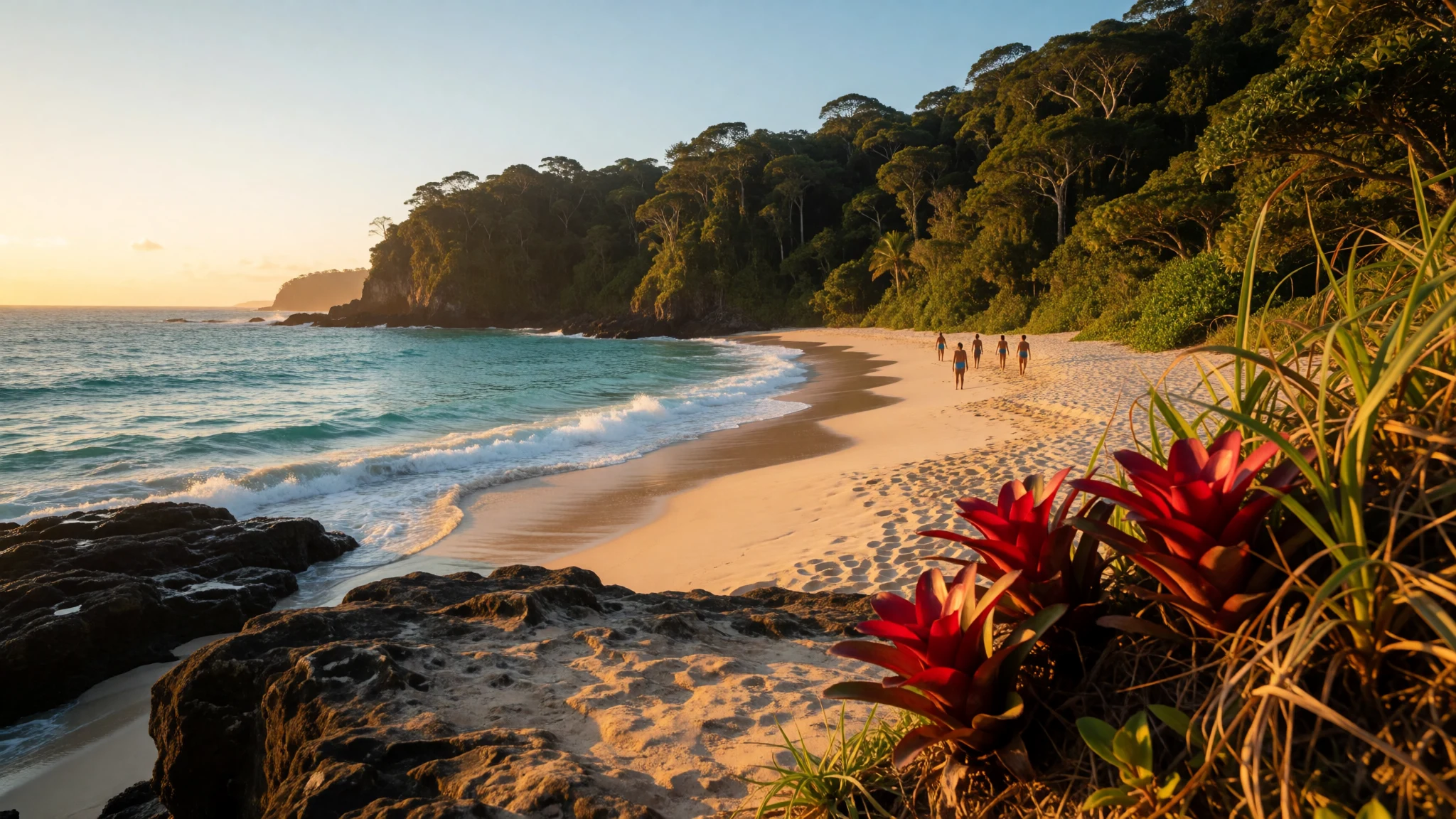
Itacaré is a Bahian surf town where cocoa-country forest, a river mouth and small Atlantic beaches sit within a short walk or boat ride.
The place
Itacaré is a municipality on the coast of Bahia, in north-eastern Brazil, in the cocoa-growing belt south of Salvador. It sits where the Rio de Contas, which flows down from the Chapada Diamantina highlands, runs out into the Atlantic. The town stands at about 29 metres above sea level, and the municipality has a population of around 29,500, a good share of whom live in the rural interior rather than in the town itself.
The setting explains most of what a visitor finds. Forest-covered hills come down close to the water, the river mouth gives the old centre a working-port feel, and a string of beaches lies just beyond the town, some reached by road and others only by trail or boat. The beaches are the draw for surfers, and the town has grown around them, with surf schools, guest houses and small restaurants filling the streets near the centre.
Local people are often called grapiúna, a term tied to the cocoa region, and the area's mixed Indigenous, African and European heritage shows in its music, food and faces. Ilhéus, the nearest airport town, lies to the south along the BR-001 highway. Itacaré is small enough to cover on foot, but the beaches and waterfalls around it reward a few days of slow wandering rather than a quick stop. The town is livelier in the dry, warm months and quieter, greener and wetter in the rest of the year.
Its story
Itacaré's written history begins in the colonial period. The area belonged to one of the Portuguese captaincies set up in 1532, and the settlement was officially recognised in 1732 as a village named for Saint Michael at the mouth of the Rio de Contas. Jesuits founded it, working to settle and convert Indigenous peoples of the region, among them the Pataxó, Tupiniquim and Aimoré.
The coast had a rougher reputation too. Pirates, both Dutch and Portuguese, are said to have used the place as a hideout in the early colonial years, and later it served as a port for whalers. The first trade in the region was brazilwood, a tree whose red dye was shipped to Europe and which gave Brazil its name. Cassava flour came next, sent to feed the enslaved workers on the sugar plantations around Salvador.
The biggest boom was cacao. Through the nineteenth and twentieth centuries, beans grown inland came down to Itacaré to be shipped to European chocolate makers. Merchants built neocolonial houses and warehouses along the riverfront, and those buildings still give the old centre its character. Then roads and railways improved and the port at nearby Ilhéus was enlarged, so Itacaré lost its role as a trading harbour.
What replaced it was the coast itself. Surfers, then wider tourism, found the beaches, and the former cocoa port became a beach town. The novelist Jorge Amado, who wrote about this cocoa country, is closely linked with the region's identity.
What to see
- Prainha beach — South of the town centre
A trail from Ribeira Beach leads to Prainha, passing two waterfalls on the way. The walk is part of the pleasure, though paths can be muddy after rain. Local guides offer their services, and an offline map on a phone also works. Take water and wear shoes that grip.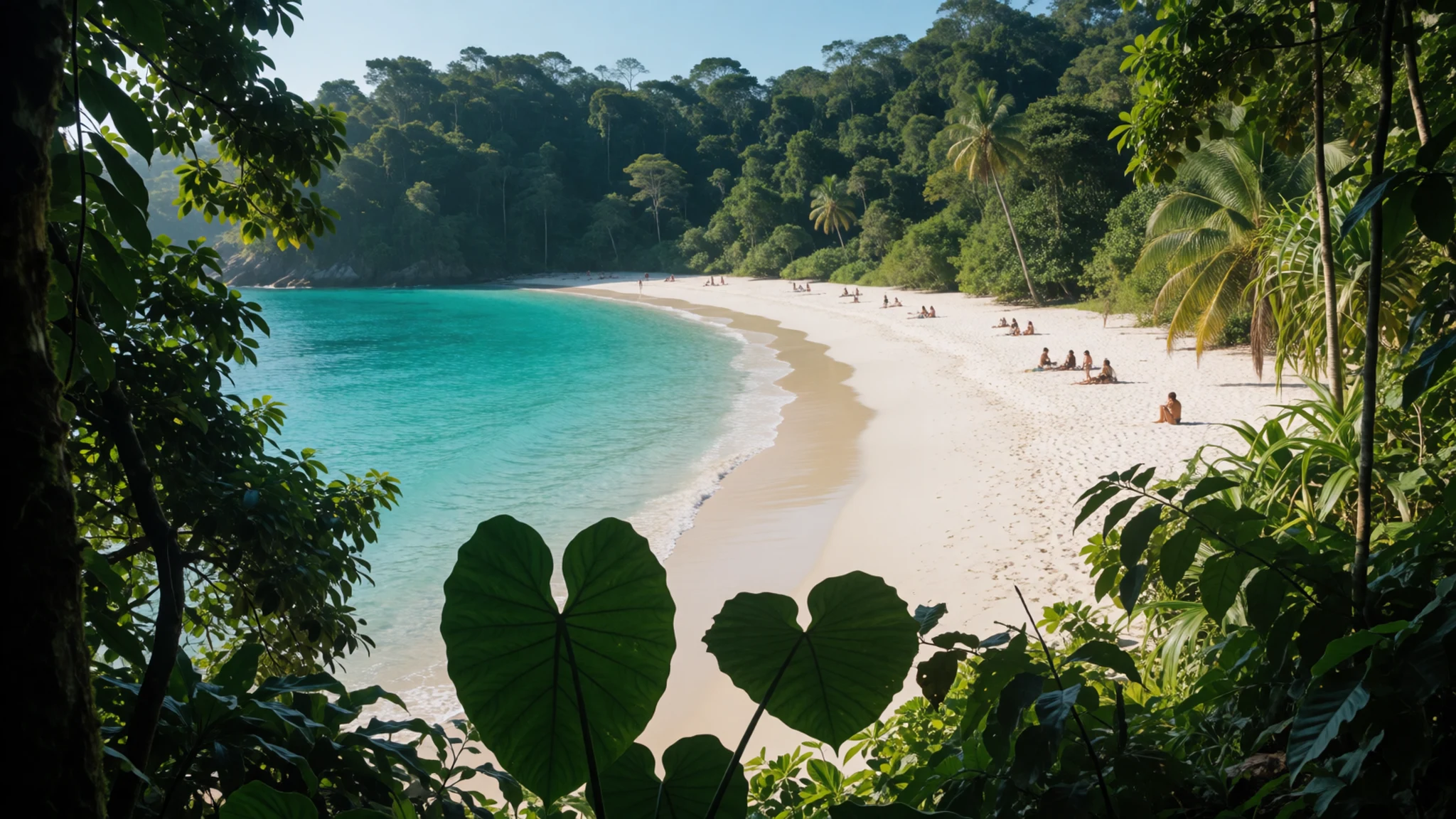
- Cachoeira do Cleandro — Up the river from Itacaré
These waterfalls are reached by a short boat ride from Itacaré, about fifteen minutes, which takes you to the base. A small entrance fee is charged on arrival, so carry some cash and check the current amount locally. Swimming is the point, so bring a towel.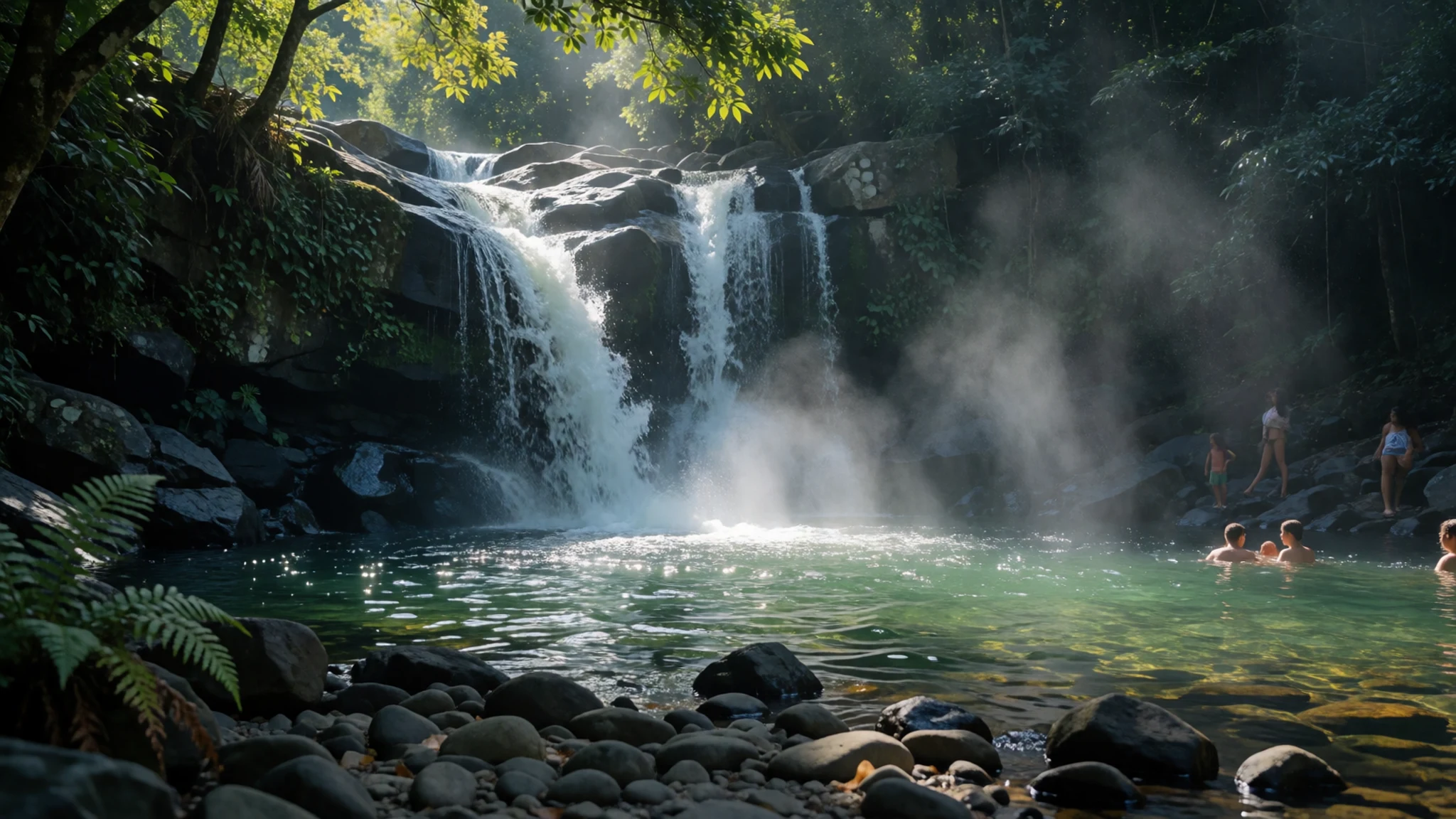
- The old riverfront — Centro, by the Rio de Contas
The historic centre follows the river mouth, where neocolonial houses and former cocoa warehouses recall the port years. It is best on foot in the cooler hours, with fishing boats, small shops and cafés along the way. Look for the colour of the façades and the working boats.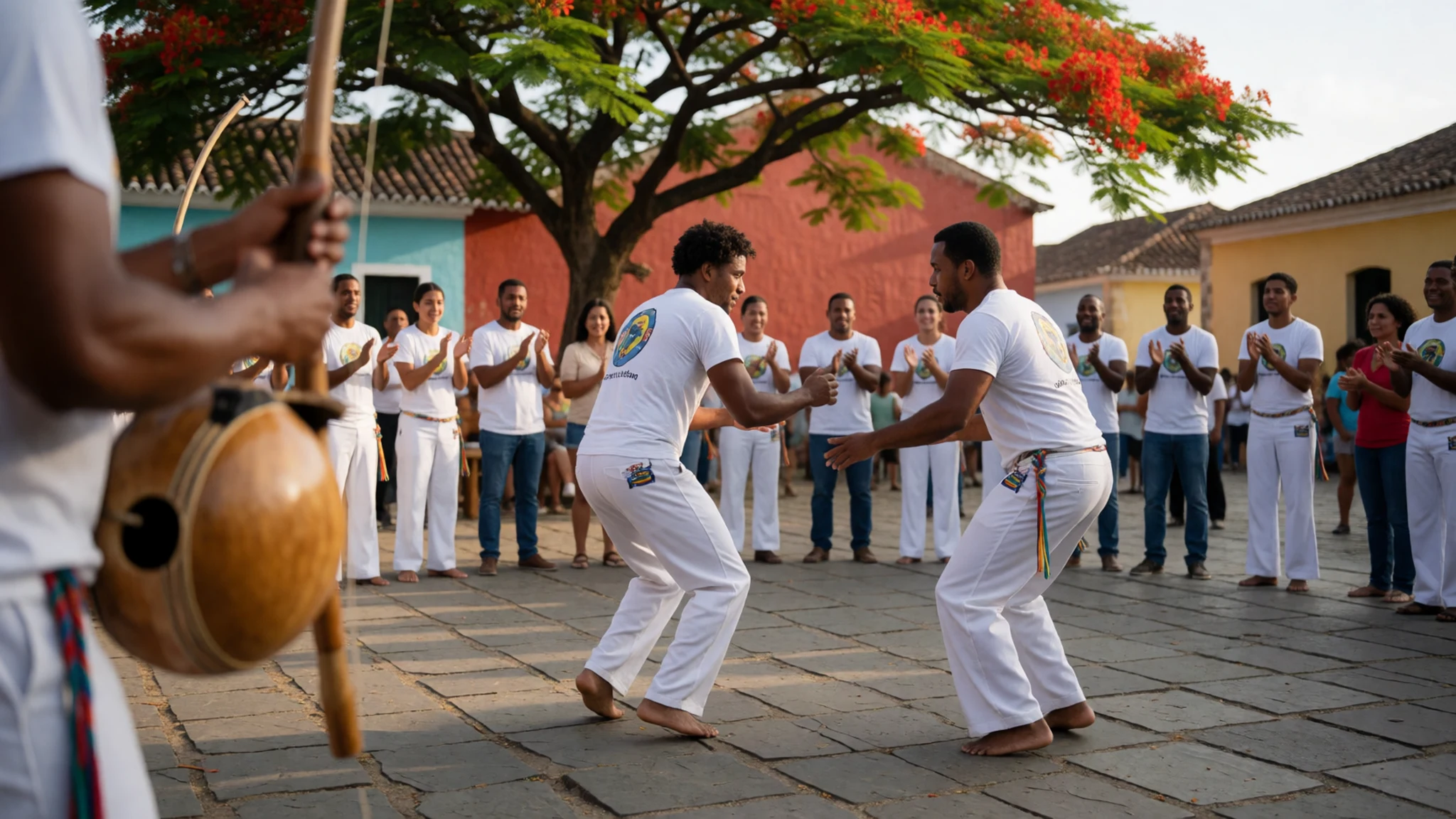
- Capoeira roda — Various venues in town
Three groups, Luanda, Filhos de Zumbi and Tribo do Porto, perform in town, and their training sessions are open to visitors. Capoeira mixes martial art, dance and music with African-Brazilian roots. Watch respectfully, ask before filming, and check times with the groups.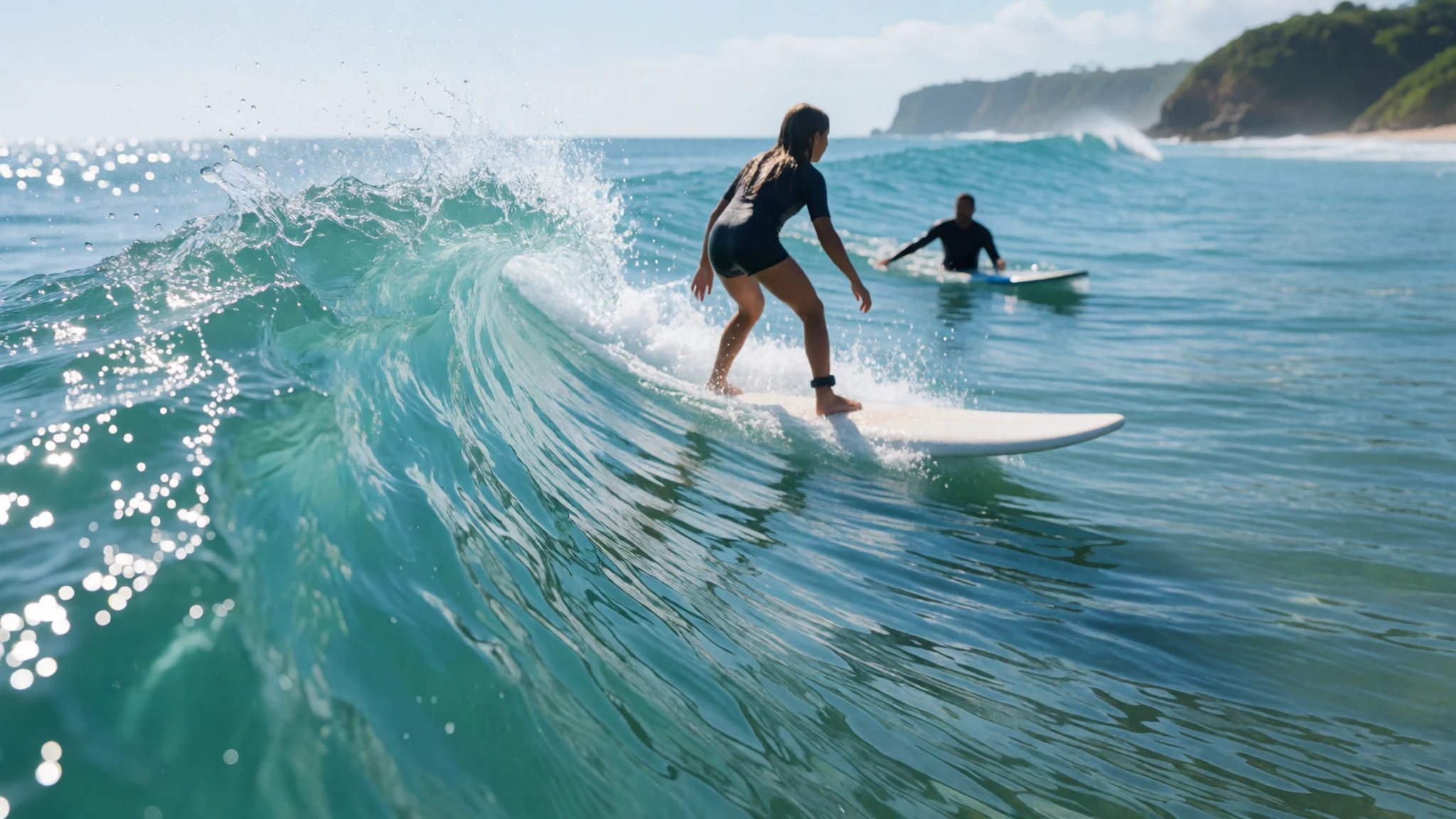
- Surf lessons and beach hopping — Beaches around the town
Itacaré is known for surfing, and schools in town run lessons with video review of the day's sessions. Beaches differ in wave size and crowd, so ask instructors which suits your level. Non-surfers can simply walk the sand between the beaches and take a boat when trails run out.
Culture
Itacaré's culture is shaped by the cocoa country of southern Bahia, where Indigenous, African and Portuguese influences have mixed for centuries. Writers such as Jorge Amado portrayed the grapiúna people of this region, and their stories remain a cultural reference point for locals.
Afro-Brazilian traditions are most visible in capoeira, which is practised in town by several groups. The music of the berimbau, a single-string bow, and the call-and-response songs of the roda give the evenings a distinctive sound. Training sessions are open to visitors, and the shows are an easy way to meet the community.
The town's social life centres on the evening: live music in small bars, people drifting between the riverfront and the beach, and a relaxed attitude to time. Portuguese is the language, and English is limited outside the guest houses and surf schools, so a few greetings go a long way. Brazilians tend to greet with a handshake, a hug or a kiss on the cheek, and a friendly bom dia is expected when entering a shop.
There is also a lively local concern for public access to the coast, and a movement called SOS Itacaré campaigns to keep the beaches open to everyone. Visitors will see that beaches are shared spaces for residents as much as tourists.
When you watch a capoeira roda, stand back from the circle, ask before taking photographs or video, and applaud at the end rather than walking through.
What to wear
Itacaré has no single formal costume that visitors are likely to see in daily life, but the wider Bahian tradition is well known. Afro-Brazilian women in Bahia have long worn white cotton and lace blouses, wide skirts and head wraps, associated with Candomblé and festival days. White is the usual colour for religious occasions. In Itacaré these garments appear mostly at festivals or ceremonies rather than on the street.
Day to day, people dress for heat and the beach. Shorts, flip-flops, light cotton shirts and swimwear are normal, and surf brands are everywhere. The mood is relaxed and casual, with a hippie-leaning, outdoorsy style among the many surfers and long-stay visitors. In the evening people tidy up a little, with light dresses, linen shirts and clean sandals, but nobody expects anything formal.
A visitor should pack for a warm, humid coast. Light, quick-drying clothes work best, along with a hat, sunglasses and high-factor sun cream. Bring a rash vest if you plan to surf or spend long hours in the water. A light rain jacket is useful because showers can arrive at any time of year. Sandals suit the town, but the trails to Prainha and the waterfalls can be slippery and muddy, so take trainers or sturdy sandals with grip. Cover up with a shirt or sarong when you walk from the beach into town or into a restaurant, as swimwear alone is not usual away from the sand. For any religious building, shoulders and knees covered is a courteous default.
What to eat
- Moqueca baiana — Seafood restaurants in the centre and on the beaches
The Bahian fish or shrimp stew, cooked with coconut milk, peppers, tomatoes and dendê (palm) oil, usually served with rice and farofa. Expect it in most seafood restaurants around the centre and the beaches. It is rich, so share if you are not very hungry.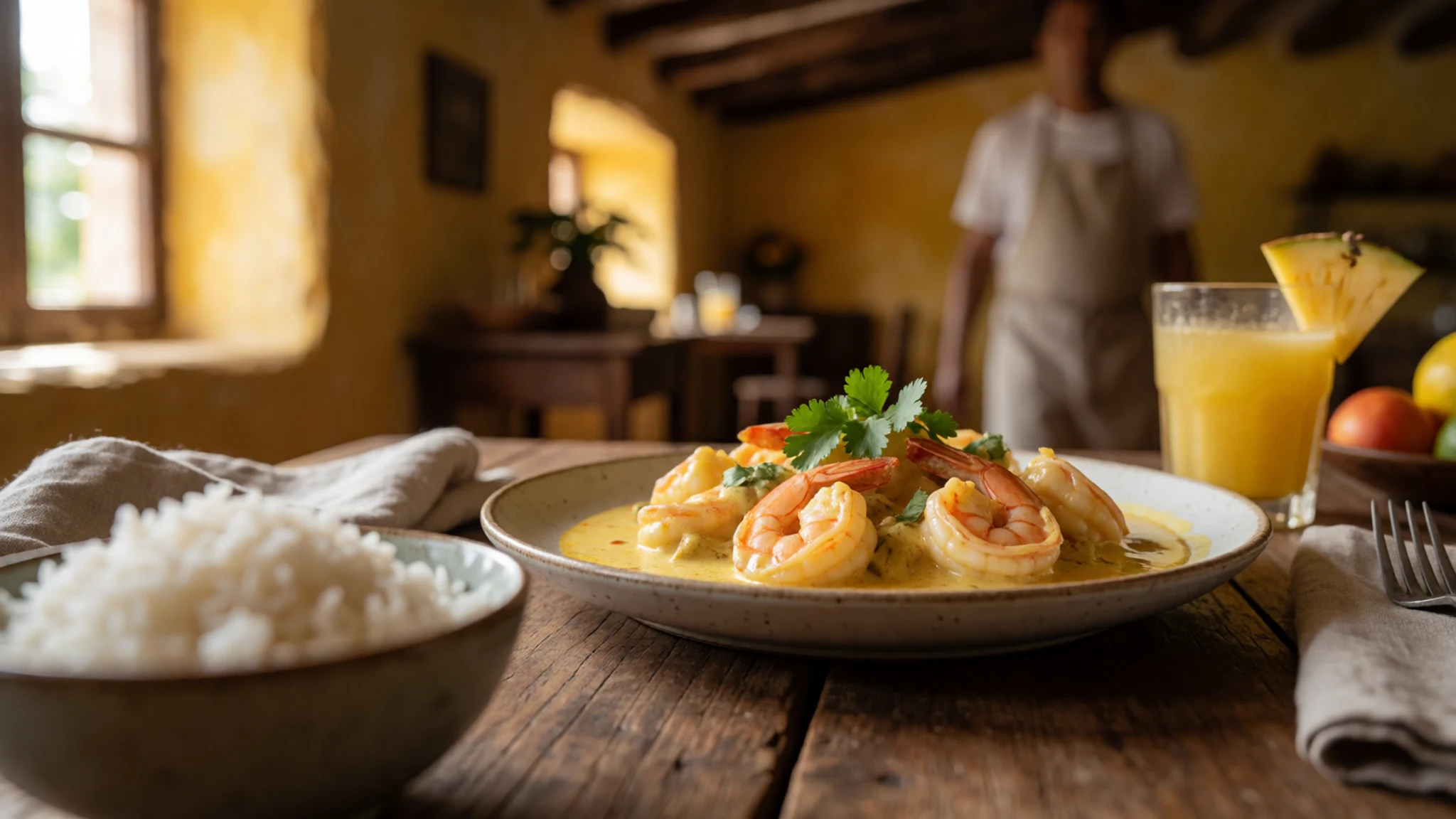
- Coconut curry shrimp — Restaurants in Centro, around Avenida Castro Alves
A local favourite in the town's more international kitchens, with shrimp cooked in coconut and mild spice. It reflects the way Itacaré blends Bahian ingredients with ideas brought by travellers. Look for it on restaurant menus in the Centro area.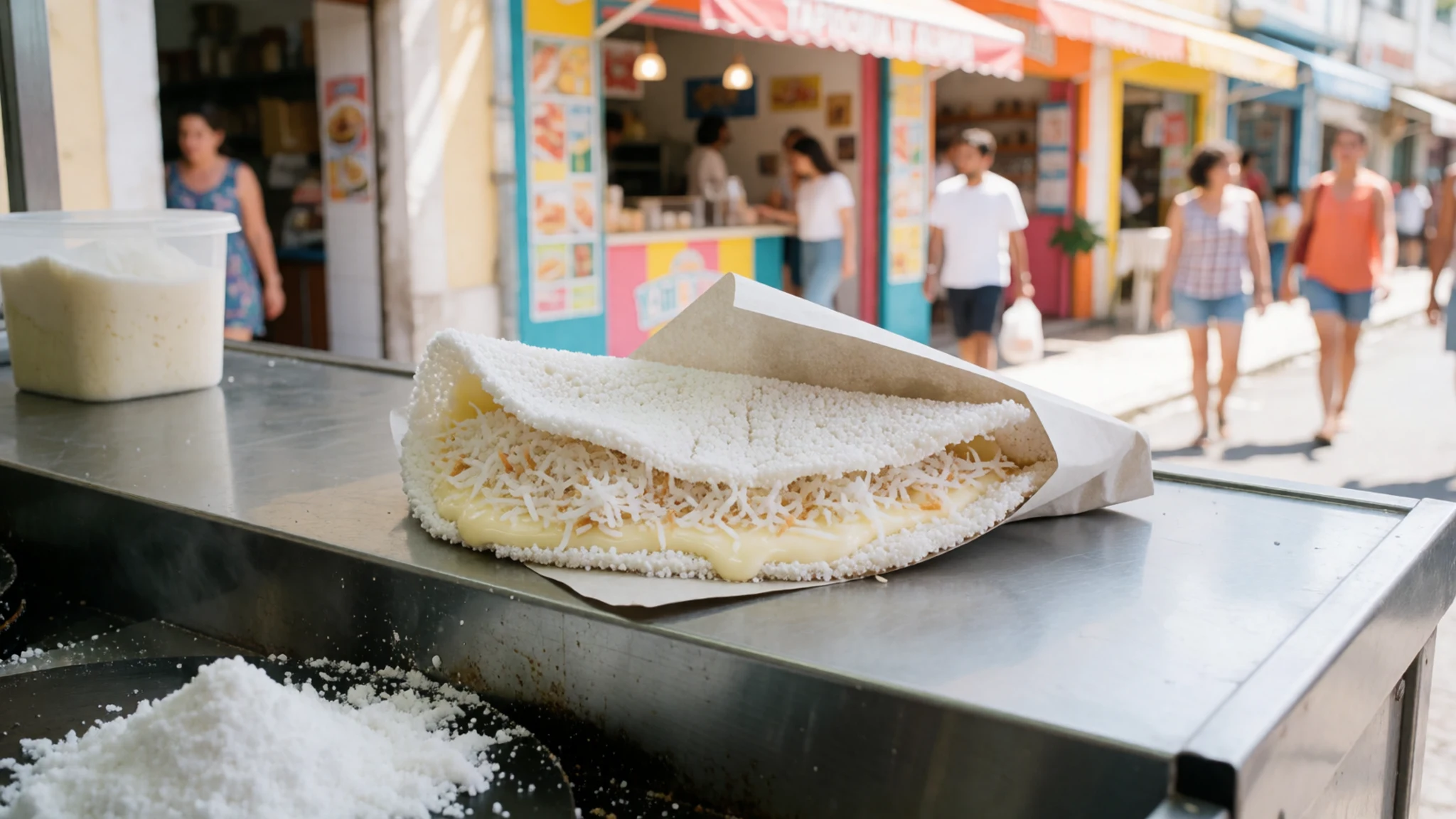
- Tapioca — Tapiocarias in the town centre
A thin pancake made from cassava starch, cooked on a hot plate and folded around fillings such as cheese, coconut or sweet condensed milk. It suits breakfast or a light snack, and it is naturally free of wheat. Small tapiocarias in the centre make it to order. - Cacao and chocolate — Chocolate shops and cafés in town, and cocoa farms nearby
This is cocoa country, so chocolate is worth seeking out, whether as bars, sweets or drinks made from local beans. Shops and cafés in town sell it, and some farms in the region offer visits. Ask about the origin of the beans. - Vegetarian and Mediterranean plates — Small restaurants around the centre
Itacaré's international crowd has produced vegetarian Arab food and Italian cooking made with organic vegetables grown locally. These are useful for travellers who want a break from fried fish and rice. Several sit close together near the centre. - Tropical juices and exotic drinks — Beach kiosks, cafés and bars in Centro
Fresh juices from local fruit such as cacao pulp, cashew and passion fruit are sold in cafés and beach kiosks, along with caipirinhas and creative cocktails in the evening bars. Many bars add live music after dark. Ask for juice without added sugar if you prefer.
Plan it
Best time. December to March is the warmer, drier stretch and suits beach days and surfing, though it is also the busiest and priciest period. Shoulder months bring fewer people. Showers are possible all year on this humid coast, so pack for rain whenever you go.
How long. 3–4
Getting there. Fly to Ilhéus, the closest airport, with domestic flights from airlines such as LATAM; international visitors usually connect through São Paulo, Rio de Janeiro or Salvador. From Ilhéus take a bus north along the BR-001 highway, which takes under two hours. From Salvador, a ferry to Bom Despacho and then a bus is the usual route, taking several hours in total.
Budget. mid
Tips
- Book guest houses (pousadas) well ahead for December to February and for holidays.
- Carry some cash for boat rides, waterfall entry fees and small beach kiosks, and check current prices locally.
- Wear grippy shoes for the trails to Prainha and the waterfalls, which get muddy after rain.
- Use sun cream and drink plenty of water, as the coast is hot and humid.
- Check the official town website at http://www.itacare.ba.gov.br for current local information.
Etiquette
- Greet people with a friendly bom dia or boa tarde when entering shops and restaurants.
- Ask before photographing people, including capoeira performers.
- Keep beaches and trails clean and take your rubbish with you.
Nearby
Sources
- Wikidata Q985513 (CC0)
- Wikipedia: Itacaré (rev 1384132135) (CC BY-SA 4.0)
- Wikivoyage: Itacaré (rev 5405542) (CC BY-SA 4.0)
- Photo 01, Márcio Filho – MTUR (Public domain)
- Photo 02, Deputado Rosemberg (Public domain)
- Photo 03, Deputado Rosemberg (Public domain)
- Photo 04, Deputado Rosemberg (Public domain)
- Photo 05, Deputado Rosemberg (Public domain)
- Photo 06, Deputado Rosemberg (Public domain)
- Photo 07, Deputado Rosemberg (Public domain)
- Photo 08, Deputado Rosemberg (Public domain)


