Iloilo City
Iloilo City, Philippines
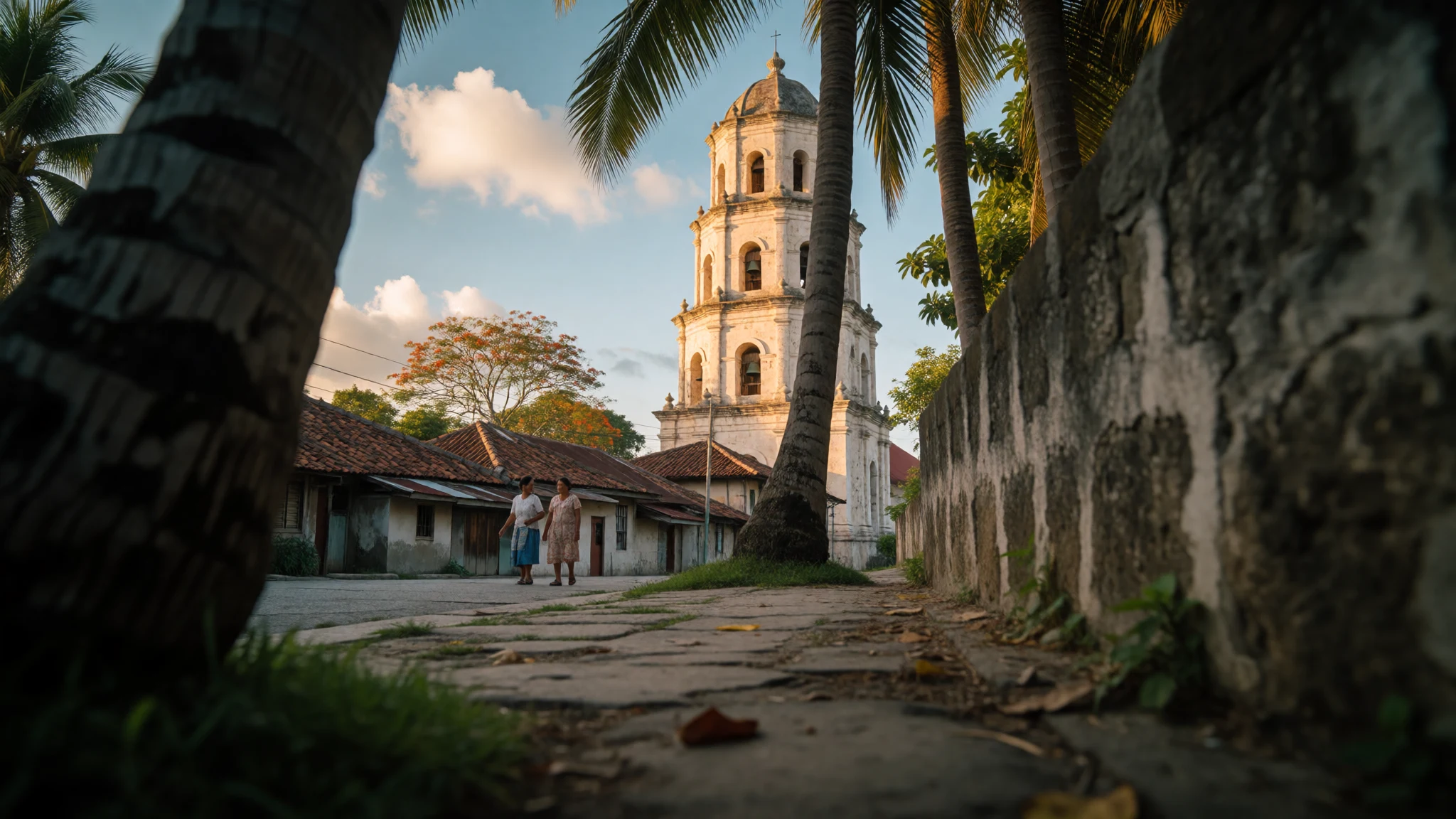
Iloilo City offers Spanish-era churches, old mansions and a food scene recognised by UNESCO, all in a relaxed Visayan city.
The place
Iloilo City sits on the southeastern coast of Panay island, in the Western Visayas region of the Philippines, at an elevation of about 21 metres. It has roughly 474,000 residents, and the wider Iloilo–Guimaras area holds about one million. Officially it is a highly urbanized city, which means it runs its own government even though it is the capital of the surrounding province of Iloilo. The local language is Hiligaynon, and people from here call themselves Ilonggo.
The city grew by absorbing older towns, and today it is organised into seven districts: the City Proper, Jaro, Molo, Mandurriao, La Paz, Arevalo and Lapuz. Each keeps its own character. The City Proper holds the old commercial streets near the river mouth. Jaro is the religious heart, with a cathedral and a belfry that stands on its own. Molo is known for its church and its old family houses. Mandurriao has newer business and shopping districts. La Paz gave its name to the noodle soup that many visitors come to taste. Distances are short enough to manage several districts in a day by taxi, jeepney or app-booked ride.
As a regional centre, Iloilo handles trade, schooling, healthcare, worship and tourism for much of Western Visayas, and that shows in its busy markets, universities and hospitals. The mood is calmer than Manila's. Heat is constant, so mornings and late afternoons suit sightseeing and the middle of the day suits a long lunch. Spanish settlers arrived in 1566, and their legacy remains in the churches, the surnames and the old centre.
Its story
Iloilo City's written history begins before the Spanish. Chinese records from the 1300s, in the Yuan period, describe a busy trading outpost at Oton, just west of today's city. That suggests the south coast of Panay was already tied into regional trade. Beyond that, the pre-colonial record is thin, and different accounts compete.
One comes from the Jesuit missionary Francisco Ignacio Alcina, who wrote in 1668 that the Hiligaynon people originated in Leyte, a view that fits how linguists group the language today. Another is a legend rather than a document: the Maragtas, published in 1907 under the name of Pedro Monteclaro. It tells of ten datus, led by Datu Puti, who left Borneo to escape a ruler named Makatunaw and landed on Panay. In the story they bought the lowlands from the Ati chief Marikudo, paying with a golden salakot (a wide hat) and a necklace for his wife, Maniwan-tiwan. It is best read as tradition rather than documented history, yet it is retold widely, and the Ati remain part of Panay's identity.
The Spanish settled Iloilo in 1566, making it their second colonial centre in the Philippines after Cebu. A Jesuit church followed in 1607, later handed to the Augustinians, and it is still regarded as the city's first. More than 300 years of Spanish rule shaped religion, language, surnames and cooking here. The neoclassical and art deco frontages of Calle Real date from the late nineteenth and early twentieth centuries. Much of what visitors see today, from the churches to the mansions, grows from that colonial layer.
What to see
- Jaro Cathedral — Jaro
Jaro Cathedral is the National Shrine of Our Lady of the Candles, with a limestone façade facing an open plaza. Inside is the venerated image of Nuestra Señora de la Candelaria, described as the only Marian image in the Philippines crowned by a pope. Services are well attended, so visit outside Mass times and dress modestly.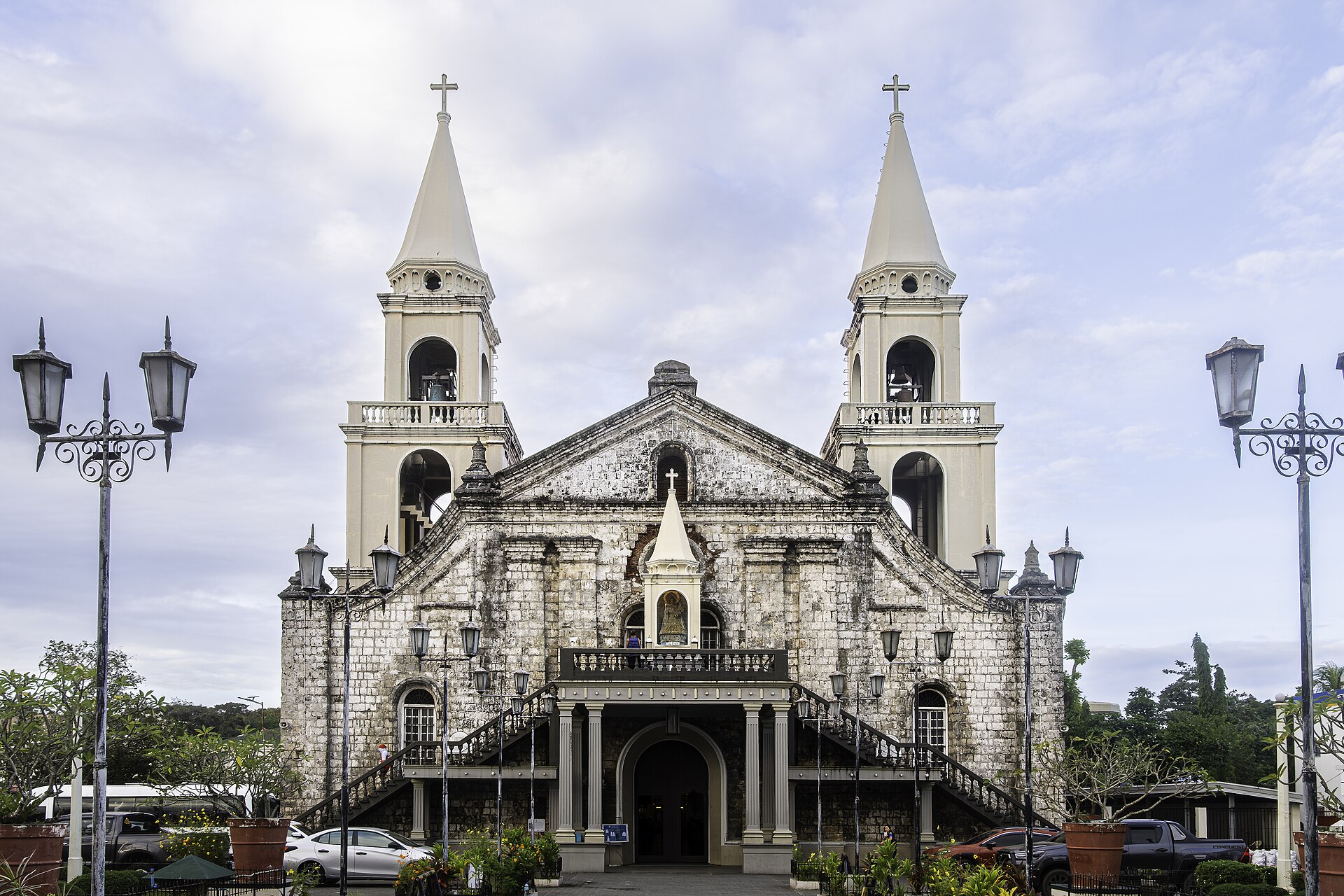
- Jaro Belfry — Jaro
The Jaro Belfry stands apart from the church instead of being attached to it, which is rare in the Philippines. The Spanish built it as a watchtower to look out for raiders coming from Mindanao. It sits close to the cathedral, so the two make an easy short stop together.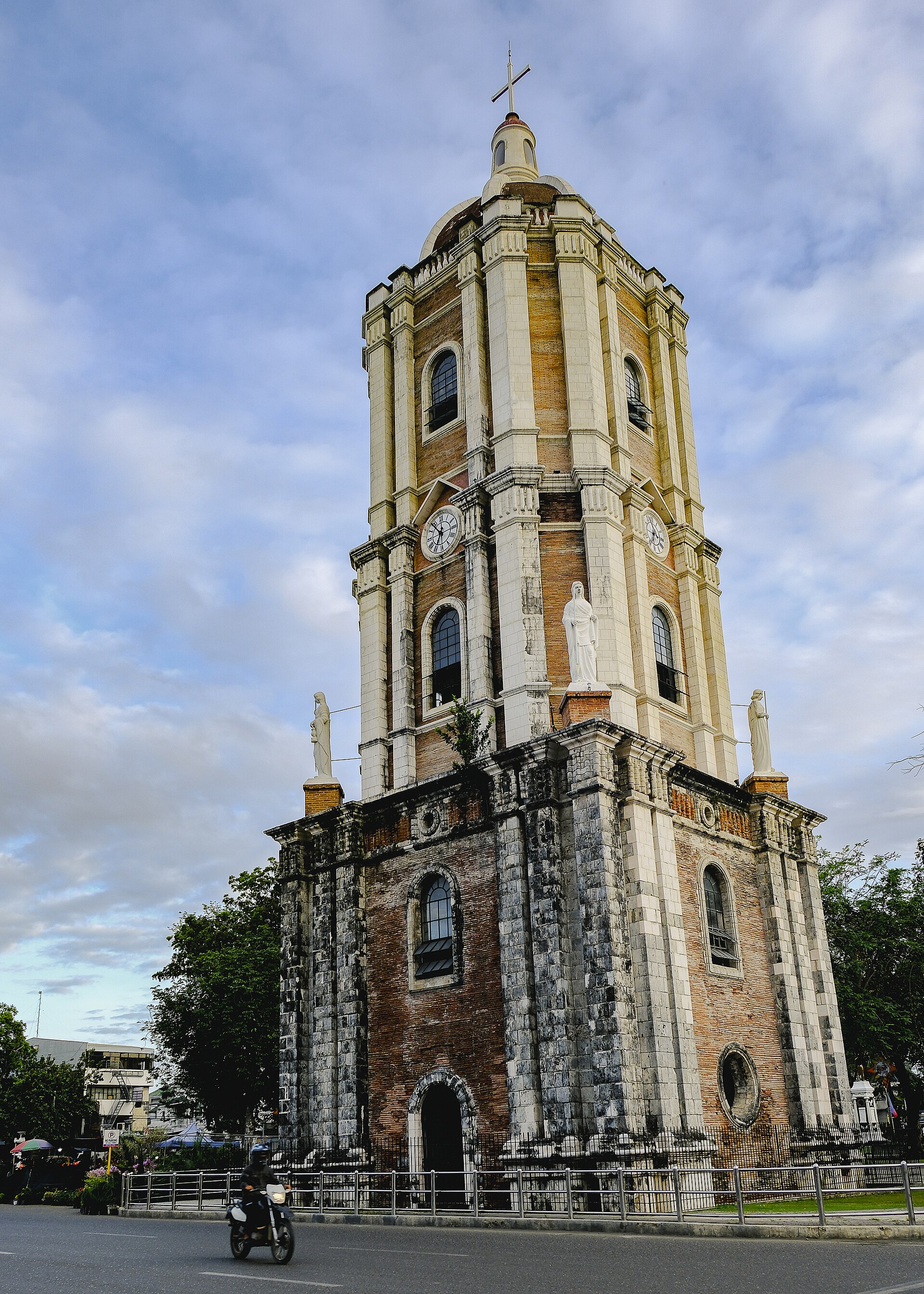
- Molo Church — Molo
Molo Church was built in 1831 and blends Gothic and Renaissance styles, with twin spires and coral-stone walls. It is nicknamed the feminist church for the 16 statues of female saints inside. The plaza and fountain out front suit a late-afternoon pause, and old mansions such as the one pictured nearby are a short walk away.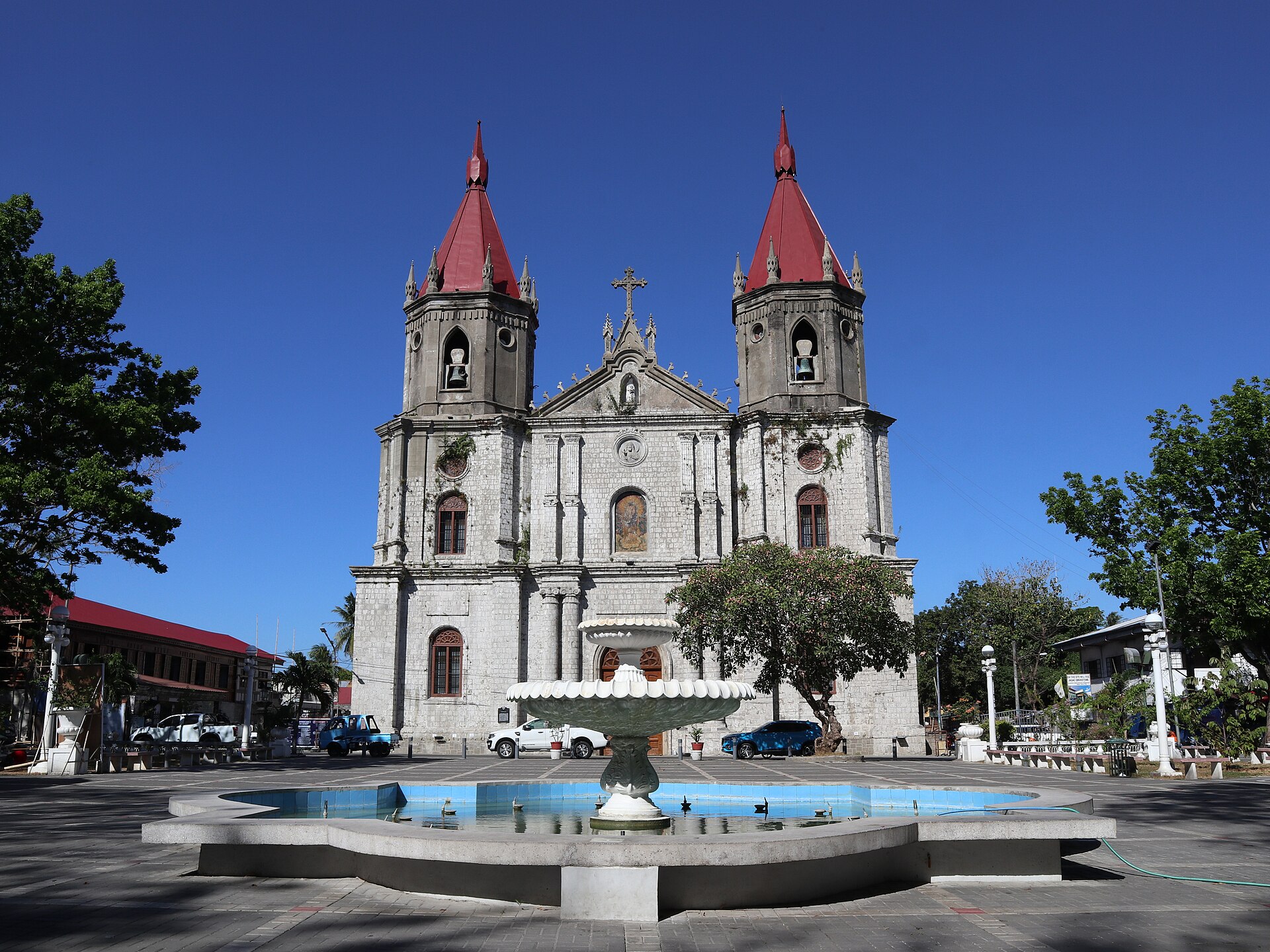
- San Jose Church — City Proper
San Jose Church was founded by the Jesuits in 1607 and later passed to the Augustinians. It is regarded as the city's first church. It keeps a replica of the Santo Niño de Cebú, the patron of the Dinagyang Festival. It is quieter than Jaro's cathedral, so it suits an unhurried visit; check festival dates before planning around them. - Calle Real — City Proper
Calle Real is the old commercial street of the City Proper, lined with neoclassical and art deco buildings from the late nineteenth and early twentieth centuries. Some façades are restored, others are weathered or shuttered, which makes it a street for slow walking and looking up. Go early in the morning, before the heat and traffic build.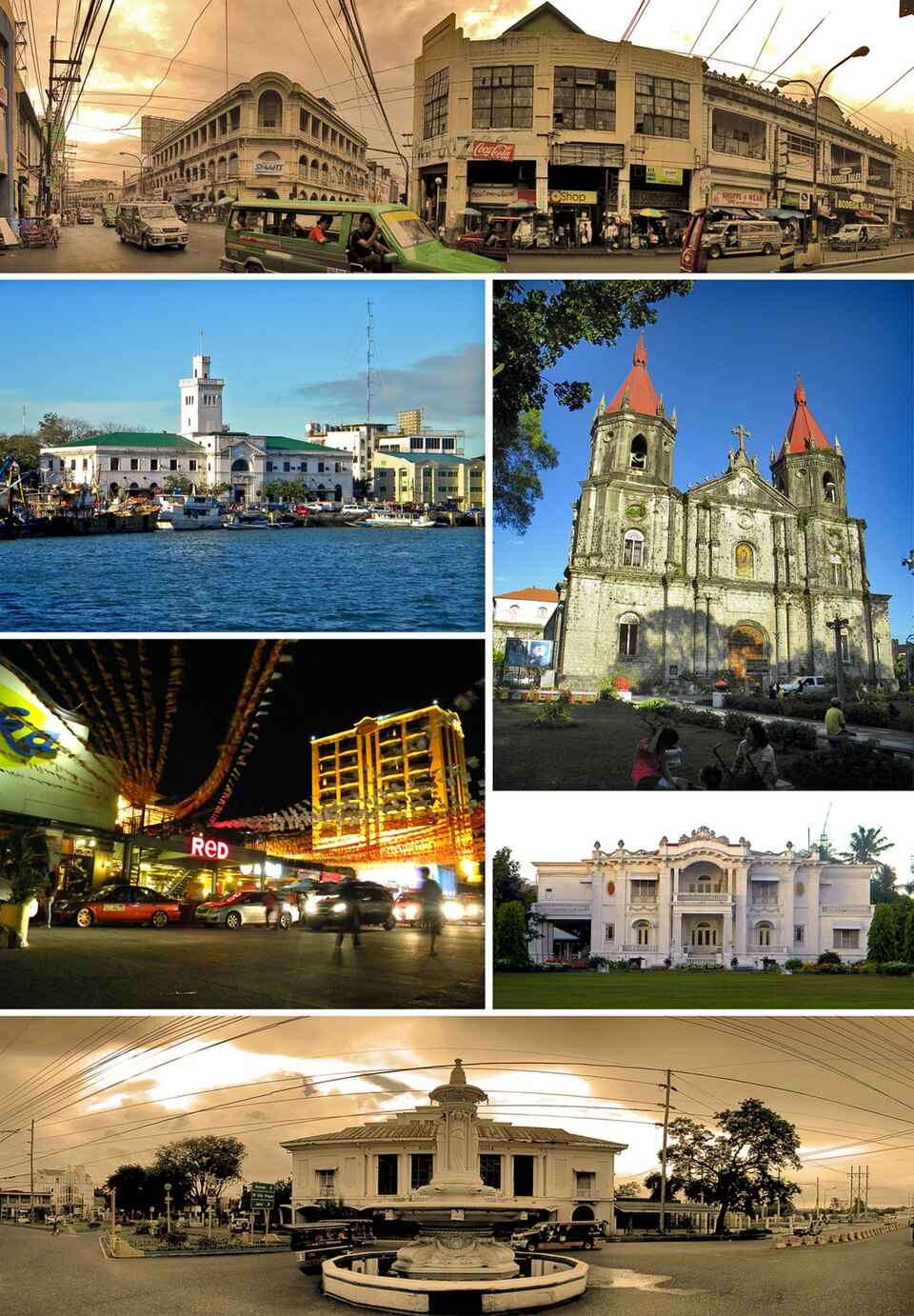
Culture
Iloilo City carries more than 300 years of Spanish colonial rule in its everyday life: in the Catholic calendar, the surnames, the architecture and the cooking. Locals are Ilonggo and speak Hiligaynon, and Spanish-derived words and family names turn up everywhere. The city is sometimes nicknamed the museum city and the city of mansions, thanks to its heritage houses, museums and protected zones, many of which can be found in Molo, Jaro and the old centre.
Food is a point of civic pride. UNESCO has named Iloilo a Creative City of Gastronomy, the first in the Philippines to receive that label, and dishes such as La Paz batchoy, kansi and pancit Molo are served with confidence rather than fuss. Long lunches, shared tables and generous hosting are a normal way of marking occasions.
Religion shapes the calendar. Jaro's cathedral draws devotees to Our Lady of the Candles, and San Jose Church keeps a replica of the Santo Niño de Cebú, patron of the Dinagyang Festival, a lively street celebration in which dance groups perform in vivid costumes. Visitors find it joyful and loud, and the city's official website is the place to check dates.
When entering a church such as Jaro Cathedral, cover your shoulders and knees, keep your voice low, and do not take flash photographs or photograph worshippers during Mass.
What to wear
Iloilo City's traditional dress follows the wider Philippine pattern, with local textile pride on top. Formal wear for women is the terno or baro't saya, a blouse with a long skirt, often with stiff butterfly sleeves. Men wear the barong Tagalog, a sheer embroidered shirt worn untucked, usually made of piña (pineapple fibre) or jusi (a silky cloth). These come out for weddings, graduations, civic events and fiestas. Panay has a long weaving tradition, and hablon, a handwoven cloth made on wooden looms, is the textile most often linked with Iloilo; it appears in scarves, bags and shirts sold as souvenirs. The checked patadyong wrap skirt is an older Visayan garment. During Dinagyang, performers wear elaborate costumes, body paint and headdresses inspired by the Ati.
Day to day, people dress for the heat: cotton T-shirts, shorts or light trousers, sandals and flip-flops, with smarter shirts or blouses in offices and malls, where air-conditioning can be strong.
Visitors should pack light, breathable fabrics, a hat, sunscreen and a compact umbrella that works against both sun and rain. Carry a shawl or light shirt to cover shoulders, and wear knee-length or longer bottoms for churches. Sandals or trainers with good grip suit wet pavements and uneven heritage streets, and quick-drying clothes help in the rainy months.
What to eat
- La Paz batchoy — La Paz district, around the public market and its old noodle eateries
La Paz batchoy is a noodle soup in a rich pork broth, topped with pork, offal, crushed crackling and sometimes a raw egg stirred in. It takes its name from the district where it began, and bowls there are the local benchmark. - Pancit Molo — Molo district eateries, near the church and plaza
Pancit Molo is a comforting soup of small pork-filled dumplings in a clear, savoury broth, often with shredded chicken and spring onion. It is named after Molo, and it is lighter than batchoy, so it suits a warm afternoon. - Kansi — Ilonggo soup-and-grill eateries across the city
Kansi is a beef shank and bone-marrow soup with a sour edge, usually from the batwan fruit. It sits somewhere between bulalo and sinigang. Order it with rice, and expect the marrow to be the part locals fight over. - Grilled talaba (oysters) — Casual oyster houses and seafood grills around the city centre
Talaba are local oysters, often grilled, steamed, baked or fried to order, with sauces ranging from hot chilli to garlic butter. Seafood grills pair them with grilled fish, squid and crab. Eat where turnover is busy, and prefer cooked over raw. - Laswa — Carinderias (small canteens) and family-style Ilonggo restaurants
Laswa is a light vegetable soup of squash, okra, leafy greens and often shrimp or fish, simmered gently with little seasoning. It is everyday home cooking rather than celebration food, and a good counterweight to the heavier meat dishes. - Kadyos-baboy-langka — Carinderias and Ilonggo restaurants, mostly at lunch
Kadyos-baboy-langka is a sour soup of pork, pigeon peas (kadyos) and young jackfruit (langka). The broth turns a deep purple from the pigeon peas. It is a dish strongly tied to Panay and Negros, and worth trying at least once.
Plan it
Best time. January to April is usually the drier, more comfortable stretch, and Dinagyang festival crowds arrive in January, so check dates. May is hot, and the wetter months from about June to October bring typhoon risk.
How long. 2–3
Getting there. Iloilo International Airport runs round the clock, with domestic flights from Manila, Cebu, Davao and other cities, and international flights from Bangkok, Hong Kong and Singapore. The airport lies outside the city, so finish the last leg by taxi, van or a pre-arranged transfer.
Budget. low
Tips
- See churches and Calle Real early in the morning, before the heat builds.
- Carry some cash for markets and small eateries; larger restaurants and malls usually take cards.
- Drink bottled or filtered water and carry a refillable bottle.
- If you plan around Dinagyang, book rooms and flights well ahead and check dates on the city's official site, iloilocity.gov.ph.
Etiquette
- Cover shoulders and knees in churches and keep voices low.
- Do not photograph worshippers or use flash during Mass.
- Ask before photographing people, especially performers and market vendors.
Nearby
Sources
- Wikidata Q459787 (CC0)
- Wikipedia: Iloilo City (rev 1385806192) (CC BY-SA 4.0)
- Wikivoyage: Iloilo City (rev 5430246) (CC BY-SA 4.0)
- Montage Iloilo, Bernardo Arellano III (CC BY 3.0)
- Iloilo River, Mandurriao, Patrickroque01 (CC BY-SA 4.0)
- Legacy of Eusebio Villanueva Building, Lenseyephotography (CC BY-SA 4.0)
- Molo Church and Molo Plaza fountain, Patrickroque01 (CC BY-SA 4.0)
- Iloilo Business Park, Mandurriao, Patrickroque01 (CC BY-SA 4.0)
- The Jaro Belfry, CharMel Creations (CC BY 4.0)
- Molo Mansion, Johngaje92 (CC BY-SA 4.0)
- Facade of Jaro Cathedral, Eduardojr5 (CC BY-SA 4.0)


