Ilhabela
Ilhabela, Brazil
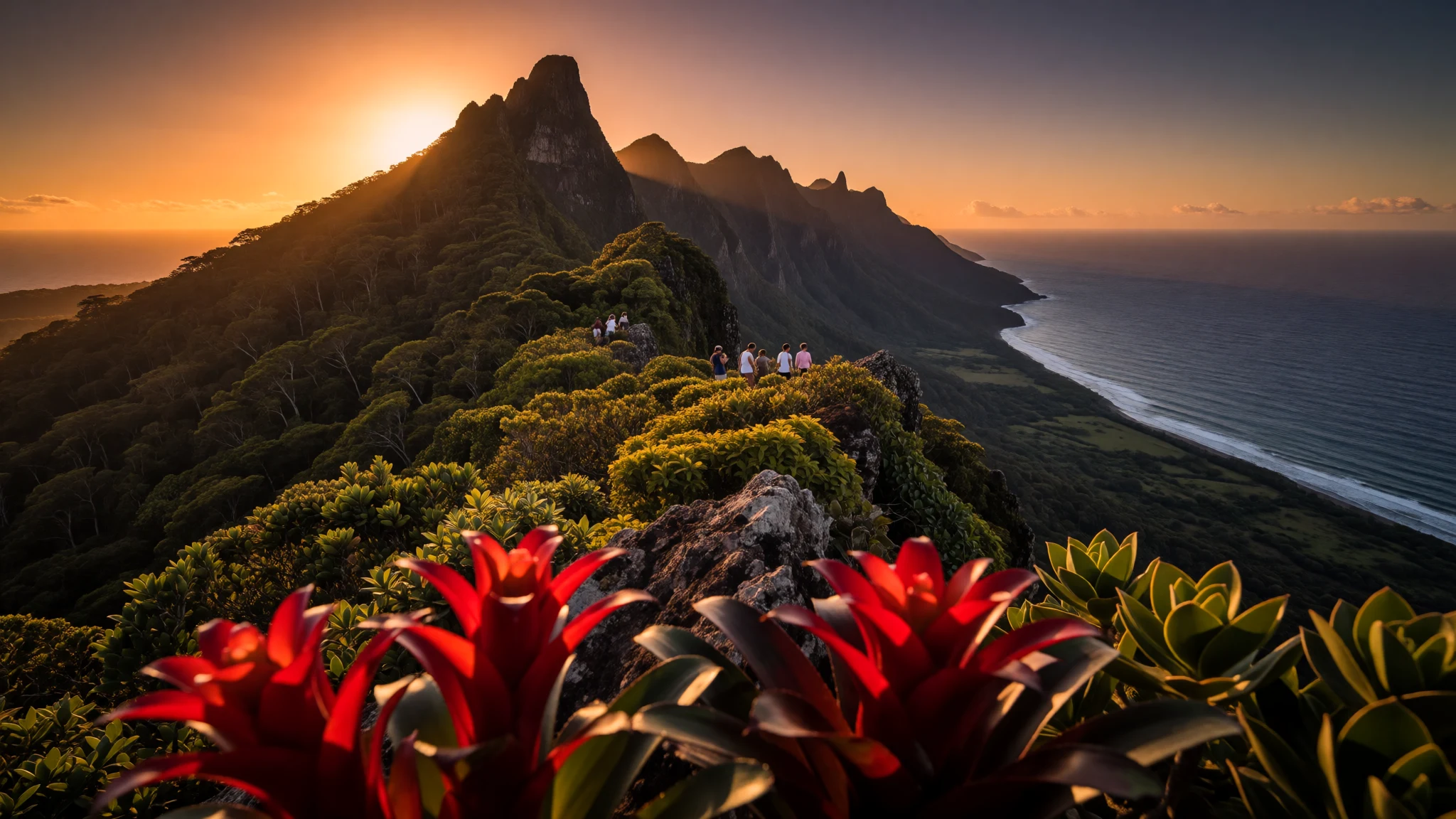
Ilhabela is a mountainous Atlantic island reached only by ferry, with dozens of beaches, rainforest waterfalls and shipwrecks to dive.
The place
Ilhabela is an island municipality just off the coast of São Paulo state, separated from the mainland town of São Sebastião by a channel about 6 km wide. The main island is officially Ilha de São Sebastião, though almost everyone says Ilhabela, Portuguese for "beautiful island". The municipality also takes in the islands of Búzios, Vitória and Pescadores and a scatter of small islets, and about 36,559 people live there. No road reaches the island. Every visitor, car and delivery crosses by ferry, a hop of about 15 minutes that can turn into a wait of several hours in summer. A narrow mountain range, roughly 30 km long, runs down the main island and passes 1,000 m in seven places, with Pico de São Sebastião the highest at 1,378 m. Because the mountains come so close to the water, towns and roads are squeezed onto thin strips of flat land, mostly on the western side facing the continent. The east is far quieter, with very few residents, and Castelhanos is the only beach on that side reachable by road, and only in a 4x4. The island has 41 beaches. Those along the channel are urbanised, with calm to moderate water. The ocean-facing ones are cleaner and wilder, with stronger waves that draw surfers, and mostly need a boat or a walk. In the holiday months the population can swell to as many as a hundred thousand, so the island feels very different in peak season and in quieter weeks.
Its story
Ilhabela's human story starts long before any European map. For at least 2,000 years the archipelago was home to sambaqui peoples, fishing and gathering communities who camped in the open near beaches and bays. Their shell collections and pottery are nearly all that researchers have to study. Later, groups who made ceramics lived here, and before the Portuguese arrived, Tupi-Guarani and Jê peoples took over, bringing farming and leaving the remains of a village at what archaeologists call the Vianna site. The first documented European visit came in the early sixteenth century, on an expedition that included the Italian cosmographer Amerigo Vespucci. Following the Portuguese habit of naming places for the saint of the day, the island became São Sebastião. Its sheltered water, firewood and streams then attracted English, French and Dutch corsairs, who raided Portuguese settlements on the mainland such as Santos, São Vicente and Bertioga. Those raids cost Portugal gold and gems into the seventeenth century, and they seeded local legends of treasure buried somewhere on the island. English captains including Edward Fenton and Thomas Cavendish called here in the late sixteenth century, and Cavendish's companion John Davis lost more men fighting the Portuguese after seeking shelter on the island. Wikidata dates the municipality's founding to 1805.
What to see
- Armação — Northwest coast
Armação, on the northwest coast, is where wind rather than swimming sets the agenda, since the beach suits windsurfing and kitesurfing. A small church, Capela Imaculada Conceição, stands near the shore, and kiosks and restaurants line the sand, making it an easy place to watch the sails over a long lunch.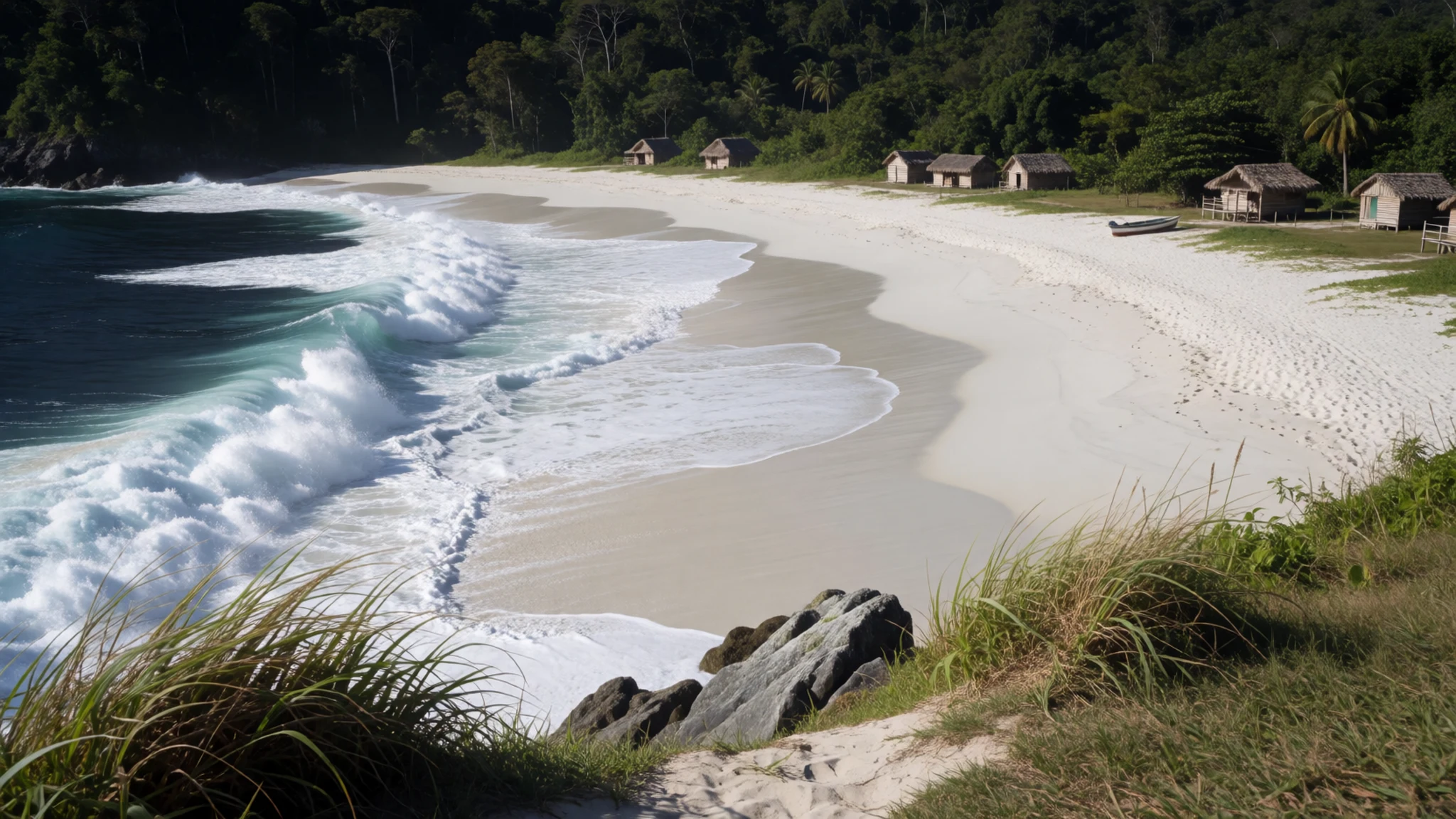
- Pedra do Sino — Northwest coast
Pedra do Sino takes its name from rock formations that ring like a bell when they knock together. The beach has white sand, coconut palms and shallow, calm water, which suits families and nervous swimmers. It is well known on the channel side and fills up in high season, so earlier mornings are calmer.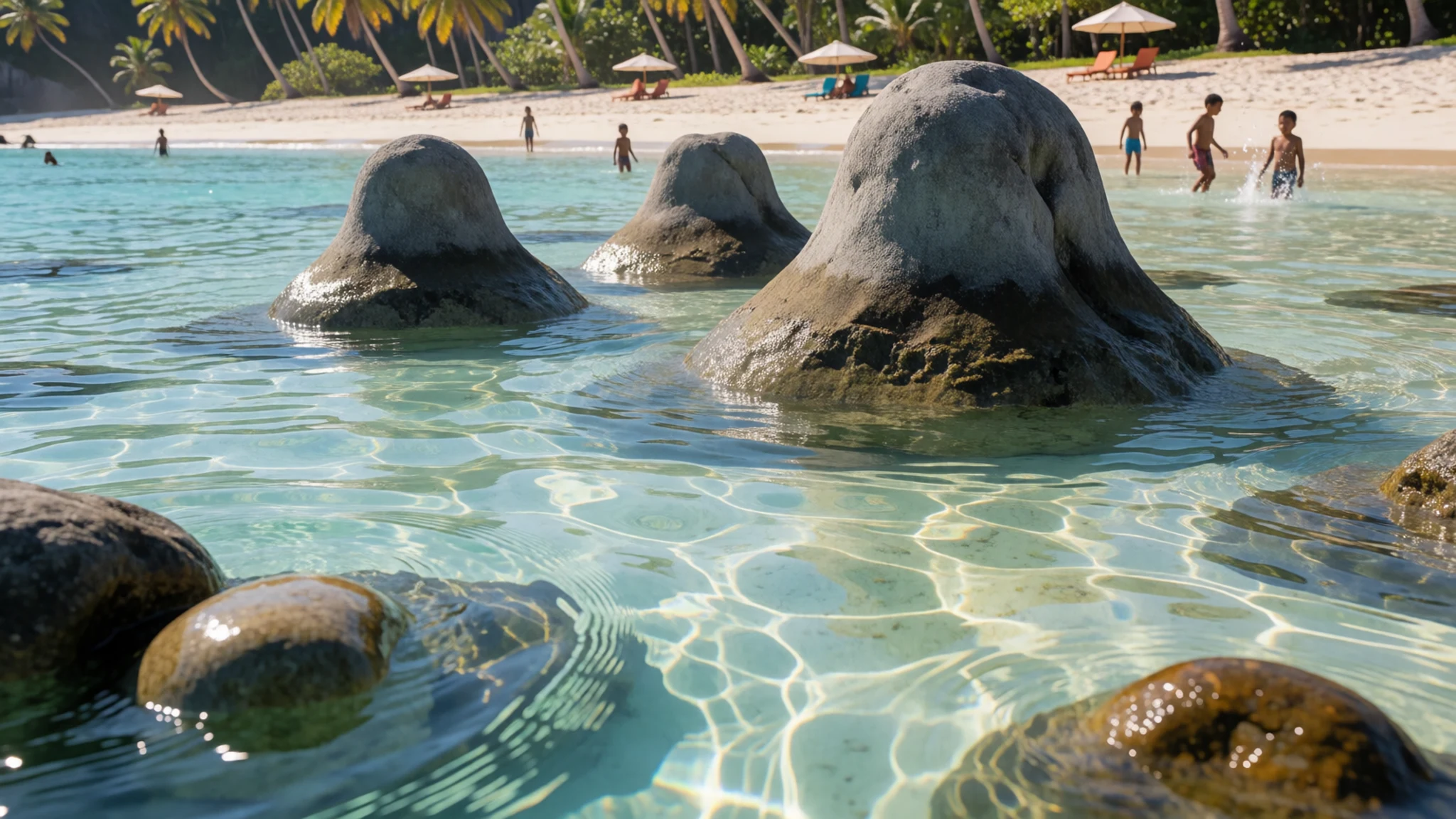
- Barreiros — Northwest coast
Barreiros is a beach of about 600 m with calm water. The road down to it offers glimpses across the channel to the mainland before the sand appears. Like other beaches on this side, it can be affected now and then by pollution drifting over from the continent, so ask locally about conditions before swimming.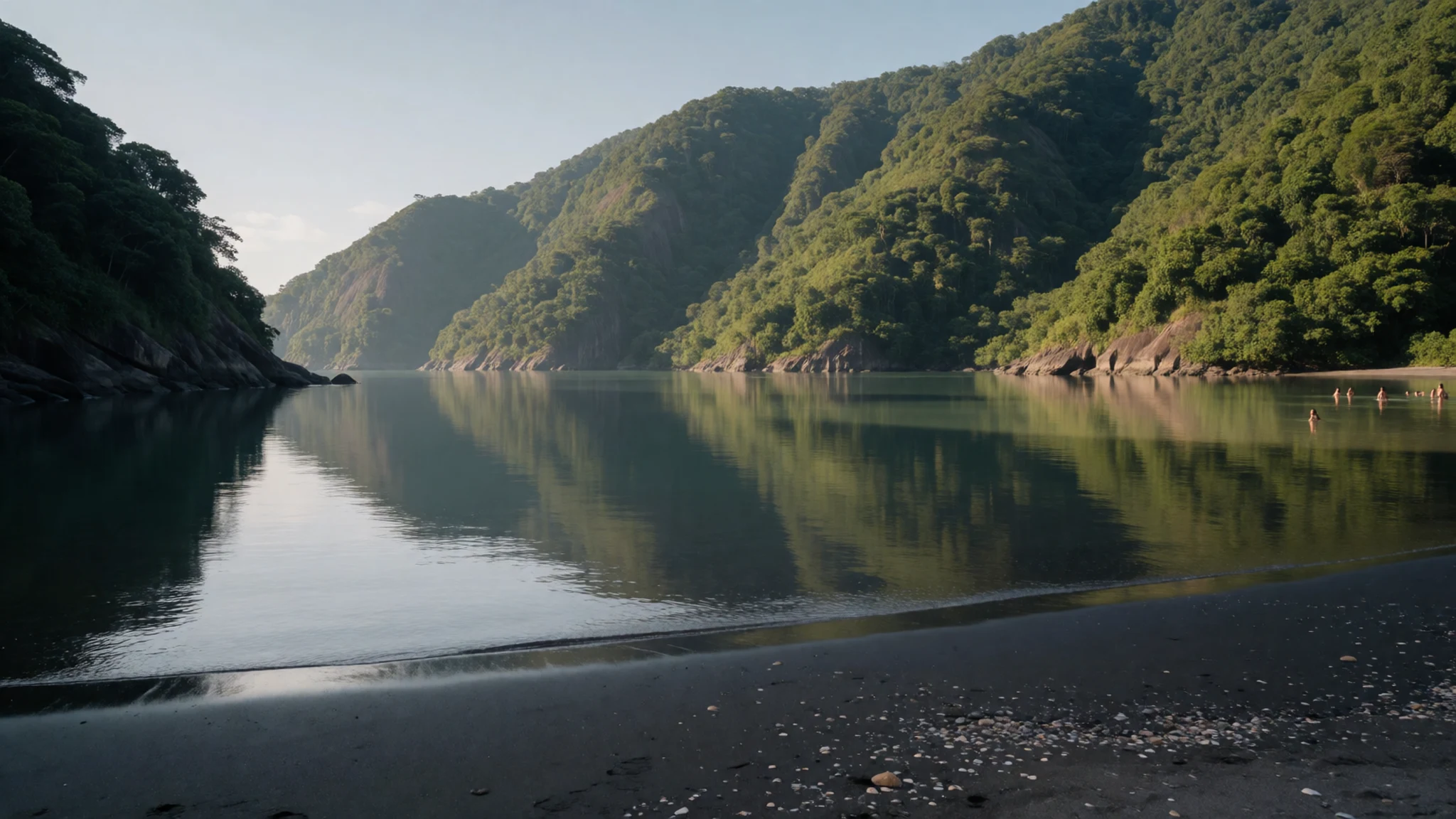
- Jabaquara — North coast
Jabaquara is a bay on the north side with dark sand, clear calm water and steep green hills close behind the shore. It feels more remote and scenic than the busier western beaches. The route there uses the unpaved road in the north, so allow extra time and keep expectations for facilities modest.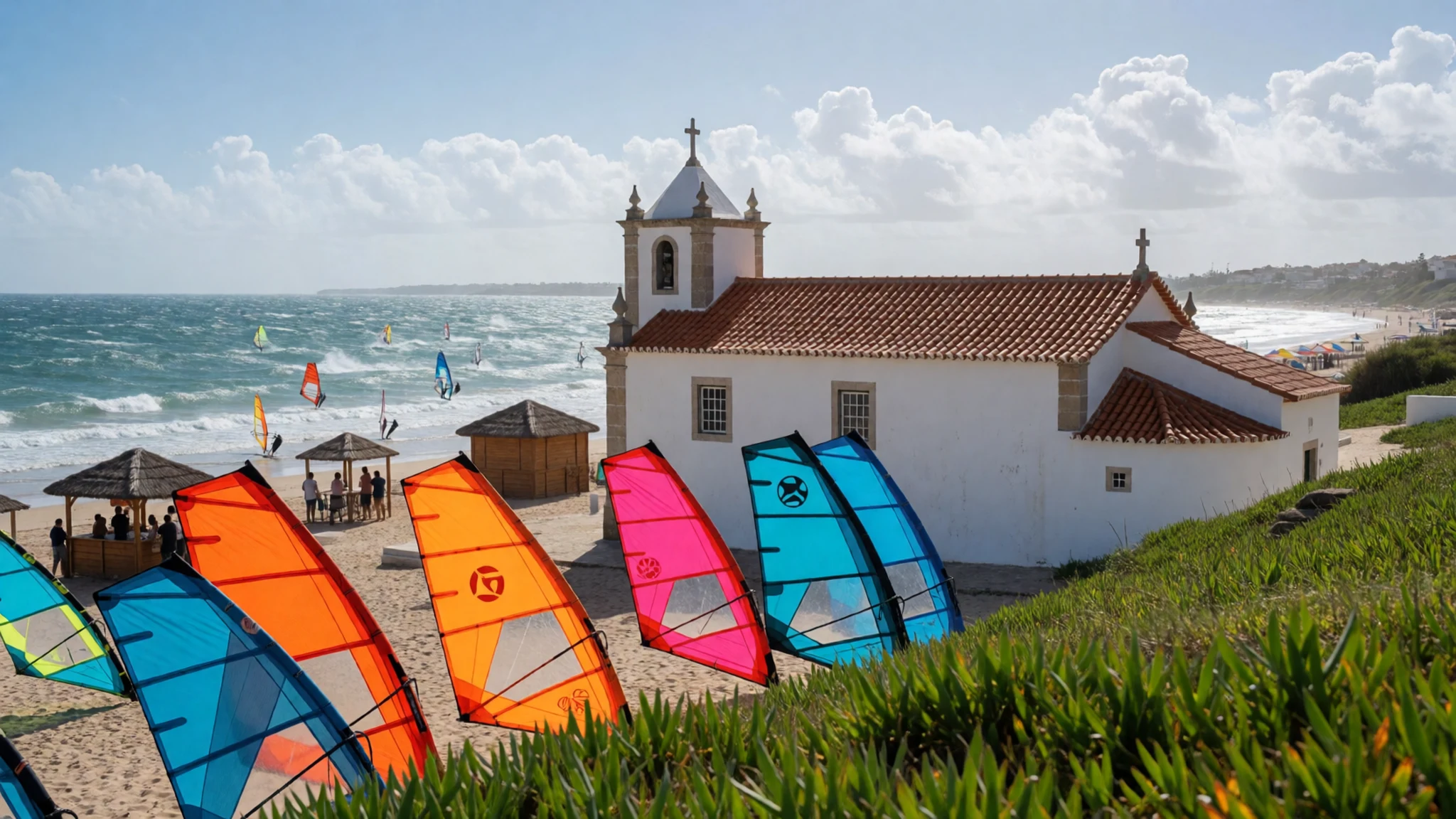
- Bonete — South coast
Bonete is a small settlement of about 300 people on the south side, with strong waves, waterfalls and forest behind the sand. The Guardian placed it ninth among Brazil's beaches in 2015. Reaching it means a boat or a 12 km walk from the end of the bus route, around four to five hours. Rooms exist, and hosts can often arrange boats.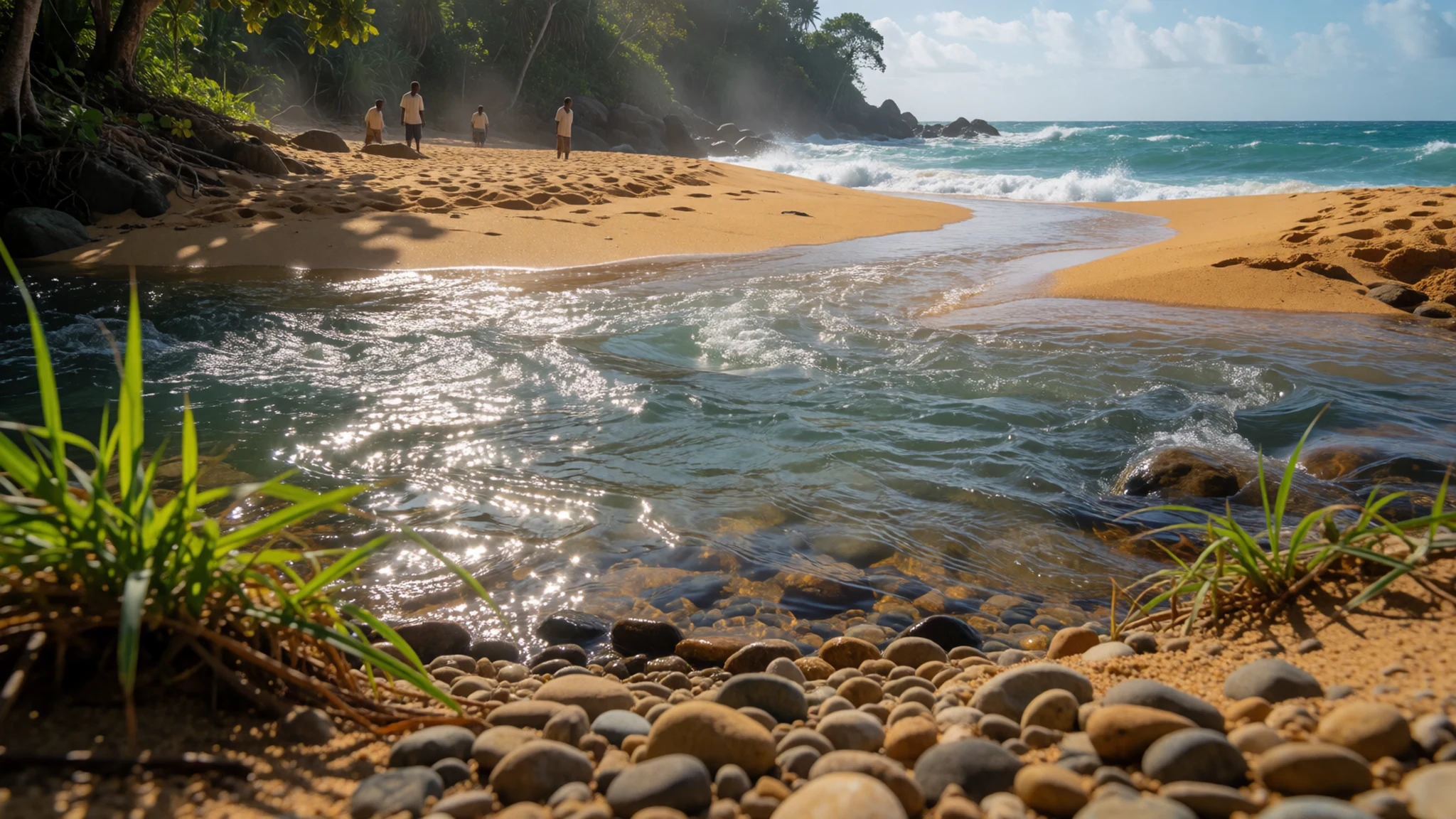
- Caveira dive site — East coast, by boat
Caveira is a dive point reachable only by boat. It belongs to wider diving around the archipelago, where more than 50 shipwrecks lie in the surrounding waters and six are open to visiting divers. Book through a local dive operator, and expect sea conditions to decide whether a trip runs on the day.
Culture
Ilhabela's culture is shaped by the sea and the ferry. Daily rhythms follow boats: fishing, sailing and the short channel crossing that ties the island to São Sebastião on the mainland. The island is a popular sailing point, with several regattas held off its coast, and diving, free diving and whale watching give the place a working life beyond beach holidays. Older coastal communities, usually called caiçara in Brazil, descend from Indigenous and Portuguese settlers and have long lived by fishing. Traces of that heritage show most clearly in small settlements such as Bonete, where about 300 people live, and in the island's seafood cooking. The Portuguese habit of naming places for saints still marks the map, and the small church of Capela Imaculada Conceição stands at Armação. Centuries of corsair raids have left a layer of buried-treasure legends that islanders treat as local colour. The language is Portuguese, and English is not guaranteed outside the main tourist areas, so a few words of Portuguese go a long way. The mood changes with the calendar: a modest town of about 36,559 residents for much of the year, and a crowded resort when up to a hundred thousand people are on the island. In Bonete and other tiny settlements, greet people with a friendly "bom dia", ask before photographing residents, and carry all your rubbish back out, since there is little infrastructure to deal with it.
What to wear
Ilhabela has no single regional costume that visitors will meet in everyday life. Brazil's coast has a casual, sun-driven way of dressing, and the island follows it. Older fishing communities dressed for work on boats and beaches in plain cotton and other light, hard-wearing cloth, and that practicality still shows today. Day to day, residents wear shorts, T-shirts, sundresses, flip-flops and swimwear, adding a cover-up when they leave the sand. Sailors and divers are easy to spot in long-sleeved sun shirts and boat shoes. In the evenings in the main town, people dress a little smarter but stay informal, in linen shirts, light dresses and clean sandals. For visitors, light breathable clothing in cotton or linen suits the humid coastal climate, along with a hat, sunglasses and high-factor sun cream, because the sun is strong on open water. Pack a light rain jacket, since mountain and sea weather can change quickly. Bring trainers or walking sandals with good grip for forest trails and waterfall walks, and water shoes for rocky beaches. Swimwear belongs on the beach, and a shirt and shorts or a light dress are expected in shops and restaurants. Covered shoulders and knees are sensible for a church visit. Insect repellent and thin long layers help on forest paths towards evening.
What to eat
- Moqueca — Seafood restaurants in the main town along the channel
A slow-cooked stew of fish or other seafood with coconut milk, tomato and peppers, usually served with rice. It is the island's most dependable order for a sit-down meal, rich but not heavy, and best shared between two.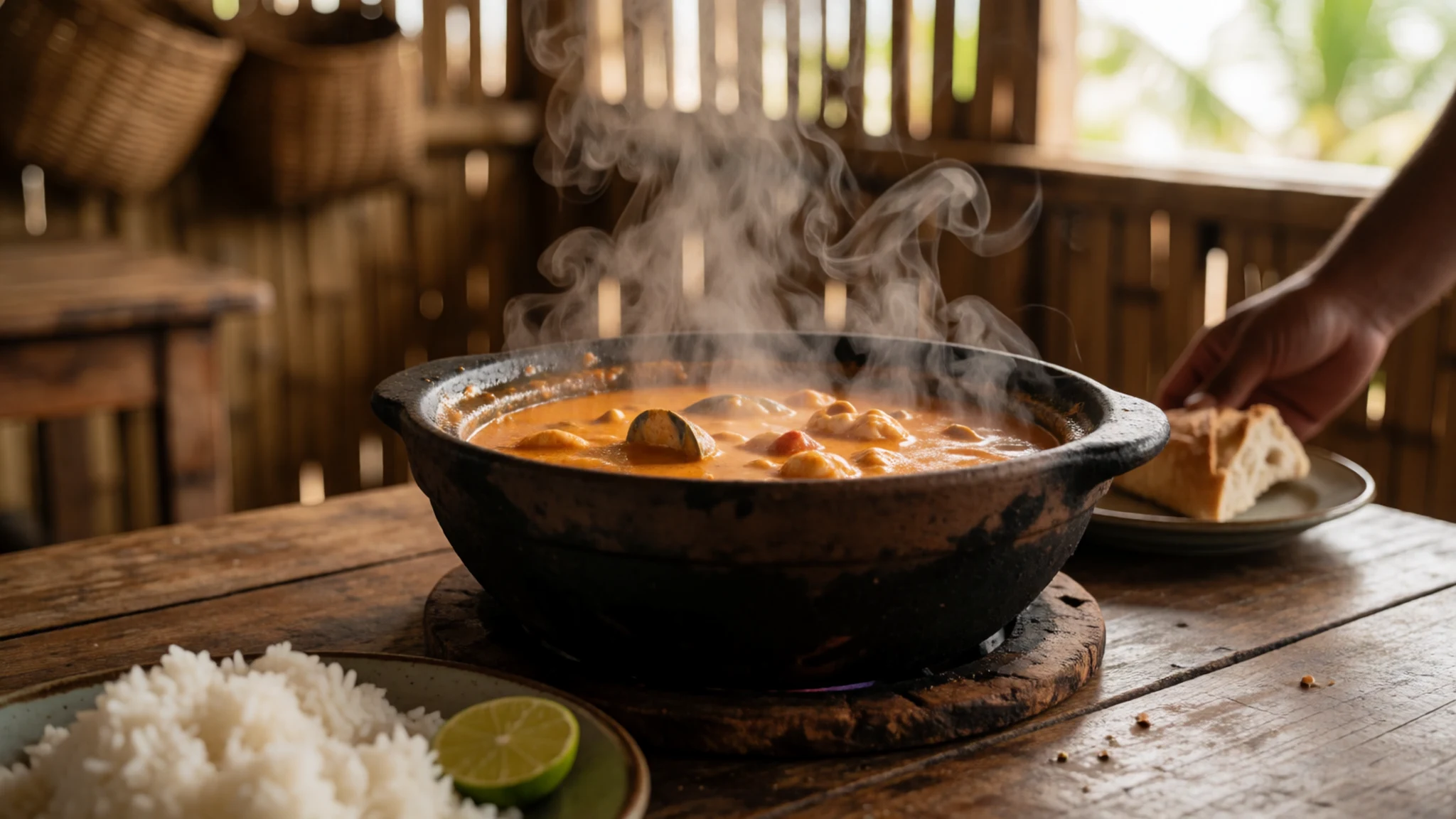
- Bobó de camarão — Seafood restaurants in the main town along the channel
A creamy purée of cassava with prawns, coconut milk and palm oil, bright orange and filling. It is a Brazilian coastal classic that island kitchens often cook alongside moqueca, and one portion goes a long way.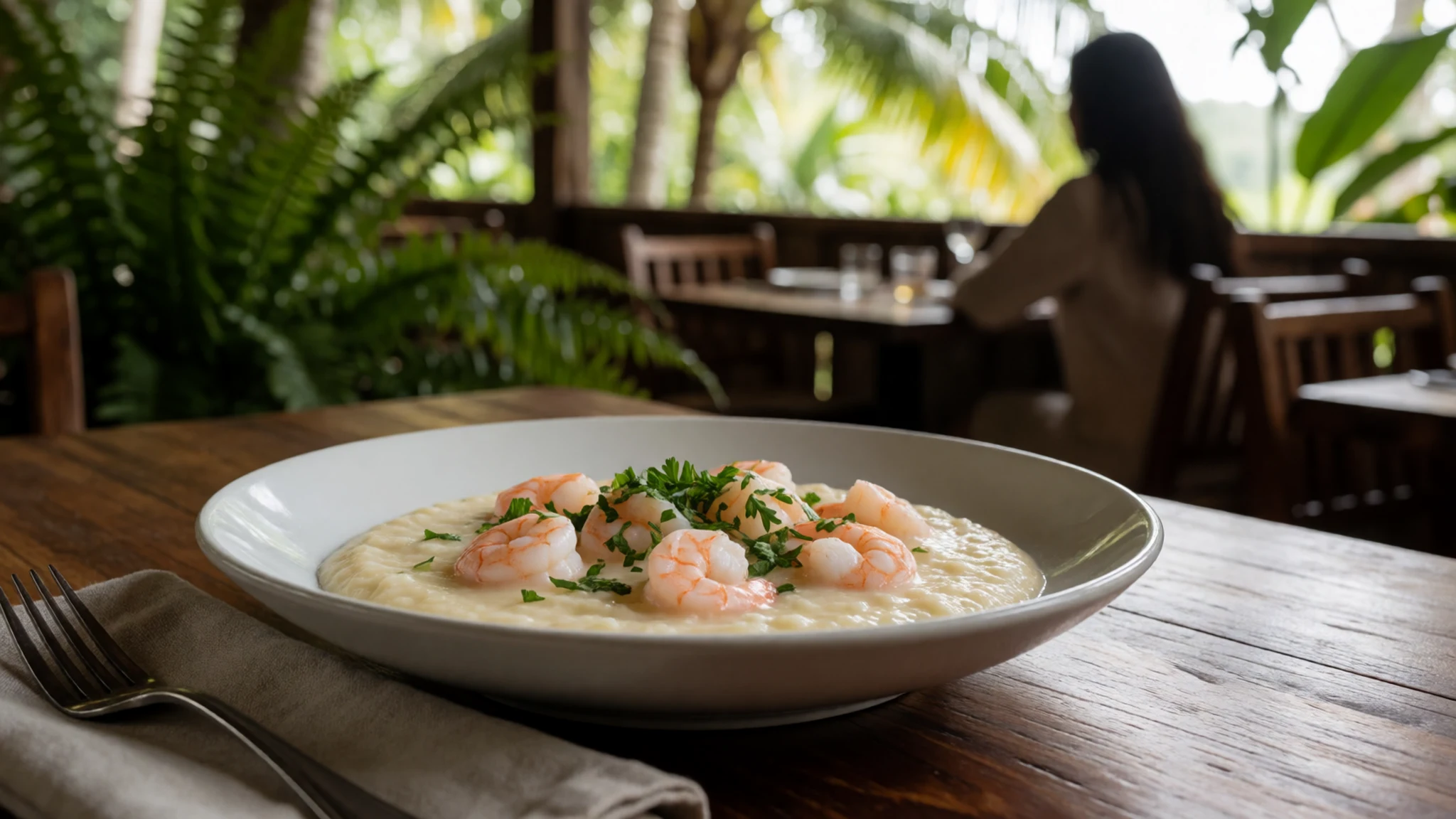
- Grilled fresh fish with rice and farofa — Beach kiosks and simple eateries, for example around Armação
Whole or filleted fish from the channel, grilled simply and served with rice, salad and toasted cassava flour called farofa. It is straightforward beach food, cheaper and quicker than the stews, and the fish depends on the day's catch. - Lunch by weight (por quilo) — Self-service eateries in the main town
A self-service buffet where the plate is weighed at the till. Rice, beans, grilled meats, salads and warm dishes sit side by side, so it suits travellers who want to taste several things and keep costs predictable. - Água de coco — Beach kiosks under the palms, such as at Pedra do Sino
Coconut water drunk straight from a chilled green coconut with a straw, the natural answer to heat and salt water. The island's beaches are lined with coconut palms, and the fruit is sold fresh nearby.
Plan it
Best time. April–May and September–October, when the coast is generally milder and the ferry queues and crowds are lighter than in the December–February holiday peak. Summer is hot, humid and wet, and the island can hold up to a hundred thousand people then.
How long. 3–4
Getting there. Fly to São Paulo, then take a bus or ride share about 205 km to São Sebastião on the coast. The ferry to the island leaves from downtown São Sebastião and takes about 15 minutes. Some São Paulo buses stop at the ferry point; otherwise it is about 1 km on foot from the intercity bus terminal. On the island, use local buses, taxis or hired transport. Castelhanos needs a 4x4.
Budget. mid
Tips
- Cross the ferry early or midweek in summer and on holiday weekends, when the wait can run to several hours
- Book rooms well ahead for school holidays and long weekends
- Ask locally about water quality before swimming on channel-side beaches, which can be affected by mainland pollution
- Arrange boat transfers for southeast beaches and dive sites through local operators, as many are not reachable by road
- Carry water, repellent and cash for remote beaches and small settlements, and check the official municipal website for current information
Etiquette
- Take all rubbish with you from remote beaches and trails
- Ask before photographing residents in small communities such as Bonete
- Greet people in Portuguese before asking for help or service
Nearby
Sources
- Wikidata Q945061 (CC0)
- Wikipedia: Ilhabela (rev 1382247736) (CC BY-SA 4.0)
- Wikivoyage: Ilhabela (rev 5404720) (CC BY-SA 4.0)