Hundred Islands
Hundred Islands, Philippines
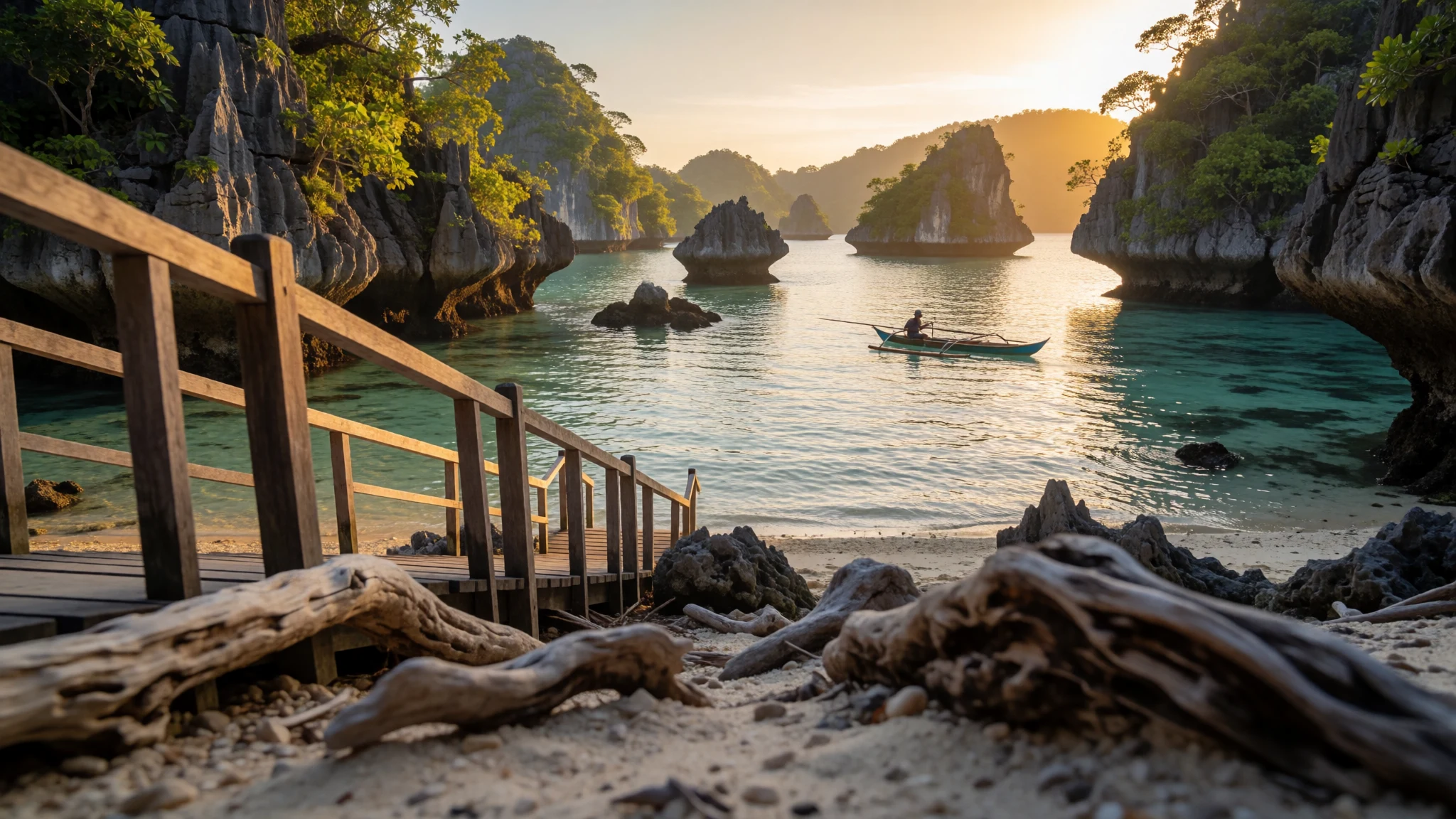
Hundred Islands is a scatter of small, mushroom-shaped limestone islets off Luzon, best for easy boat-hopping, snorkelling and quiet swims.
The place
Hundred Islands sits in the Lingayen Gulf, off the coast of Alaminos in Pangasinan province, on the north-west side of Luzon. It is a national park made of low limestone islets rather than one island with a few beaches. Most are small knobs of rock topped with scrubby green forest, and many are cut away at the waterline so they look like mushrooms floating on the sea. Some are no more than a boulder with a tree on it. A handful have sand, picnic huts and short paths, and these take most of the visitors.
The gateway is Lucap, a working waterfront on the mainland where boats are arranged. Visitors hire a small outrigger boat with a boatman, agree a route, and are taken from islet to islet. The water is shallow and calm in the dry season, and the colours change from milky green near the sand to deep blue over the channels. Snorkelling is the main activity, with fish, seagrass and patches of coral close to shore, though the reef is not pristine and the condition varies from island to island.
The feel is domestic and cheerful rather than remote. Families from Manila and nearby provinces come at weekends and on holidays, and the popular islands can be loud and crowded. On a weekday morning, or on one of the smaller islets, it is far quieter. Expect strong sun, little shade on the water and basic facilities.
Its story
Hundred Islands owes its look to the sea and to limestone. The islets are the remains of old coral-rich rock that was lifted above water and then worn down. Rain and seawater dissolve limestone slowly, and the waves bite hardest at the waterline, which is why so many islands have narrow, undercut bases and wider tops. When sea level rose, the lower ground flooded and left the higher knobs standing as islets.
People on this coast have fished these waters for generations, long before anyone thought of it as a destination. Local tradition adds stories to the geography, and the islands have names that boatmen use as landmarks: some after officials, some after features, some after shapes. Names and nicknames differ by who is telling them, and a few islets are known by more than one.
In the twentieth century the area was protected as a national park, and tourism grew around the wharf at Lucap. That brought money to Alaminos and also pressure on the reef and shoreline from boats, anchors, litter and trampling. Local authorities have introduced zoning, boat regulation and visitor rules, and conservation groups work on coral and mangrove recovery. Some islands are open for day use, some have camping or cottages, and some are kept for limited access. Rules change with seasons and storms, so the current arrangements are best confirmed on the day at the tourism office. The story now is partly about how a fragile, popular seascape is shared between visitors and the people who live from it.
What to see
- Lucap wharf and the boat ride — Lucap, Alaminos
Lucap is where every trip begins, and it is worth arriving early to watch the boats set out. The ride through the channels is part of the attraction, with islets sliding past at close range and herons and seabirds on the rocks. Ask the boatman to point out the landmark islands by name.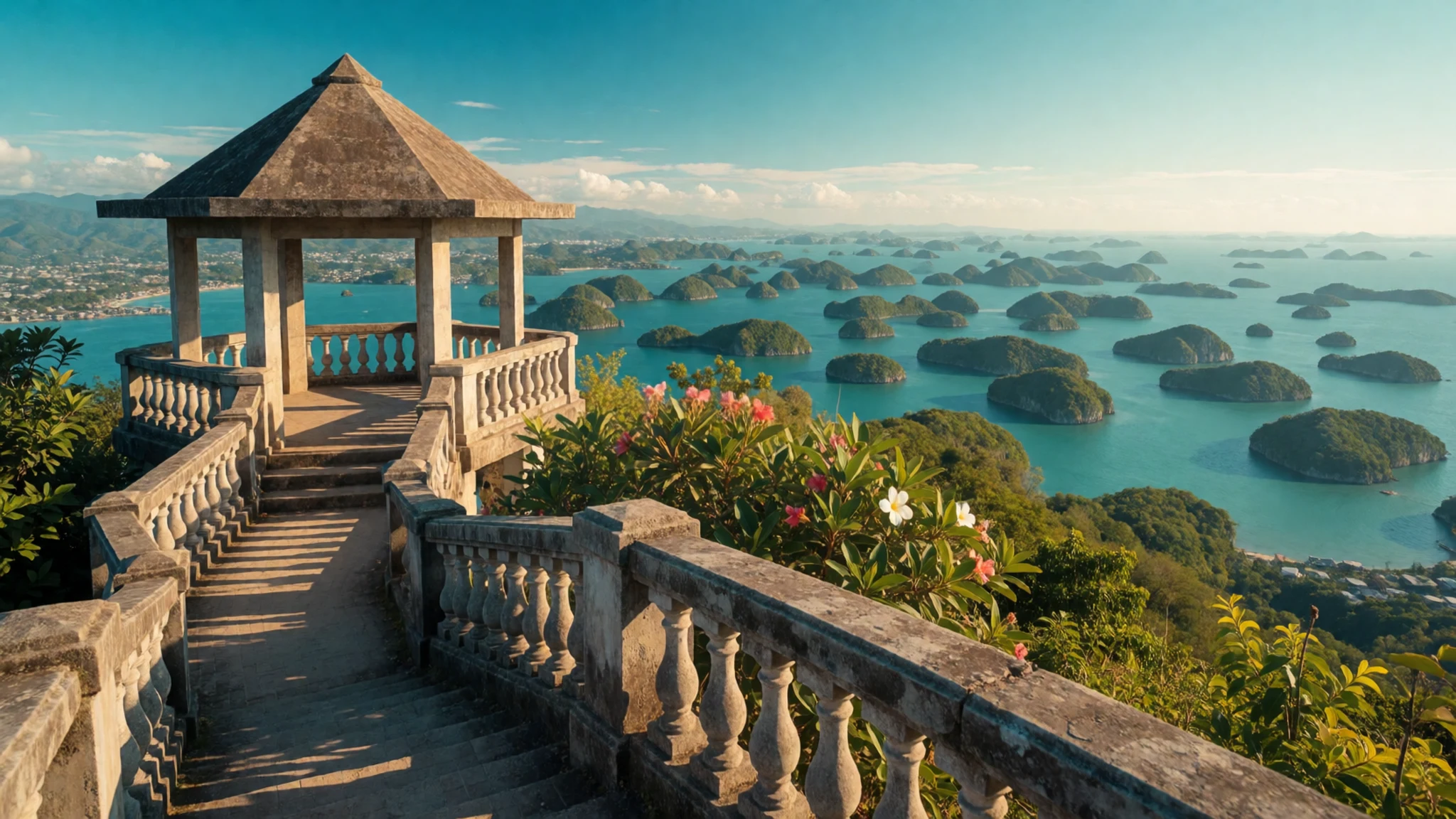
- Quezon Island — Central cluster of islets
Quezon Island is one of the easiest islands for a first visit, with a sandy beach, picnic shelters and shallow water good for a relaxed swim and light snorkelling. It is also among the busiest at weekends, so go early or accept company. Bring your own shade and water.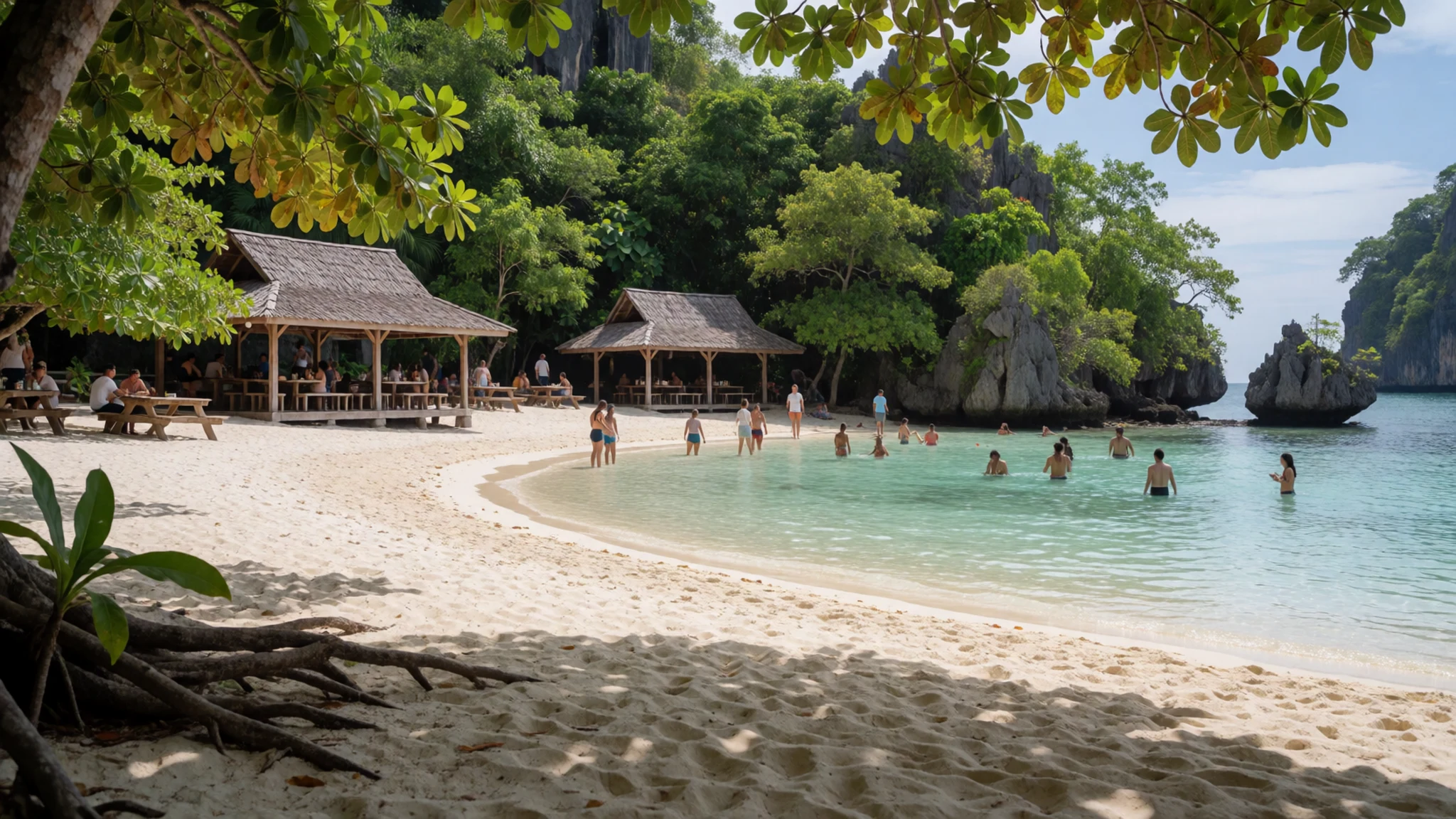
- Governor's Island — Near the main channel
Governor's Island is known for its viewpoint, reached by a climb of steps from the landing. From the top the whole scatter of islets spreads out in the gulf, which makes it the best place to understand the geography. Wear shoes with grip and go when the sun is not at its fiercest.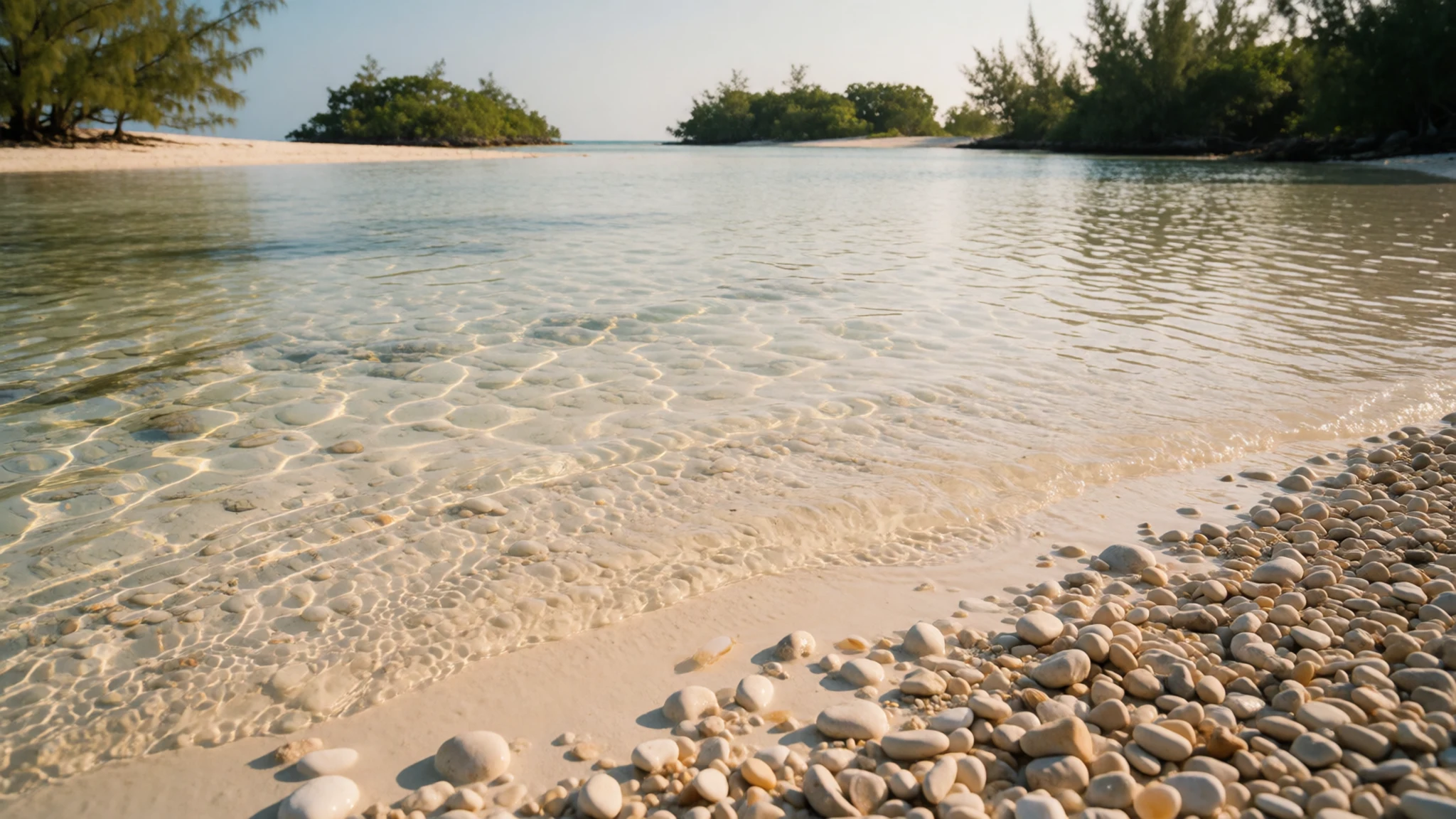
- Children's Island — Central cluster of islets
Children's Island has a gently shelving beach and calm shallows, which suits families and nervous swimmers. The water is clear on a quiet day and there is room to settle for a few hours. Like the other developed islands, it fills with day-trippers at holiday times.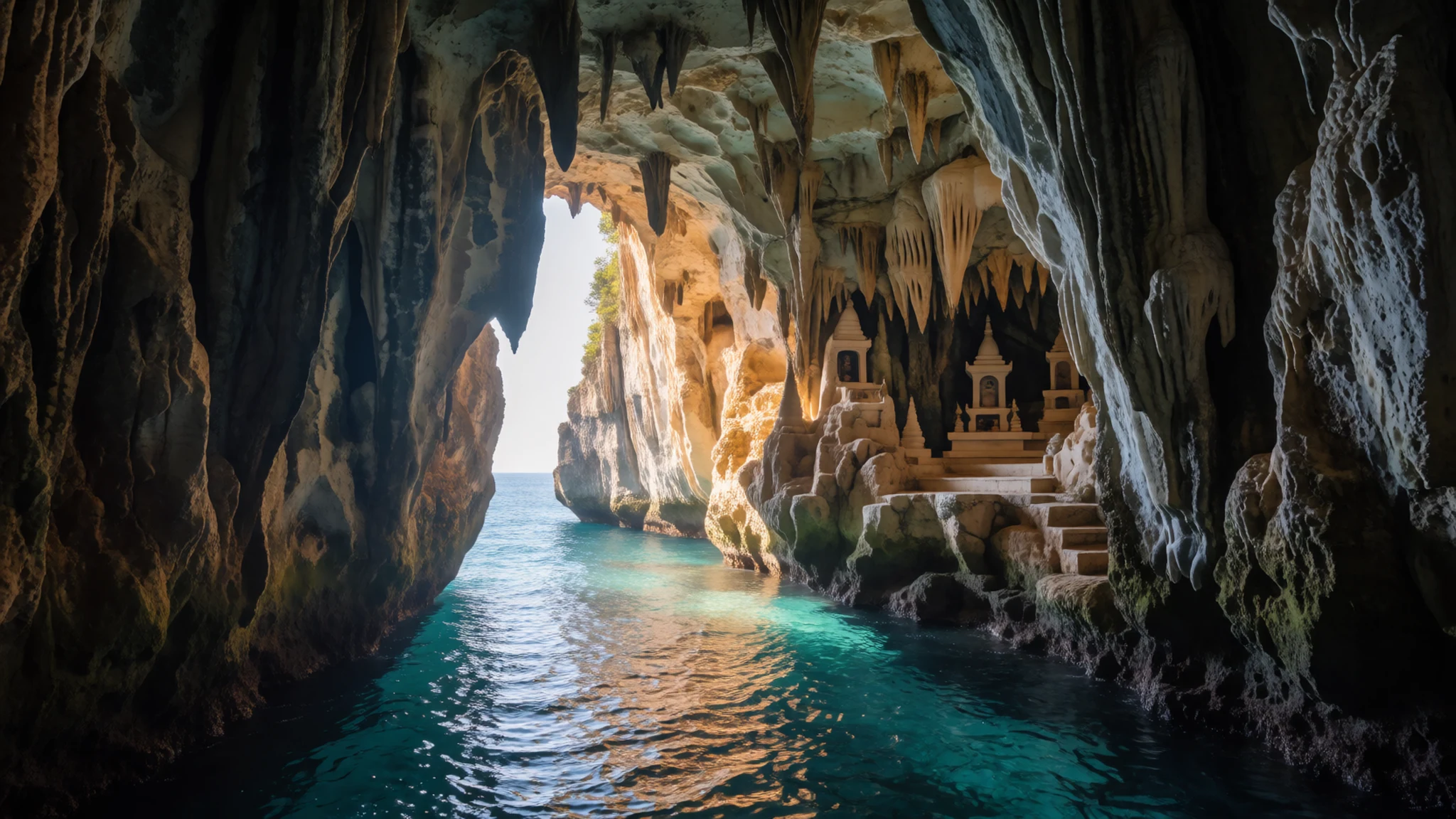
- Marcos Island and its cave — Eastern part of the park
Marcos Island is the usual stop for adventurous swimmers. It has a cave opening onto the water and a high platform that people jump from, which makes it lively and sometimes noisy. Check conditions with the boatman first, and only jump if the water and your confidence allow.
Culture
Hundred Islands is a Filipino holiday place before it is anything else, and the culture on the water is the culture of Pangasinan and the wider Philippines: friendly, family-centred and a little noisy. Groups arrive with cooler boxes, karaoke speakers and large lunches, and picnics are a social event that can last the whole afternoon. Visitors are generally greeted with warmth and curiosity, and foreign travellers are often asked where they are from and whether they like the food.
The local language is Pangasinan, with Ilocano also widely spoken in the region, and Filipino and English are understood almost everywhere in tourism. A few words go a long way; a smile and a thank-you are always welcome. Boatmen and guides are mostly local fishing families or members of cooperatives, and the tourism trade is how many of them earn a living, so booking through the official wharf arrangement helps the right people.
Religion is part of daily life, mostly Catholic, and the coast has chapels and festivals through the year. Boat trips are often paused or cancelled by weather, and the boatmen's judgement on safety is respected. People also care about the sea as a shared resource, and are tired of litter.
Take all rubbish back to the mainland, never stand on or break coral, and follow the boatman's instructions on where to anchor and swim.
What to wear
Hundred Islands is a beach destination, so fashion here means the clothing of the Philippines coast rather than a single regional costume. The best-known traditional garment is the barong Tagalog, a lightweight embroidered shirt in piña (pineapple fibre) or jusi, worn untucked at weddings and formal events, with women's terno dresses and the patterned fabrics of the north such as Ilocano abel cloth woven from cotton. These are seen at fiestas in town rather than on the islands.
On the water, people wear what is practical: board shorts, rash vests, quick-dry T-shirts, swimsuits and sun hats, with a sarong or cover-up for the boat. Many Filipino visitors swim in T-shirts and shorts, which is common and not a sign of unfamiliarity. In Alaminos town, casual cotton clothes and sandals are normal.
For a visitor, the main concerns are sun, salt and rock. Wear a long-sleeved rash guard or a light shirt, a wide hat and reef-safe sunscreen, because the boats offer little shade. Water shoes are far more useful than flip-flops on sharp limestone and slippery landings, and they protect against sea urchins. Bring a dry bag for phone and valuables, and a light layer for wind on the return crossing. Swimwear is fine on the islands but cover up with a shirt or sarong in town, churches and any family-run eatery, where modest dress is the courtesy.
What to eat
- Grilled fish and seafood — Lucap wharf and Alaminos eateries
Grilled fish, squid and shellfish are the natural lunch after a morning on the water. They are cooked simply over charcoal, with rice and a dip of vinegar or soy with chilli. Look for them at the stalls near Lucap wharf. - Bagoong and Pangasinan fish sauce — Alaminos public market
Pangasinan is known for bagoong, a fermented fish or shrimp condiment with a sharp, salty depth. It is served with fruit such as green mango, with grilled fish or stirred into vegetable dishes. It is an acquired taste, and worth trying in small amounts at a local market. - Pigar-pigar — Street stalls in Dagupan and Alaminos
Pigar-pigar is a Pangasinan street dish of thinly sliced beef, often offal, fried quickly with onions and cabbage. It is salty and savoury, and usually served with rice. Look for it at roadside stalls and night food stands in the provincial towns. - Tupig — Roadside stalls and markets in Pangasinan
Tupig is a chewy snack of glutinous rice, coconut and sugar, wrapped in banana leaf and grilled over coals. It is eaten warm and travels well, so it makes a good snack for the boat. Buy it from roadside sellers. - Fresh mango and tropical fruit — Markets and stands around Alaminos
Pangasinan has a strong mango tradition, and the fruit is sold in season from baskets and stands, sweet and fragrant. Green mango with bagoong is the classic local pairing. Bananas, coconuts and fresh buko juice are also sold near the wharf.
Plan it
Best time. November to April, when the sea is generally calmer and the weather mostly dry; March and April are hot and sunny with very strong sun. The wet, typhoon-prone months are best avoided, as boats may not run.
How long. 1–2
Getting there. Fly to Manila, then take a long-distance bus north to Alaminos, usually via Tarlac and Pangasinan routes. From the town, a tricycle or local transport goes to Lucap wharf, where boats leave for the islands. Check bus and ferry operators for current schedules.
Budget. low
Tips
- Go early on a weekday to avoid weekend and holiday crowds
- Check the official tourism office or Alaminos website for current fees, rules and boat arrangements
- Carry cash for boats, snacks and small purchases, since cards are rarely accepted on the water
- Bring drinking water, sun protection and a dry bag
- Confirm weather with the boatman before setting out; trips are cancelled for rough seas
Etiquette
- Do not touch, stand on or collect coral or shells
- Take all rubbish back to the mainland
- Follow the boatman's instructions on where to land and swim
Nearby
Sources
- Wikidata, Hundred Islands (CC0)
- Wikipedia (CC BY-SA 4.0)
- Wikivoyage (CC BY-SA 4.0)
Wildlife
- Sea turtles (animal)
The green sea turtle is a big sea reptile named for the green fat beneath its shell, not for the shell itself, which is olive to black. At Hundred Islands, turtles shelter in the shallow coral gardens below the surface, so look down from a boat or while snorkelling. No season or hour is given, so ask your guide when to look. Keep your distance, stay calm and quiet, and never feed it; it eats only seagrass.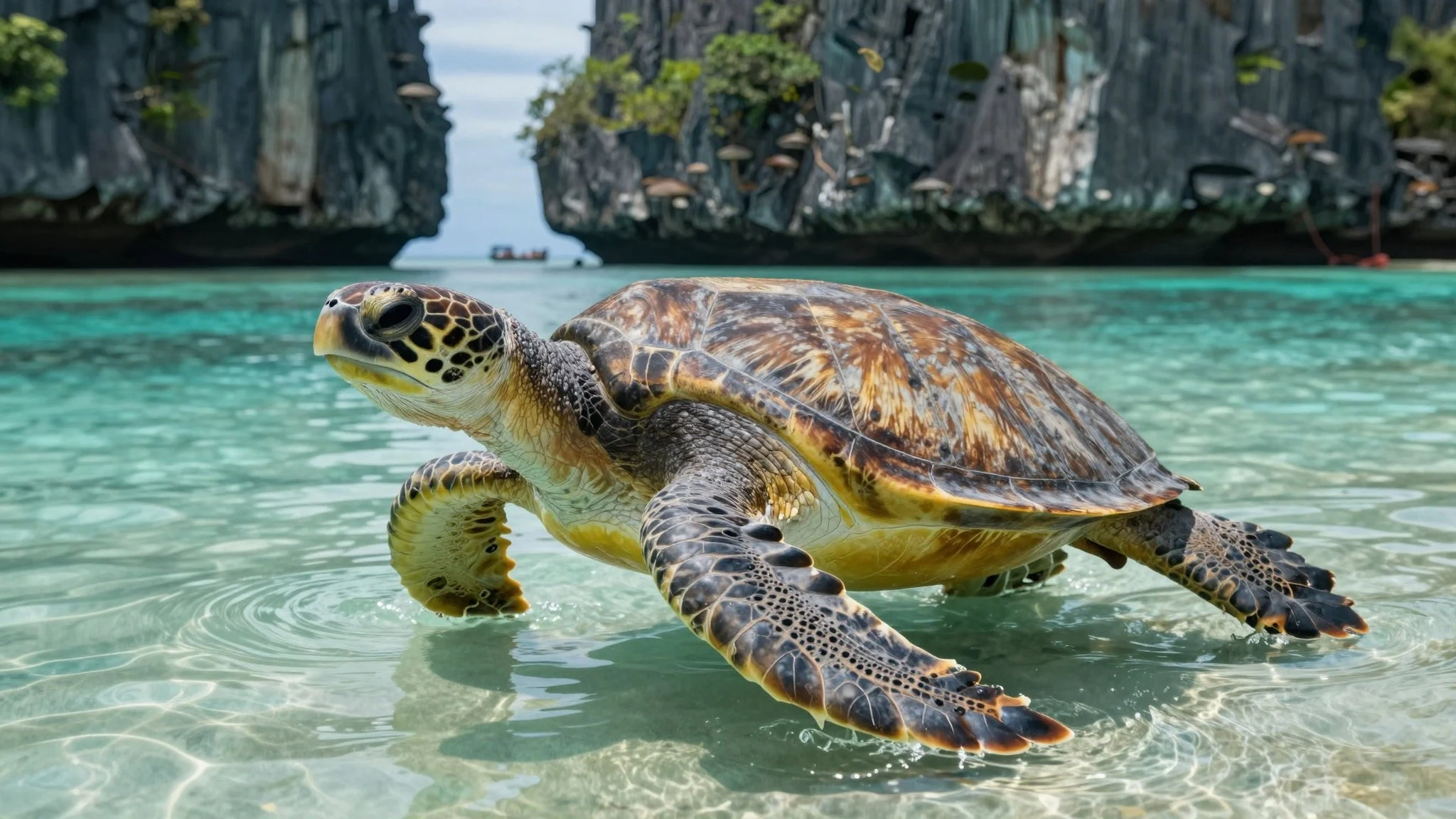
- Swiftlets (animal)
The glossy swiftlet is a bird of the swift family. Its known home stretches from Sulawesi eastwards to the Solomon Islands, so Hundred Islands is not named for it, though swiftlets of some kind do dart overhead there, between the limestone crevices. No season or hour is given. Watch from a distance with a guide, stay quiet, look up rather than approaching any crevice, and never feed wild birds. - Swiftlets (bird)
A swiftlet is a quick little bird with narrow wings that snatches insects from the air; many kinds even find their way through pitch-dark caves using a simple echo sense. At Hundred Islands, look overhead for swiftlets darting between the limestone crevices. No season or hour is given, so ask your guide. Watch from a respectful distance, keep your voice low, and never feed them or disturb their roosting places.