Huatulco
Huatulco, Mexico
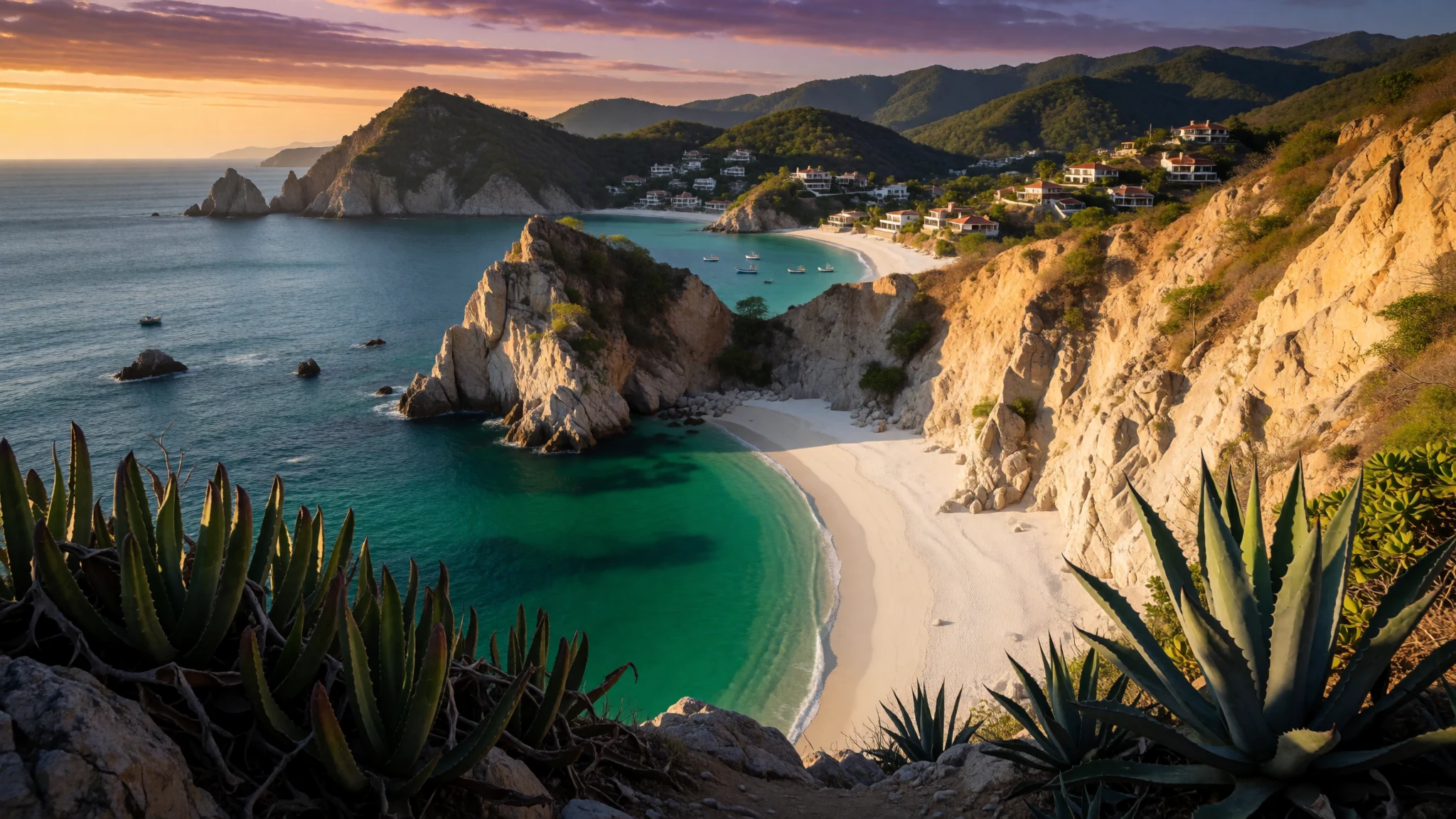
Huatulco strings nine calm Pacific bays along a green Oaxaca coast, with easy boat hops, reef snorkelling and seafood under palm thatch.
The place
Huatulco is a planned resort coast on the Pacific side of Oaxaca, where the foothills of the Sierra Madre del Sur run down to the sea. Its formal name, Bahías de Huatulco, points to the nine bays that define it, with many smaller coves of pale sand in between. The locality itself is recorded at 7,409 people, though the tourist zone and the wider municipality hold more. Acapulco lies about 400 km to the west along the coast, while Mexico City is a short flight to the north.
The resort works as four districts. Santa Cruz is the small harbour town with the marina and a town beach. La Crucecita, whose name means 'little cross', sits just inland and is where the bakeries, shops and everyday errands happen. Chahué lies between Santa Cruz and Tangolunda, the fourth district, where the large resorts stand around one broad bay.
Because the area was laid out on a plan rather than grown around an old fishing village, the roads are wide, the buildings are mostly low, and much of the hillside behind the shore is still tropical forest inside a national park. Sunshine is dependable, and the landscape shifts with the seasons: brown and dry early in the year, vividly green after the rains. Places to stay range from rented rooms and small guesthouses to villas, apartments and all-inclusive resorts, so families, couples and divers on different budgets all find something. Huatulco is a beach-and-boat destination, calm rather than lively after dark, and it rewards a slow pace.
Its story
Huatulco's story starts well before the resorts. Legend links this coast to the Toltecs and to Quetzalcoatl, who in a later telling raised an enormous cross that nothing could destroy. Zapotec, Chatino and Mexica groups all moved through the area, and in the centuries before the Spanish arrived the shore was home mainly to speakers of Pochutec, a language related to Nahuatl. At the time of contact, Huatulco paid tribute to the larger power at Tututepec, and a temple to a deity of 'snake hill' stood nearby. Early Spanish accounts describe traders carrying textiles by canoe along the coast to swap for cacao.
Under Spanish rule, Huatulco became a port controlled by Hernán Cortés, serving as a lookout for galleons and a supply point on the Pacific. In the later 1500s the English captains Francis Drake and Thomas Cavendish both attacked it, and their raids still colour local legend.
After that the coast was quiet for a long time. Until the 1980s Huatulco was known mostly for coffee grown in the hills. Then, in 1984, FONATUR, the national tourism agency, acquired 21,000 hectares to build a resort centre on the model of Cancún. The families already living on the land were moved inland to Santa María Huatulco, and roads and other infrastructure were built. The result is a young resort laid over a very old coast, with the older stories surviving mainly in place names and tales.
What to see
- Boat trips around the bays — Santa Cruz marina
Shared boats leave from the Santa Cruz marina and call at several sheltered beaches in a day, with time to swim or snorkel at some of them. Routes often include coves inside the national park that have no road and no buildings. Operators talk of dolphins, turtles and whales; treat sightings as a bonus, not a promise.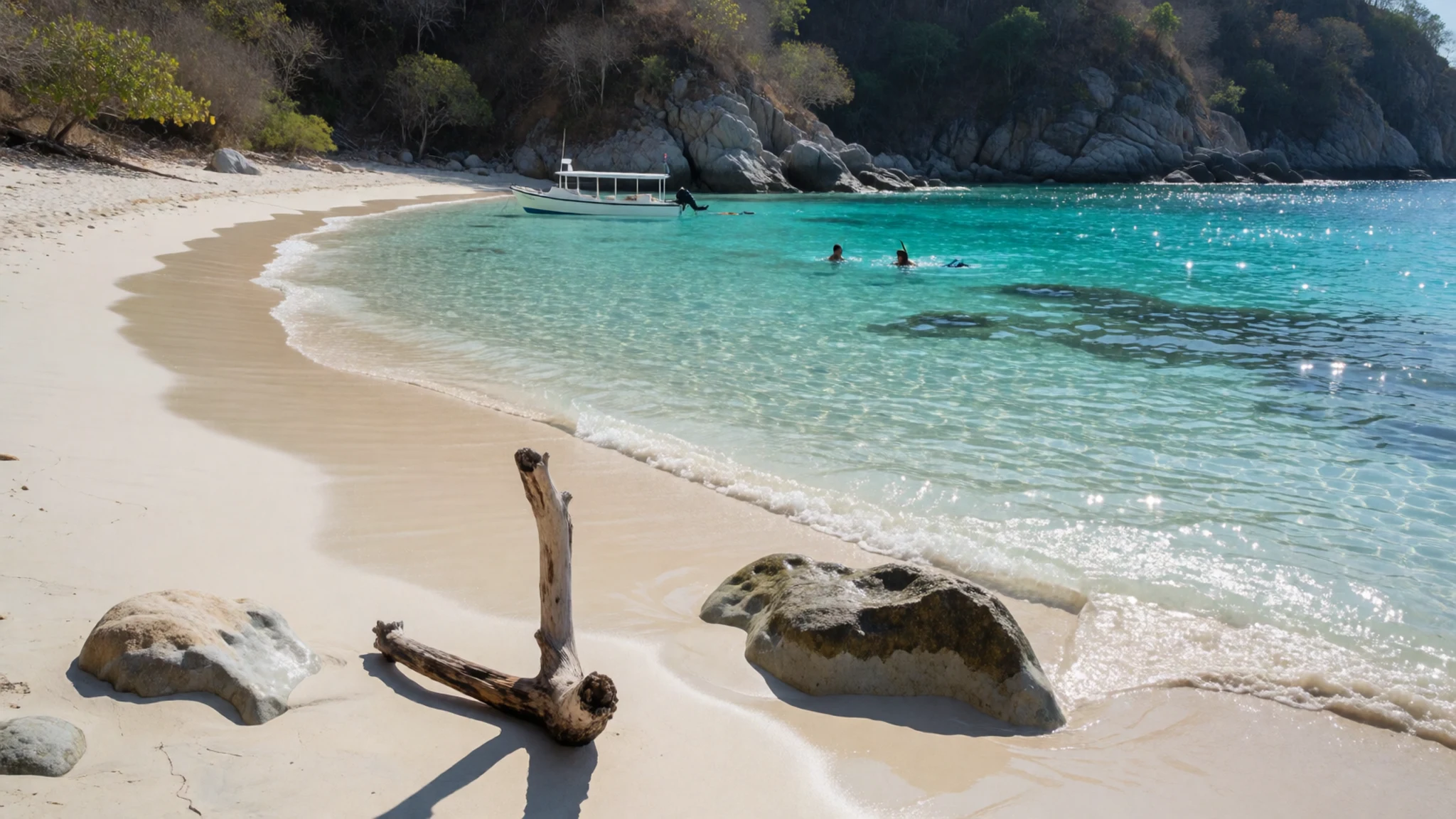
- Santa Cruz Bay — Santa Cruz
Santa Cruz is the most central of the bays, just south of La Crucecita, and the harbour from which most tours depart. A small town beach, craft stalls and seafood eateries line the front. It is the easiest first stop: shaded, walkable and busy with boats from the morning onwards.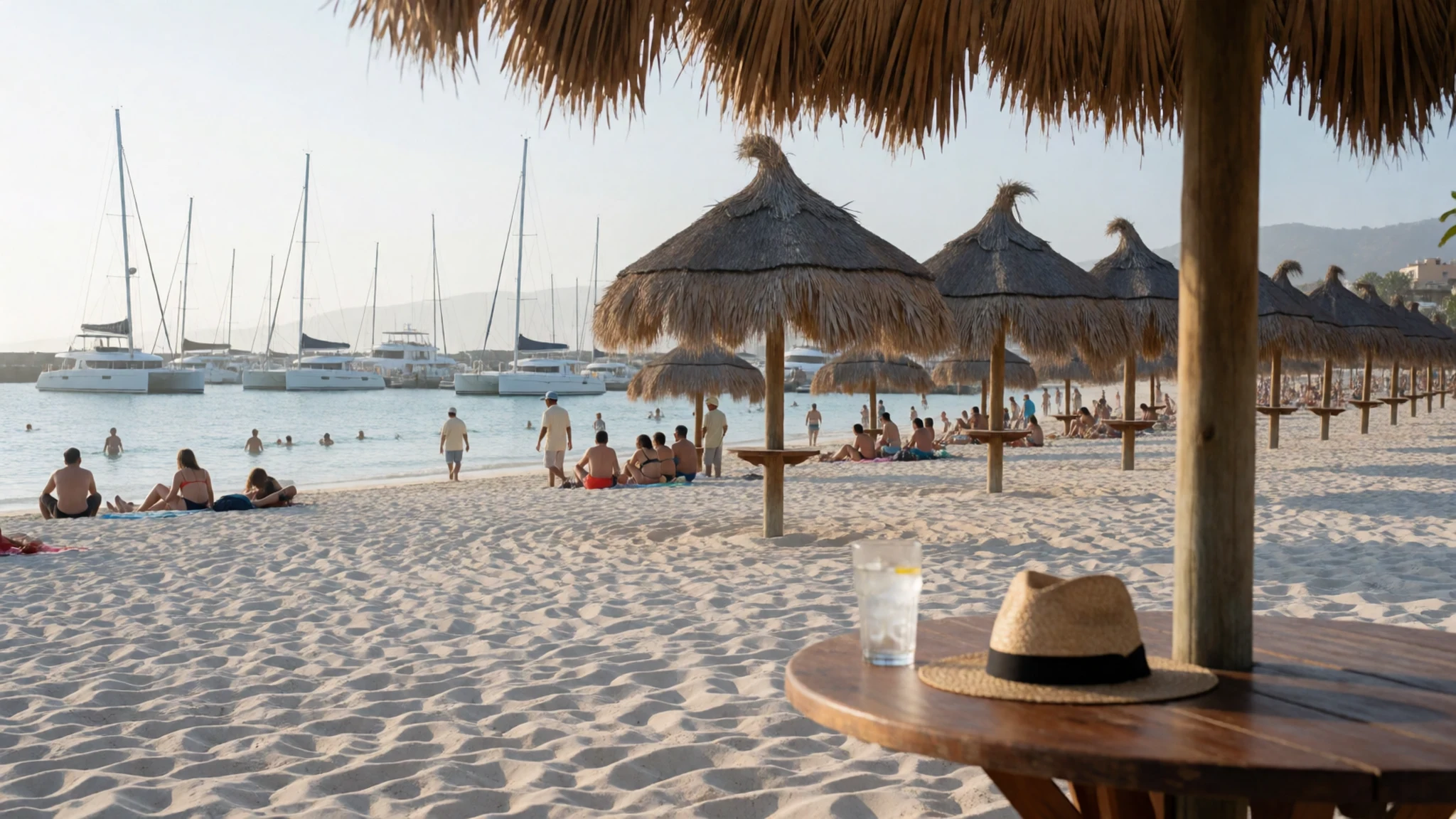
- La Entrega — Central bays
La Entrega is a small, calm beach reached by road or by boat, with a roped-off swimming area and shaded tables from the seafood eateries behind the sand. It fills up when tour boats arrive, so late afternoon is gentler. Snorkelling is possible where the rocks meet the water.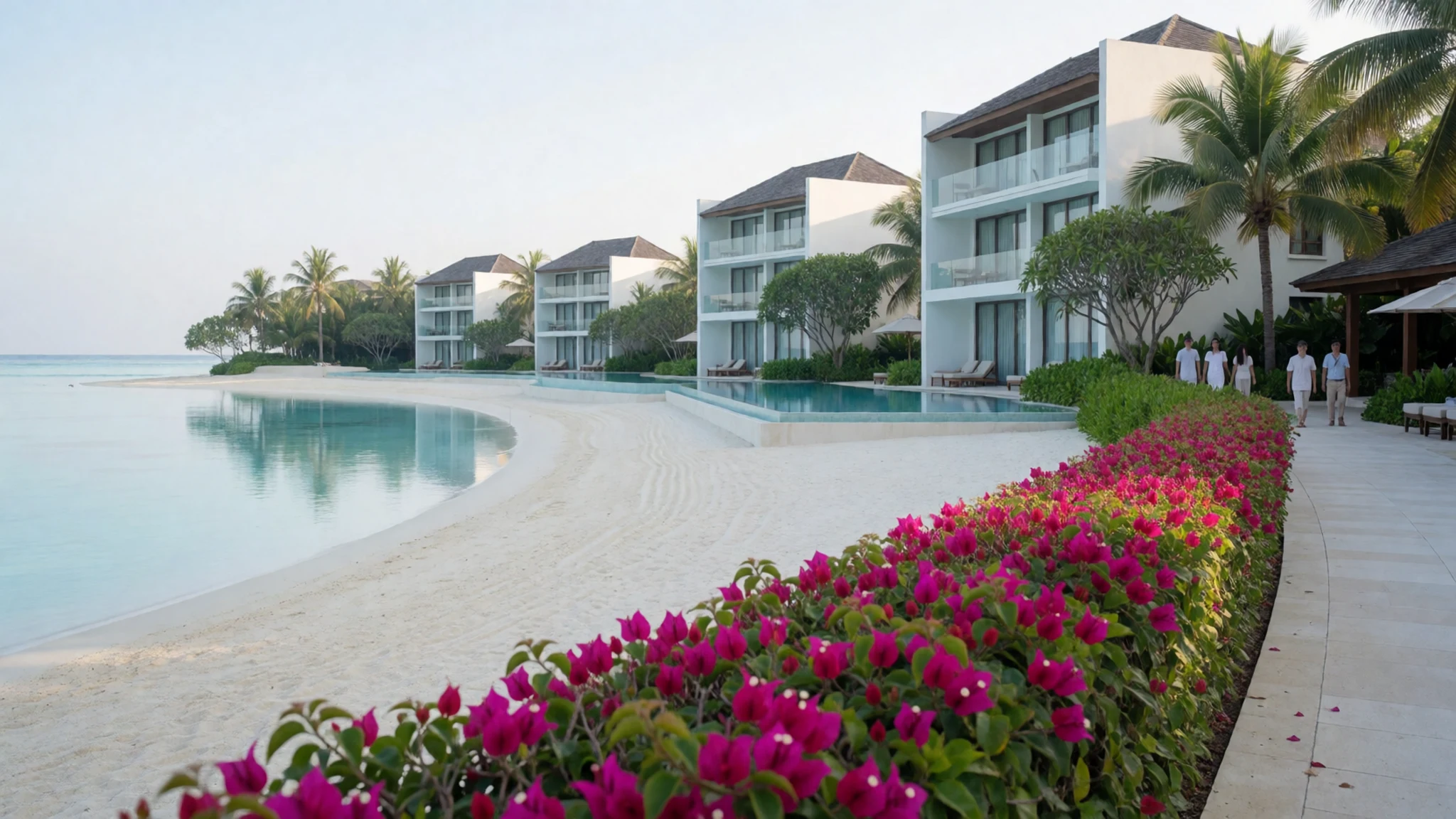
- Maguey Bay — West of the central bays
Maguey is a curved bay with thatched eateries lined up along the sand and water that stays gentle for swimming. It suits a slow lunch more than any activity. Buoys mark the swimming zones; stay inside them, since boat traffic is real and lifeguards, where present, do not always police it.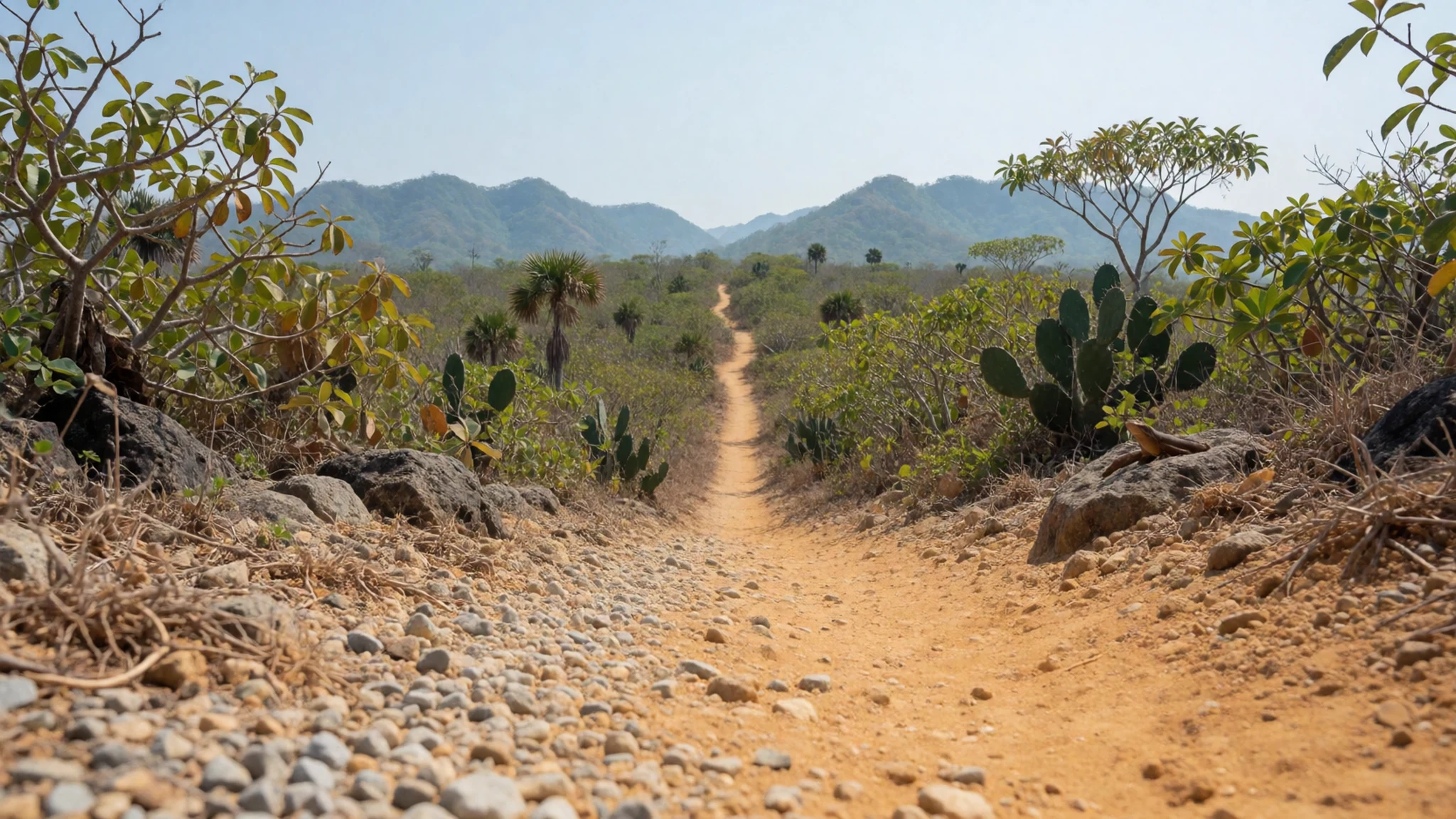
- National park trails and wildlife — Hills and coast around the bays
The protected land between and behind the bays offers hiking, birdwatching, mountain biking and diving. Spiny-tailed iguanas sun themselves on rocks and paths near the shore; keep a respectful distance and never feed them. Start early, before the heat builds and the trails turn humid.
- La Crucecita town centre — La Crucecita
La Crucecita is where Huatulco feels like a working town rather than a resort. Souvenir shops, bakeries and cafés cluster around the central square, and families gather there in the evening. A low-cost fairground with rides and games sits at the corner of Avenida Santa Cruz and Flamboyán.
Culture
Huatulco's culture is layered: Indigenous roots, a Spanish port past and a modern resort economy sit side by side. Zapotec, Chatino and Nahuatl-related peoples shaped this part of Oaxaca, and the state as a whole is known for its crafts, textiles and regional cooking, which show up in La Crucecita's shops and in the dishes on menus. Because the resort is only a few decades old, most daily life is organised around tourism, fishing and services, and many families have roots in the villages behind the coast or came for work.
The pace is relaxed. Beach eateries operate as informal living rooms: staff set up shade, tables and a menu, and in return expect guests to order something while using the space. Weekends and holidays bring Mexican families from Oaxaca and beyond, so beaches are livelier then, with music and large lunches that last all afternoon. In La Crucecita the evenings revolve around the square, with food stalls, strolling and conversation. Religious life is mostly Catholic, with local festivals and saints' days that bring processions and fireworks, and visitors are generally welcome to watch.
Spanish is the everyday language, and a few polite words go a long way, particularly outside the resort belt. Greet people with 'buenos días' or 'buenas tardes' before asking for anything, and tip service staff in cash, since tipping is customary in restaurants, on boats and for guides.
What to wear
Huatulco's traditional dress belongs to the wider Oaxacan tradition rather than to the resort itself. The best-known garment is the huipil, a loose embroidered blouse or tunic of cotton woven on a backstrap loom, worn with a wrapped or gathered skirt. Colours, motifs and cut differ between communities, and the finest pieces are reserved for festivals, weddings and saints' days. Oaxaca is also known for wool weaving, and textile trade has been part of the region since long before the Spanish arrived.
What people actually wear now is simple and suited to heat: cotton shirts, shorts, light dresses and sandals along the shore, and neat casual clothes in La Crucecita in the evening. Tour guides and boat crews wear sun hats, long sleeves and quick-drying fabrics. Traditional dress appears mostly at celebrations and in craft shops.
For a visitor, the climate decides most things. Pack light cotton or linen, a wide-brimmed hat, sunglasses and a reef-friendly sunscreen, with a thin long-sleeved layer for midday sun on boats. Sandals are fine on the beach, but water shoes help on rocky coves, and closed shoes are better for park trails. Swimwear is normal on the sand; put on a shirt or wrap before walking into town or entering a church, where covered shoulders and knees are polite. In the rainy season, add a light waterproof and insect repellent.
What to eat
- Mahi-mahi fish and chips — Beachside eateries near the cruise pier in Santa Cruz
Locally caught mahi-mahi, battered or breaded and served with chips, is a staple of the beachside eateries. It is an easy first meal after a boat trip, and the fish is usually the day's catch, so ask what came in.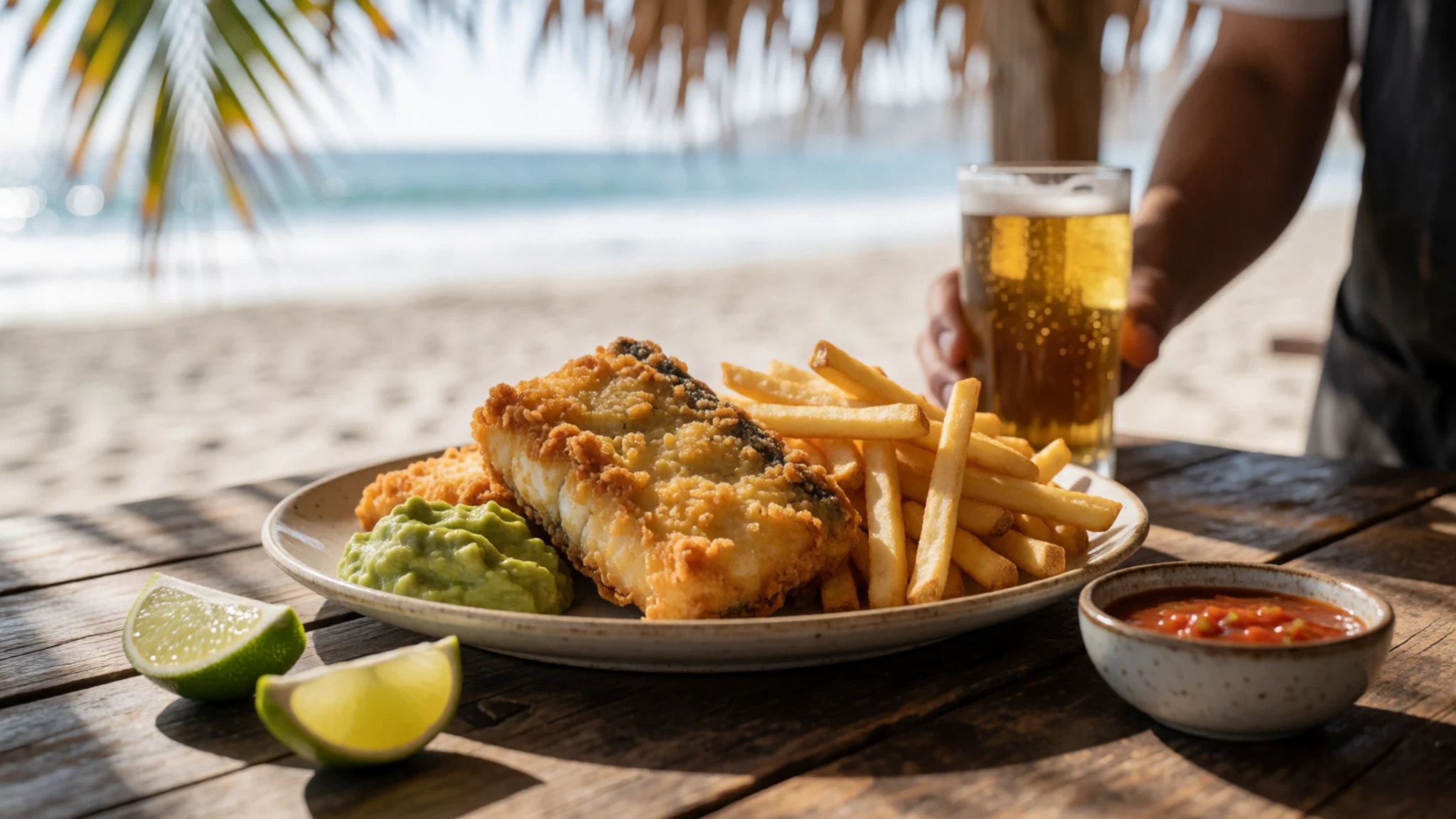
- Grilled shrimp and fish — Palapa-style seafood restaurants at Santa Cruz, La Entrega and Maguey
Shrimp, whole fish and shellfish are cooked over heat and served with rice, salad and tortillas. Garlic, chilli and lime are the usual companions. The simplest plate is often the best, eaten with feet near the sand.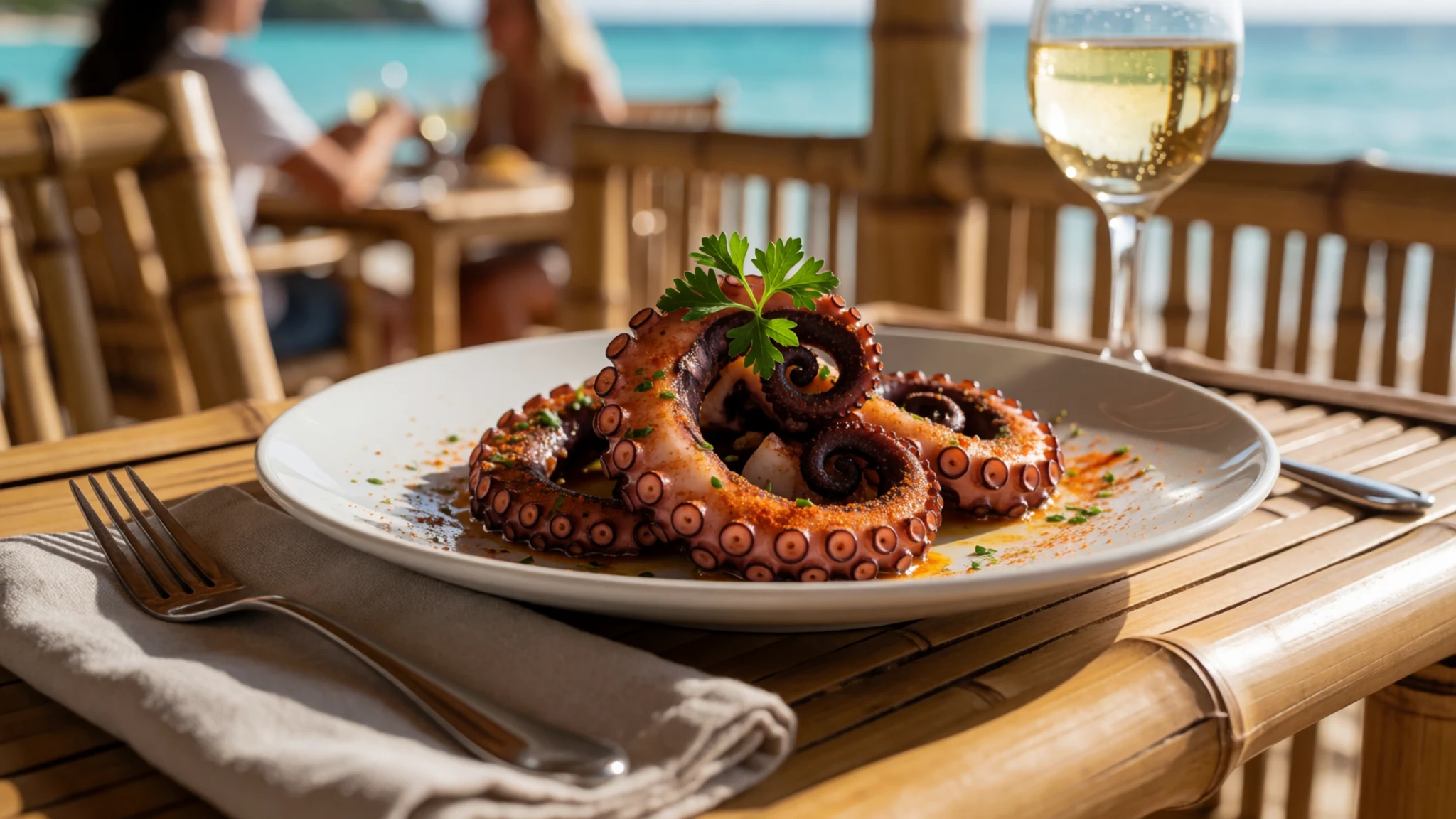
- Grilled octopus — Seafood restaurants and street-side cafés in Santa Cruz and La Crucecita
Octopus is charred until the edges crisp and the inside stays tender, then served with sauce or a squeeze of lime. It appears on traditional seafood menus and also on more inventive menus that borrow from Asian cooking. - Tlayuda — Evening food stalls and informal eateries around La Crucecita's central square
The tlayuda is a Oaxacan favourite: a large, crisp tortilla spread with beans and topped with cheese, salad and meat or vegetables. It is easy to share, and a good choice for a late supper after the beach. - Mole negro — Restaurants serving regional Mexican dishes in La Crucecita
Mole negro is Oaxaca's dark, complex sauce of chillies, nuts, spices and chocolate, usually spooned over chicken. It is a dish of the wider state rather than of the coast alone, and a good way to taste regional cooking away from the seafood.
Plan it
Best time. December to May is the dry season, with sun on most days and an average temperature around 28 °C, and the hills turn brown. June to November is the rainy season, when the vegetation is very green but showers and humidity rise. The dry months are the more dependable for beaches and boats.
How long. 3–5
Getting there. Huatulco International Airport is small, with open-air palapa-style buildings, and sits a short drive from La Crucecita, Santa Cruz and Tangolunda. Flights from Mexico City take about an hour, while the drive is around ten hours; from the city of Oaxaca it is a drive of about six hours or a very short flight. From the airport, use an authorised taxi or shuttle, or walk a short way to the main road for a cheaper local taxi or bus if travelling light.
Budget. mid
Tips
- Book a shared boat tour from the Santa Cruz marina and check current prices and routes with the operator on the day
- Carry some cash for small beach eateries, taxis and local buses
- Bring a refillable water bottle, a hat and reef-friendly sunscreen, and start excursions early before the heat
- Reserve accommodation ahead for the dry season and for Mexican holiday weekends, when beaches fill
- Use the roped-off swimming zones, as boats move quickly near the shore
Etiquette
- Order something at a beach eatery if you use its shade and tables
- Do not feed or chase the iguanas and other wildlife in the national park
- Cover up with a shirt or wrap when leaving the beach for town or a church
Nearby
Sources
- Wikidata Q96620931 (CC0)
- Wikipedia: Huatulco (rev 1379246248) (CC BY-SA 4.0)
- Wikivoyage: Huatulco (rev 5404297) (CC BY-SA 4.0)
- Photo: Smhuatulco.png (Osiris fancy) (Public domain)
- Photo: Bahía Santa Cruz en Huatulco (Arturo Alcalá Hernández) (CC BY-SA 4.0)
- Photo: Ctenosaura pectinata (Dick Culbert) (CC BY 2.5)
- Photo: Arrocito Beach (Wavehunter) (CC BY-SA 4.0)
- Photo: Rocks on Arrocito Beach (Wavehunter) (CC BY-SA 4.0)
- Photo: La Entrega Beach (Wavehunter) (CC BY-SA 4.0)
- Photo: Maguey Bay (Wavehunter) (CC BY-SA 4.0)
- Photo: panoramio (5264) (jleonelss) (CC BY 3.0)


Wildlife
- Dolphin (animal)
The common bottlenose dolphin is one of three bottlenose species, and scientists still suspect there may be more hiding among them. Off Huatulco, dolphins are often spotted from boat excursions along the coast, which are the best way to meet the area's wildlife. Ask your operator about the best season and hour, as they are not certain here. Keep a respectful distance, stay quiet, listen to your guide, and never feed them.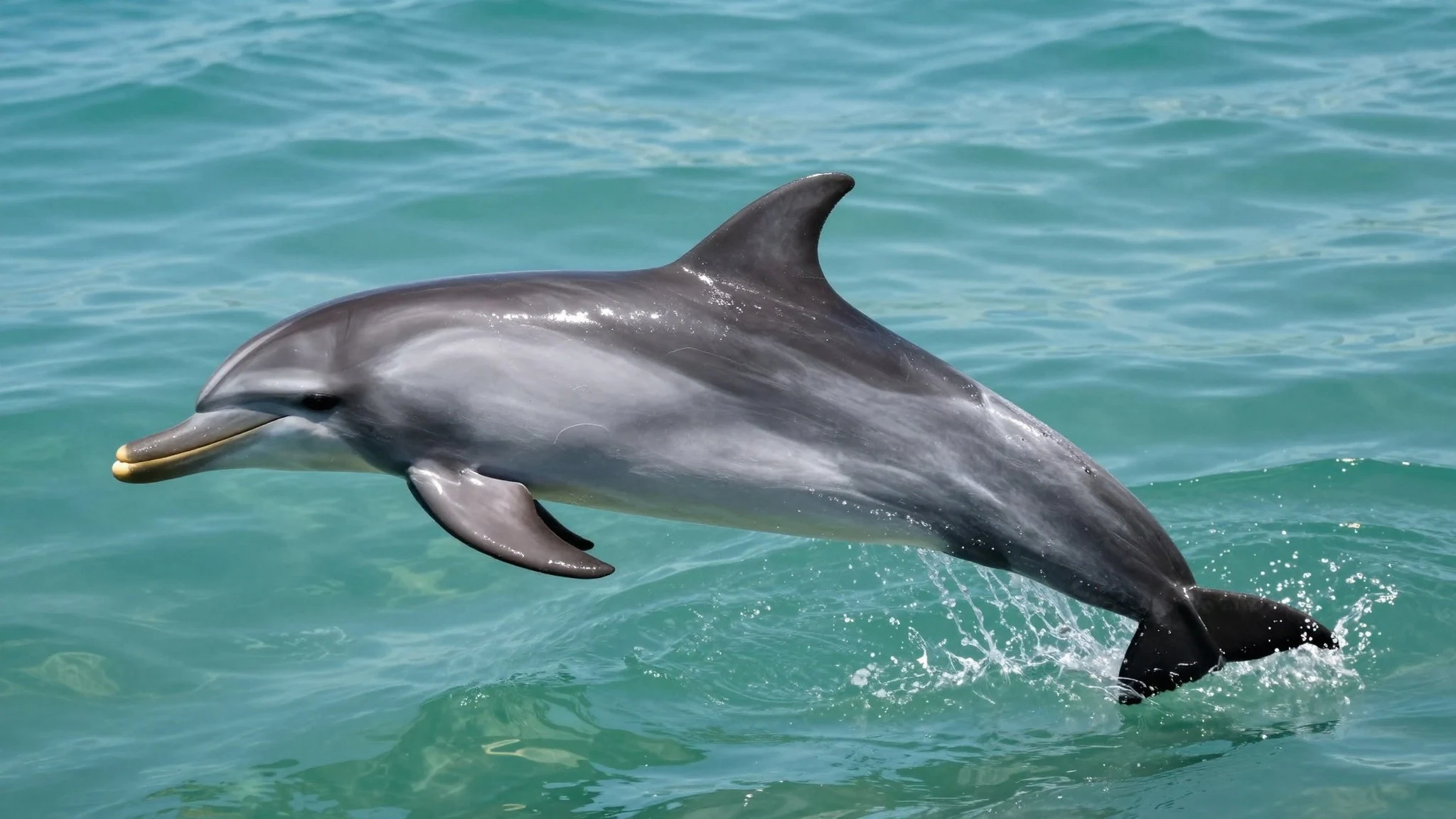
- Whale (animal)
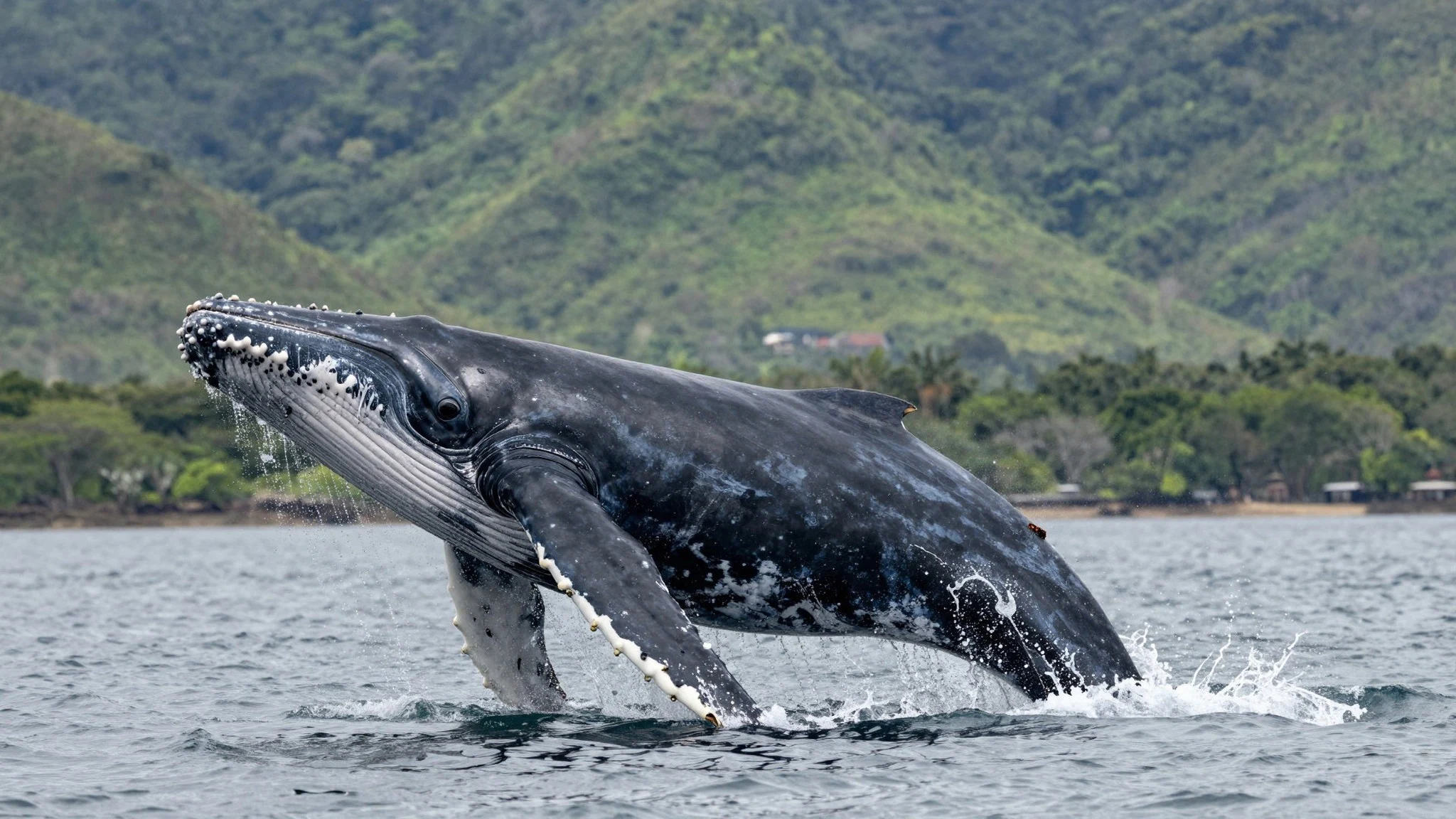
The humpback whale is a huge baleen whale with long flippers and bumps on its head, famous for leaping out of the sea. Around Huatulco, whales are often sighted on boat excursions along the coast, the best way to experience its wildlife. Males sing long, intricate songs. Ask your guide about the best timing, keep well back, stay quiet, and never feed or chase these gentle giants.