Horizontal Falls
Horizontal Falls, Australia
Horizontal Falls is a tidal waterfall where the sea, squeezed through two narrow gaps, pours sideways and reverses with every tide.
The place
Horizontal Falls sits in Talbot Bay (Ganbadba), part of the Buccaneer Archipelago on the Kimberley coast, in the far north of Western Australia. The Indigenous name is Garaanngaddim, and English speakers often shorten the other name to the "Horries". It is a waterfall only in a loose sense. There is no river and no cliff. Instead, two gaps in a low coastal ridge of the McLarty Ranges work like sluice gates for the sea.
The tides here are very large, and the basin behind the ridge cannot fill or empty as fast as the open water outside. As the tide turns, the sea piles up on one side of a gap and spills through to the other, then does the same at the second gap. On a spring tide the drop can reach up to 5 m. When the tide reverses, so does the flow, which is why the falls are called horizontal. The landward gap is the narrower of the two, so the water is squeezed hardest there.
The area is protected as the Lalang-garram / Horizontal Falls Marine Park. There is no road to it. Everything arrives by boat or by air, and that remoteness shapes the experience: the water is warm, the sun is fierce for much of the year, and the same bay that looks inviting from above is home to estuarine crocodiles and box jellyfish. Nobody swims casually here. The reward is watching a coastline behave in a way most coasts never do.
Its story
Horizontal Falls has been known for as long as the Dambimangari people have lived on this coast, and Garaanngaddim is the name that carries that history. The place is bound up with Country and with stories that belong to its traditional owners, who regard it as sacred. Outsiders learned of it much later, and for most of the modern era it was a curiosity glimpsed by sailors and pilots rather than a destination.
That changed as tourism reached the Kimberley. Operators from Broome and elsewhere began flying visitors over the gaps and taking fast boats through them, and the falls became known well beyond Australia. The naturalist David Attenborough described them as one of nature's most extraordinary marvels, a quote that has featured heavily in marketing ever since.
The risks of that business became painfully clear in May 2022, when a seaplane on a tour of the falls appeared to hit a rock wall. Many of the passengers were badly hurt, and rescue was slowed by the distance and by the crocodiles and jellyfish in the water.
Since then the question of how the falls should be used has moved to the centre. The Western Australian government has decided that, from 2026, boat trips through the gaps will stop, citing both safety and the sacred significance the Dambimangari Aboriginal Corporation attaches to them. Visitors should expect the experience to be changing, and should check what is currently offered before planning around it.
What to see
- The falls from the air — Talbot Bay, Kimberley coast
Horizontal Falls makes most sense from above, where the two gaps look like notches in the ridge and a band of white water runs across the channel rather than down it. Scenic flights from Broome are the usual way to see it. Check current operator and safety information before booking anything.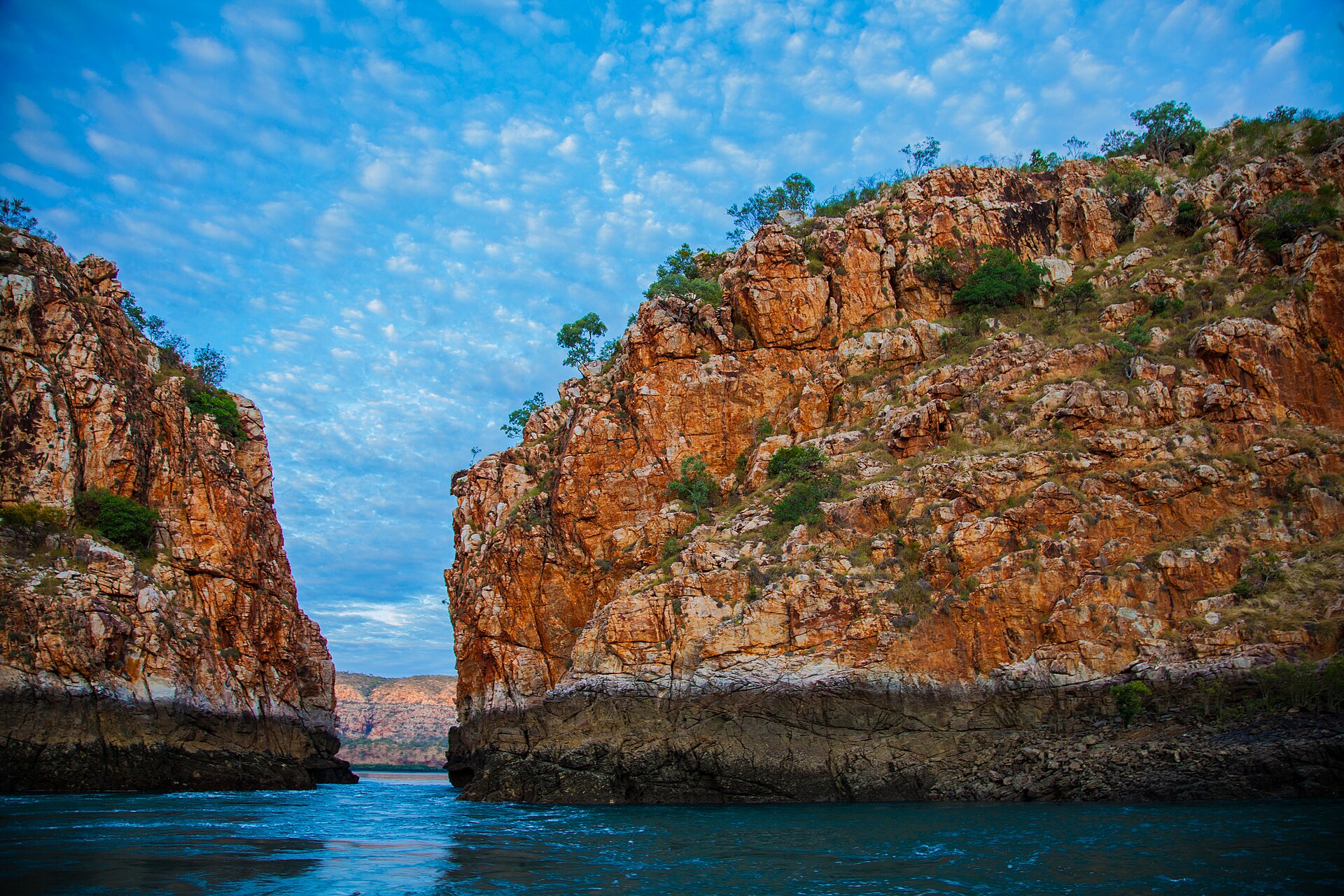
- Talbot Bay (Ganbadba) — Buccaneer Archipelago
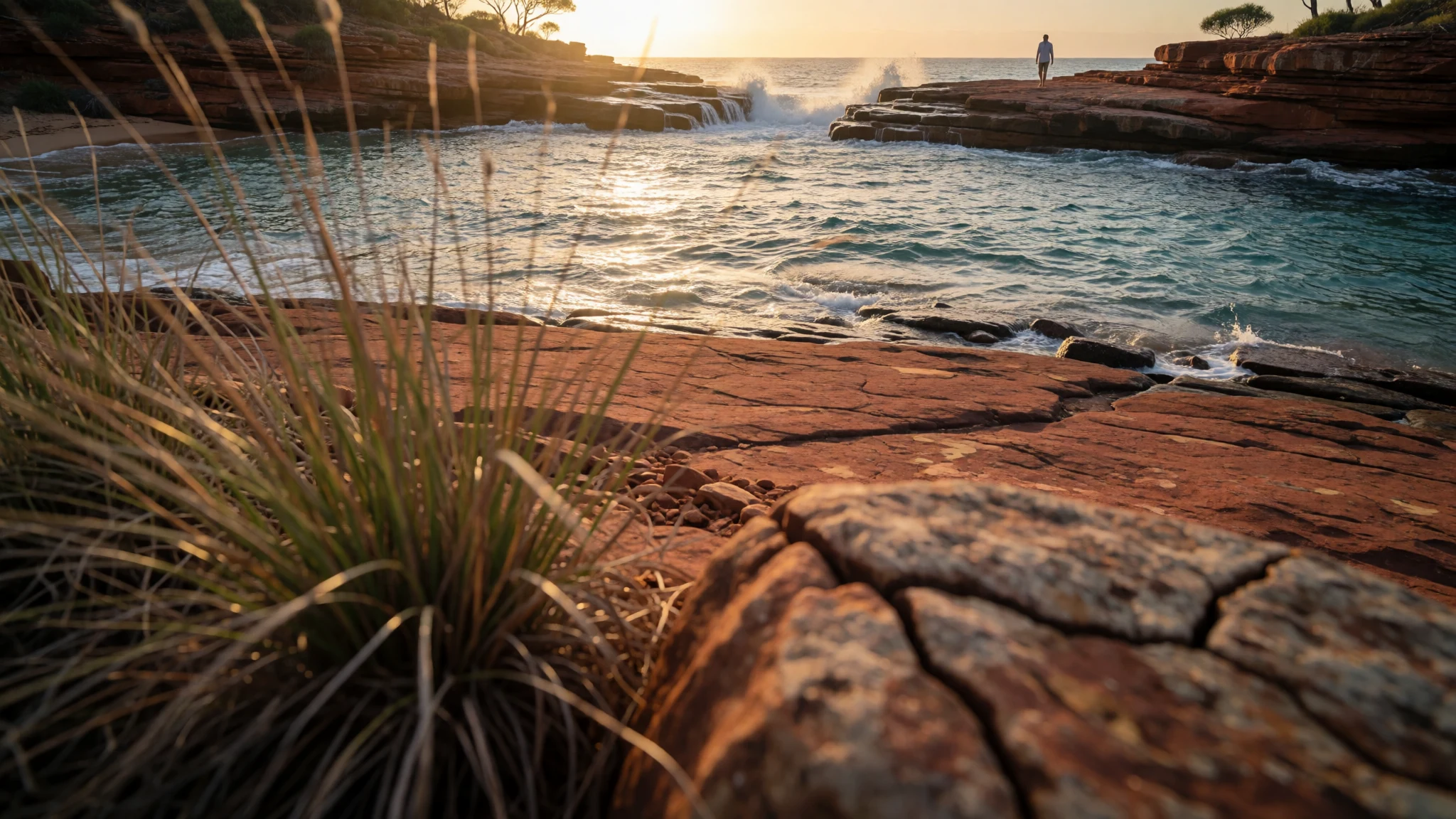
Talbot Bay is a sheltered stretch of water ringed by rust-red ridges and scattered islands. Seen from a boat or a window seat, it shows how the tide drains and refills the inner basins, and why the falls form exactly here. Light and water colour change hour by hour, so the same view can look very different. - McLarty Ranges coast — Western side of Talbot Bay
The McLarty Ranges rise straight from the shore around Horizontal Falls, low, steep and mostly bare. They explain the whole show, because the two gaps are the only places the sea can pass through. With access only by sea and air, the ranges are a landscape to watch from the water or the sky. - Lalang-garram / Horizontal Falls Marine Park — Kimberley coast
The marine park protects the falls and the waters around them. It is a working reminder that this is Indigenous sea Country as well as an attraction. Reading the park's current rules, and any closures, before travelling is part of visiting properly, particularly as access arrangements are changing. - Cable Beach, Broome — Broome
Broome is the practical gateway to the falls, and Cable Beach is its best-known stretch of sand, swept clean by the tides each day. Swimming is not possible there from October to May because of box jellyfish, which is a useful reminder of what lives in these northern waters.
Culture
Horizontal Falls lies on the Country of the Dambimangari people, and its Indigenous names, Garaanngaddim for the falls and Ganbadba for Talbot Bay, are the starting point for understanding the place. The Dambimangari Aboriginal Corporation regards the falls as sacred, and that view is one reason the Western Australian government is ending boat trips through the gaps from 2026. For visitors, this means the falls are not simply a thrill ride but a site with living meaning.
That sits within a wider Western Australian argument about land. Mining drives much of the state's economy, yet a lack of proper consultation with Indigenous landowners has seen sacred sites destroyed, the blasting of Juukan Gorge in 2020 being the best-known case. Similar debates touch renewable energy and the protection of the coast. Travellers in the Kimberley will hear these issues discussed openly, and listening is usually better than offering opinions.
In practice, the most respectful approach is to book with operators who work with Traditional Owners, to follow any restrictions on where boats and aircraft may go, and to treat the bay as a place with its own protocols. Names matter too: using Garaanngaddim alongside Horizontal Falls is a small, easy courtesy.
Visitor etiquette: follow the current rules and closures for the falls and marine park without exception, and do not ask guides or locals to take you somewhere Traditional Owners have asked visitors to stay away from.
What to wear
Horizontal Falls belongs to the Dambimangari people, and the traditional dress of Kimberley Aboriginal communities varies by language group and occasion. Ceremonial dress commonly involves body painting with ochre and other natural materials, with designs that belong to particular families and stories. Specific patterns and their meanings are not for outsiders to copy or interpret, so this reading will not guess at them.
What people wear day to day on the Kimberley coast is practical, because heat and sun dominate. Loose cotton shirts, work shirts and shorts are normal, along with wide-brimmed hats, sunglasses and flip-flops or sturdy boots depending on the job. Fishing and boating crews favour long sleeves and quick-drying fabrics. Nobody dresses up, even in Broome's restaurants.
Visitors should dress for sun, salt and small boats. Pack a hat that stays on in wind, long-sleeved light shirts to cut sun exposure, sunscreen and sunglasses with a strap. Wear shoes with grippy soles for wet decks, and carry a light waterproof layer for spray. A dry bag protects phones and cameras. There is no formal dress code at the falls, but modest swimwear and a shirt are sensible on tours, and the area's cultural significance is a good reason to keep clothing simple and respectful rather than novelty or slogan-led. Remember that swimming is unsafe because of crocodiles and jellyfish, so swimwear is mainly for the beaches elsewhere.
What to eat
- Barramundi — Pubs and fish-and-chip shops in Broome and Derby
Barramundi is a firm white fish from northern Australian waters, served grilled, pan-fried or in batter with chips. It is a familiar order across the Kimberley, and a reliable way to taste something local without any fuss. - Pub dinner — Any town pub, especially in Broome
Pubs are the dependable evening meal in most Western Australian towns. Expect steaks, fried fish, schnitzels and salads in generous portions, eaten at long tables with a cold drink. It is plain, filling food after a day in the sun. - Roadhouse burger — Roadhouses on the highways to the Kimberley
Roadhouses on the long highways serve sandwiches, burgers and sometimes proper cooked meals, and they are often the only food for a long way. A burger with the lot, meaning egg, beetroot and bacon, is the classic order. - Marron — Restaurants in the south-west, or farms there
Marron is a large freshwater crayfish from the state's south-west, with sweeter, softer flesh than ocean shellfish. It appears on menus in season, though many people prefer boiling their own over a campfire. Trapping needs a licence, and farms sell them frozen. - Thai-influenced cafe food — Cafes and eateries in central Broome
Australian takes on Thai and Chinese cooking are common in larger towns, and cafes serve coffee, breakfasts and light lunches. They suit travellers wanting something lighter in the heat than a pub meal.
Plan it
Best time. May to September, the dry season in the Kimberley, when days are sunny and the heat and humidity are easier to manage. The wet season brings storms, humidity and cyclone risk, and flights and tours are less reliable. Box jellyfish make sea swimming unsafe from October to May.
How long. 2–3
Getting there. Fly to Perth, the state's main international airport, then take a domestic flight to Broome, the usual base; Broome's own international link has been irregular. The falls have no road access, so the last leg is by boat or aircraft with an operator, so check what is currently running.
Budget. high
Tips
- Book tours well ahead in the dry season, and confirm that your operator is still running the trip you want
- Check the state government and marine park information for current access rules, as boat trips through the gaps are ending from 2026
- Bring sun protection, a hat and plenty of drinking water, as shade is scarce
- Eat in Broome before you go, since remote trips may need you to bring food
- Tell someone your plans if you travel on unsealed tracks, and leave a time to check back
Etiquette
- Respect the falls as a sacred site of the Dambimangari people, and follow all restrictions on access
- Never swim in the bay, because of crocodiles and box jellyfish, and listen to your guide's safety briefing
- Use Garaanngaddim and Ganbadba alongside the English names, and ask before photographing people
Nearby
Sources
- Wikidata Q1476628 (CC0)
- Wikipedia: Horizontal Falls (rev 1386456057) (CC BY-SA 4.0)
- Wikivoyage: Western Australia (rev 5395173) (CC BY-SA 4.0)
- Photo: Horizontal Falls (Reefpix) (CC BY-SA 4.0)
- Photo: Relief map of Australia (Виктор В) (CC BY 3.0)
- Photo: Western Australia relief location map (Betterkeks) (CC BY 4.0)
- Photo: Horizontal falls first fall (Natalie Siegel-Brown) (CC BY-SA 4.0)
- Photo: Horizontal Falls, Western Australia (Djanga) (Public domain)


Wildlife
- Estuarine crocodile (animal)
The saltwater crocodile is a wild reptile that lives along salty coasts, brackish marshes and rivers, and it is dangerous to people. At Horizontal Falls it lives in the bay that seems so welcoming when seen from overhead. No season or time of day is given, so go hoping rather than expecting. Watch only from a safe distance with a guide, keep quiet and calm, never feed it, and never swim in its water.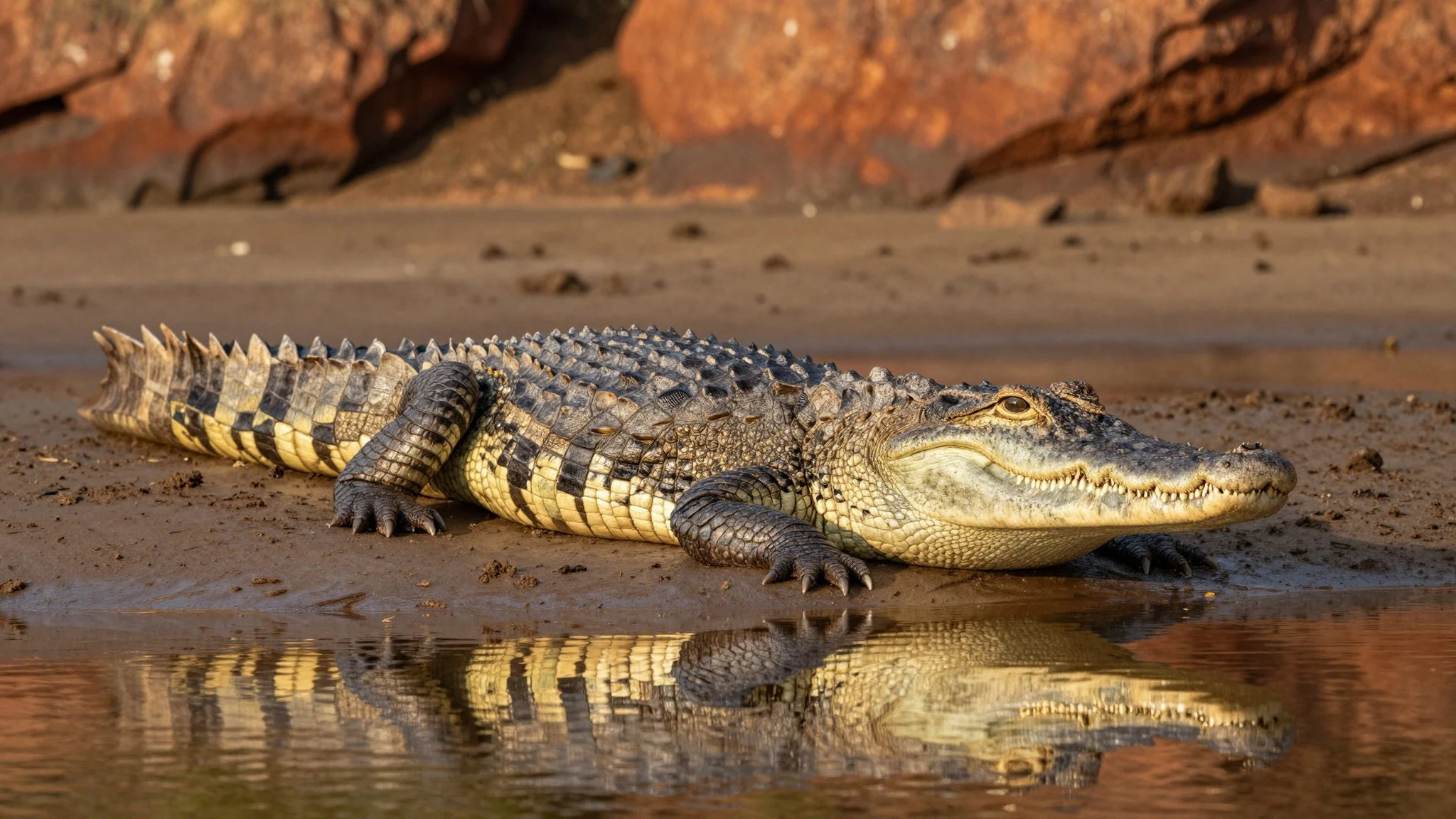
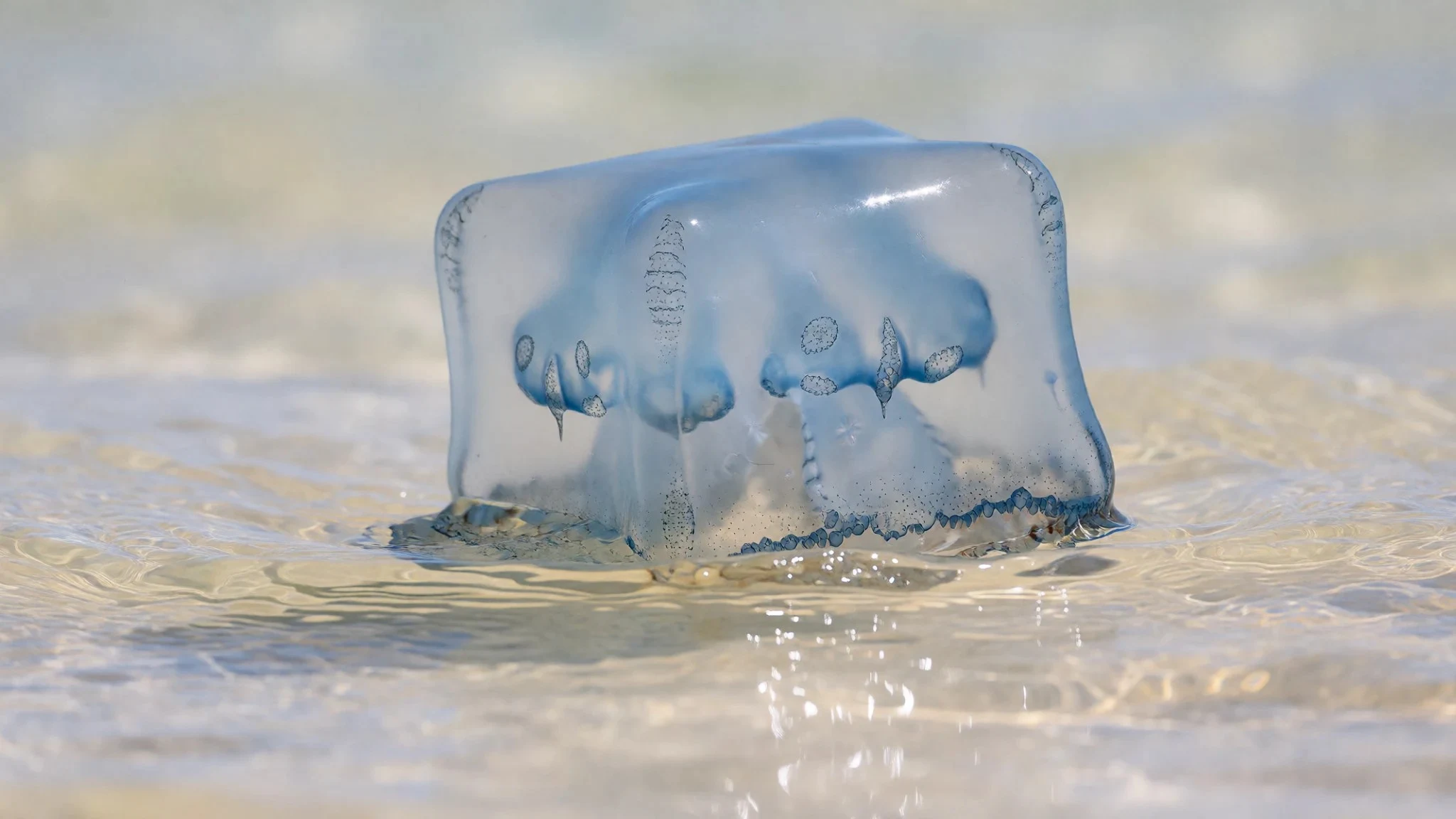
- Box jellyfish (animal)
The box jellyfish, also called the sea wasp, is a drifting sea creature with a sting so powerful that it is called the most deadly jellyfish in the world. It lives in the coastal waters of northern Australia, including the bay at Horizontal Falls that seems so welcoming from overhead. No season or hour is given for it. Follow your guide's advice, stay well clear of the water, and never touch it.